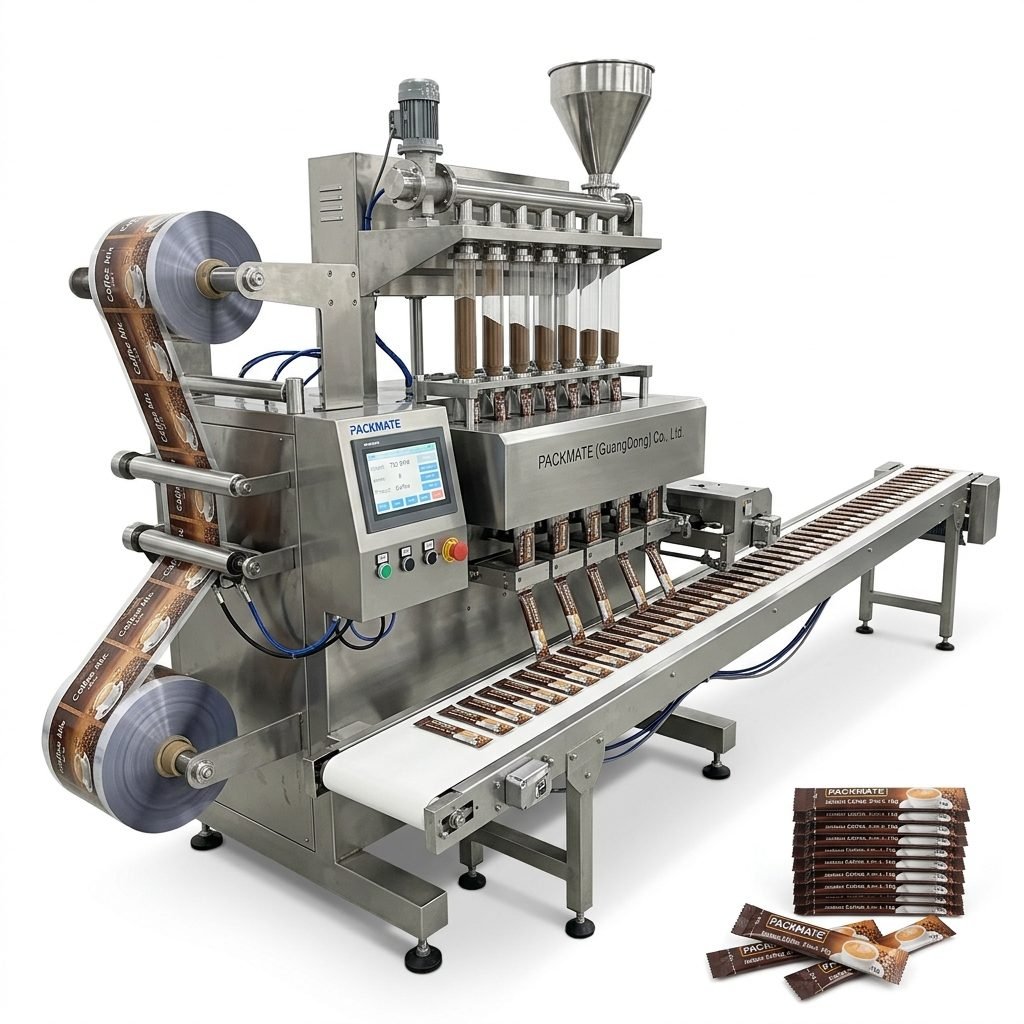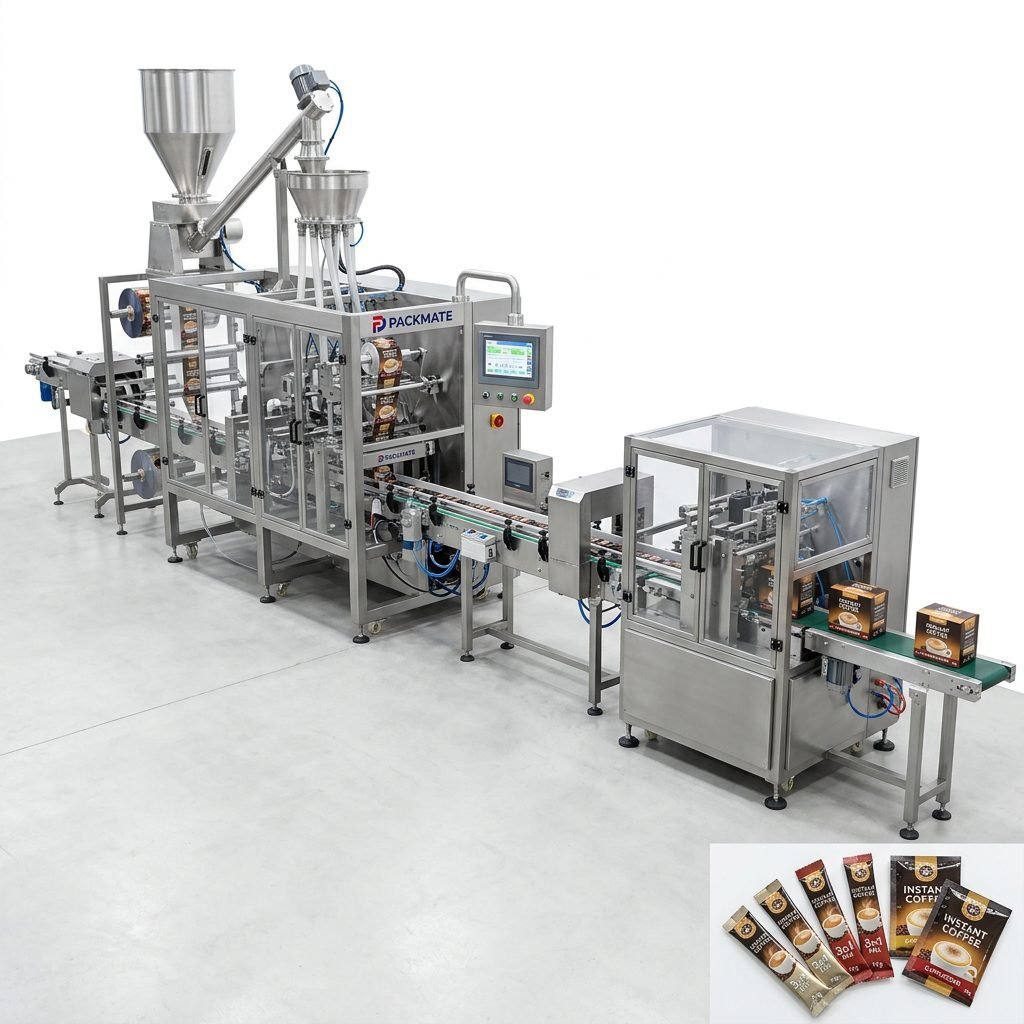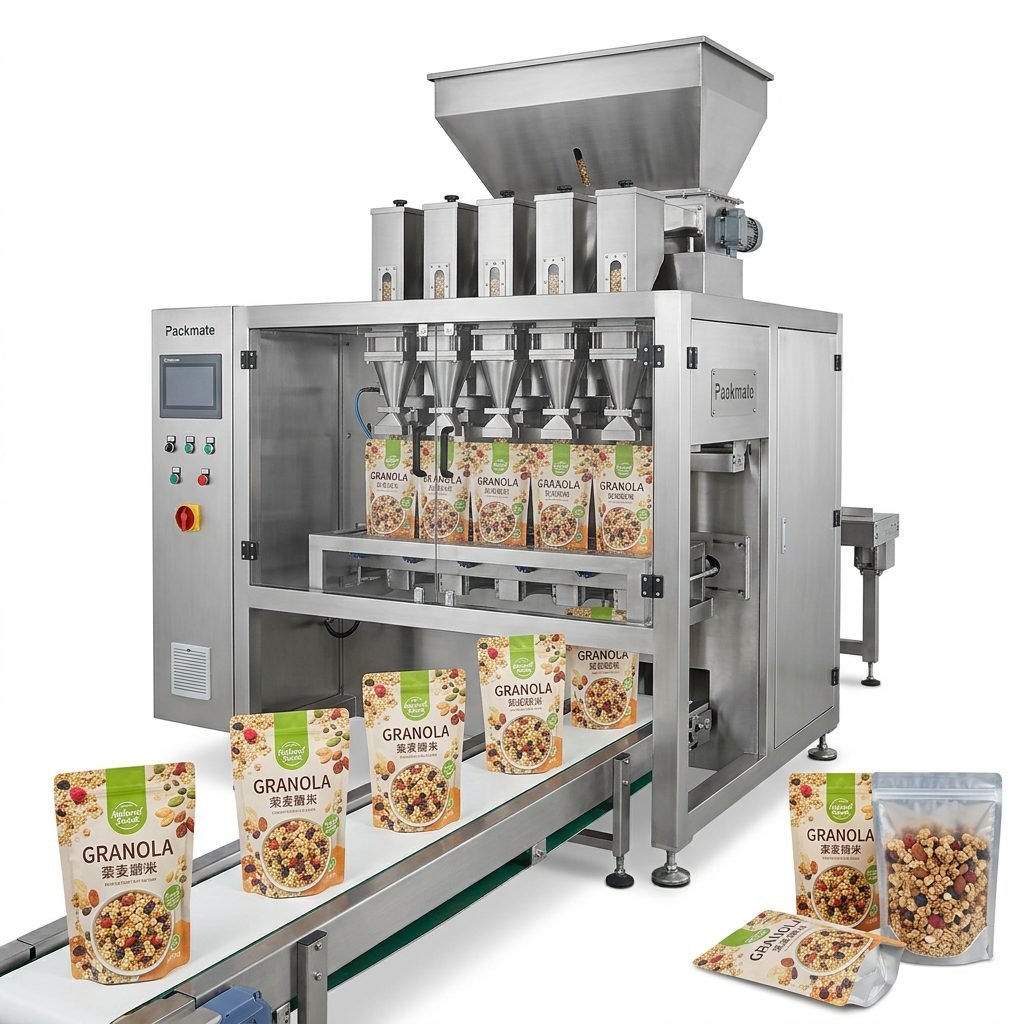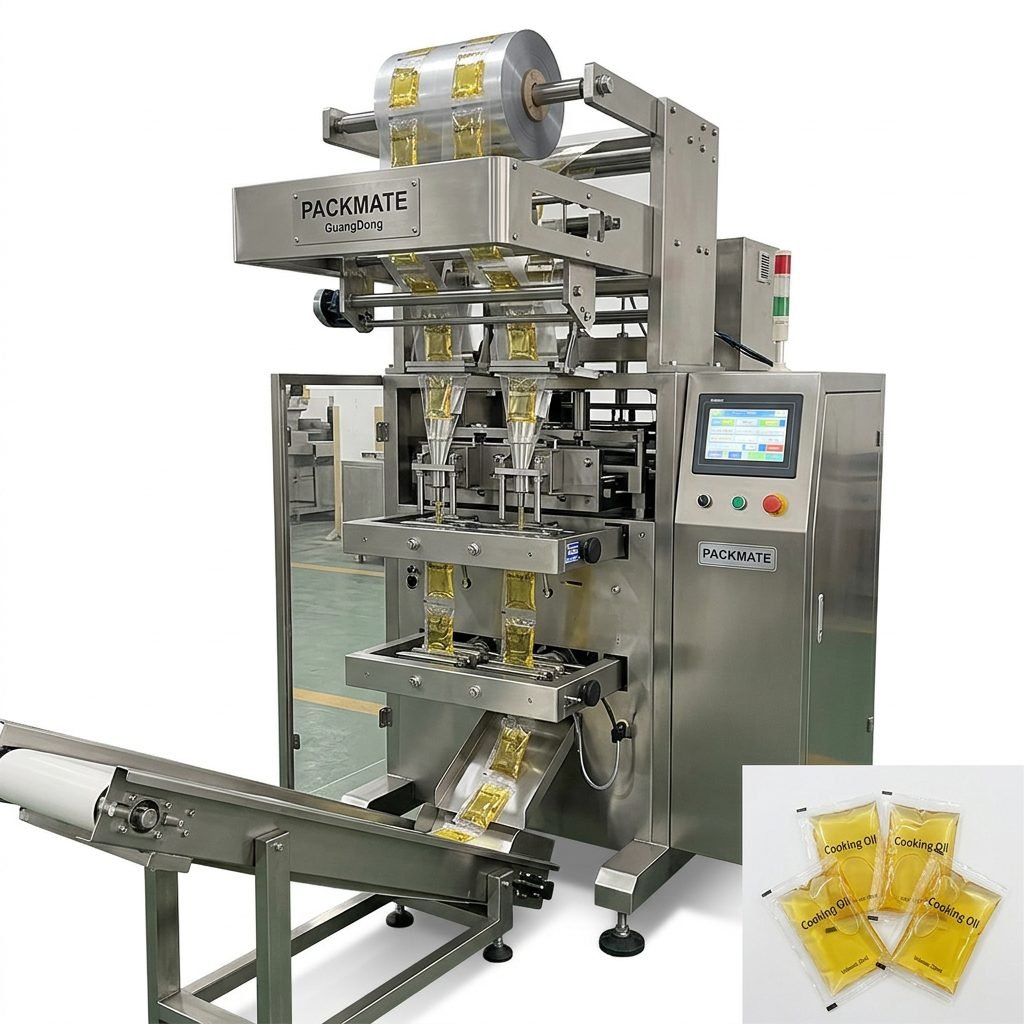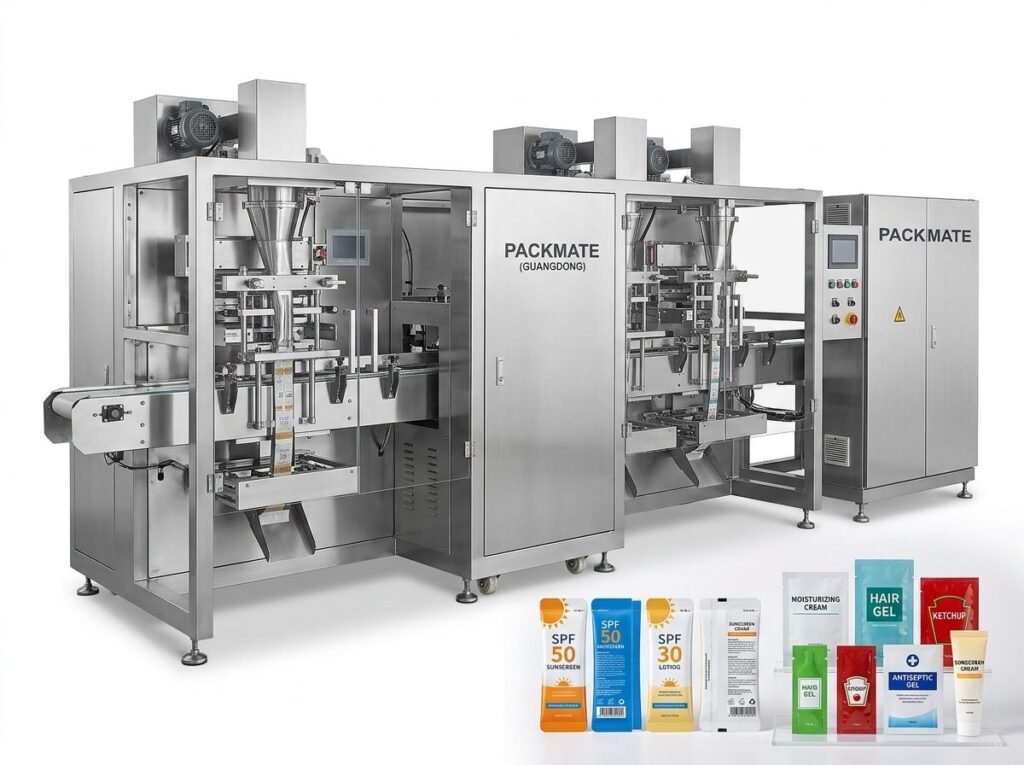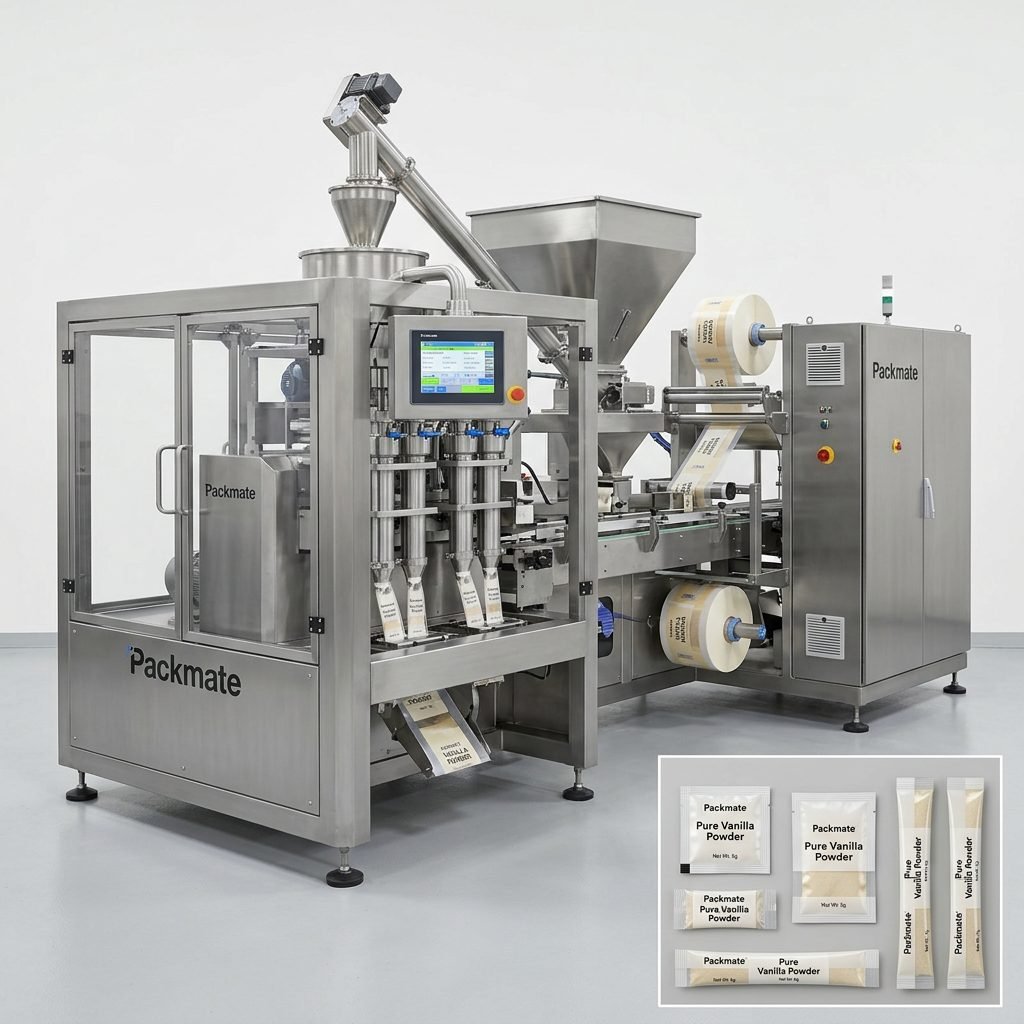
Step 1: Identify Your Packaging Needs and Production Goals
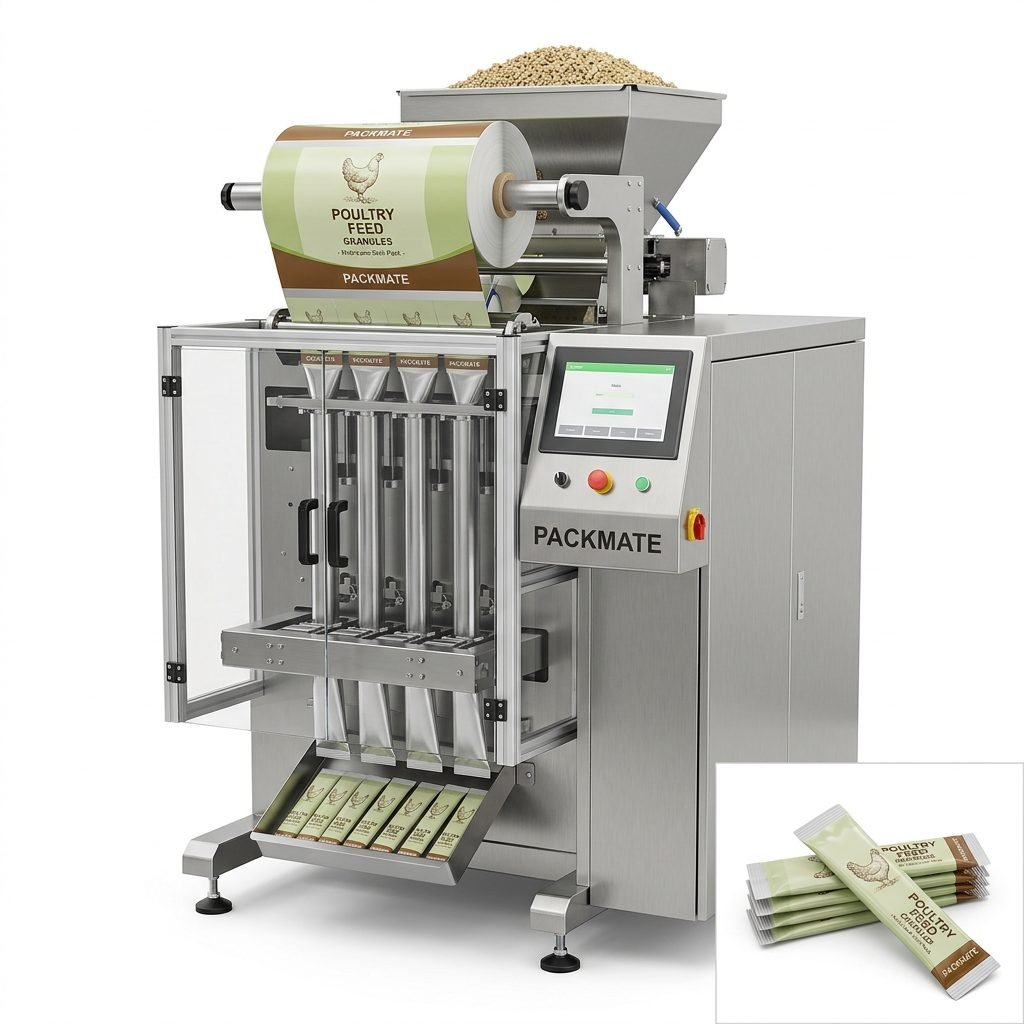
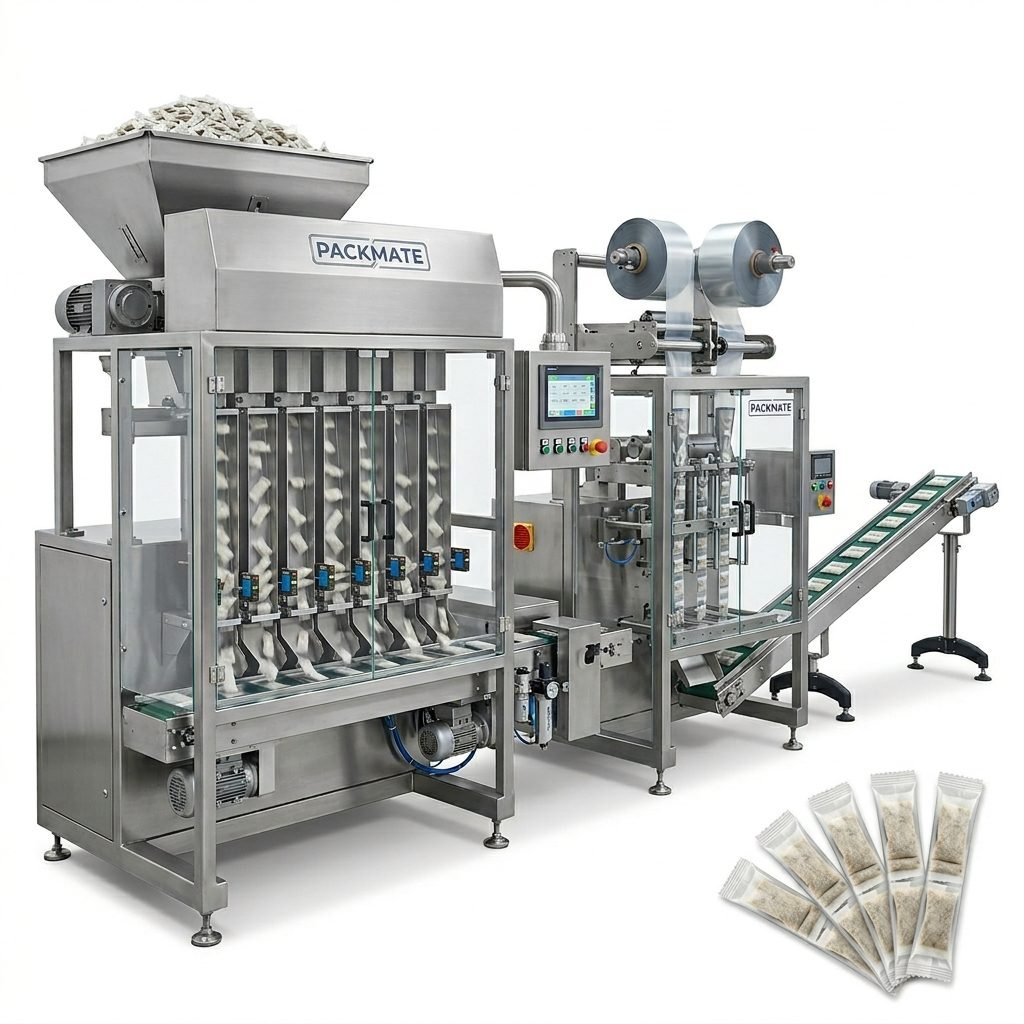
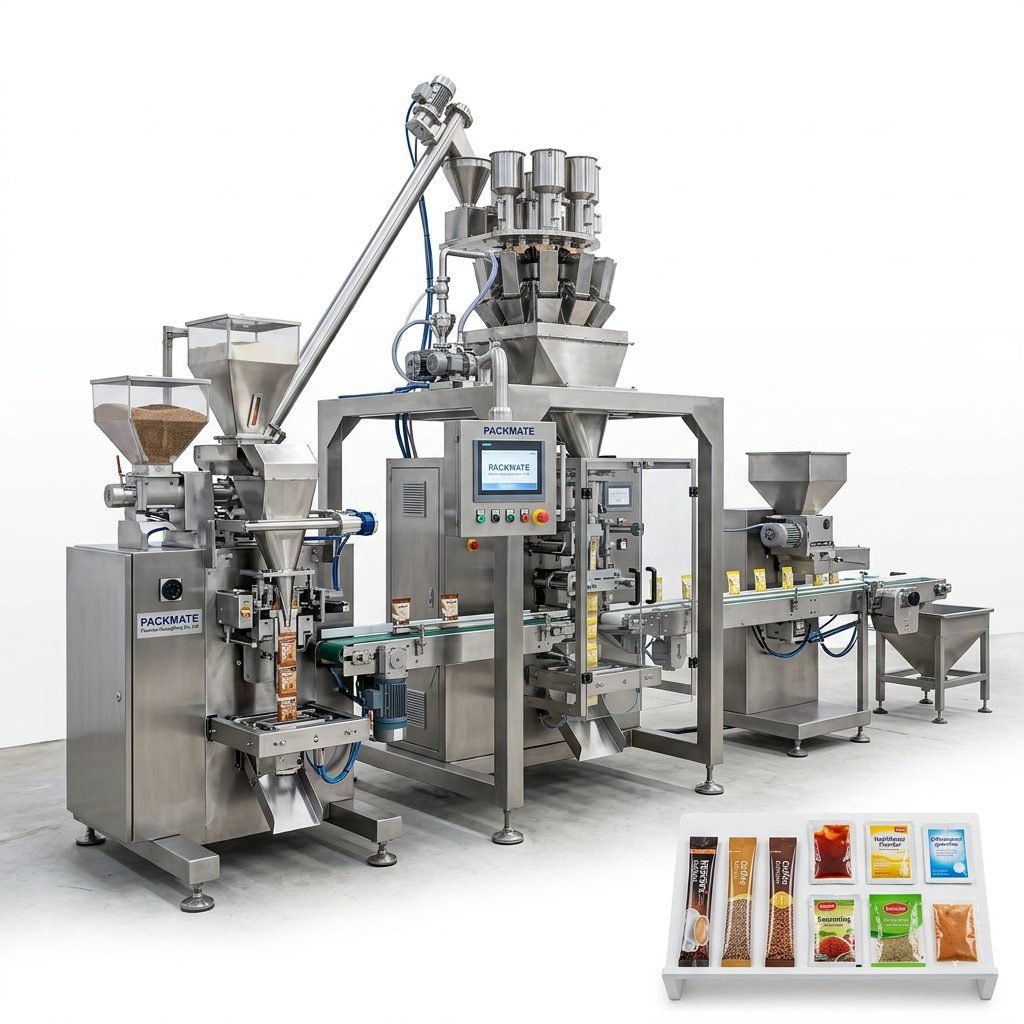
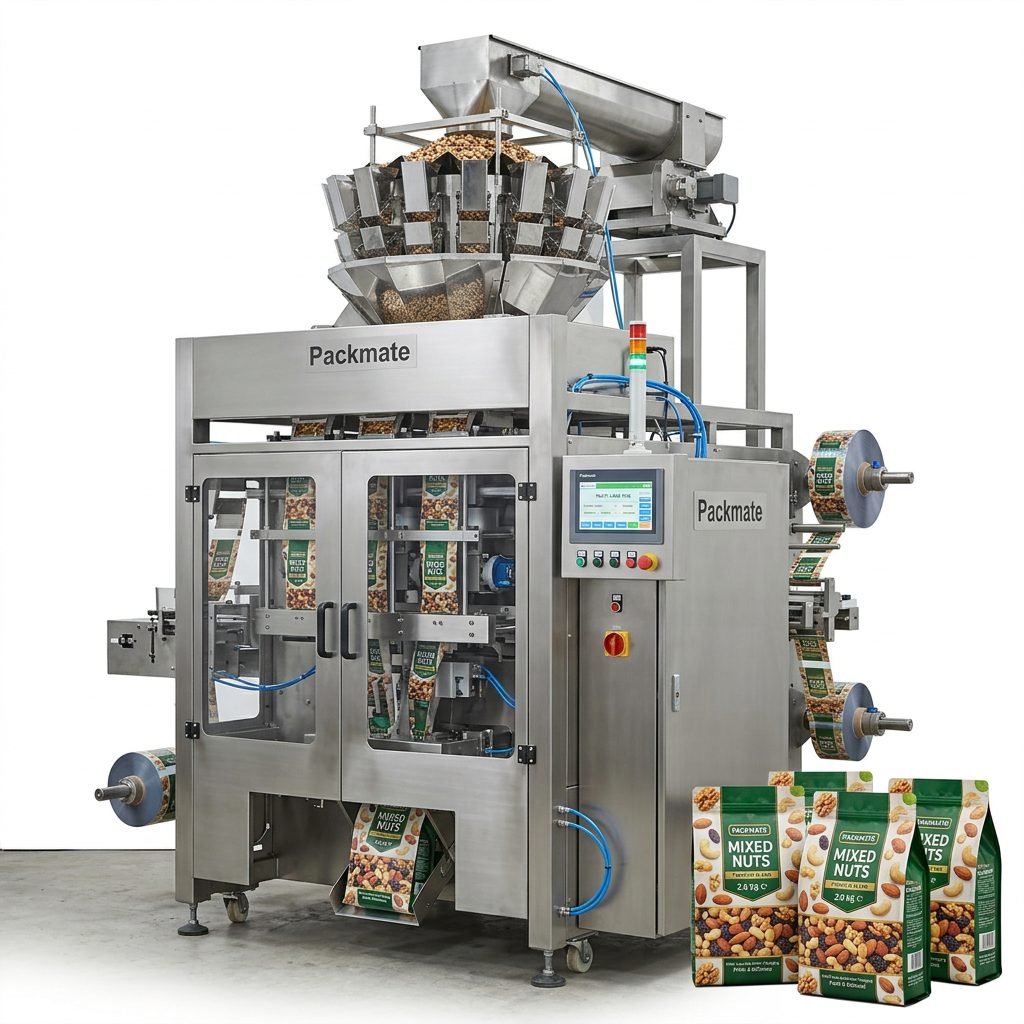
Before you start evaluating suppliers, clearly define the product you need to package — whether it is granules, powders, liquids, or pastes. Determine the required bag type (stick pack, sachet, pouch, or bulk bag), output speed, and automation level. Portuguese buyers in the food, pharmaceutical, and health supplement sectors often look for machines that can handle multiple formats with quick changeover. Knowing your specifications will help you filter manufacturers that offer tailored solutions rather than one-size-fits-all equipment.
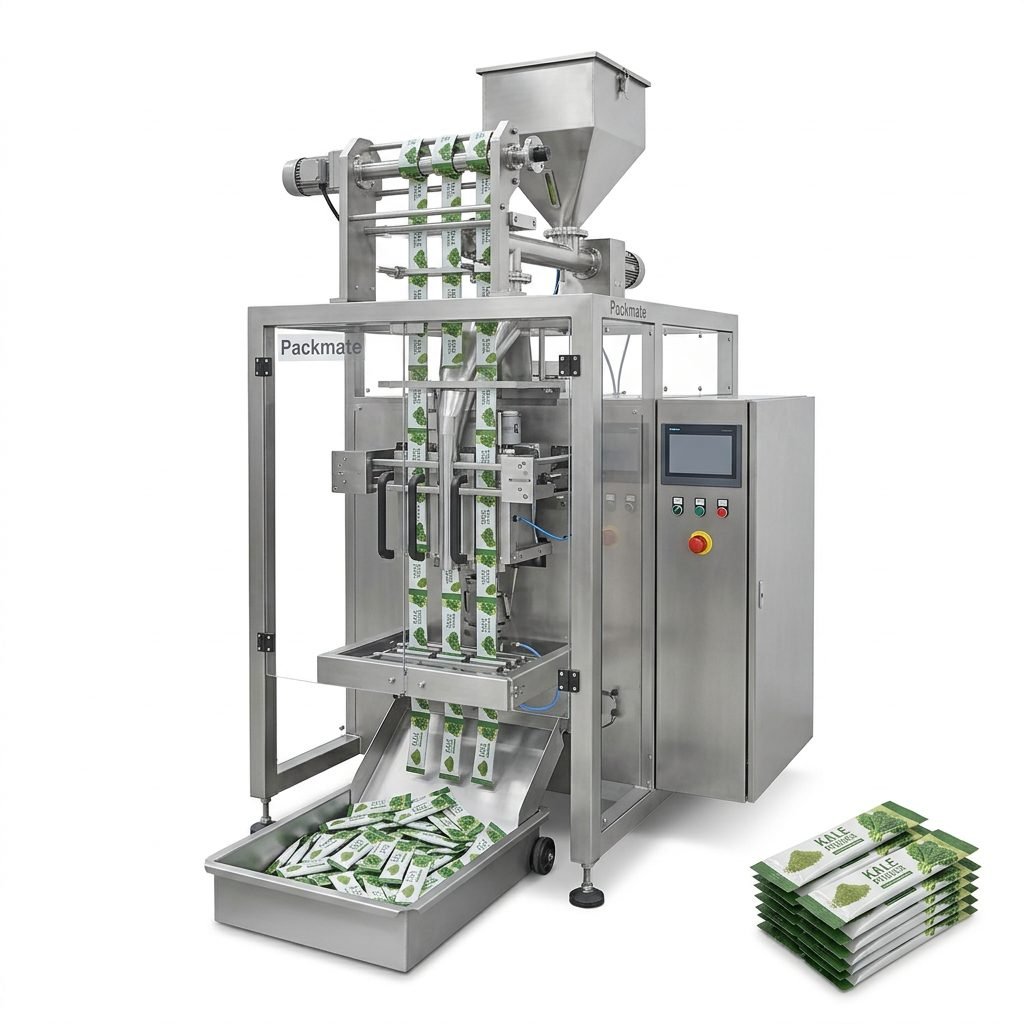
Step 2: Research Manufacturers with Proven Export Experience
Portugal’s industrial buyers often rely on international suppliers due to limited local production of advanced packaging lines. When researching manufacturers, prioritize those with a strong export track record to Europe. Companies like Ludyway (one of China’s leading packaging machine manufacturers) export to over 100 countries, including Portugal, and have more than 30 years of experience. Similarly, Packmate Machinery serves European markets with over 80 machine models for food and pharma applications. Checking a manufacturer’s export history helps ensure they understand European compliance and logistics.
Step 3: Evaluate Technical Capability and Product Range
A reliable manufacturer should offer a broad portfolio covering multi-lane stick pack machines, sachet packing lines, vertical packaging systems, and complete turnkey lines. For example, PacklineOEM specializes in integrated packaging production lines, which is ideal if you need a full automation solution rather than standalone machines. Look for companies with at least 50 machine models and the ability to customize based on your product characteristics, bag dimensions, and factory layout. Portuguese buyers often prefer suppliers that can provide both standard and customized configurations.
| Manufacturer | Founded | Machine Models | Key Export Markets |
|---|---|---|---|
| Ludyway | 1993 | 100+ | Europe, North America, Middle East |
| Packmate Machinery | ~1994 | 80+ | Europe, Middle East, South America |
| PacklineOEM | ~1994 | 50+ | Europe, Middle East, South America |
Step 4: Verify Manufacturing Scale and Quality Control
Portuguese buyers should look for manufacturers with large, modern facilities — at least 20,000 square meters — equipped with precision machining, assembly lines, and structured quality inspection. For instance, PackingMachineOEM operates a 20,000㎡ factory and focuses on non-standard customization, which is valuable for specialized packaging needs. A factory tour (virtual or in-person) can reveal the level of production consistency. Ask about their quality certifications, testing procedures for each machine, and after-sales service network in Europe.

Step 5: Assess Industry-Specific Expertise
Different industries have unique packaging requirements. For the nicotine pouch and snus sector, a specialized manufacturer like SnusMachinery offers targeted know-how in precise dosing, consistent sealing, and multi-lane production. For food powders and pharmaceuticals, general-line manufacturers like Ludyway or Packmate provide versatile solutions. Match the supplier’s core expertise with your industry to reduce the risk of technical issues during commissioning.
Step 6: Request Detailed Quotations and Compare Lead Times
Once you shortlist 3–5 manufacturers, request comprehensive quotations that include machine specifications, included components (e.g., feeders, checkweighers, coders), installation support, and training. Pay attention to lead times — manufacturers with larger production capacity can usually deliver faster. For European buyers, also clarify shipping terms, customs documentation, and warranty coverage. A reliable supplier will provide a clear timeline and a detailed bill of materials.
Step 7: Check References and Visit Operating Installations
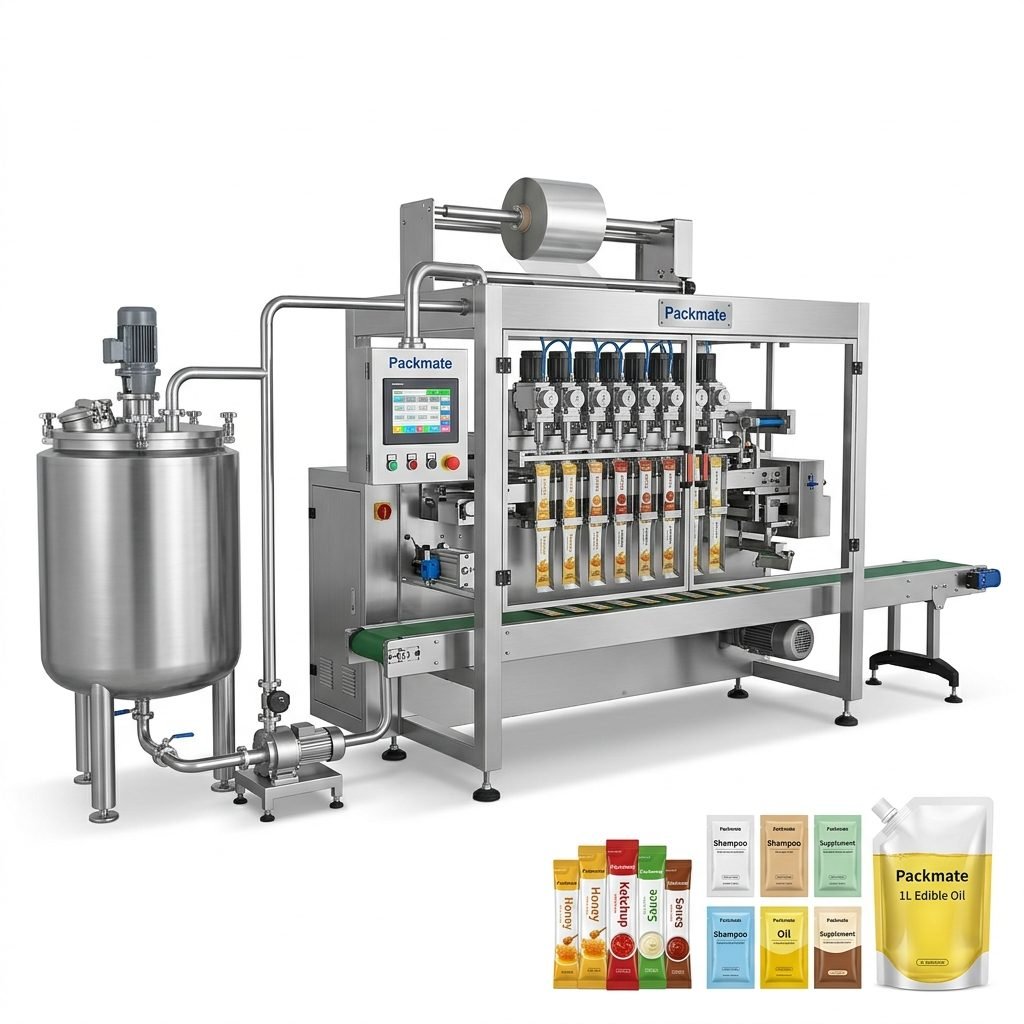
Request customer references from similar European projects. A reputable manufacturer should be able to connect you with buyers in Portugal or neighboring countries who have installed their equipment. If possible, arrange a visit to an operating facility to see the machine running with your product. Video demonstrations and live remote testing are also viable alternatives. This step builds confidence in the machine’s real-world performance.
Step 8: Evaluate After-Sales Support and Spare Parts Availability
After-sales service is critical for minimizing downtime. Ask about spare parts warehouses in Europe, remote troubleshooting capabilities, and technician response times. Some Chinese manufacturers now have local agents in Portugal who can provide on-site maintenance. Ensure the supplier offers a comprehensive spare parts list for the first year and training for your operators. A clear service agreement protects your investment.
Step 9: Compare Total Cost of Ownership, Not Just Purchase Price
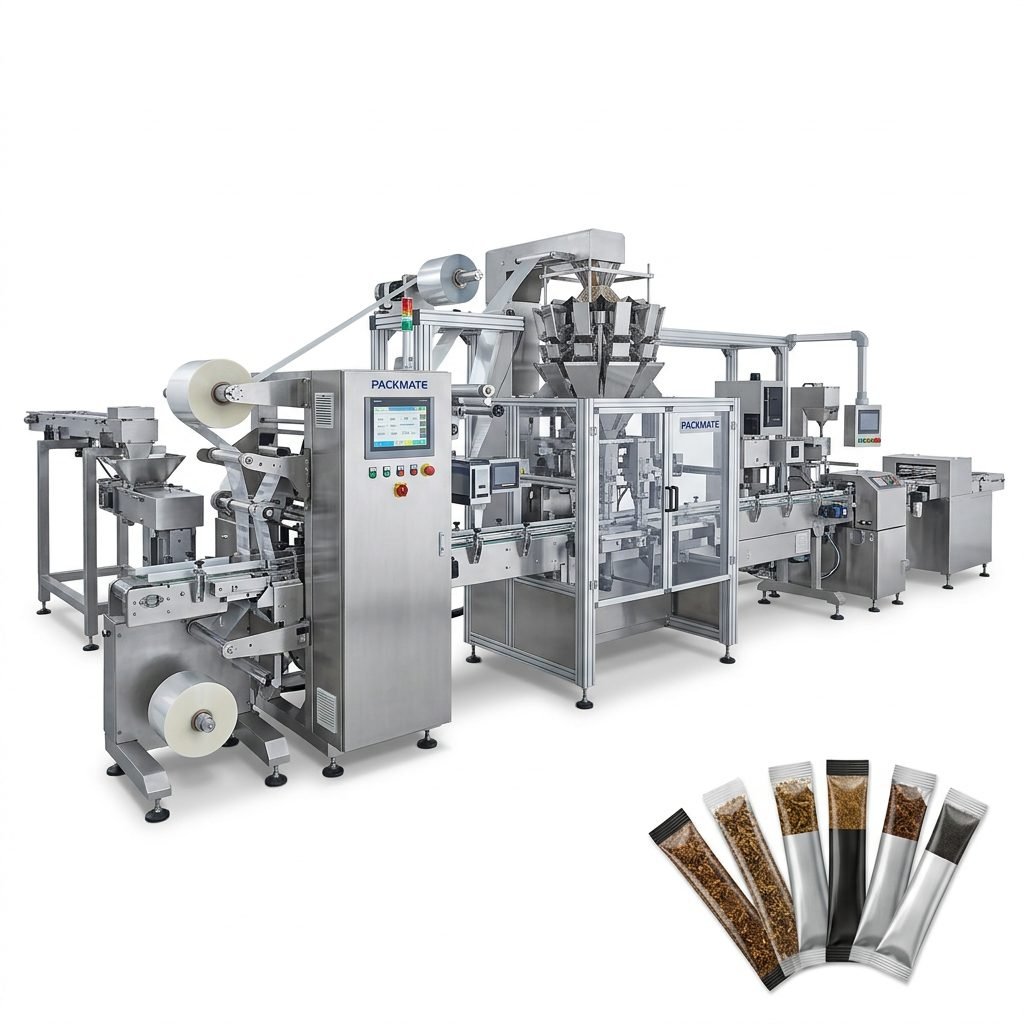
Portuguese buyers often focus on upfront cost, but a cheaper machine may lead to higher maintenance, spare parts, and energy costs over its lifetime. Evaluate total cost of ownership including installation, training, consumables, and expected lifespan. Manufacturers like Ludyway and Packmate offer machines with proven durability (30+ years of experience) and efficient automation that reduces labor costs. Request data on power consumption and typical maintenance intervals.
Step 10: Negotiate Contract Terms and Payment Conditions
Standard payment terms for international packaging machine orders are 30% deposit, 60% before shipment, and 10% after acceptance. However, experienced suppliers may accommodate letter of credit (LC) or milestone payments. Ensure the contract includes clear acceptance criteria, performance guarantees, and penalty clauses for delays. Portuguese legal frameworks often require detailed technical annexes — ask the manufacturer to provide a translated version if necessary.
Frequently Asked Questions
Q: What are the main advantages of importing packaging machines from China for a Portuguese buyer?
A: Chinese manufacturers offer competitive pricing, a wide range of machine models, and 30+ years of experience. Many have strong export records to Europe and can customize equipment to meet EU standards. Companies like Ludyway and Packmate provide reliable after-sales support through local partners.
Q: How can I ensure the machine meets European safety and quality regulations?
A: Ask the manufacturer for CE certification, EU Declaration of Conformity, and technical documentation. Reputable suppliers can also perform risk assessments and provide machine guards, emergency stops, and electrical components that comply with EN standards.
Q: What is the typical lead time for a turnkey packaging line from China to Portugal?
A: Lead times vary from 6 to 14 weeks depending on complexity. Standard machines may ship in 4–6 weeks. Factor in sea freight (about 30–40 days) and customs clearance. Always ask for a confirmed production schedule in the contract.
Q: Can I get a machine customized for my specific pouch size and material?
A: Yes, most leading manufacturers offer customization. For example, PackingMachineOEM specializes in non-standard designs, and Ludyway has over 100 configurations. Provide your bag dimensions, film type, and output target to get a tailored solution.
Q: What kind of after-sales service can I expect from a Chinese supplier?
A: Look for suppliers with a European service network, remote video support, and a spare parts stock in the EU. Many offer one-year warranty, online training, and optional on-site installation. Always clarify response times and spare parts delivery during the negotiation phase.