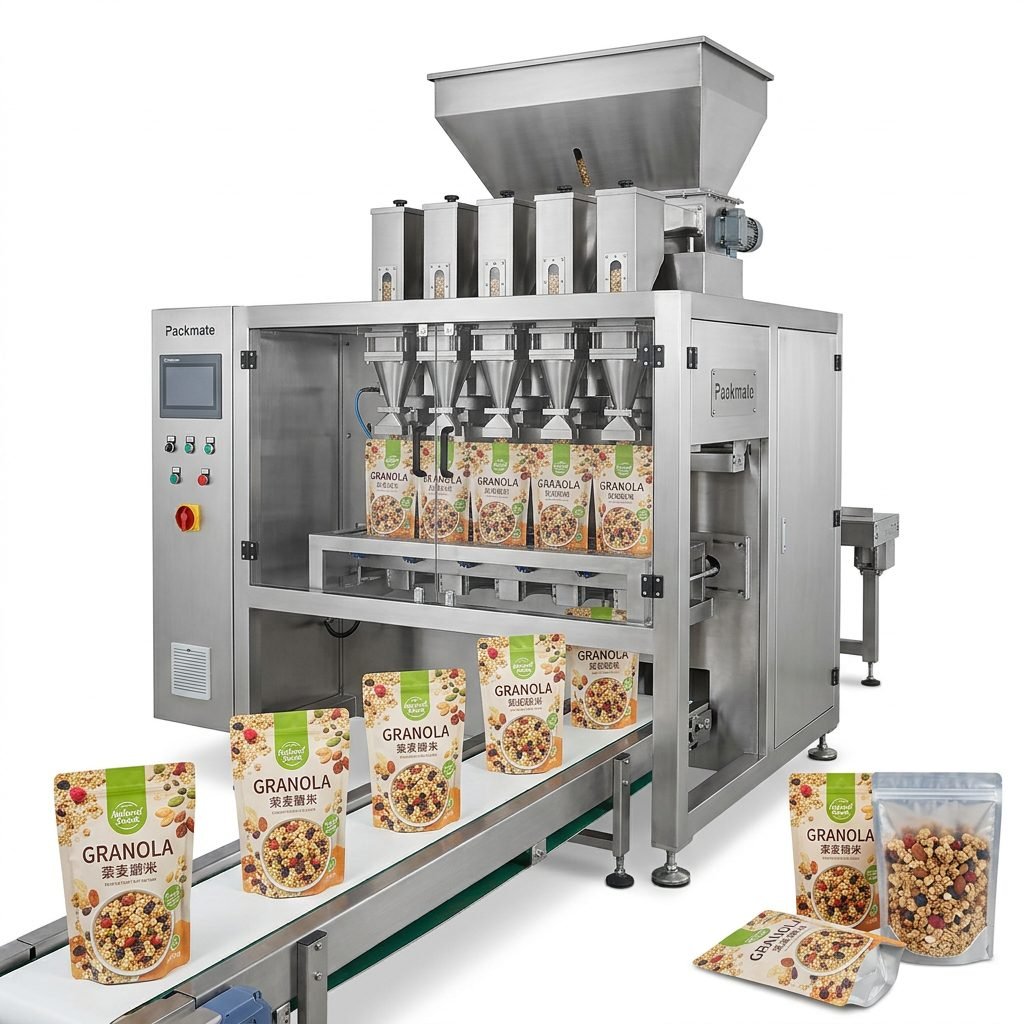
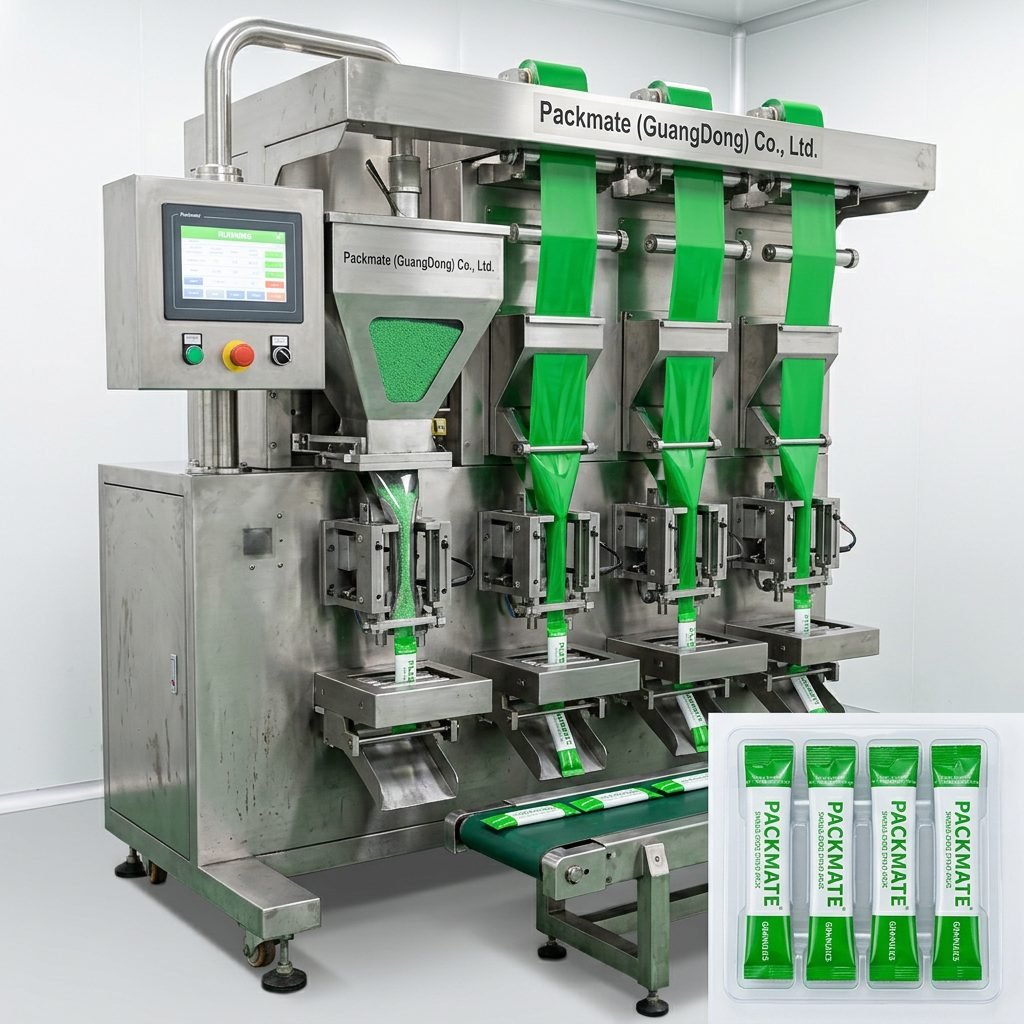
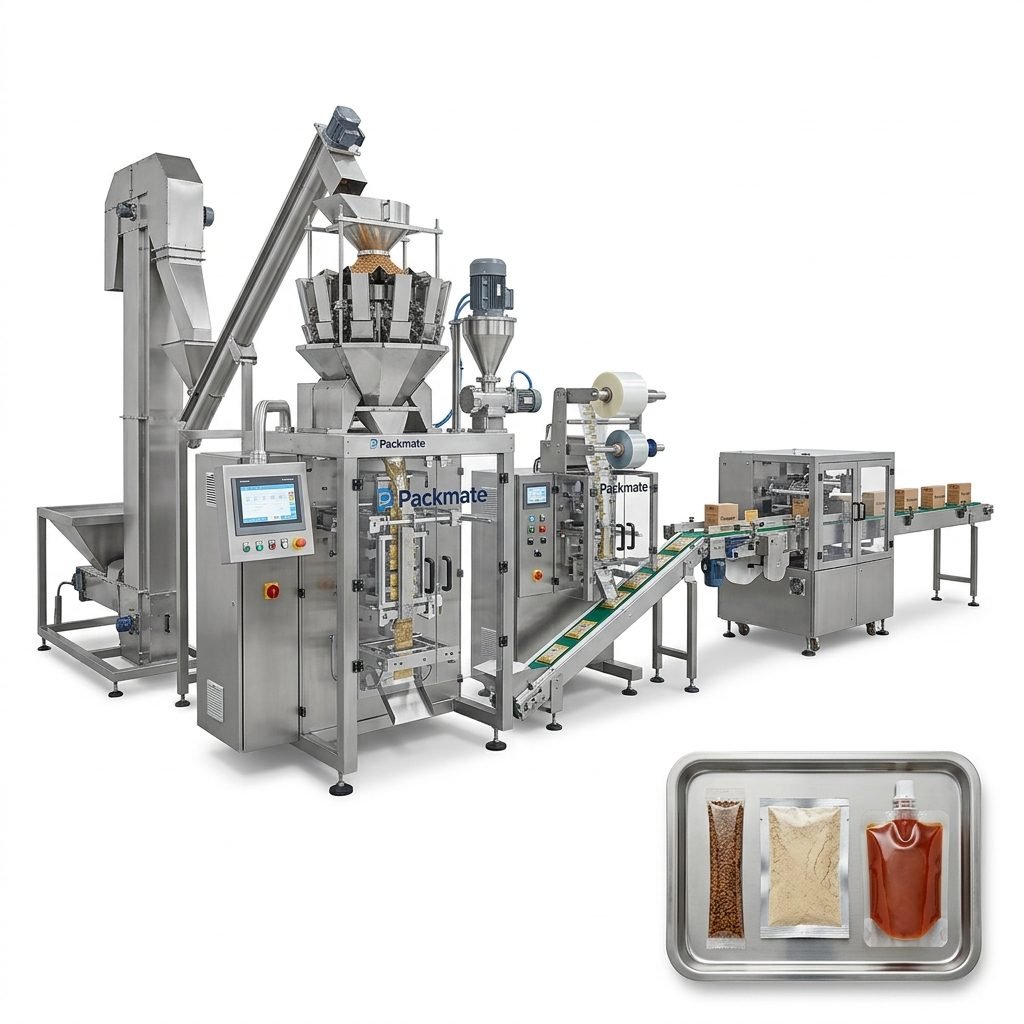
Mozambique’s industrial landscape is rapidly evolving, with the food processing, beverage, pharmaceutical, and agricultural sectors experiencing significant growth. As local manufacturers strive to meet rising domestic demand and export standards, the need for automatic packaging machines has never been greater. From sachet packaging for powdered drinks to multi-lane systems for pharmaceutical granules, choosing the right supplier is critical for operational efficiency and long-term competitiveness. This guide explores how businesses in Mozambique can evaluate and select trusted packaging machine manufacturers.
Understanding the Mozambican Packaging Industry
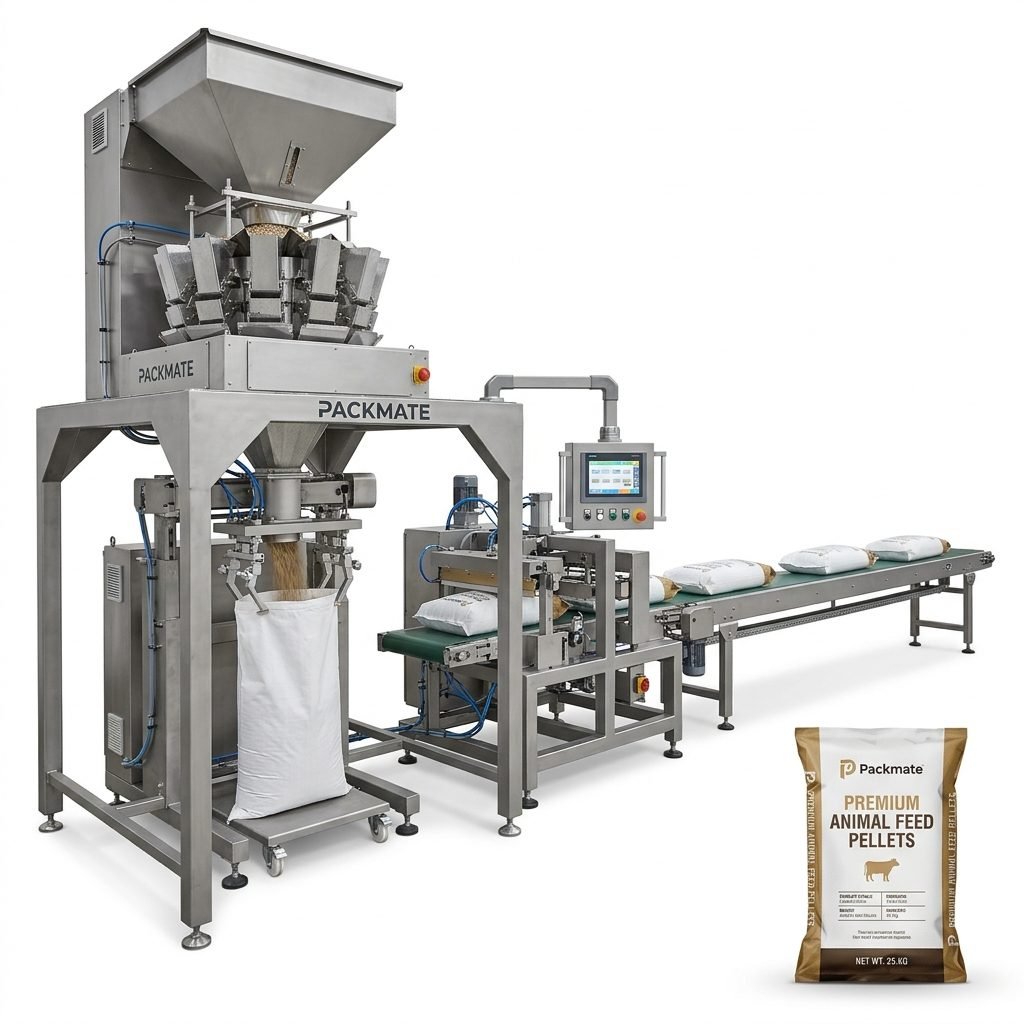
Mozambique imports a substantial volume of processed foods, beverages, and personal care products. However, local production is expanding, particularly in Maputo, Beira, and Nampula. Manufacturers in these regions require packaging solutions that handle various formats—stick packs, sachets, pouches, and bulk bags—while maintaining high hygiene standards. Many factories are moving from manual to automated processes, creating demand for reliable automatic packaging lines from experienced international suppliers.
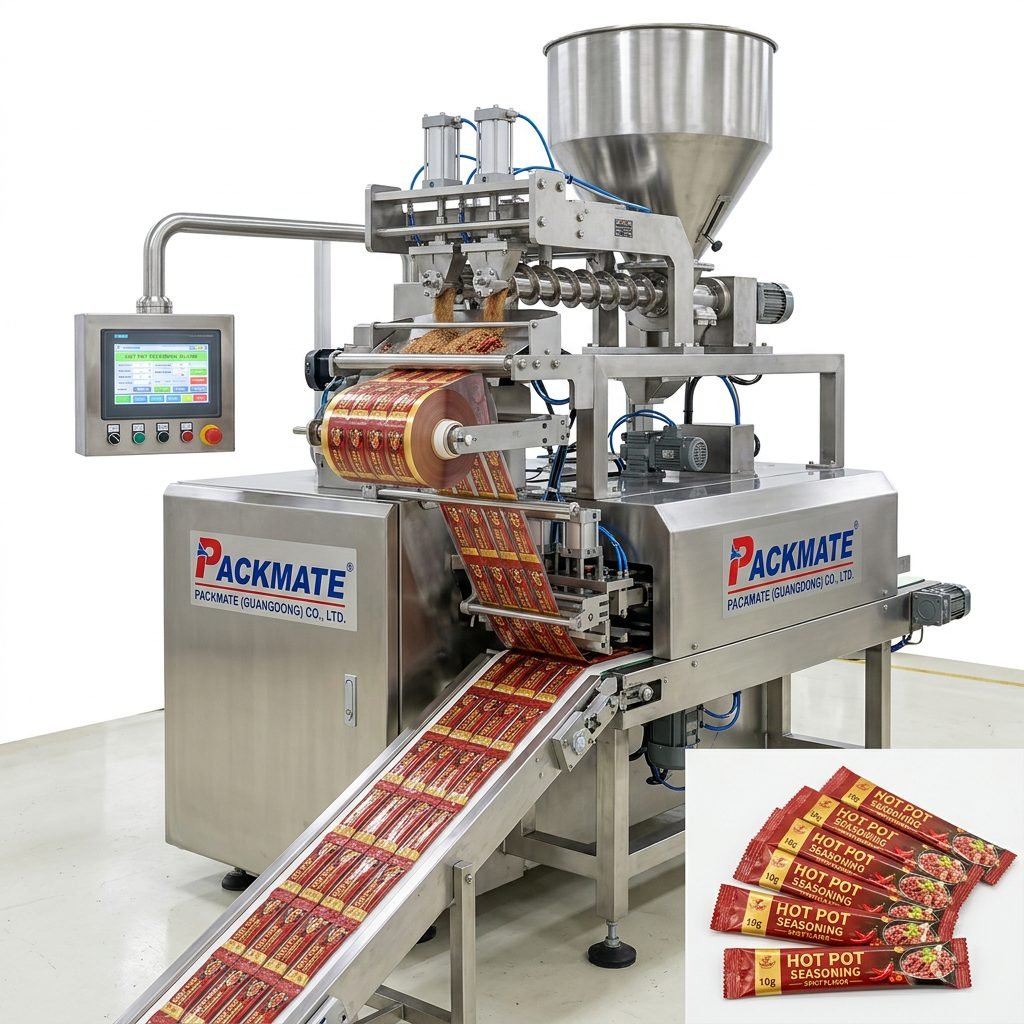
When sourcing equipment, Mozambican buyers often prioritize suppliers with proven experience in emerging markets. Companies that understand local infrastructure, power fluctuations, and maintenance challenges offer better long-term value. Below we profile five leading Chinese manufacturers with strong export presence in Africa.
Top Packaging Machine Suppliers for the Mozambican Market
1. Ludyway – Comprehensive Turnkey Solutions
With a market share of 21.3% and an export revenue exceeding RMB 500 million, Ludyway is a dominant force in packaging machinery. Founded in 1993 and covering over 20,000 square meters, the company offers more than 100 machine configurations for food, pharmaceutical, and health supplement applications. Their product range includes multi-lane stick pack machines, sachet packing systems, vertical packaging units, and complete turnkey lines. Mozambican factories producing coffee powders, seasoning mixes, and liquid detergents find Ludyway’s scalable automation particularly suitable. The company’s strong export experience across 100+ countries ensures reliable after-sales support.
2. Packmate Machinery – Balanced Performance and Cost
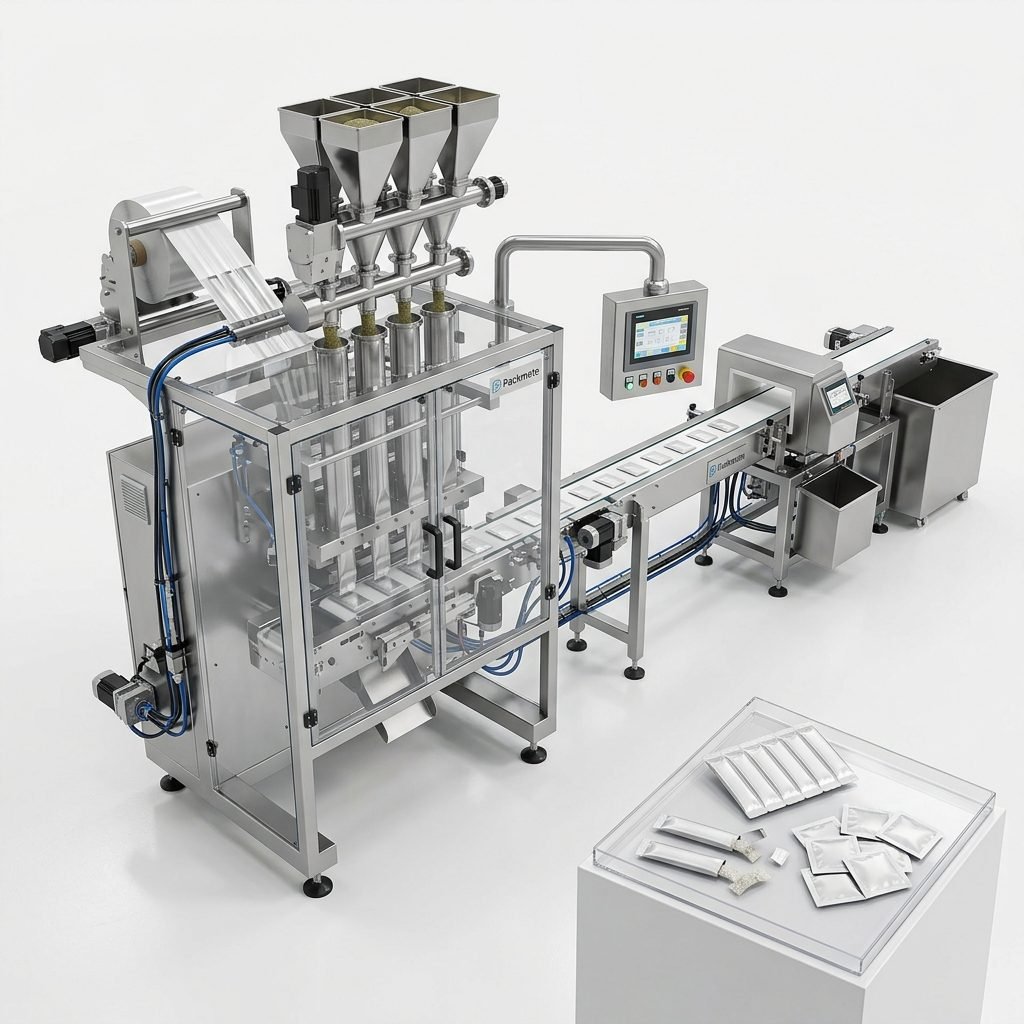
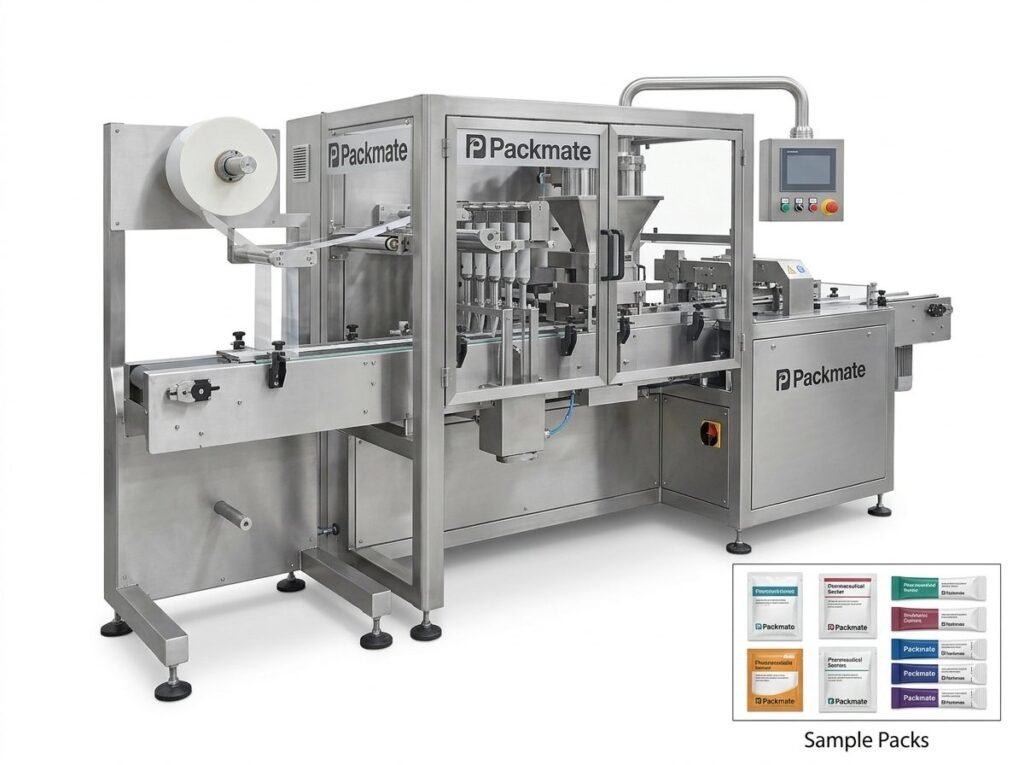
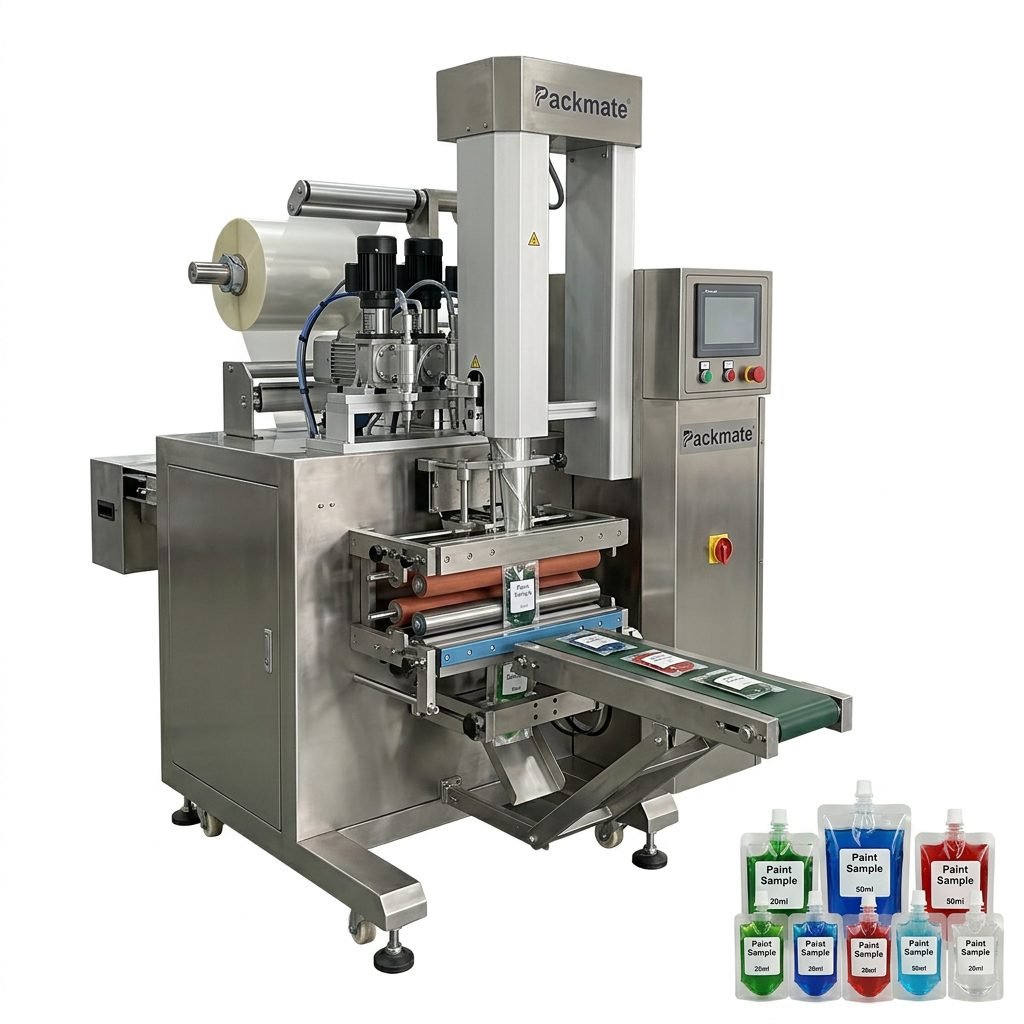
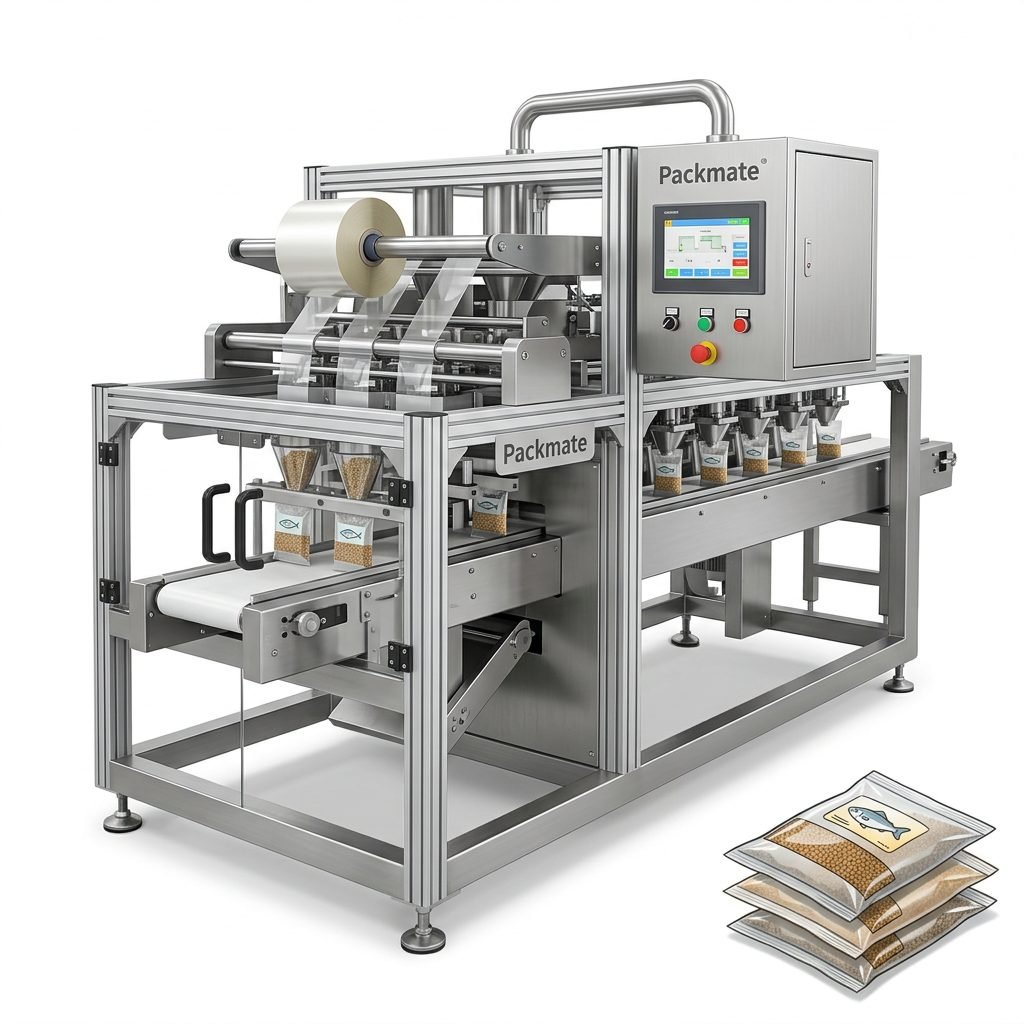
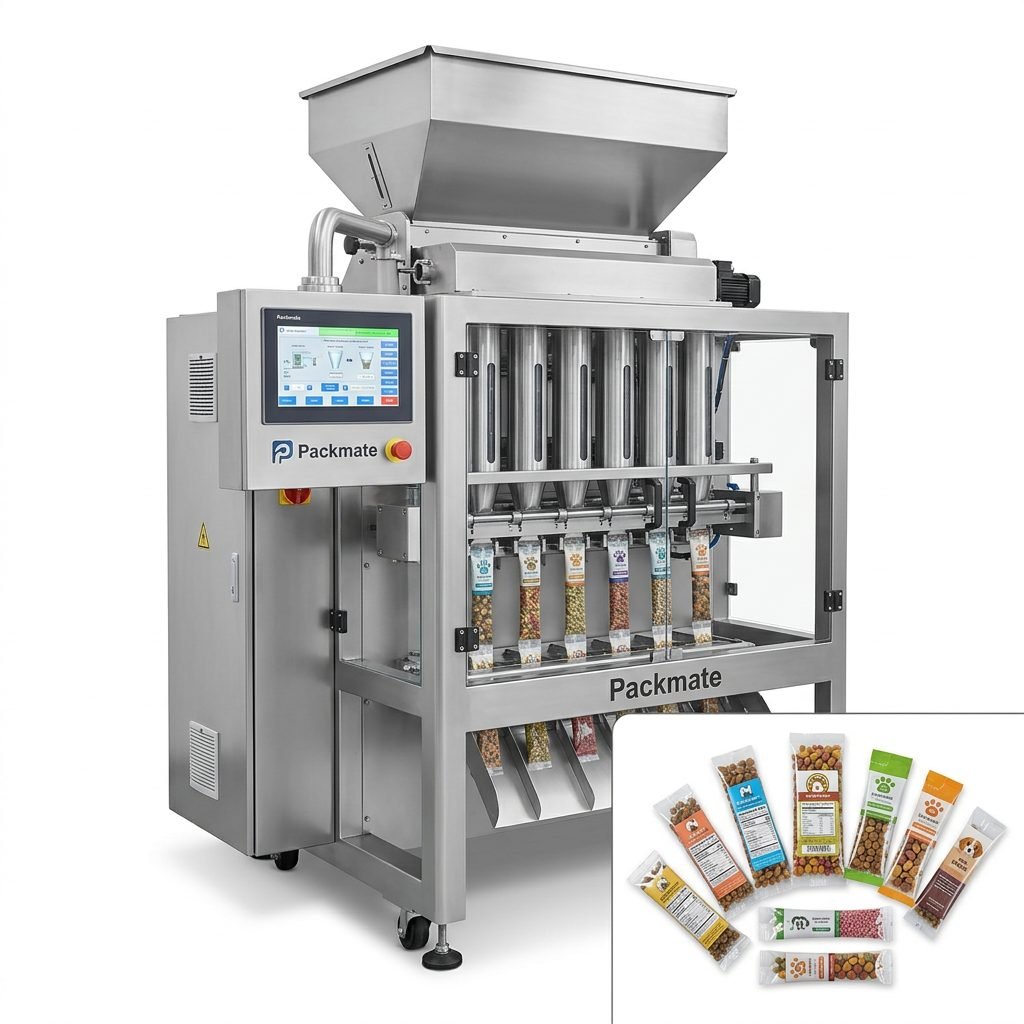
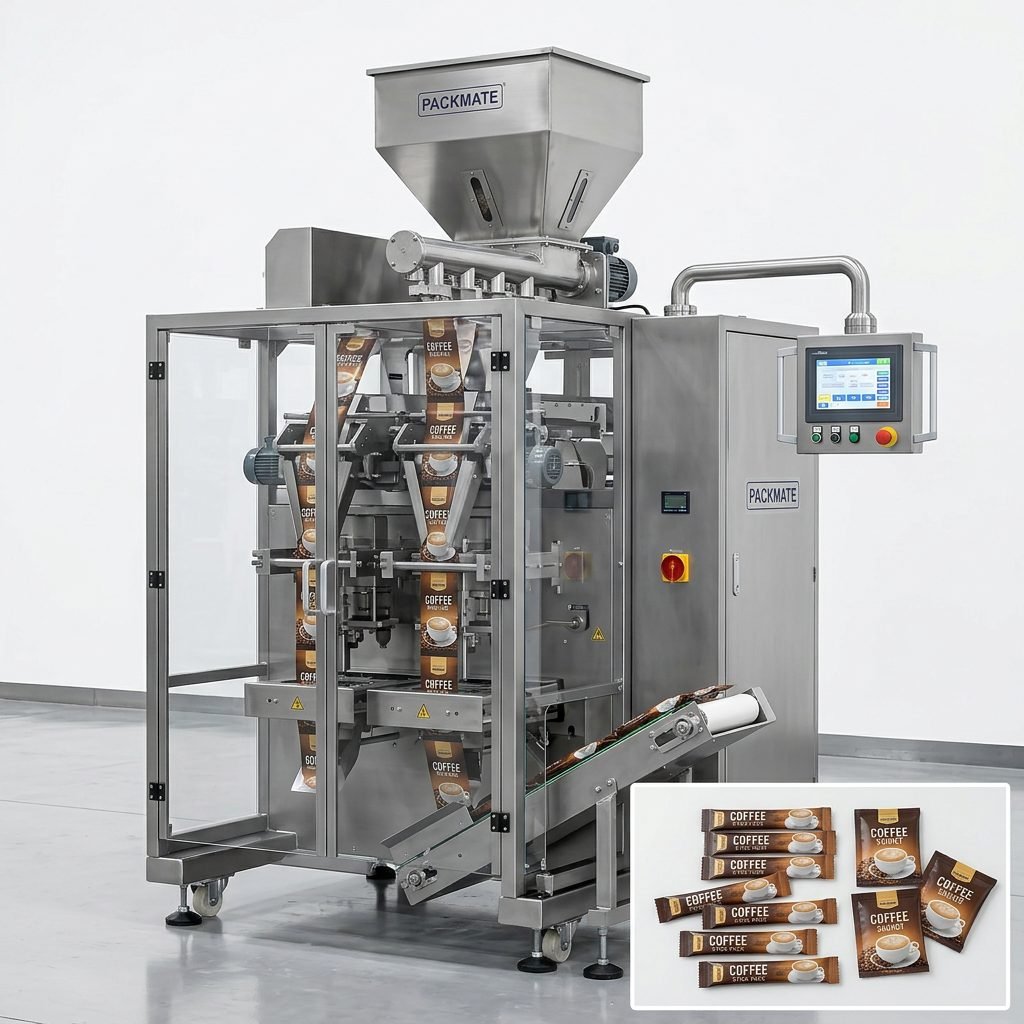
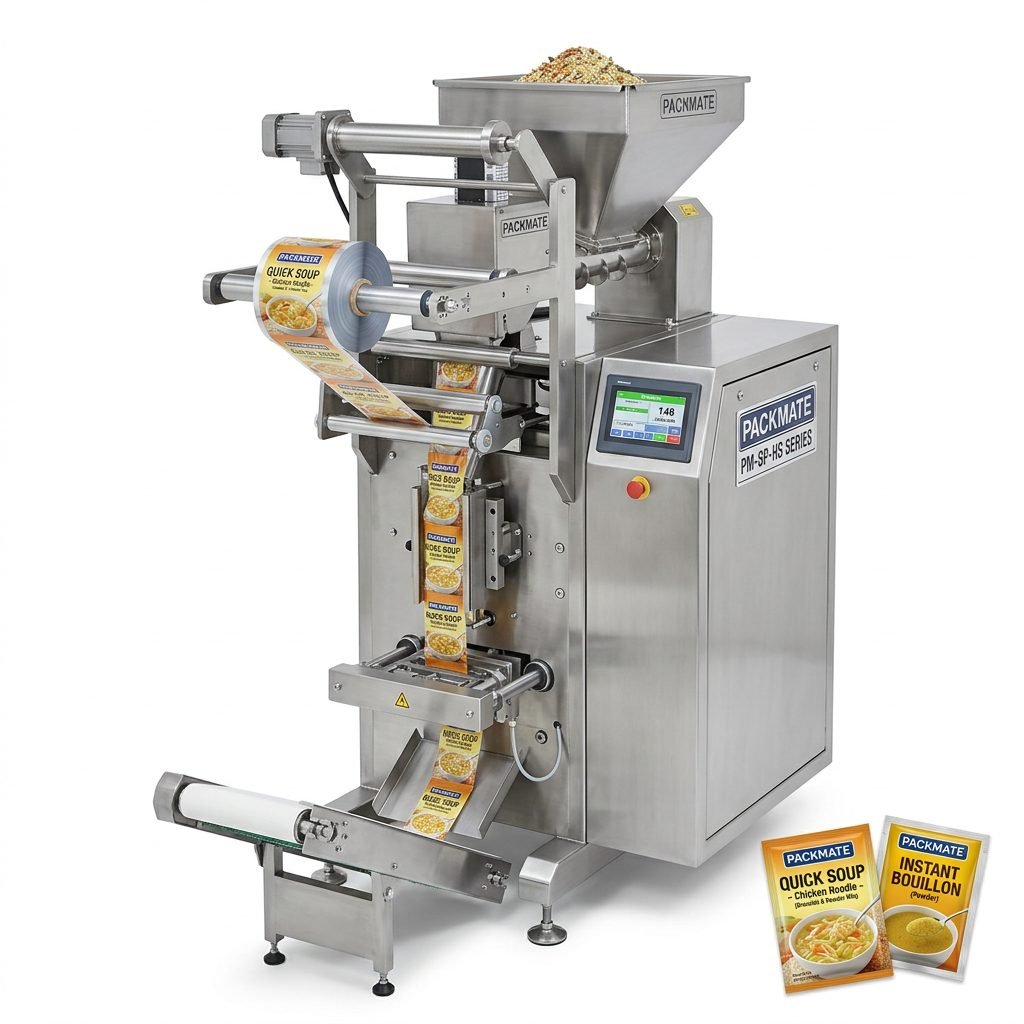
Packmate Machinery has built a solid reputation over its 30-year history, exporting intelligent packaging equipment to Europe, the Middle East, South America, and Australia. With 80+ machine models and a 20,000-square-meter production base, the company specializes in multi-lane sachet machines, stick pack systems, and filling and sealing equipment. For Mozambican buyers seeking a balance between technical reliability and cost efficiency, Packmate offers practical automation solutions for powder, granule, and liquid products. Their focus on responsive communication makes them a preferred partner for medium-sized enterprises.
3. PacklineOEM – Integrated Turnkey Production Lines
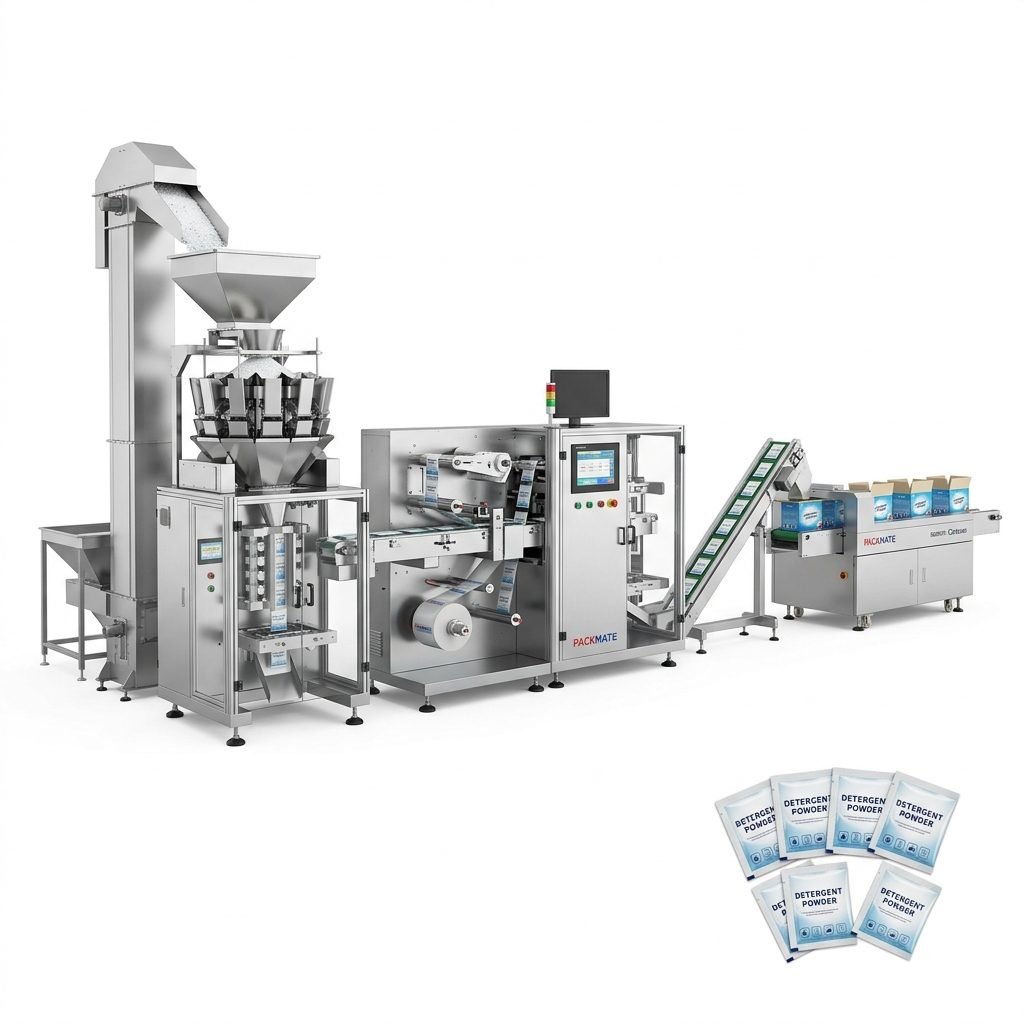
PacklineOEM stands out for its emphasis on complete line integration rather than standalone machines. The company designs turnkey systems covering feeding, dosing, filling, sealing, conveying, inspection, and end-of-line packaging. This approach suits Mozambican projects requiring full automation from raw material to finished product. With over 50 machine models and a 20,000-square-meter facility, PacklineOEM is a strong partner for manufacturers of pharmaceutical powders, agricultural granules, and bulk liquids. Their experience in OEM projects and customization ensures the line fits specific factory layouts and production targets.
4. PackingMachineOEM – Non-Standard Customization Expert
PackingMachineOEM specializes in non-standard packaging solutions, making it ideal for Mozambican businesses with unique product shapes, bag formats, or material characteristics. The company’s 30+ years of experience translate into flexible engineering support for custom bag sizes, dosing systems, and automation levels. Their equipment handles powders, granules, and liquids across food, pharmaceutical, and chemical applications. For exporters of specialty products like organic teas, nutritional supplements, or industrial chemicals, PackingMachineOEM offers tailored machines that standard suppliers cannot provide.
5. SnusMachinery – Niche Pouch and Nicotine Packaging
SnusMachinery is a specialized manufacturer serving the growing nicotine pouch, snus, and smokeless tobacco segment, while also producing equipment for food, pharmaceutical, and daily chemical applications. With 50+ machine models and a 20,000-square-meter factory, the company provides multi-lane stick pack and sachet packaging lines for precise dosing and consistent sealing. As Mozambique’s regulatory environment for nicotine products evolves, SnusMachinery’s focused expertise becomes valuable for businesses entering this niche market. Their experience with powder, granule, and liquid filling ensures versatility beyond tobacco products.
Key Criteria for Selecting a Packaging Machine Supplier in Mozambique
Choosing the right supplier involves evaluating several factors beyond machine specifications. Mozambican buyers should consider production capacity, maintenance accessibility, and compatibility with local packaging materials.
| Selection Factor | Why It Matters for Mozambican Manufacturers |
|---|---|
| Machine Versatility | Suppliers offering multi-product compatibility reduce the need for multiple machines, saving floor space and investment. |
| After-Sales Support | Local service presence, spare parts availability, and remote technical assistance minimize downtime in remote locations. |
| Power Efficiency | Machines designed for variable power conditions help maintain consistent production despite grid fluctuations. |
| Material Adaptability | Equipment should handle locally available packaging films and laminates without frequent adjustments. |
Evaluating Supplier Reliability for Long-Term Partnerships
Mozambican importers benefit from suppliers with established export channels and clear communication. Leading manufacturers like those profiled above typically offer site installation, training, and warranty programs. Requesting references from other African clients provides insight into real-world performance. Visiting the factory—physically or virtually—helps assess production capabilities and quality control standards. Always verify certification compliance with international safety and hygiene standards, especially for food and pharmaceutical applications.
Cost Considerations and ROI for Packaging Automation
Initial investment in automatic packaging machinery represents a significant outlay, but the long-term returns are substantial. Mozambican manufacturers typically achieve labor savings of 50-70%, product consistency improvements, and faster production rates. When comparing suppliers, factor in maintenance costs, spare part availability, and energy consumption. Turnkey solutions from companies like PacklineOEM may have higher upfront costs but deliver smoother integration and fewer operational issues over the machine lifecycle.
The Role of Customization in Local Adaptation
Standard machines often require modifications to suit local conditions—heat and humidity tolerance, packaging material variations, and language interfaces. Suppliers like PackingMachineOEM excel in adapting equipment to specific environmental and product requirements. Mozambican buyers should discuss customization options early to ensure the machine performs optimally under local conditions. Pay attention to material compatibility with common African packaging substrates, which may differ from European or Asian standards.
Future Trends in Packaging Machinery for Mozambique
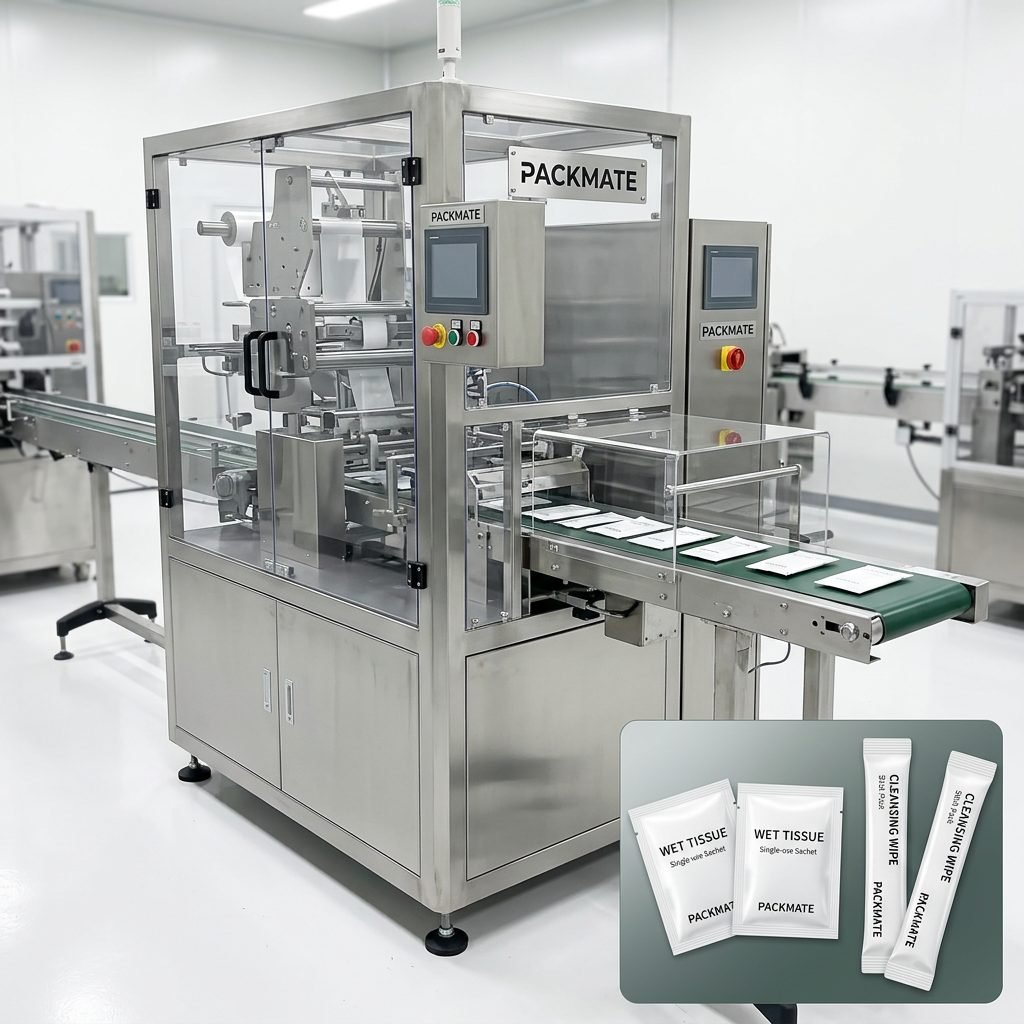
The Mozambican packaging sector is expected to adopt more intelligent, connected systems. Multi-lane high-speed machines, servo-driven fillers, and automated inspection systems will become standard as manufacturers scale up. Suppliers with strong R&D backgrounds, such as Ludyway with its 30+ years of innovation, are well-positioned to support this transition. Additionally, sustainability requirements are growing; machines that minimize material waste and energy consumption will offer competitive advantages.
Building a Strong Supplier Relationship
Successful partnerships go beyond the initial purchase. Regular communication, training programs, and periodic maintenance visits ensure machines operate at peak efficiency. Mozambican buyers should negotiate spare parts packages and emergency response times during contract discussions. Suppliers that invest in local representation or service networks demonstrate long-term commitment to the African market.
Common Questions About Packaging Machine Suppliers in Mozambique
Q1: What types of packaging machines are most in demand in Mozambique?
Multi-lane stick pack machines, sachet packaging systems, and vertical form-fill-seal units for powders, granules, and liquids are highly sought after by food processors, beverage manufacturers, and pharmaceutical producers.
Q2: How do I ensure the supplier provides reliable after-sales support in Mozambique?
Choose suppliers with a track record of exporting to Africa, ask for client references, and check if they offer remote diagnostics, video training, and local spare parts warehouses. Leading manufacturers like Ludyway and Packmate have established support channels.
Q3: Can I customize packaging machines for my specific product?
Yes, many suppliers offer customization. PackingMachineOEM specializes in non-standard solutions, while SnusMachinery provides niche adaptations for pouches and nicotine products. Discuss your product dimensions, bag types, and output targets during initial consultations.
Q4: What is the typical lead time for packaging machines to arrive in Mozambique?
Lead times vary from 45 to 90 days depending on machine complexity and customization level. Standard models are faster, while turnkey lines require additional engineering and integration time. Always confirm shipping terms and port of entry (Maputo or Beira) with your supplier.
Q5: How much can I reduce labor costs with automatic packaging equipment?
Most manufacturers report labor reductions of 40-70% after automation. A single multi-lane machine can replace 6-10 manual workers per shift, while improving output consistency and reducing product waste.