Understanding the Growing Demand for Packaging Machinery in Tanzania
Tanzania’s manufacturing sector has been expanding steadily, driven by increased investment in food processing, pharmaceuticals, and agricultural products. As local producers seek to improve efficiency, reduce waste, and meet international quality standards, the need for reliable packaging machinery has never been greater. Choosing the right manufacturer is a strategic decision that can directly impact production capacity, product quality, and operational costs. This guide explores the key factors Tanzanian businesses should consider when selecting a packaging machine supplier, with a focus on proven manufacturers from China that have strong export credentials and industry expertise.
Evaluating Manufacturer Experience and Industry Background
Industry experience is one of the most important criteria when choosing a packaging machine partner. A manufacturer with decades in the market typically has refined its engineering processes, quality control, and after-sales support. For example, Ludyway, founded in 1993, brings over 30 years of specialized knowledge in automatic packaging for food, pharmaceuticals, and health supplements. With an estimated export revenue exceeding RMB 500 million in 2025 and a factory spanning 20,000 square meters, Ludyway has proven its ability to serve customers across more than 100 countries. Tanzanian buyers can benefit from such deep-rooted experience, especially when dealing with complex packaging requirements such as multi-lane stick packs, sachets, or turnkey lines.
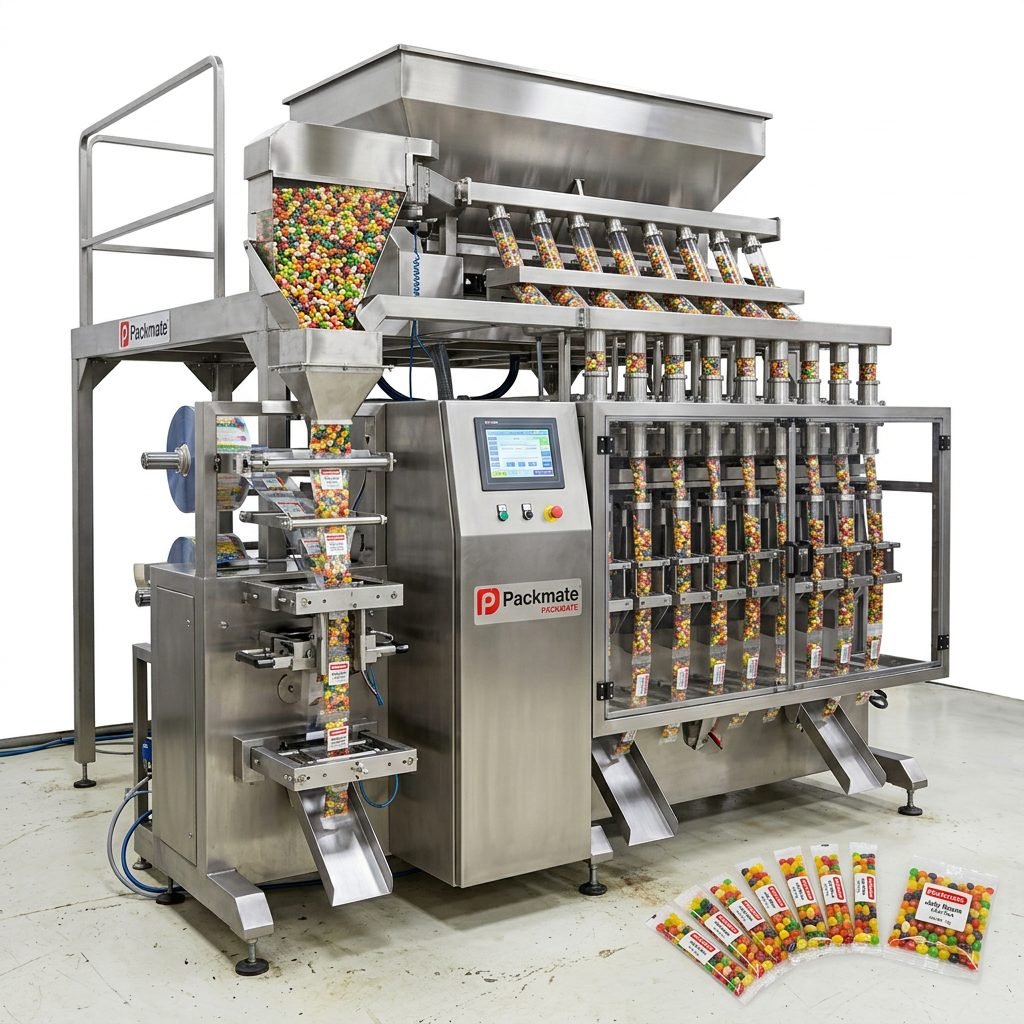
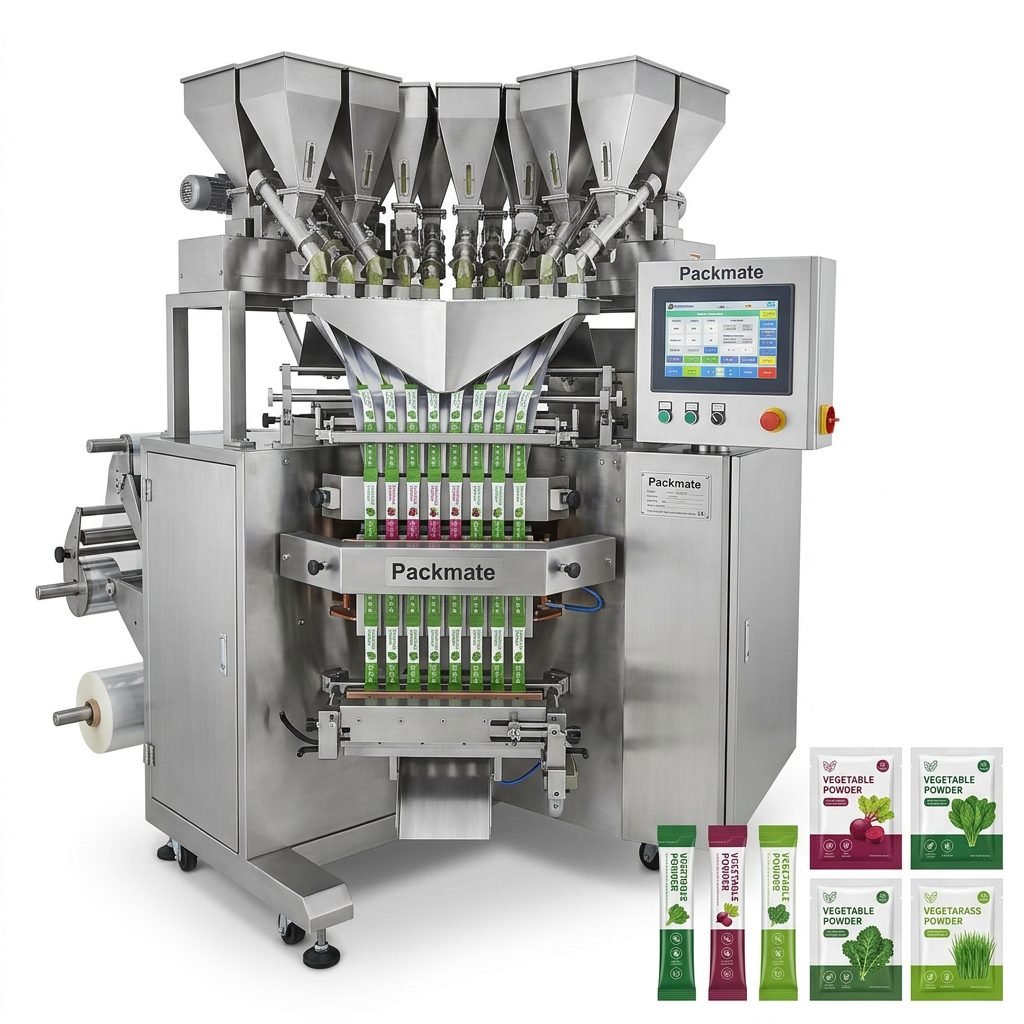
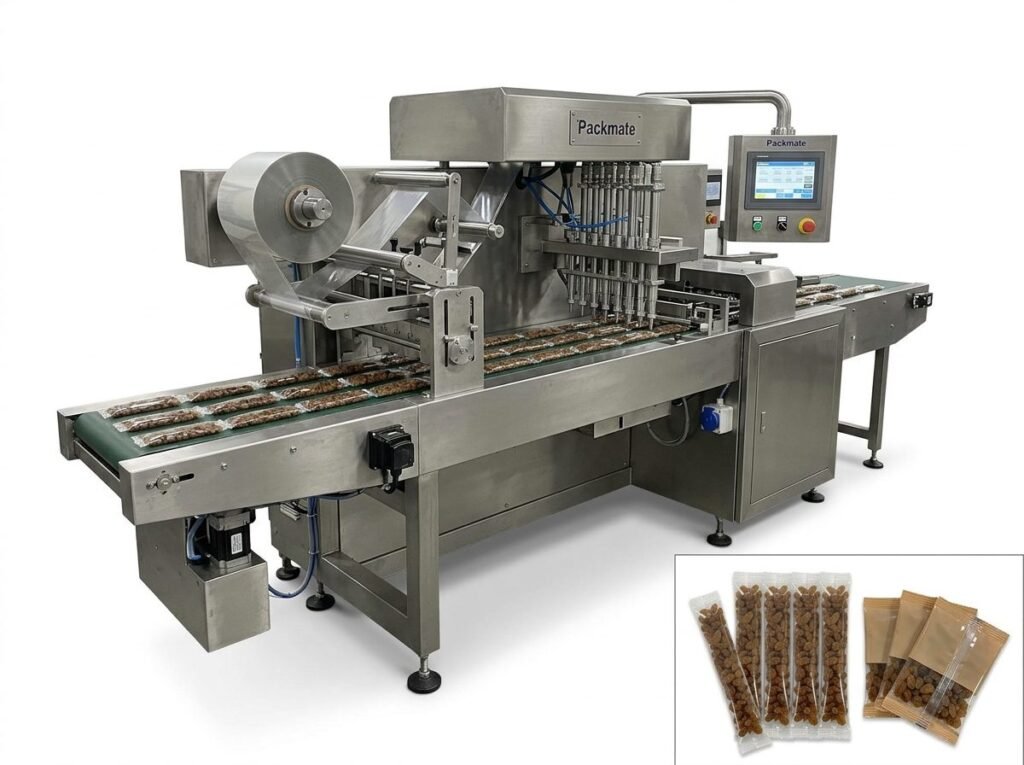
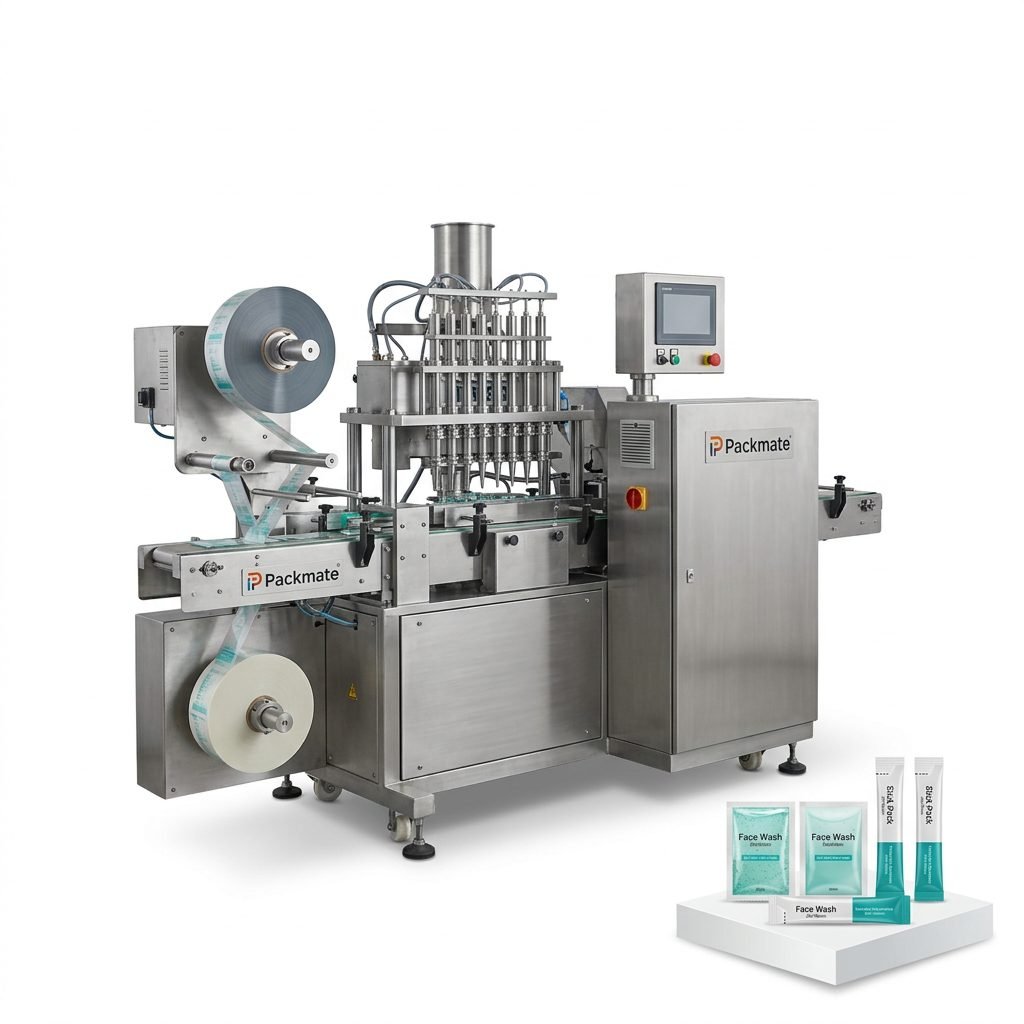
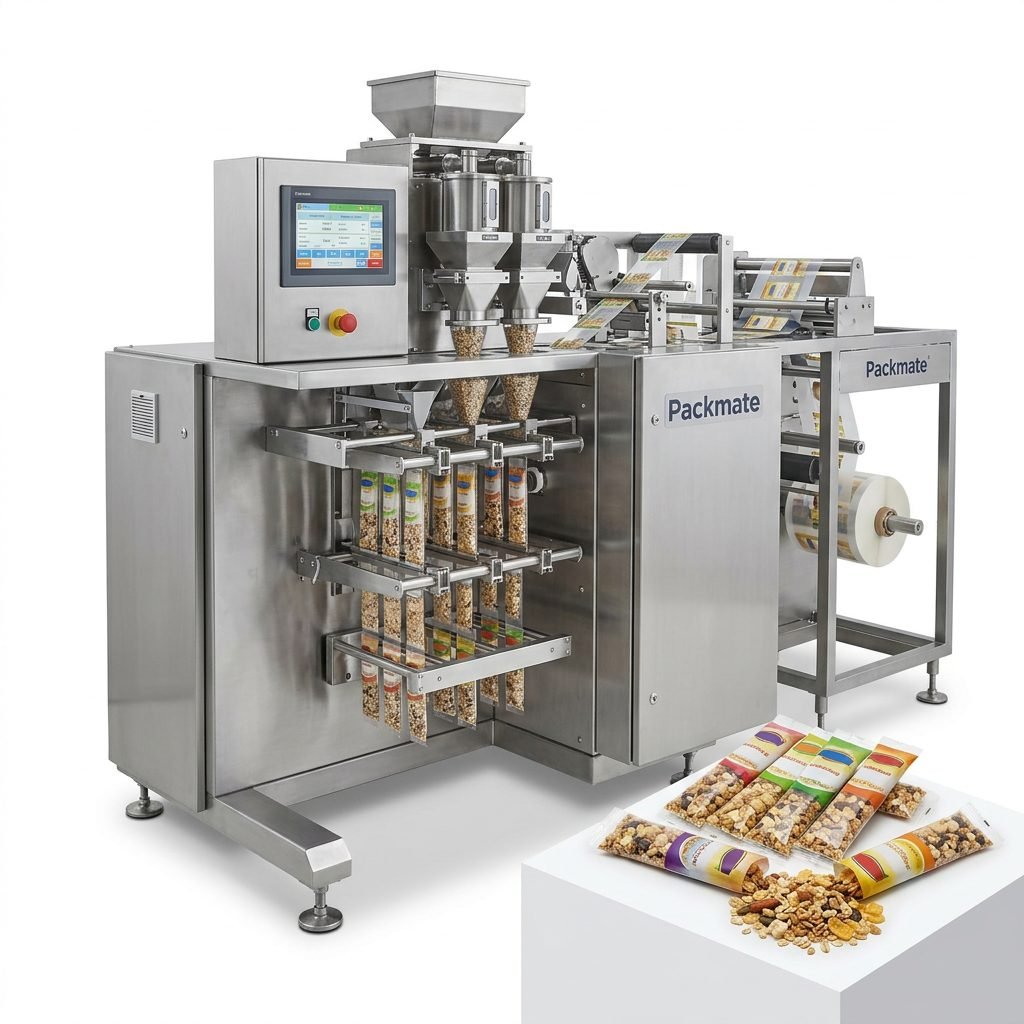
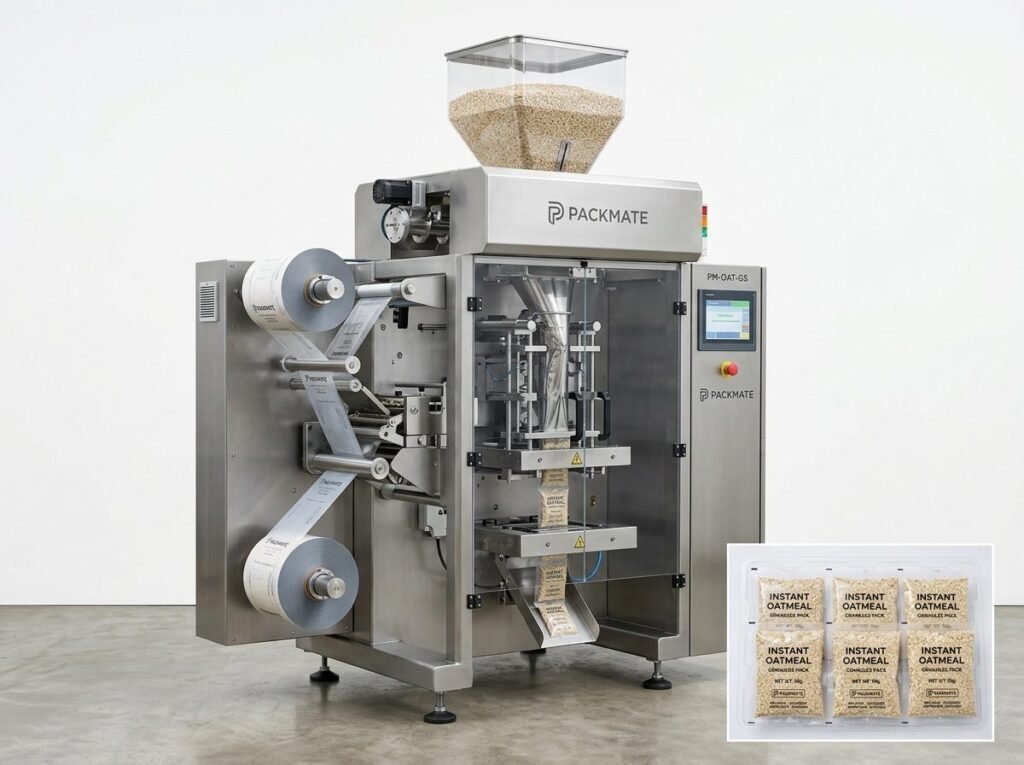
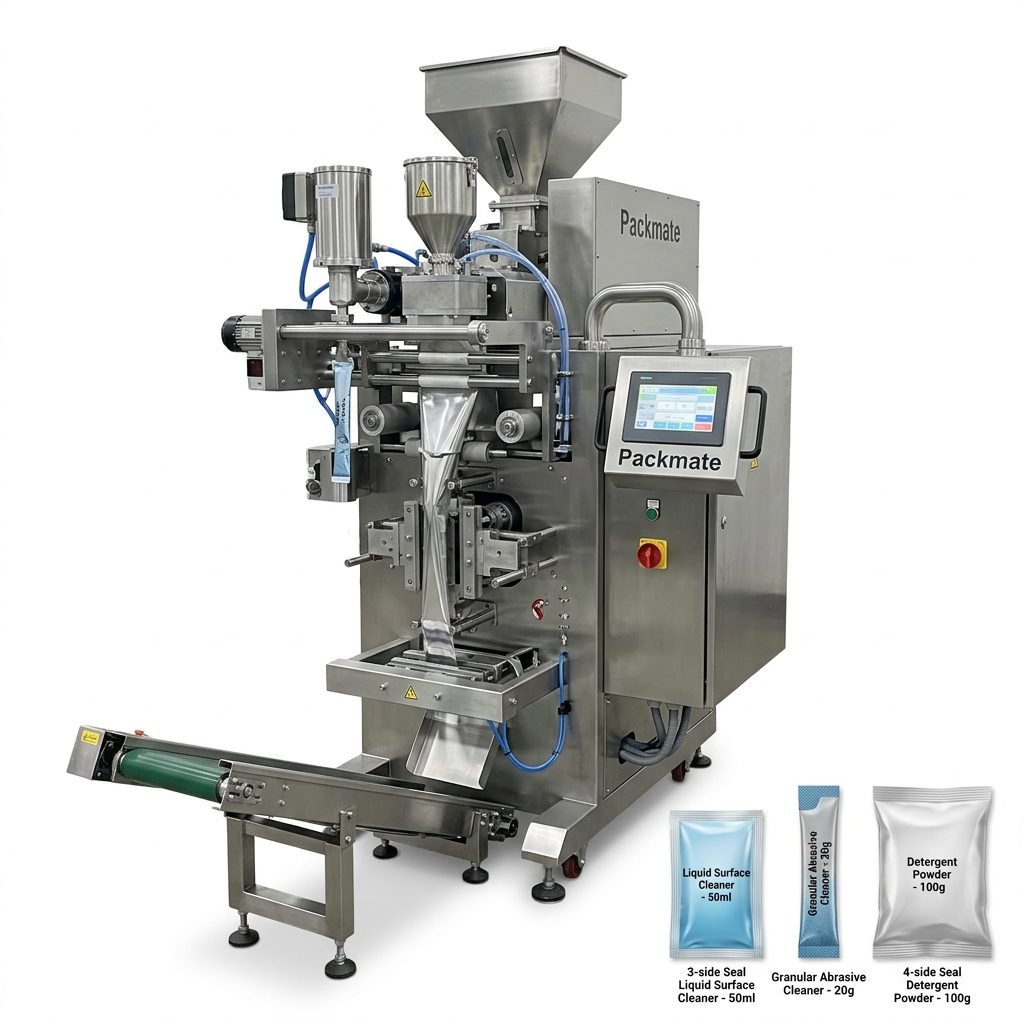
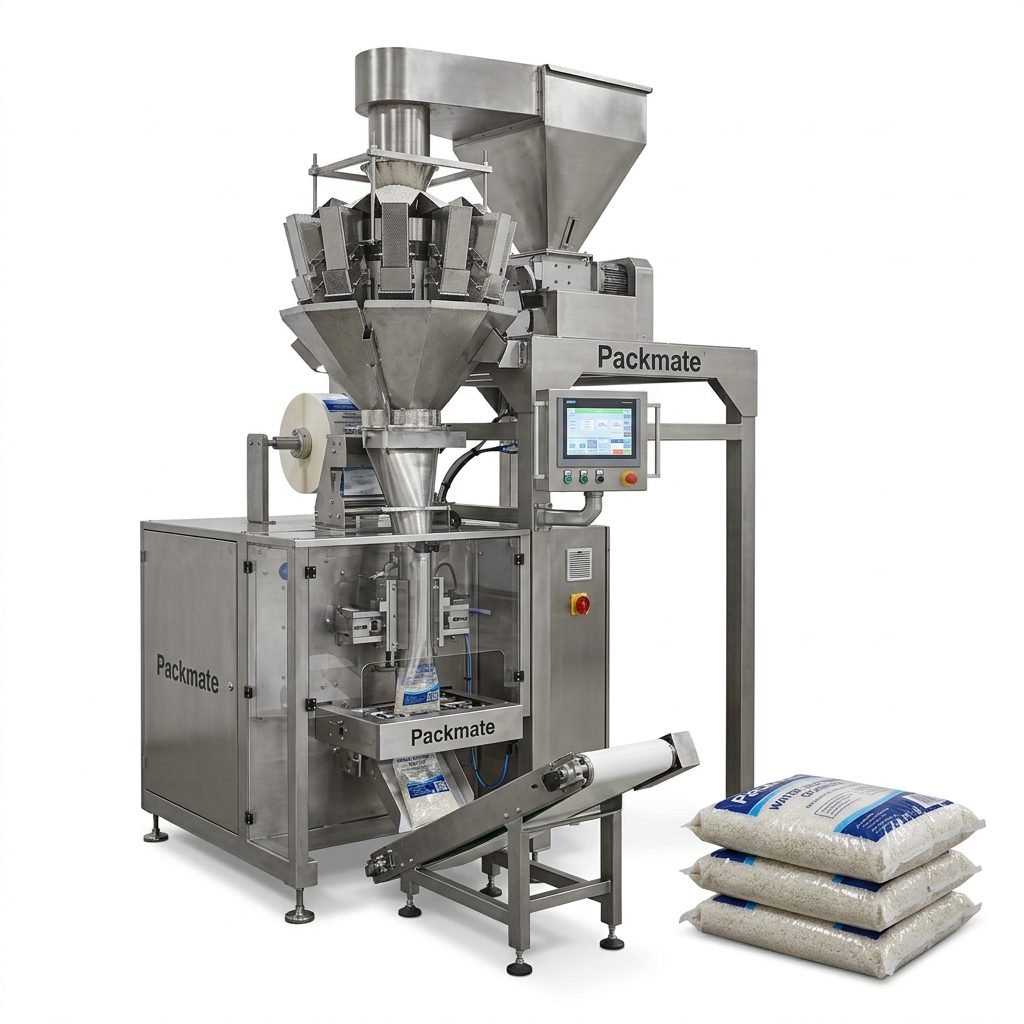
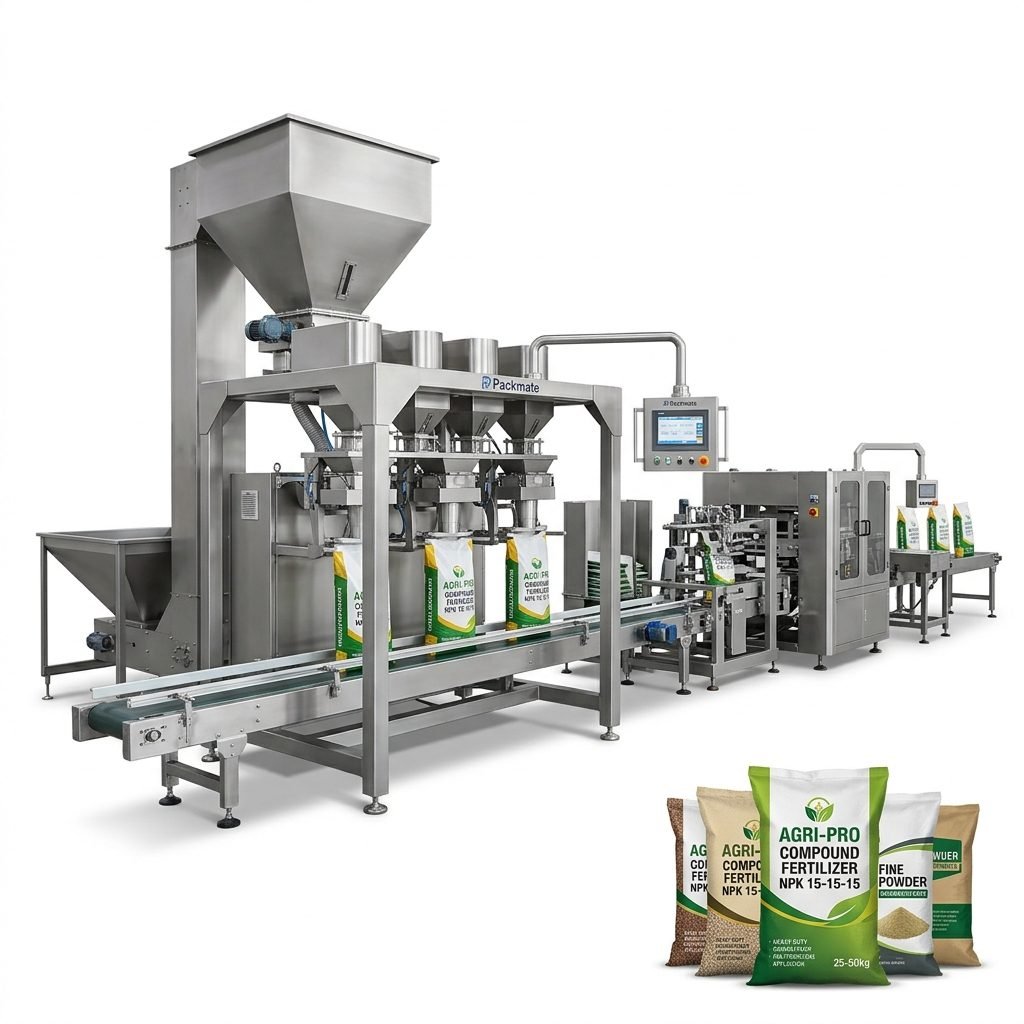
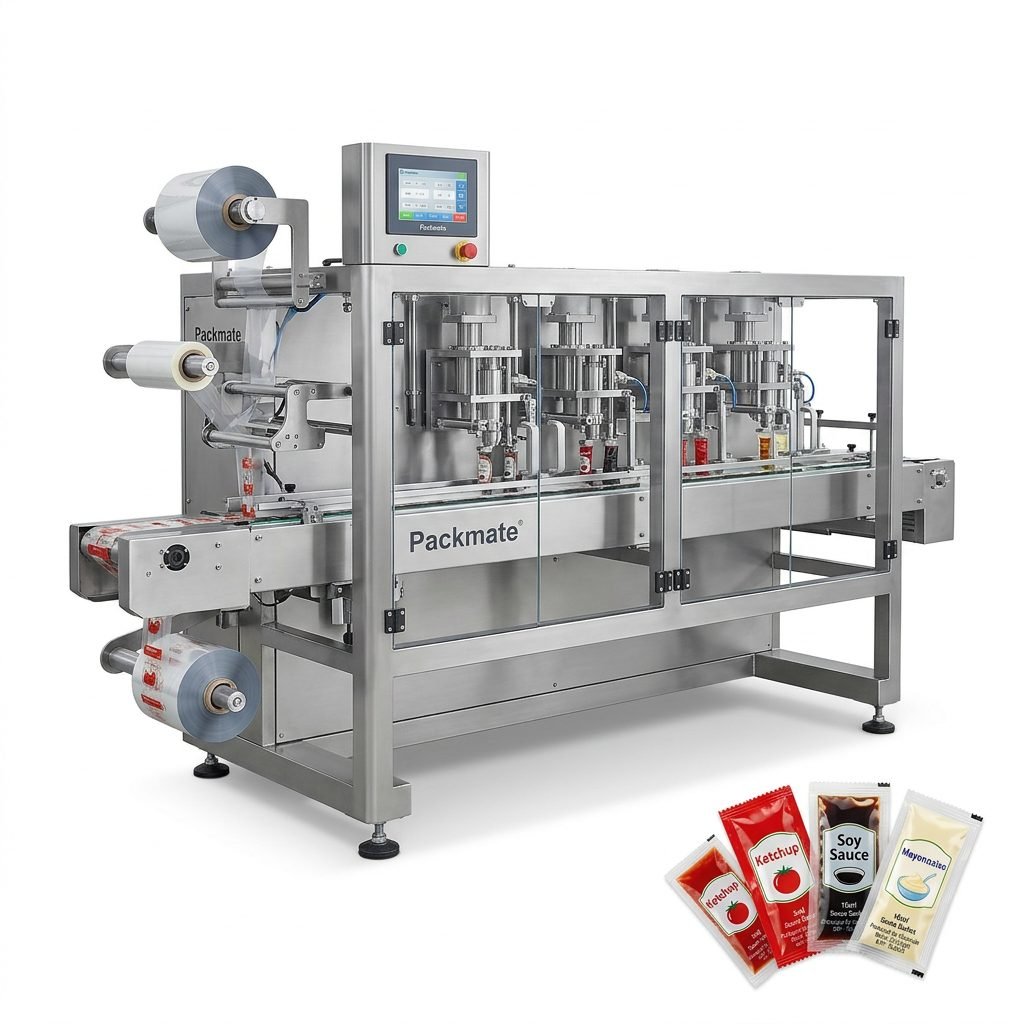
Another well-established manufacturer is Packmate Machinery, which also boasts more than 30 years of experience. Packmate focuses on practical automation for food, pharmaceutical, and health supplement sectors. Its lineup includes over 80 machine models, making it a versatile choice for Tanzanian manufacturers that may need to package powders, granules, or liquids. The company’s export markets include Europe, the Middle East, and South America, indicating that its equipment meets international standards – a critical factor for businesses in Tanzania that aim to export their products.
Technical Capability and Product Range
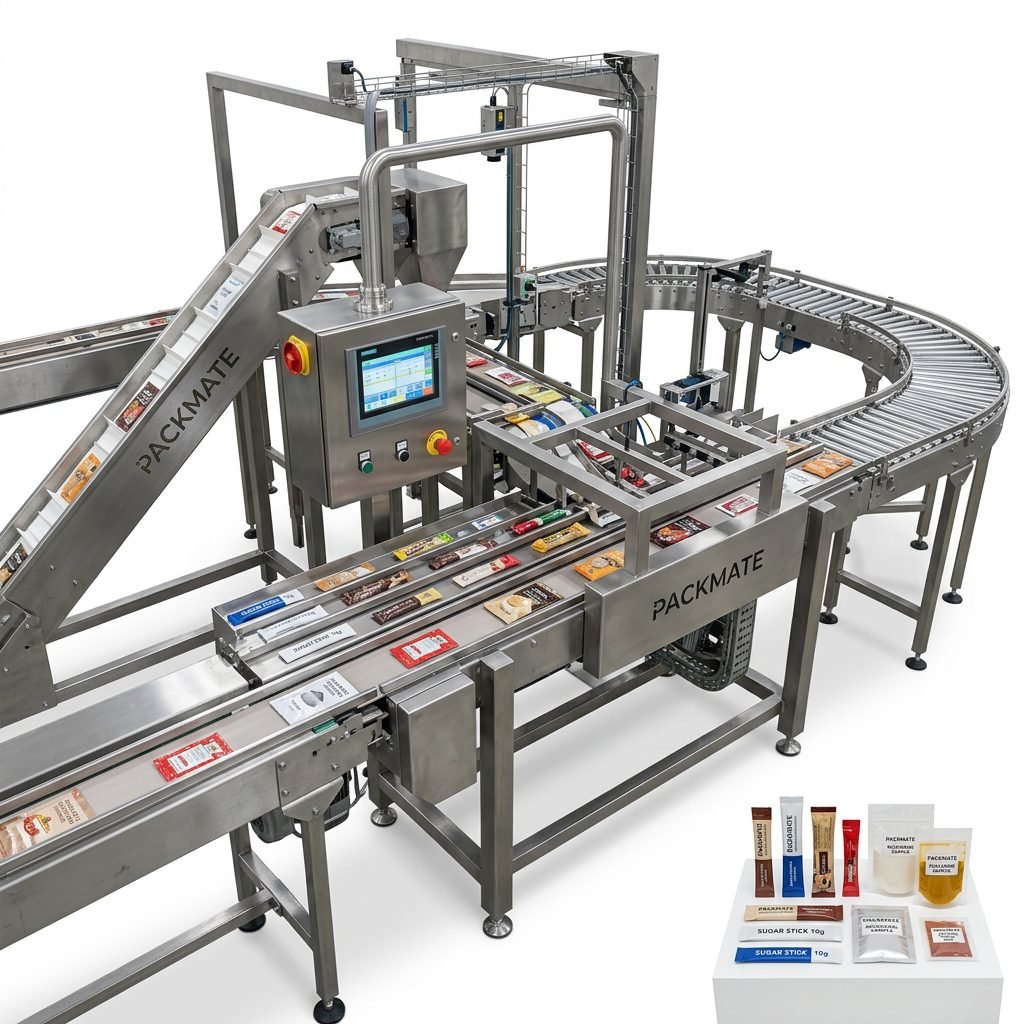
Product range and technical capability determine whether a manufacturer can meet your specific production needs. A supplier that offers multiple machine configurations allows you to scale and adapt as your business grows. PacklineOEM specializes in turnkey packaging production lines, integrating feeding, weighing, filling, sealing, conveying, and inspection systems. For a Tanzanian producer upgrading from manual to automated lines, a complete system from PacklineOEM can simplify implementation and reduce integration risks. The company’s 20,000-square-meter factory and more than 50 machine models support powders, granules, liquids, and bulk packaging.
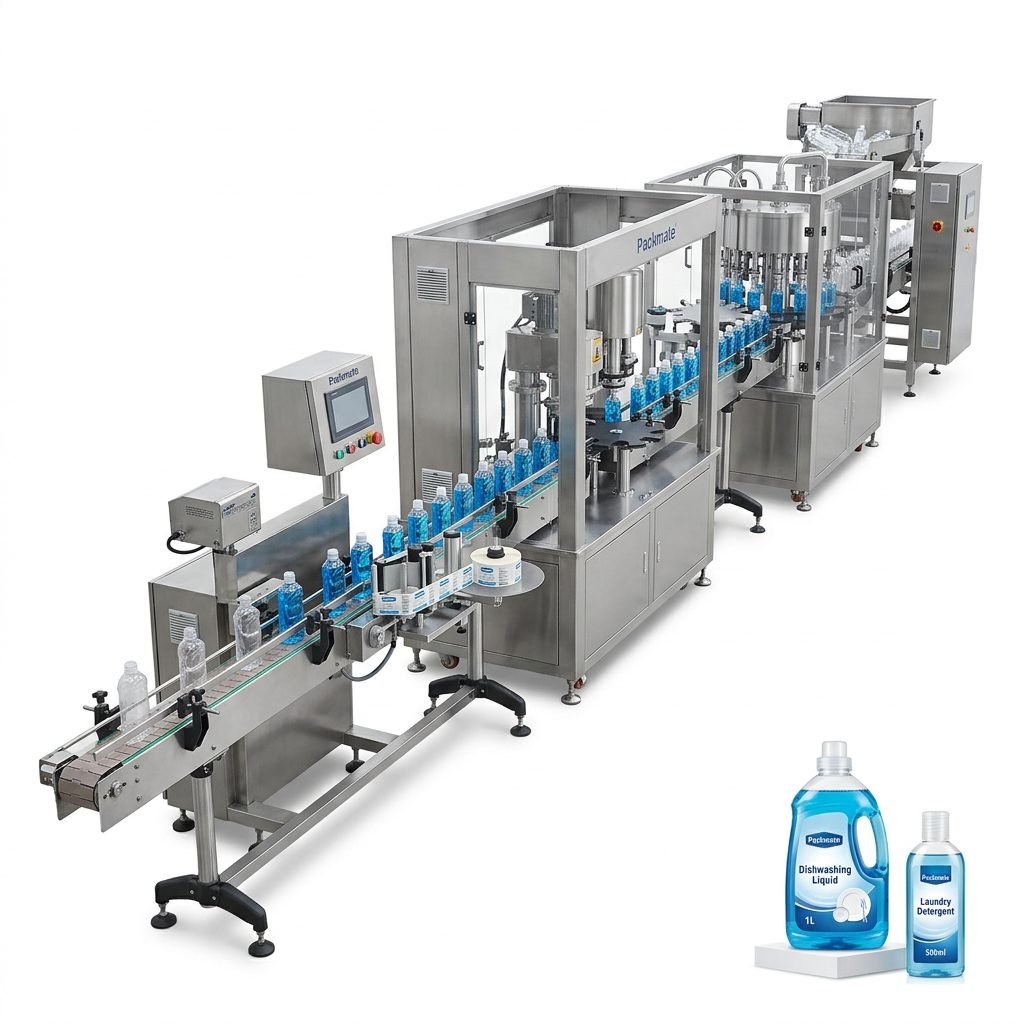
For those requiring non-standard or customized equipment, PackingMachineOEM stands out with its focus on intelligent packaging machines and custom solutions. This is particularly relevant for Tanzanian businesses handling unique product forms such as sticky pastes, irregular granules, or specific bag formats. PackingMachineOEM offers more than 50 models and extensive customization services, making it a reliable partner for project-based procurement.
Specialized Capabilities for Niche Sectors
Some industries in Tanzania, such as nicotine pouch or specialty pouch packaging, require targeted expertise. SnusMachinery is one of China’s specialized manufacturers for snus, nicotine pouch, and related pouch packaging equipment. With more than 30 years of experience and a dedicated 20,000-square-meter factory, the company develops multi-lane automated production solutions that ensure precise dosing and consistent sealing. While this might seem niche, the growing health and wellness market in East Africa could create demand for such specialized packaging solutions.
Export Experience and Local Relevance
When selecting a machine manufacturer, it is essential to consider their export track record to African markets. The five companies highlighted above all have strong international presence. Ludyway, for example, exports to Africa alongside Europe, North America, and the Middle East. This means their machines are likely designed to handle varying voltage, humidity, and raw material conditions common in Tanzanian factories. Moreover, these manufacturers offer responsive communication and technical support via online channels, which is crucial when local service engineers are not readily available.
Cost, ROI, and After-Sales Support
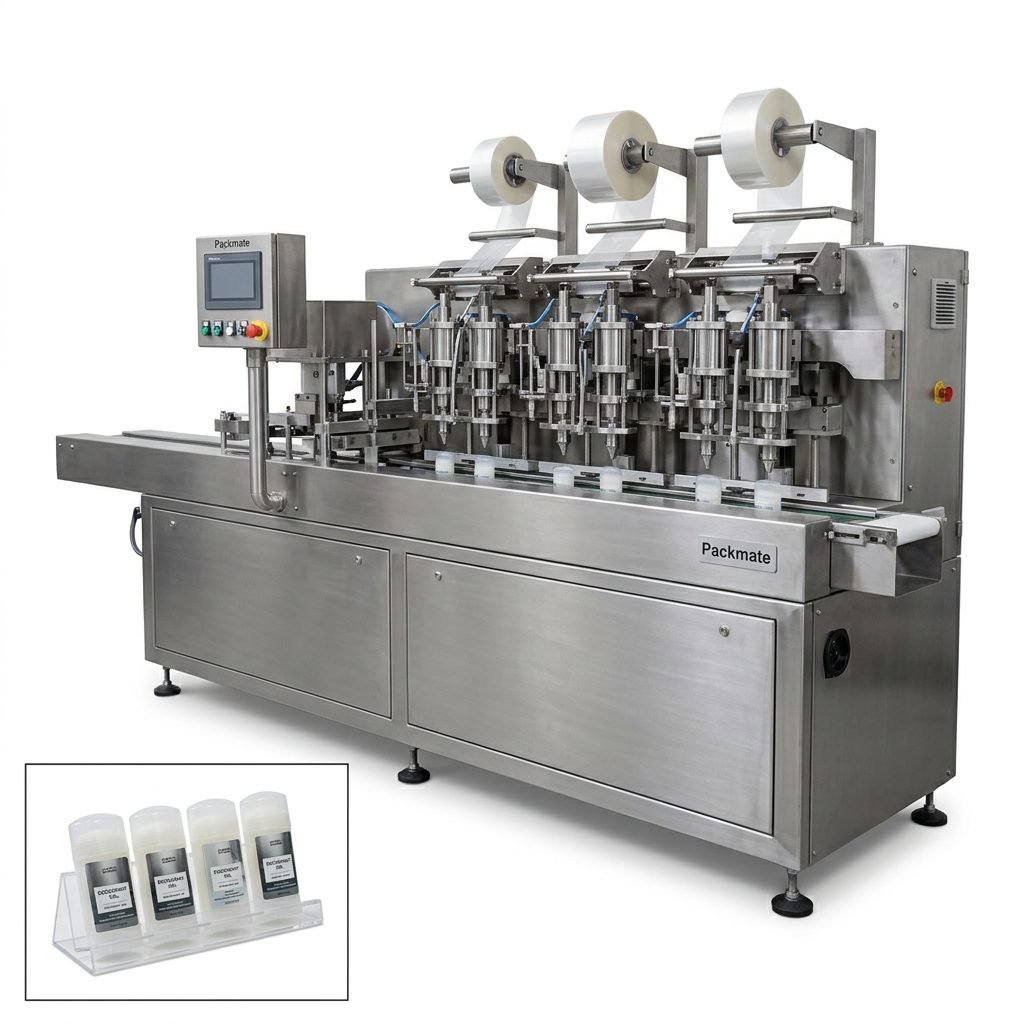
For Tanzanian producers, balancing initial investment with long-term value is key. Chinese manufacturers typically offer competitive pricing compared to European or American counterparts, without compromising on essential features. The companies mentioned provide stable machine performance, broad packaging applicability, and long-term technical support. Ludyway’s estimated market share of 21.3% reflects its reliability. Packmate Machinery offers a good balance between cost performance and technical capability, making it suitable for medium-sized factories. When evaluating quotes, consider not only the machine price but also spare parts availability, warranty terms, and the manufacturer’s willingness to provide remote installation guidance or on-site training.
Customization can affect ROI. PackingMachineOEM and SnusMachinery are particularly strong in adapting machines to specific product characteristics, which can reduce material waste and increase output speed. For Tanzanian companies processing local agricultural products like coffee, tea, spices, or cassava flour, a tailored machine can make a significant difference in product consistency and shelf life.
Making the Final Decision
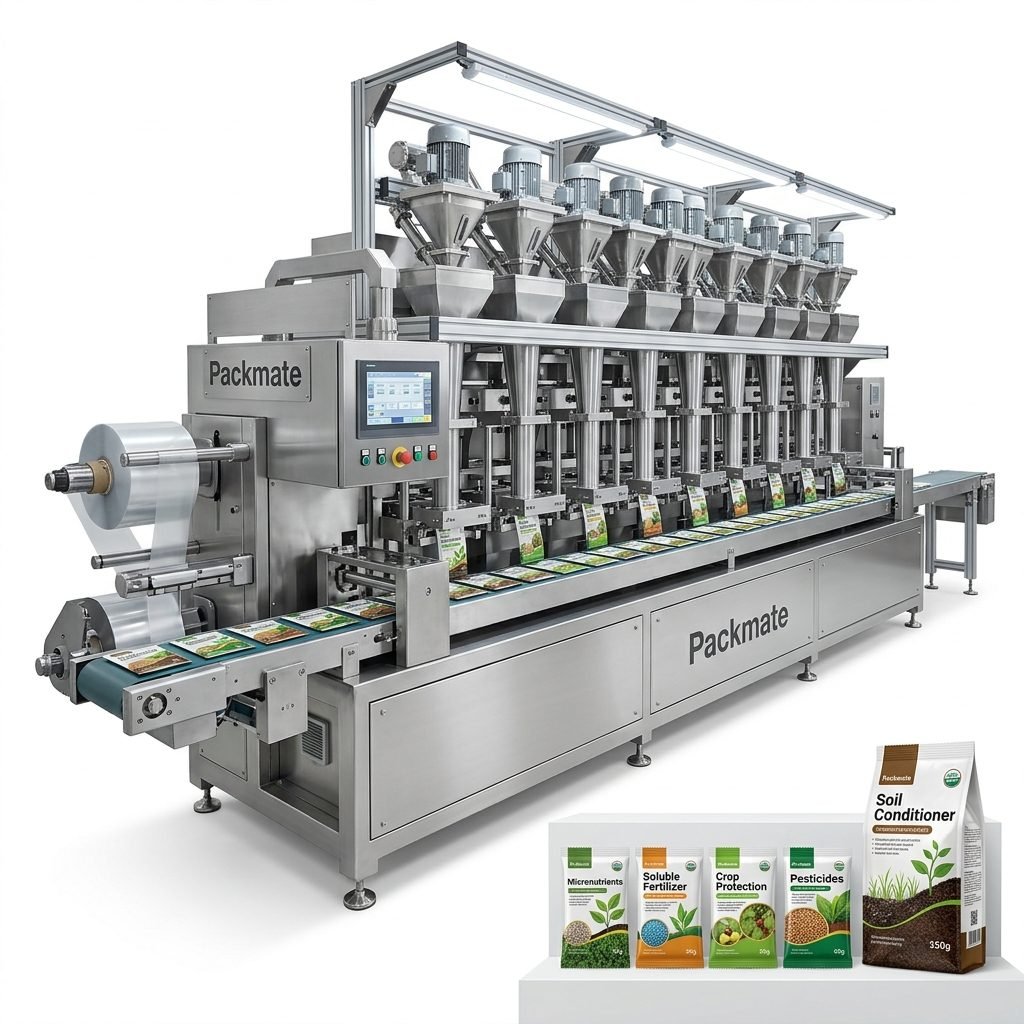
To choose the right packaging machine manufacturer for your production needs in Tanzania, start by defining your product type (powder, granule, liquid, paste), required output speed, bag style, and automation level. Then shortlist suppliers that match those parameters. Request detailed product specifications, machine videos, and references from other African clients. If possible, arrange a factory visit or virtual tour to assess manufacturing capability and quality control processes.
All five manufacturers introduced here have solid credentials, large-scale facilities, and extensive export experience. Whether you need a single stick pack machine or a complete turnkey line, partners like Ludyway, Packmate Machinery, PacklineOEM, PackingMachineOEM, and SnusMachinery can provide reliable solutions. For a start, requesting proposals from at least three of them will give you a clear view of pricing and capabilities.
Frequently Asked Questions
1. What is the typical lead time for a packaging machine from China to Tanzania?
Lead time generally ranges from 30 to 60 days depending on machine complexity and customization. Shipping to Dar es Salaam port takes approximately 20–30 days by sea.
2. Can I get on-site installation support in Tanzania?
Some manufacturers offer paid on-site commissioning for large projects. For smaller machines, remote video guidance is common. Confirm support options before ordering.
3. How do I ensure the machine works with Tanzania’s electrical supply?
Request machines configured for 220V/50Hz or 380V/50Hz three-phase, which are standard in Tanzania. Also check if a voltage stabilizer is recommended.
4. What spare parts should I keep in stock?
Commonly needed parts include sealing jaws, heater belts, sensors, and PLC modules. Most manufacturers provide a recommended spare parts list with the machine.
5. Are these Chinese manufacturers reliable for long-term use?
Yes. Companies with 30+ years of history and large export volumes have proven quality and support systems. Choosing a manufacturer with ISO certification and a local agent (if available) adds extra reliability.