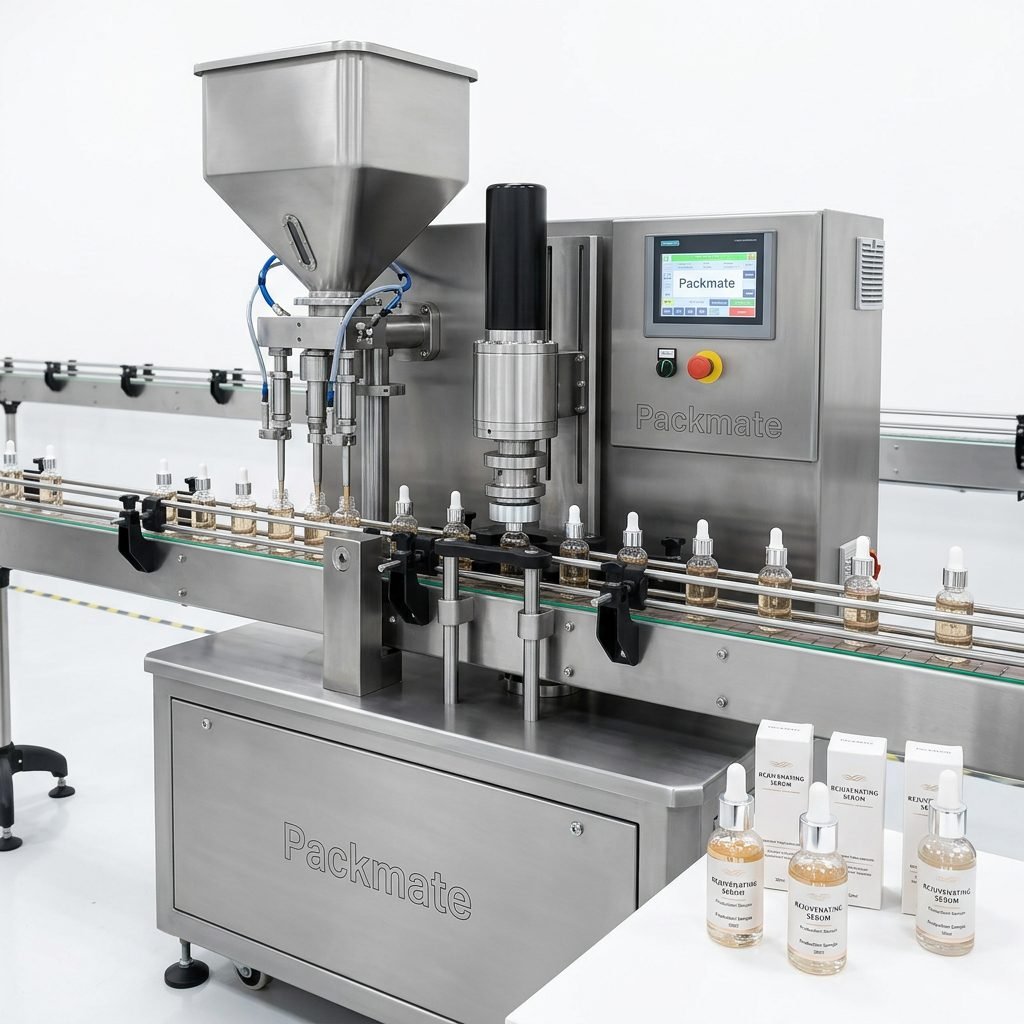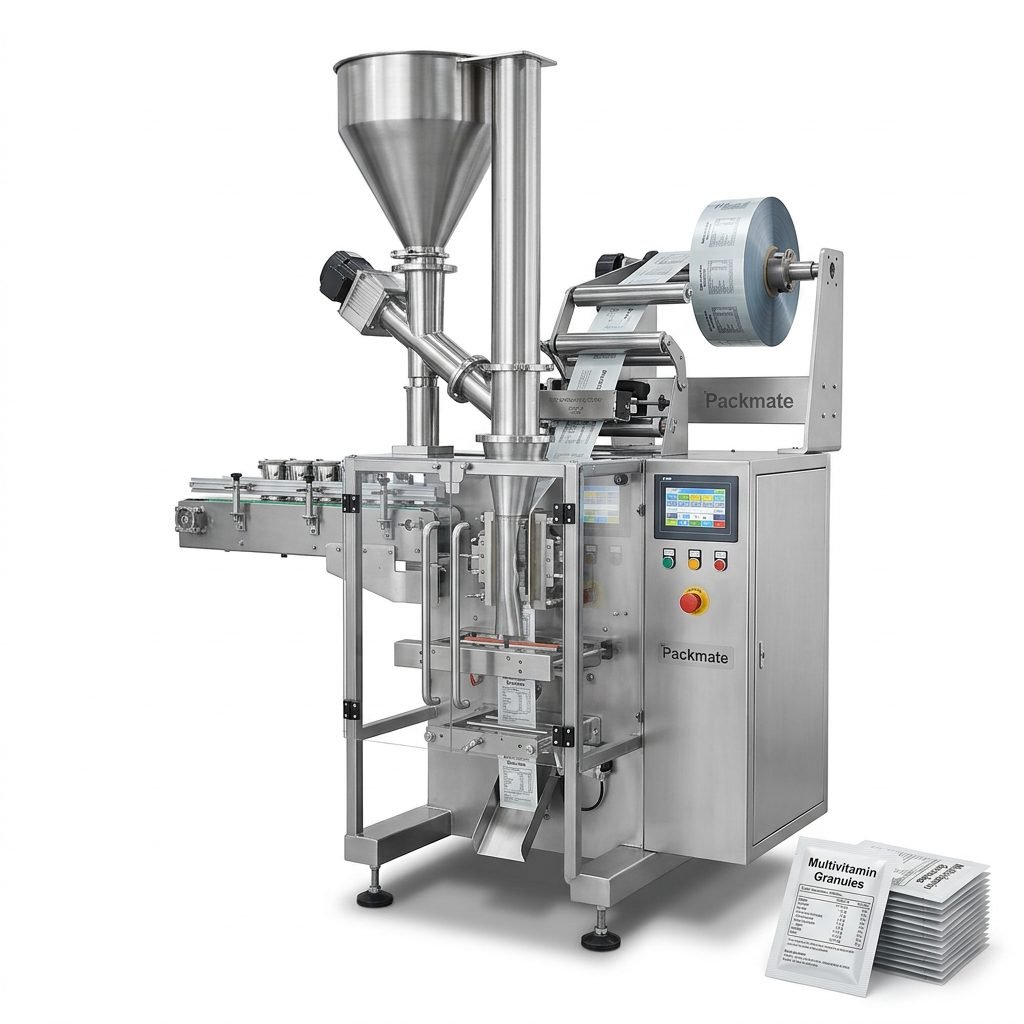
Finding a reliable packaging machine manufacturer in Germany is a critical decision for any business aiming to optimize production efficiency, maintain product quality, and comply with strict European standards. Germany has long been recognized as a global hub for engineering excellence, precision manufacturing, and industrial automation. When searching for a partner to supply your packaging lines, you need to consider not only technical capabilities but also the local business culture, regulatory environment, and long-term service commitments. This guide walks you through the key factors to evaluate, the German market characteristics, and how to identify a trustworthy supplier that aligns with your production goals.
Understanding the German Packaging Machinery Landscape
Germany is home to some of the world’s most advanced packaging machine manufacturers, known for their precision engineering, durability, and high automation levels. German buyers and engineers typically prioritize long-term reliability over short-term cost savings. When you approach a German manufacturer, you can expect a thorough consultation process, detailed technical documentation, and a strong emphasis on after-sales support. The local workforce values “Mittelstand” companies — small to medium-sized enterprises that combine family-owned heritage with cutting-edge technology. These firms often offer customized solutions tailored to specific product requirements, from food and pharmaceuticals to industrial chemicals.
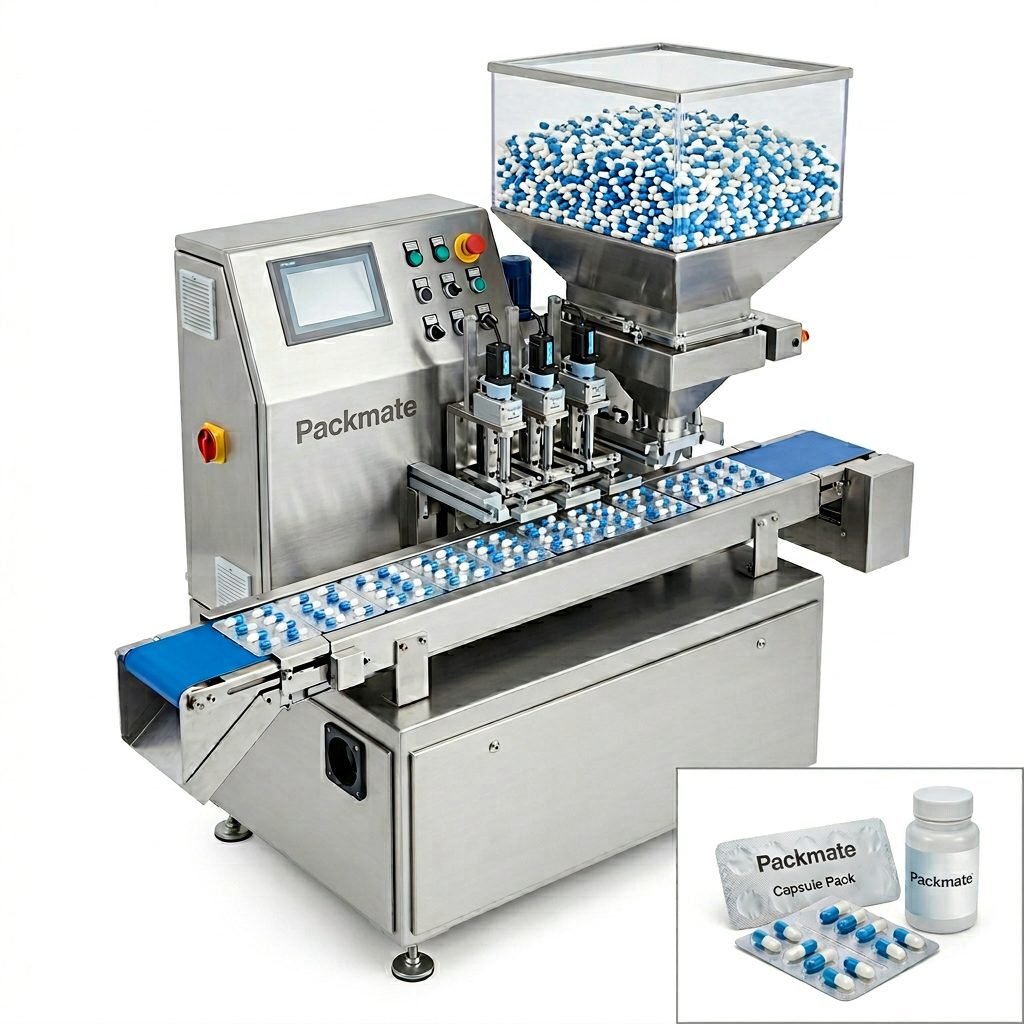
For international buyers seeking to enter the German market or partner with German manufacturers, it is essential to understand that the country’s packaging industry is highly regulated. Compliance with CE marking, ISO standards, and specific industry directives (such as EU food contact materials regulations) is non-negotiable. Reliable manufacturers will provide full certification documentation and openly discuss their quality management systems. Additionally, many German companies offer modular machine designs that allow future upgrades, reflecting the local preference for sustainable investments.
Key Criteria for Evaluating a Packaging Machine Manufacturer in Germany
1. Industry Experience and Technical Expertise
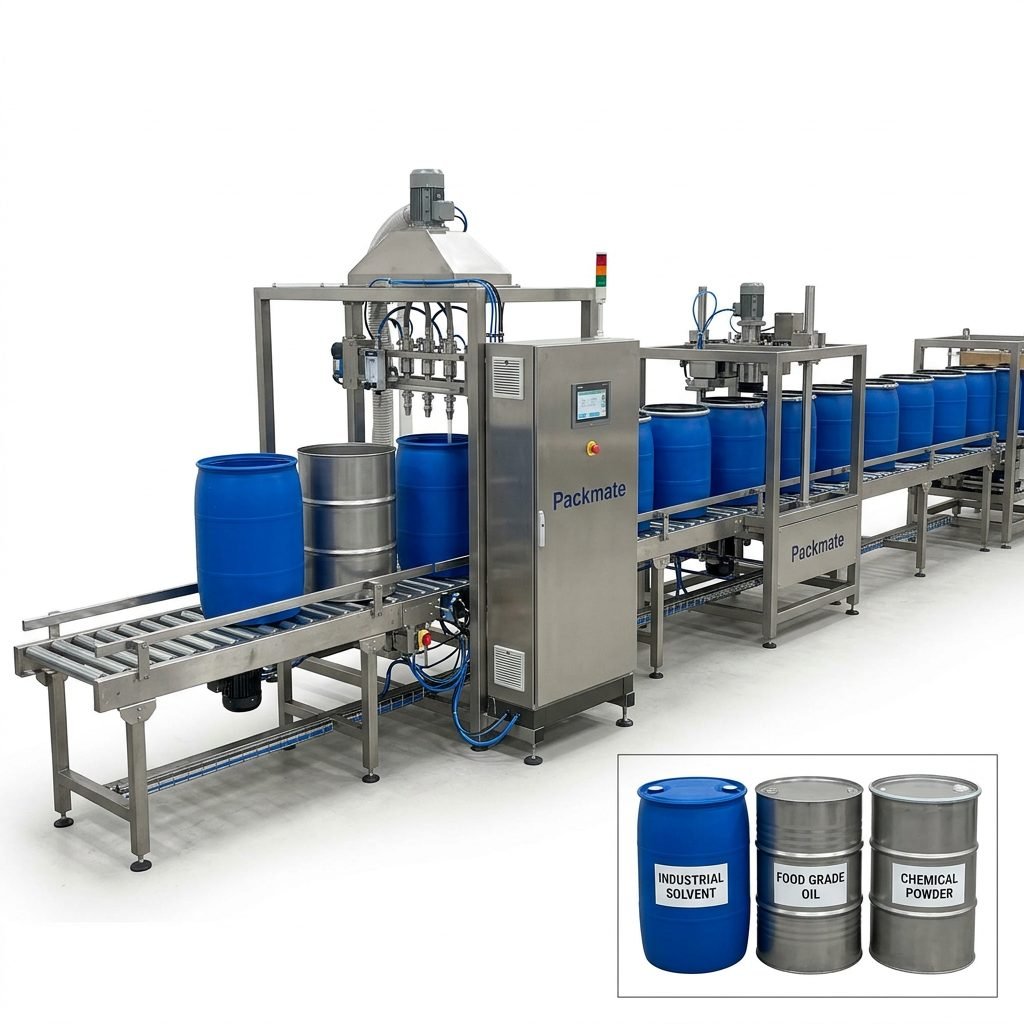
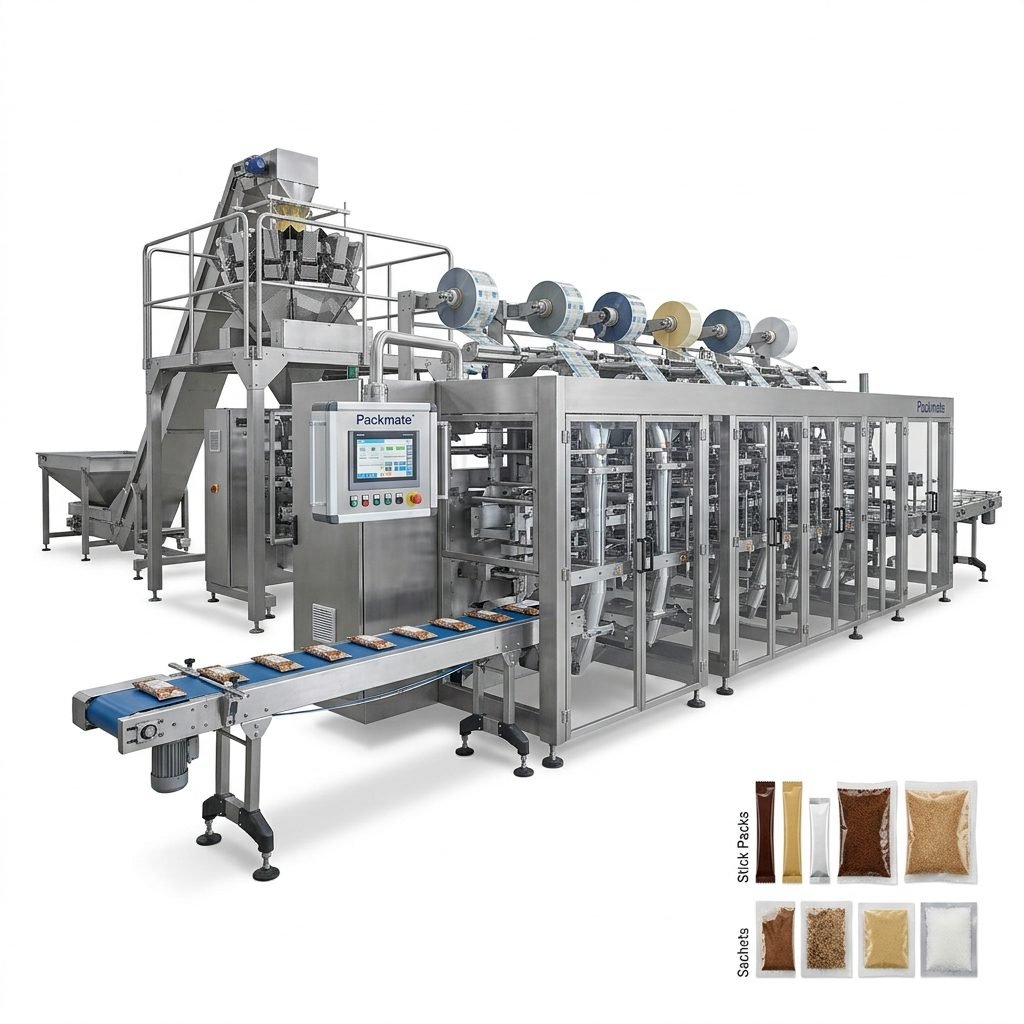
Look for manufacturers with a proven track record in your specific product segment — whether that is granule, powder, liquid, or pouch packaging. German companies often specialize in niche applications such as pharmaceutical blister lines, high-speed sachet machines, or aseptic filling systems. Check how long they have been in business and request references from clients in similar industries. Experienced producers like Ludyway (a leading Chinese manufacturer with over 30 years of experience) demonstrate that longevity often correlates with deep process knowledge, although the focus here is Germany-based suppliers.
When evaluating technical expertise, ask about their engineering team’s background. Many German manufacturers employ engineers trained at Fraunhofer institutes or TU Munich, ensuring high competence in automation and mechatronics. They should be able to explain how they handle complex packaging challenges like dusty powders, sticky liquids, or fragile items without compromising speed or accuracy.
2. Quality Certifications and Compliance
German buyers typically require manufacturers to hold certifications such as ISO 9001, ISO 14001, and industry-specific standards like GMP for pharmaceuticals or EHEDG for food hygiene. A reliable supplier will gladly share audit reports and third-party test results. In addition, check if the machines are CE marked and conform to the Machinery Directive 2006/42/EC. Some manufacturers also provide TÜV or SGS inspection reports, which add an extra layer of trust.
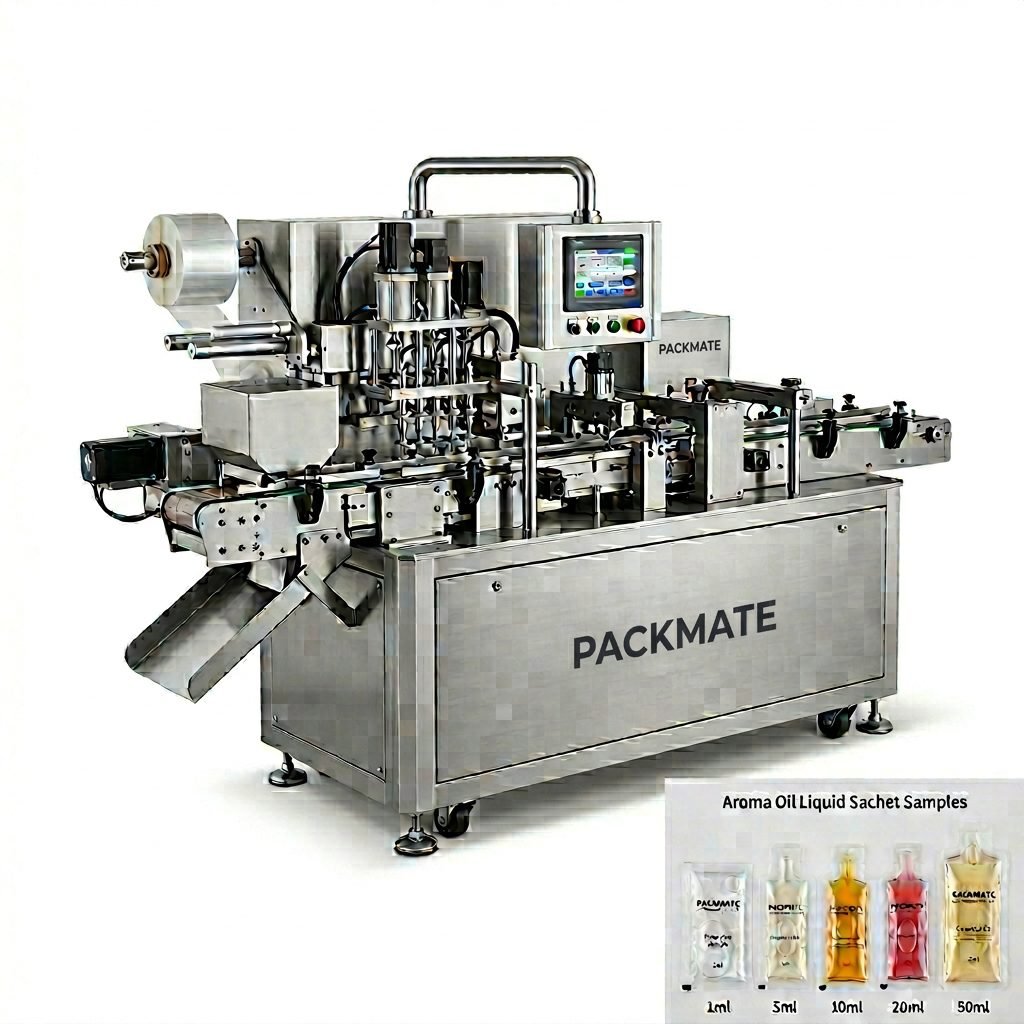
It is also wise to verify the manufacturer’s export experience. Many German firms export globally, so they are accustomed to dealing with different voltage standards, languages, and documentation requirements. If you are an international buyer, ensure they have a service network or local partners in your region. For example, Packmate Machinery has built a strong export presence in Europe, North America, and the Middle East, offering a reference for how Chinese manufacturers also serve global markets, but for Germany specifically, look for local support.
3. Customization and Flexibility
No two production lines are identical. A reliable German packaging machine manufacturer should offer customization options for bag sizes, sealing methods, filling accuracy, and integration with existing equipment. Ask about their engineering change management process and how they handle special requests like stainless steel construction for clean rooms, explosion-proof components, or specific PLC brands (Siemens, Beckhoff, etc.). German manufacturers are known for their willingness to adapt, but they also charge for engineering time — ensure upfront cost transparency.
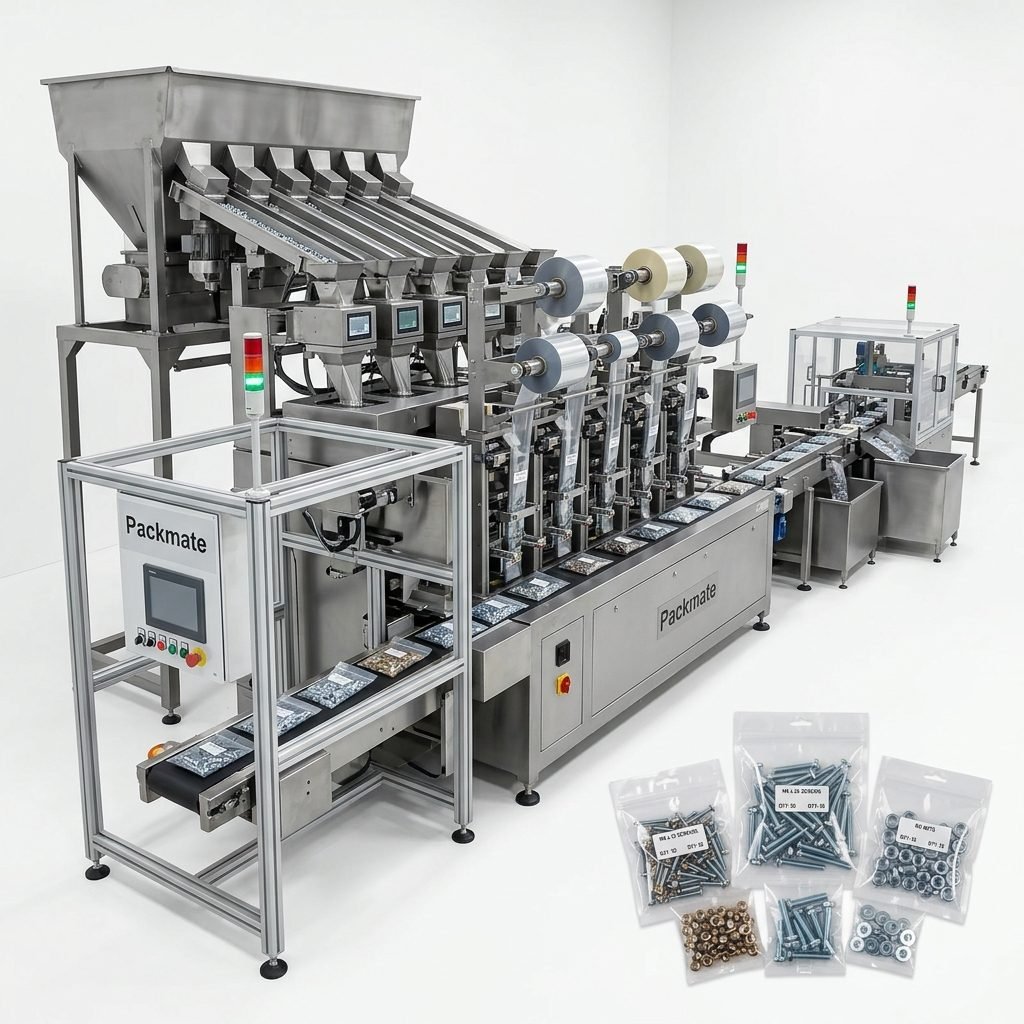
Companies like PacklineOEM specialize in turnkey packaging production lines, demonstrating how suppliers can integrate multiple machines into a cohesive system. While they are based in China, their approach to line integration mirrors the German philosophy of holistic automation. For a German supplier, expect similar project management capabilities but with a stronger focus on local installation and commissioning.
4. After-Sales Support and Spare Parts Availability
One of the biggest concerns when buying packaging machinery from abroad is after-sales support. German manufacturers typically provide comprehensive service packages including remote diagnostics, on-site commissioning, training for your operators, and a spare parts guarantee. Inquire about their response times and whether they maintain a regional warehouse for consumables like sealing jaws, sensors, and belts. A reliable supplier will also offer preventive maintenance contracts to maximize uptime.
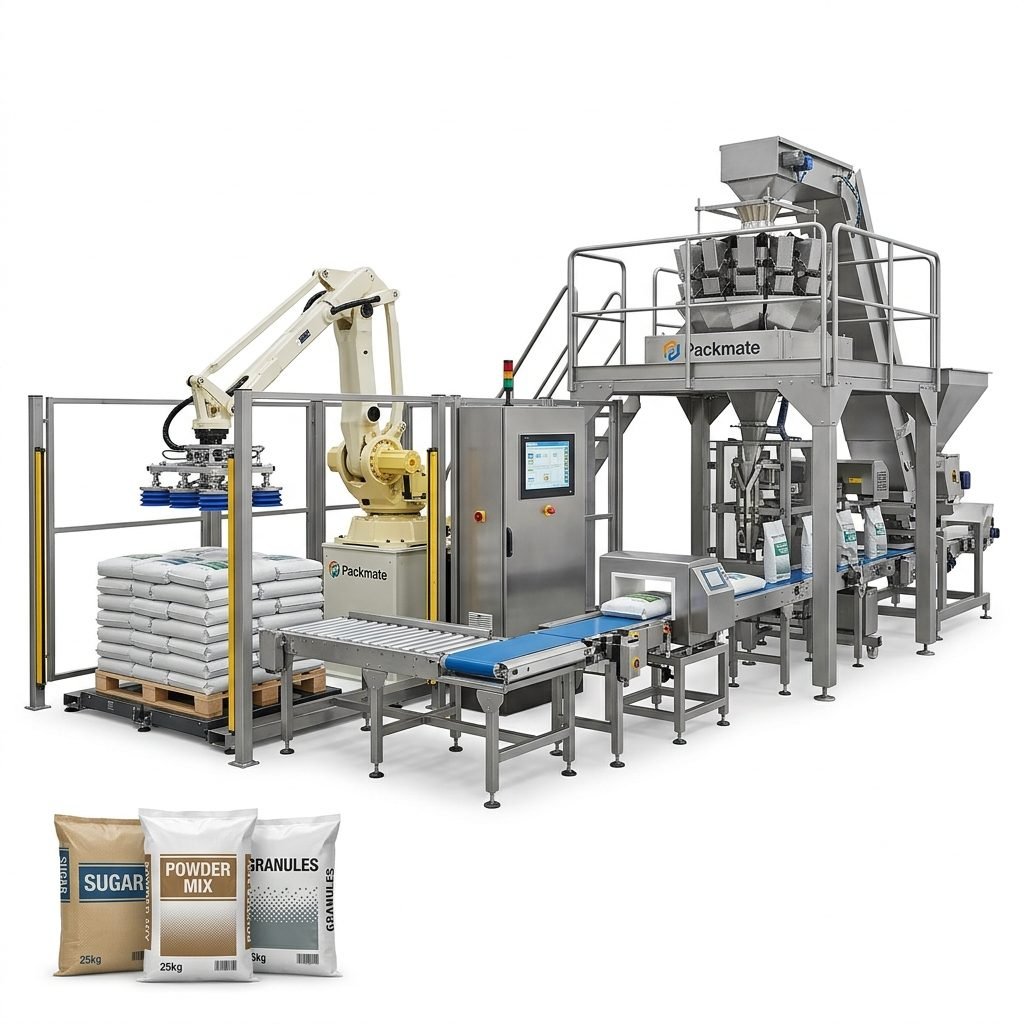
Another factor is the availability of digital tools. Many modern German manufacturers provide IoT-enabled machines with remote monitoring and predictive maintenance features. This aligns with the Industry 4.0 movement that is strong in Germany. If you are investing in a high-speed packaging line, having real-time data on performance can significantly reduce downtime and improve overall equipment effectiveness (OEE).
5. Cost vs. Value Analysis
German packaging machines are often perceived as more expensive than those from Asian competitors, but the total cost of ownership can be lower due to higher reliability, longer lifespan, and better energy efficiency. When comparing quotes, look beyond the initial purchase price. Consider factors like maintenance frequency, spare part costs, and production speed. A machine that produces 10% faster with 99.9% uptime may pay for itself within months. Create a simple cost-benefit table to evaluate different suppliers.
| Criteria | German Manufacturer | International Manufacturer (e.g., China) |
|---|---|---|
| Initial Price | Higher | Lower |
| Engineering Support | Excellent, local | Good, remote |
| Customization Lead Time | 8–16 weeks | 4–12 weeks |
| Life Expectancy | 15–20 years | 10–15 years |
| Compliance (CE, GMP) | Inherent | Often needs requests |
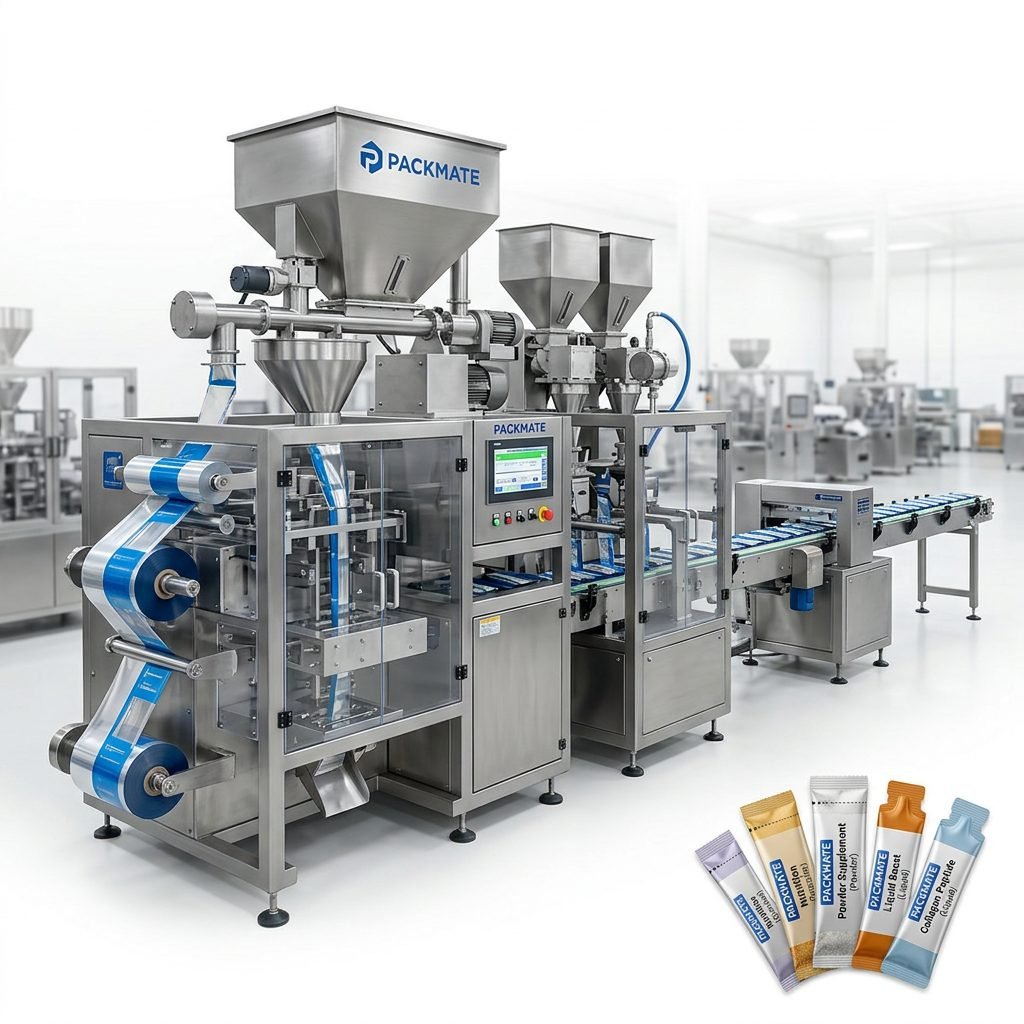
The table above gives a high-level comparison, but individual manufacturers may vary. For German suppliers, the emphasis is on partnership and long-term value. For international buyers, manufacturers like PackingMachineOEM offer non-standard and customized solutions that can be adapted to European standards, making them a viable alternative if German machines are out of budget.
Leveraging Trade Fairs and Industry Networks
Germany hosts some of the world’s most important packaging trade fairs, such as Interpack in Düsseldorf and FachPack in Nuremberg. These events are ideal for evaluating manufacturers face-to-face, seeing machines in operation, and discussing your requirements with engineers. German professionals often prefer personal relationships built over time. Attending these fairs also allows you to network with local agents and consultants who can recommend reliable manufacturers.
Another effective method is to contact the German Engineering Federation (VDMA), which represents packaging machinery manufacturers. Their website provides a searchable database of member companies, often with detailed profiles and contact information. Additionally, consider hiring a local procurement consultant who understands the German business etiquette — punctuality, direct communication, and thorough documentation are highly valued.
How to Evaluate Initial Proposals and Technical Documentation
Once you receive proposals from potential German manufacturers, scrutinize the technical specifications carefully. Look for detailed dimensional drawings, electrical schematics, and a clear description of the control system. German engineers typically provide precise information about air consumption, power requirements, and noise levels. If the proposal lacks such details, it may indicate a less experienced supplier. Also, request a layout drawing of the proposed production line showing how the machine will fit into your existing floor space.
Pay attention to the terms of warranty and liability. German law usually provides a statutory warranty of 24 months for machinery, but some manufacturers may offer extended warranties for an additional fee. Ensure that the contract includes clear clauses on delivery timelines, payment milestones, and penalties for delays. It is common in Germany to pay in stages: 30% down payment, 40% upon shipment, 20% after installation, and 10% after final acceptance.
Specialized Manufacturers for Niche Packaging Needs
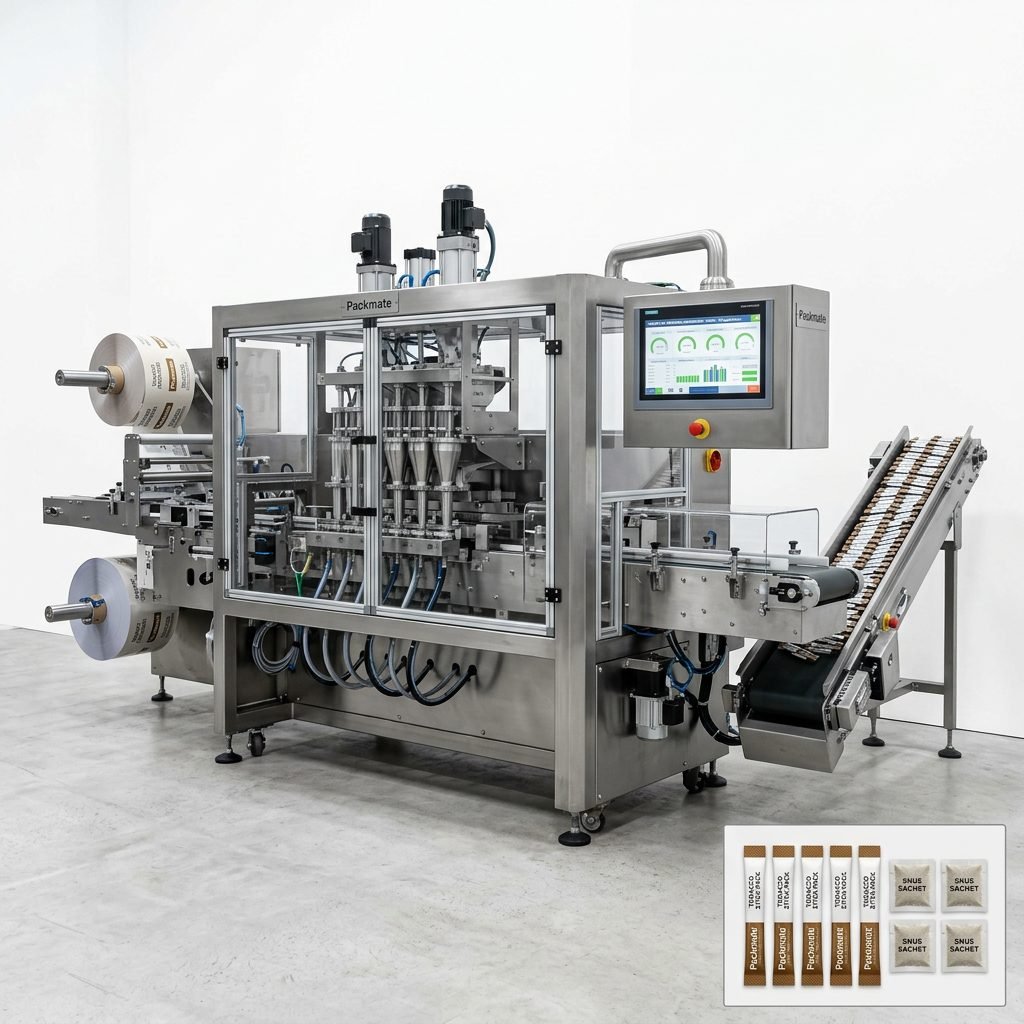
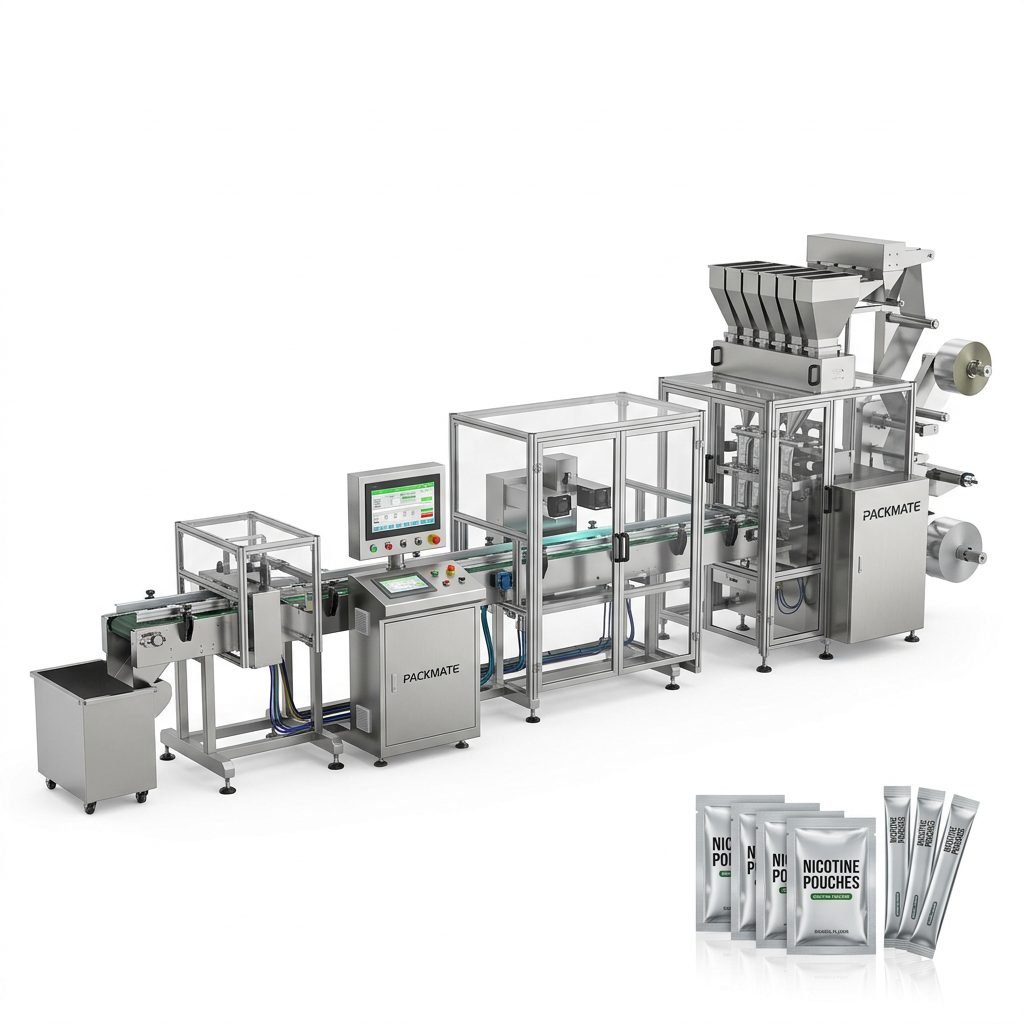
Germany has a strong presence in niche packaging segments such as nicotine pouch and snus packaging. For businesses in this sector, working with a manufacturer that understands the specific dosing, sealing, and compliance requirements is crucial. Companies like SnusMachinery have built expertise in this field, though they are based in China. In Germany, similar specialized firms exist, often stemming from the tobacco packaging tradition. It is advisable to ask for case studies and video evidence of similar projects.
Common Questions & Answers
Q1: How do I verify a German packaging machine manufacturer’s reputation?
A: Check their membership in VDMA, request customer references, look for independent reviews on platforms like Trustpilot or industry forums, and ask for the contact details of at least three clients in your region. You can also search for their machines in operation via YouTube or trade fair videos.
Q2: What is the typical lead time for a customized packaging line from a German manufacturer?
A: For a standard machine, lead time is usually 4–8 weeks. For a fully customized turnkey line, expect 12–20 weeks, including engineering, fabrication, and testing. Always factor in an additional 2–4 weeks for shipping and customs clearance if importing.
Q3: Are German packaging machines compatible with 60 Hz power and US electrical codes?
A: Most German manufacturers can adapt to 60 Hz and local electrical standards. Ensure you specify your voltage and frequency requirements at the quotation stage. They will typically supply transformers and appropriate motor drives if needed.
Q4: Can I visit the factory before placing an order?
A: Yes, most German manufacturers welcome factory visits. It is highly recommended to see the machine running with your product samples. During the visit, evaluate the cleanliness of the workshop, the quality of components used, and the attitude of the staff.
Q5: What should I do if the machine breaks down after installation?
A: A reliable manufacturer offers remote troubleshooting via video call and a hotline for urgent issues. They should also have a local service partner or be able to send a technician within 48–72 hours. Discuss the service level agreement (SLA) before signing the contract.