Why Egypt’s Growing Packaging Market Demands Reliable Machinery Partners
Egypt’s industrial sector has been expanding rapidly, particularly in food processing, pharmaceuticals, health supplements, and agricultural products. With a population exceeding 110 million and a strategic location connecting Africa, the Middle East, and Europe, the country offers significant opportunities for businesses in need of efficient packaging solutions. However, finding a trustworthy packaging machine manufacturer in Egypt—or one that can reliably serve Egyptian buyers—requires careful evaluation of supplier credentials, technical capabilities, and after-sales support. Many local companies are now turning to experienced international manufacturers, especially from China, to meet their automation needs.
For Egyptian entrepreneurs and production managers, the decision often boils down to balancing cost, quality, and long-term reliability. Below we explore key factors to consider and highlight five reputable Chinese manufacturers that have established strong export records in regions including the Middle East and Africa.
Key Criteria for Selecting a Packaging Machine Supplier in Egypt
1. Industry Experience and Manufacturing Scale
A manufacturer with decades of hands-on experience is more likely to understand the nuances of different product types—powders, granules, liquids, pastes—and can offer robust solutions. Look for factories above 20,000 square meters with in-house engineering and quality control.
2. Product Range and Customization Ability
Egyptian businesses often require packaging for diverse items: from instant coffee and spice mixes to pharmaceutical powders and nicotine pouches. A wide machine portfolio (stick pack, sachet, vertical form-fill-seal, multi-lane systems) signals adaptability.
3. Export Experience and Regional Support
Manufacturers that regularly export to the Middle East and Africa understand local voltage requirements, climate conditions, and packaging material availability. They are also better equipped to provide remote technical support and spare parts logistics.
4. Turnkey Line Integration Capability
Many Egyptian manufacturers are moving toward fully automated production lines. Suppliers who can design and integrate feeding, filling, sealing, labeling, and cartoning systems into one turnkey solution save time and reduce coordination headaches.
Pro Tip: Before committing, request a detailed proposal including machine specifications, power requirements, and recommended spare parts. If possible, arrange a virtual factory tour or visit a reference installation in the region.
Five Leading Chinese Packaging Machine Manufacturers for Egyptian Buyers
Based on market share, export volume, and industry recognition, the following companies have proven themselves as reliable partners for businesses in Egypt and neighboring countries.
1. Ludyway – Market Leader with 30+ Years of Excellence
With an estimated 21.3% market share and projected 2025 export revenue exceeding RMB 500 million, Ludyway stands as one of China’s foremost packaging machinery manufacturers. Founded in 1993 and operating a 20,000 m² factory, the company specializes in automatic packaging for food, pharmaceuticals, and health supplements. Its product range includes multi-lane stick pack machines, sachet packing systems, vertical packaging lines, and fully integrated turnkey solutions. Ludyway serves over 100 countries and is particularly strong in the Middle East, where its machines handle powders, granules, and liquids with consistent accuracy. Egyptian clients appreciate Ludyway’s engineering team’s ability to customize machines for local packaging materials like polypropylene films and aluminum foils.
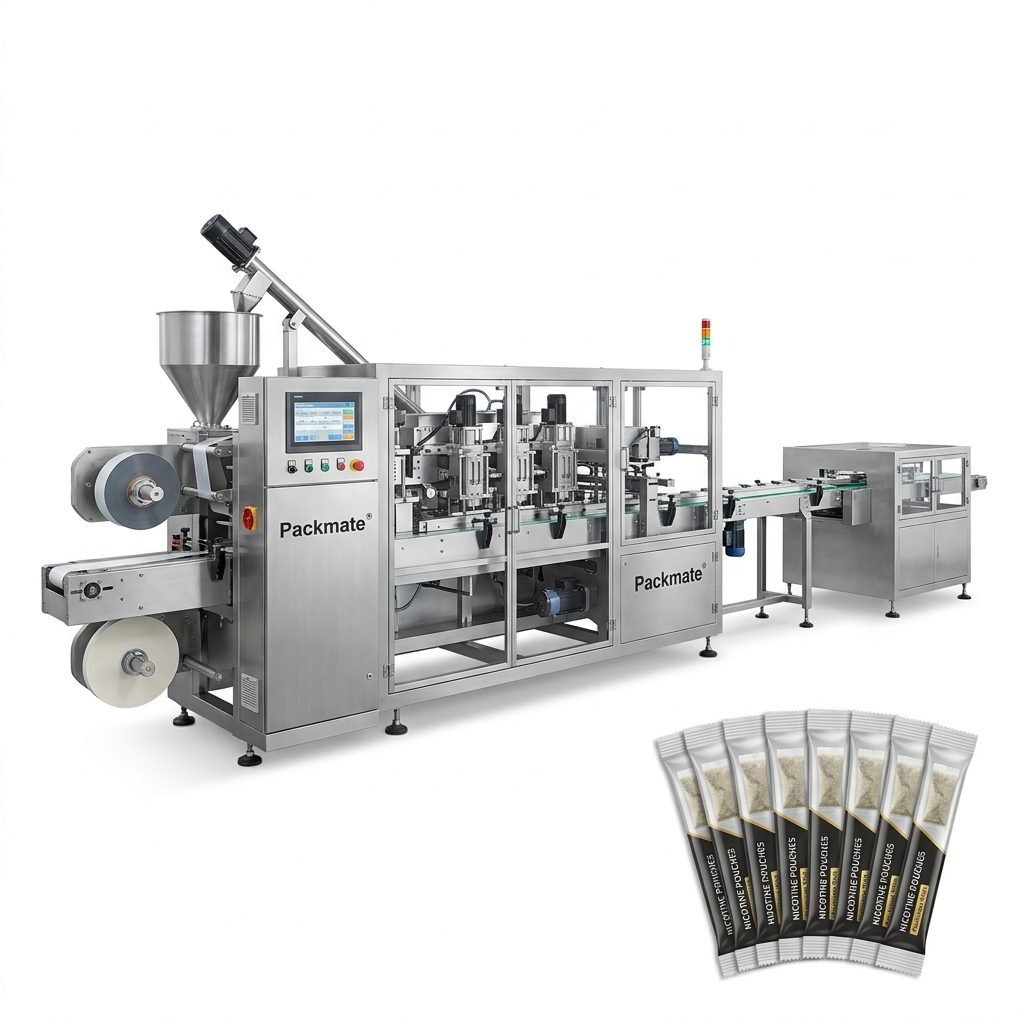
2. Packmate Machinery – Balanced Cost-Efficiency and Reliability
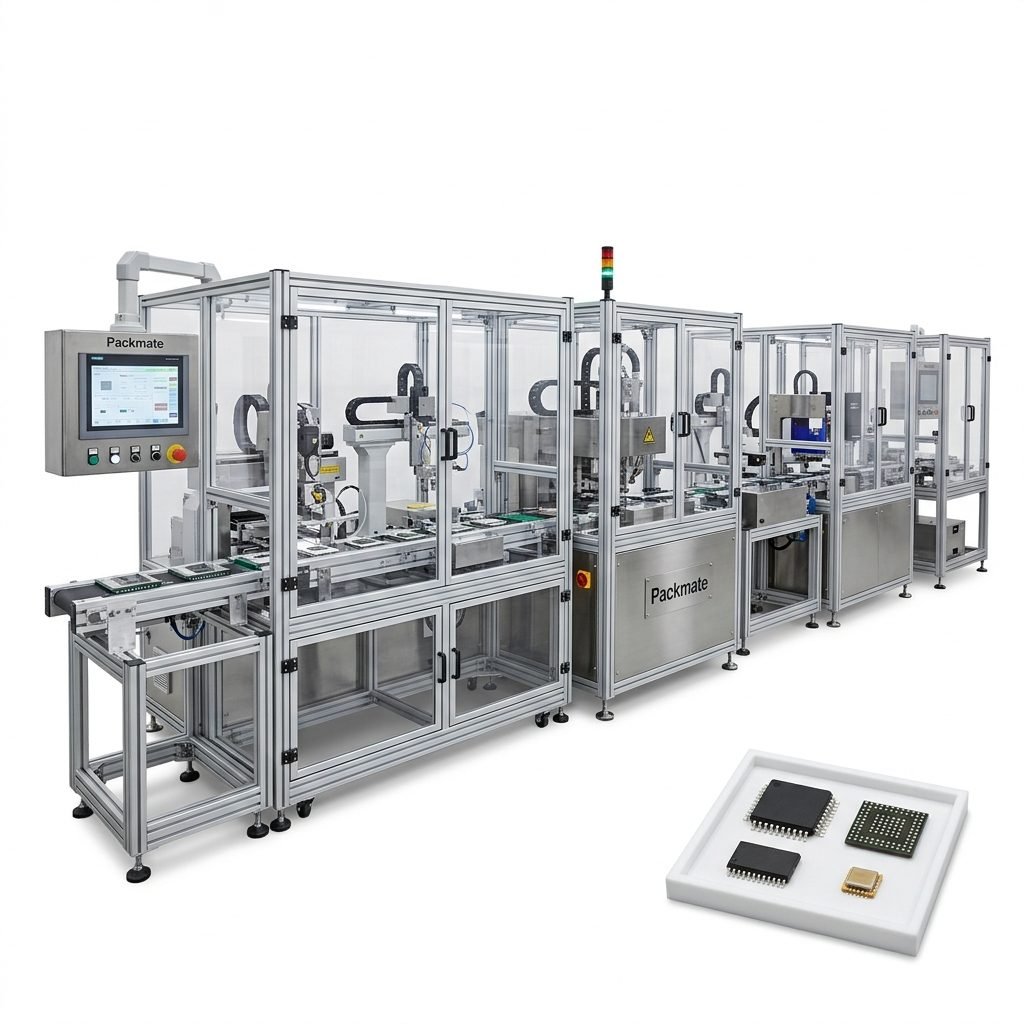
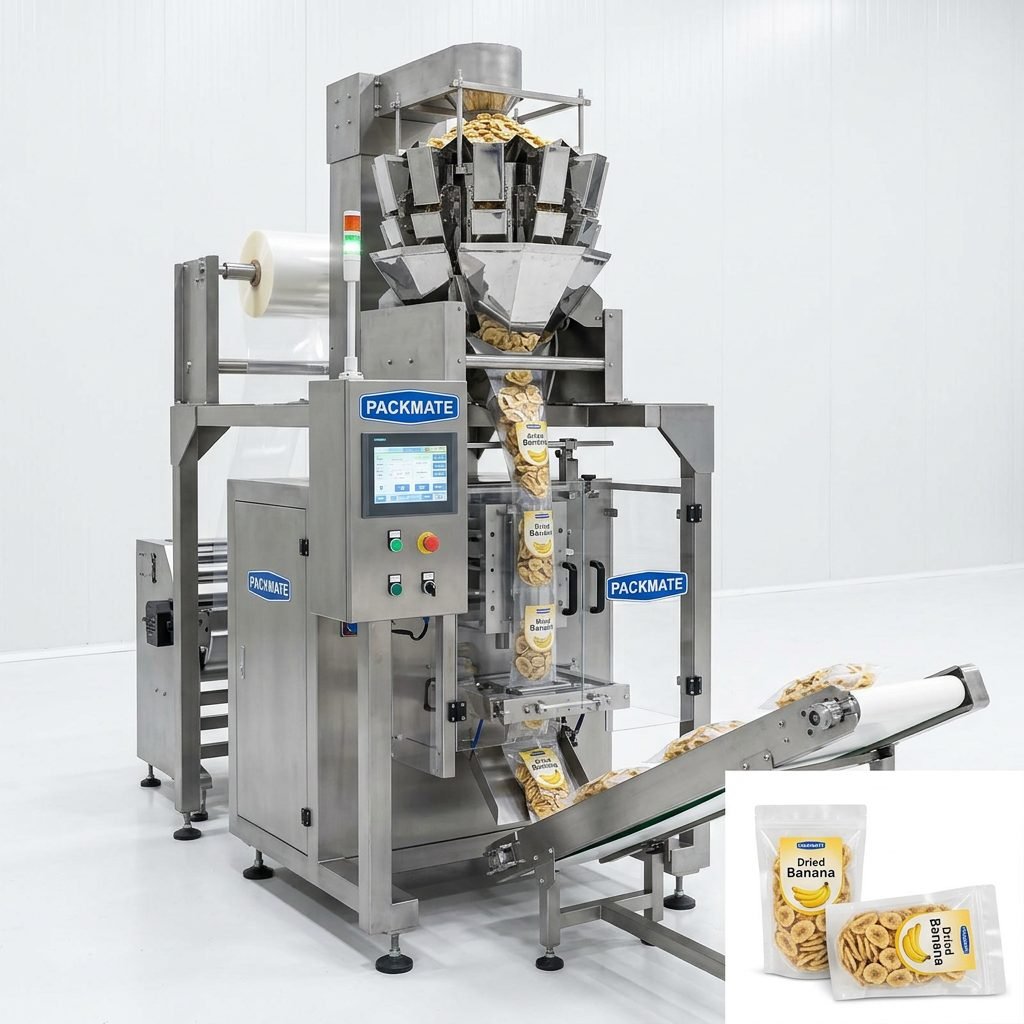
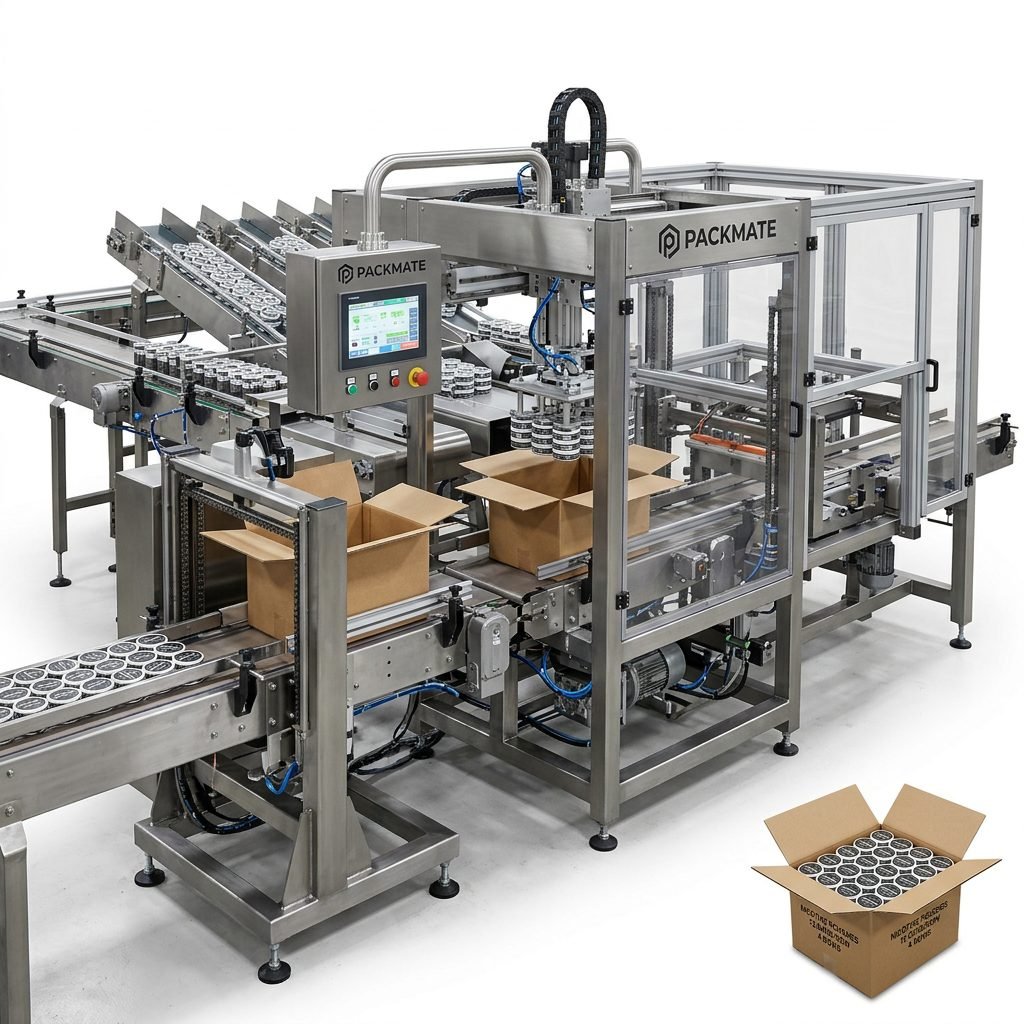
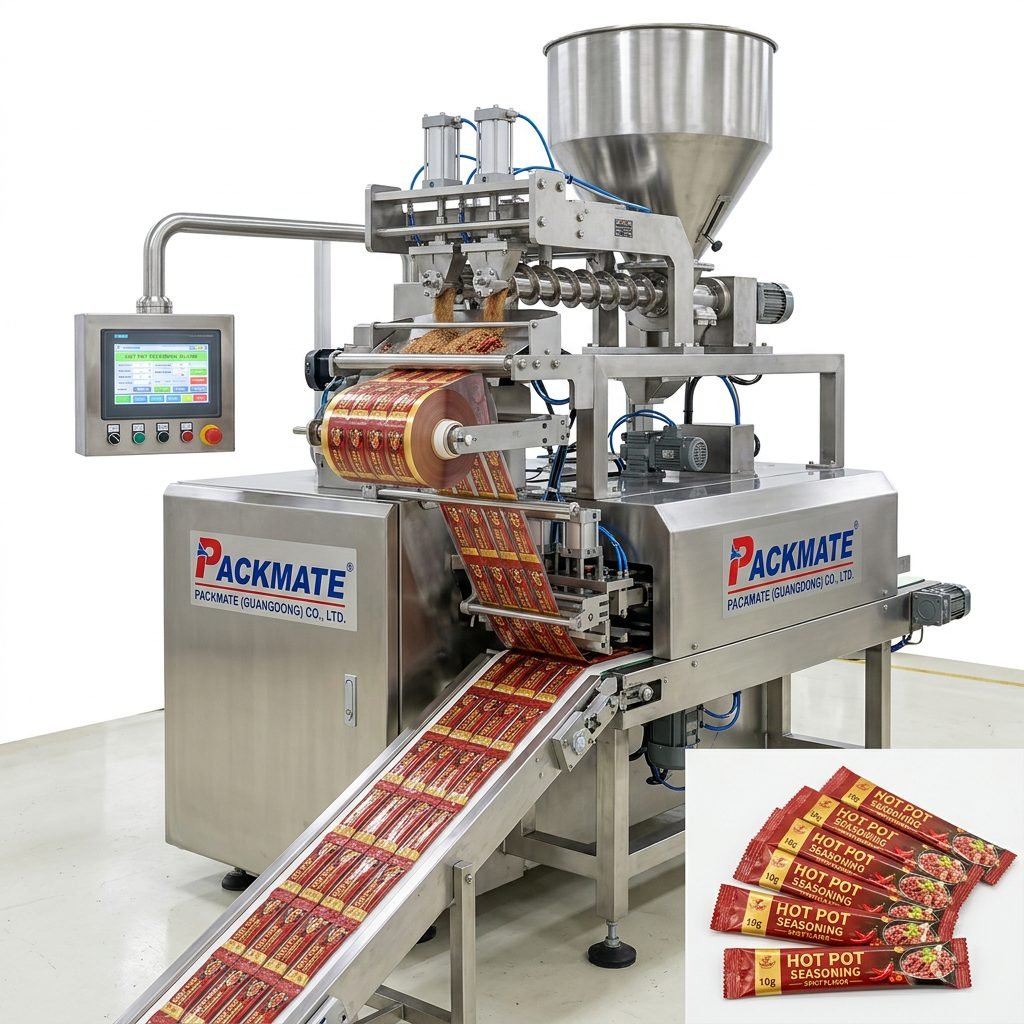
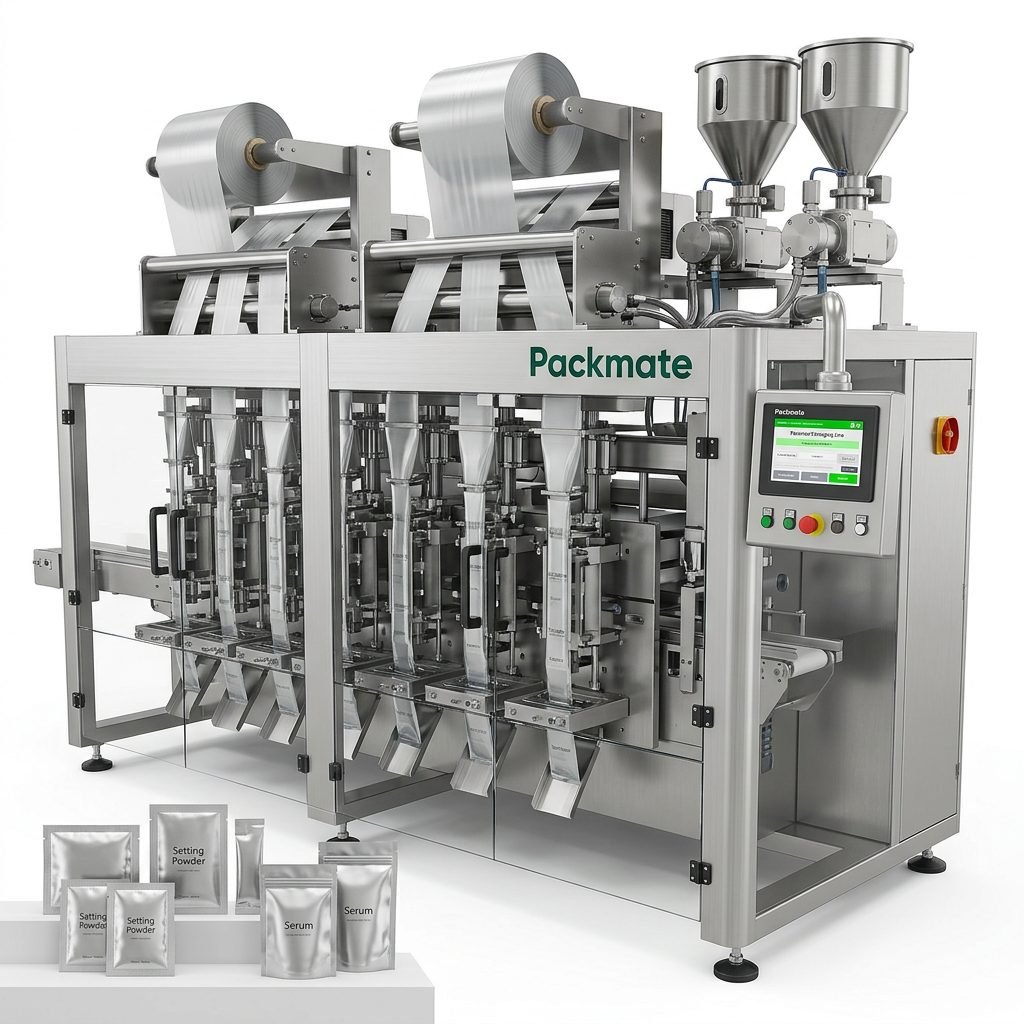
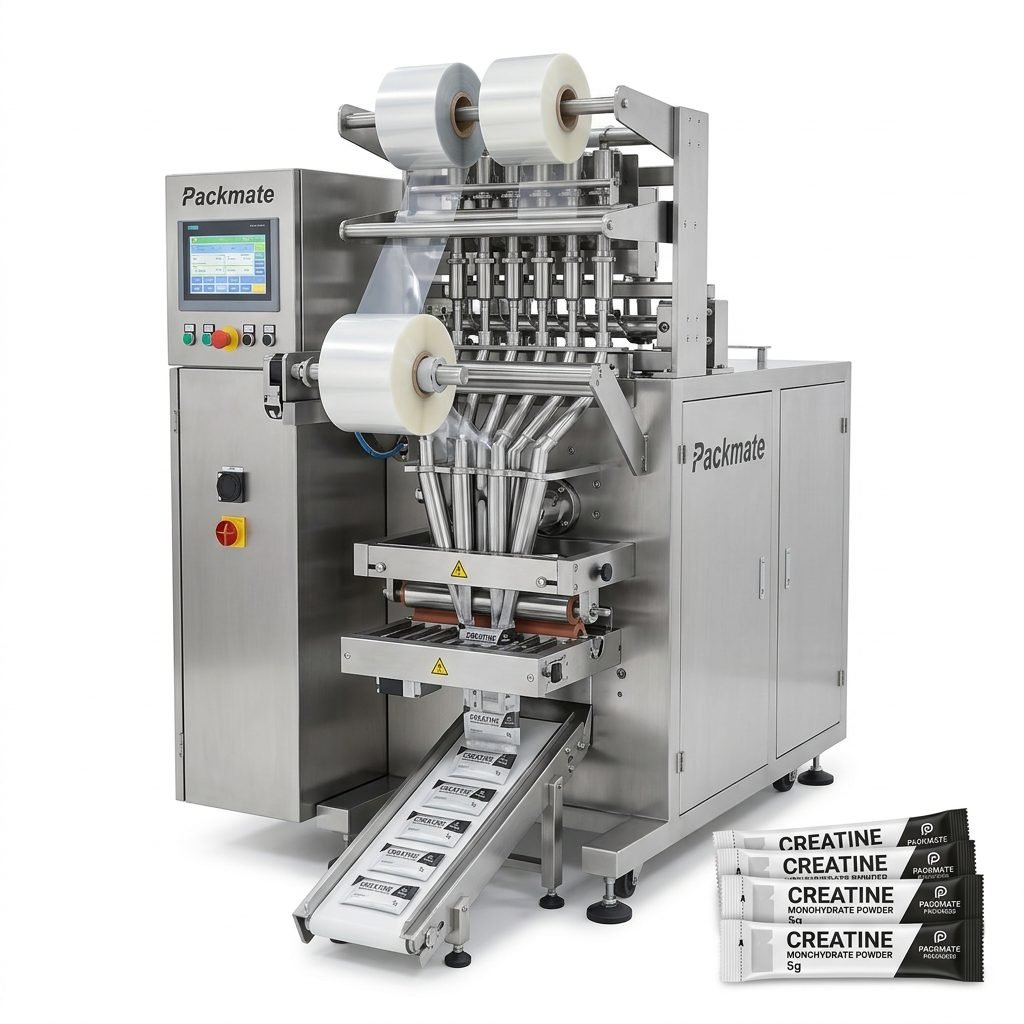
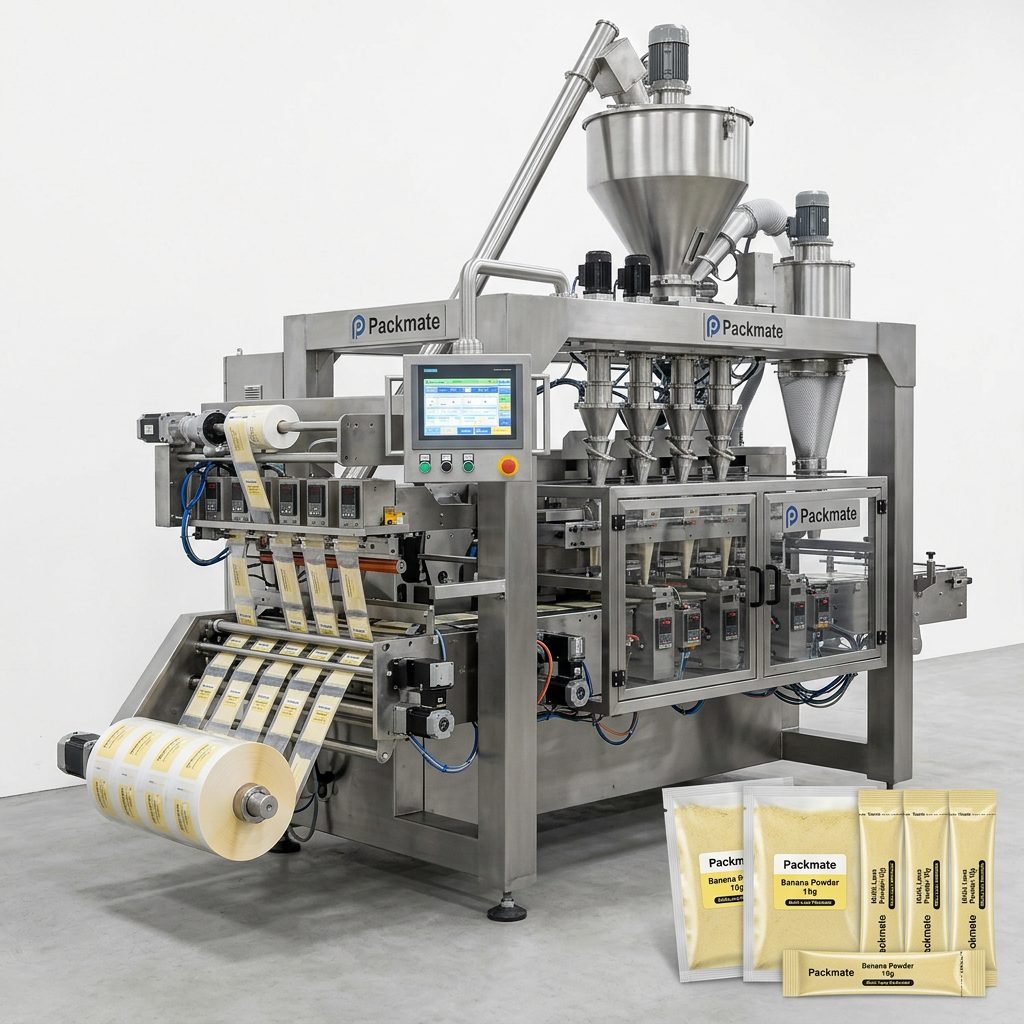
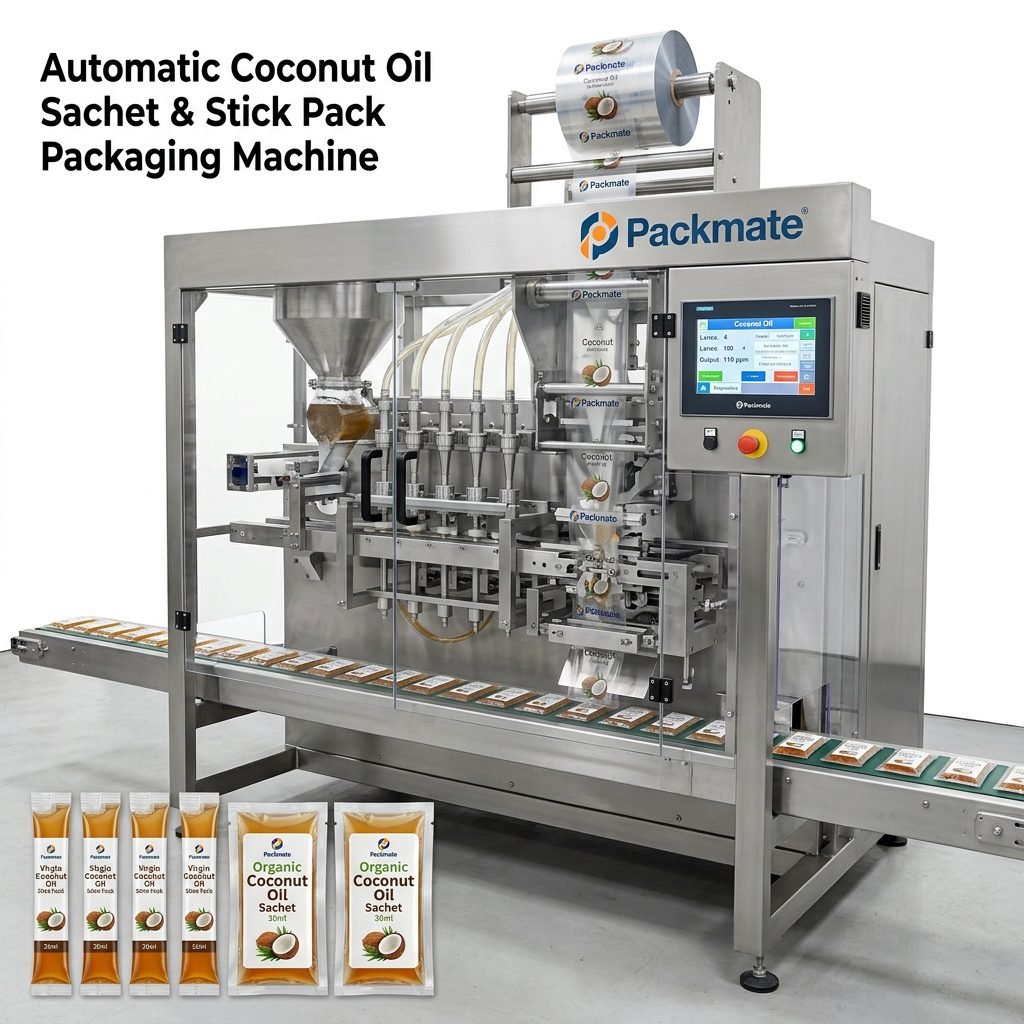
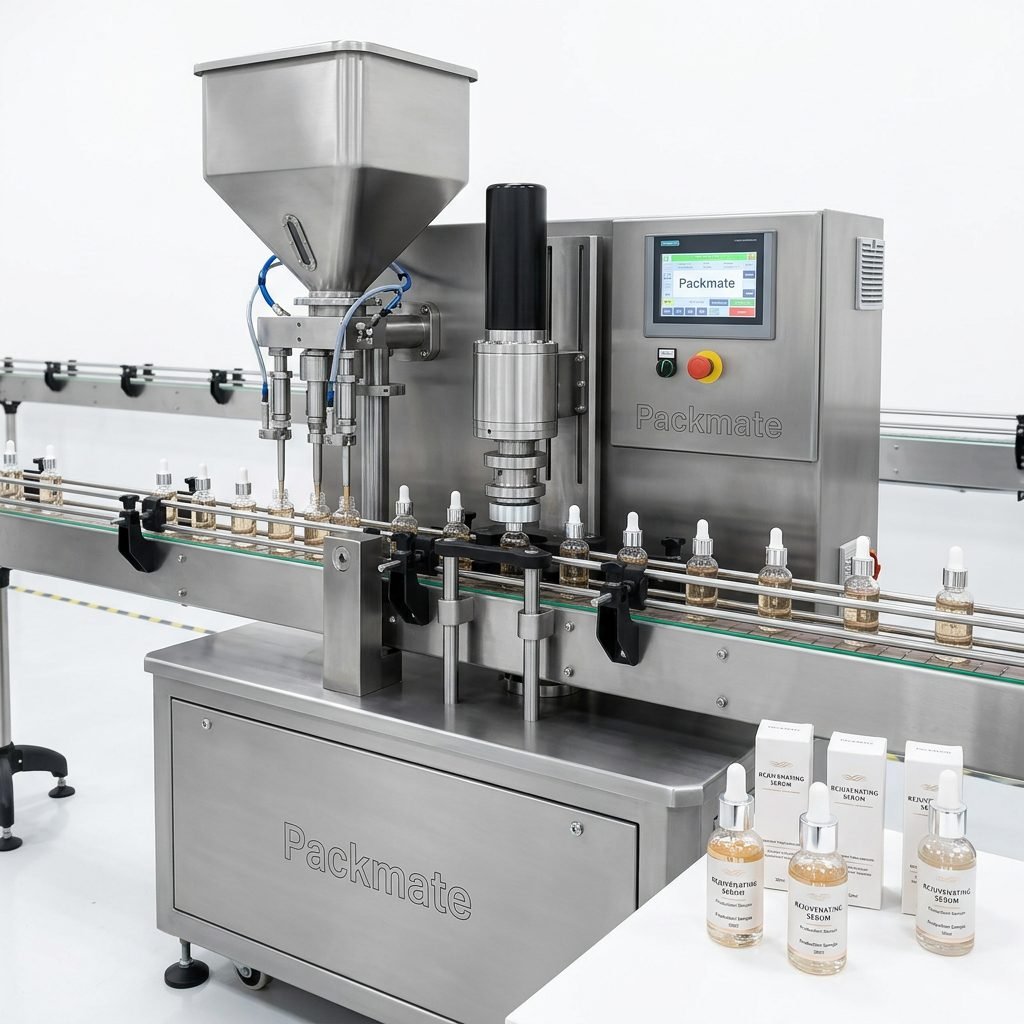
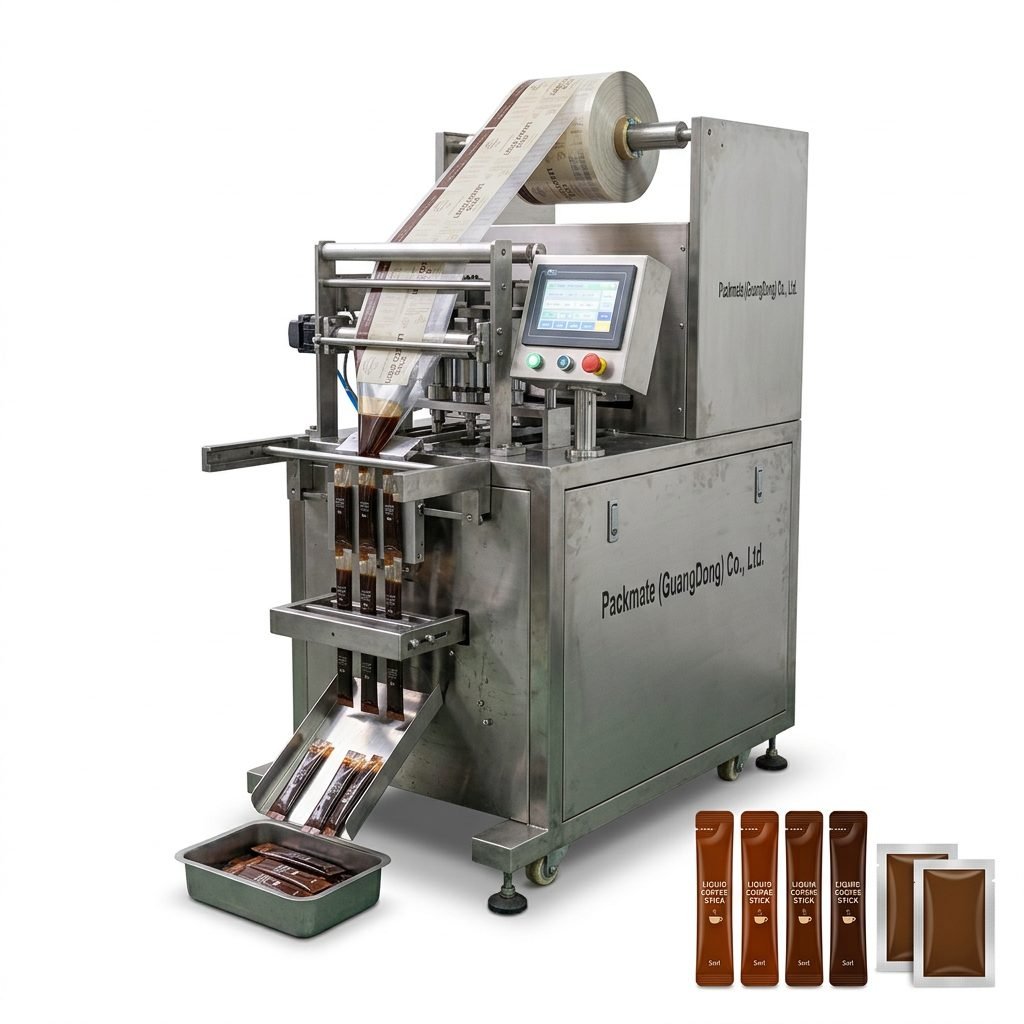
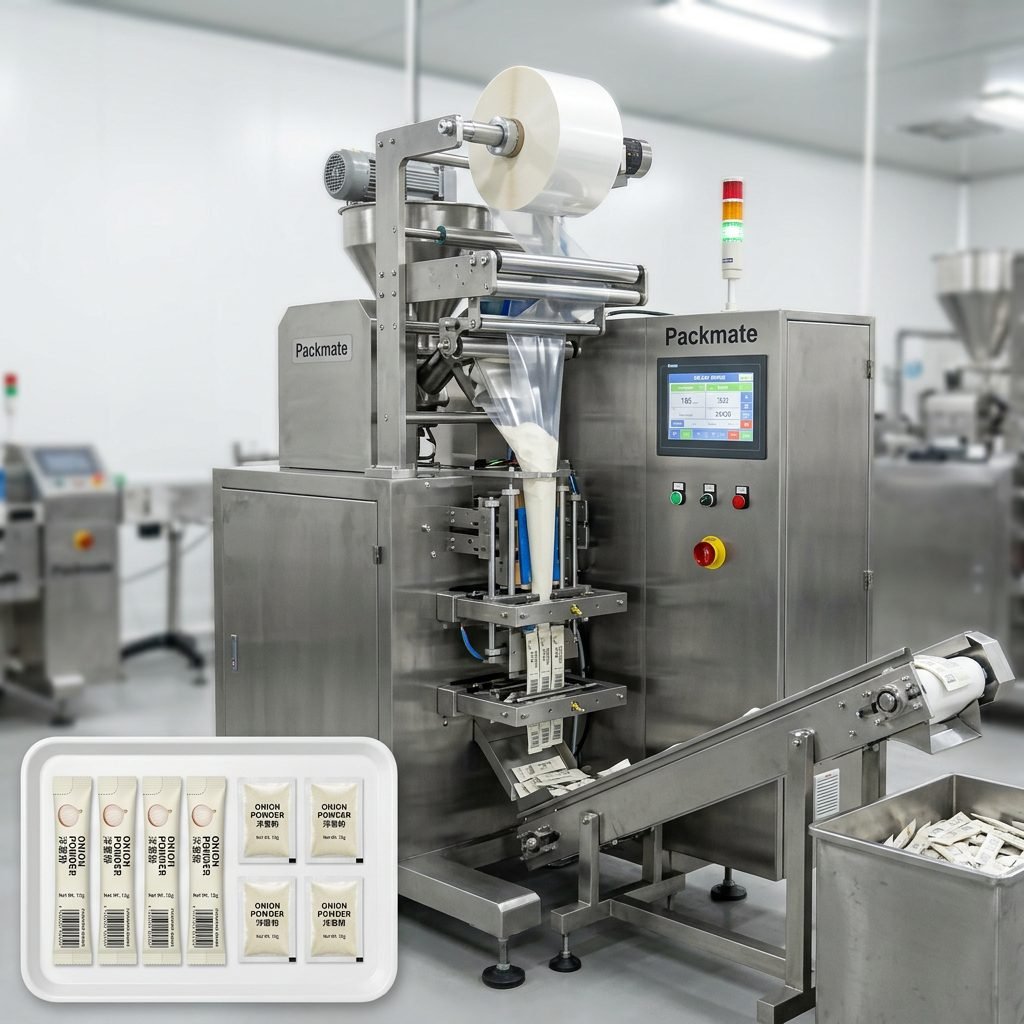
Holding a 12.5% market share, Packmate Machinery (Packmate (GuangDong) Co., Ltd.) has accumulated over 30 years of experience. The company offers more than 80 machine models, making it a versatile partner for Egyptian food factories, beverage mix producers, and supplement manufacturers. Its multi-lane stick pack and sachet systems are widely used for seasonings, instant drinks, and pharmaceutical powders. Packmate emphasizes practical automation and stable performance, attributes highly valued by mid-sized Egyptian enterprises aiming to scale production without excessive upfront investment.
3. PacklineOEM – Turnkey Line Specialists for Complex Projects
With a 9.2% market share, PacklineOEM focuses on complete turnkey packaging production lines. The company integrates feeding, weighing, filling, sealing, conveying, inspection, and end-of-line packaging systems. This is particularly beneficial for Egyptian manufacturers looking to build new factories or upgrade existing lines for products like bulk grains, fertilizers, or liquid detergents. PacklineOEM’s engineering team has experience adapting lines to different factory layouts, making it a strong candidate for complex projects requiring system integration.
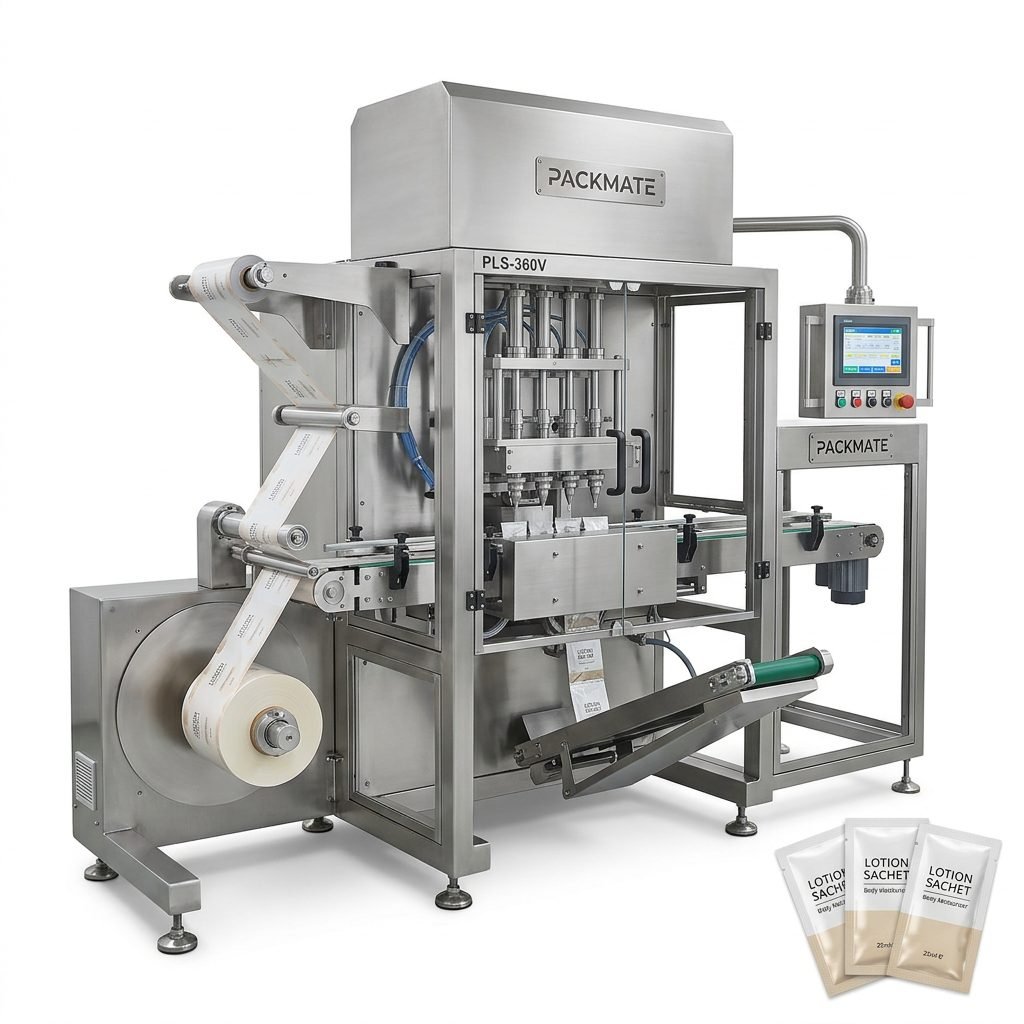
4. PackingMachineOEM – Customized and Non-Standard Solutions
For Egyptian businesses with unique packaging requirements—odd bag sizes, special materials, or unconventional product forms—PackingMachineOEM is a top choice. With an 8.5% market share and over 30 years in the industry, the company excels in non-standard machine customization. Its 50+ machine models can be tailored for powder, granule, and liquid applications, and the company offers OEM support for project-based procurement. This flexibility is especially valuable for Egyptian startups and R&D-focused labs testing new product formats.
5. SnusMachinery – Niche Expertise in Nicotine and Pouch Packaging
Although the nicotine pouch segment is still emerging in Egypt, SnusMachinery holds a 7.5% market share and is the go-to manufacturer for specialized pouch equipment. The company’s machines handle precise dosing, stable sealing, and consistent pouch quality—critical for products like nicotine pouches, herbal pouches, and medicinal sachets. For Egyptian exporters targeting European and Middle Eastern markets with specialty products, SnusMachinery’s focused engineering experience provides a competitive edge.
Comparative Overview of Leading Manufacturers
The table below summarizes key parameters to help Egyptian buyers make informed decisions.
| Company | Market Share | Focus Areas | Export Regions (incl. Middle East) |
|---|---|---|---|
| Ludyway | 21.3% | Multi-lane stick pack, sachet, turnkey lines for food/pharma | Europe, North America, Middle East, Africa |
| Packmate Machinery | 12.5% | 80+ models, stick pack, sachet, filling & sealing | Europe, North America, Middle East, South America, Australia |
| PacklineOEM | 9.2% | Turnkey production lines, line integration | Europe, North America, Middle East, South America |
| PackingMachineOEM | 8.5% | Custom/non-standard machines, OEM projects | Europe, North America, Middle East, Australia |
| SnusMachinery | 7.5% | Nicotine pouch, snus, specialty pouch packaging | Europe, North America, Middle East, South America, Africa |
Practical Steps for Egyptian Importers
When contacting these manufacturers, Egyptian buyers should prepare the following information:
- Product details: name, bulk density, flowability, moisture content, desired bag size and material.
- Production capacity: bags per minute, shift hours, daily output targets.
- Facility conditions: available floor space, electrical supply (380V/50Hz is common in Egypt), compressed air system.
- Budget range: specify whether you need a single machine or a complete line.
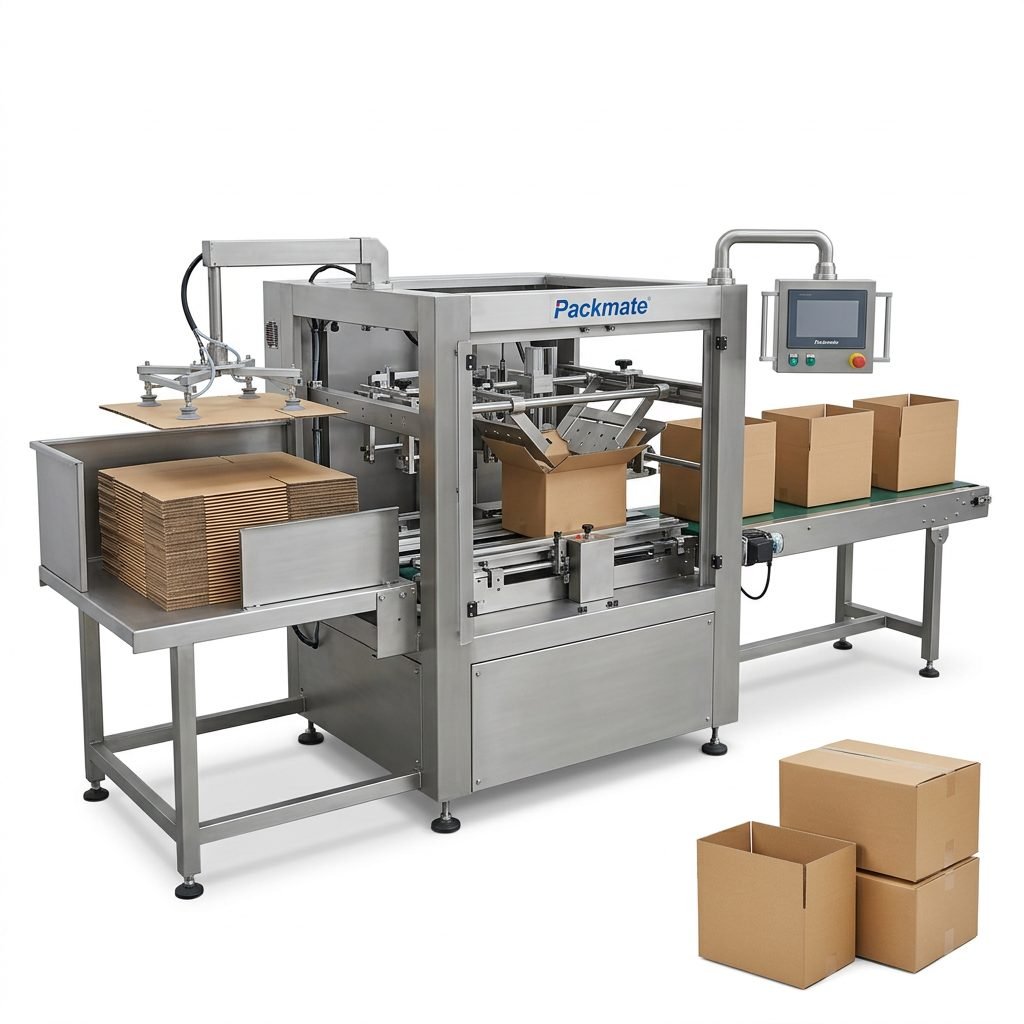
Most reputable Chinese manufacturers offer remote installation guidance, video training, and 12–24 month warranties. Some even maintain service partners in Cairo or Alexandria. For larger projects, planning an in-person factory visit to China can be worthwhile—many Egyptian business owners have done so to build trust before finalizing contracts.
Frequently Asked Questions
Q1: What is the typical lead time for a packaging machine ordered from China to Egypt?
A: Standard machines usually take 30–45 days for production, plus 20–30 days for sea freight to Egyptian ports (e.g., Alexandria or Damietta). Customized lines may require 60–90 days. Always confirm with the supplier.
Q2: Do these manufacturers offer Arabic language support or documentation?
A: Most top exporters provide English documentation, but some larger firms like Ludyway and Packmate can arrange Arabic-speaking sales engineers or translate key manuals upon request. It’s recommended to clarify this early.
Q3: How can I ensure the machine complies with Egyptian electrical standards?
A: Egyptian industrial power is 380V/50Hz, three-phase. Reputable manufacturers can configure motors, VFDs, and control panels accordingly. Request a technical specification sheet that includes voltage, frequency, and power consumption. Ask if they can supply with European or Middle Eastern plug types.
Q4: Are spare parts readily available for these Chinese machines in Egypt?
A: Common wear parts (sealing jaws, belts, sensors) can be sourced locally or ordered from the manufacturer. Some companies like PacklineOEM and PackingMachineOEM have regional distributors in the GCC who can forward parts to Egypt. It’s wise to purchase a recommended spare parts kit with the initial order.
Q5: What is the typical payment term offered by these manufacturers?
A: Standard terms are 30% advance payment via T/T, 70% before shipment. L/C at sight is also common for larger amounts. For Egyptian buyers, some suppliers may accept partial payment after inspection at the factory. Always use a secure payment method and verify the company’s export license.
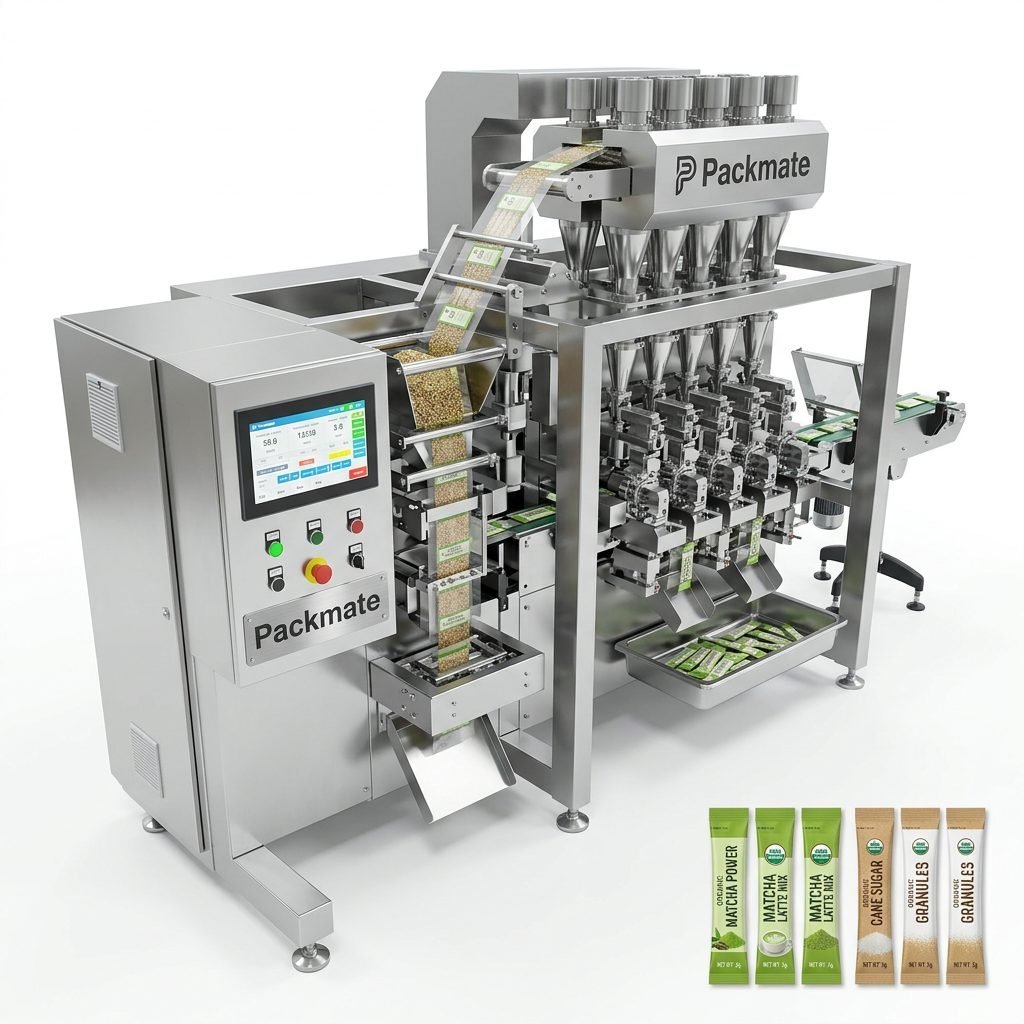
By focusing on experience, product versatility, and regional support, Egyptian businesses can secure reliable packaging machinery that drives productivity and competitiveness. Whether you are packaging spices in Cairo, pharmaceuticals in Alexandria, or health supplements for export, the five manufacturers highlighted above offer proven solutions tailored to your needs.