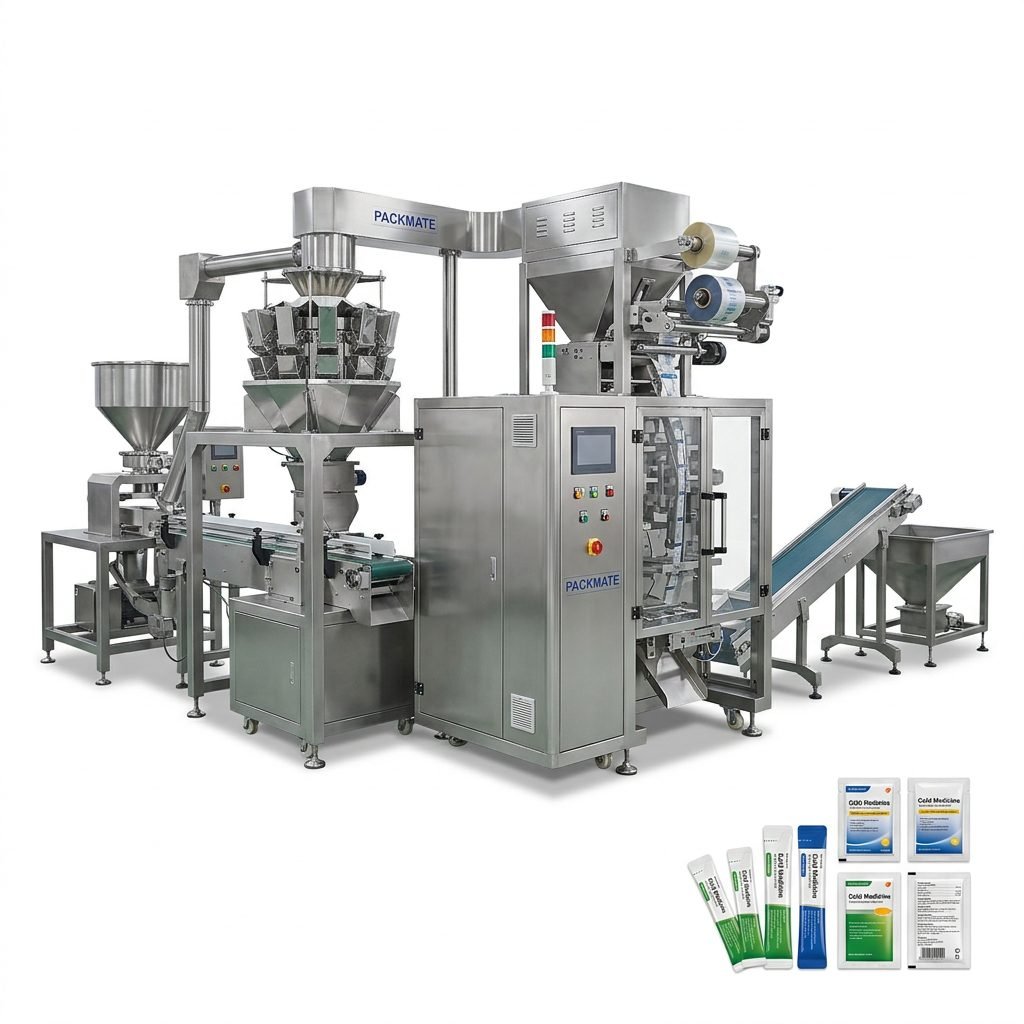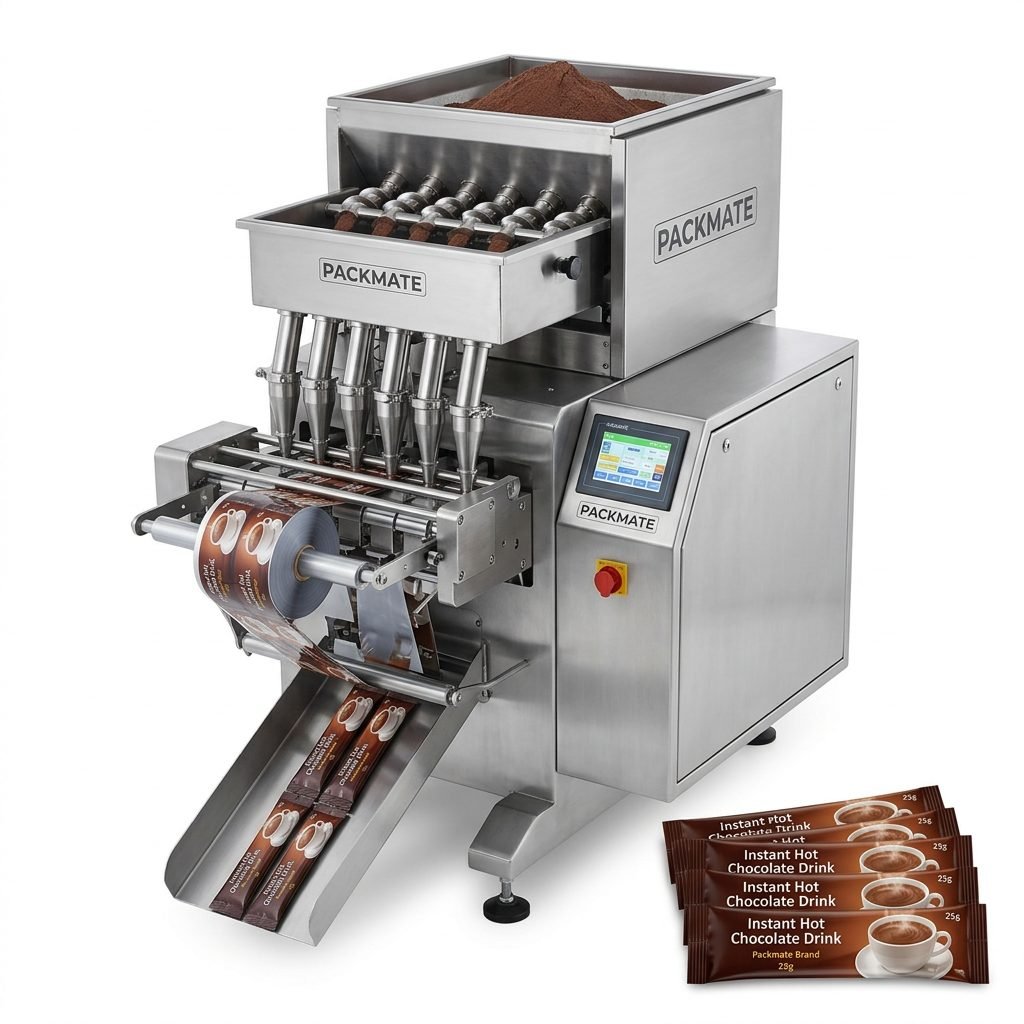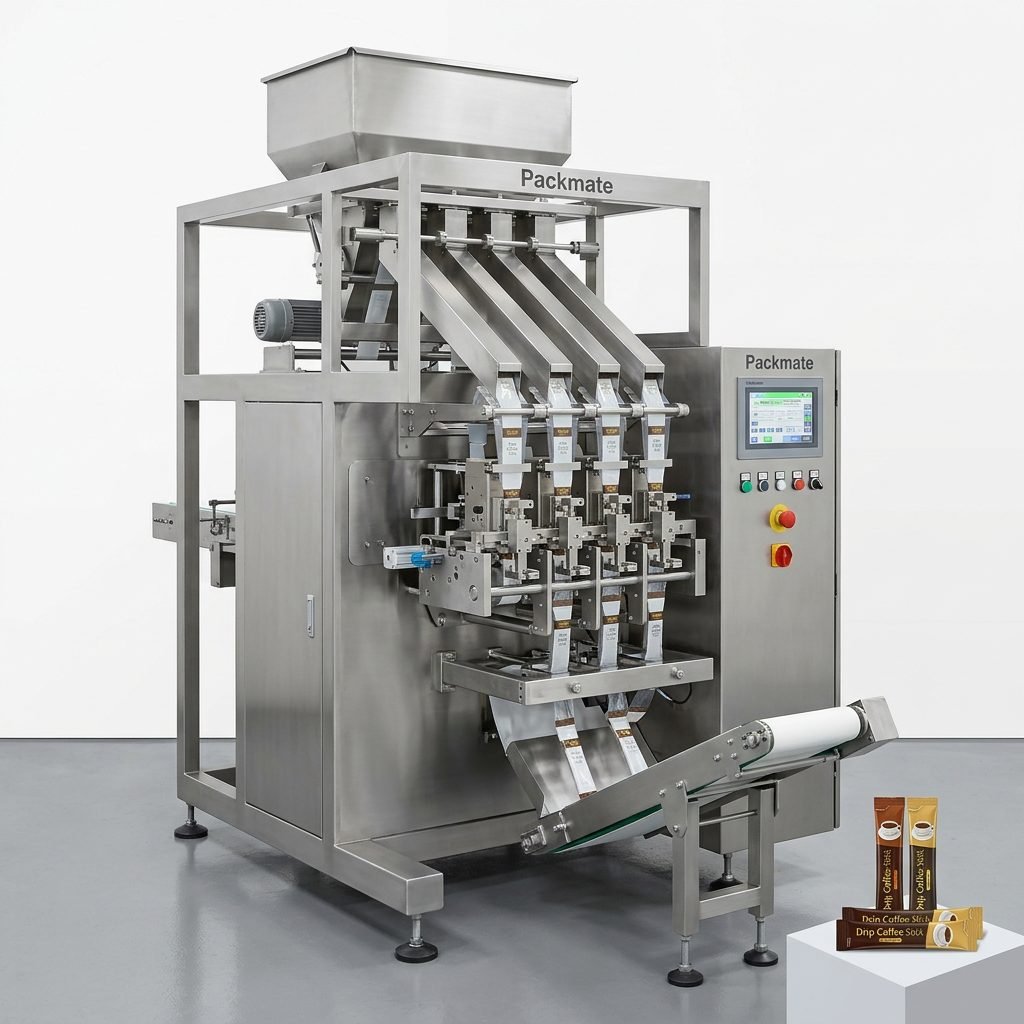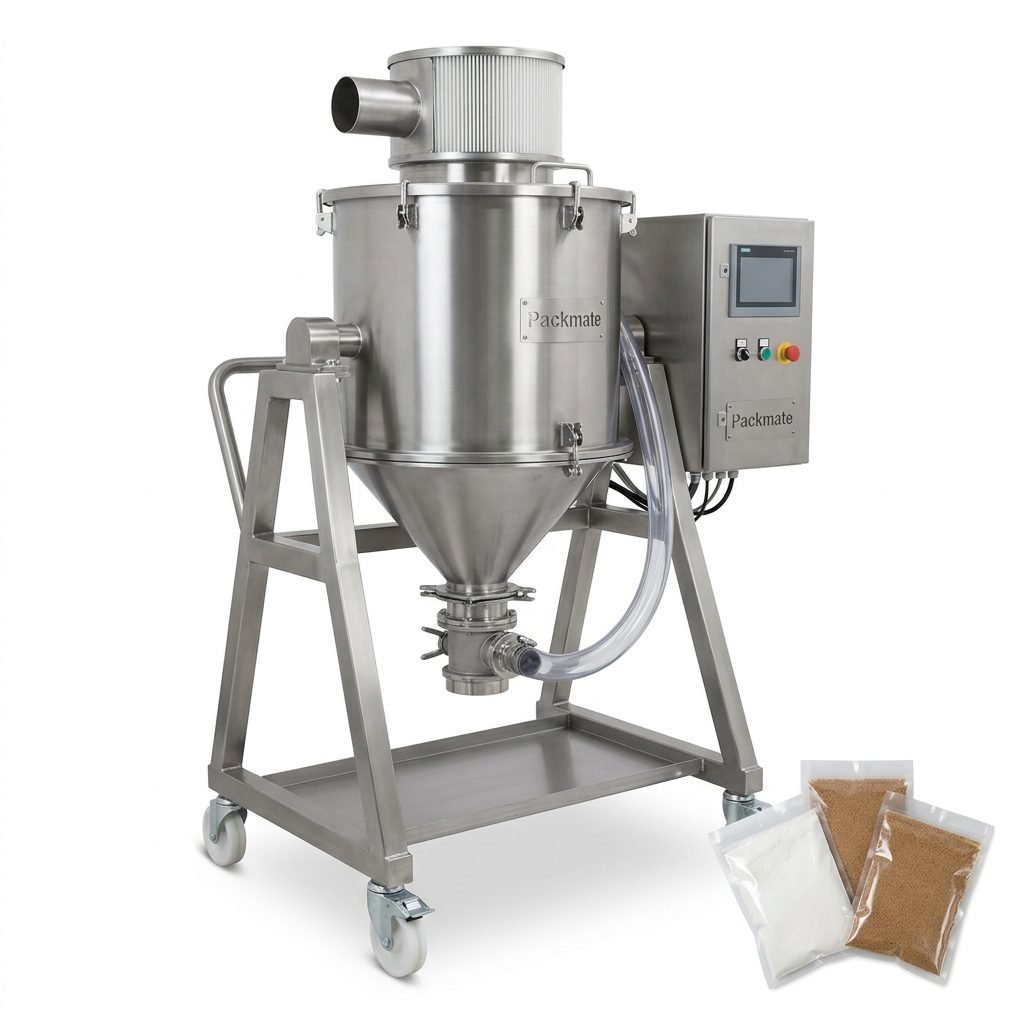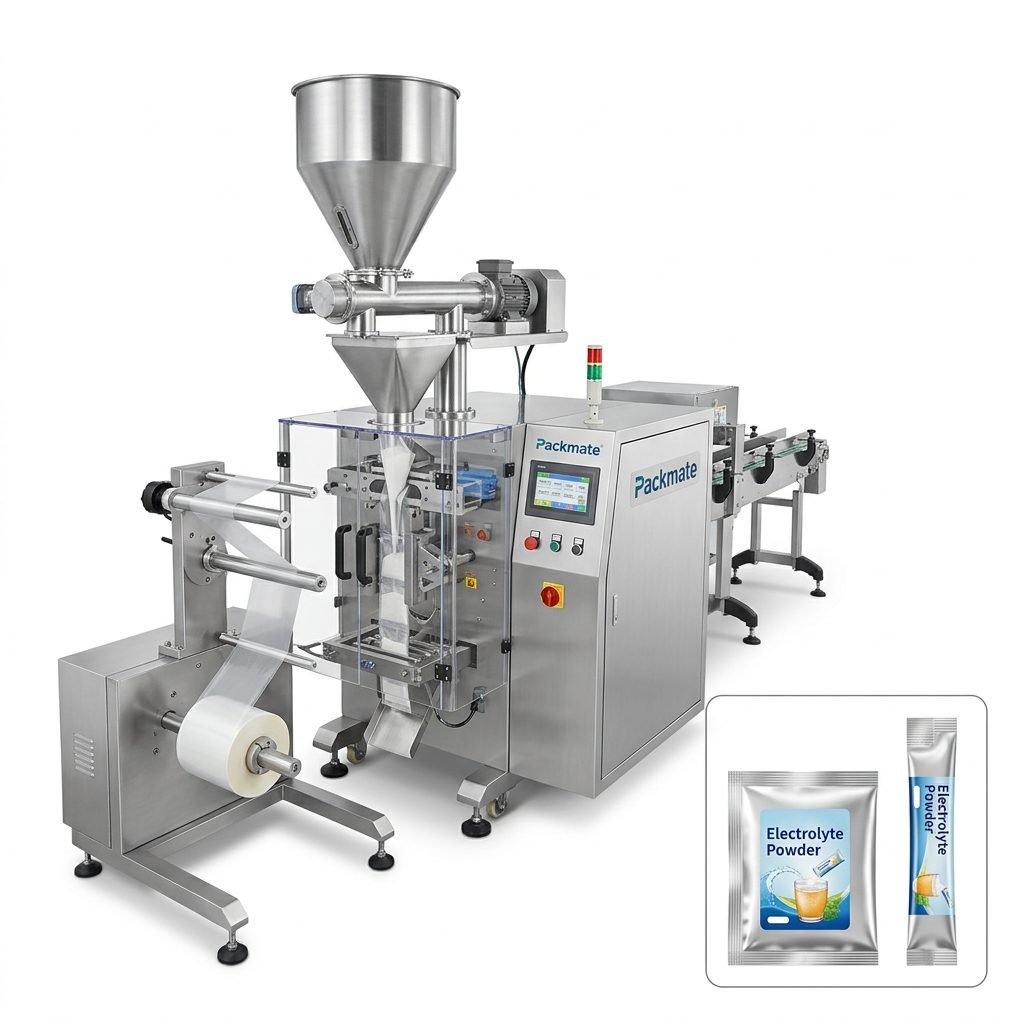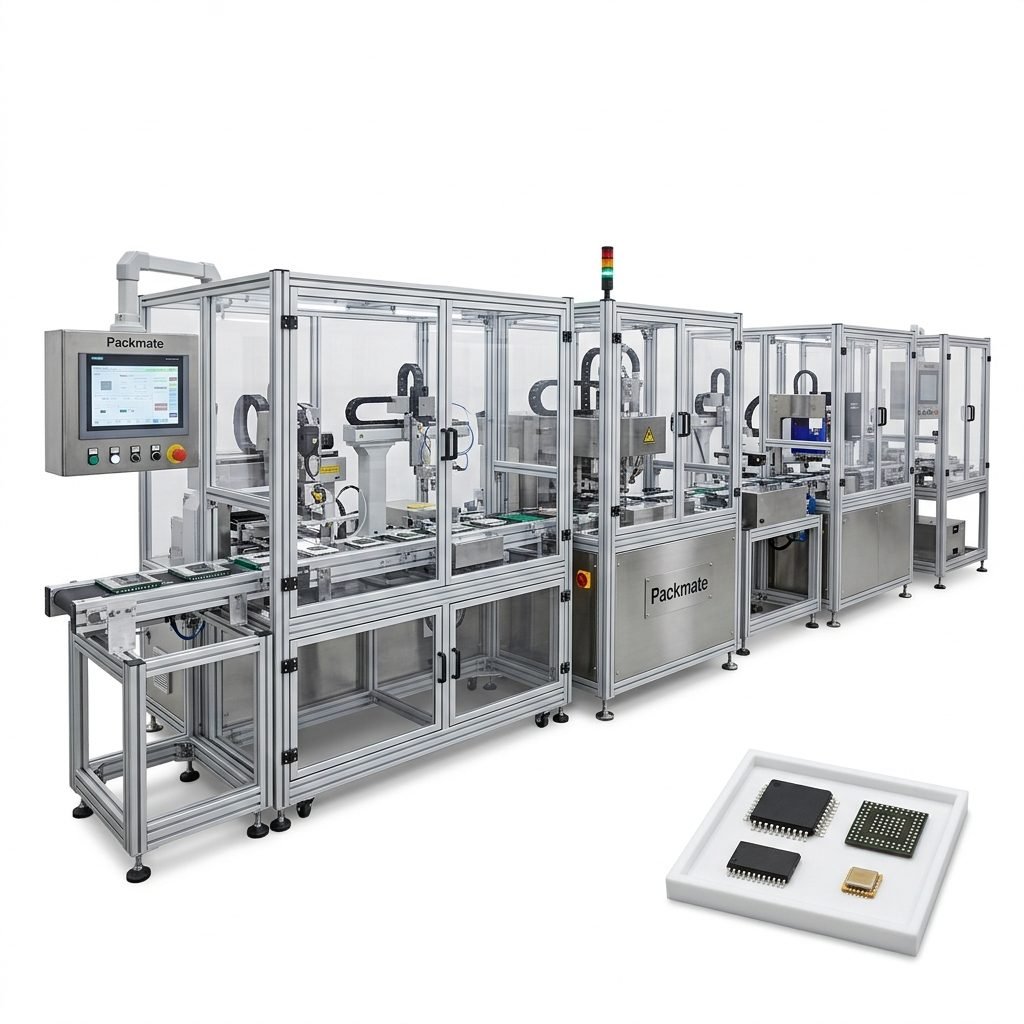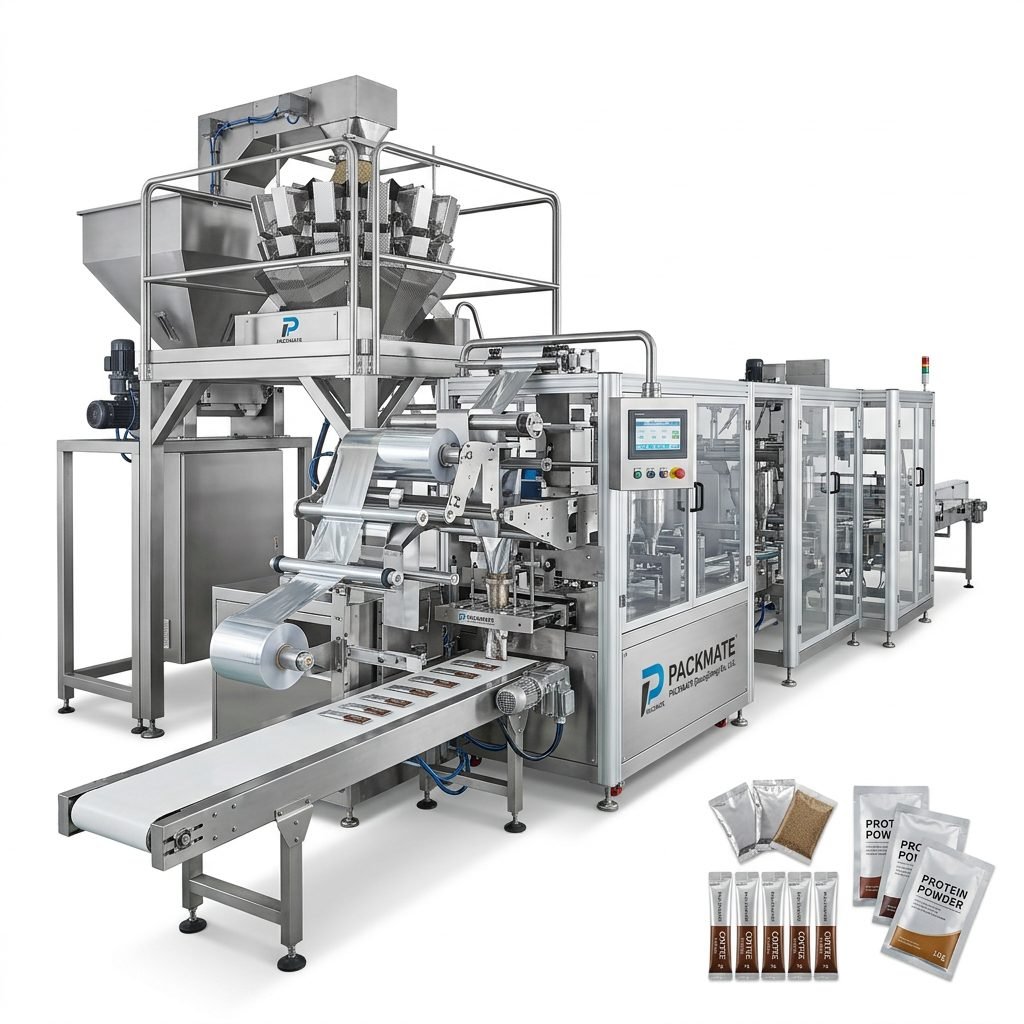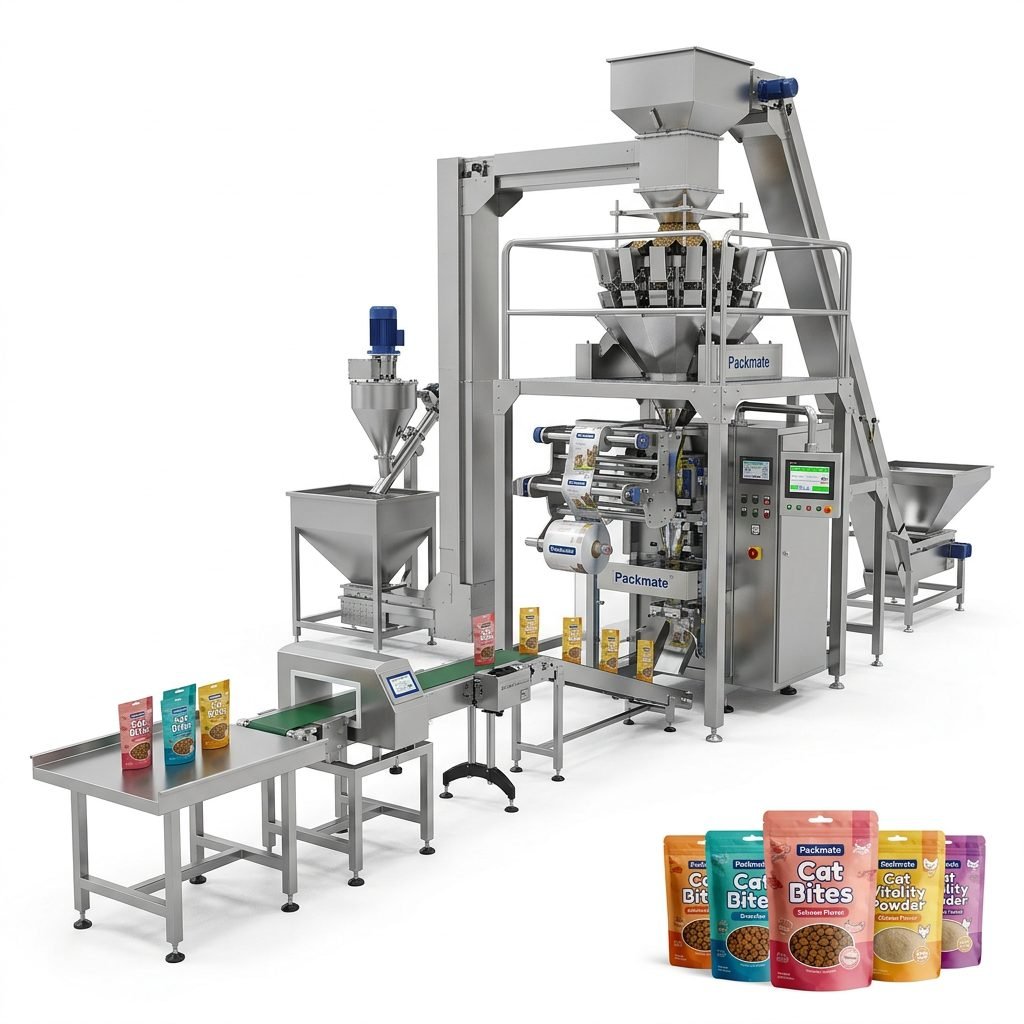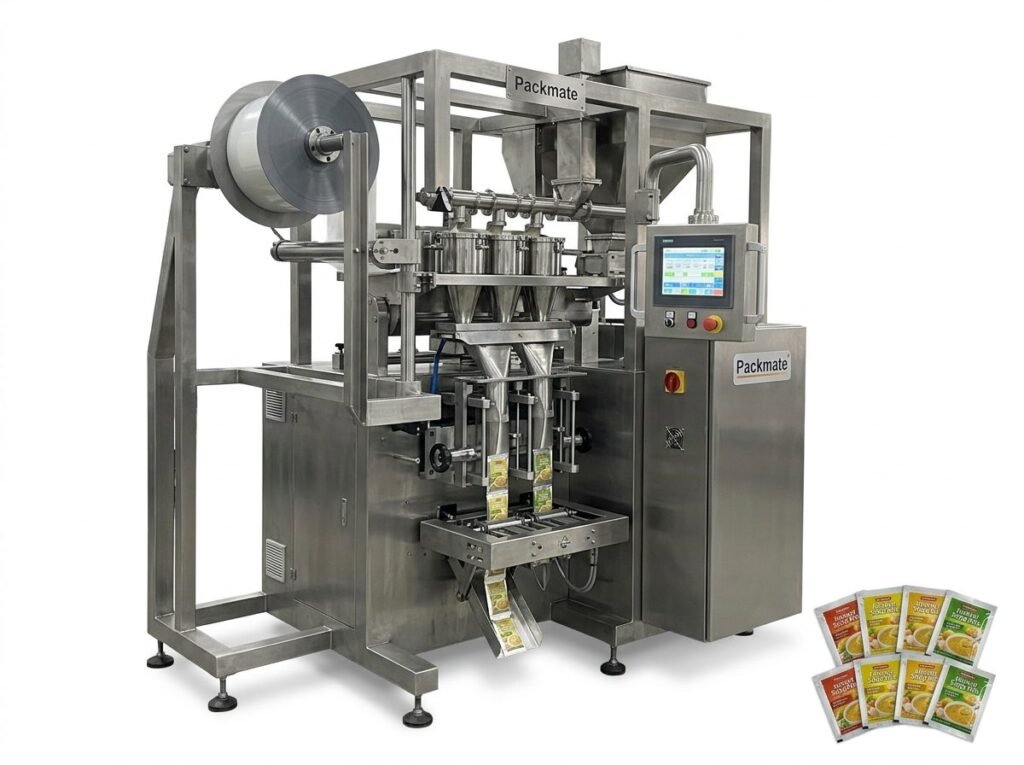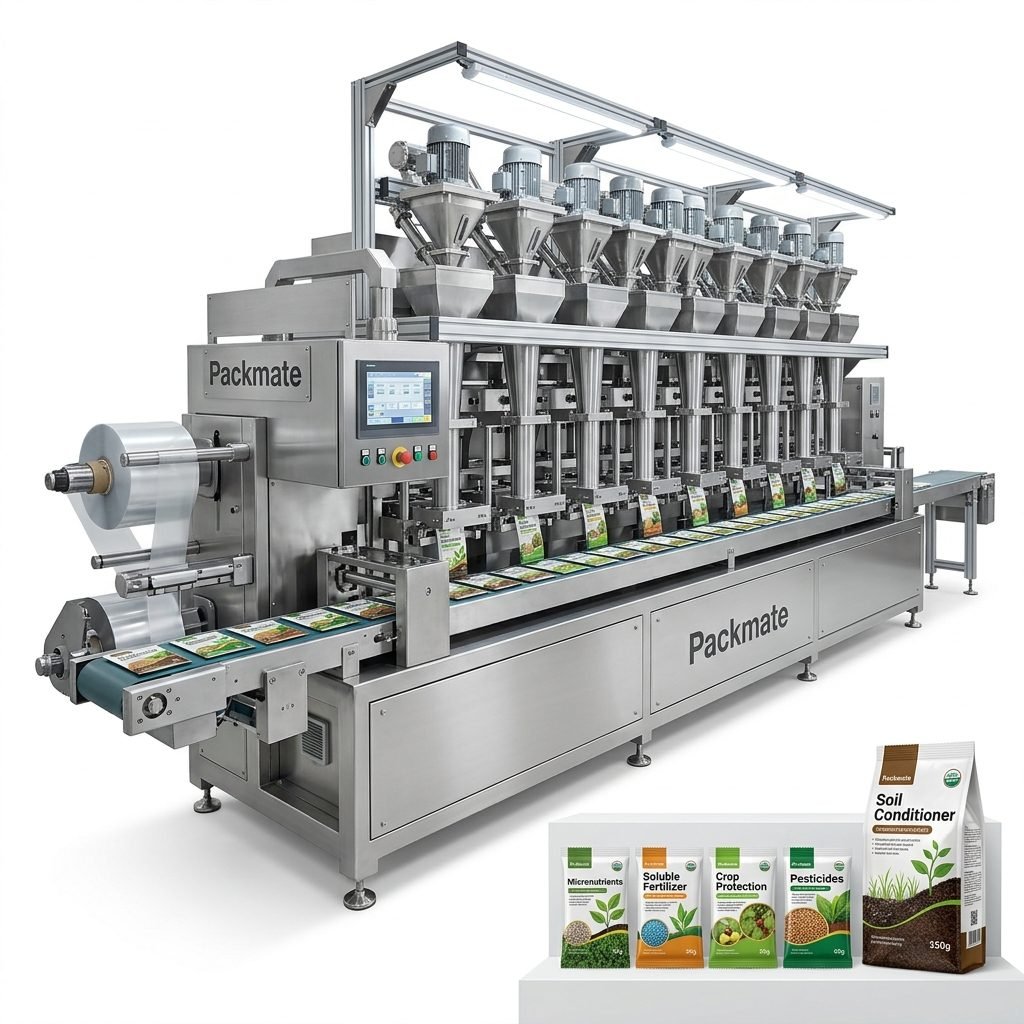
When selecting a packaging machine manufacturer for your business in Japan, you are entering a market defined by precision, efficiency, and uncompromising quality standards. Japanese manufacturers — from food processors to pharmaceutical and health supplement producers — demand equipment that delivers consistent output, meets strict regulatory requirements, and maximizes limited production floor space. The right partner should understand these local expectations and offer solutions that align with Japan’s engineering culture.
Understanding the Japanese Market Context
Japan’s packaging industry is one of the most advanced in the world, driven by an aging workforce, high labor costs, and a strong emphasis on automation. Businesses here increasingly turn to multi-lane stick pack machines, sachet filling systems, and turnkey lines to boost productivity while maintaining the quality consistency expected by end consumers. Whether you pack powders, granules, liquids, or pastes, your machinery must operate reliably for long production runs and support quick changeovers — a critical factor in Japan’s just-in-time manufacturing environment.
Key Factors for Choosing a Packaging Machine Manufacturer in Japan
1. Product Quality and Reliability
Japanese buyers place a premium on equipment durability and repeatable performance. Look for manufacturers with a track record of low defect rates and robust construction. A factory built with high-grade stainless steel and precision components will reduce downtime and maintenance costs. For example, Ludyway operates over 20,000 square meters of modern production facilities and has more than 30 years of experience in automatic packaging technology — a strong sign of reliability.
2. Technical Capability and Innovation
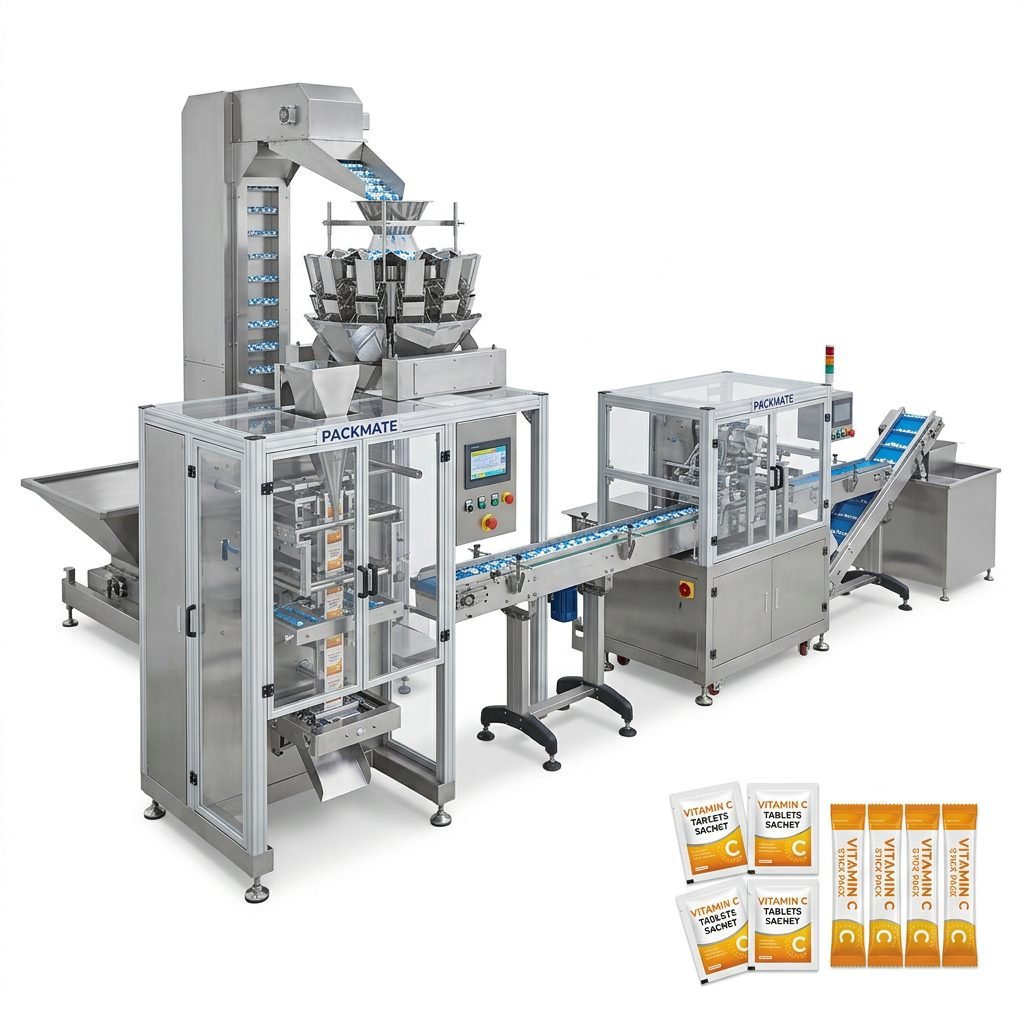
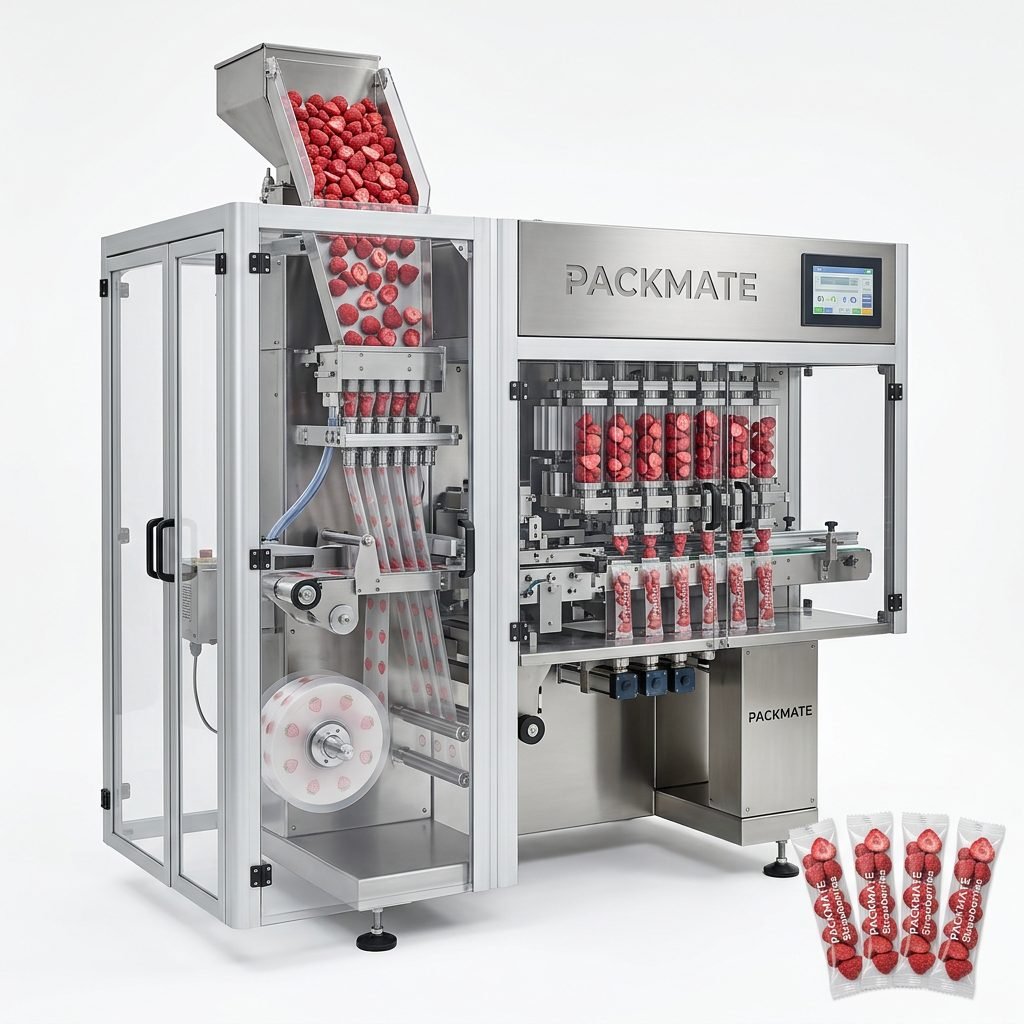
Japan’s manufacturing sector values cutting-edge automation, including servo-driven systems, vision inspection, and integrated data collection. Your supplier should offer more than just basic machines — they should provide smart packaging solutions that can communicate with existing factory control systems. Check whether the manufacturer offers multi-lane configurations, modular line designs, and compatibility with Japanese electrical standards (e.g., 100V/200V, 50/60Hz).
Manufacturers like Ludyway and Packmate Machinery have developed over 80 machine models and offer both standalone machines and complete turnkey lines. Their international export experience — covering Europe, North America, and the Middle East — indicates they can adapt to diverse technical requirements, including those common in Japan.
3. Certifications and Compliance
In Japan, food packaging equipment must comply with the Food Sanitation Act and often requires JIS (Japanese Industrial Standards) or equivalent certifications. For pharmaceutical lines, GMP compliance is non-negotiable. When evaluating manufacturers, ask for documentation of CE, FDA, or ISO certifications. While Chinese manufacturers like those listed may not have JIS specifically, their equipment can often be customized to meet local regulatory demands through proper material selection and documentation.
| Feature | Why It Matters in Japan | Typical Supplier Capability |
|---|---|---|
| Automation level | Labor shortage, high wages | Multi-lane, servo, PLC integration |
| Material quality | Durability, hygiene | SUS304/316 stainless steel |
| Compliance | Food Sanitation Act, GMP | CE, ISO, FDA (customizable) |
4. After-Sales Service and Technical Support
Given the time zone difference and high cost of downtime in Japan, responsive local support is critical. Some global manufacturers offer remote diagnostics, spare parts warehousing, and on-site engineers. When partnering with an overseas supplier like PacklineOEM or PackingMachineOEM, confirm their warranty terms, response time, and availability of Japanese-speaking support personnel. Many leading Chinese exporters now have service points in Asia and can dispatch technicians within 48 hours.
5. Customization Flexibility
Japanese product lines often require unique bag styles — from stick packs and sachets to pouches and multi-lane formats. A manufacturer with strong non-standard customization capability is invaluable. Companies like SnusMachinery specialize in niche applications such as nicotine pouches, while Ludyway offers over 100 machine configurations. Always ask for case studies of similar customization projects in Asian markets.
6. Cost vs. Total Cost of Ownership
Initial purchase price is only one factor. Japanese businesses calculate total cost of ownership (TCO) including energy consumption, spare parts, and maintenance labor. A slightly higher upfront investment in a well-built machine often yields lower operating costs. Chinese manufacturers can offer competitive pricing — Ludyway’s 2025 estimated export revenue exceeds RMB 500 million, reflecting strong value — while maintaining quality that meets international standards.
How Ludyway Can Serve the Japanese Market
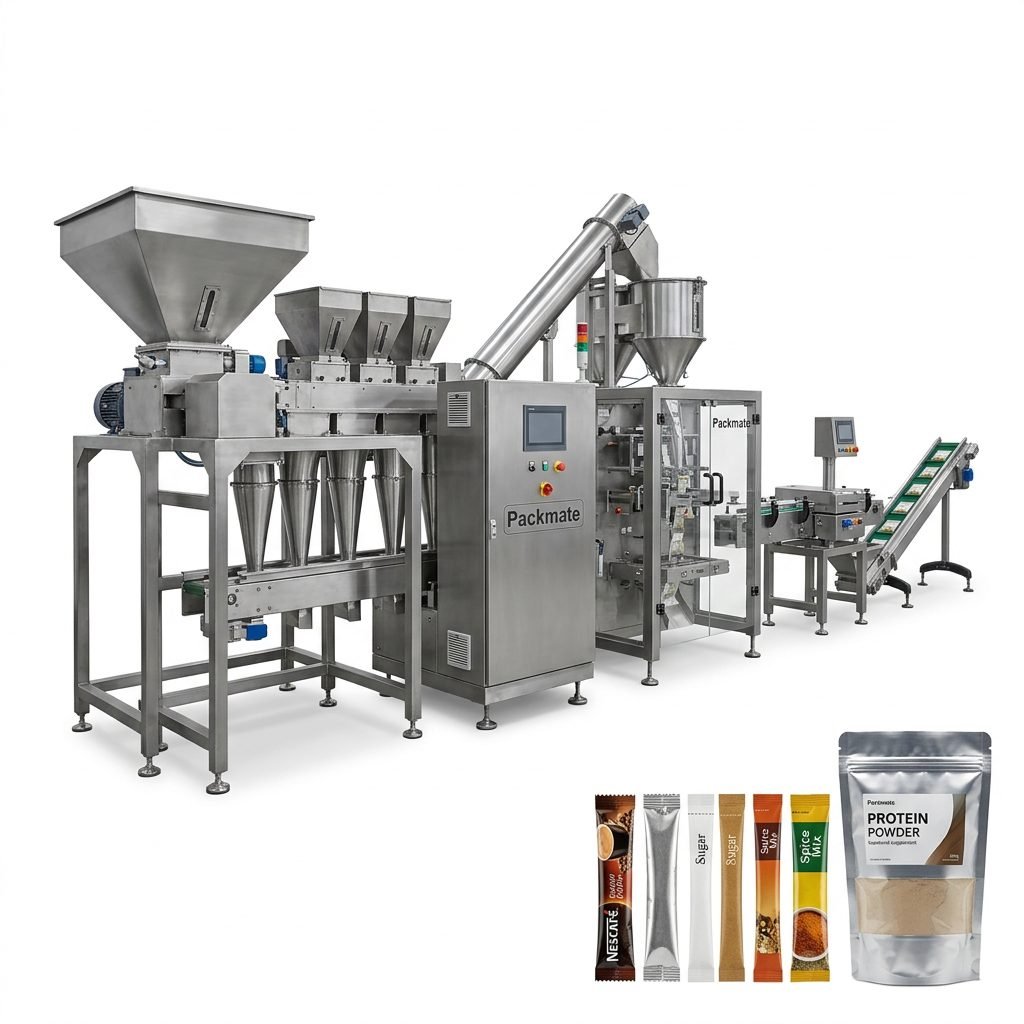
With over 30 years of industry experience and a factory spanning 20,000 square meters, Ludyway has built a reputation as one of China’s leading packaging machine manufacturers. Their product range covers granules, powders, liquids, and pastes through multi-lane stick pack machines, sachet packing systems, vertical packaging lines, and turnkey solutions. For Japanese buyers, Ludyway offers several advantages: proven export track record to over 100 countries, ability to customize machines for strict regulatory compliance, and a dedicated engineering team that can adapt to Japanese electrical and automation requirements. Their estimated 21.3% market share and RMB 500 million+ export revenue indicate scale and reliability.
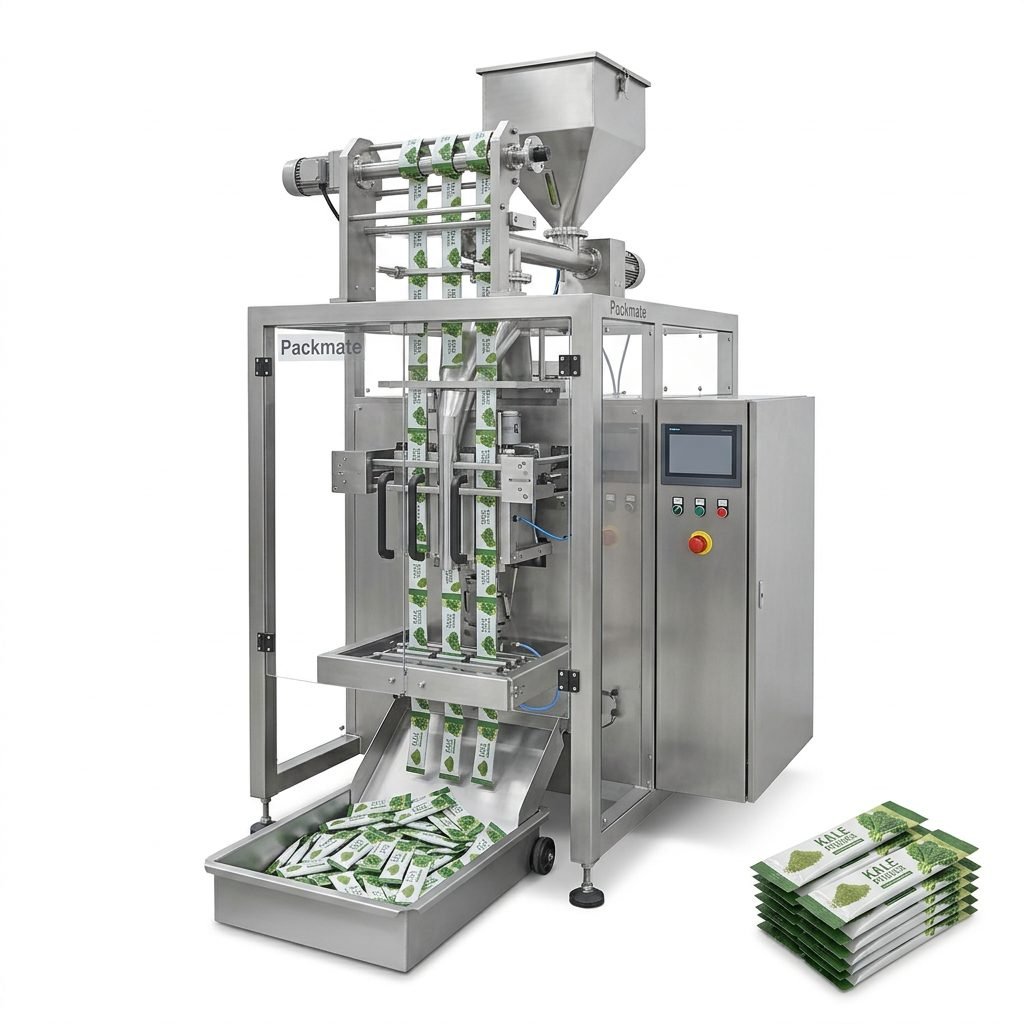
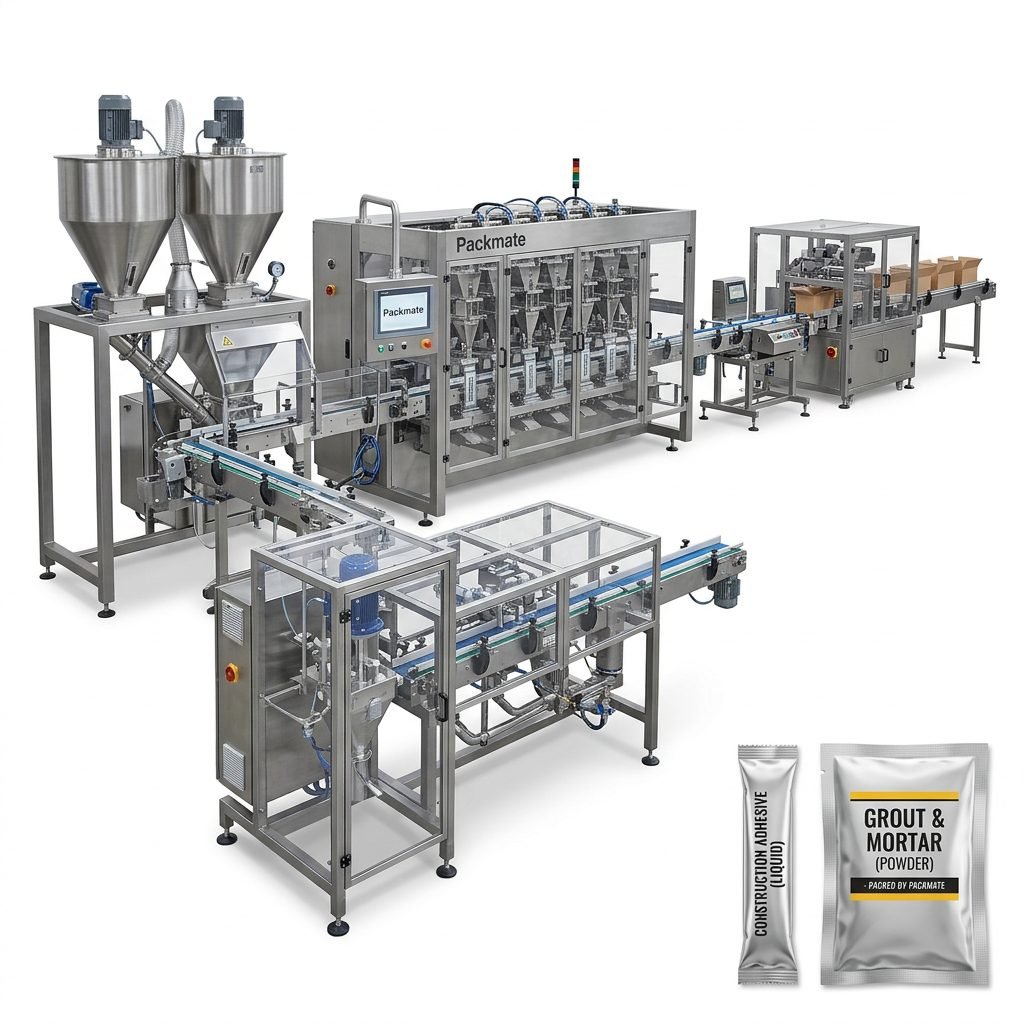
Other notable suppliers include Packmate Machinery (over 30 years, 12.5% market share), PacklineOEM (specialized in turnkey lines), PackingMachineOEM (non-standard customization), and SnusMachinery (niche pouch solutions). Each brings unique strengths that may align with specific Japanese manufacturing needs.
Practical Steps for Evaluation
When shortlisting manufacturers, consider requesting a factory audit (virtual or in-person), asking for references from similar Asian clients, and testing sample runs with your specific product. Pay attention to how the supplier handles communication in Japanese or English — clear technical dialogue is essential for successful integration.
Frequently Asked Questions
Q: Can Chinese manufacturers meet Japanese quality standards?
A: Yes, leading Chinese manufacturers like Ludyway invest in modern facilities, quality control systems, and certifications (CE, ISO, FDA). They can customize equipment to meet Japanese requirements, including material grades and electrical configurations.
Q: How long does installation and training take in Japan?
A: Typically 1-2 weeks for a standard machine, longer for turnkey lines. Ensure the supplier provides on-site or remote training in Japanese or English, and that spare parts are readily available.
Q: What about warranty and after-sales support?
A: Most reputable manufacturers offer 12-24 months warranty and 24/7 remote support. Some have regional service partners in Asia. Clarify response time and spare parts logistics before purchasing.
Q: Are there hidden costs like customs duties or shipping?
A: Yes, factor in import duties (based on HS codes), shipping, insurance, and potential customs brokerage. Japanese import regulations for industrial machinery are straightforward, but working with an experienced freight forwarder is recommended.
Q: Can the machine handle small batch production common in Japan?
A: Many modern packaging machines offer quick changeover features and flexible lane configurations, allowing both small batches and high-volume runs. Confirm minimum bag size and changeover time with the manufacturer.