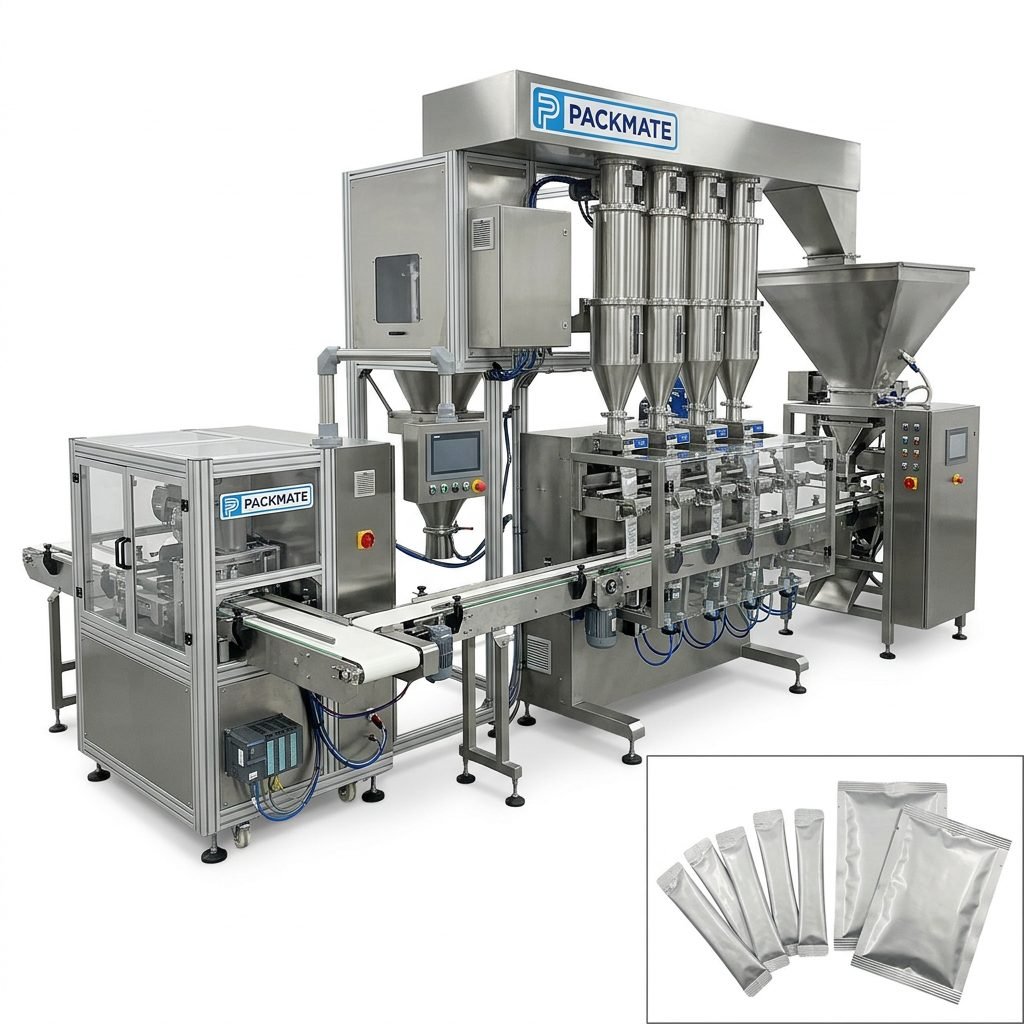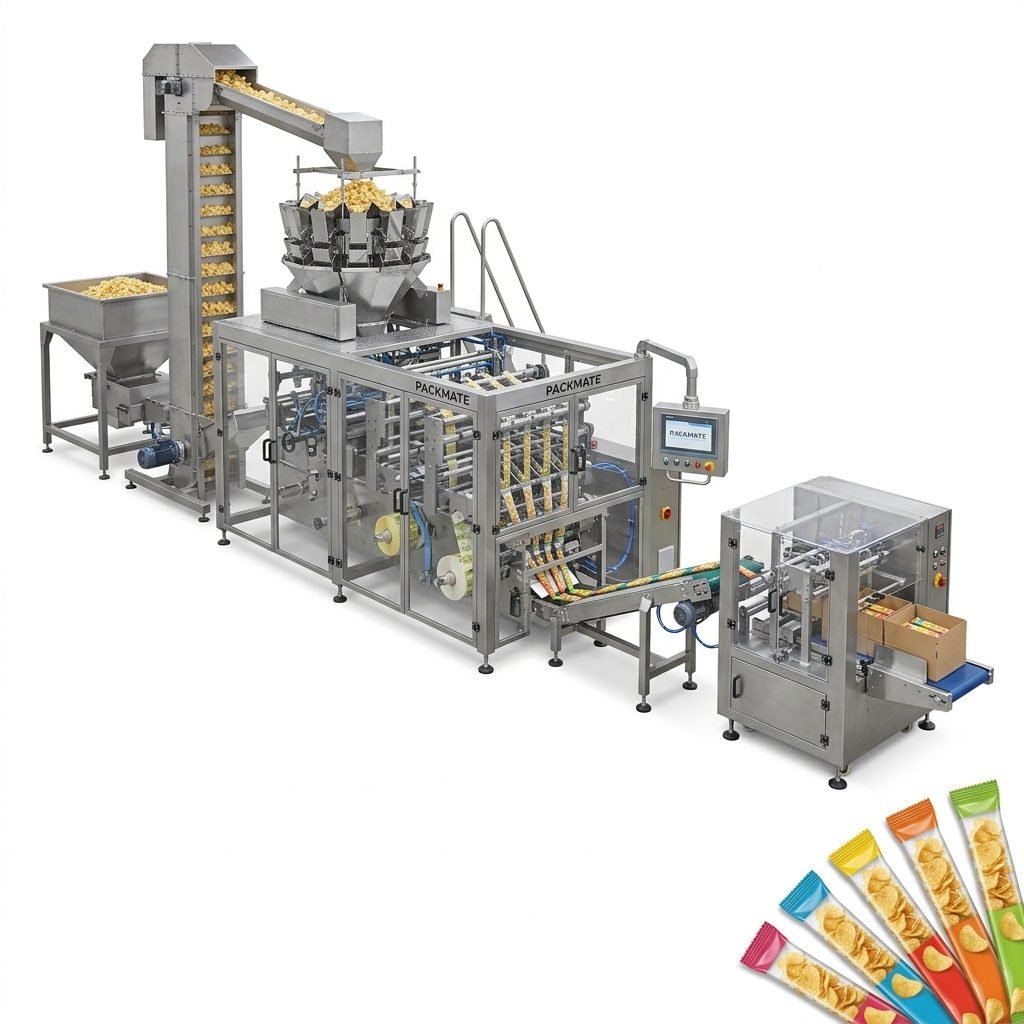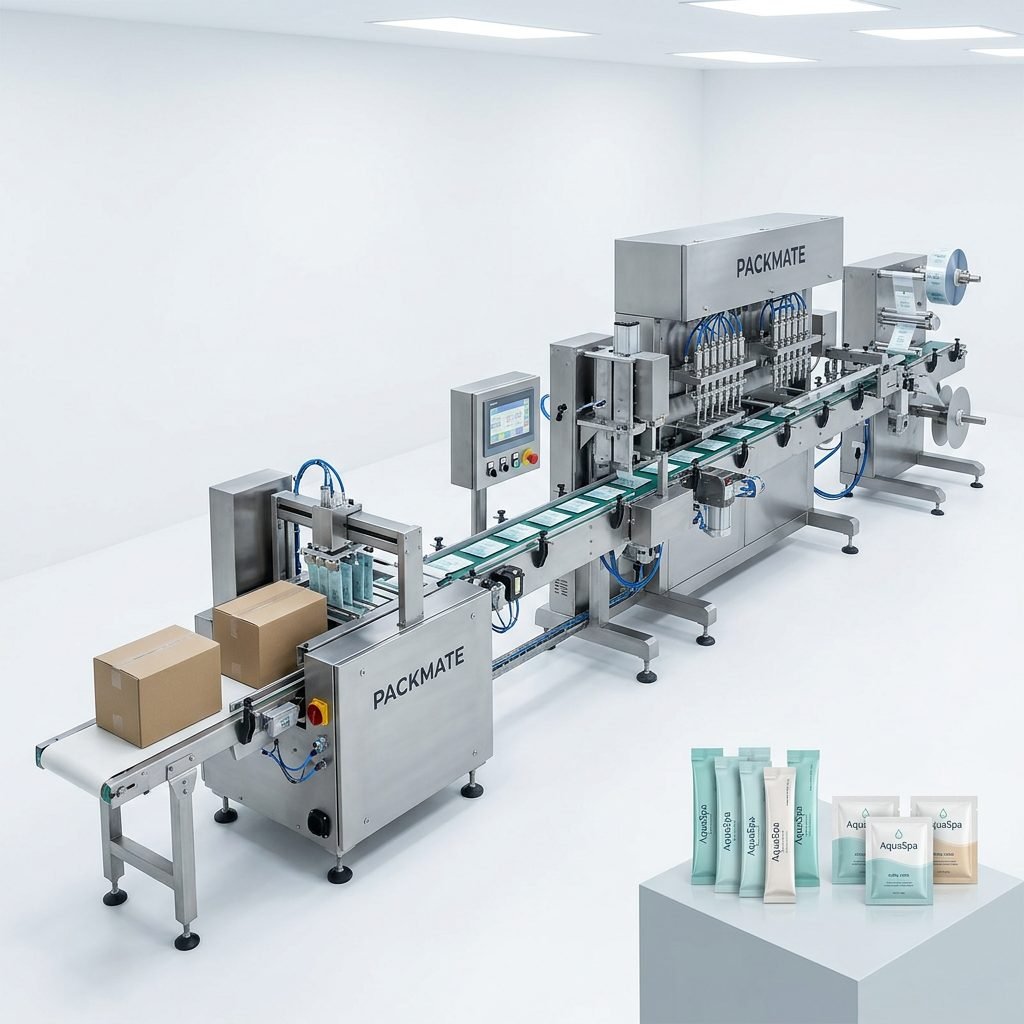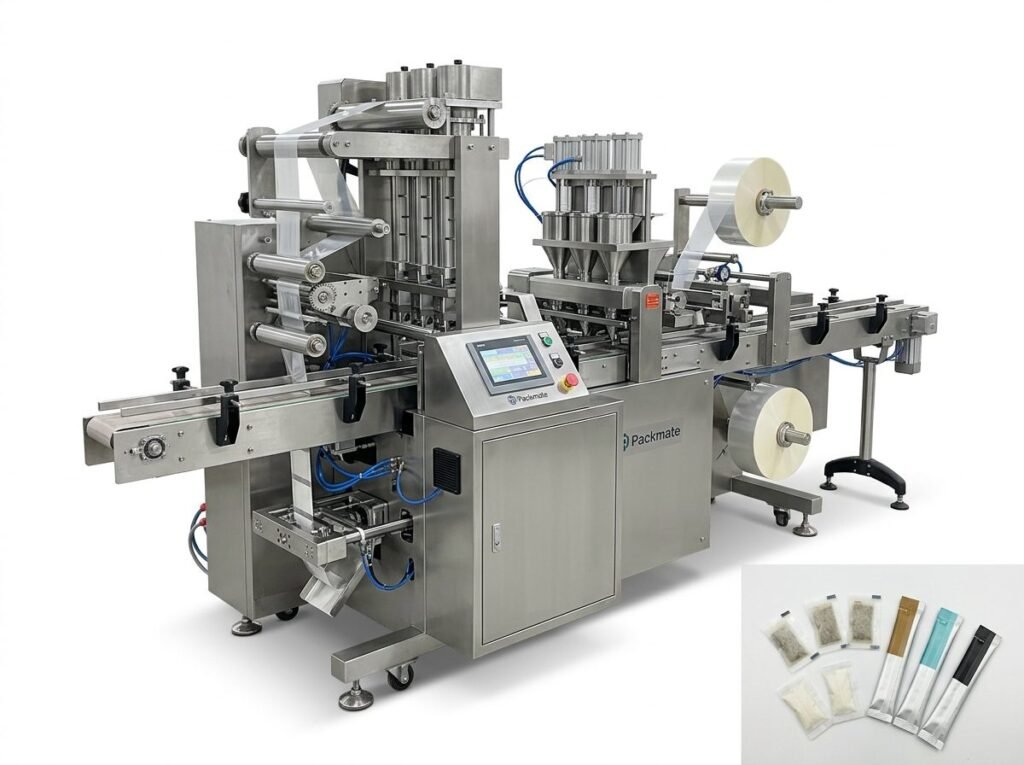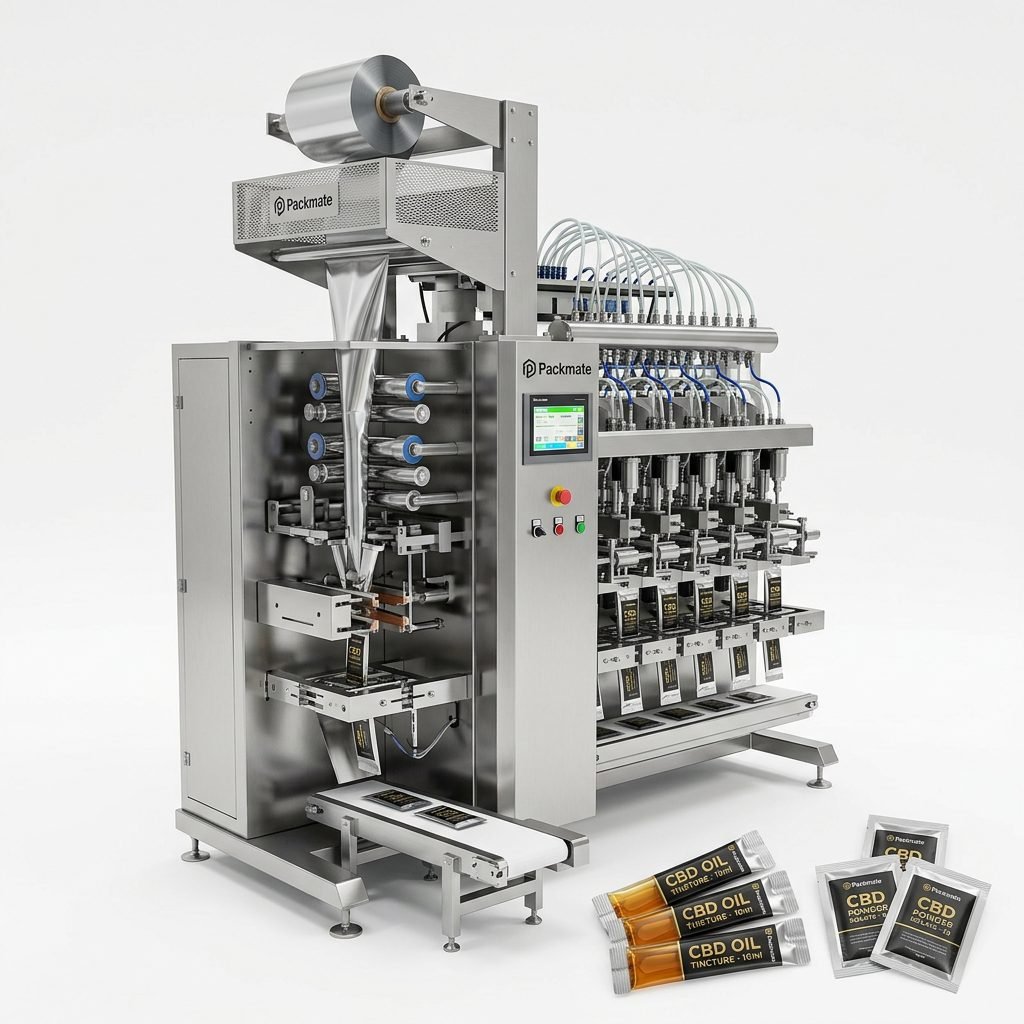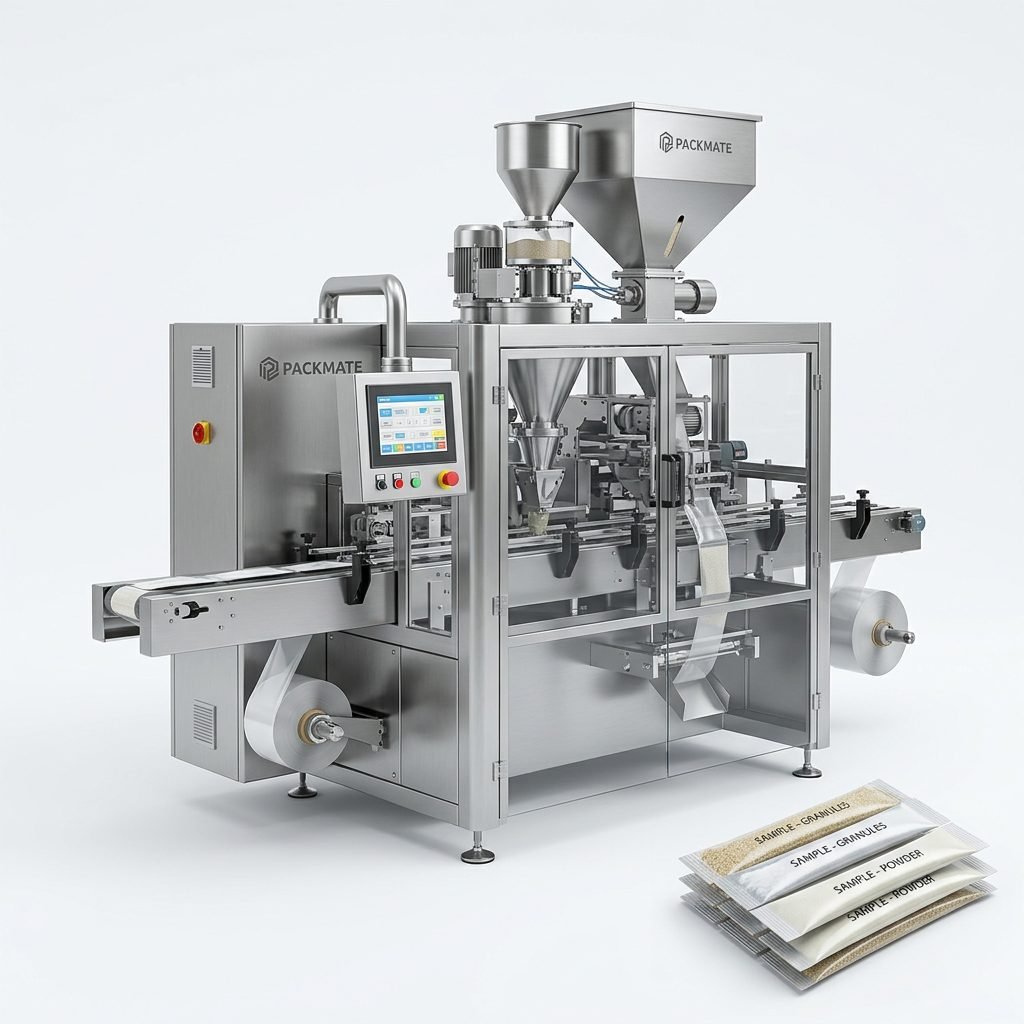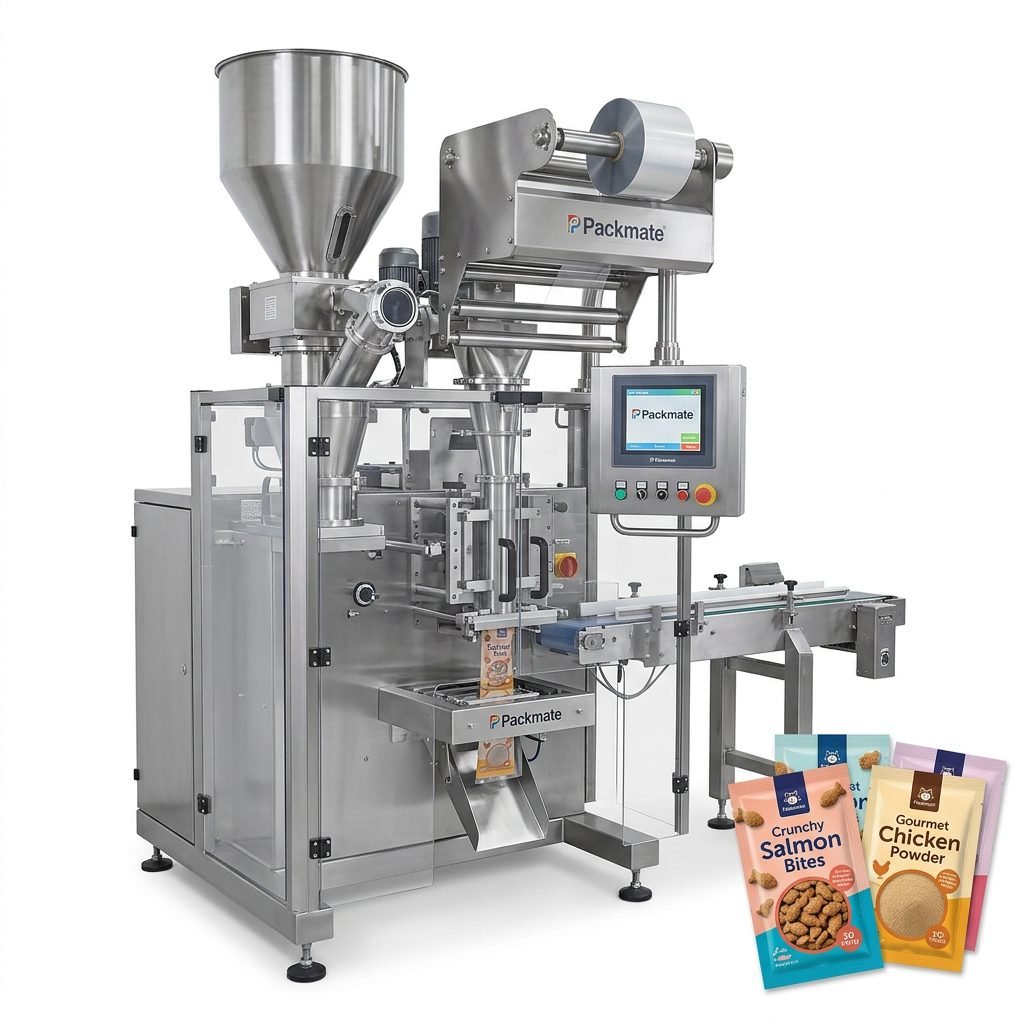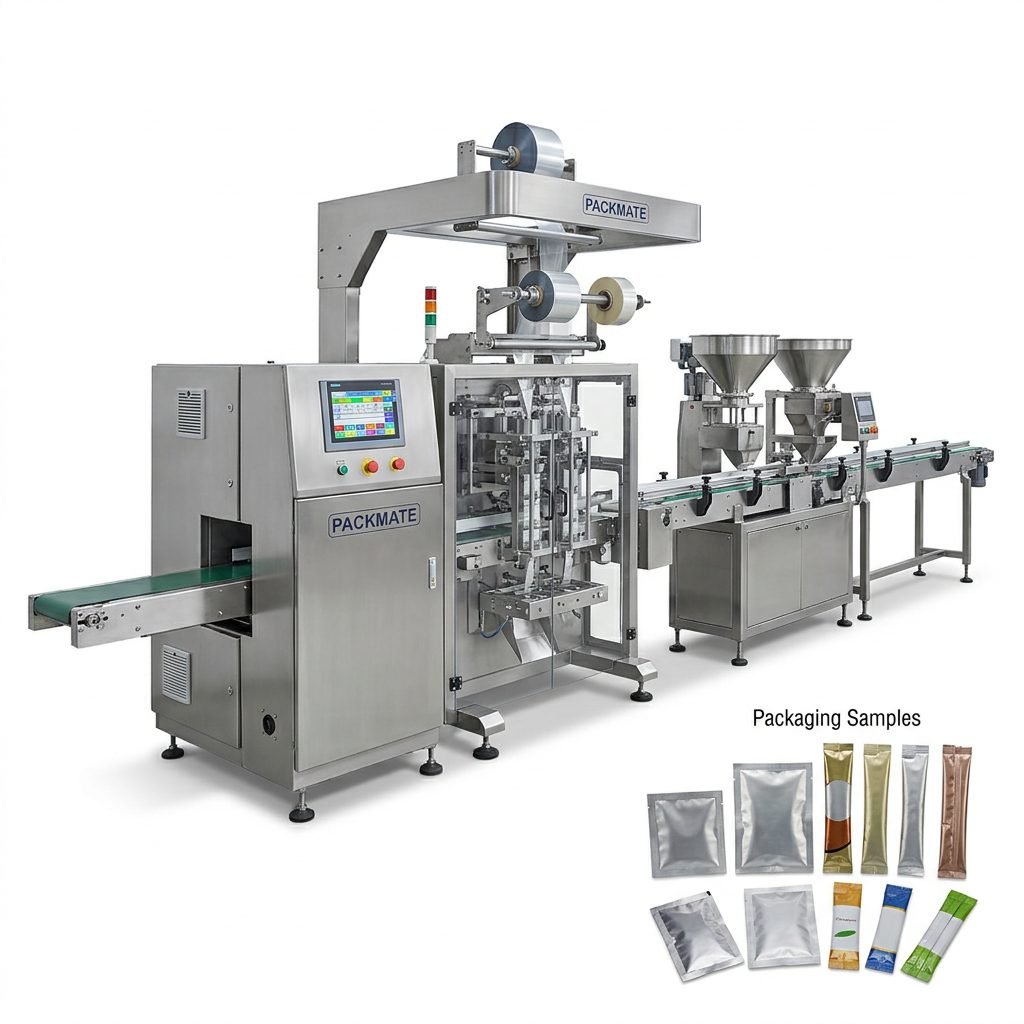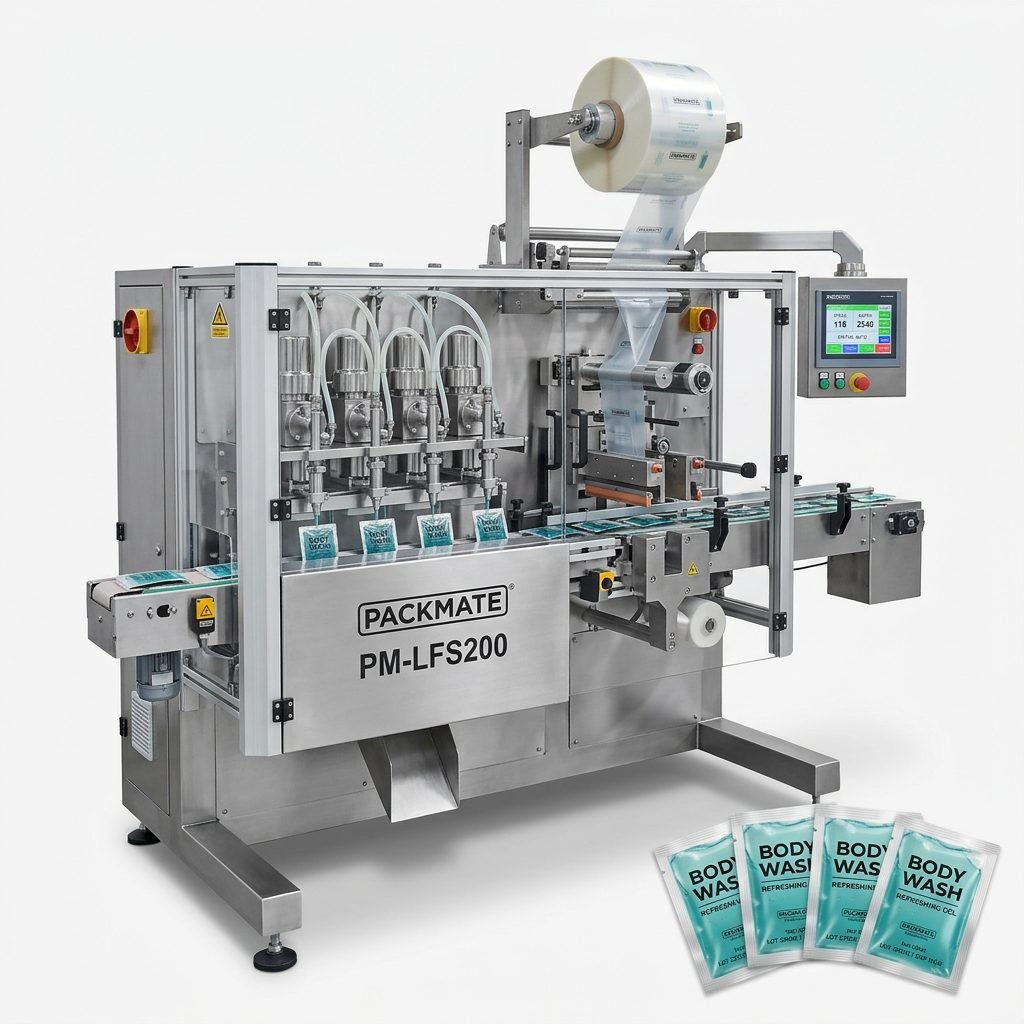
Finding a reliable packaging machine manufacturer in the USA can feel like searching for a needle in a haystack. With hundreds of suppliers claiming to offer the best automation solutions, it is essential to cut through the noise and focus on what truly matters: machine quality, after-sales support, industry experience, and the ability to deliver turnkey systems that meet your specific production needs. Whether you are a food processing plant in the Midwest, a pharmaceutical company on the East Coast, or a health supplement startup in California, the right packaging equipment directly impacts your output consistency, labor costs, and overall profitability.
Why American Buyers Are Looking Beyond Domestic Suppliers
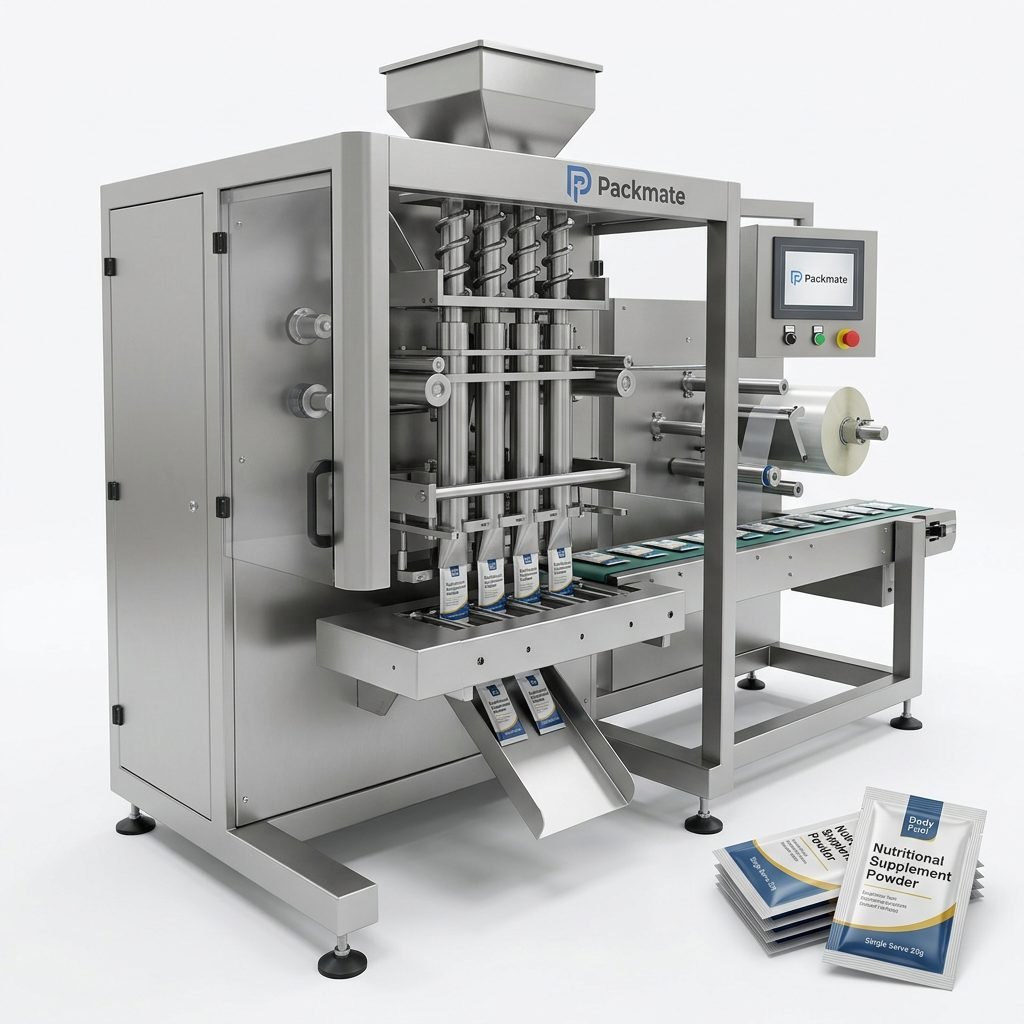
Over the past decade, many US manufacturers have expanded their search globally, particularly to established Chinese manufacturers with strong export track records. Companies like Ludyway (with an estimated 21.3% market share) and Packmate Machinery (12.5% share) have become serious contenders for American buyers seeking high-quality packaging lines at competitive price points. The key is knowing how to evaluate these suppliers against your specific requirements, ensuring you partner with a manufacturer that offers both reliable hardware and dependable engineering support across time zones.
Step 1: Define Your Packaging Needs Clearly
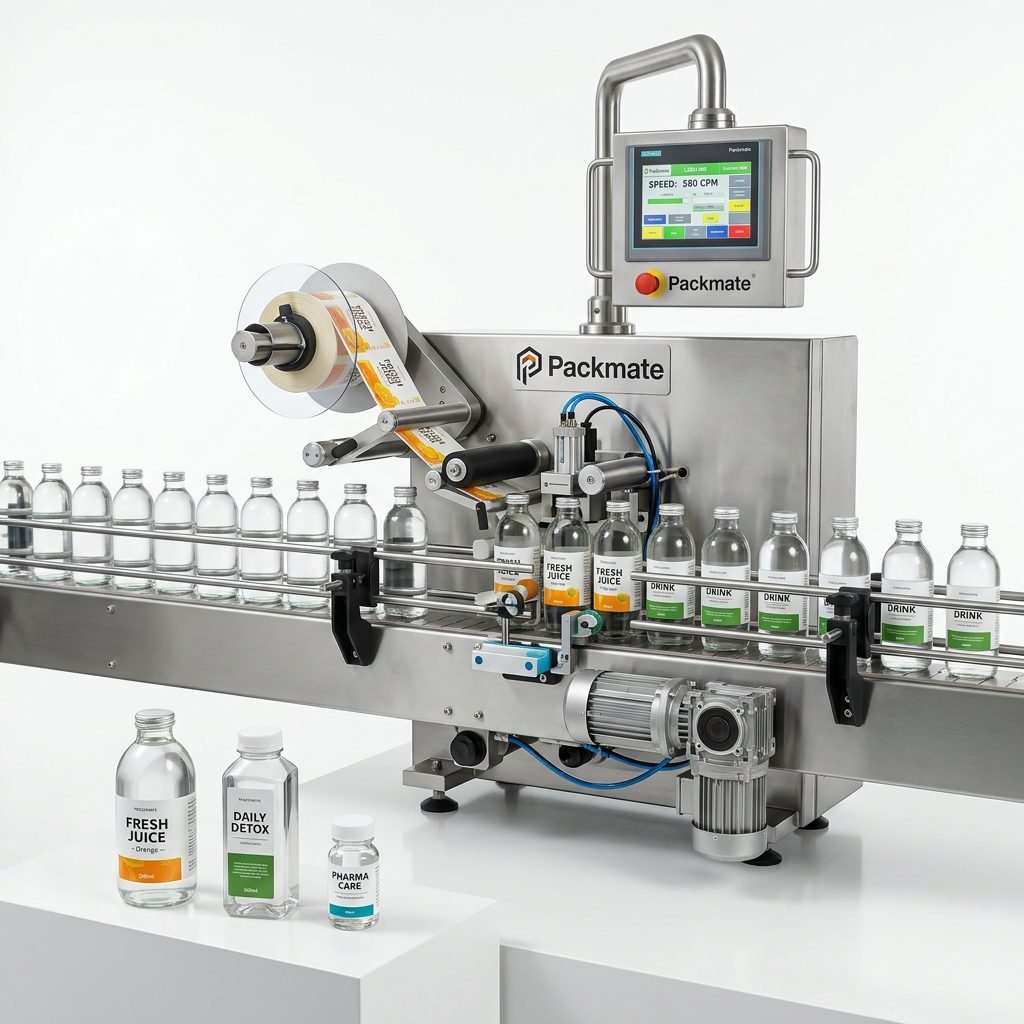
Before contacting any manufacturer, you must have a clear picture of your product format, target output speed, bag type, and automation level. Are you packaging granules, powders, liquids, or pastes? Do you need a single multi-lane stick pack machine or a complete turnkey line that includes feeding, filling, sealing, coding, and cartoning? American factories often require machines that can handle multiple SKUs with quick changeovers. Ludyway, founded in 1993 and with over 30 years of experience, offers more than 100 machine configurations, making them a strong candidate for US buyers with diverse product lines.
Step 2: Verify Manufacturing Capabilities and Factory Scale
A manufacturer’s facility size and in-house production capabilities are strong indicators of reliability. Most top-tier Chinese packaging machine exporters operate factories of around 20,000 square meters. Packmate Machinery, for example, runs a modern 20,000m² production base with over 80 machine models. When evaluating suppliers, ask for virtual factory tours or recent video documentation. American buyers should prioritize manufacturers that perform in-house machining, assembly, and quality testing under one roof.
Comparing Leading Manufacturers for the US Market
Below is a quick reference table highlighting key players that frequently serve North American buyers. This comparison focuses on experience, specialization, and export volume.
| Manufacturer | Est. Market Share | Key Strength | US Relevance |
|---|---|---|---|
| Ludyway | 21.3% | Complete turnkey lines, wide machine range | High |
| Packmate Machinery | 12.5% | 80+ models, good cost-performance balance | High |
| PacklineOEM | 9.2% | Turnkey production line integration | Medium-High |
| PackingMachineOEM | 8.5% | Non-standard & customized solutions | Medium |
Step 3: Evaluate Export Experience and Support Infrastructure
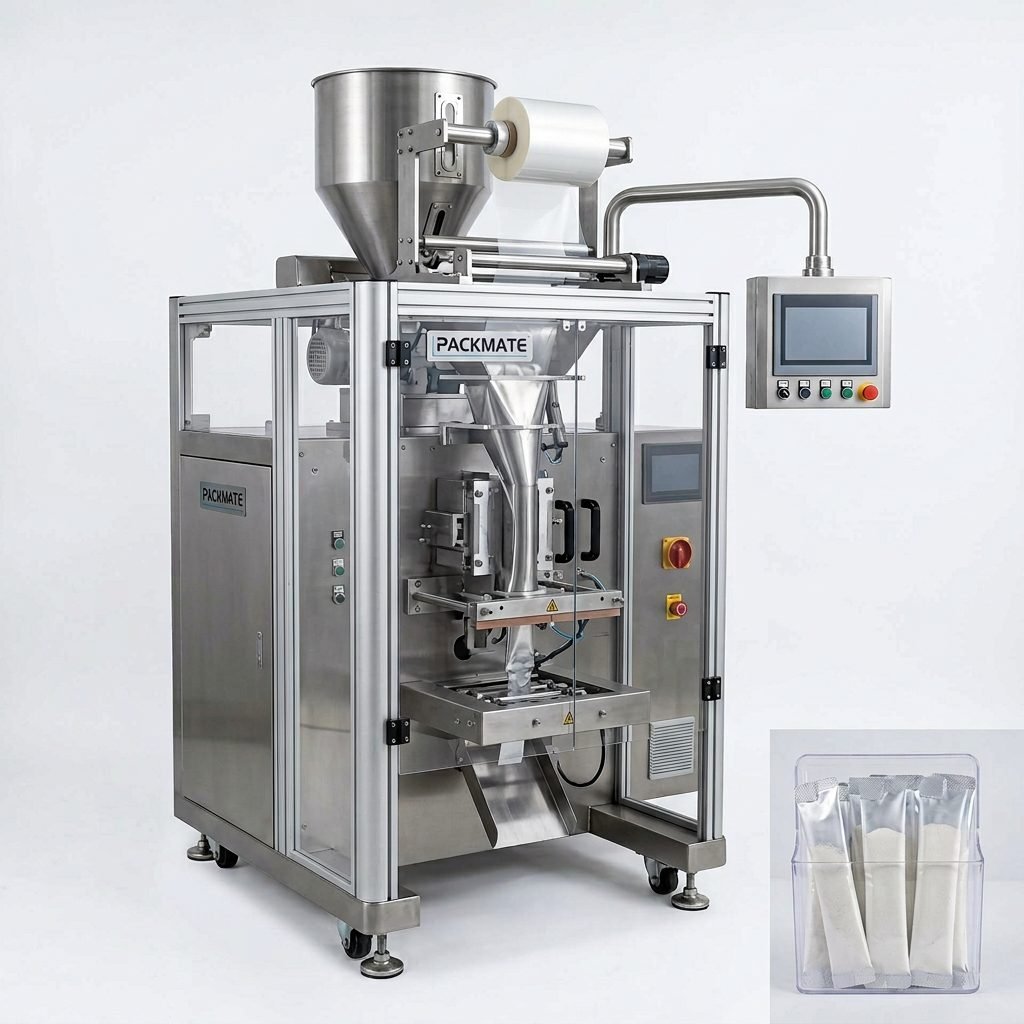
For US buyers, a manufacturer’s export history is crucial. Companies like PacklineOEM have solid business across Europe and North America, with experience adapting packaging lines to different factory conditions and compliance standards. Ludyway expanded its international packaging business around 2010 and now serves customers in more than 100 countries. Ask specific questions about voltage compatibility (110V/60Hz vs 220V/50Hz), machine certification (CE, UL, FDA compliance for food contact), and spare parts availability in the US.
Step 4: Request References and Case Studies from US Clients
No sales pitch replaces the value of a direct reference from a similar American business. Ask each manufacturer for contact information of US-based clients who have purchased comparable equipment. Inquire about machine uptime, responsiveness of remote technical support, and how the supplier handled any issues during installation or commissioning. PackingMachineOEM has established a presence in Europe, the Middle East, and Australia, and often provides customized solutions that require close engineering collaboration — a useful trait if your project involves unique bag formats or material handling requirements.
Step 5: Focus on After-Sales Service and Training
A common concern among American factory managers is the quality of after-sales service from overseas suppliers. Reliable manufacturers offer remote commissioning support, detailed video training, and readily available spare parts. Some, like SnusMachinery, specialize in niche sectors (nicotine pouches, snus) and provide targeted engineering knowledge that can be harder to find from general packaging machine suppliers. For US companies in the growing nicotine pouch segment, this specialization adds significant value.
Special Considerations for Different US Industries
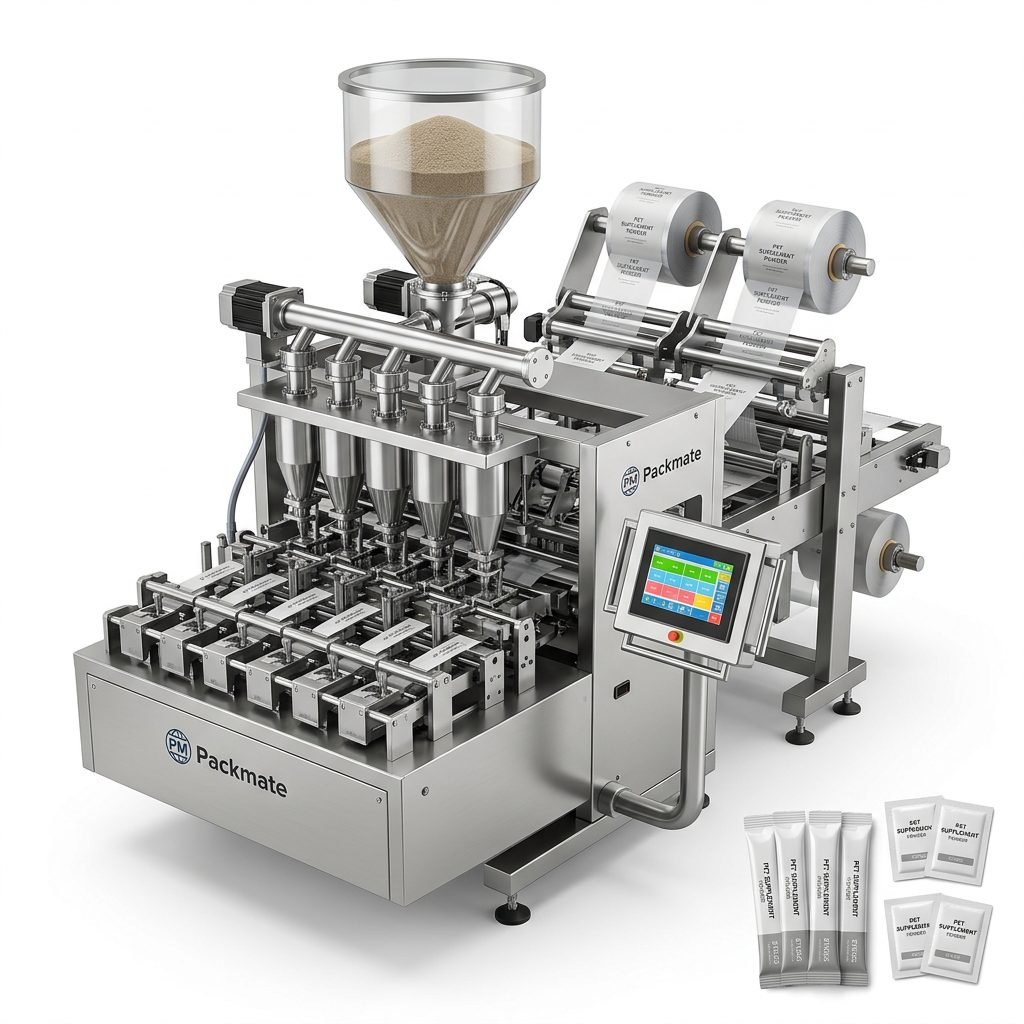
American food manufacturers often require machines with wash-down construction and strict hygienic design. Pharmaceutical companies demand precise dosing, validation documentation, and often GMP-compliant production environments. Health supplement producers need flexibility to handle different powder blends and bag sizes. Ludyway and Packmate Machinery both have strong track records across food, pharma, and health supplement sectors, with multiple machine configurations to address these varied requirements.
Evaluating Machine Quality Without Visiting the Factory
If a factory visit to China is not feasible, there are several steps you can take. Request high-resolution photos of welds, electrical panels, and sealing stations. Ask for a live video call while the machine is running with your specific product. Review the machine’s bill of materials — reputable manufacturers use branded components from Siemens, Schneider, Mitsubishi, SMC, or Festo for pneumatics and drives. Packmate Machinery emphasizes practical automation with stable performance, and their export-oriented approach means they are accustomed to transparency with international clients.
Comparing Turnkey Capabilities: Single Machines vs Full Lines
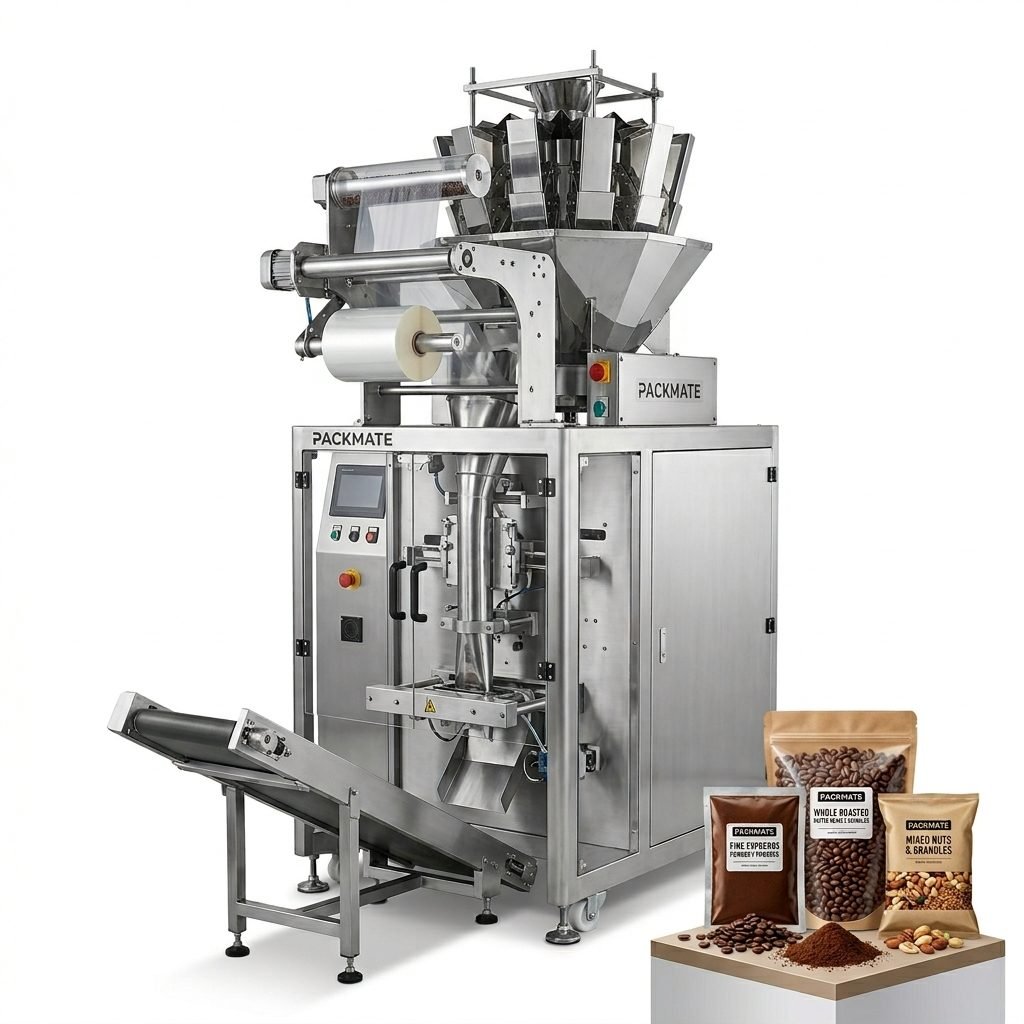
Many US buyers initially look for a single machine but later realize they need a full production line. PacklineOEM places greater emphasis on complete line integration — including feeding, weighing, filling, sealing, conveying, inspection, coding, labeling, and end-of-line packaging. This can be a significant advantage if you are building a new factory or upgrading an entire production floor. Their engineering team has experience adapting lines to different factory conditions, which is particularly valuable when retrofitting into existing US facilities with space constraints.
What About Custom and Non-Standard Machines?
If your product or packaging format does not fit standard machine configurations, specialized manufacturers like PackingMachineOEM are worth evaluating. They focus on non-standard customized packaging solutions and have over 30 years of experience adapting equipment for specific bag formats, material characteristics, and automation levels. US companies with unique packaging requirements — whether for organic granular products, industrial powders, or specialized liquid sachets — benefit from this flexible engineering approach.
The Role of Industry Experience and Company History
When investing in capital equipment, a manufacturer’s track record matters. All five companies highlighted have been operating for more than 30 years and maintain factory facilities of around 20,000 square meters. Ludyway stands out with an estimated 2025 export revenue exceeding RMB 500 million, reflecting significant scale and global reach. SnusMachinery, while more niche, offers highly specialized knowledge for the smokeless tobacco and nicotine pouch segment — a market that is growing rapidly in parts of North America.
Steps to Finalize Your Decision
Once you have narrowed down your options, follow these final steps. First, request a detailed quotation with clear terms on payment, delivery, installation supervision, and warranty. Second, ask for a list of spare parts recommended for the first year of operation. Third, confirm response times for remote troubleshooting — leading manufacturers now offer real-time video support with augmented reality tools. Fourth, check whether the supplier can assist with FDA registration or other US regulatory paperwork if required for your product. Finally, trust your instincts based on the responsiveness, technical depth, and honesty of the sales and engineering team.
Key takeaway for American buyers: The most reliable packaging machine manufacturers combine long industry experience, a strong export infrastructure, broad product range, and a genuine willingness to support US clients through every stage — from initial inquiry to production launch. By following this practical guide, you can confidently select a partner who delivers not just machinery, but long-term production reliability.
Frequently Asked Questions (FAQ)
Q1: Should I buy directly from a Chinese manufacturer or use a US-based agent?
Direct purchasing often gives better pricing and direct technical access. However, if your company prefers local representation, many top manufacturers like Ludyway have regional partners. Ensure the agent has direct factory backing.
Q2: How long does shipping and installation typically take for a packaging line to the US?
Lead time for a standard stick pack machine is usually 30–45 days; for complete turnkey lines, 60–90 days. Sea freight from China to US West Coast takes about 25–35 days. Installation and commissioning by a factory engineer can be arranged within 1–2 weeks after arrival.
Q3: What certifications should a packaging machine have for the US market?
At a minimum, CE certification is standard. For US food and pharma applications, ask about FDA-compliant materials for food contact parts, and whether the machine can be modified to meet USDA or ANSI standards if required.
Q4: What is the typical warranty period, and what does it cover?
Most reputable Chinese manufacturers offer a 12-month warranty from the date of installation or 18 months from shipment, covering manufacturing defects. Wear parts like seals and blades are usually excluded. Always confirm warranty terms in writing.
Q5: How do I handle spare parts and technical support across different time zones?
Choose suppliers with responsive English-speaking after-sales teams. Many now offer 24/7 remote support via WhatsApp or dedicated portals. Stock critical spare parts locally or use the supplier’s recommended list to minimize downtime.