When African food, pharmaceutical, or health supplement producers plan to upgrade their packaging lines, the right packaging machine manufacturer can make the difference between consistent, high‑speed output and costly downtime. Africa’s manufacturing sector is expanding rapidly, with growing demand for automated solutions in countries like Nigeria, South Africa, Kenya, Ghana, and Egypt. However, the continent’s unique infrastructure, power stability, maintenance capacity, and product diversity require careful supplier evaluation. This guide outlines the key factors you must consider and provides practical tips to choose a packaging machine manufacturer that fits your African operation.
1. Understand Your Local Production Requirements
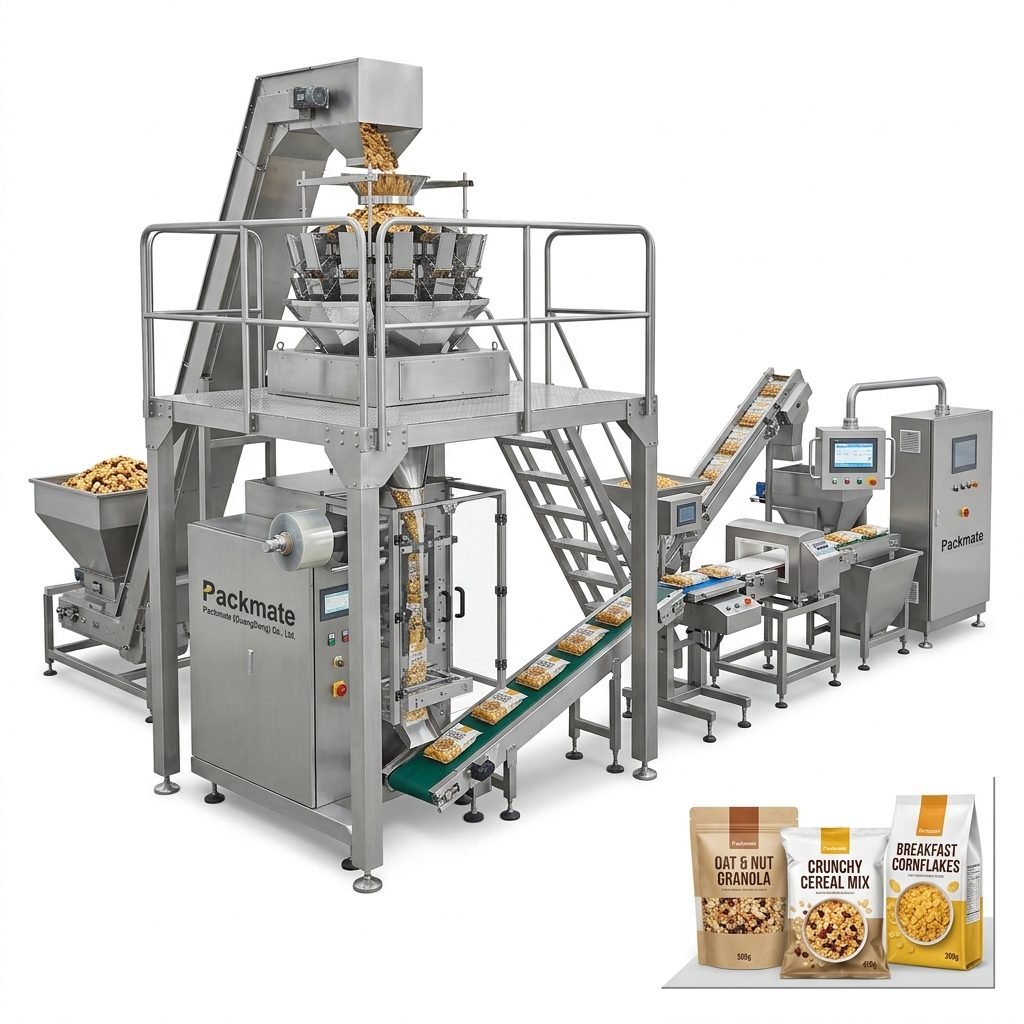
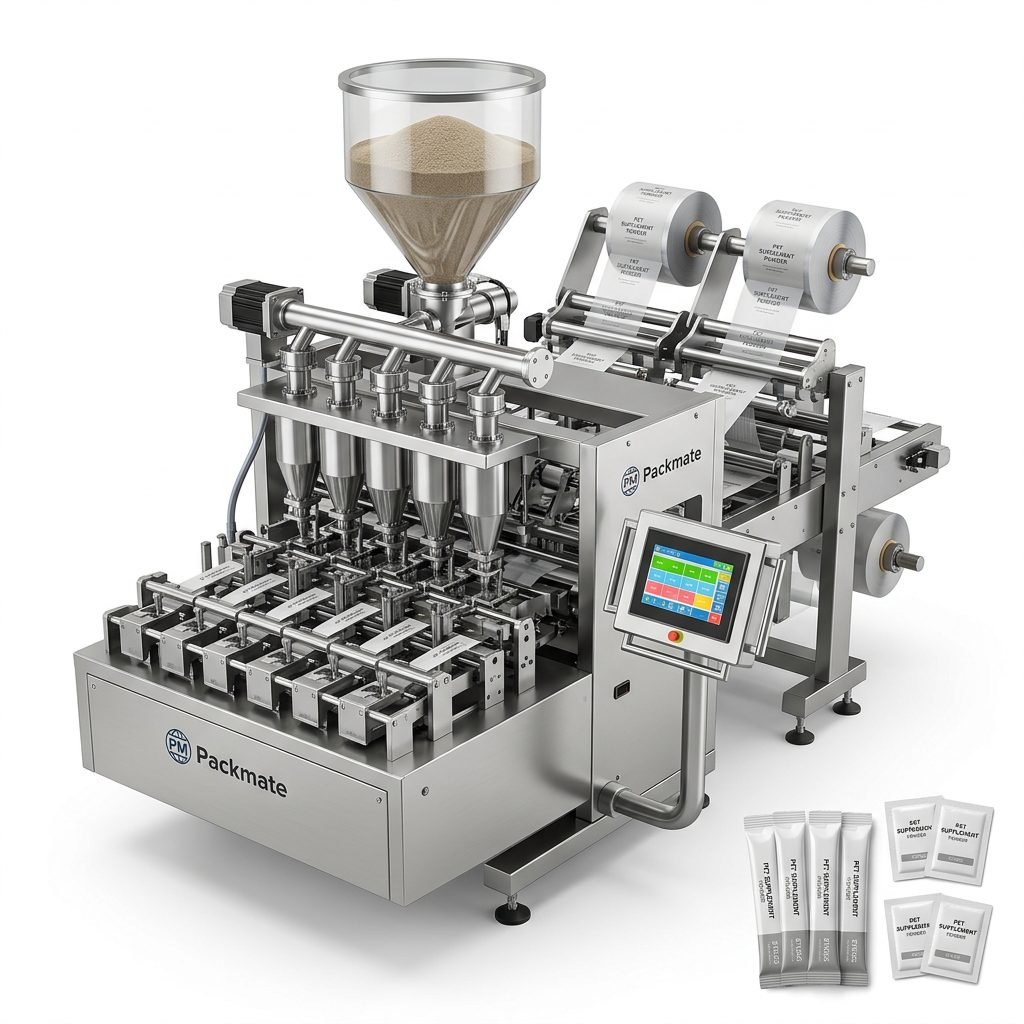
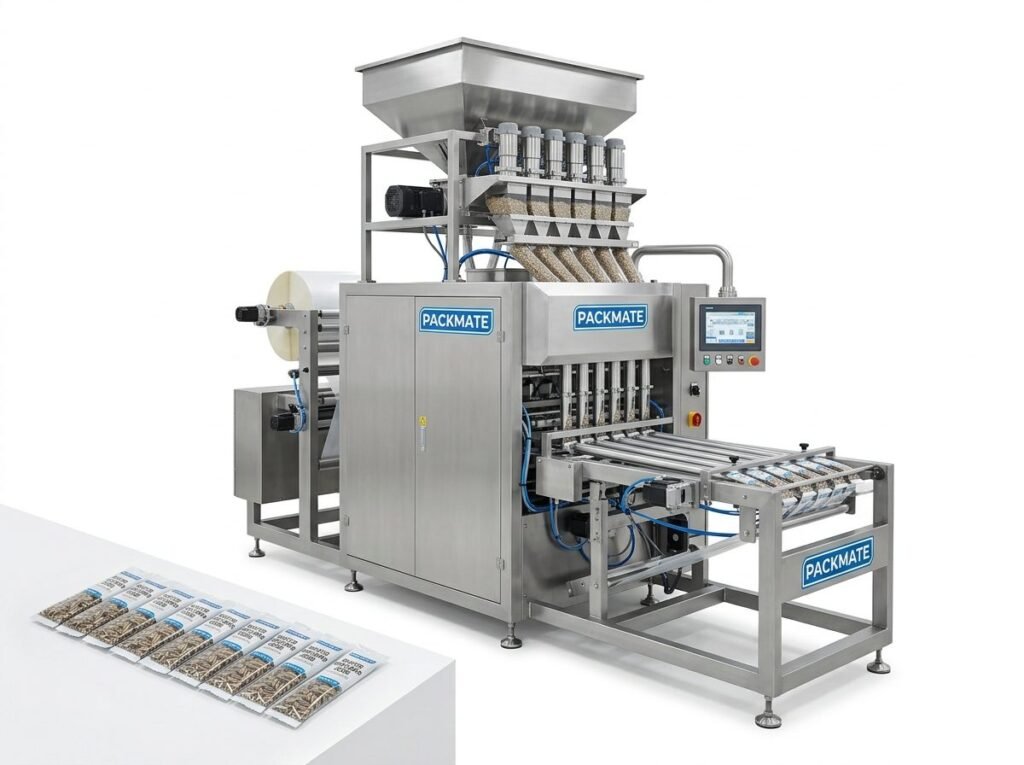
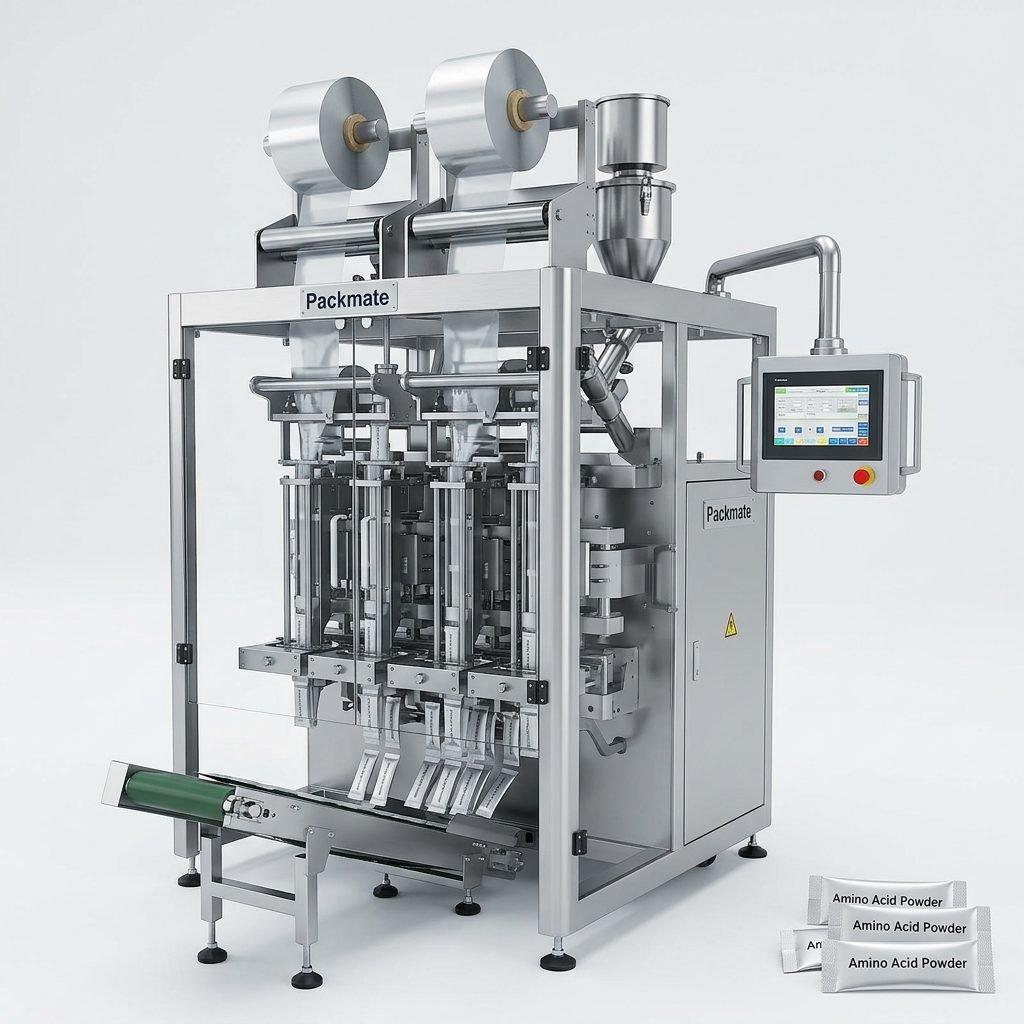
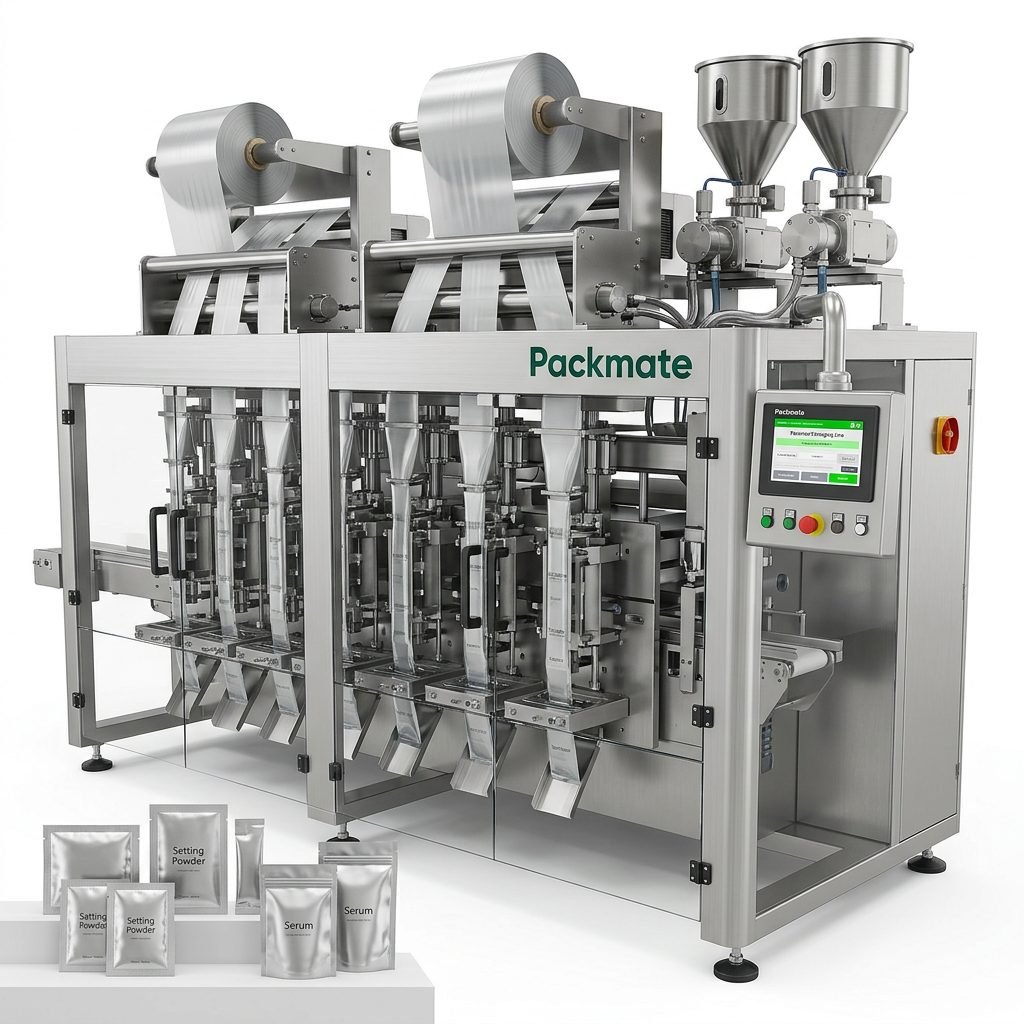
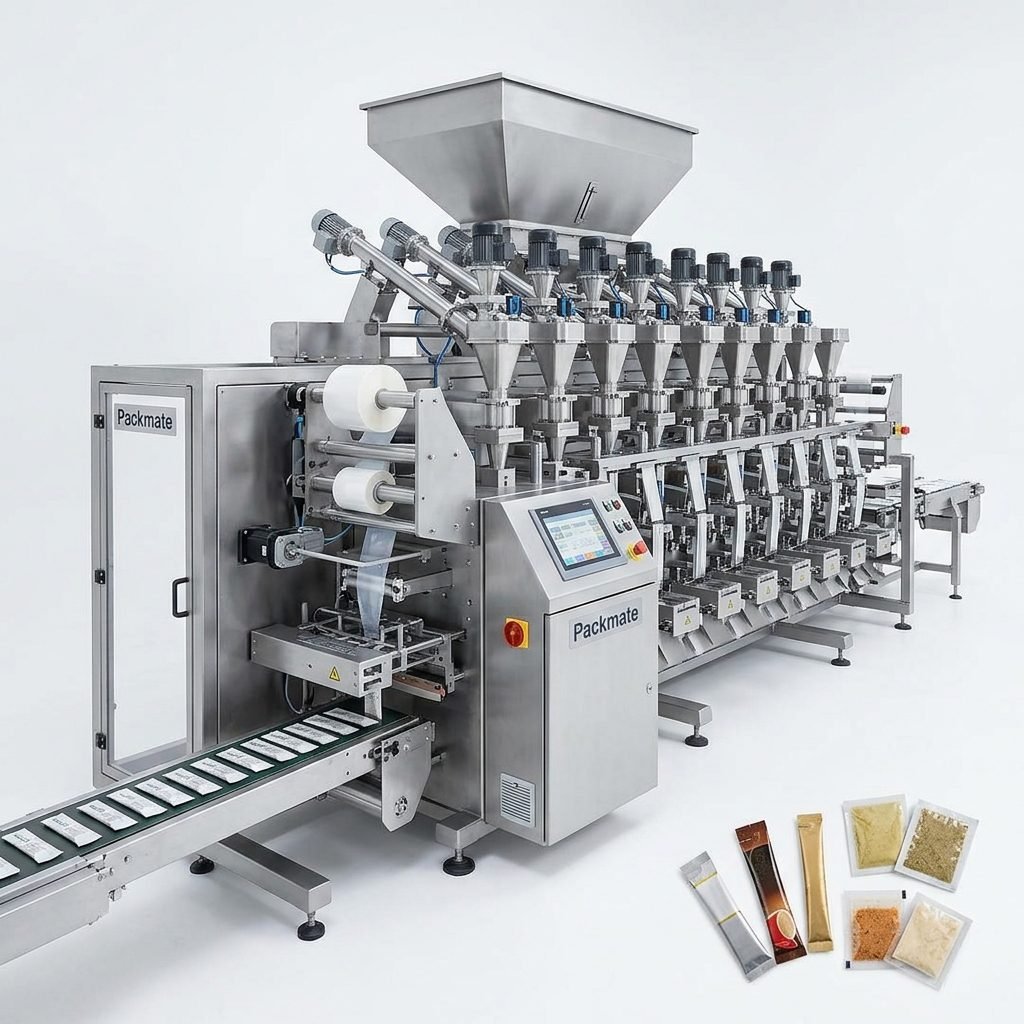
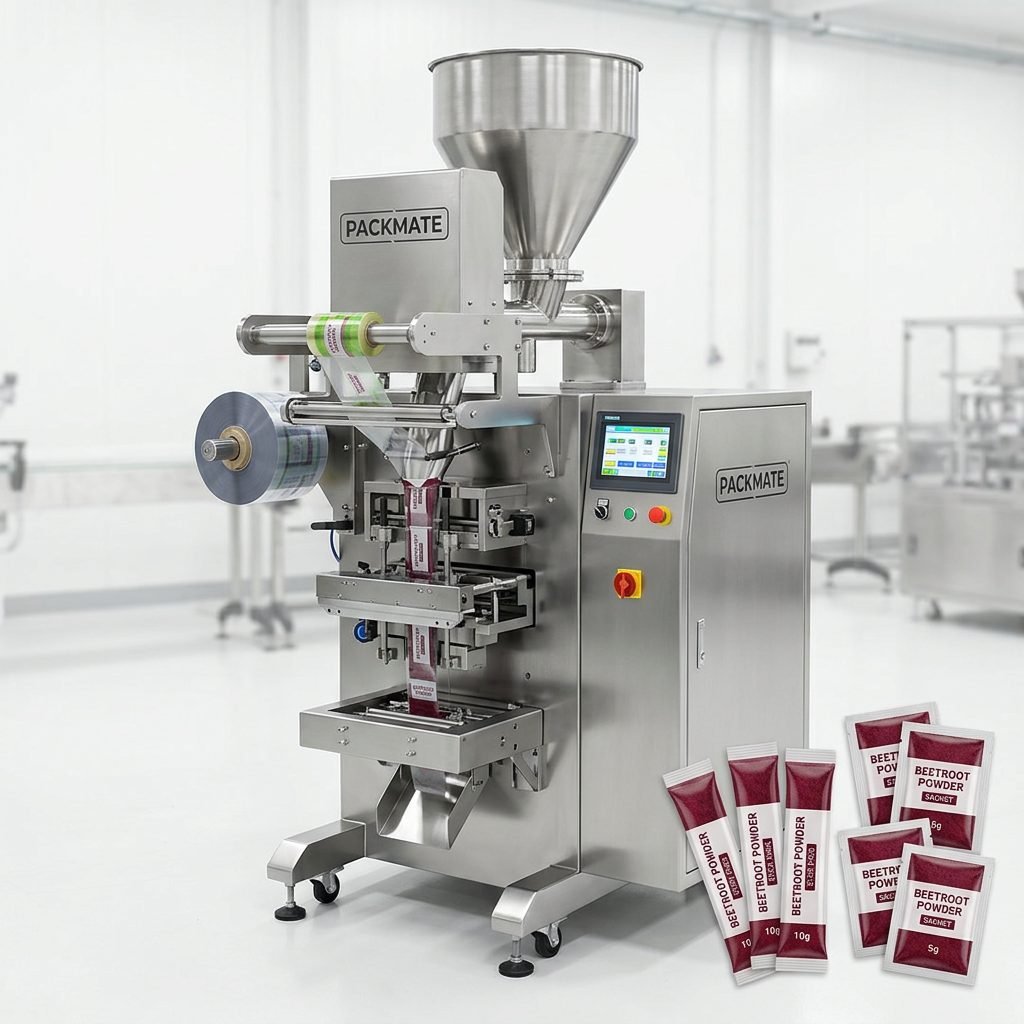
Before evaluating suppliers, define your specific packaging needs. African manufacturers often handle a wide variety of products — from powdered beverages, spices, and grains to pharmaceutical sachets, liquid detergents, and health supplements. Are you packaging granules, powders, liquids, or pastes? What bag formats do you need: stick packs, sachets, pillow bags, or stand‑up pouches? Production speed, bag size range, and the number of lanes (e.g., single‑lane vs. multi‑lane) are critical parameters. For instance, a Nigerian seasoning producer may require high‑speed multi‑lane stick pack machines, while a South African pharmaceutical company needs precise powder filling for sachets.
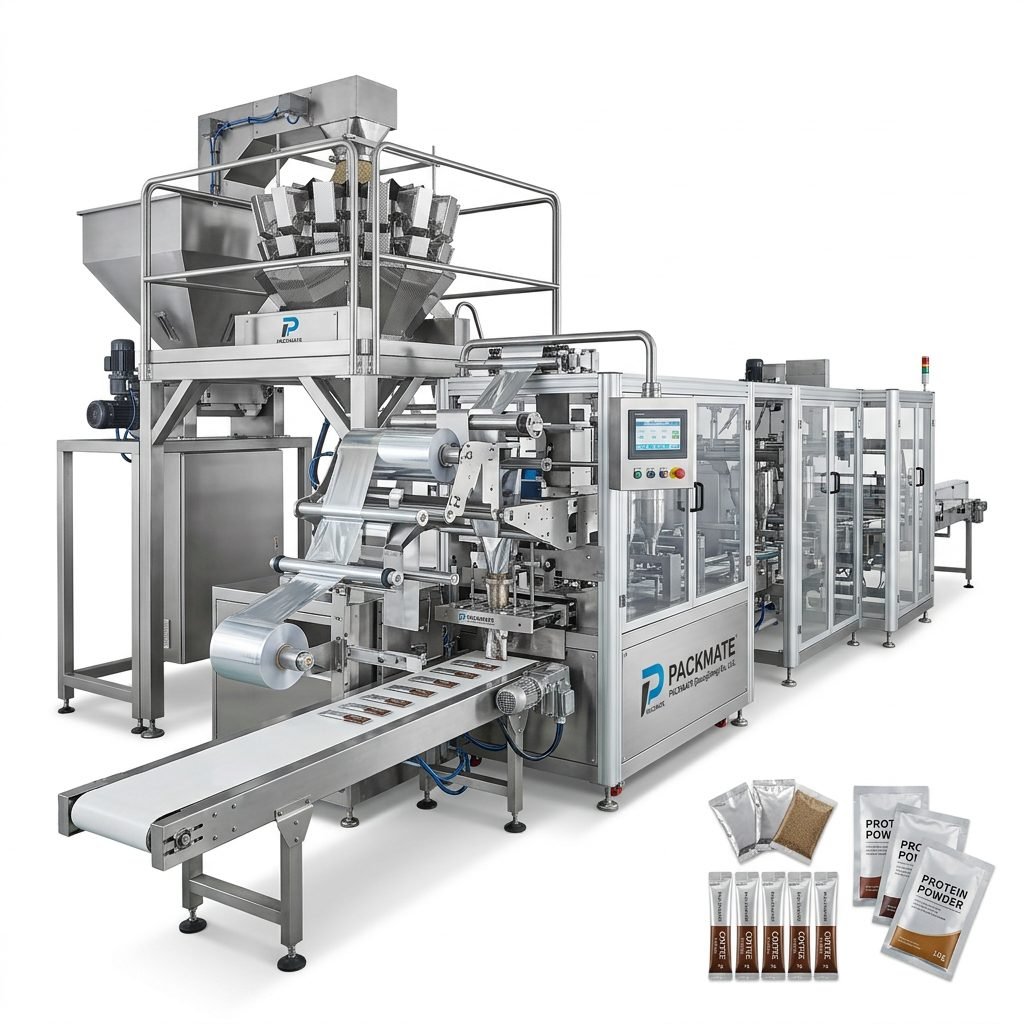
Create a detailed product specification sheet before contacting suppliers. This helps you filter out manufacturers whose equipment cannot match your required output or bag dimensions. Many leading Chinese manufacturers like Ludyway offer over 100 machine configurations, while Packmate Machinery provides more than 80 models — ensuring a close fit for diverse African needs.
2. Evaluate Manufacturer Experience and Export Track Record
Choosing a company with decades of packaging machine experience and a strong export presence in Africa is wise. Manufacturers founded in the 1990s, such as Ludyway (established 1993) and Packmate Machinery (over 30 years), have refined their engineering over time. Their long history often correlates with reliable machine design, robust engineering, and years of feedback from international markets. Look for proof: how many machines have they exported to your region? Do they understand African voltage, humidity, and temperature conditions?
For example, Ludyway serves customers in more than 100 countries, with main export markets including Africa, Europe, and the Middle East. Its 20,000‑square‑meter factory and 30+ years of experience give it the capacity to handle large orders and custom requests.
Similarly, PacklineOEM focuses on turnkey production lines and has solid presence in the Middle East and South America — regions with similar challenges to Africa. Its line integration capability (feeding, weighing, filling, sealing, labeling, and end‑of‑line) is particularly attractive for African buyers who prefer a single‑source solution.
3. Assess Technical Support and After‑Sales Service in Africa
One of the primary concerns African buyers face is the availability of local technical support and spare parts. A machine that stops for weeks waiting for a replacement sensor or motor can cost hundreds of thousands in lost production. When evaluating manufacturers, ask about their after‑sales network in your country. Do they have local agents or service engineers? How fast can they ship spare parts? Some suppliers offer online troubleshooting and video call support — but in African conditions, having a responsive partner is crucial.
| Service Aspect | Important for Africa | What to Check |
|---|---|---|
| Spare parts availability | High stock of wear parts (sealing jaws, sensors, PLC modules) | Ask for list of common spares and lead time to your port |
| Remote support | 24/7 remote assistance via video/phone | Test response speed before buying |
| On‑site installation | Engineer visit for commissioning and training | Confirm travel costs and duration included |
| User documentation | English manuals and operation videos | Request sample manual |
Manufacturers like PackingMachineOEM specialize in non‑standard and customized machines, which means they are experienced in adapting equipment to unusual requirements — a common need in Africa where raw material characteristics and packaging materials can vary. Their engineering flexibility can be a major advantage.
4. Customization and Flexibility for African Conditions
Africa’s packaging environment often differs from Western or Asian factories. Power fluctuations, high dust levels, limited compressed air quality, and manual handling of materials may require machine modifications. The best manufacturers offer customized solutions: voltage adaptation (e.g., 220V/380V 50Hz), additional dust‑proofing, stainless steel construction for humid climates, and simplified control interfaces for operators with varying skill levels.
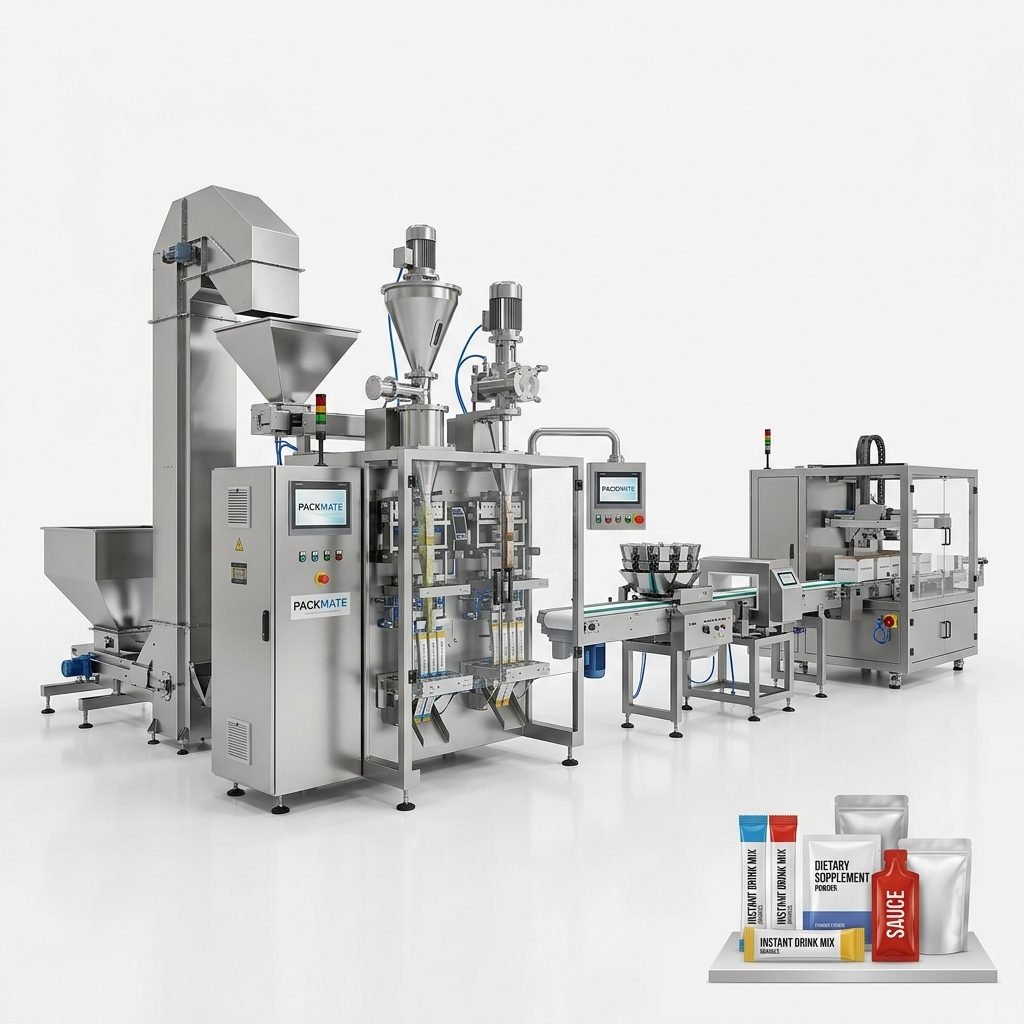
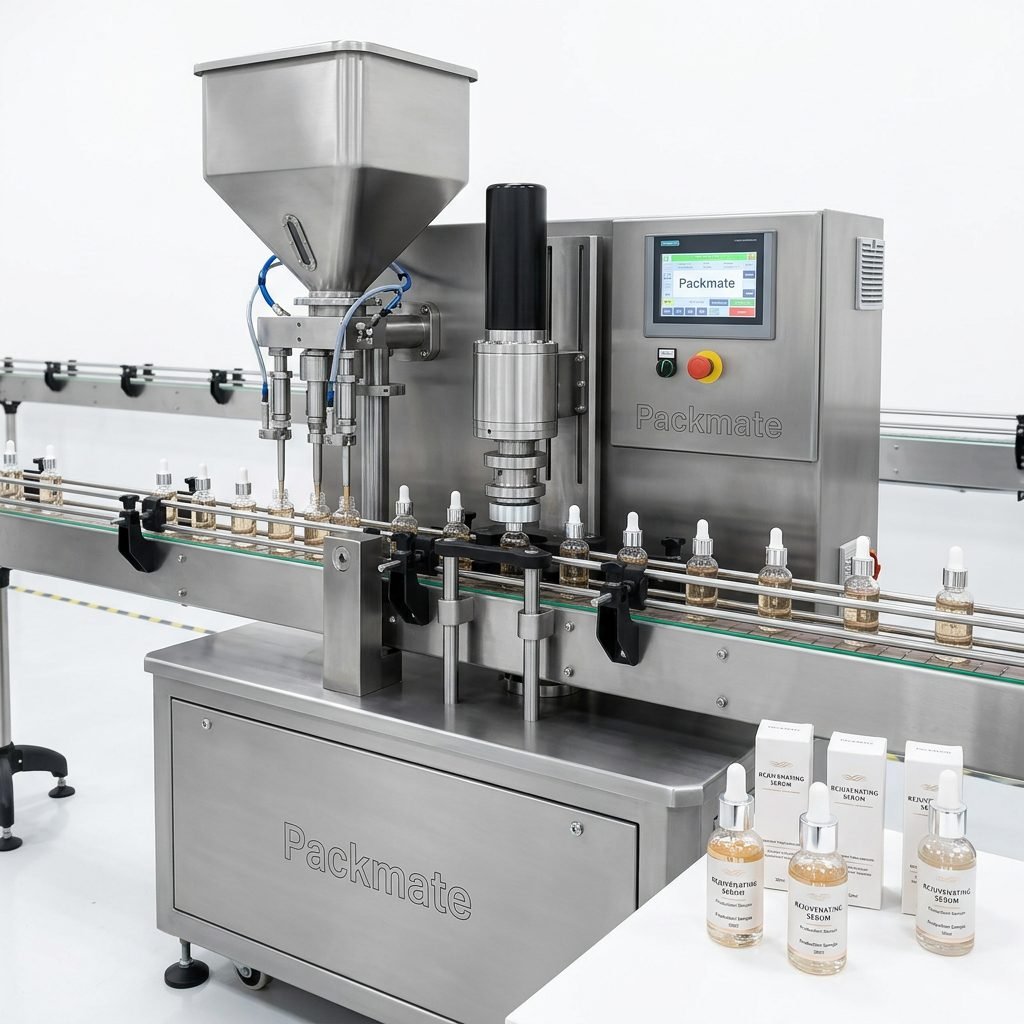
For example, a beverage manufacturer in Kenya may need a multi‑lane sachet machine that can handle both liquid and powder formats, with quick changeover between product types. SnusMachinery particularly excels in niche applications like nicotine pouches and snus, but its core expertise in multi‑lane pouch systems can be adapted for other granular or powder products. The ability to modify machines for specific African raw materials — such as sticky powders or granulated sugar with high moisture — is a valuable capability.
5. Compare Total Cost of Ownership, Not Just Price
African buyers are often tempted by very low‑priced machines from unknown suppliers. However, the total cost of ownership includes maintenance, energy consumption, spare parts, and downtime. A slightly higher initial investment in a reliable brand usually pays off within the first year. Look at machine energy efficiency — especially important given Africa’s electricity costs. Also consider the warranty period and what it covers. Leading manufacturers like Ludyway and Packmate offer comprehensive warranties and have proven performance records in similar markets.
Tip: Request a list of existing customers in Africa. Contact them if possible. Hearing how the machine performs in real African factories — for instance, how often it stops, how easy it is to clean, and how long it takes to change film rolls — is the most reliable feedback you can get.
6. Verify Compliance and Certification
If you export finished products to Europe, the Middle East, or other regions, your packaging line must meet international standards. CE certification is often required, along with FDA compliance for pharmaceutical and food contact surfaces. Manufacturers should provide certification documents. For Africa, some countries also require local compliance — such as SONCAP in Nigeria or SABS in South Africa. Ask your supplier whether they can help obtain these certifications or provide the necessary factory audit documents.
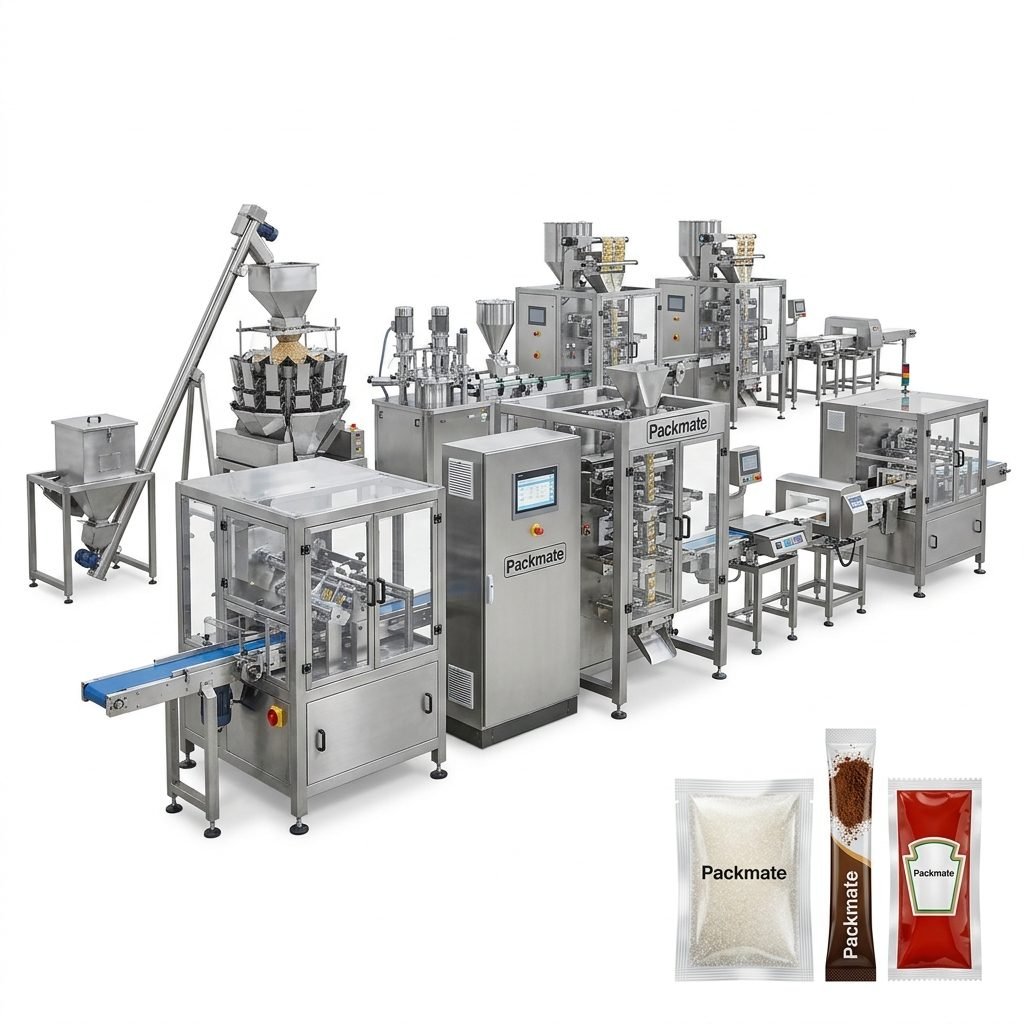
Established Chinese manufacturers usually export to regulated markets and have their machines tested accordingly. PacklineOEM, for instance, focuses on turnkey lines for food and pharma, and its engineering team is experienced in designing lines that meet GMP (Good Manufacturing Practice) requirements.
7. Factory Visit and Communication Quality
Before finalizing a purchase, a factory visit (physical or virtual) is strongly recommended. You will directly see the manufacturing process, quality control procedures, and machine assembly standards. The professionalism of the sales and engineering team also matters — responsive communication, clear technical proposals, and transparent pricing are signs of a reliable partner. Many top manufacturers offer video calls to walk you through their facility if travel is not possible.
If you are looking for a turnkey line, ask about the manufacturer’s line integration capability — can they provide all components from feeding to palletizing? PacklineOEM and Ludyway are both strong in complete line solutions. If you need more specialized machines, PackingMachineOEM or SnusMachinery might have better options.
Common Questions (FAQ)
Q: How do I know if a Chinese packaging machine is suitable for my African factory?
A: Ask the manufacturer about voltage compatibility, whether they have supplied machines to Africa before, and request a sample of the machine running with your product material. A good supplier will provide a test video or arrange a remote demo.
Q: What is the typical lead time for a packaging machine from a Chinese manufacturer?
A: Standard machines can be ready in 30–45 days, while customized lines may take 60–90 days. Shipping to Africa adds 2–4 weeks depending on the port. Always confirm the delivery schedule in the contract.
Q: How do I handle spare parts supply for machines imported to Africa?
A: Order a spare parts kit with the machine (common parts like seals, heating elements, and sensors). Also confirm that the manufacturer can ship parts via express courier (DHL, FedEx) within 5–7 days. Some manufacturers have regional warehouses in the Middle East or South Africa.
Q: Should I choose a single machine or a complete turnkey packaging line?
A: If you are starting small, a standalone sachet or stick pack machine is enough. For larger production volumes, a turnkey line (including dosing, filling, sealing, coding, and packing) improves efficiency and reduces labor costs. Turnkey suppliers like PacklineOEM can design a line that fits your factory layout.
Q: What quality certifications should the machine have?
A: CE certification is essential for export‑oriented production. For food and pharma, ask about contact material certificates (FDA or EU 1935/2004). Some African countries require additional local approvals — check with your local authorities.
Q: Can I get training for my operators?
A: Most reputable manufacturers provide on‑site training during installation, plus manuals and videos. Some also offer online training sessions for new operators. Verify the training content before signing the contract.