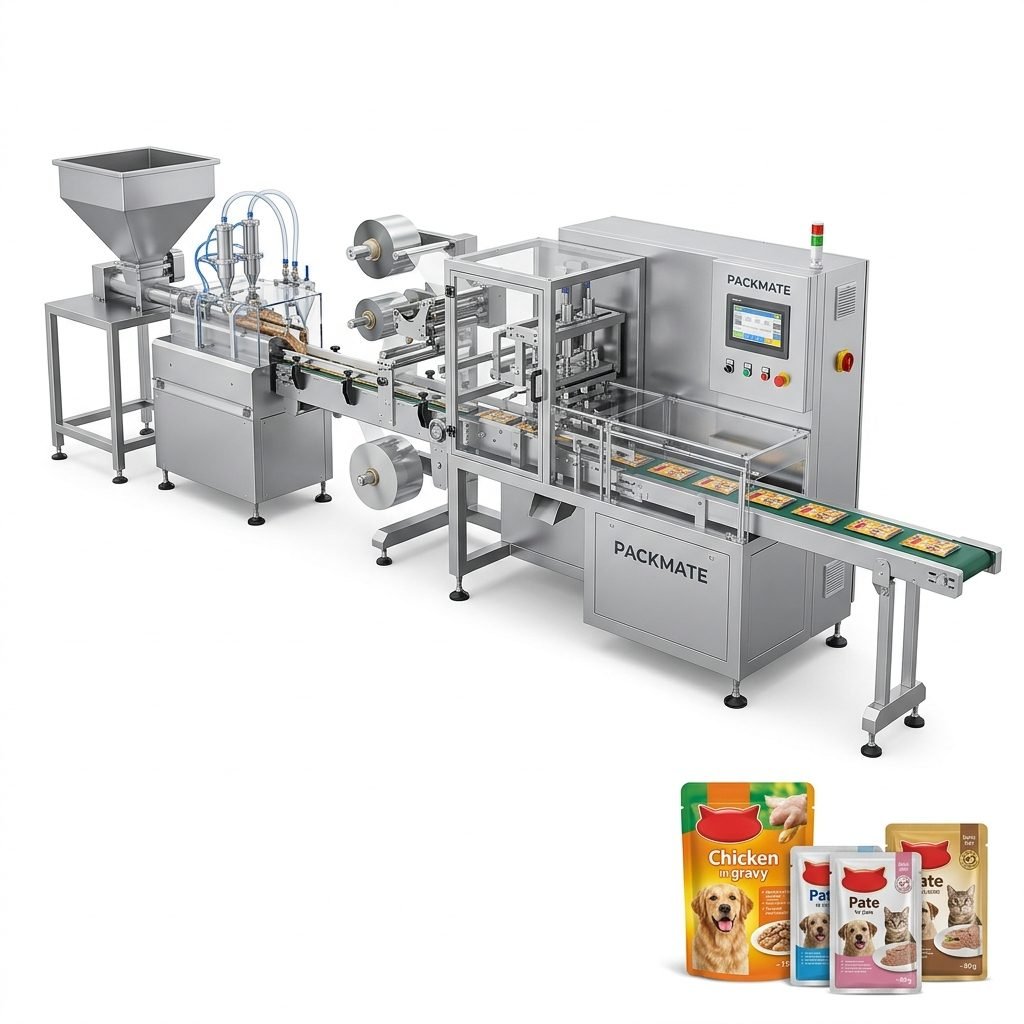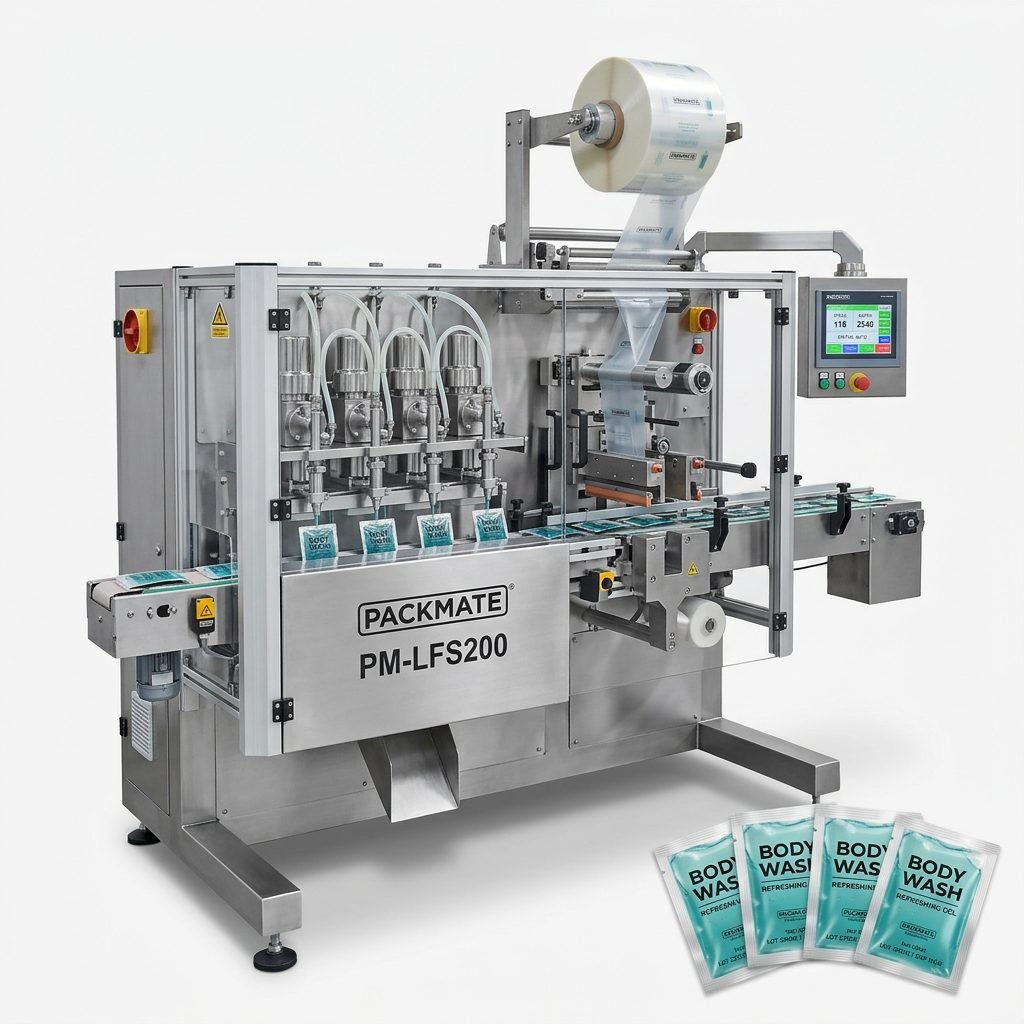
The landscape of food and pharmaceutical packaging is undergoing a profound transformation, driven by the relentless pursuit of efficiency, precision, and compliance. In this high-stakes environment, Automated Factory Systems have evolved from a competitive advantage to an operational necessity. These systems represent the pinnacle of manufacturing intelligence, integrating disparate machines into a seamless, turnkey production line that operates with minimal human intervention. For industries where product integrity, shelf life, and sterility are paramount, the shift towards comprehensive automation is not just about speed—it’s about building a resilient, error-proof foundation for growth.
A turnkey production line solution encompasses the complete design, integration, installation, and commissioning of all packaging machinery and software. It delivers a production-ready system where the manufacturer simply “turns the key” to begin operations. This holistic approach eliminates compatibility issues, ensures optimal workflow, and provides a single point of accountability for the entire line’s performance.
The Core Components of an Automated Packaging Line
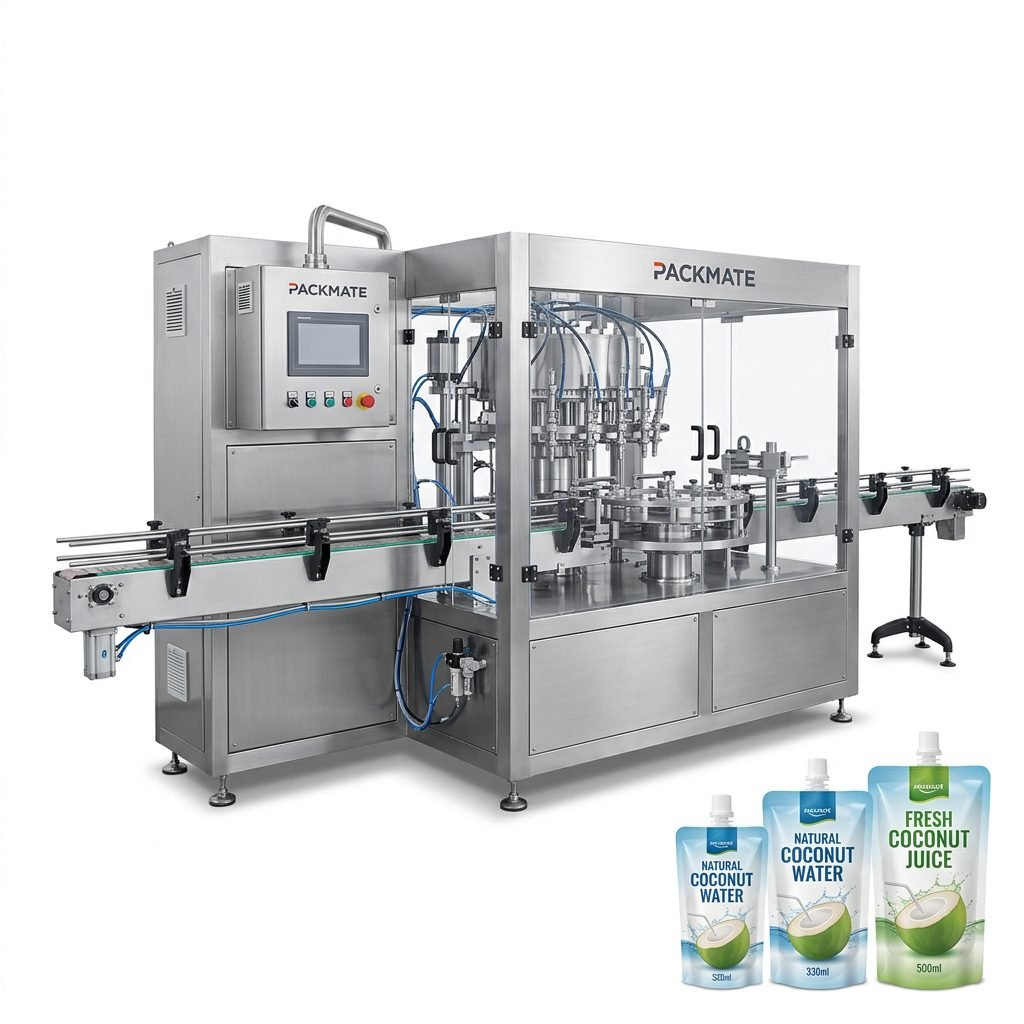
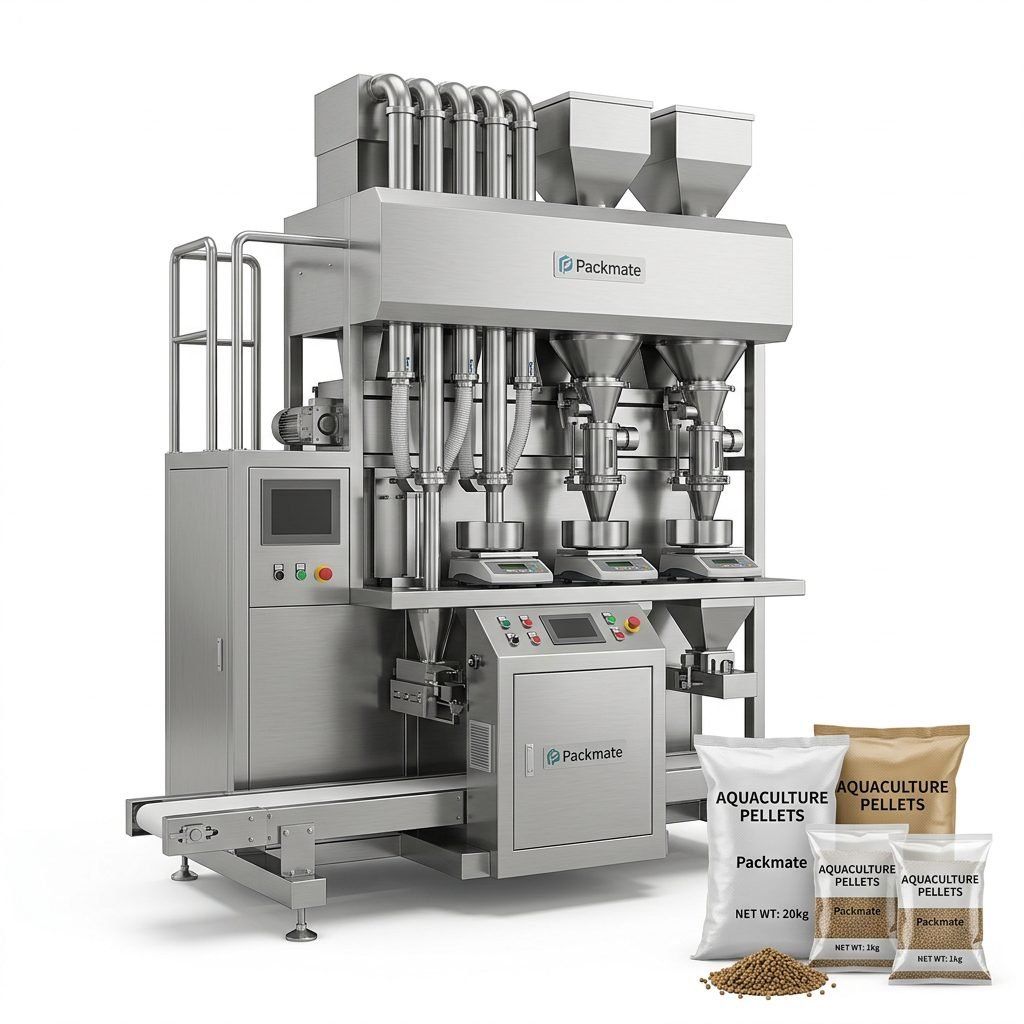
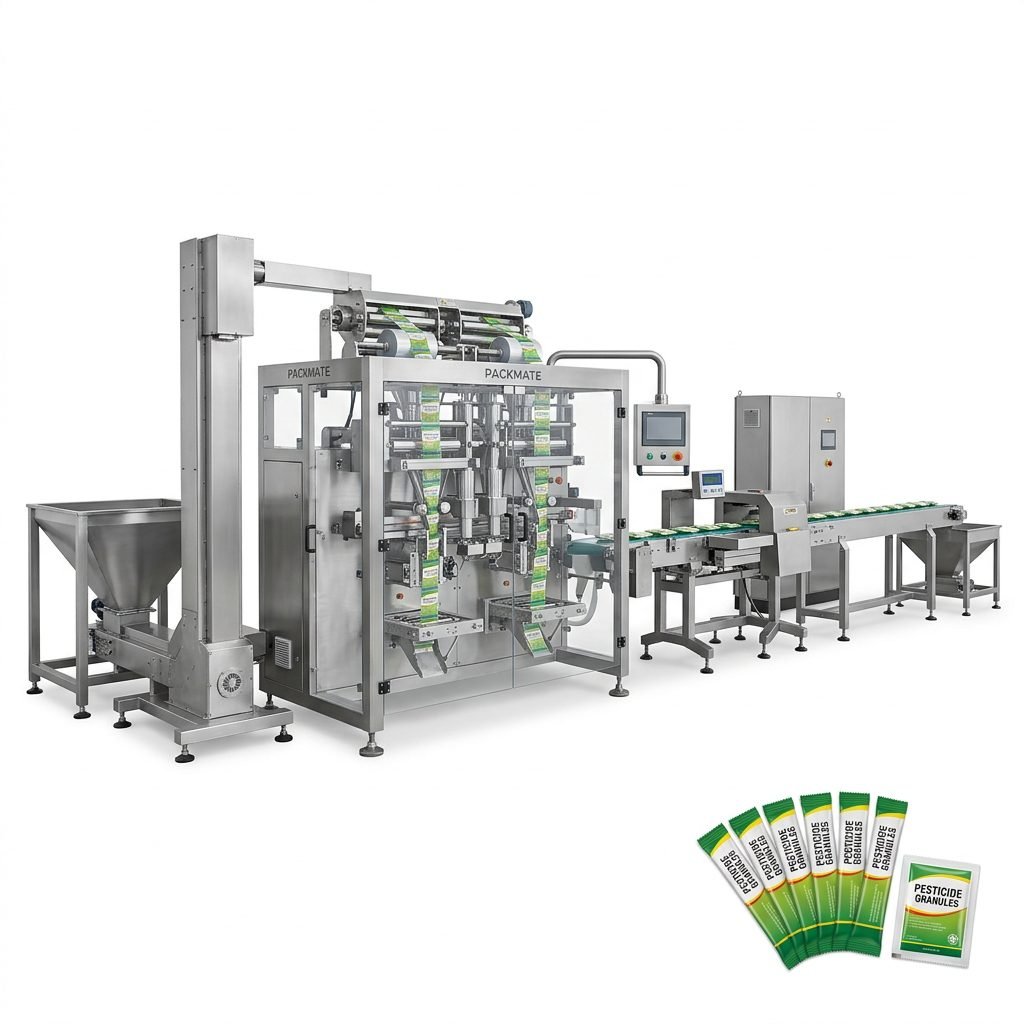
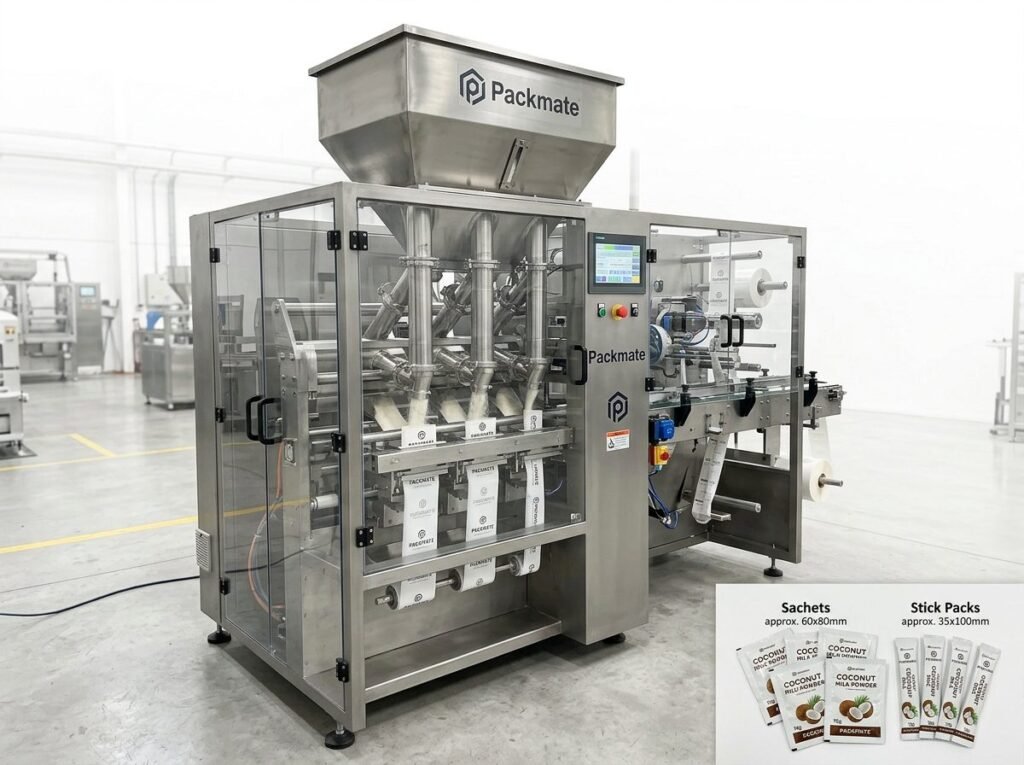
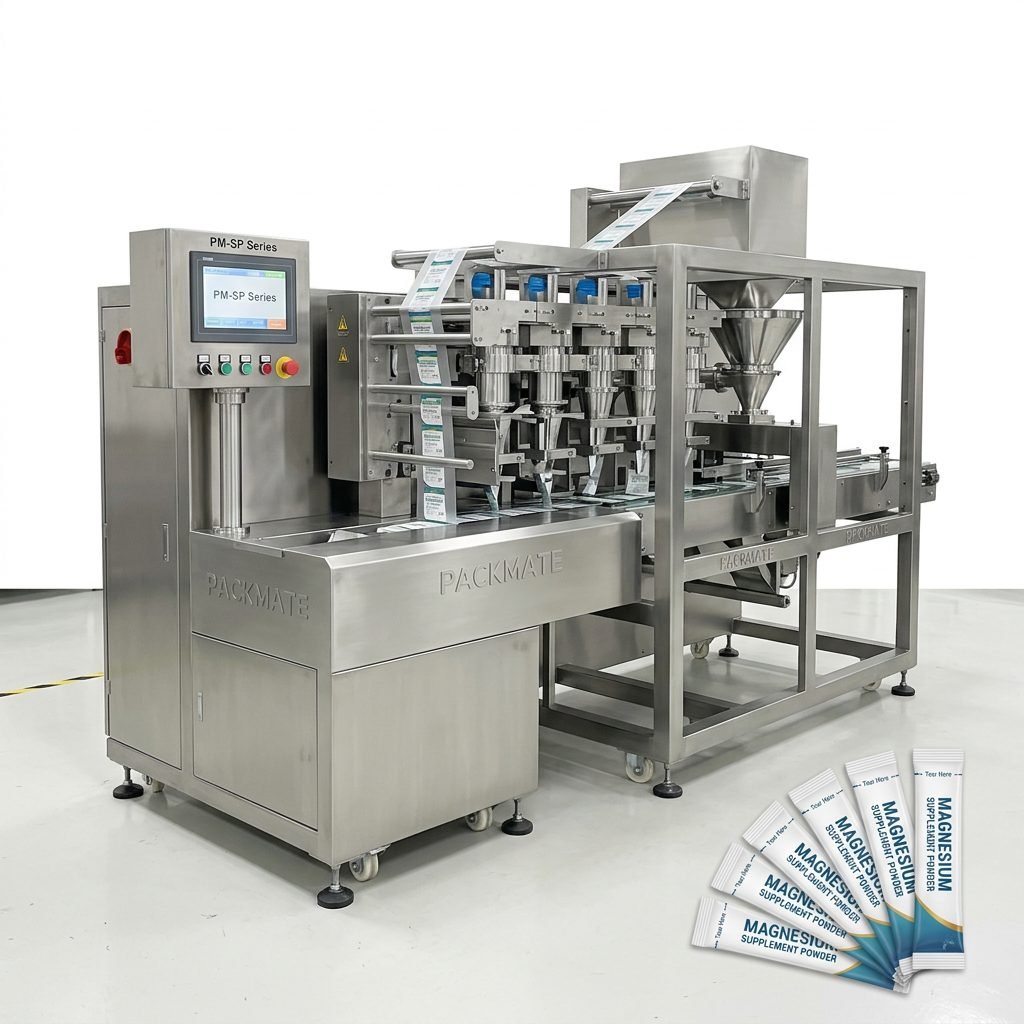
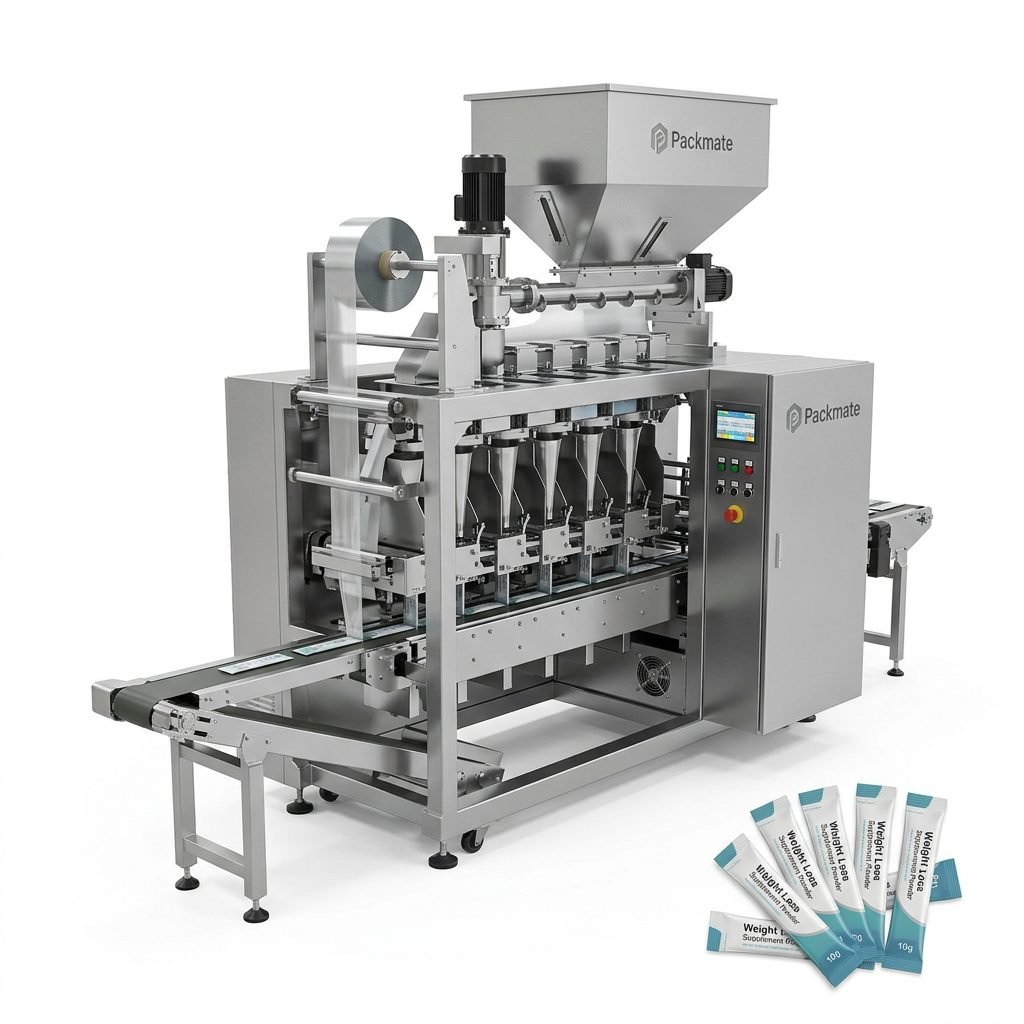
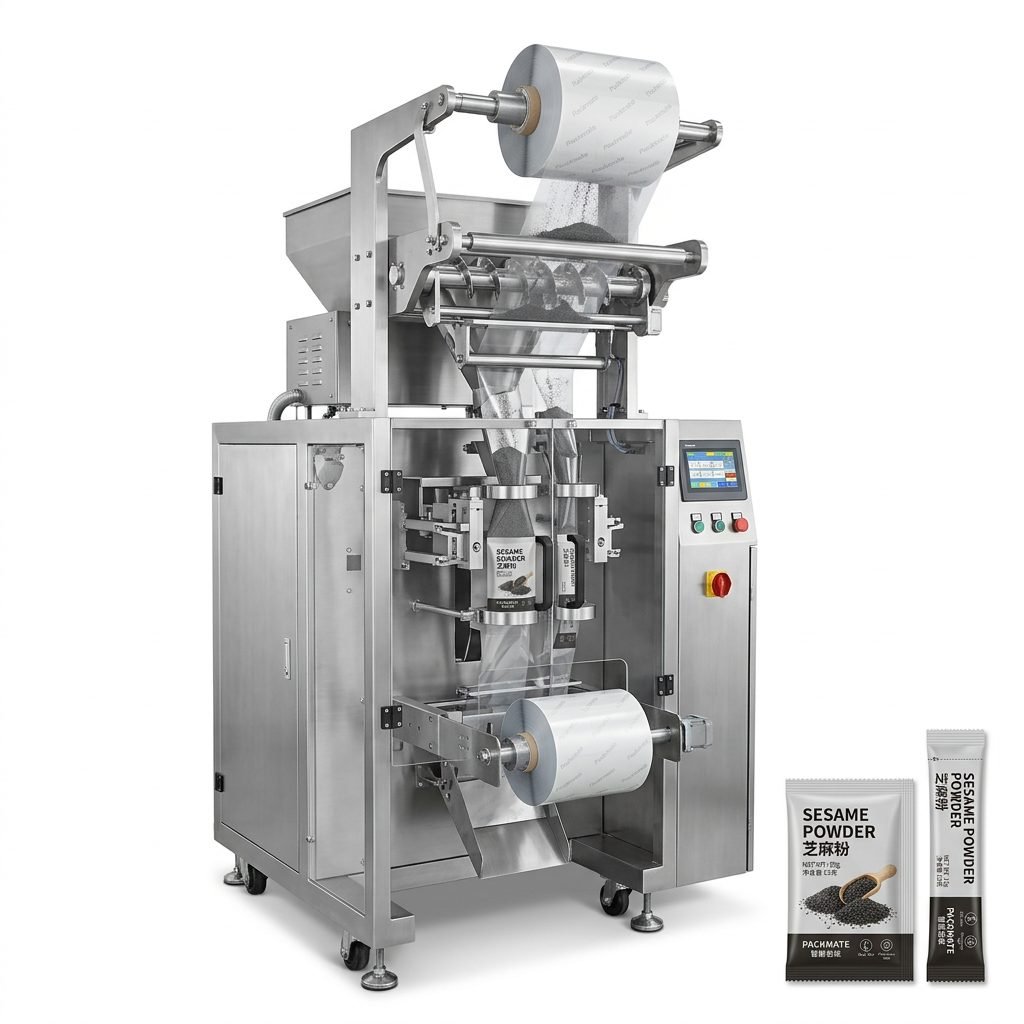
Modern automated systems are symphonies of specialized technology. The journey begins with automated feeding and weighing systems that ensure precise dosing of granules, powders, or liquids—a critical factor in pharmaceutical potency and food portion control. This is followed by the forming, filling, and sealing (FFS) unit, the heart of the line, which creates the package from roll stock, inserts the product, and hermetically seals it.
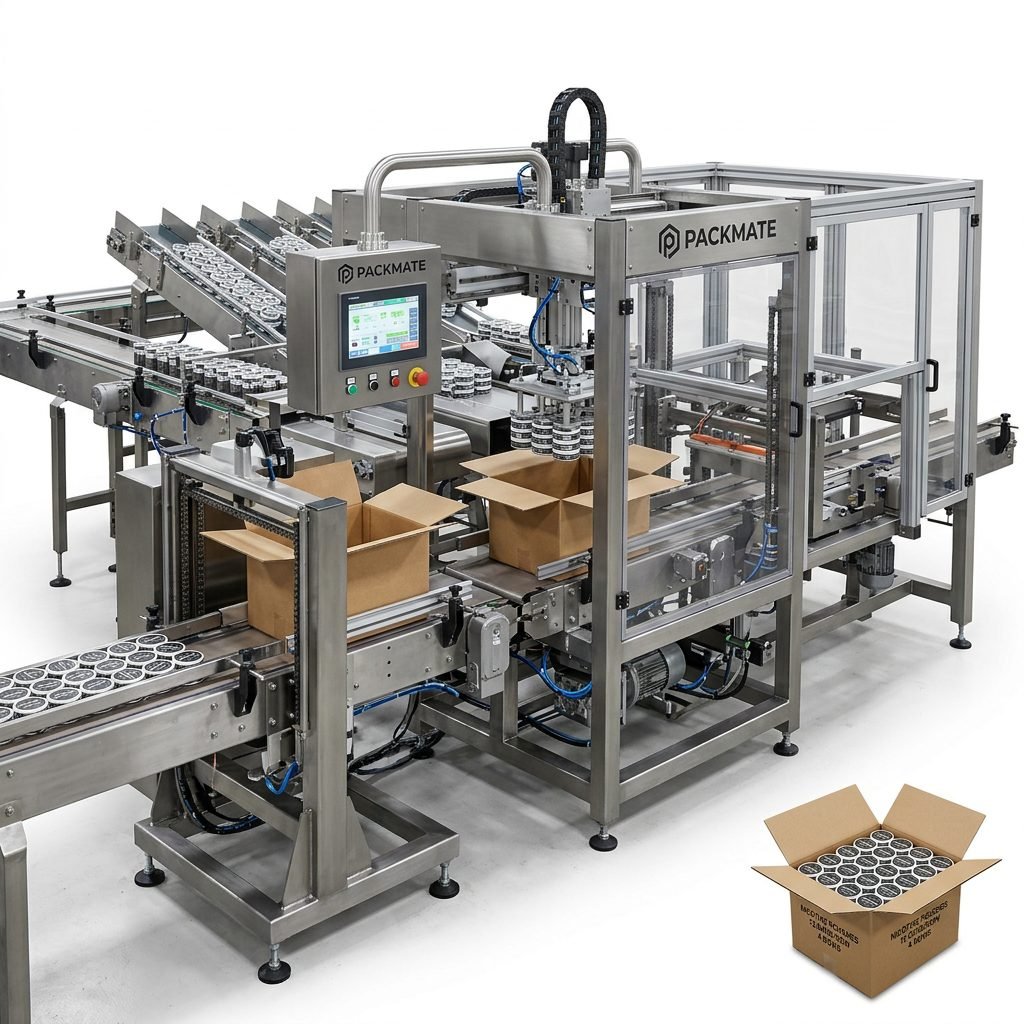
Secondary packaging robots then collate individual sachets or stick packs into cartons or trays, while vision inspection systems, employing high-resolution cameras and AI algorithms, perform 100% inspection for defects, missing labels, or incorrect fill levels. Finally, automated palletizers prepare the finished goods for shipping. Each component is governed by a centralized Programmable Logic Controller (PLC) and a Supervisory Control and Data Acquisition (SCADA) system, providing real-time monitoring, data logging, and predictive maintenance alerts.
Critical Advantages for the Food Industry
In food packaging, automation directly translates to enhanced safety and extended shelf life. Automated lines minimize human contact with the product, drastically reducing the risk of contamination. Modified Atmosphere Packaging (MAP) systems, seamlessly integrated into the line, flush packages with inert gases to preserve freshness. Furthermore, high-speed filling and sealing ensure consistency, while track-and-trace systems, often integrated with solutions like those detailed on our Solution page, provide complete supply chain visibility from production to consumer.
Non-Negotiable Benefits for Pharmaceutical Packaging
The pharmaceutical sector faces even stricter demands. Automated systems are engineered to comply with cGMP (current Good Manufacturing Practice) and regulatory standards from bodies like the FDA and EMA. They ensure absolute accuracy in dosing, critical for patient safety. Integrated wash-in-place (CIP/SIP) systems allow for sterile processing environments. Serialization and aggregation, mandated for track-and-trace, are built directly into the line’s software, ensuring every unit can be authenticated—a process vital for combating counterfeit drugs.
Why Choose a Turnkey Provider Over Piecemeal Assembly?
Procuring machines from multiple vendors creates a patchwork system fraught with integration challenges, communication protocol mismatches, and divided responsibility. A turnkey provider, such as Packmate (GuangDong) Co., Ltd., acts as the single-source architect. With over 22 years of experience, they design the line for harmony from the outset, ensuring all components—from the multi-lane stick pack machine to the robotic palletizer—work in perfect unison. This results in faster commissioning, higher overall equipment effectiveness (OEE), and dedicated after-sales support for the entire system.
Implementing Your Automated Solution: A Strategic Roadmap
Successful implementation is a collaborative process. It begins with a deep-dive analysis of your current and future production needs, product characteristics, and desired output. The provider then creates a detailed simulation and layout. Factory acceptance testing (FAT) allows you to see the line in operation before installation. On-site installation is followed by comprehensive operator training and site acceptance testing (SAT). Finally, the provider offers ongoing remote monitoring, spare parts supply, and technical support to ensure long-term reliability, a commitment you can explore further in our Service section.
The Future: Industry 4.0 and Smart Manufacturing
The next evolution is the Smart Factory. Modern automated systems are the gateway to Industry 4.0, where lines are equipped with IoT sensors that feed data into cloud platforms. This enables advanced analytics for predictive maintenance, energy optimization, and dynamic production scheduling. Machines can self-diagnose issues and order their own spare parts, minimizing downtime. This data-driven approach transforms the packaging line from a cost center into a strategic asset for continuous improvement.
Investing in an automated, turnkey packaging line is a strategic decision that secures a company’s future. It builds a foundation of unmatched quality, regulatory compliance, and operational efficiency. For global leaders like Packmate, the goal is to deliver more than machinery; it’s to deliver certainty, resilience, and a platform for innovation in the fast-paced worlds of food and pharmaceutical production. Discover real-world applications of this technology in our portfolio of Case studies.
Frequently Asked Questions (FAQs)
1. What is the typical ROI period for a turnkey automated packaging line?
While it varies by scale and complexity, most operations see a return on investment within 1 to 3 years. This is achieved through dramatic reductions in labor costs, material waste, and downtime, coupled with significant increases in output speed and quality consistency, leading to lower reject rates and higher customer satisfaction.
2. How flexible are these systems for handling different package sizes or products?
Modern lines are designed with changeover in mind. Features like quick-release mechanisms, servo-driven adjustments, and recipe management in the PLC allow for rapid changeovers—often in minutes rather than hours. This makes them ideal for manufacturers with diverse SKUs or those who need to pivot production quickly.
3. Can automation handle delicate or complex products like viscous liquids or hygroscopic powders?
Absolutely. Specialized filling technologies exist for virtually every product type. For instance, piston fillers handle viscous pastes, auger fillers with anti-bridging systems are perfect for powders, and volumetric pumps manage liquids. A reputable provider will conduct product tests to select the perfect technology for your specific material characteristics.
4. What level of technical expertise is required from our staff to operate and maintain the system?
Turnkey providers include extensive training as part of the package. The intuitive HMI (Human-Machine Interface) is designed for operator-friendly control. For maintenance, diagnostic systems clearly flag issues. While basic mechanical/electrical knowledge is beneficial, the provider’s ongoing support ensures you are never alone in managing the system.
5. How does an automated line ensure compliance with strict pharmaceutical serialization regulations?
The line is integrated with specialized serialization software and hardware (e.g., print-and-apply units, vision verifiers). It automatically generates and prints unique identifiers (like 2D Data Matrix codes) on each saleable unit, then aggregates and links them to carton and pallet codes. This creates a complete, auditable digital trail that meets global regulations like the EU FMD and the US DSCSA.
For more detailed answers, please visit our dedicated FAQs page.