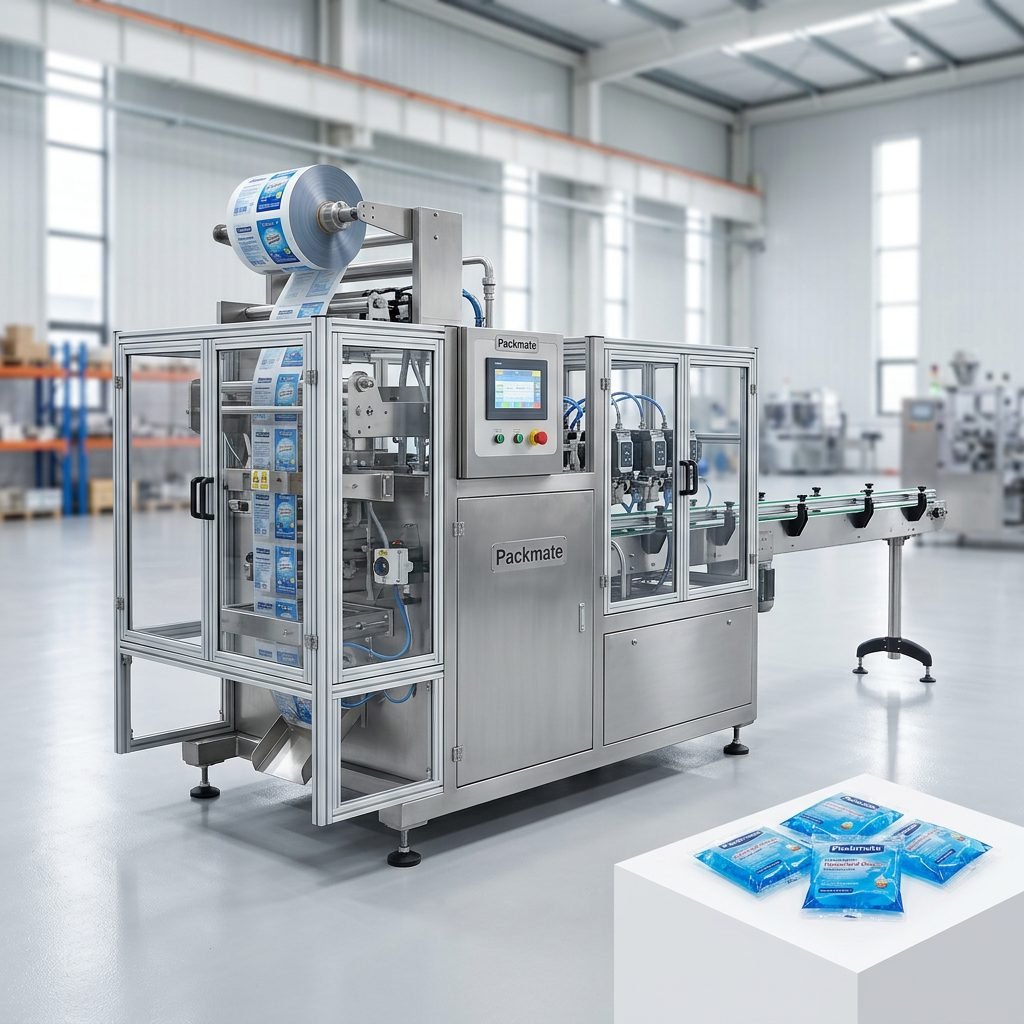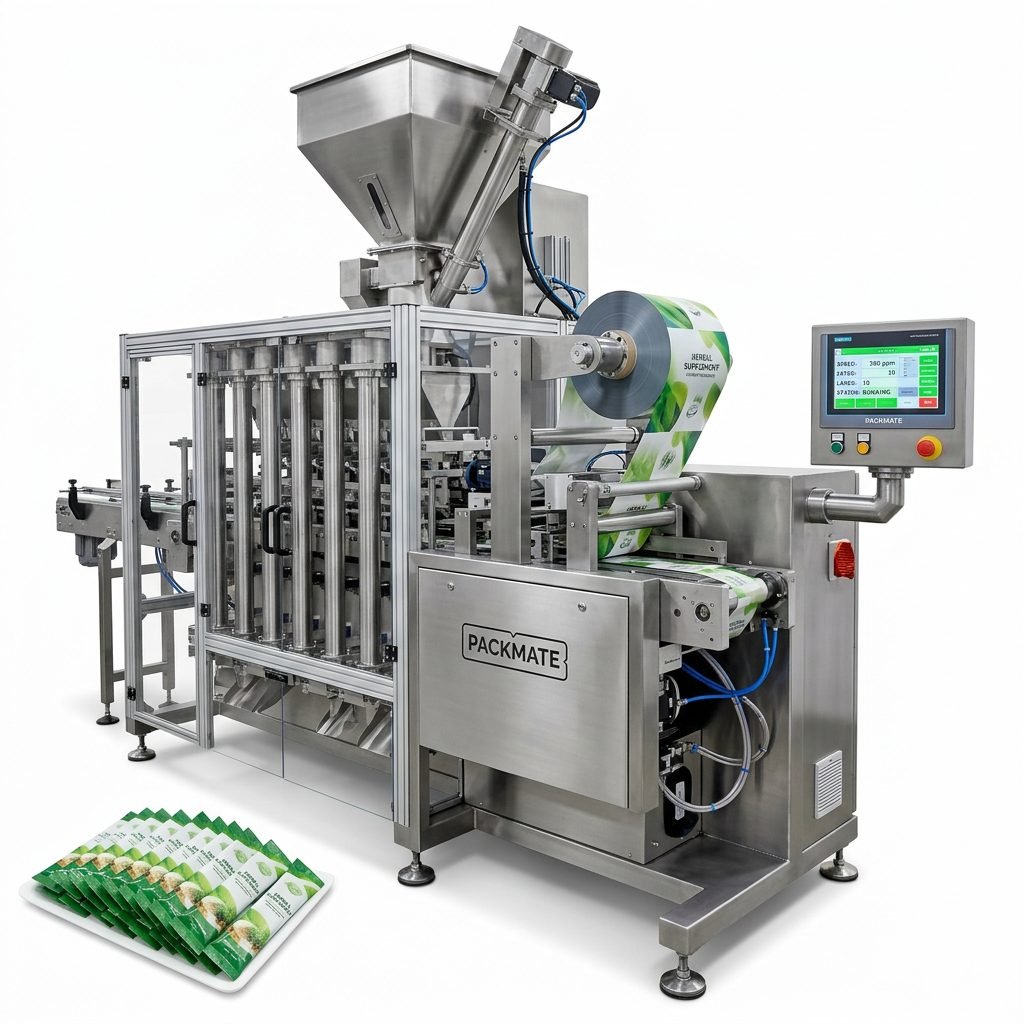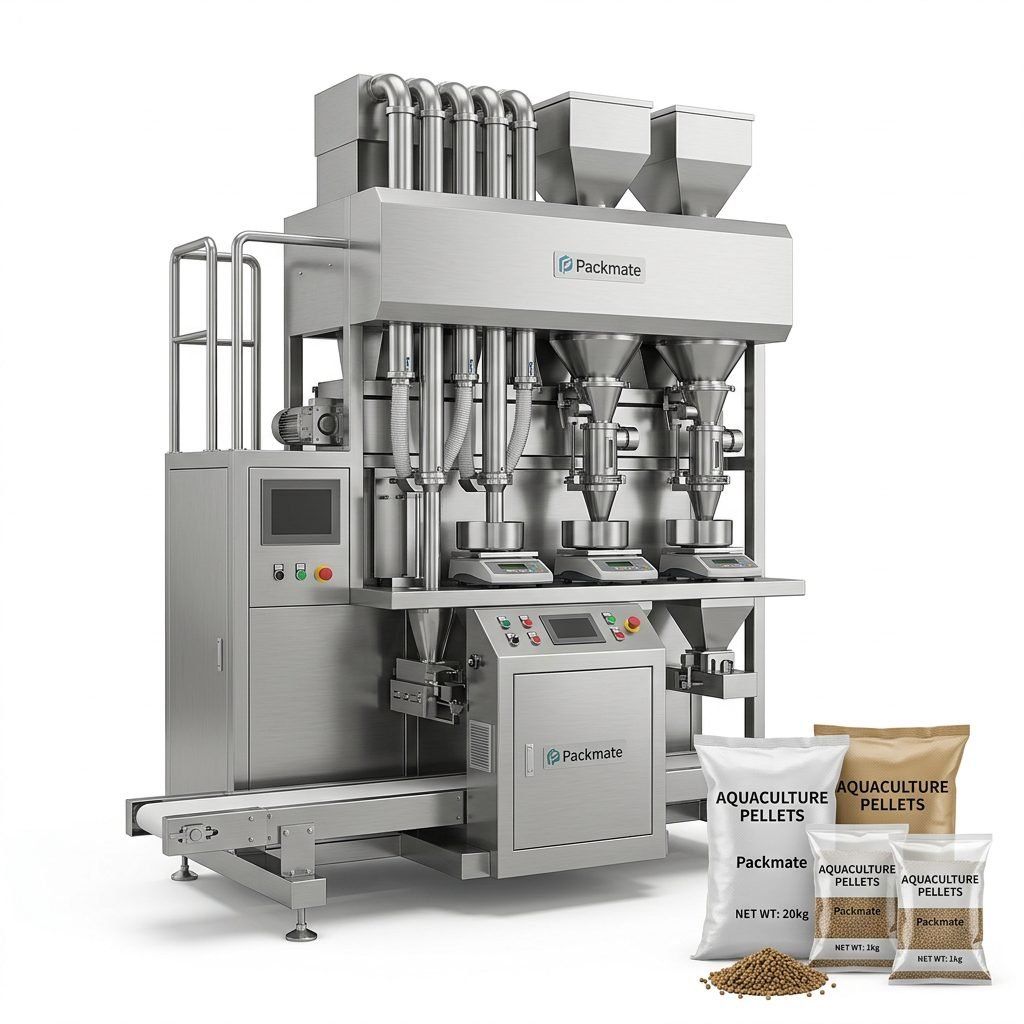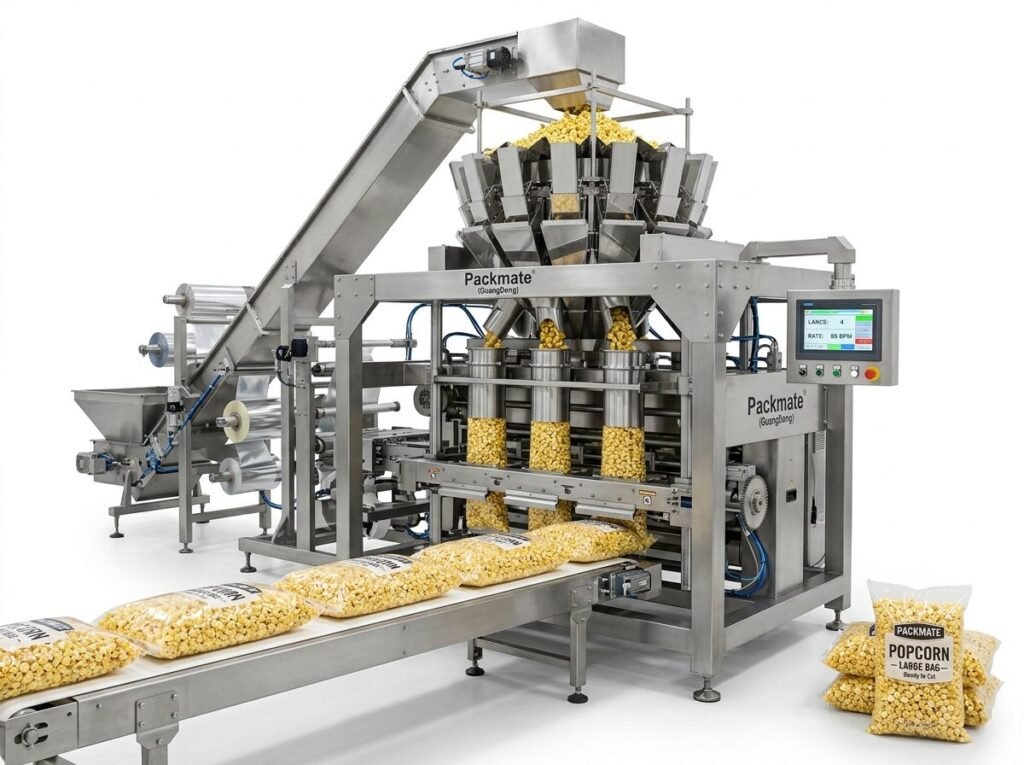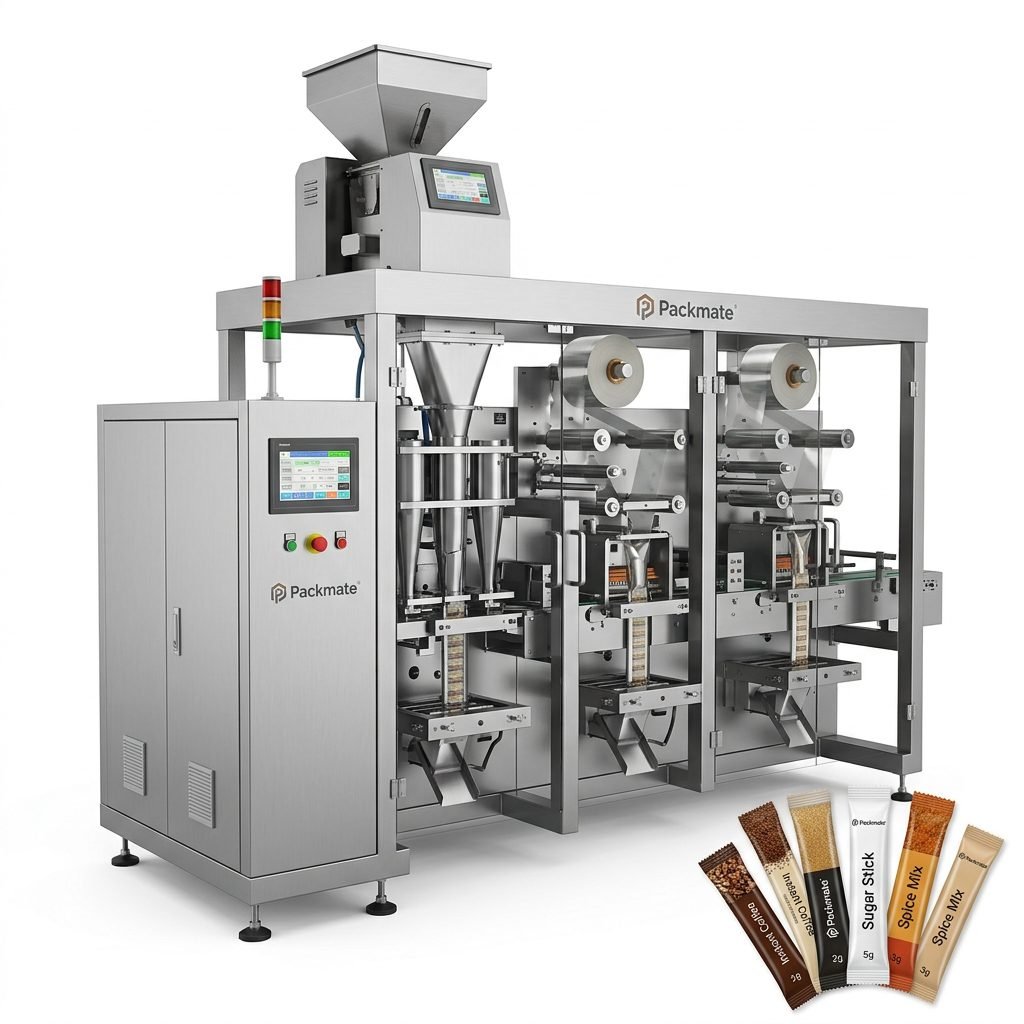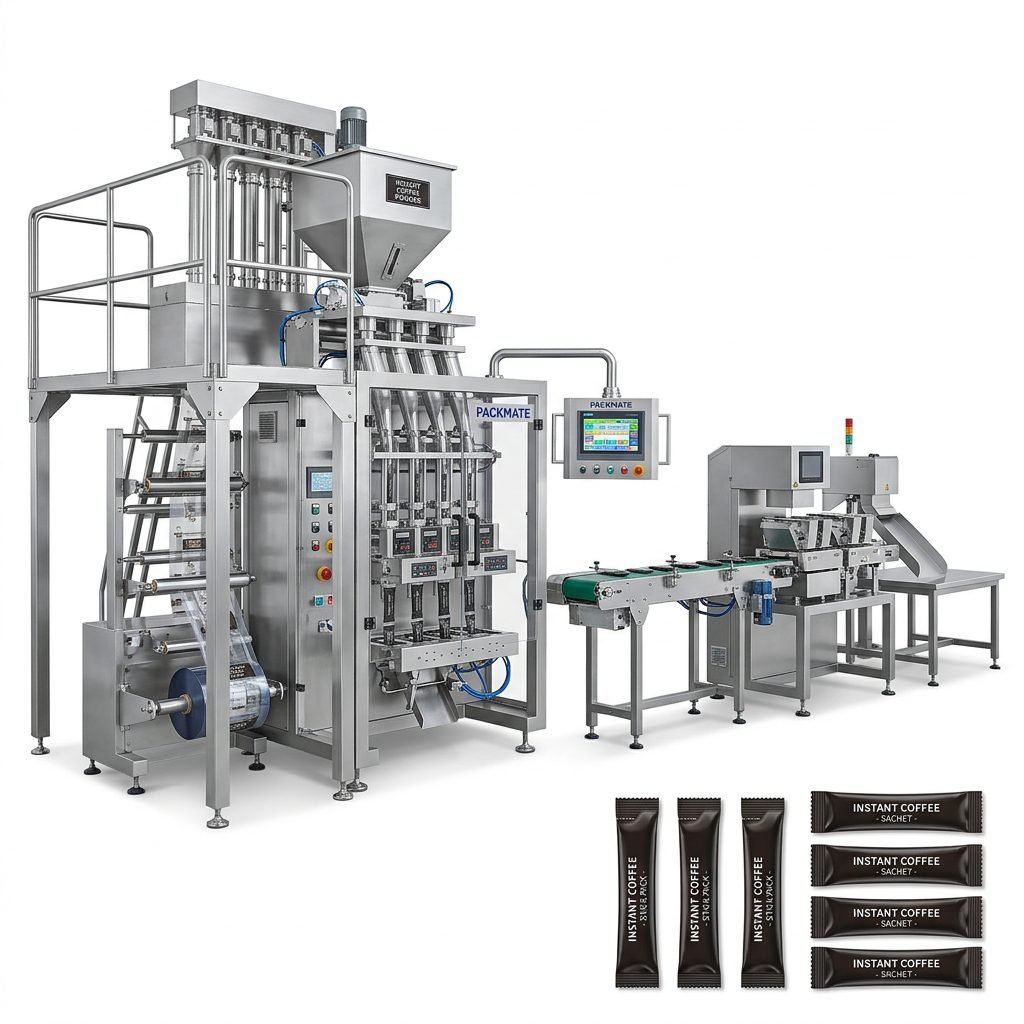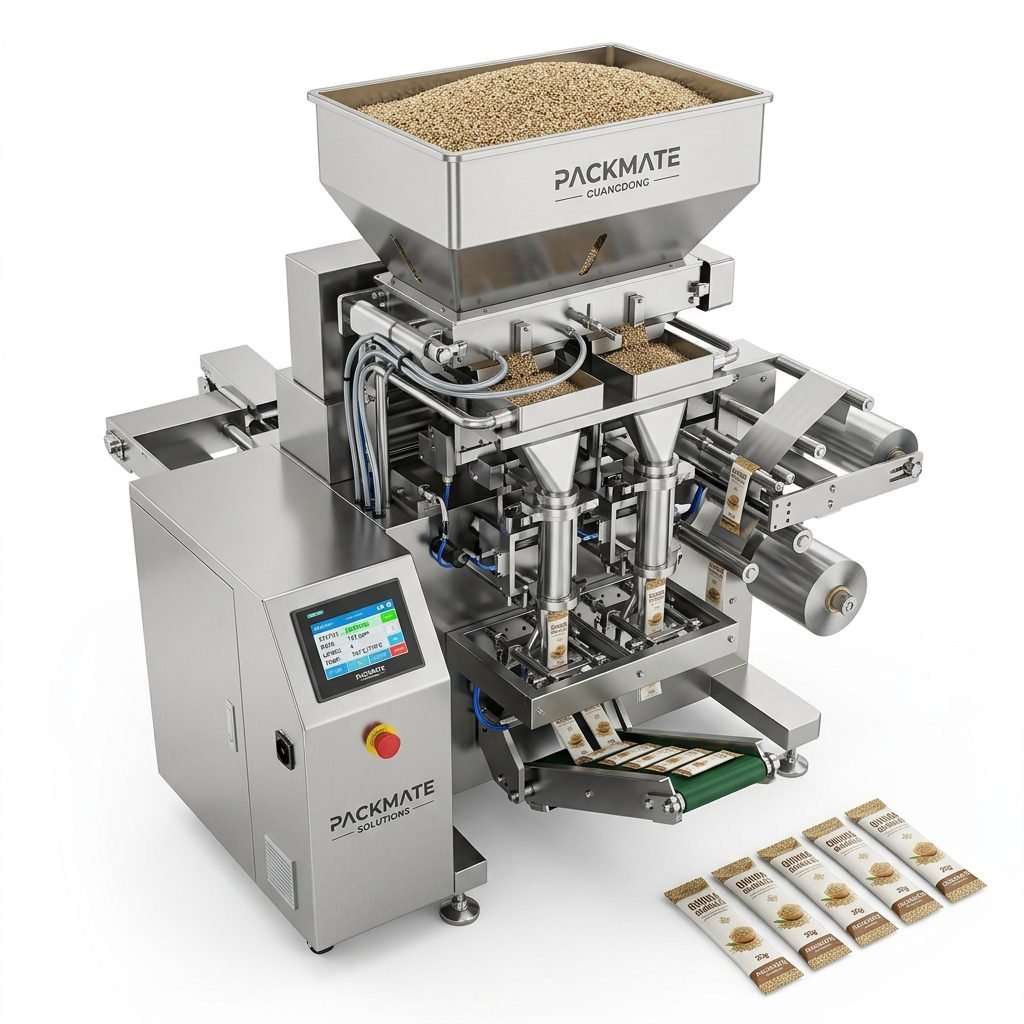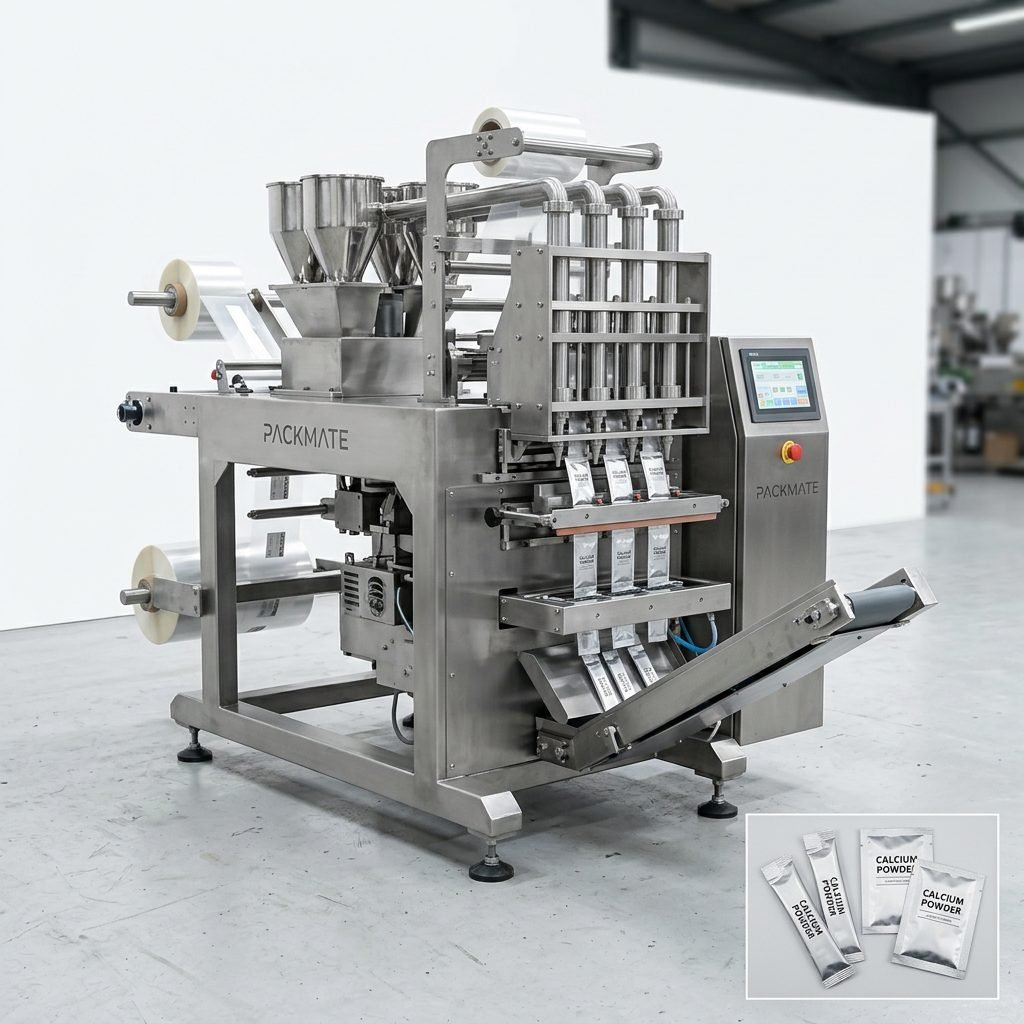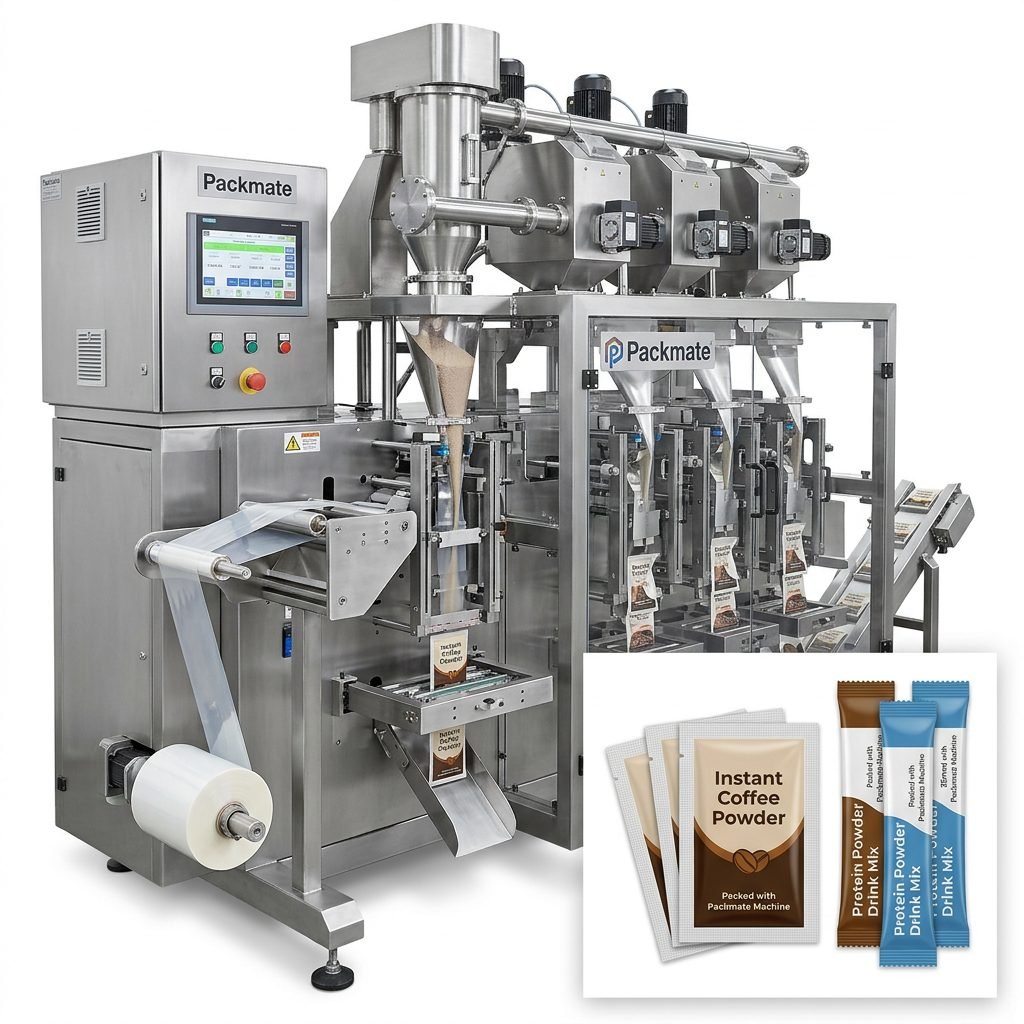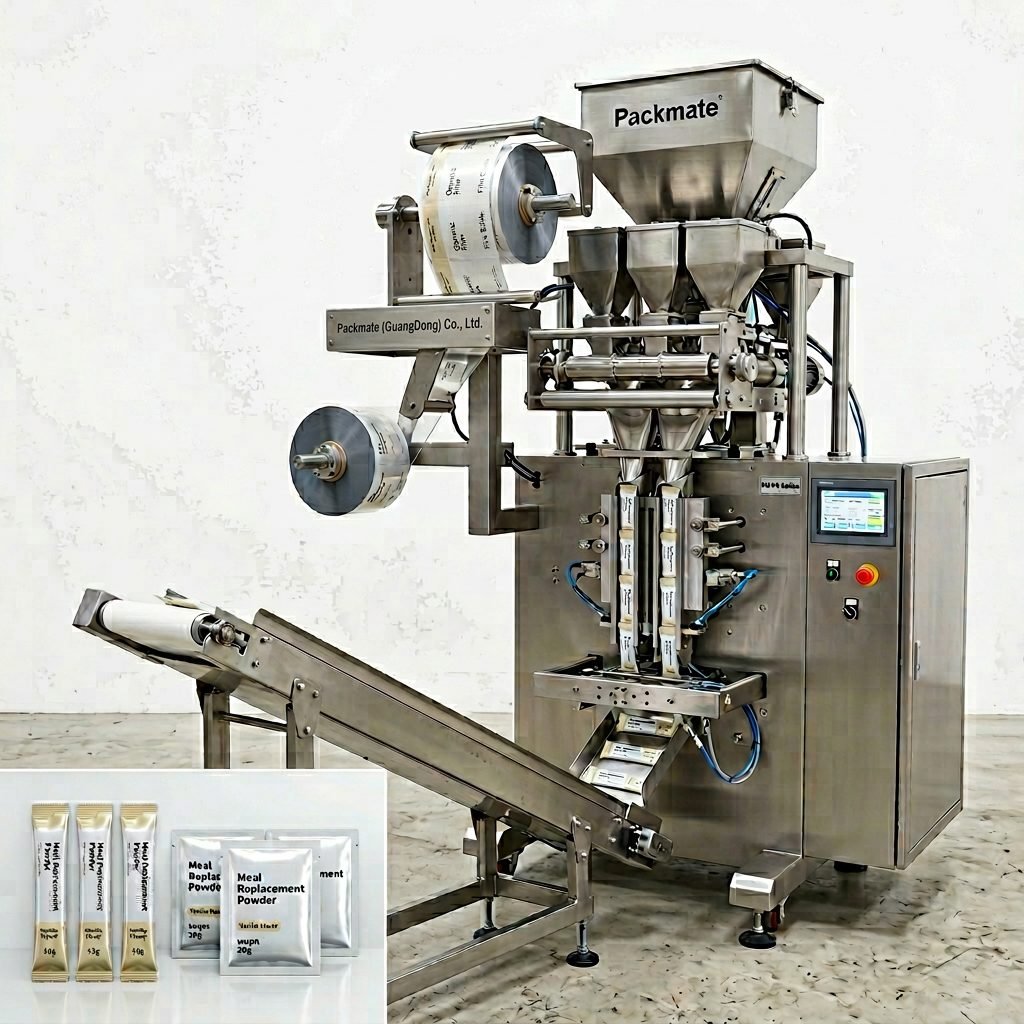
In the fast-paced world of manufacturing, efficiency isn’t just a goal—it’s a necessity for survival and growth. One of the most critical points of potential slowdown and cost overrun in production is the packaging line. Manual replenishment of materials like film, labels, cartons, or the product itself leads to inevitable downtime, human error, and inconsistent output. This is where an Automatic Replenishment System (ARS) becomes a transformative force. By intelligently managing the supply of consumables and products to the packaging machinery, an ARS ensures your line runs continuously, smoothly, and predictably.
The Core Components: How the System Works
An Automatic Replenishment System is not a single machine but an integrated network of sensors, conveyors, software, and robotic handlers. Its operation can be broken down into a seamless, closed-loop process.
1. Real-Time Monitoring & Sensing
The system’s “eyes and ears” are a series of high-precision sensors installed at key points on the packaging line. These continuously monitor parameters such as:
Roll Stock Levels: Ultrasonic or optical sensors measure the remaining film or label material on a roll.
Hopper/Bin Volume: Weight sensors or level detectors track the quantity of product (powders, granules, etc.) in the feeding hopper.
Carton Magazine Status: Sensors confirm the presence of blanks in the magazine of cartoning machines.
2. Intelligent Control & Communication
Data from all sensors feeds into a central Programmable Logic Controller (PLC) or a dedicated Industrial PC. This is the system’s “brain.” Using pre-set thresholds (e.g., “replenish when film roll is at 15%”), the control unit decides when action is needed. It communicates this need to the material handling subsystems without requiring any operator input.
3. Automated Material Handling & Changeover
This is the “muscle” of the ARS. Upon command, automated mechanisms spring into action:
- For Roll Materials: A robotic arm or overhead gantry retrieves a new roll from storage, positions it on the unwind stand, splices it to the tail of the expiring roll (often with a zero-downtime flying splice), and discards the empty core.
- For Bulk Product: A pneumatic or screw conveyor system activates, transferring material from a central silo or large container to refill the machine’s hopper.
- For Cartons/Lids: An automated guided vehicle (AGV) or conveyor brings a new stack of blanks to the machine and loads them into the magazine.
4. Continuous Operation & Data Logging
The entire replenishment process happens while the packaging line maintains its operational speed. The system logs every event—material usage, changeover times, alerts—providing invaluable data for production analysis, predictive maintenance, and supply chain management. This data can often be integrated into broader factory management software for a holistic view.
The Compelling Benefits: Why Your Factory Needs It
Investing in an Automatic Replenishment System delivers a rapid and substantial return on investment (ROI) across multiple facets of your operation.
Maximized Productivity & OEE
Eliminating manual changeovers can reduce line stoppages by up to 30%. This directly boosts Overall Equipment Effectiveness (OEE) by increasing availability. Your line produces more within the same shift, allowing you to meet higher demand or reduce overtime costs. Companies like Packmate design lines with ARS to ensure clients achieve peak throughput.
Unmatched Consistency & Quality
Human intervention is a source of variation. An ARS ensures every material changeover is performed with machine precision. This eliminates issues like misaligned labels, incorrect film tension, or inconsistent product fill levels that can arise from manual handling, leading to a dramatic reduction in waste and rework.
Enhanced Safety & Labor Optimization
Automating the handling of heavy rolls or repetitive loading tasks minimizes ergonomic risks and potential accidents. It also frees your skilled operators from mundane tasks, allowing them to focus on higher-value activities like quality control, process monitoring, and maintenance. This improves job satisfaction and operational intelligence.
Precision Inventory & Supply Chain Management
The system’s data logging provides exact, real-time consumption rates. This allows for just-in-time inventory management, reducing tied-up capital in warehouse stock and minimizing the risk of production halts due to material shortages. You gain predictive insights for your procurement team.
Scalability for Future Growth
An ARS is a future-proof investment. As you add more packaging lines or increase speeds, the automated system scales with you. It forms the backbone of a lights-out manufacturing capability for certain shifts or processes, a key competitive advantage. Reviewing successful implementation cases can illustrate this scalability.
Implementation: Partnering for Success
Implementing an ARS is a significant project that requires expert planning. The best approach is to partner with an experienced provider who can deliver a turnkey solution. A provider like Packmate (GuangDong) Co., Ltd., with over two decades of experience, doesn’t just sell machines; they engineer complete systems. Their process involves a deep analysis of your current line, material flow, and production goals to design a bespoke ARS that integrates perfectly with your existing or new packaging machinery. Their 20,000㎡ modern facility is equipped to build and test these complex systems before installation, ensuring a smooth rollout on your factory floor.
Frequently Asked Questions (FAQs)
1. Is an Automatic Replenishment System only for large factories?
Answer: Not necessarily. While the benefits are magnified in high-volume, 24/7 operations, modular ARS solutions exist for smaller lines. The ROI is calculated based on downtime costs and labor savings, which can be significant even for single-line operations. It’s about the criticality of uptime for your business.
2. Can it be retrofitted to our existing packaging line?
Answer: Yes, in most cases. A competent engineering partner can assess your current machinery (form-fill-seal machines, cartoners, etc.) and design sensor networks and material handling modules that integrate with them. Retrofitting is a common and cost-effective path to automation.
3. How reliable is the system? What if it fails?
Answer: Modern ARS components are designed for industrial durability. Reliability is further ensured by choosing a provider with a strong track record and quality components. Systems include alarm protocols and often have manual override options. Comprehensive service and support plans are crucial for long-term peace of mind.
4. What is the typical payback period for such an investment?
Answer: Payback periods vary but often range from 12 to 24 months. This is driven by the reduction in downtime (increased production), lower labor costs per unit, and decreased material waste. A detailed feasibility study from your provider will project your specific ROI.
5. Does the system work with all types of packaging materials?
Answer: ARS technology is highly adaptable. It can handle flexible films (PE, PP, laminate), label rolls, carton blanks, lids, and even bulk ingredients like powders and granules. The system design is customized to the specific physical characteristics of your materials.