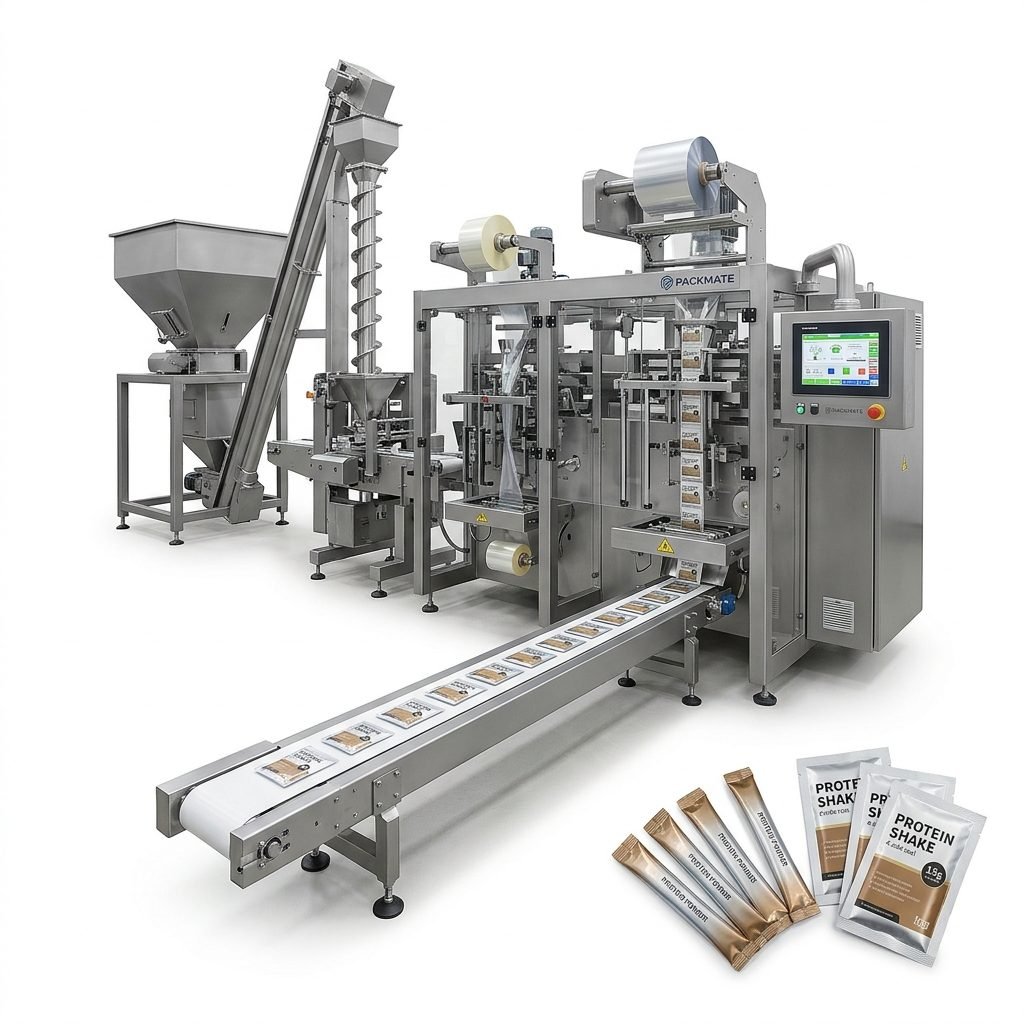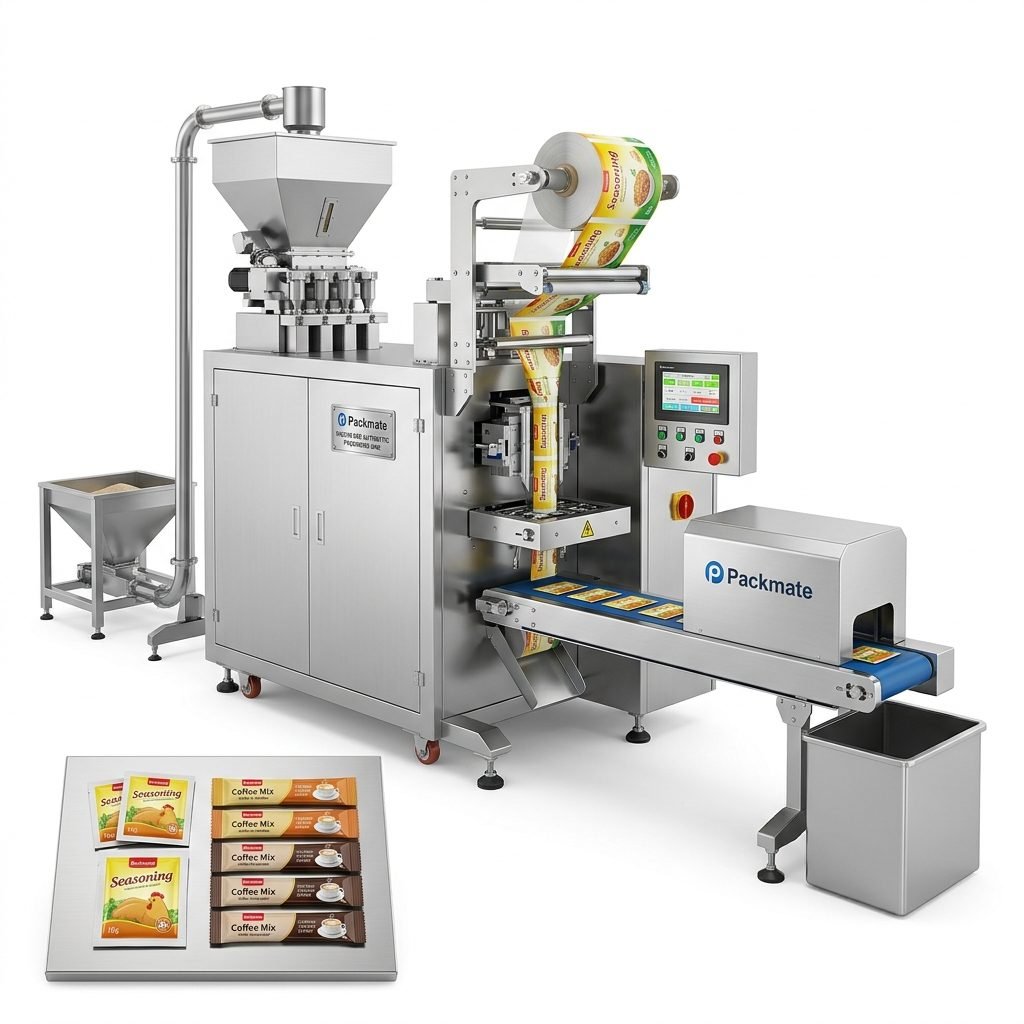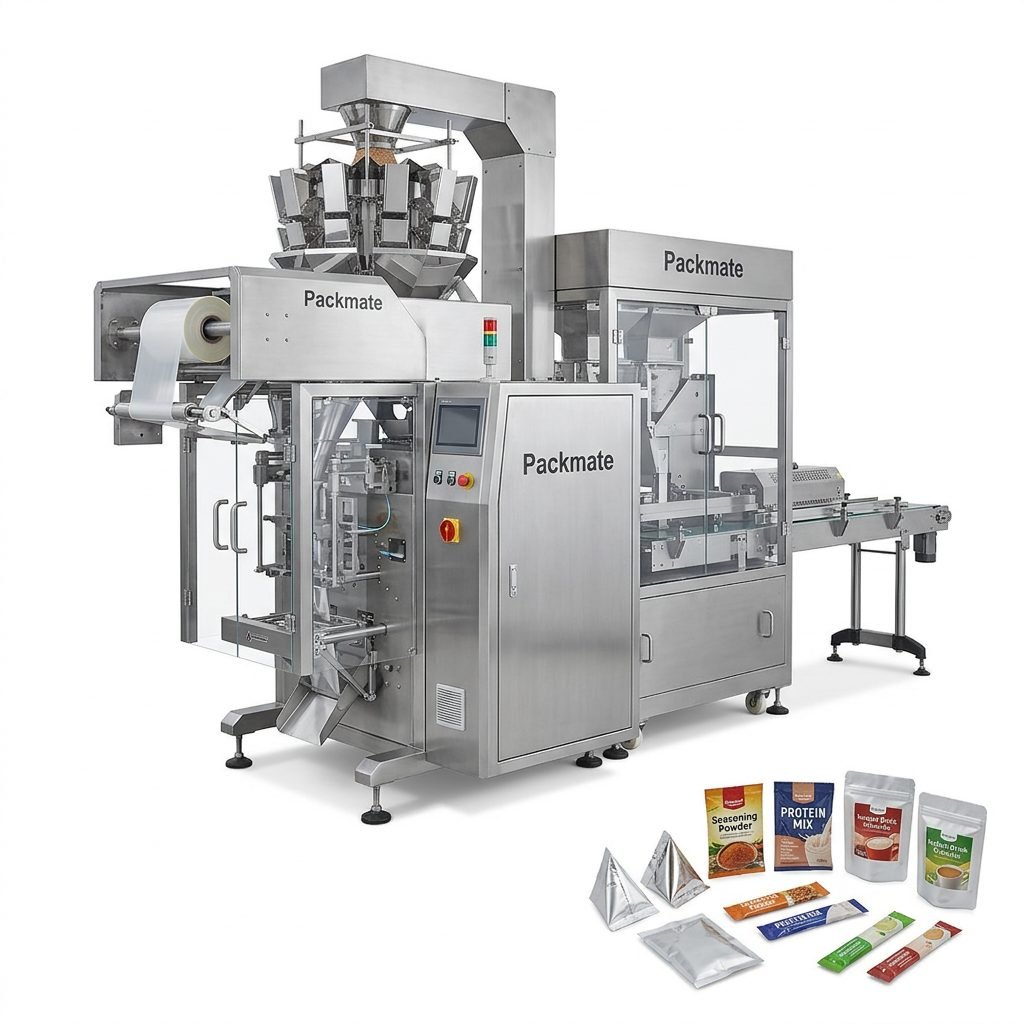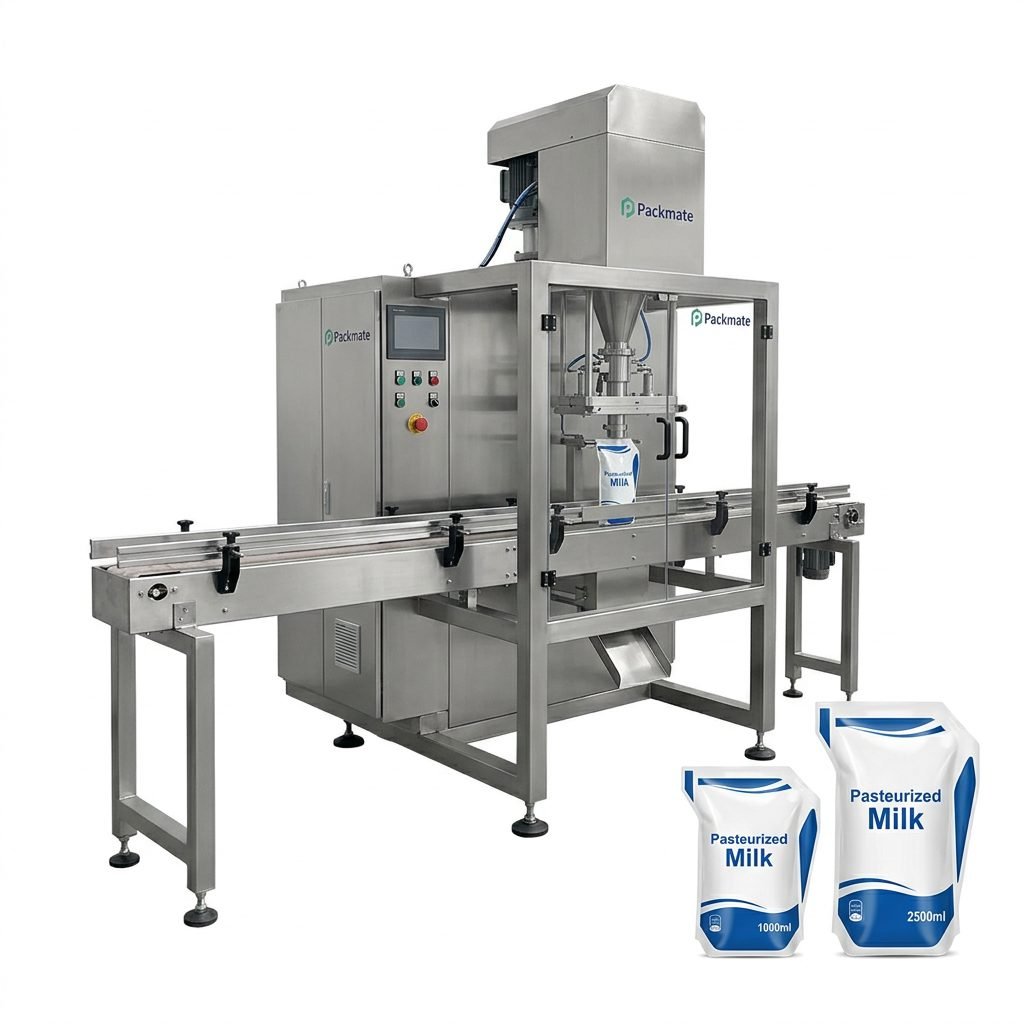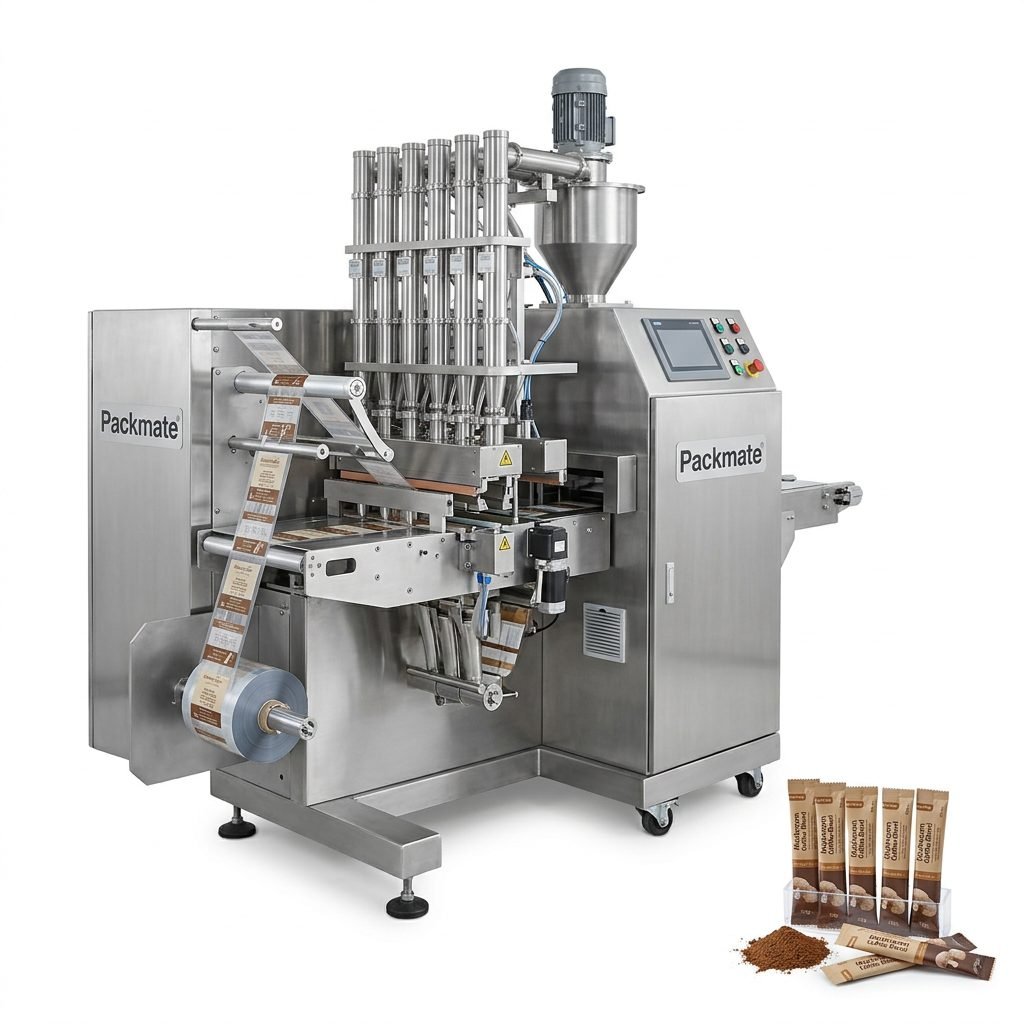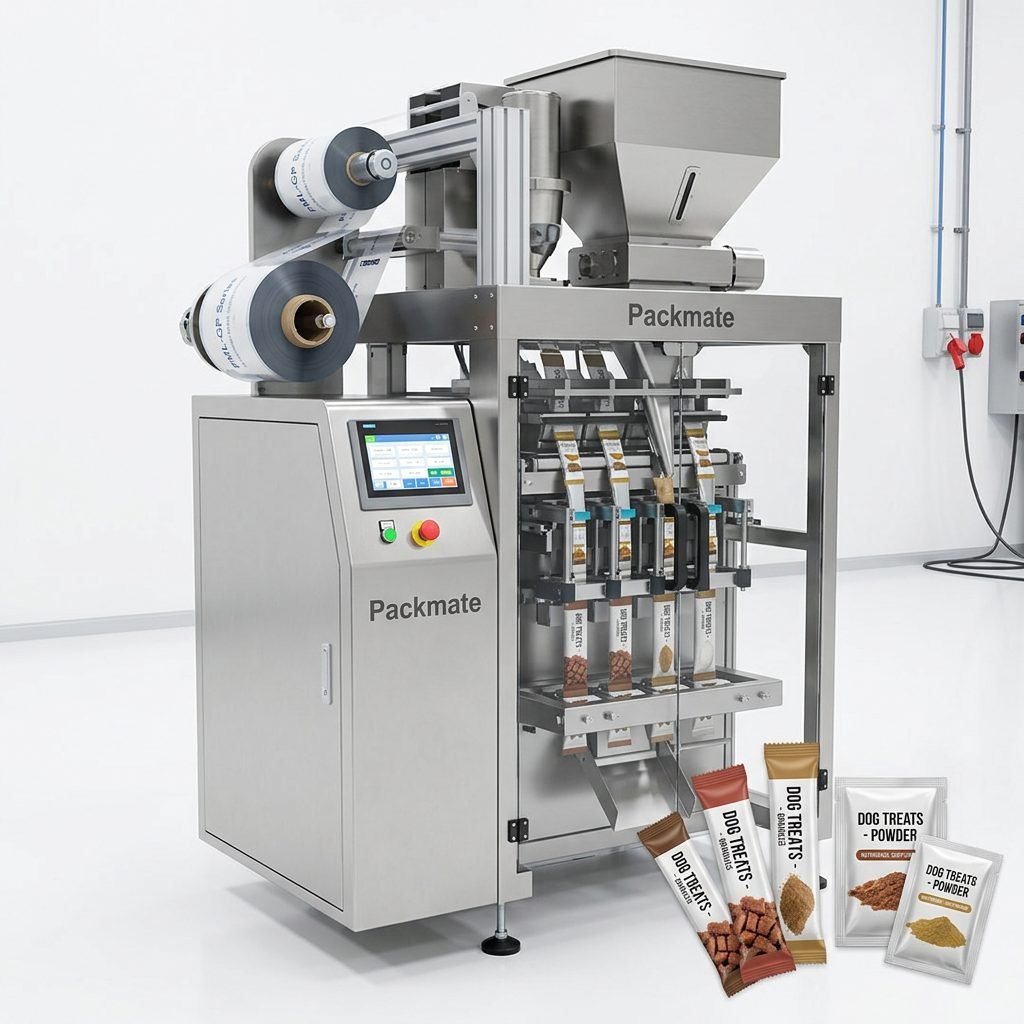
Selecting the perfect automated case packing machine is a critical decision for any production manager or business owner. The right equipment can dramatically enhance your line’s efficiency, reduce labor costs, and ensure product safety during transit. This comprehensive guide will walk you through the key considerations, helping you make an informed choice that aligns with your operational needs and long-term goals.
Understanding Your Production Requirements
The first and most crucial step is a thorough analysis of your own production line. A machine that works perfectly for one facility may be a poor fit for another. Key questions to ask include:
→ What is your current and projected production speed (cases per minute)?
→ What are the dimensions and weights of your primary products?
→ What case styles do you use (RSC, HSC, tray, wrap-around)?
→ How frequently do you change product SKUs or case sizes?
Understanding these parameters will narrow down the field to machines capable of handling your specific throughput and physical product characteristics. For businesses with diverse product lines, exploring flexible packaging solutions is essential.
Types of Automated Case Packers
Not all case packers are created equal. The main types you will encounter are:
Vertical Case Packers
Ideal for lightweight, uniform products like sachets, pouches, or small boxes. Products are loaded vertically into pre-formed cases that are erected by the machine. They are often used in conjunction with high-speed packaging lines for pharmaceuticals and food items.
Horizontal Case Packers
Better suited for heavier, bulkier, or more fragile items. Products are loaded horizontally into cases. This method is common for bottles, cans, and bags, providing greater stability for the packed product.
Robotic Case Packers
Offering maximum flexibility, robotic arms pick and place products into cases. They excel in low-to-medium speed applications with frequent changeovers or complex packing patterns. Their adaptability makes them a cornerstone of modern, agile manufacturing.
Key Machine Features and Specifications
Once you know the type, dive into the specifications. Here’s what to scrutinize:
Speed and Throughput: Match the machine’s rated speed to your line’s output. Remember to account for efficiency rates (often 85-95% of theoretical max).
Changeover Time: For multi-SKU production, quick, tool-less changeover is vital. Look for machines with digital settings recall.
Construction and Durability: A rigid frame, high-quality actuators, and food-grade stainless steel contact parts indicate a machine built to last in demanding environments.
Control System: A user-friendly HMI (Human-Machine Interface) with recipe storage and diagnostic alerts simplifies operation and maintenance.
Integration with Upstream and Downstream Equipment
A case packer does not operate in isolation. Its performance is tied to the equipment before and after it. Ensure compatibility with your:
- Product Feed System: How will products be presented to the packer (conveyor, bucket elevator, etc.)?
- Case Erector or Magazines: Will you need an integrated case erector, or will you use pre-formed cases?
- Downstream Sealing: Does the packer interface smoothly with your case sealer or taping machine?
Seamless integration minimizes bottlenecks. A provider with experience in delivering complete line solutions can be invaluable here.
Total Cost of Ownership (TCO) and ROI
Look beyond the initial purchase price. The true cost includes:
Installation & Training: Costs for factory acceptance tests, shipping, and on-site technician support.
Operational Costs: Energy consumption, compressed air usage, and required consumables (glue, tape).
Maintenance & Spare Parts: Availability and cost of wear parts. A reliable service and support network is critical.
Labor Savings: Calculate the reduction in manual packing labor, including benefits and potential for reassignment.
Justifying the investment requires calculating the Return on Investment (ROI). Factor in increased output, reduced product damage, and lower labor costs against the TCO over 3-5 years.
Supplier Selection and Support
Your relationship with the machine supplier is a long-term partnership. Evaluate potential suppliers on:
- Industry Experience & Reputation: How long have they been building case packers? Ask for client references in your sector.
- Technical Support: What is their response time for technical issues? Do they offer remote diagnostics?
- Parts Availability: Is there a local or well-stocked central inventory for critical spare parts?
- Warranty and Service Agreements: Understand the warranty period and what it covers. Consider a preventative maintenance contract.
Choosing a supplier with a strong track record, like Packmate with over 30 years of experience, provides peace of mind and reduces long-term risk.
Future-Proofing Your Investment
Consider not just today’s needs, but tomorrow’s. Select a machine that offers:
Scalability: Can it be upgraded or run faster if your production demands increase?
Flexibility: Does it accommodate a reasonable range of case and product sizes for future SKUs?
Connectivity: Does it have data output ports (OPC UA, Ethernet/IP) for integration into a Factory 4.0 or IIoT (Industrial Internet of Things) environment?
An investment in a flexible, well-supported machine protects your capital and supports business growth for years to come.
Frequently Asked Questions (FAQs)
1. What is the typical lead time for a new automated case packer?
Lead times can vary significantly based on complexity and customization, ranging from 12 to 26 weeks after order confirmation. Standard models from a supplier with strong production capacity may be faster. Always confirm timelines during the quoting process.
2. How much floor space does an automated case packing system require?
Space needs depend on the machine type and integrated peripherals (case erector, buffer conveyors). A compact vertical case packer might need a 3m x 3m footprint, while a large horizontal system with infeed could require 6m x 4m or more. Always request a detailed layout diagram from the supplier.
3. Can one machine handle multiple, very different product shapes?
While robotic packers offer the greatest shape flexibility, there are limits. Major changes in size, weight, or fragility often require different gripper heads or feeding systems. Some traditional packers can be “multi-format” with change parts. The key is to discuss your entire product range with the supplier during the design phase.
4. What are the most common maintenance tasks, and how often are they needed?
Daily tasks include cleaning and visual inspections. Weekly or monthly tasks often involve lubricating guide rails and checking pneumatic filters. Periodic maintenance (every 6-12 months) includes inspecting belts, chains, and bearings. The machine manual will provide a detailed schedule. Choosing a machine with easy access to wear points simplifies maintenance.
5. How do I justify the capital expense to management?
Build a business case focused on quantifiable metrics: ROI (e.g., payback in 24 months through labor savings and reduced damage), Increased Throughput (more cases per shift), Quality & Consistency (elimination of human error in packing), and Safety (reduction in repetitive strain injuries from manual packing). Include soft benefits like improved scalability and better compliance with retail customer requirements.