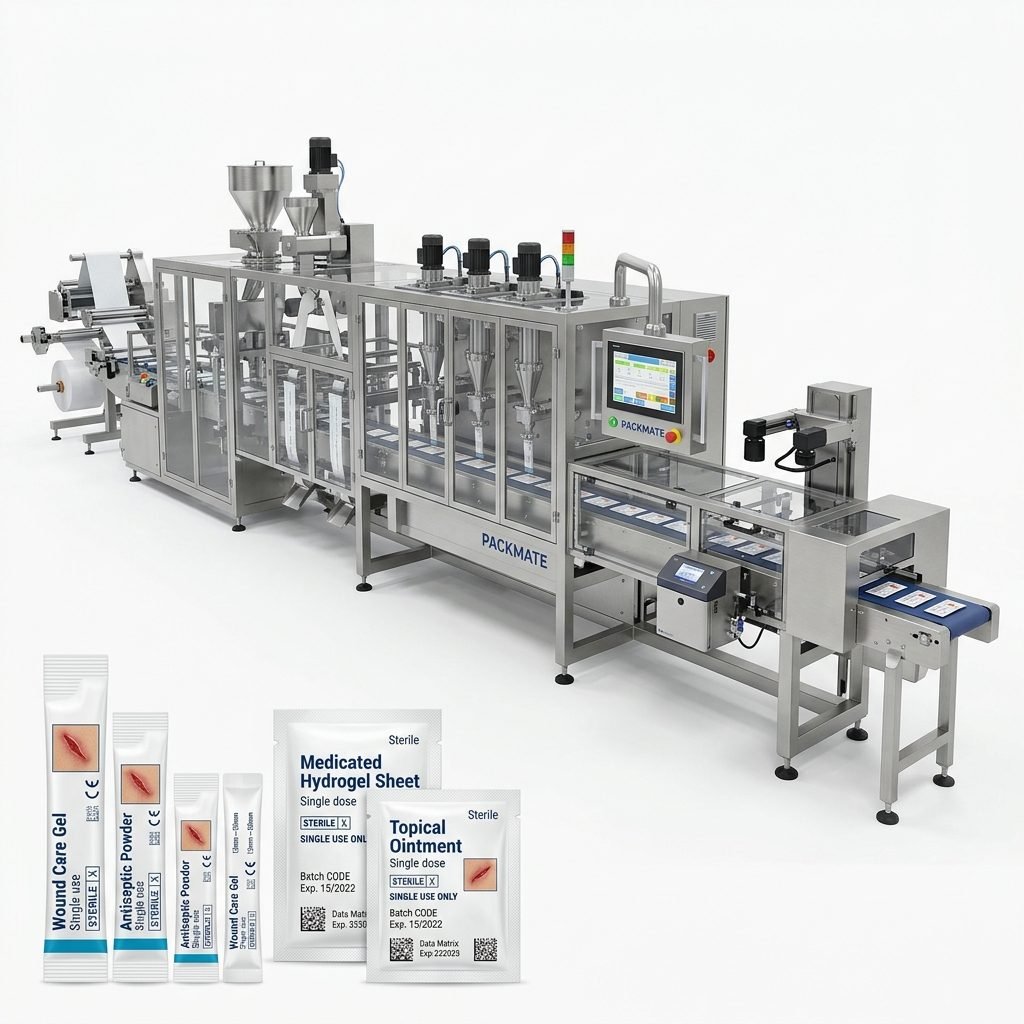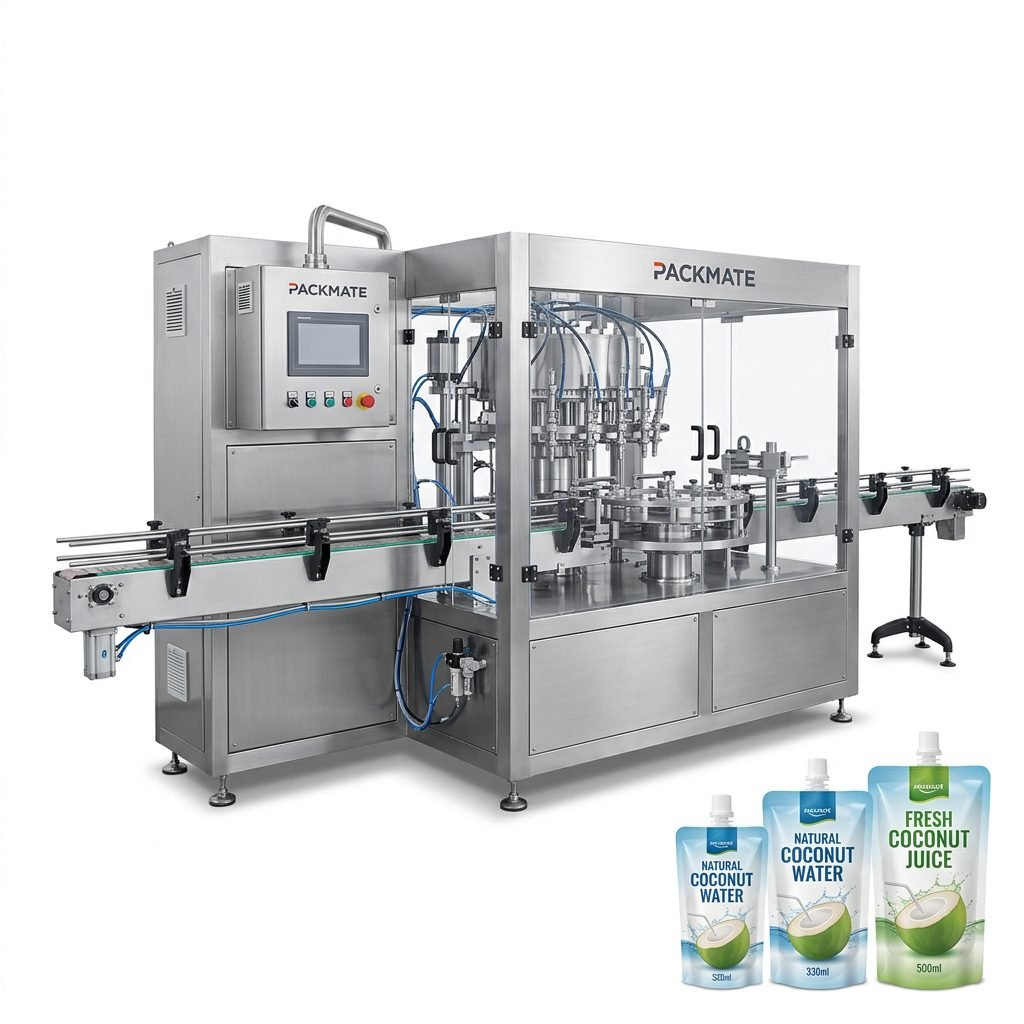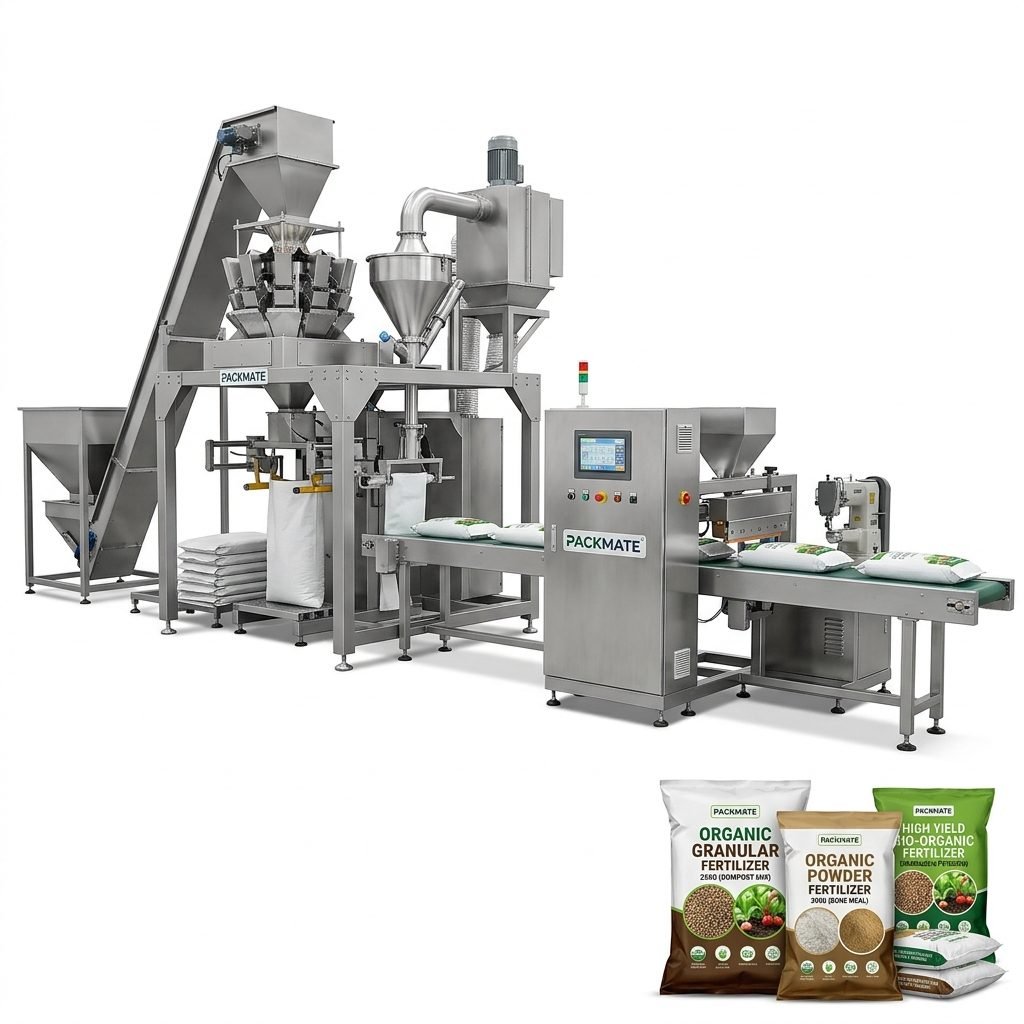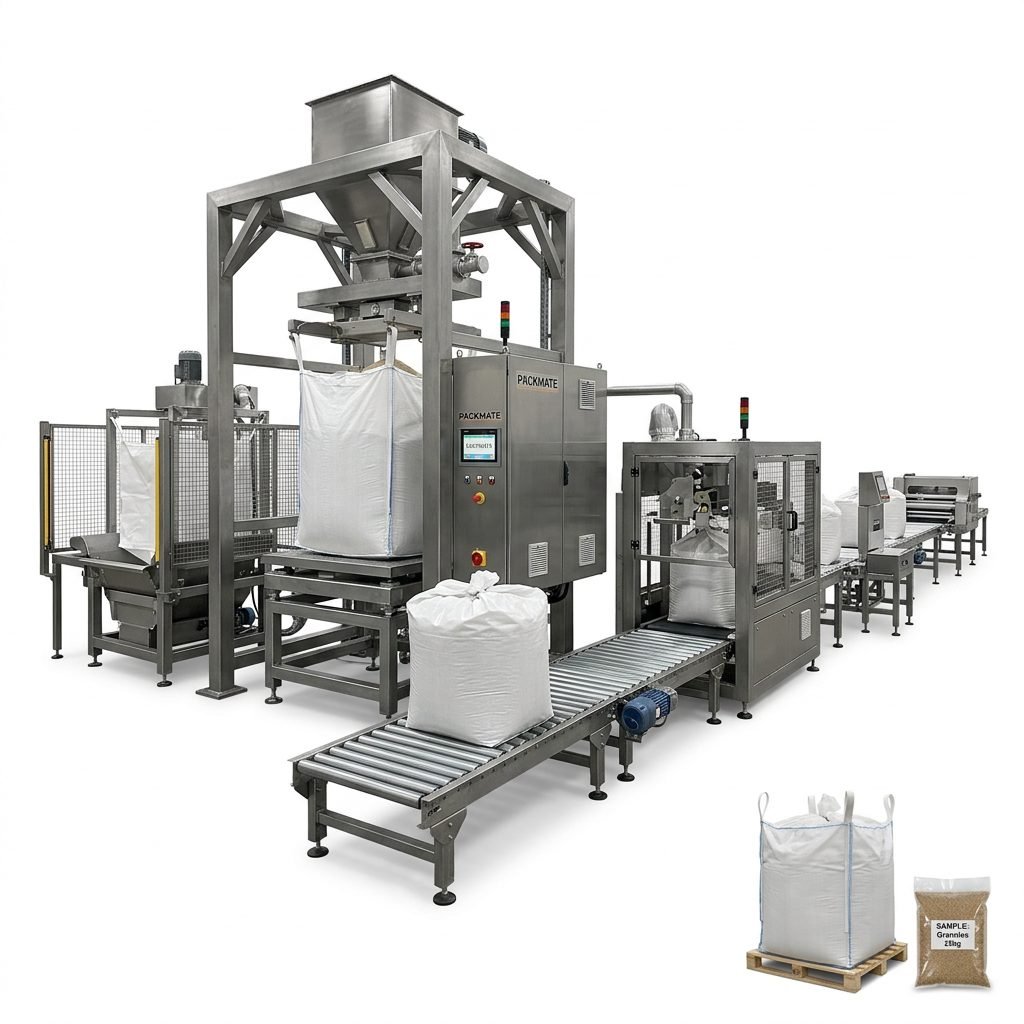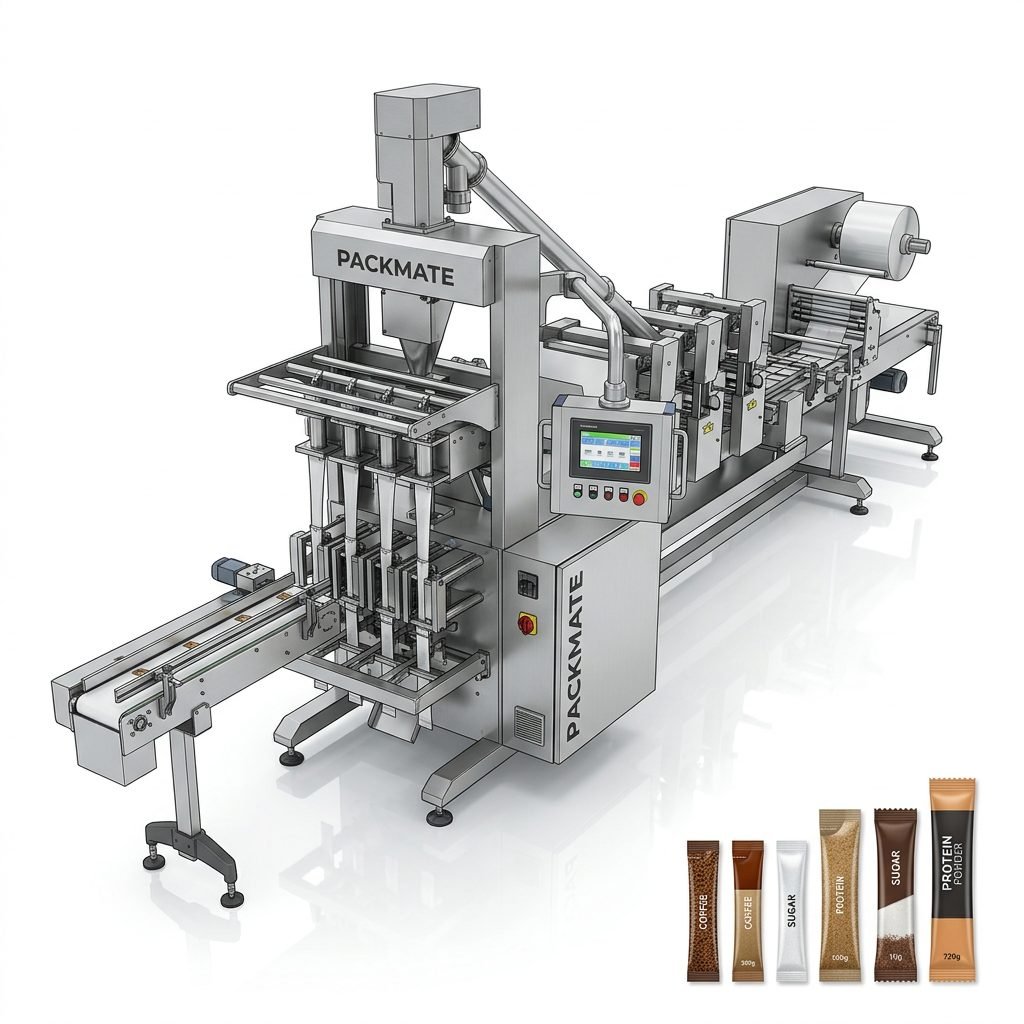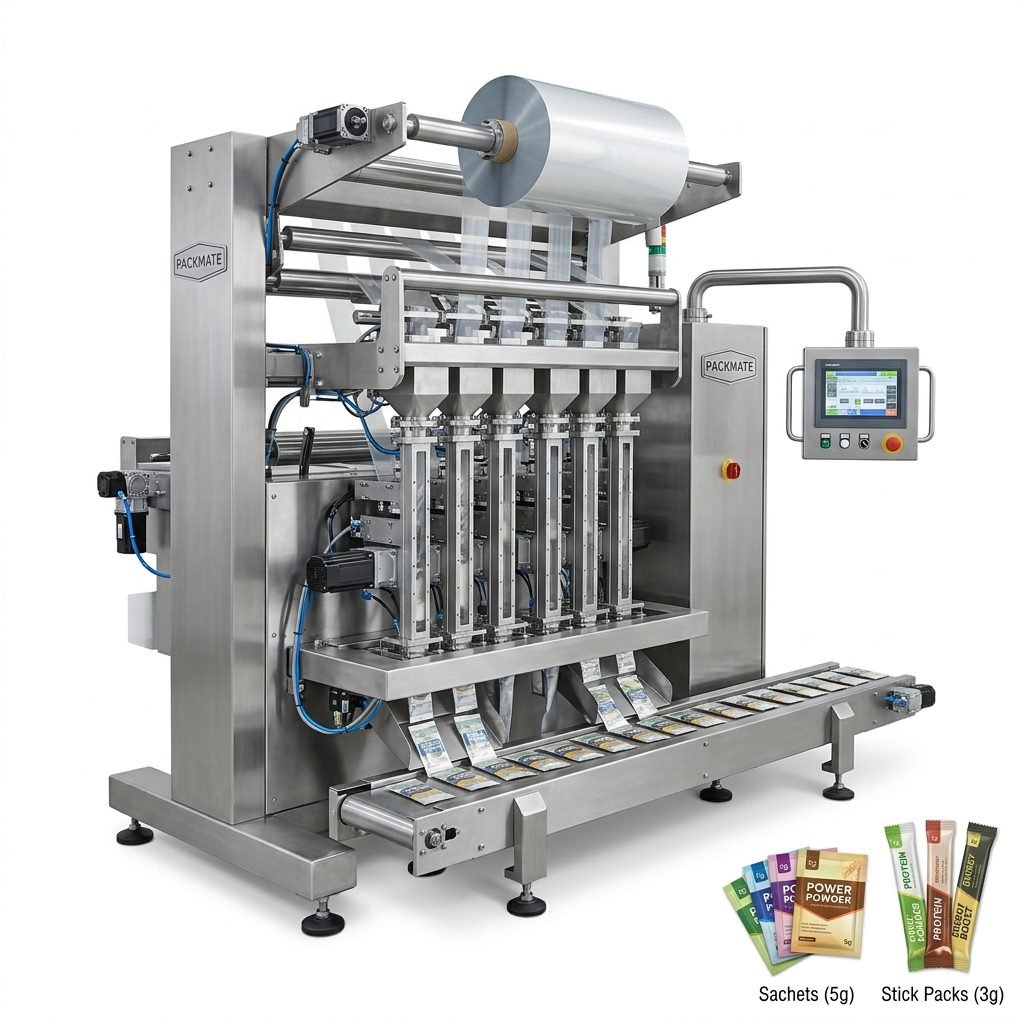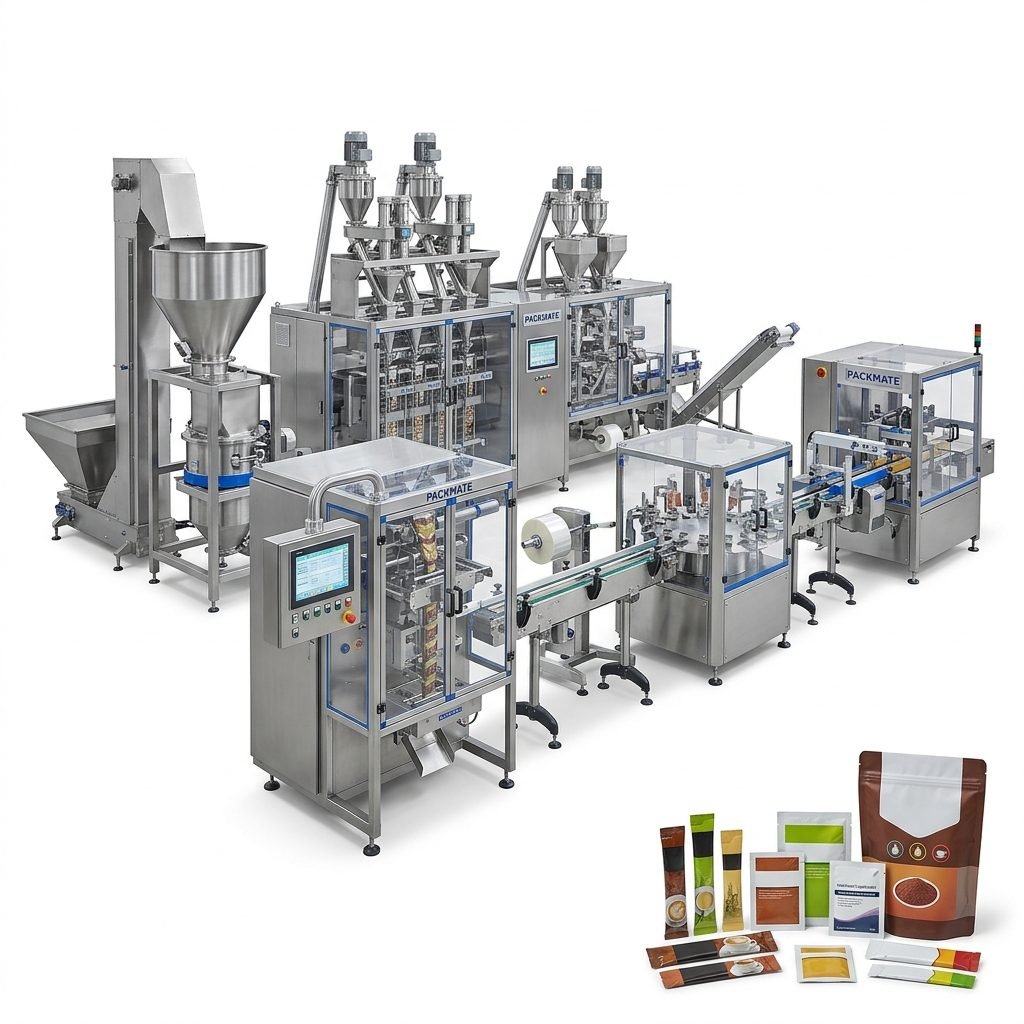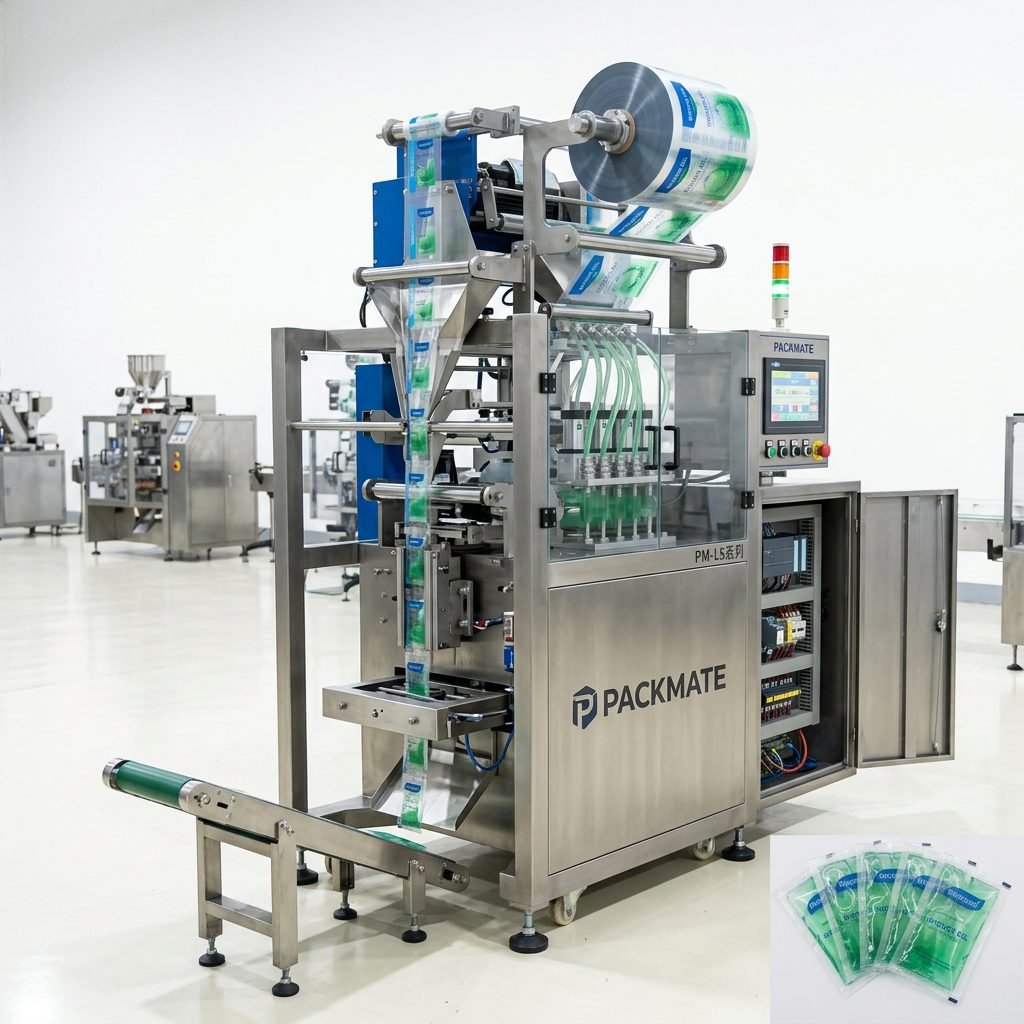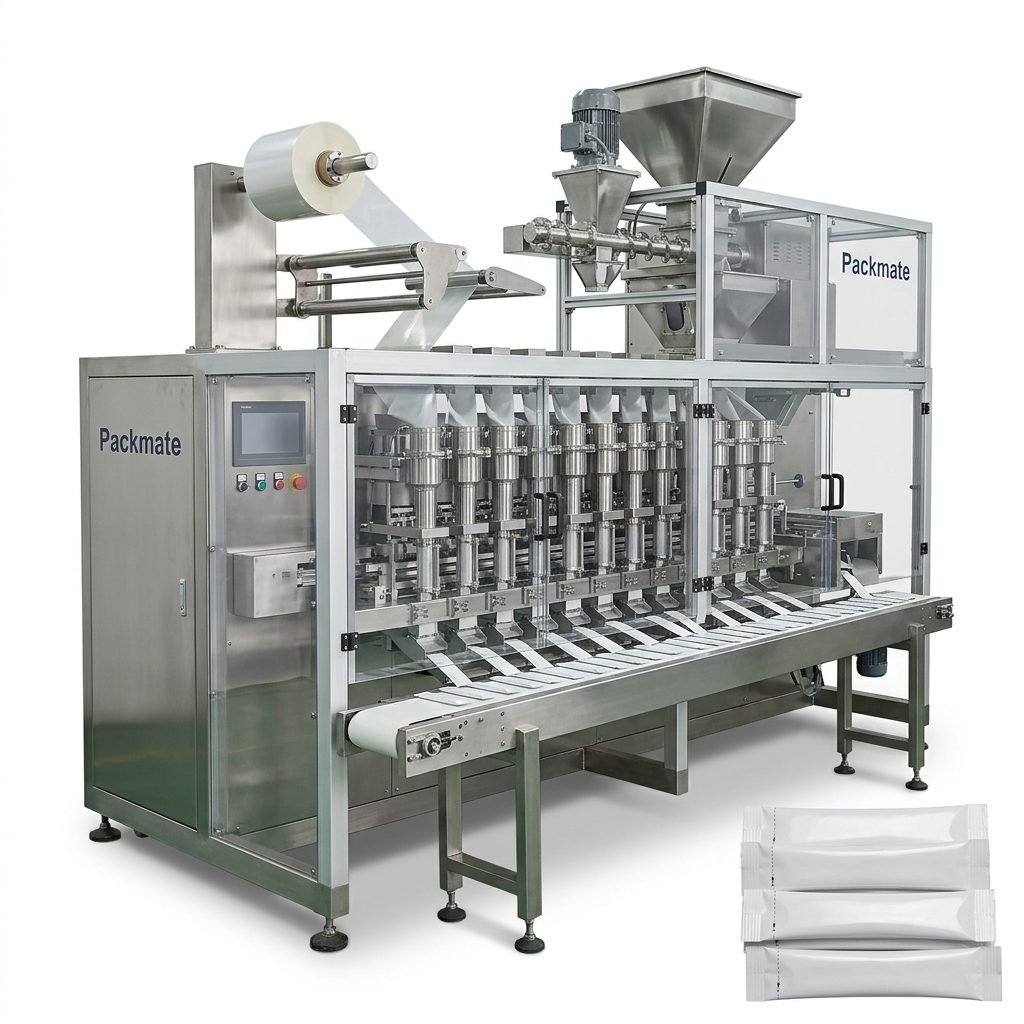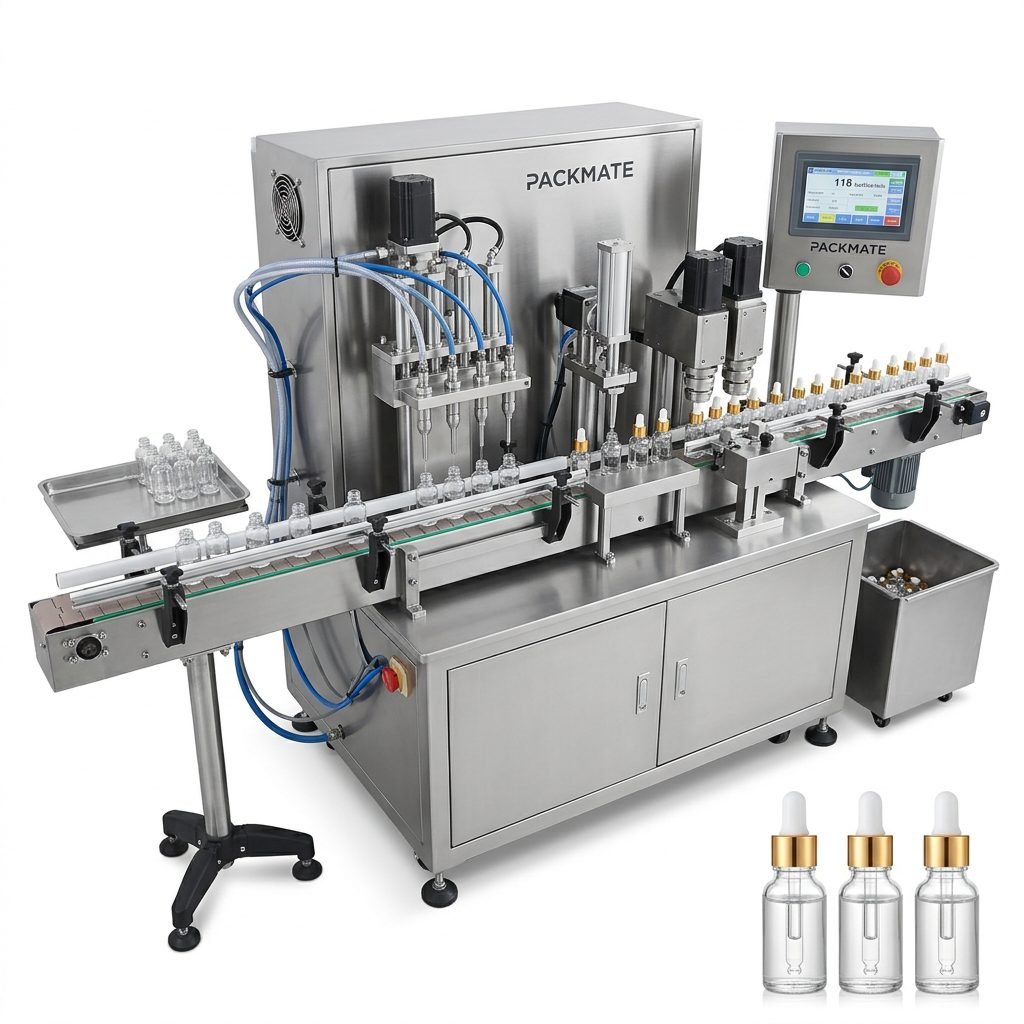
The global animal feed industry is a cornerstone of modern agriculture, requiring not only high-quality ingredients but also efficient, reliable, and hygienic packaging solutions. For producers handling diverse feed forms—from compact pellets and fine powders to larger quantities for bulk bags—optimizing the packaging line is critical for operational success. A complete, automated packaging system integrates multiple processes into a seamless workflow, dramatically enhancing output, consistency, and cost-efficiency.
The Core Challenge: Packaging Diverse Feed Formats
Animal feed is not a monolithic product. Its physical characteristics vary significantly, each presenting unique packaging challenges that a one-size-fits-all machine cannot address.
Key Feed Types and Their Packaging Needs:
- Pellets & Crumbles: These are durable but can be abrasive and generate dust. Systems need robust, wear-resistant handling to maintain weight accuracy and prevent degradation during transport.
- Powders & Meal: Fine particles are prone to dusting, bridging, and compaction. Packaging solutions must feature excellent dust containment, precise filling technology, and anti-segregation measures.
- Large Bags & Sacks: Used for bulk transport or retail, these require heavy-duty bagging, precise weighing for high volumes, and secure sealing for stability during storage and shipping.
Components of a Complete Automatic Packaging Line
A turnkey automatic system is more than just a bagging machine. It is a synchronized orchestra of specialized equipment, each component playing a vital role. For a deep dive into how these systems are configured for different industries, explore our comprehensive packaging solutions.
1. Feeding & Conveying System
This is the starting point. Hoppers, screw conveyors, and bucket elevators gently and consistently transport feed from storage silos to the packaging machine, ensuring a steady supply without blockages or product damage.
2. Precision Weighing & Filling
The heart of accuracy. Modern lines use multi-head weighers for small bags or advanced gross/net weigh fillers for larger sacks. These systems utilize sophisticated load cells and software to achieve remarkable weight precision, minimizing give-away and ensuring compliance with regulations.
3. Bag Handling & Forming
This stage manages the packaging material. For pre-made bags, a robotic arm or vacuum cup precisely picks and opens the bag. For form-fill-seal (FFS) systems, the machine creates the bag from a roll of film, offering superior hygiene and material efficiency.
4. Sealing & Closing Technology
A secure seal is non-negotiable for product integrity. Options include heat sealing for poly bags, sewing for heavy-duty sacks, or patching for valve bags. The choice depends on the bag type and the required barrier properties against moisture and contaminants.
Advanced Feature: Integrated Checkweighing & Metal Detection
Post-filling, bags pass through checkweighers to verify label weight and reject under/overfills. In-line metal detectors provide an essential safety check, removing any metallic contaminants to protect animal health and brand reputation.
Benefits of Automating Your Feed Packaging Line
Investing in a complete automated system from a trusted partner like Packmate delivers transformative advantages that go beyond simple speed.
➤ Dramatic Increase in Production Speed & Output
Automation eliminates manual bottlenecks. Systems can reliably package hundreds, even thousands, of bags per hour, enabling you to scale production to meet market demand effortlessly.
➤ Unmatched Consistency and Quality Control
Every bag receives the exact same treatment—precise weight, identical seal strength, and consistent appearance. This robotic repeatability ensures your product quality is uniform, bag after bag, strengthening brand trust. See real-world applications in our detailed project case studies.
➤ Significant Reduction in Labor Costs & Product Waste
Automation reduces reliance on large manual crews for repetitive tasks, reallocating human resources to supervision and quality assurance. Precision weighing also minimizes product “giveaway,” saving raw material costs directly.
➤ Enhanced Worker Safety & Hygiene
Automated systems handle heavy lifting, dust-prone tasks, and high-temperature sealing. This creates a cleaner, safer work environment, reduces ergonomic injuries, and improves overall plant hygiene—a critical factor in feed production.
Choosing the Right Partner for Your System
Selecting a machinery supplier is a strategic decision. Look for a provider with proven expertise in the feed sector and the capability to deliver a true turnkey solution. Packmate (GuangDong) Co., Ltd. embodies this ideal. With over 22 years of development and a 20,000㎡ modern facility, we specialize in designing and manufacturing complete, intelligent packaging lines. Our team of over 125 professionals focuses on creating reliable systems for granules, powders, and large-volume products. Learn more about our journey and capabilities on our Company Profile page.
The right partner will not just sell you machines; they will conduct a thorough analysis of your product, desired output, and facility layout. They provide comprehensive support, from installation and commissioning to operator training and ongoing maintenance services, ensuring your line delivers peak performance for years to come.
Conclusion: The Future is Automated
For animal feed producers aiming to compete in a demanding global market, modernizing the packaging operation is no longer optional. A complete automatic packaging line for bags, pellets, and powder is a strategic investment that pays dividends in efficiency, quality, and profitability. By integrating precision engineering with robust automation, these systems safeguard your product, optimize your resources, and provide the scalability needed for future growth.
Frequently Asked Questions (FAQs)
1. What is the typical ROI timeframe for an automated feed packaging line?
The return on investment can vary based on scale and current manual costs, but most facilities see a payback period of 1 to 3 years. Savings are generated through dramatic labor reduction, lower material waste from precise filling, and increased production capacity that unlocks new revenue.
2. Can one line handle both powder feed and pellets effectively?
While some core components can be shared, critical elements like the filling head and conveyance system often need to be specific to the product format. A skilled provider like Packmate can design a modular line with changeover capabilities, allowing you to run different products with minimal downtime for adjustments.
3. How important is after-sales service and parts availability?
It is absolutely critical. Packaging lines are long-term investments. Ensure your supplier has a robust global service network and maintains a comprehensive inventory of spare parts. Prompt technical support minimizes unplanned downtime, protecting your productivity. Review our commitment to service on our dedicated FAQs and support page.
4. What are the key hygiene considerations for feed packaging equipment?
Hygiene is paramount. Look for systems with smooth, easy-clean surfaces, minimal ledges where material can accumulate, and effective dust extraction points. Stainless steel contact parts and IP-rated electrical components for washdown areas are essential for maintaining a clean production environment.
5. How do we get started with planning a new packaging line?
The process begins with a consultation. Reputable suppliers will request samples of your product, details on your bag types and sizes, and your target output speed. A site audit or detailed layout discussion is often the next step to design a line that fits seamlessly into your existing operation. Contact our engineering team today to start the conversation.