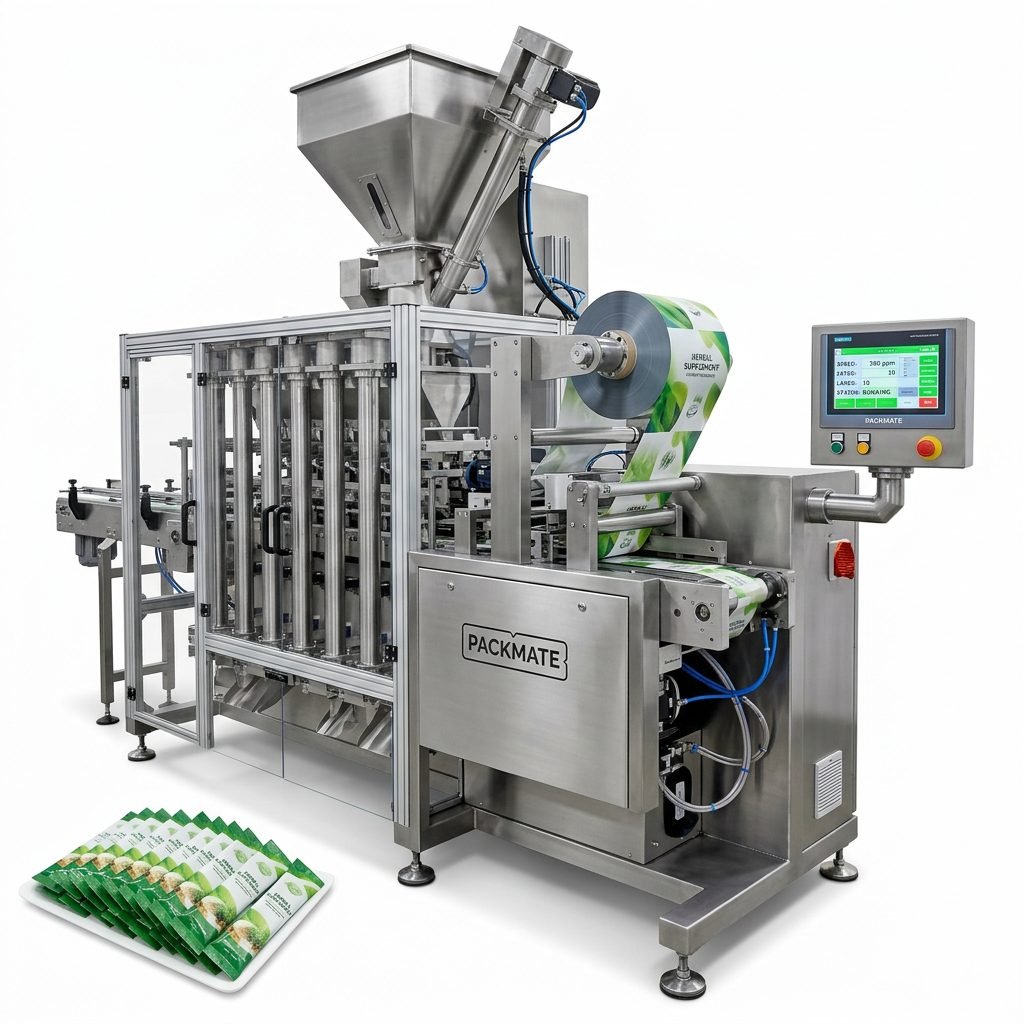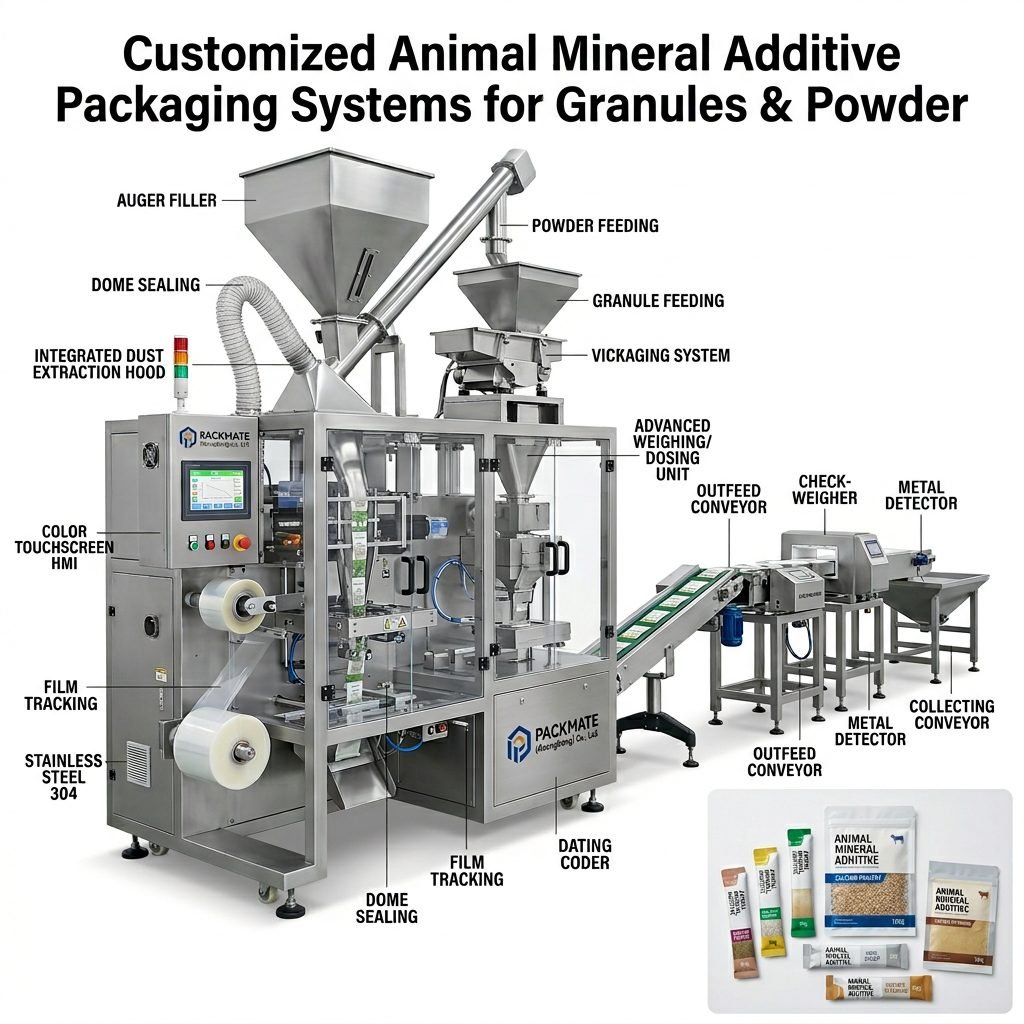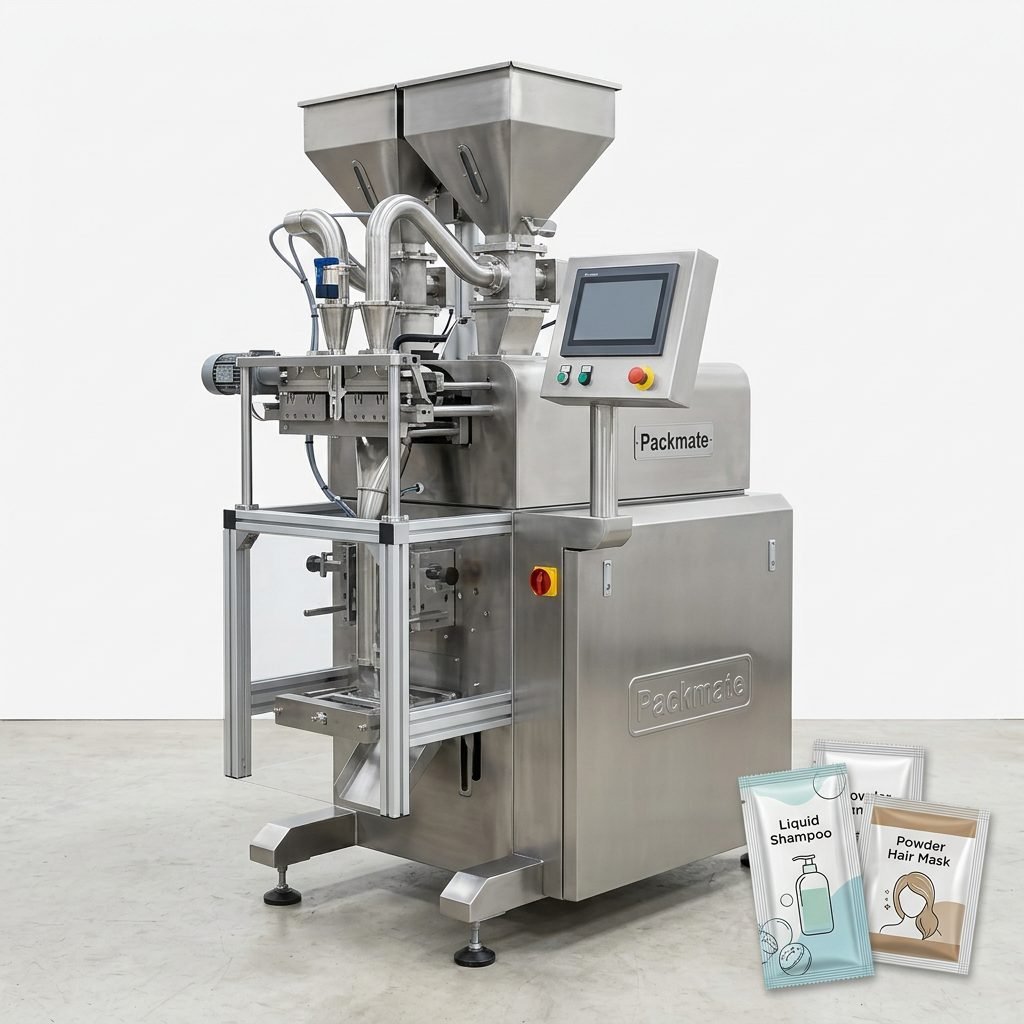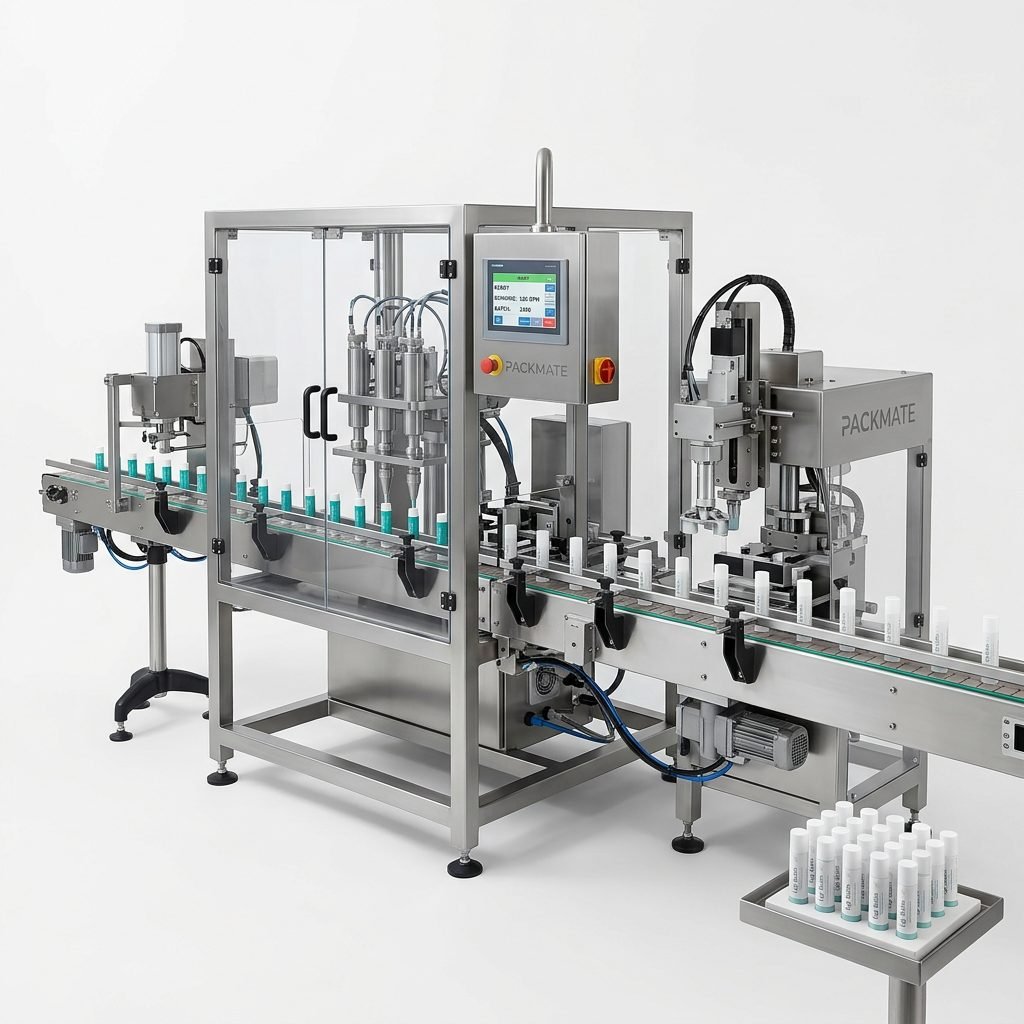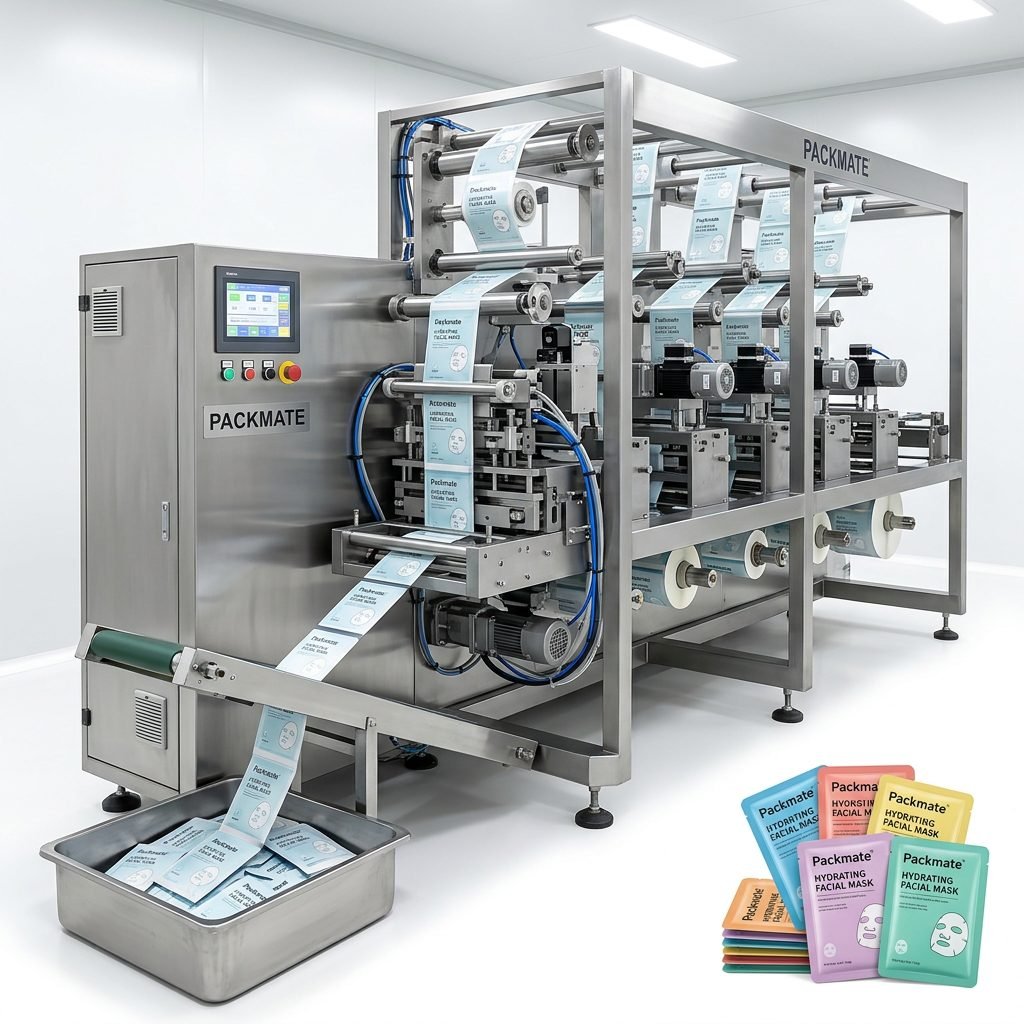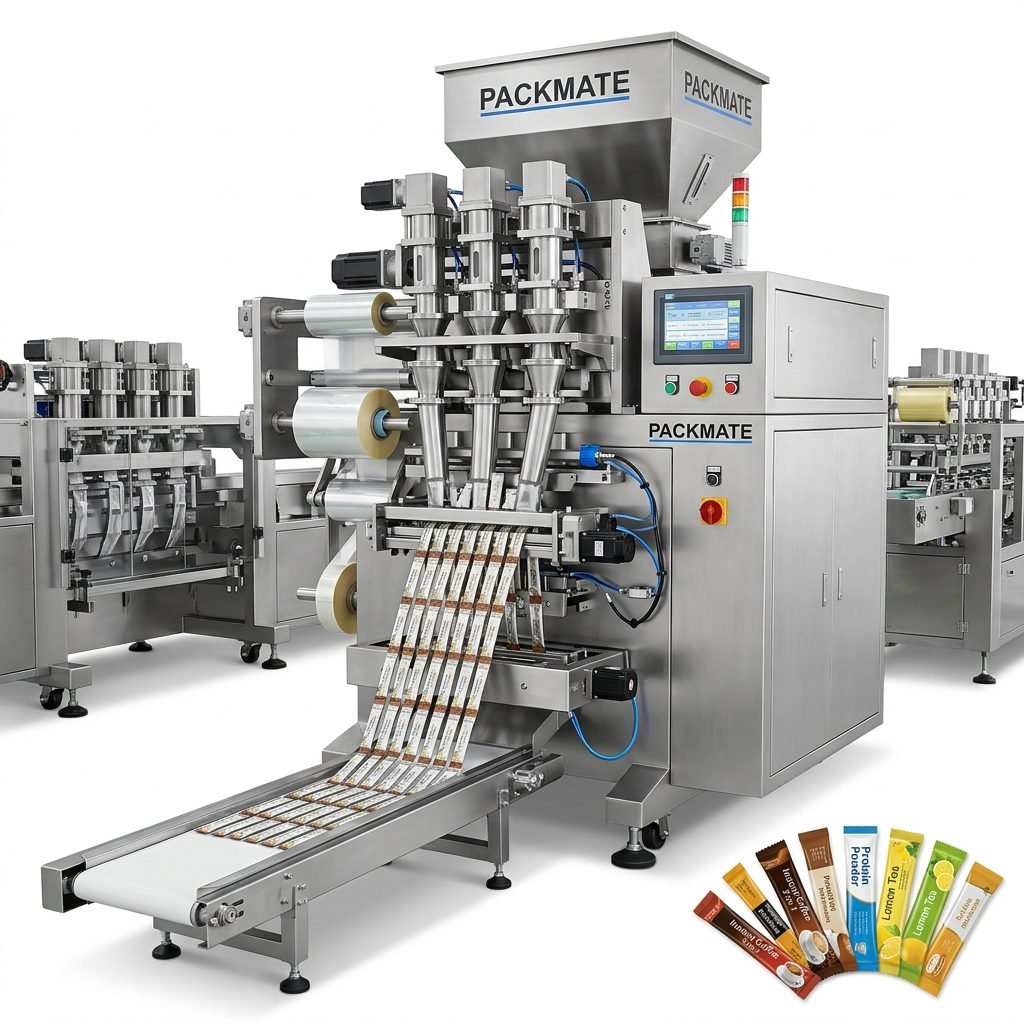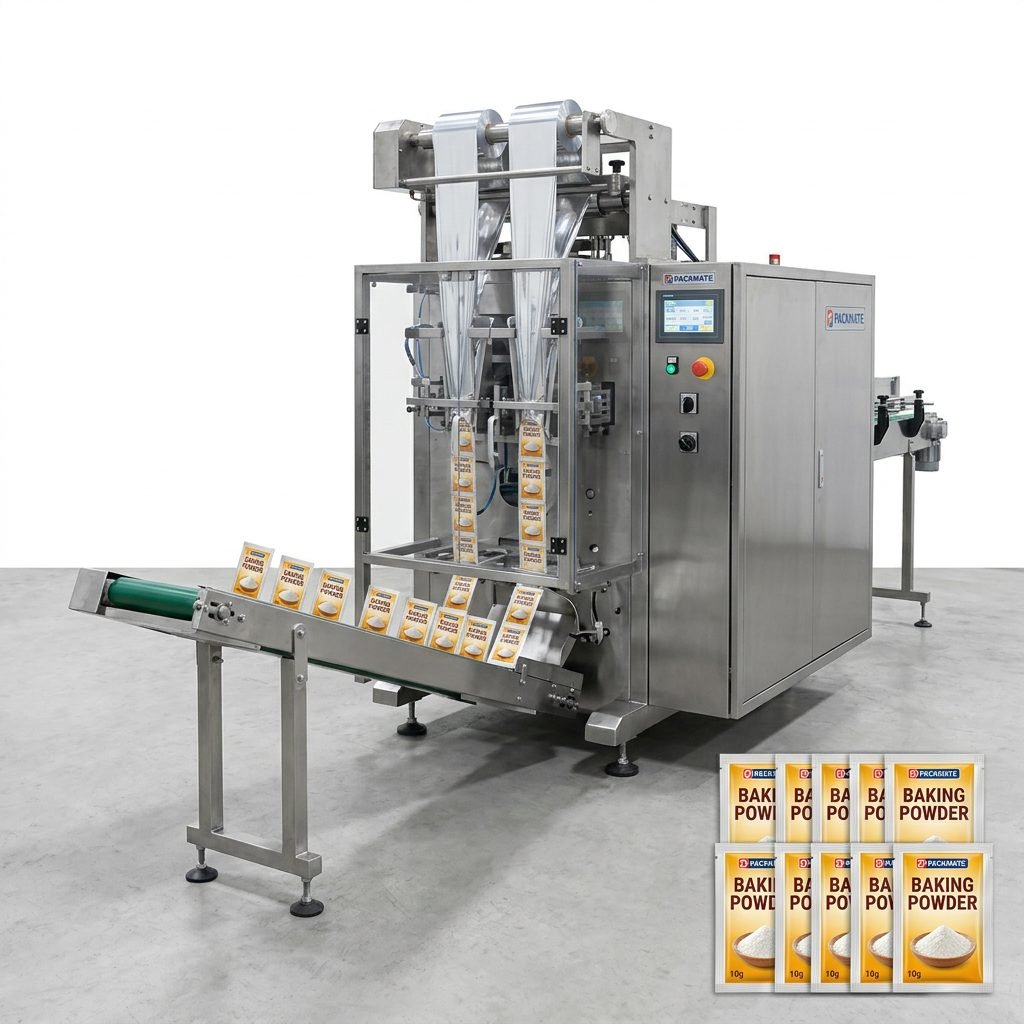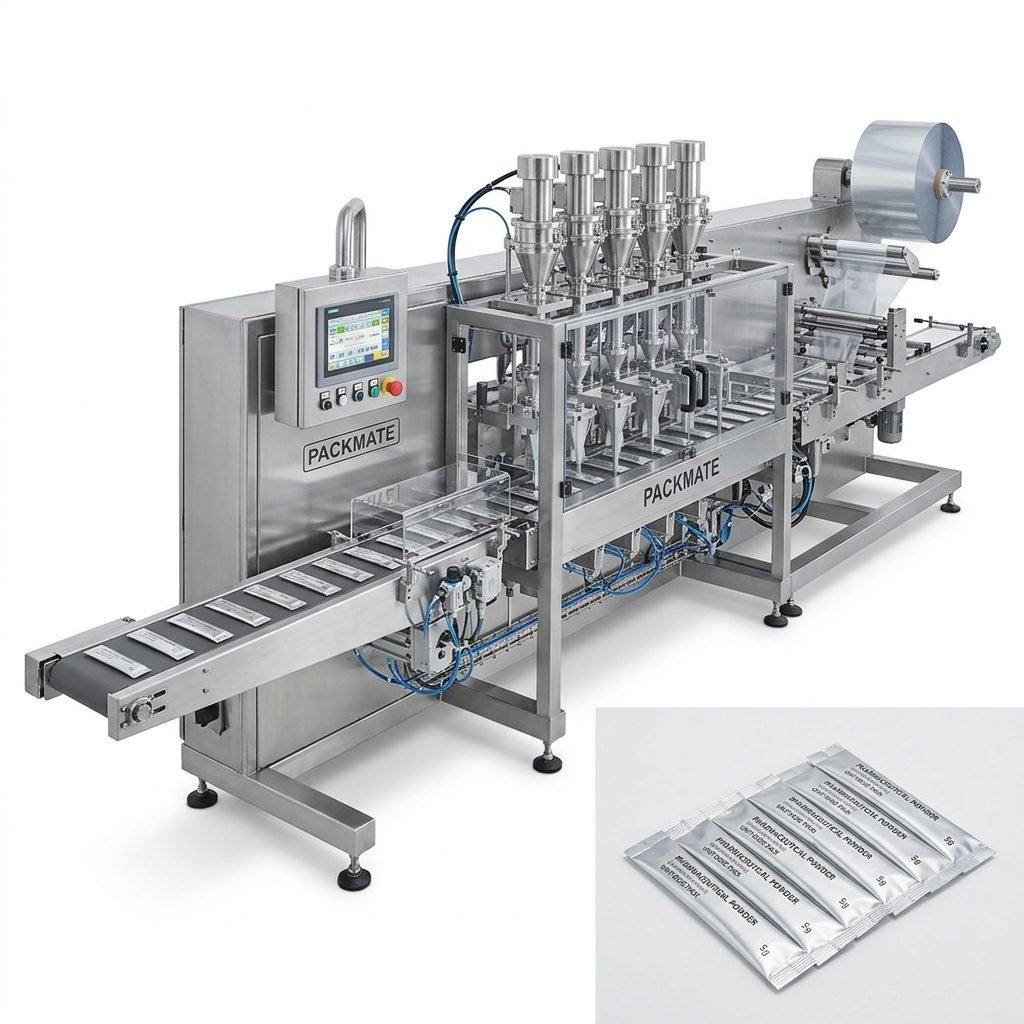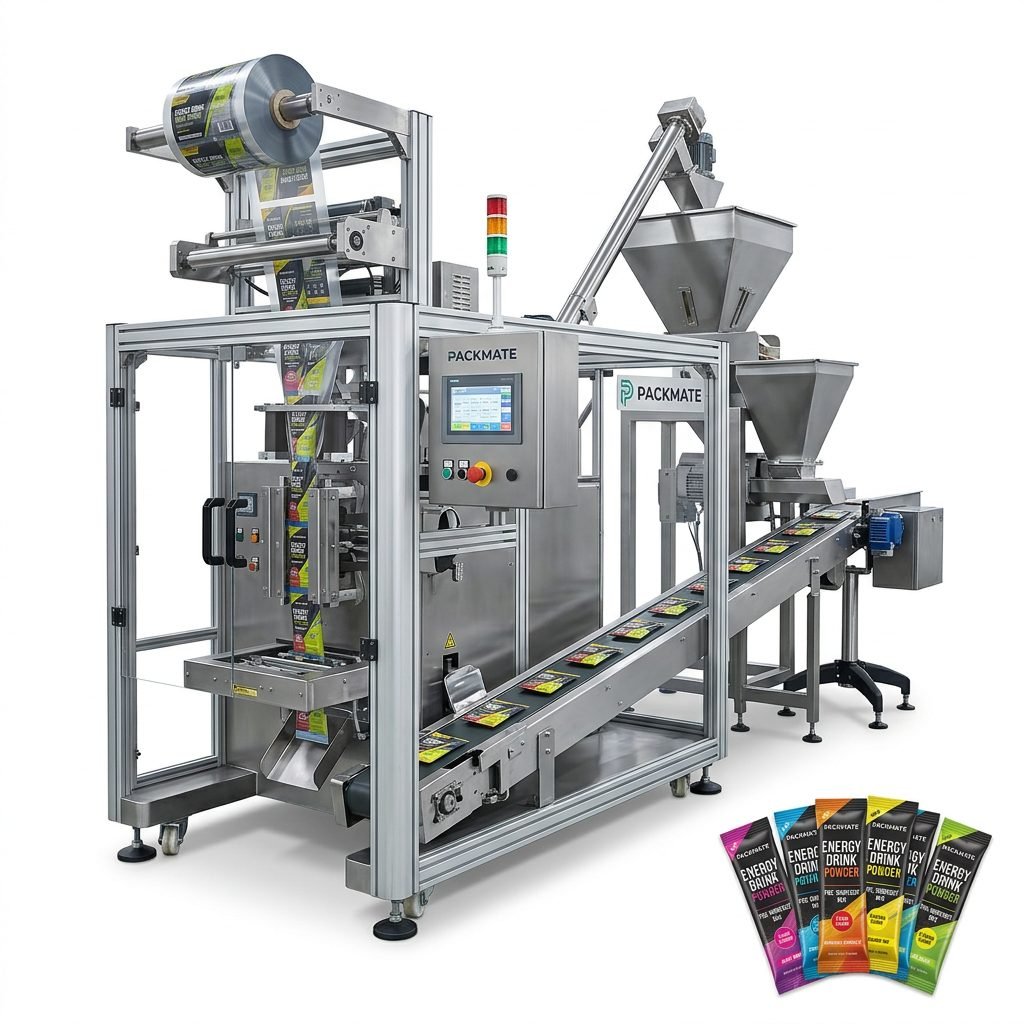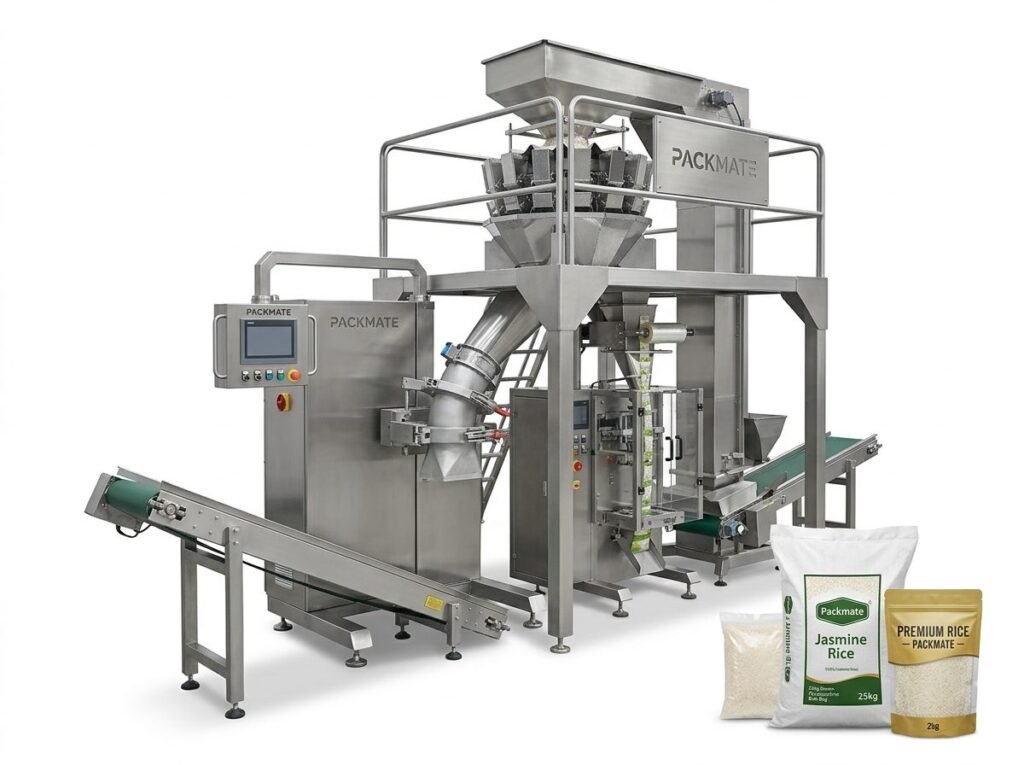
In the fast-paced world of food and pharmaceutical manufacturing, efficiency, accuracy, and hygiene are non-negotiable. Manual sorting and handling are becoming significant bottlenecks, prone to errors, contamination risks, and labor inefficiencies. This is where a sophisticated Automatic Sorting System becomes the cornerstone of a modern, competitive packaging line. It’s not just an add-on machine; it’s the intelligent brain that orchestrates the flow of products, ensuring only perfect items proceed to packaging.
The Critical Role of Sorting in Packaging Lines
An automatic sorting system performs several vital functions that go beyond simple separation. It acts as a quality gatekeeper, a logistics coordinator, and a data collection point all in one.
Key Functions of an Advanced Sorting System:
- Defect Detection & Rejection: Using vision systems, weight checkers, or metal detectors to identify and remove substandard products—underweight sachets, mislabeled pills, or items with sealing flaws.
- Product Orientation & Alignment: Ensuring all products (like stick packs or bottles) are facing the correct direction for labeling, cartoning, or final packaging.
- Line Balancing & Distribution: Intelligently dividing product flow to feed multiple downstream machines (like multi-head weighers or multi-lane cartoners) evenly to prevent jams and maximize throughput.
- Batch Separation & Tracking: Creating clear separations between different production batches or product types, which is crucial for traceability in the pharmaceutical industry.
Why a Turnkey Solution is Essential for Food & Pharma
Purchasing a standalone sorter is not enough. The true value and operational smoothness come from a complete turnkey solution. This means the sorting system is designed, integrated, and commissioned as a seamless part of your entire packaging line.
→ The Turnkey Advantage: A provider like Packmate (GuangDong) Co., Ltd. doesn’t just sell you a machine. They deliver a fully functional system where the sorter communicates perfectly with your existing or new filling, sealing, and packaging machines. This eliminates interface headaches, ensures synchronized speeds, and provides a single point of responsibility for performance and service.
Benefits Specific to the Food Industry
For food producers, speed and hygiene are paramount. Automatic sorters eliminate human contact with the product after processing, drastically reducing contamination risk. They can handle delicate items like cookies or snack bars without damage and sort by weight or size for precise portion control, a critical factor for consumer trust and regulatory compliance.
Benefits Specific to the Pharmaceutical Industry
In pharma, the stakes are even higher. Sorting systems must comply with stringent GMP (Good Manufacturing Practice) standards. They provide auditable proof of quality control through data logging, ensure 100% inspection for critical defects, and maintain product integrity. The ability to seamlessly integrate with track-and-trace systems for serialization is a growing necessity, which a well-designed turnkey system can accommodate from the ground up.
Core Components of an Effective Automatic Sorting System
A robust system is built on several integrated technologies:
1. Infeed & Singulation
Gentle vibratory feeders or conveyor belts that take bulk product and present it in a single file, at a controlled rate, to the inspection zone.
2. Inspection & Scanning Module
The “eyes” of the system. This can include high-resolution cameras, laser scanners, X-ray systems, or precision weigh scales to identify defects based on pre-set parameters.
3. Rejection Mechanism
A fast-acting device (like a pneumatic pusher, flip gate, or diverter arm) that physically removes the rejected item from the main line without disrupting the flow.
4. Centralized Control System
A user-friendly HMI (Human-Machine Interface) and PLC that allow operators to set parameters, monitor performance in real-time, and access production reports.
Integration: The Heart of a Turnkey Solution
The magic happens in the integration. A true turnkey provider like Packmate, with over 30 years of experience, ensures the sorter is not an island. It receives signals from upstream machines and sends commands to downstream ones. For instance, if the cartoner stops, the sorter will pause automatically to prevent a backlog. This level of synchronization is what transforms individual machines into a cohesive, high-performance packaging line.
Choosing the Right Partner for Your Turnkey System
Selecting a supplier is a strategic decision. Look for a partner with:
- Proven Industry Experience: Specific case studies in both food and pharma packaging.
- In-house Engineering & Manufacturing: Control over quality and the ability to customize (Packmate operates from a 20,000㎡ modern factory).
- Comprehensive Service Support: From installation and training to spare parts and remote diagnostics.
- Focus on Future-Proofing: Systems that can adapt to new products, higher speeds, or additional regulatory requirements.
Conclusion: Investing in Intelligent Flow
Implementing an automatic sorting system as part of a complete turnkey packaging line is a forward-thinking investment. It directly enhances product quality, operational efficiency, and regulatory compliance while reducing waste and labor costs. In the demanding sectors of food and pharmaceuticals, it moves your operation from manual guesswork to automated precision, building a stronger foundation for growth and brand reputation.
Frequently Asked Questions (FAQs)
1. Can an automatic sorting system be retrofitted into our existing packaging line?
Answer: Yes, absolutely. A skilled turnkey provider can design a sorting module that integrates with your current fillers, sealers, and conveyors. The key is a thorough audit of your line’s layout, speeds, and control systems to ensure seamless integration without major disruptions.
2. How do you handle different product shapes and sizes on the same sorting line?
Answer: Modern systems are highly adaptable. Quick-change tooling for guides and reject mechanisms, along with programmable recipes on the HMI, allow for fast changeovers. The vision system’s parameters can be saved per product, enabling one line to efficiently handle multiple SKUs with minimal downtime.
3. What kind of maintenance does an automatic sorting system require?
Answer: Maintenance is typically minimal but crucial. Regular tasks include cleaning lenses and sensors, checking mechanical parts for wear (like diverter arms), and verifying calibration of inspection systems. A reliable provider will offer a preventive maintenance schedule and training for your technicians.
4. How does the sorting system ensure no good product is mistakenly rejected?
Answer: Advanced systems use high-precision sensors and sophisticated software algorithms to minimize “false rejects.” The inspection thresholds are carefully calibrated during commissioning. Furthermore, many systems include a “review station” or a secondary inspection lane for borderline items, allowing for manual verification before final rejection.
5. What data can we collect from the sorting system, and how is it used?
Answer: These systems are rich data sources. You can collect real-time data on throughput rates, rejection rates (and reasons for rejection), machine efficiency (OEE), and production counts. This data is vital for production planning, quality trend analysis, preventative maintenance, and overall process optimization, providing actionable insights for continuous improvement.
For more detailed queries, visit our dedicated FAQs page.