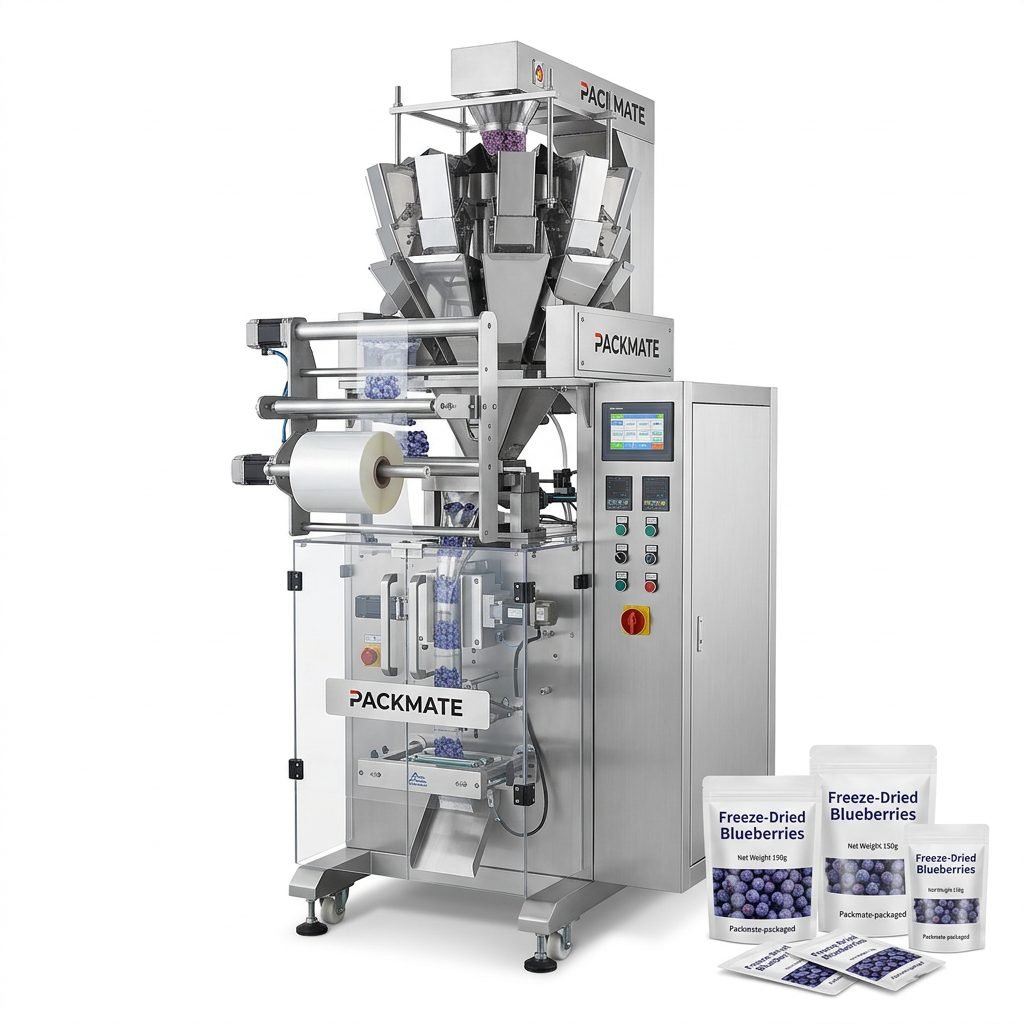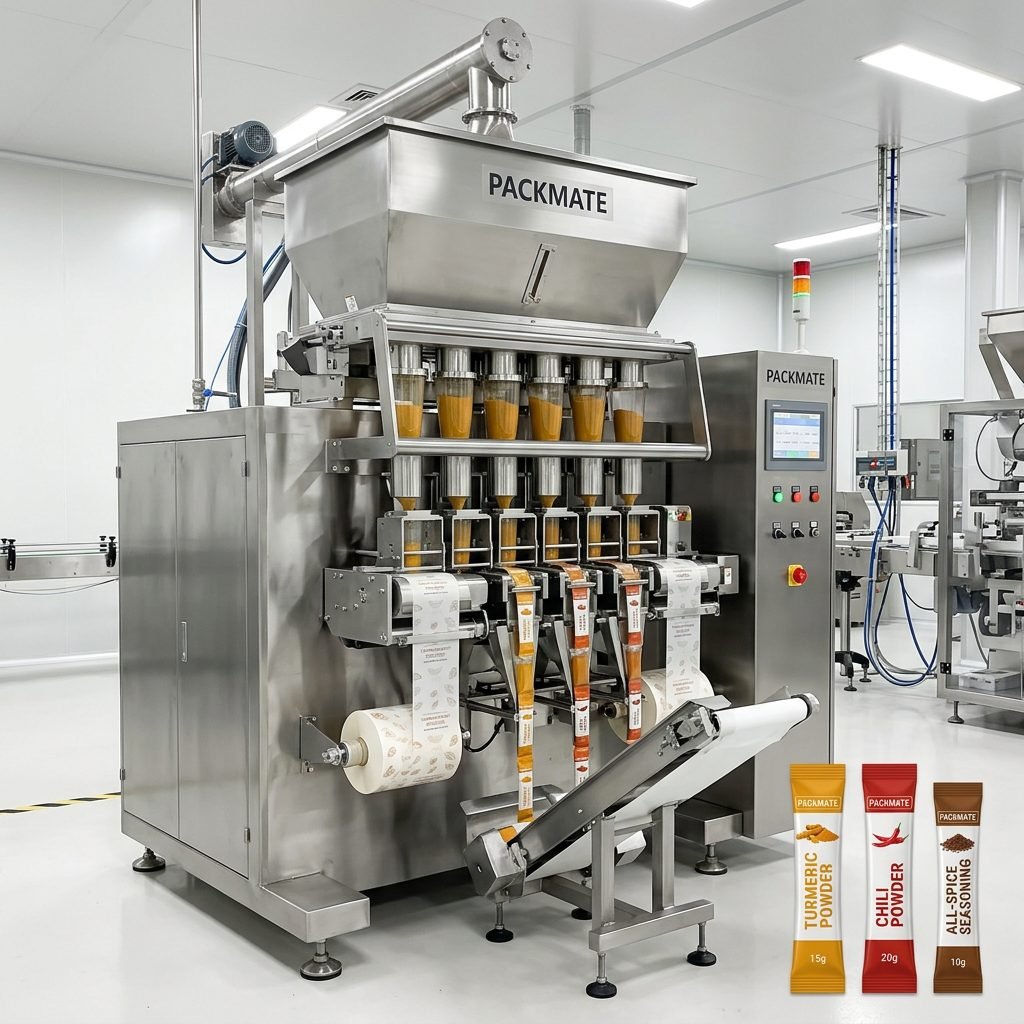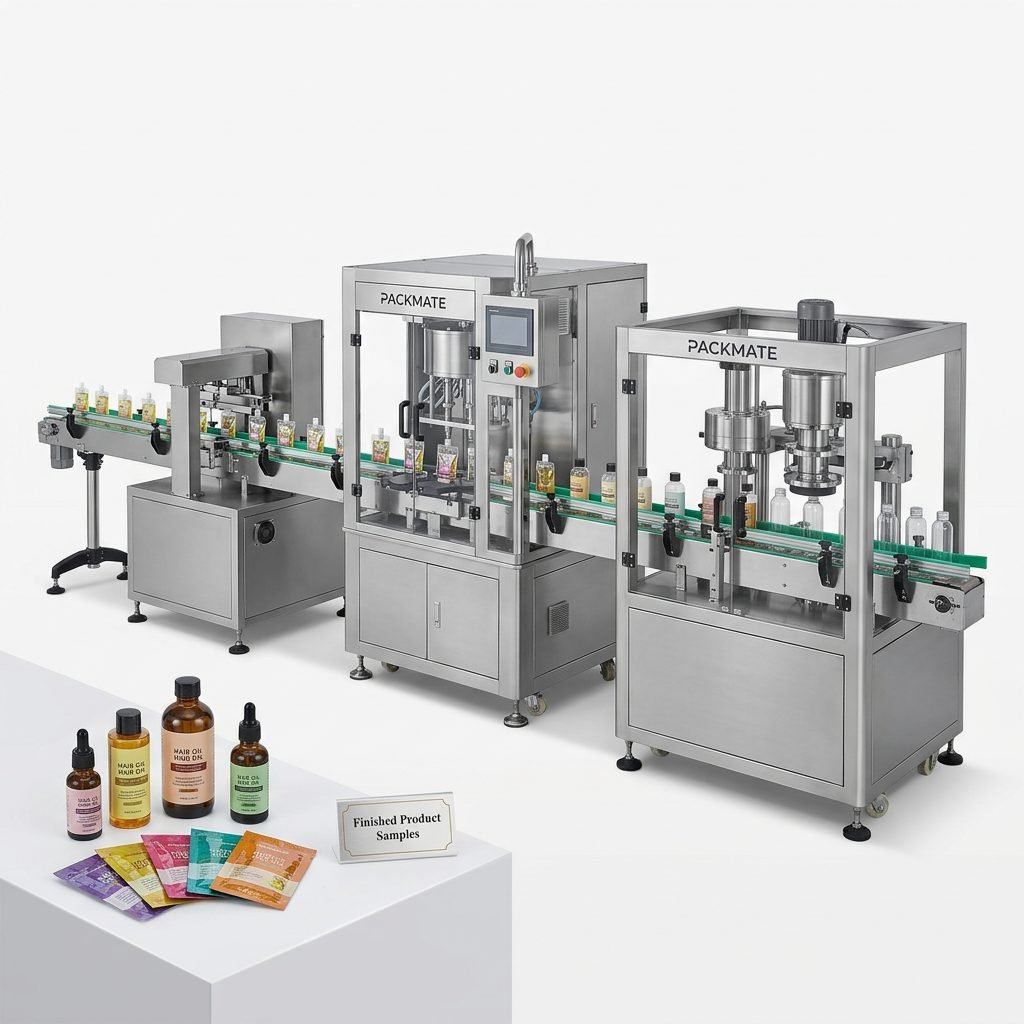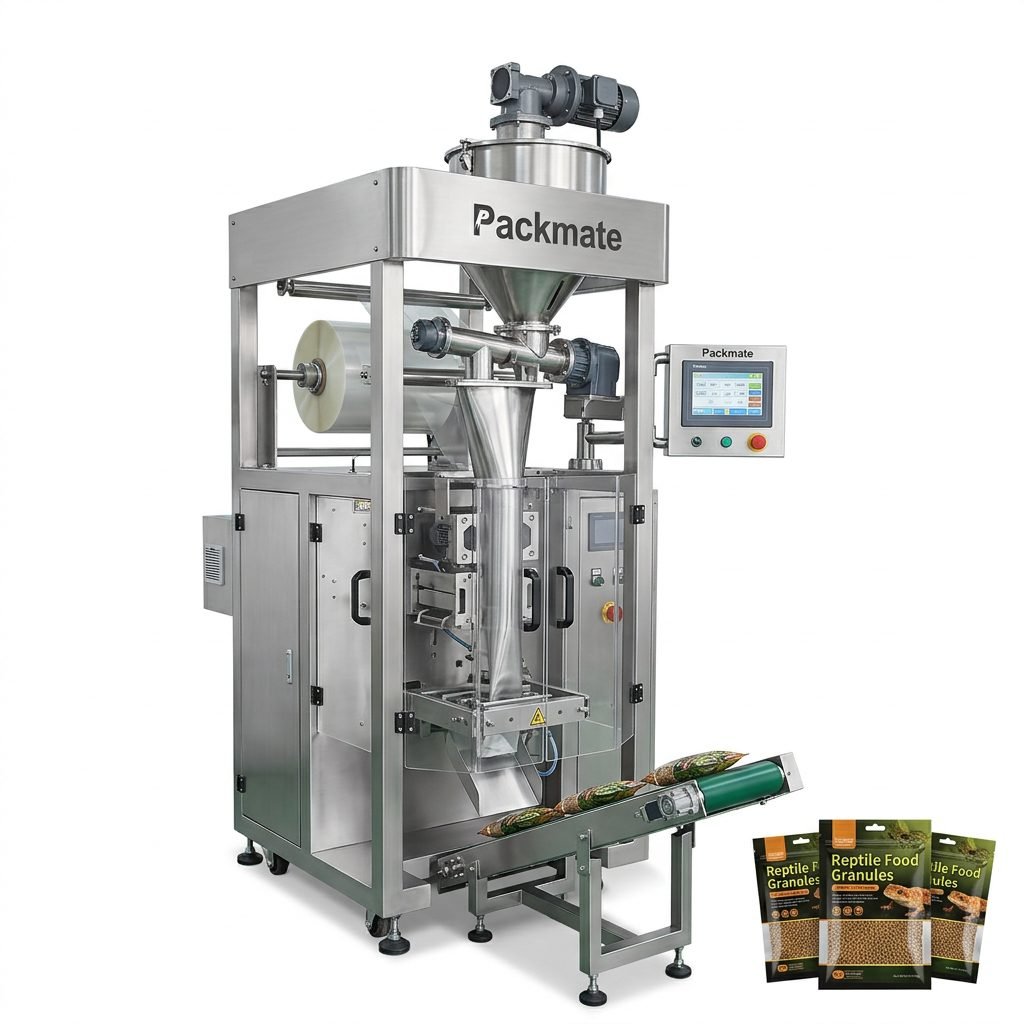
In today’s demanding production environments, the final step of packaging is as critical as the manufacturing process itself. For industries where security, hygiene, and product integrity are non-negotiable—such as food, pharmaceuticals, and high-value industrial goods—the packaging line is the last line of defense. This is where a dedicated Security Road Gate Packaging Line transcends being merely a conveyor system and becomes a comprehensive supply solution. It integrates robust physical protection, stringent contamination control, and intelligent workflow management to create a secure, efficient, and traceable pathway from production to palletization.
The Imperative for Security in Modern Packaging
The concept of packaging line security extends far beyond theft prevention. It encompasses a holistic approach to safeguarding the product, the process, and the data. In the food industry, it means preventing biological or physical contamination. In pharma, it ensures compliance with Good Manufacturing Practices (GMP) and protects against mix-ups or counterfeiting. For industrial applications, it secures high-value components and sensitive materials. A Security Road Gate system acts as a controlled checkpoint, regulating access, monitoring flow, and sealing the environment.
Core Components of a Security Road Gate Solution
A complete supply solution is built on several integrated pillars:
- Physical Barrier & Access Control: Utilizing stainless steel or powder-coated guards, interlocked doors, and personnel gates. These are often integrated with biometric or card-reader systems to ensure only authorized personnel enter critical zones like the filling or sealing stations.
- Contamination Control Enclosures: For food and pharma, creating ISO-classified environments with positive air pressure, HEPA filtration, and smooth, cleanable surfaces is paramount. The “road gate” becomes an airlock, preventing particulate ingress.
- Integrated Monitoring & IoT Sensors: Continuous monitoring of temperature, humidity, particle count, and door status. Data is logged for compliance and can trigger alarms for immediate corrective action.
- Traceability & Data Integrity: Each package passing through the gate can be scanned (barcode, RFID). This links the product to its batch data, creating an immutable digital thread from production to dispatch, a feature highly valued in our documented case studies.
- Ergonomic & Safety Design: Safety light curtains, emergency stops, and non-slip flooring are integrated to protect operators, aligning with the core values of companies like Packmate that prioritize innovation and collaboration.
Application-Specific Tailoring: Food, Pharma, and Industrial
For the Food Industry
Security here focuses on hygiene and allergen control. Packaging lines for snacks, powders, or ready-to-eat meals utilize stainless steel road gates with integrated wash-down capabilities. Key features include:
- ✔ IP65/IP69K-rated enclosures that withstand high-pressure cleaning.
- ✔ Metal detection or X-ray inspection systems built into the gate pathway.
- ✔ Zoning to separate raw material handling from packaged goods, preventing cross-contamination.
For the Pharmaceutical Industry
Compliance is king. Solutions are designed to meet FDA and EMA guidelines. A pharma-grade security gate is often a fully enclosed, GMP-compliant tunnel.
Critical Features Include: Unidirectional material flow to prevent mix-ups, continuous environmental monitoring (EM) data logging, and rapid decompression ports for safe material transfer. The entire system supports data integrity principles (ALCOA+) for audit readiness.
For Industrial Applications
This sector prioritizes the protection of valuable, sensitive, or hazardous items—from automotive electronics to aerospace components. Security road gates provide:
- ✔ High-strength physical deterrence against tampering or theft.
- ✔ ESD (Electrostatic Discharge) protected environments for sensitive electronics.
- ✔ Climate control (dry air) to prevent corrosion of metal parts during packaging.
- ✔ Automated weight verification to ensure no component is missing from a kit.
Choosing the Right Supply Partner: Beyond the Machine
Implementing a security road gate system is not a simple equipment purchase; it’s a strategic partnership. The ideal solution provider offers a turnkey package. Look for partners with proven experience in your specific industry, as their understanding of regulatory landscapes is invaluable. They should offer comprehensive services from initial design and factory acceptance testing (FAT) to installation, qualification (IQ/OQ), and ongoing technical support and service.
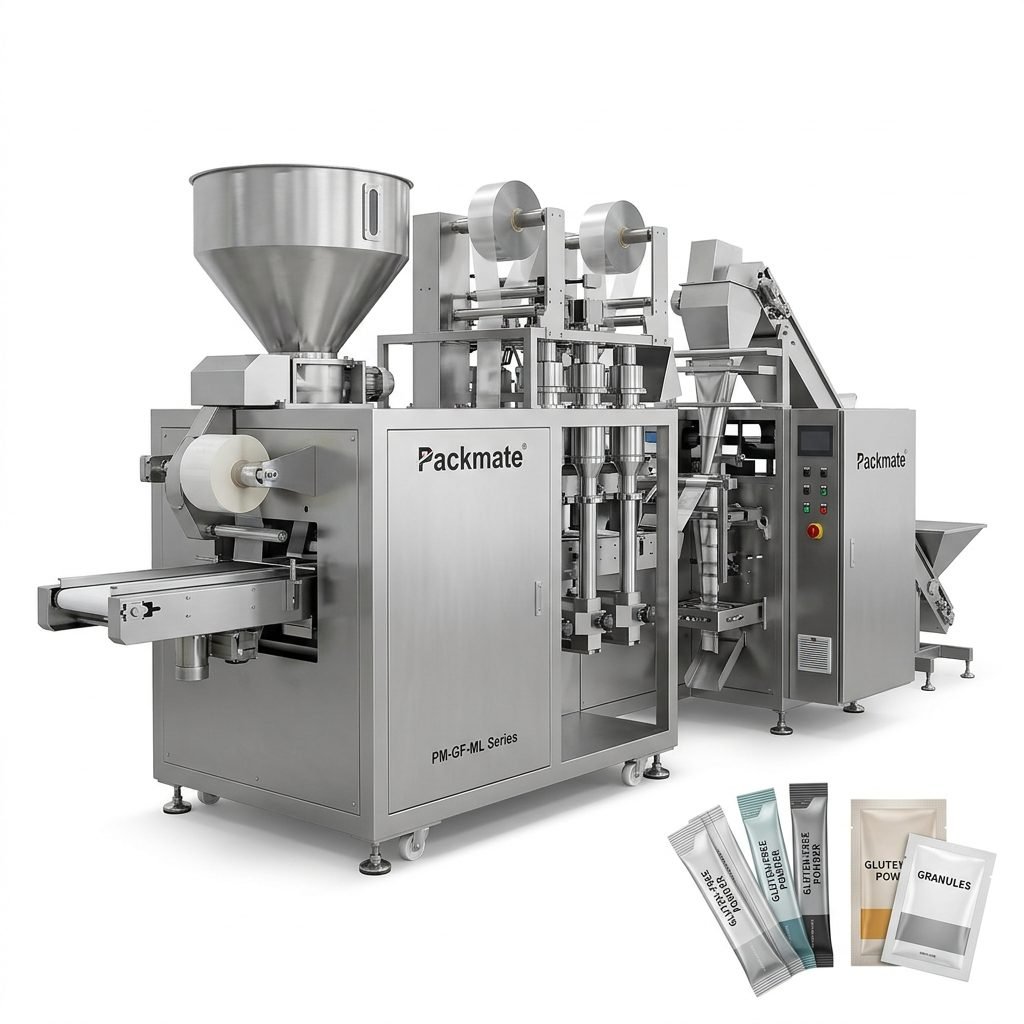
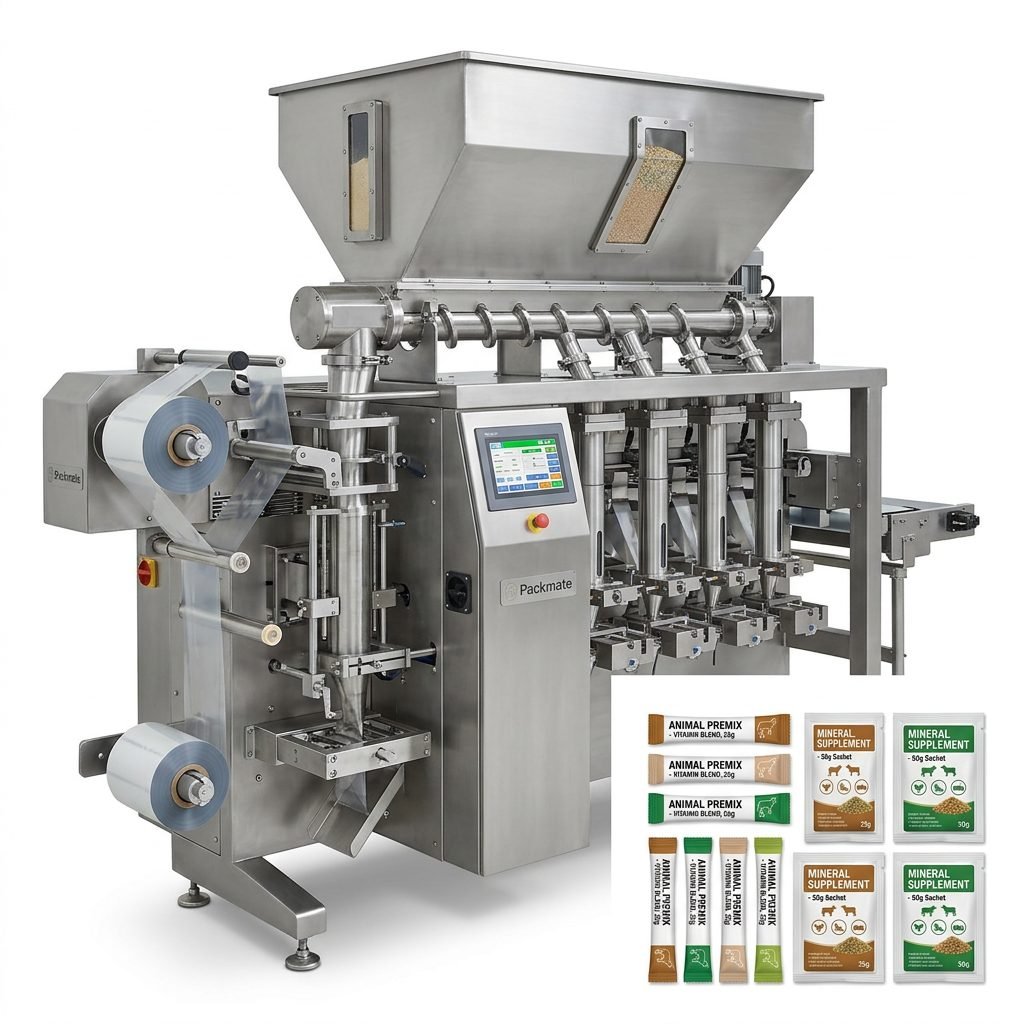
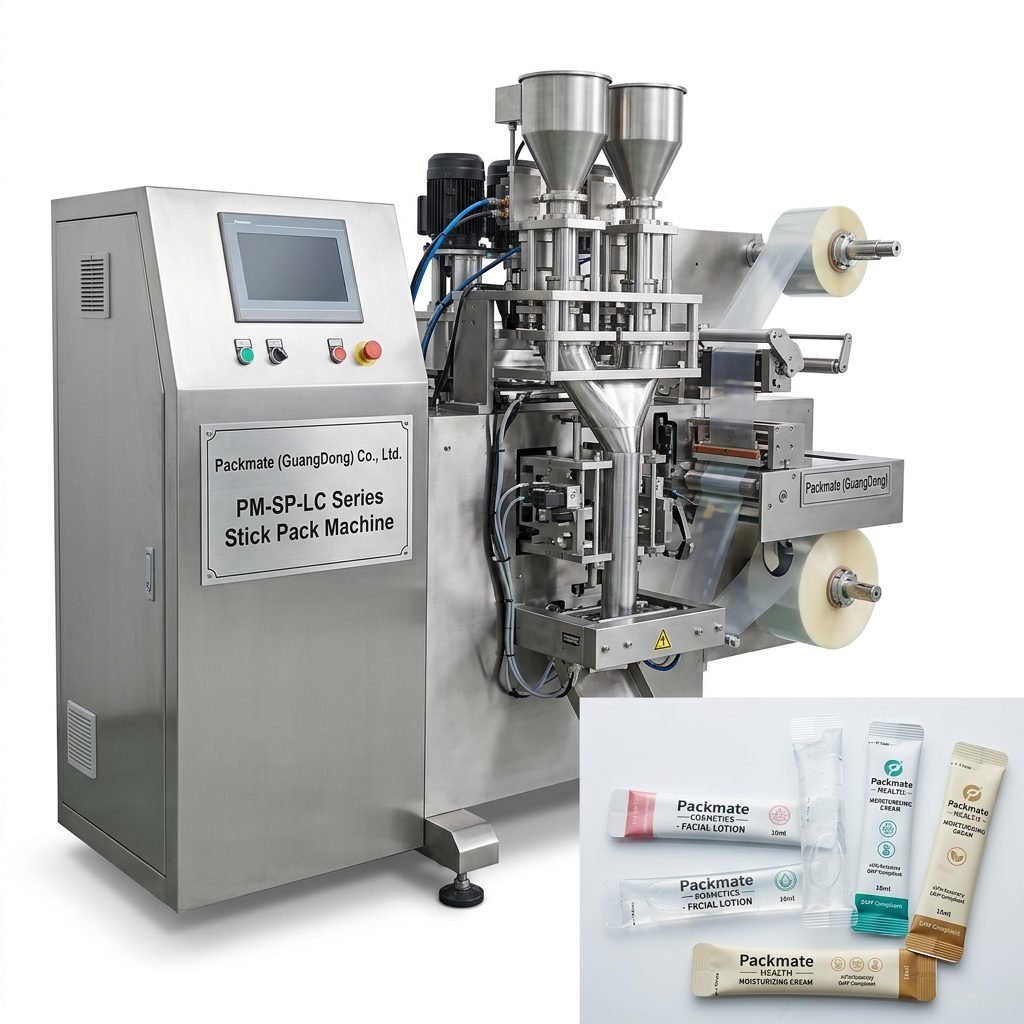
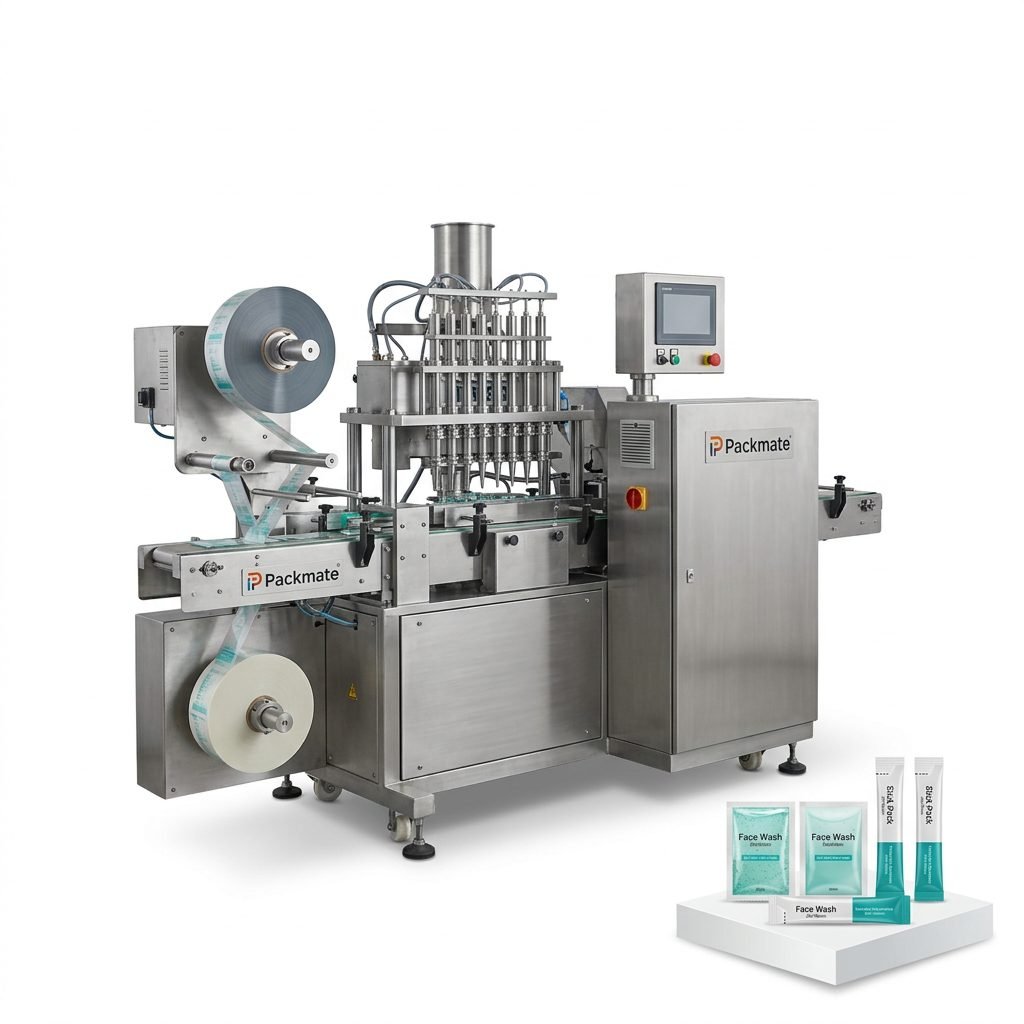
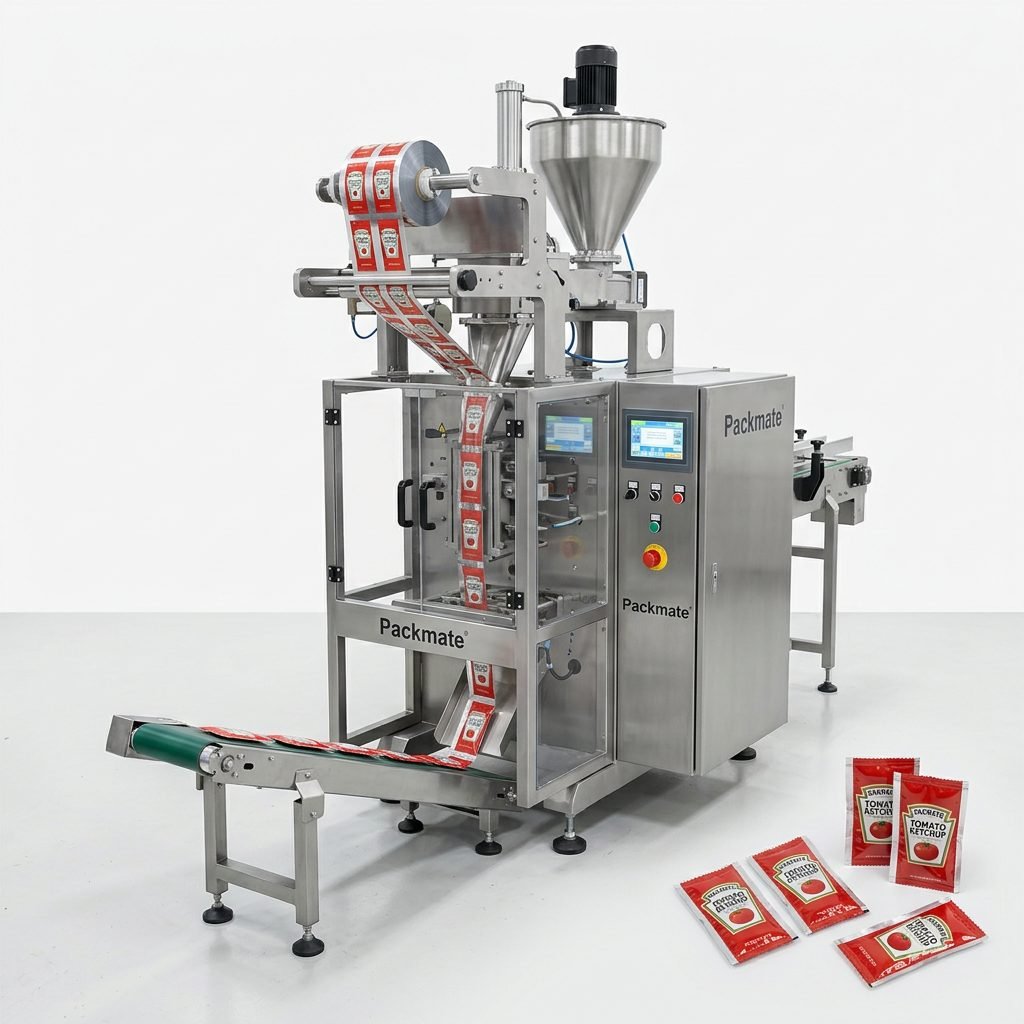
A partner like Packmate (GuangDong) Co., Ltd., with its 22+ years of development and a 20,000㎡ modern facility, exemplifies this approach. They don’t just supply machines; they deliver integrated lines where the security gate is a seamless, intelligent component of a larger automated system. Their expertise in designing for granules, powders, and liquids ensures the security solution is perfectly matched to the product characteristics and throughput requirements.
The Future: Smart, Connected, and Adaptive Gates
The evolution is towards Industry 4.0 integration. Future security gates will be predictive, not just reactive. Using machine learning algorithms, they will analyze vibration, motor current, and sensor data to predict maintenance needs before a breakdown occurs. They will communicate directly with Enterprise Resource Planning (ERP) and Manufacturing Execution Systems (MES), automatically adjusting access protocols based on production orders and dynamically rerouting packages in case of a downstream stoppage.
Conclusion: A Strategic Investment in Integrity
A robust Security Road Gate Packaging Line Supply Solution is a strategic investment that pays dividends in risk reduction, compliance assurance, and brand protection. It transforms the packaging area from a potential vulnerability into a certified, controlled, and intelligent hub. By carefully selecting a solution tailored to the specific demands of food, pharma, or industrial applications and partnering with an experienced, full-service provider, manufacturers can secure their product’s journey with confidence, ensuring that what leaves the factory is as pure, safe, and intact as when it was made.
Frequently Asked Questions (FAQs)
1. What is the main difference between a standard packaging line guard and a “Security Road Gate” system?
A standard guard is primarily a safety feature to protect operators from moving parts. A Security Road Gate is a comprehensive subsystem designed for product and process security. It integrates access control, environmental sealing, monitoring sensors, and data traceability into a single controlled checkpoint, going far beyond basic physical protection.
2. Can an existing packaging line be retrofitted with a security road gate solution?
Yes, in most cases. Experienced suppliers like Packmate often offer retrofit and upgrade services. The feasibility depends on the line’s layout, control system architecture, and available space. A site audit is typically the first step to design a compatible integration that enhances security without disrupting core operations.
3. How does this system help with regulatory compliance (e.g., FDA, EU GMP) in pharma?
It provides controlled access, prevents mix-ups (a key GMP requirement), creates a documented barrier against contamination, and enables continuous environmental monitoring with validated data logging. This built-in compliance evidence significantly simplifies audit processes and reduces the risk of regulatory observations or actions.
4. Are these systems only for large-scale, high-speed production lines?
Not at all. Security road gate principles can be scaled. For smaller batches or pilot plants, modular and compact solutions are available. The level of security and automation is tailored to the product value, risk profile, and required throughput, making it a viable solution for businesses of various sizes.
5. What is the typical lead time for a custom-designed security road gate supply solution?
Lead time varies greatly based on complexity, level of customization, and integration requirements. A standard modular enclosure might take 8-12 weeks, while a fully custom, validated system for a sterile pharmaceutical application could require 20-30 weeks from design to site qualification. Early consultation with your supplier is crucial for accurate planning.