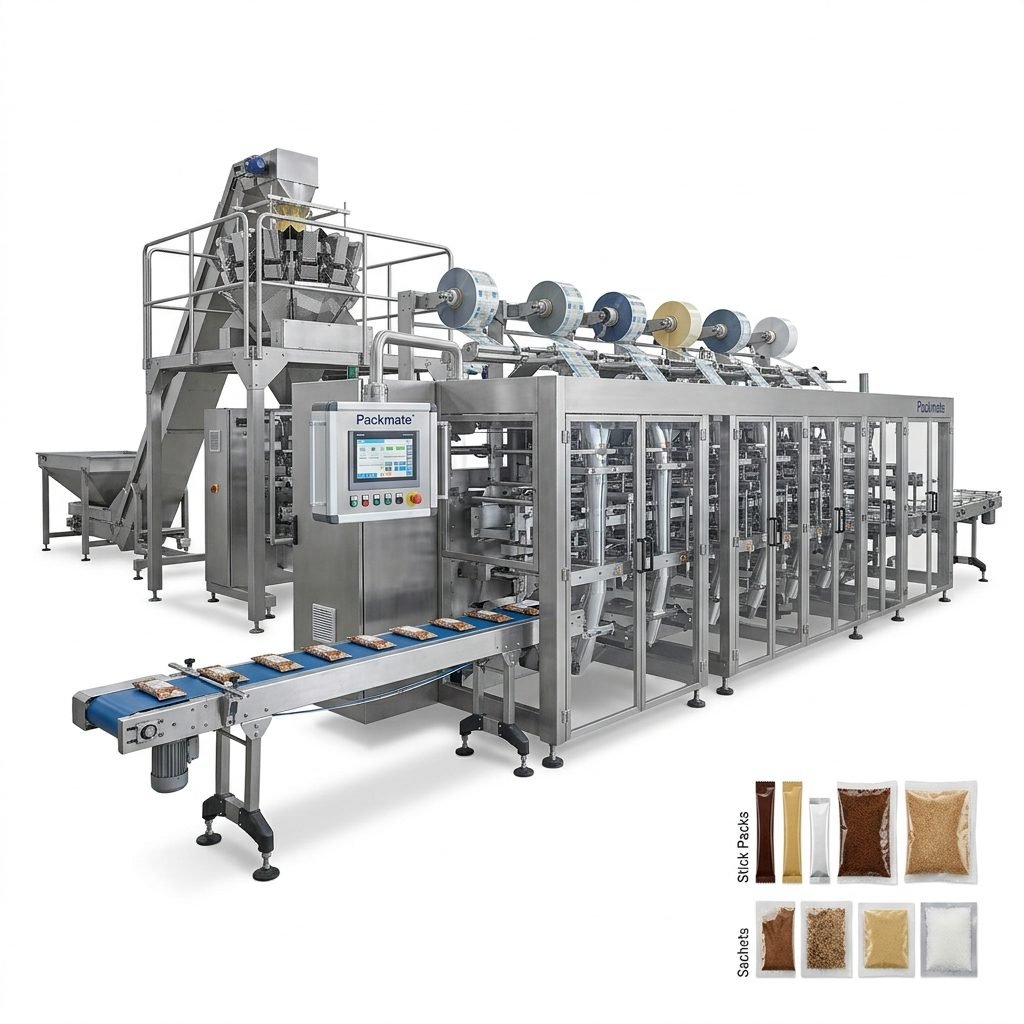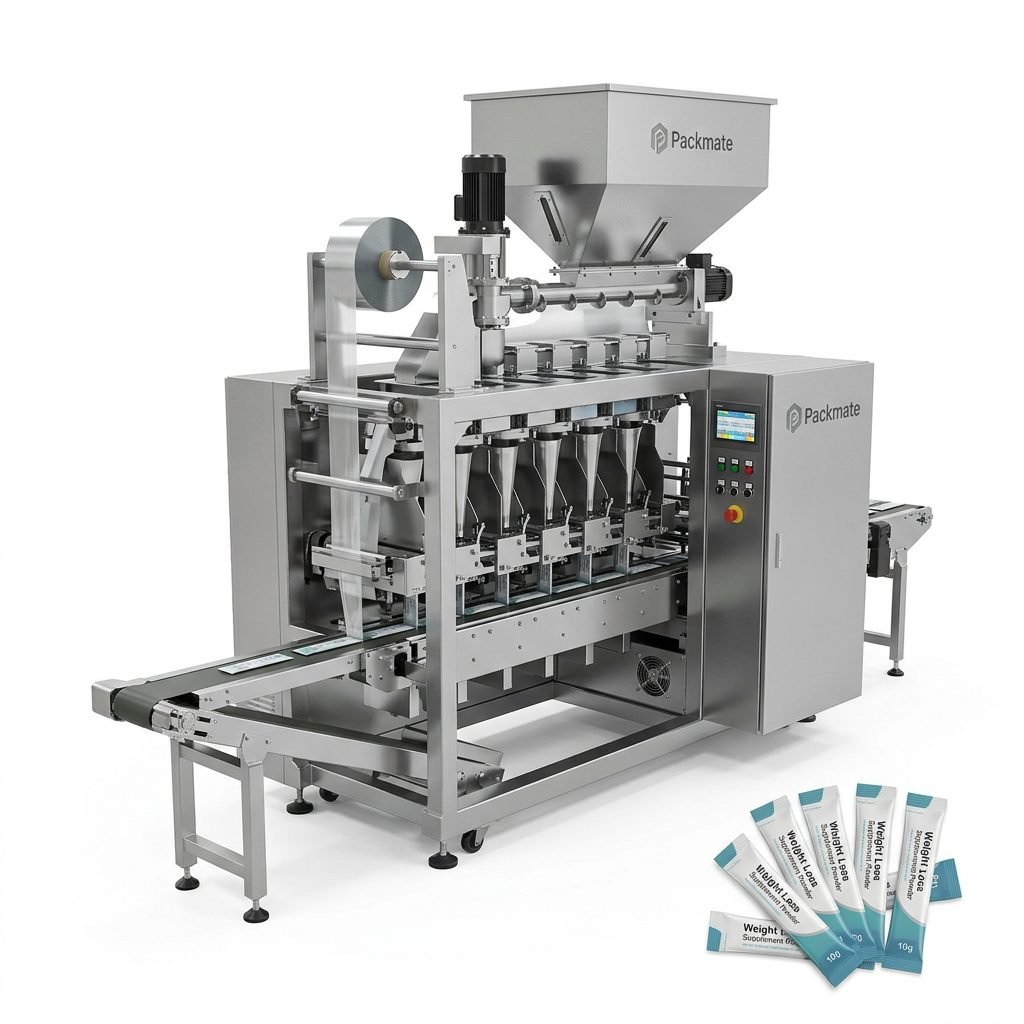
In the highly competitive and regulated worlds of food and pharmaceutical manufacturing, packaging line efficiency is not merely an operational metric—it is a critical determinant of profitability, compliance, and market competitiveness. A single bottleneck, a minor misalignment, or an outdated process can cascade into significant production losses, increased waste, and potential quality issues. This is where a specialized Packaging Line Efficiency Audit Service becomes an indispensable strategic tool. Moving beyond routine maintenance, these comprehensive audits provide a holistic, data-driven analysis of your entire packaging operation, identifying hidden inefficiencies and prescribing targeted optimizations to unlock peak performance.
The Critical Need for Packaging Line Audits in Modern Manufacturing
The pressure on packaging lines has never been greater. Consumer demand for variety, stringent regulatory requirements for traceability and safety, and the relentless drive for cost containment create a complex operational landscape. An audit service systematically deconstructs this complexity. It evaluates the interplay between machinery, personnel, materials, and processes to answer fundamental questions: Is your line running at its designed capacity? Are changeover times optimized? How much unscheduled downtime are you experiencing, and what are its root causes? For businesses looking to scale or integrate new technologies, understanding current performance is the essential first step. A professional audit, such as those detailed in our comprehensive Service portfolio, transforms guesswork into actionable intelligence.
Core Objectives of an Efficiency Audit
A robust audit framework targets several key performance areas:
Overall Equipment Effectiveness (OEE) Analysis: Calculating the true OEE by measuring availability, performance, and quality rates provides a universal benchmark for line health.
Bottleneck Identification: Pinpointing the specific machine or process step that limits overall throughput is crucial for targeted investment.
Waste Reduction: Quantifying material waste from misfeeds, sealing errors, and overfilling directly impacts the bottom line and sustainability goals.
Safety & Compliance Verification: Ensuring the line meets all relevant safety standards (e.g., machine guarding) and industry-specific regulations (e.g., FDA, cGMP for pharma).
Key Components of a Comprehensive Audit Process
A thorough audit is a multi-phase engagement, not a simple inspection. It begins with a pre-audit consultation to understand business goals and historical data. The on-site phase involves meticulous observation, data logging, and technician interviews. Advanced audits may use video analysis or data acquisition systems to capture high-speed process details. The audit examines:
1. Mechanical & Operational Integrity
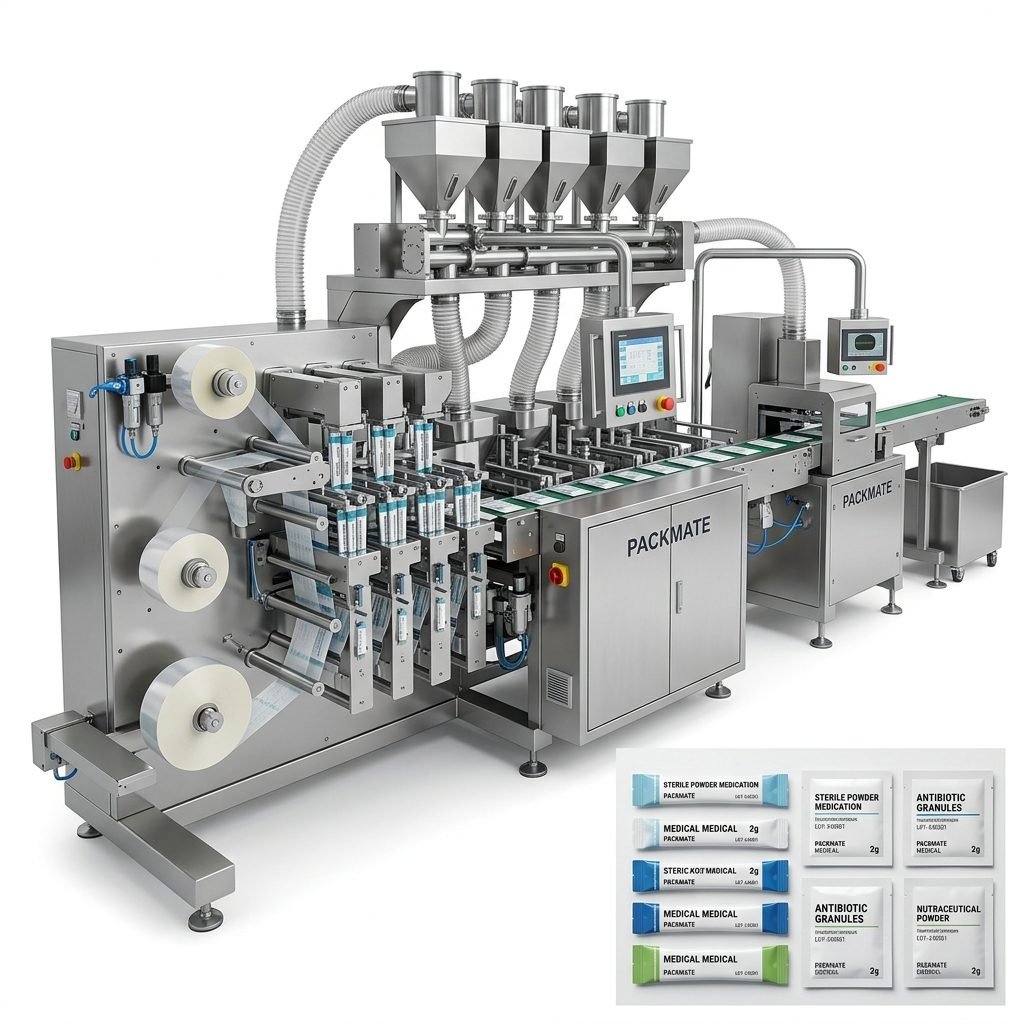
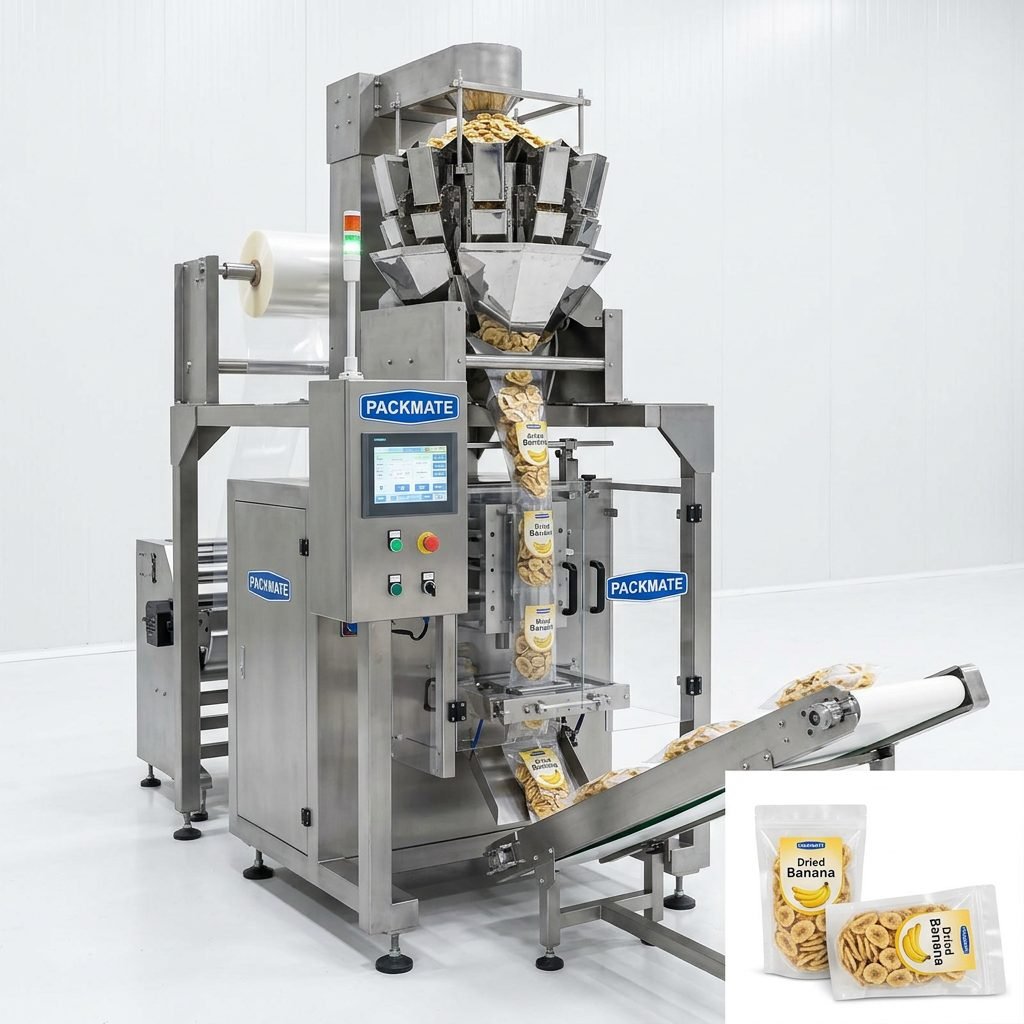
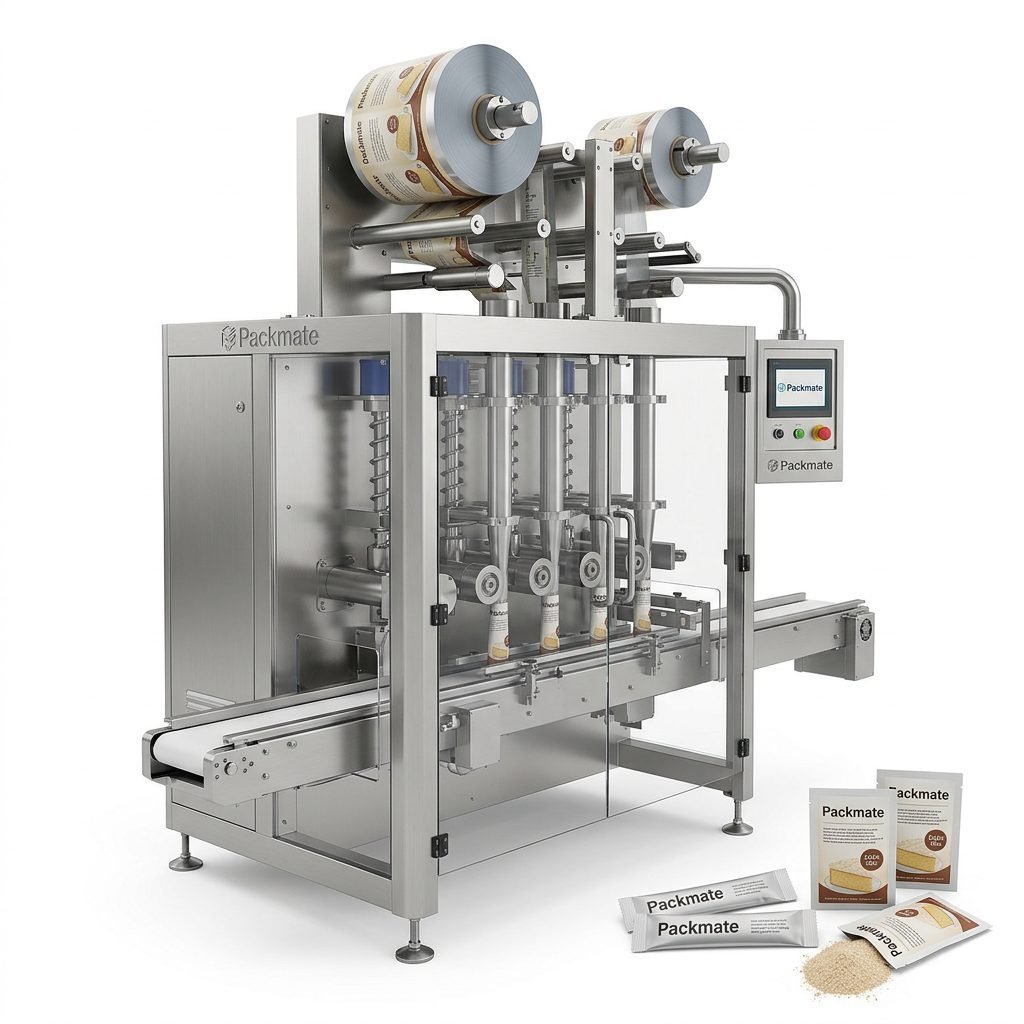
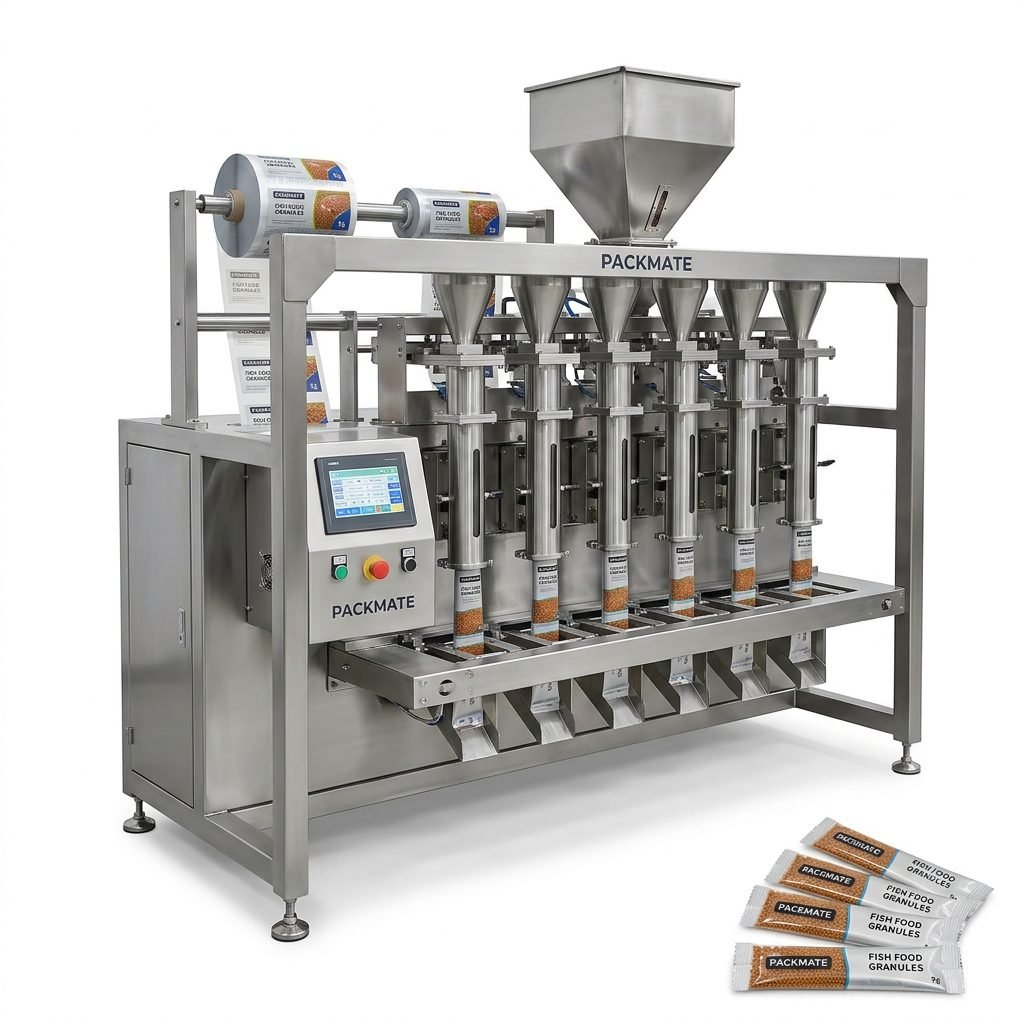
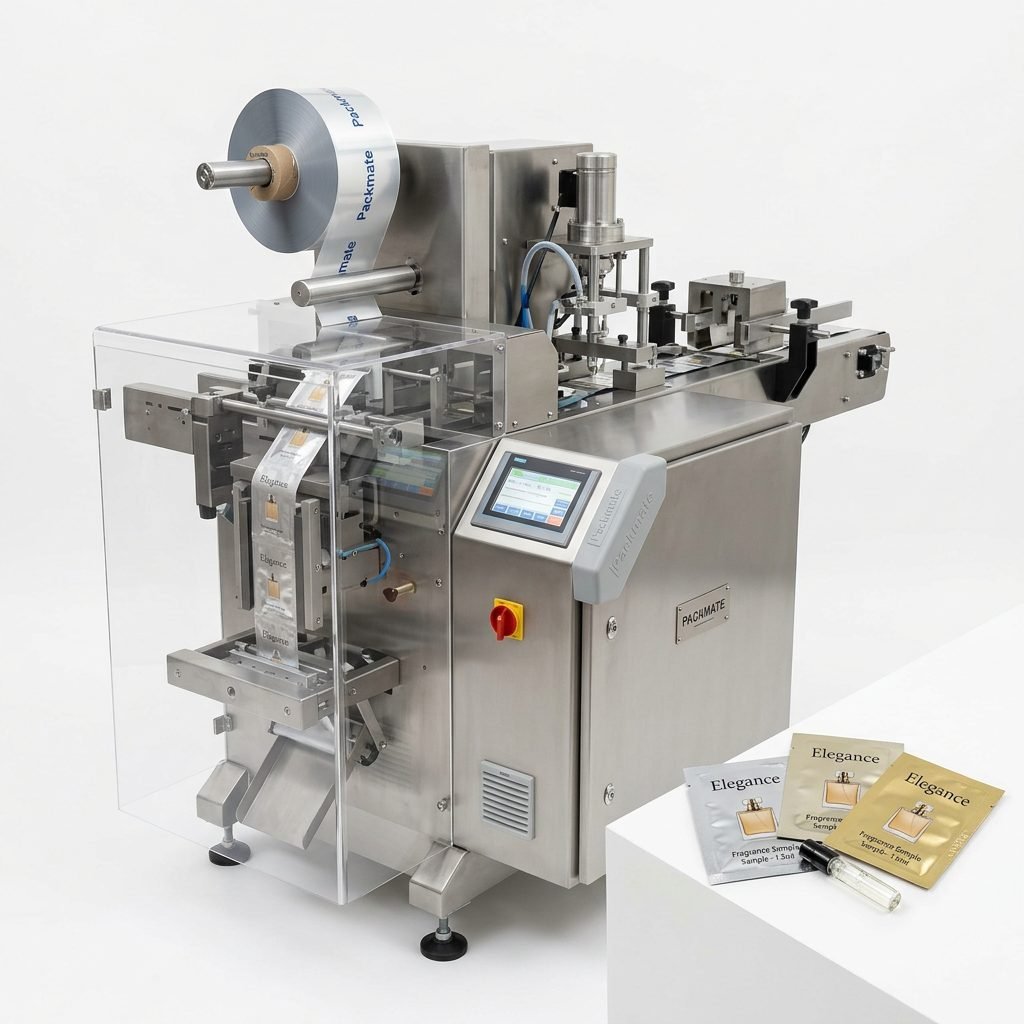
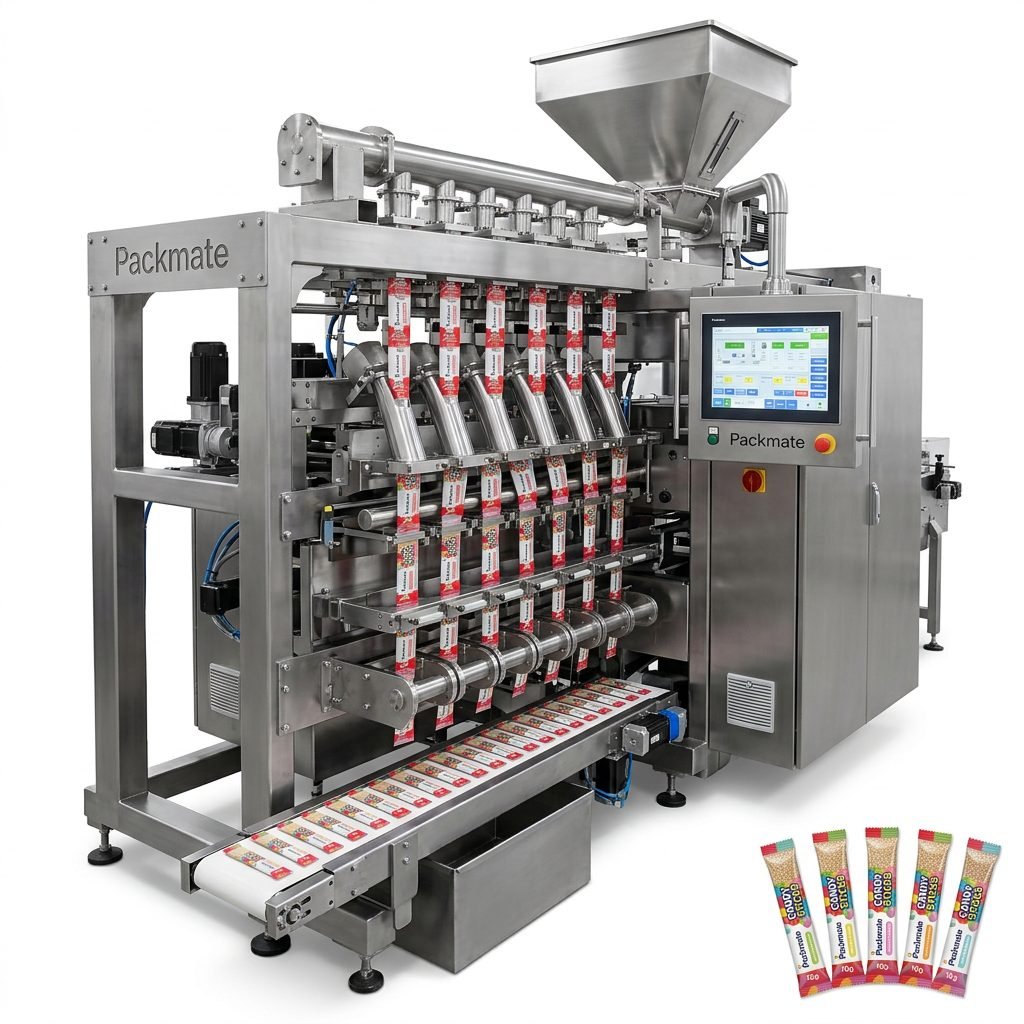
This involves assessing the physical condition and setup of all packaging machinery—from form-fill-seal units and cartoners to labelers and palletizers. Auditors check for wear and tear, alignment, calibration of sensors and scales, and the efficiency of mechanical drives. They analyze whether machines are operating at their optimal speed settings or if they are being run conservatively due to unreliability concerns. Reviewing real-world Case studies can illustrate common mechanical issues and their solutions.
2. Process Flow & Material Handling
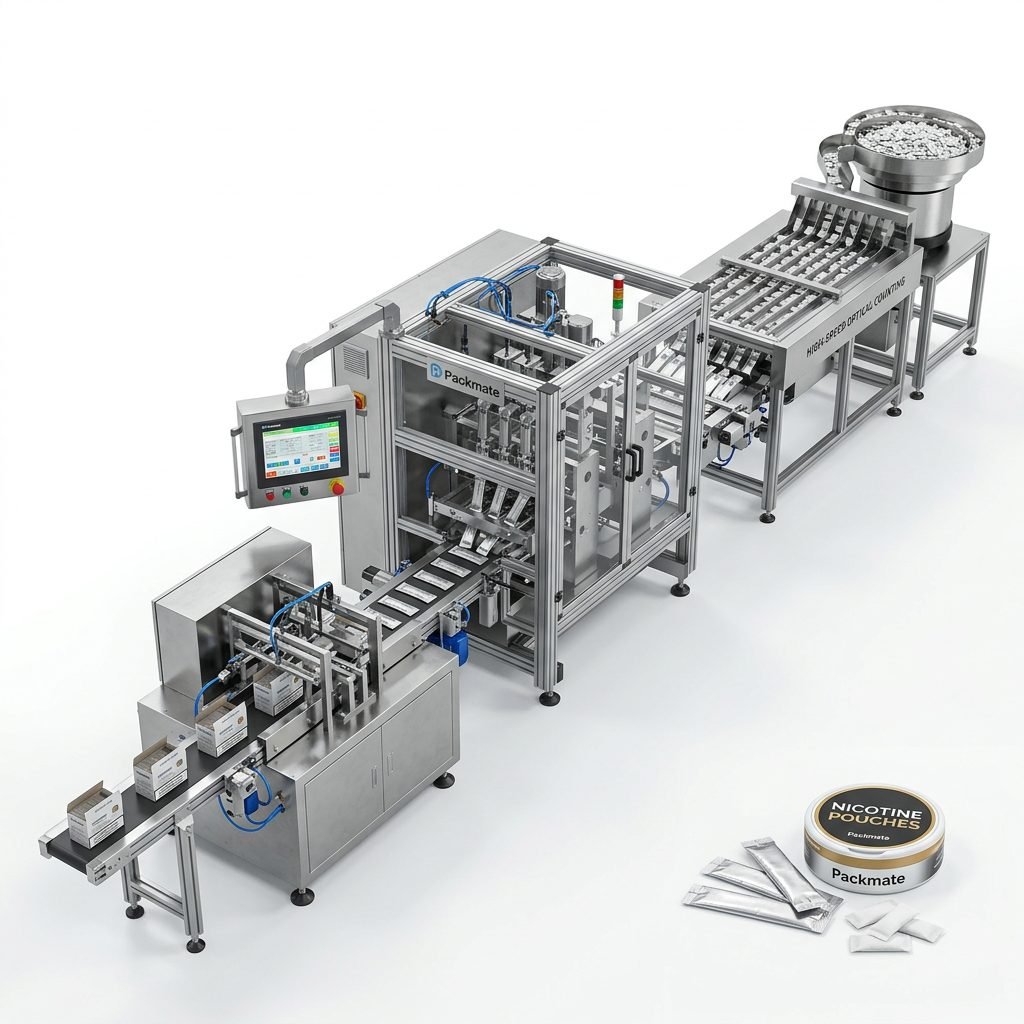
Efficiency is often lost between machines, not within them. The audit maps the material flow from infeed to outbound shipping. It evaluates the logic of line layout, the efficiency of conveyance systems, and the ergonomics of manual loading/unloading stations. Inefficient material handling creates queues, increases product damage, and fatigues operators.
3. Changeover Procedures (SMED Analysis)
Single-Minute Exchange of Die (SMED) principles are applied to analyze changeover times. The audit distinguishes between internal tasks (requiring the line to be stopped) and external tasks (that can be prepared while the line runs). Streamlining changeovers is one of the fastest ways to increase flexibility and available production time, a key focus for any provider of integrated Packaging Solutions.
4. Control Systems & Data Utilization
Modern lines are governed by PLCs and SCADA systems. The audit reviews the control logic for optimization opportunities and assesses the quality and use of production data. Are operators alerted to trends leading to failure? Is downtime being categorized correctly? Effective data utilization is the cornerstone of predictive maintenance.
Industry-Specific Audit Nuances
For Food Packaging: Audits emphasize hygiene, washdown compatibility, allergen control procedures, and package integrity to prevent spoilage. Speed and flexibility for high-volume, fast-moving consumer goods are often paramount.
For Pharmaceutical Packaging: The focus intensifies on validation, documentation, and contamination control. Audits must verify compliance with cGMP, assess the security of serialization/track-and-trace systems, and ensure absolute accuracy in labeling and product count. The audit report itself becomes a critical quality document.
Delivering Actionable Insights: The Audit Report & Roadmap
The true value of an audit is crystallized in its final report. A superior report goes beyond listing problems; it provides a clear, prioritized roadmap for improvement. It typically includes:
Executive Summary: A high-level overview of findings and potential impact on KPIs.
Detailed Findings: Photographic evidence, data charts, and clear descriptions of each observed issue.
Prioritized Recommendations: Actions categorized by impact and investment (e.g., Quick Wins, Medium-Term Projects, Strategic Upgrades).
ROI Projections: Quantified estimates of savings from reduced waste, lower downtime, and increased throughput.
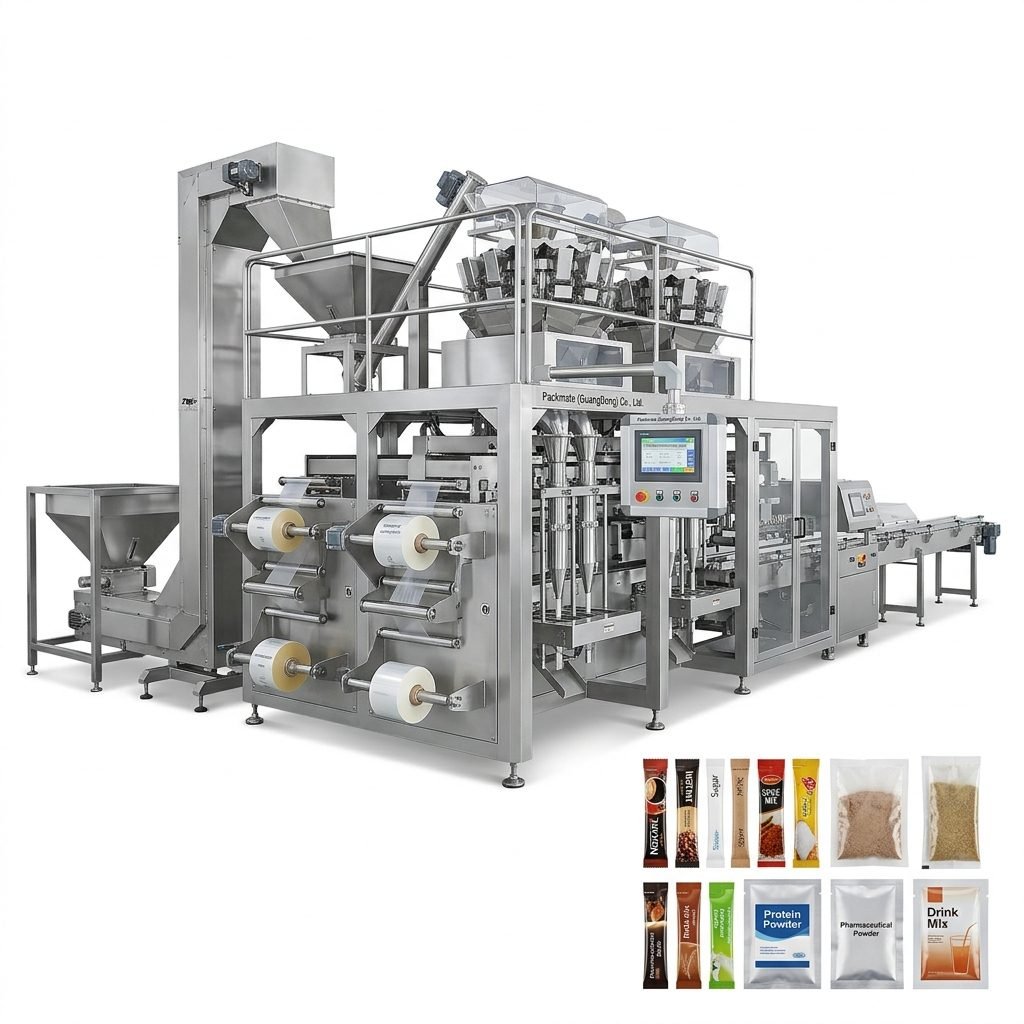
This report becomes the strategic blueprint for operational excellence, guiding maintenance schedules, training programs, and capital expenditure requests. Partners with deep expertise, like Packmate (GuangDong) Co., Ltd., bring the added advantage of being able to not only diagnose issues but also supply and integrate the optimal machinery or retrofit solutions from their extensive portfolio to resolve them.
The Tangible Benefits of Optimized Packaging Performance
Investing in an efficiency audit yields a compelling return across multiple dimensions:
Increased Throughput & Capacity: Eliminating bottlenecks can often increase output by 10-25% without major capital investment, deferring the need for a new line.
Reduced Operational Costs: Lower energy consumption, less material waste, and decreased labor costs per unit directly improve profit margins.
Enhanced Product Quality & Compliance: Consistent, stable lines produce fewer defects, reduce rejection rates, and maintain rigorous compliance, protecting brand reputation.
Improved Sustainability: Reducing material and energy waste aligns with corporate environmental, social, and governance (ESG) goals.
Informed Strategic Planning: The audit provides a fact-based foundation for future automation investments, line expansions, or new product introductions.
Conclusion: An Audit as a Strategic Partnership
Ultimately, a Packaging Line Efficiency Audit is more than a service; it is the initiation of a strategic partnership focused on continuous improvement. It shifts the maintenance paradigm from reactive to proactive and predictive. In the fast-paced, quality-centric sectors of food and pharma, this proactive approach is not a luxury—it is a necessity for resilience and growth. By providing a clear-eyed assessment and a actionable path forward, these audits empower manufacturers to achieve reliability, agility, and superior performance in their most critical operational asset: the packaging line.
Frequently Asked Questions (FAQs)
1. How often should we conduct a packaging line efficiency audit?
For most active production lines, a comprehensive audit is recommended annually. However, more frequent mini-audits (e.g., quarterly) focusing on specific metrics like OEE or waste are beneficial. An audit should also be conducted after a major product changeover, significant maintenance event, or when a persistent performance issue cannot be diagnosed internally.
2. What is the typical duration and disruption of an on-site audit?
The duration depends on line complexity, ranging from 2-5 days. A professional audit is designed to be minimally disruptive. Auditors primarily observe during normal production runs, although some tests during planned downtime may be required. The goal is to capture the line’s true operational state.
3. Can an audit help if our line uses machinery from multiple different vendors?
Absolutely. In fact, heterogeneous lines often benefit the most from an audit. A third-party auditor provides an unbiased, holistic view of how the different machines and systems interact, identifying compatibility issues, communication gaps between controllers, and workflow inefficiencies that single-vendor service might overlook.
4. What qualifications should we look for in an audit service provider?
Seek providers with proven experience in your specific industry (food or pharma), certified engineers, and a deep understanding of both mechanical systems and industrial automation. They should have a methodology for data collection and analysis and be able to provide references or case studies. A provider like Packmate, with direct manufacturing expertise, offers invaluable practical insight.
5. What is the expected ROI from implementing audit recommendations?
ROI varies widely but is often rapid. “Quick win” recommendations (procedural changes, minor adjustments) can yield returns within weeks. Larger recommendations involving equipment upgrades or retrofits typically have an ROI period of 6-24 months, based on projected savings from increased output, reduced waste, and lower maintenance costs. A quality audit report will include these projections.