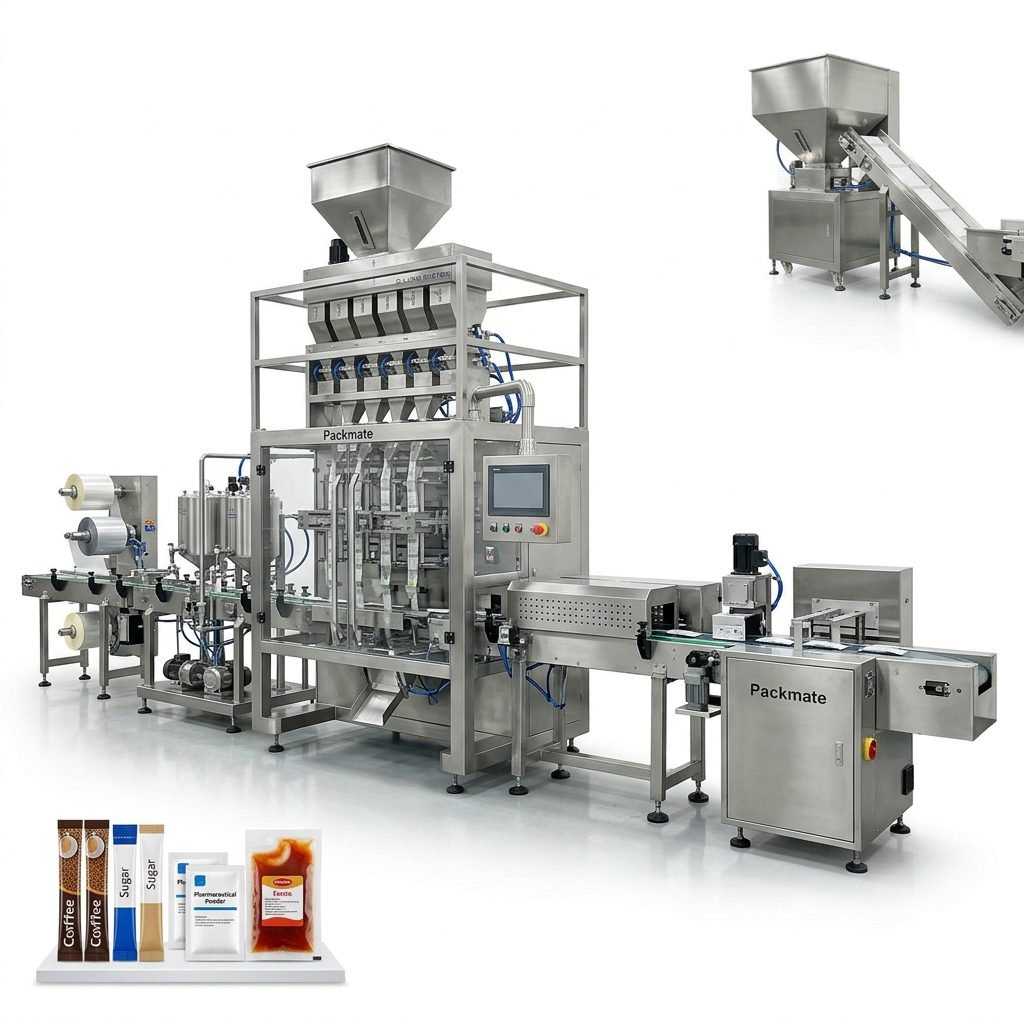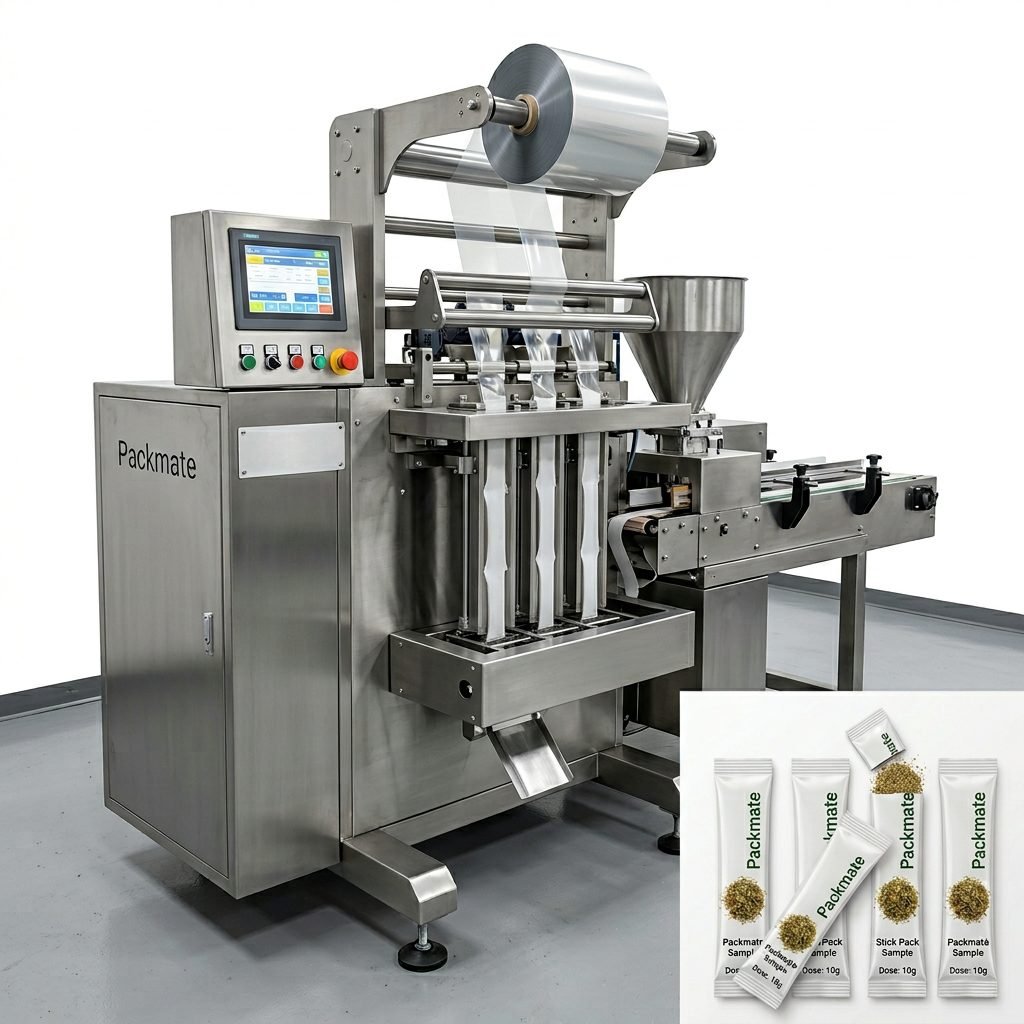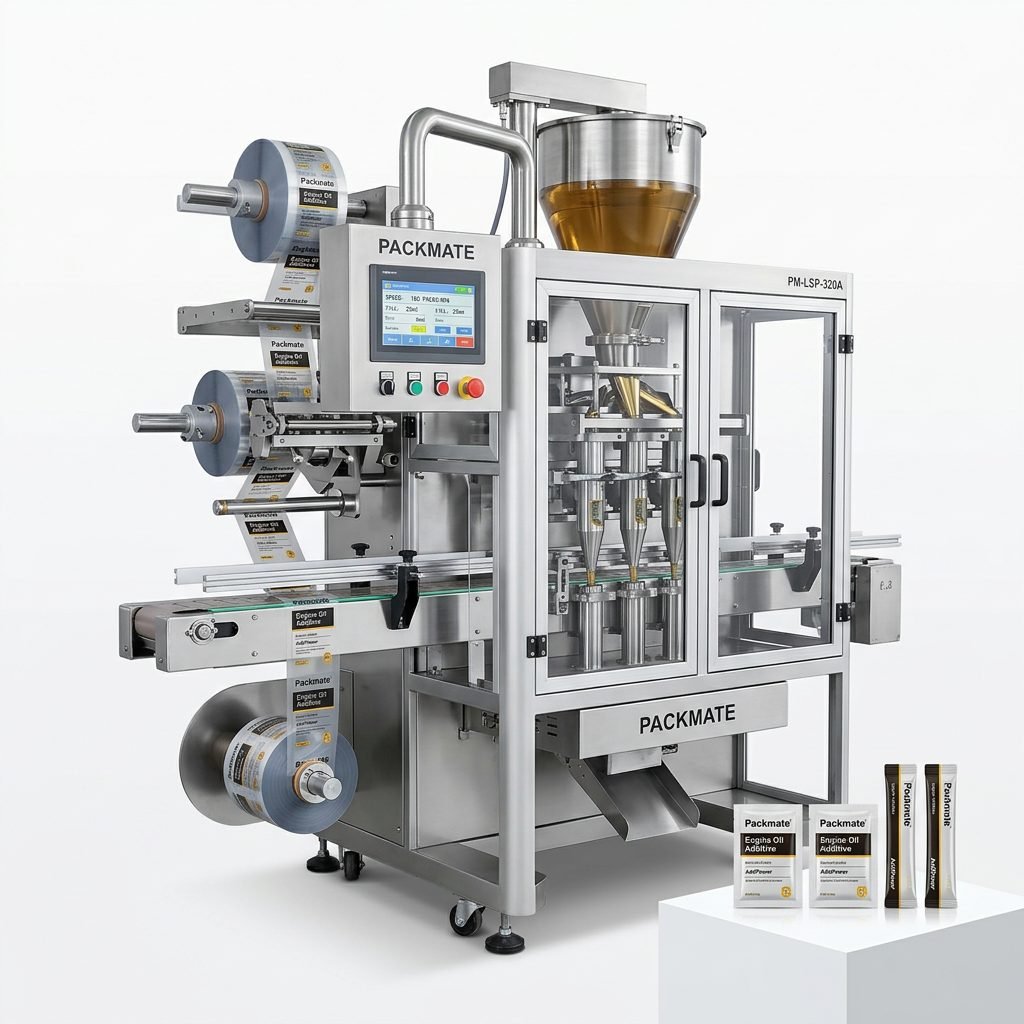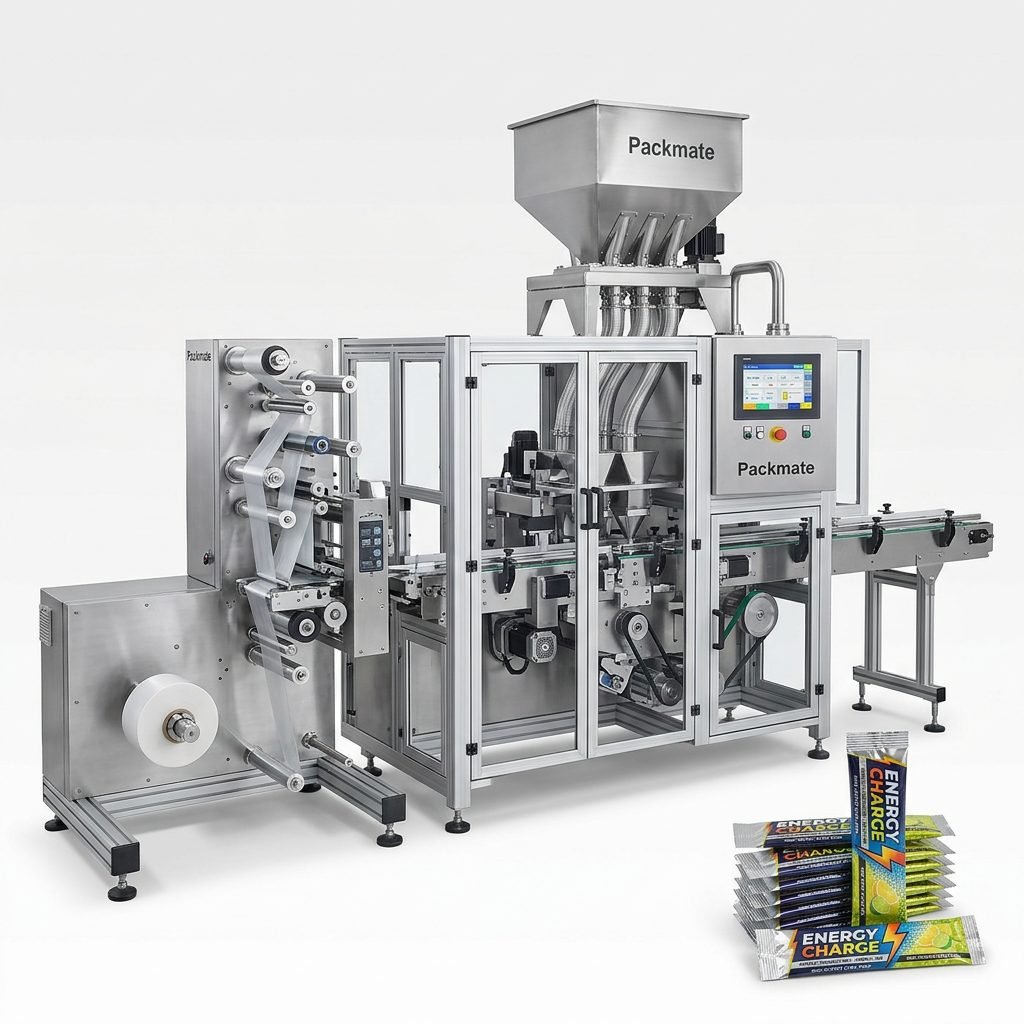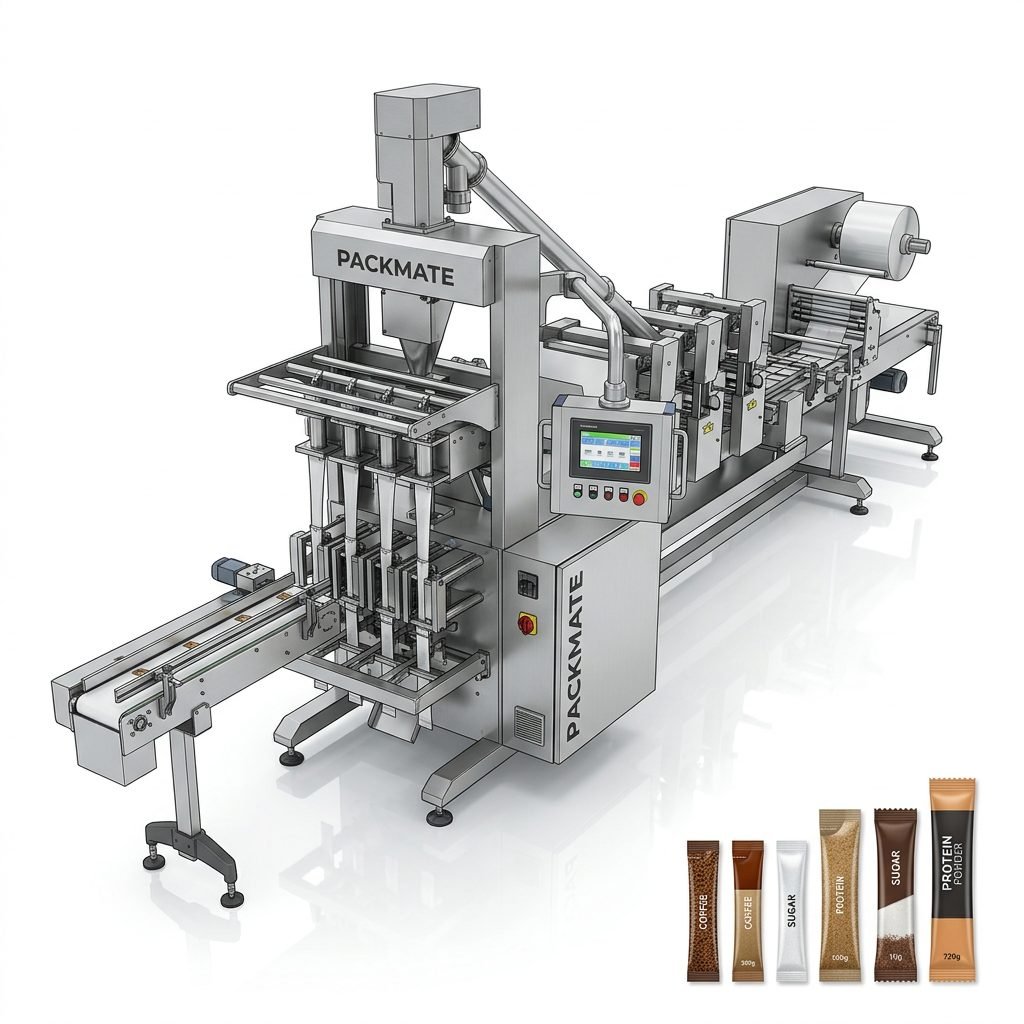
In the highly regulated and quality-sensitive environments of food and pharmaceutical production, maintaining pristine air quality is not just a best practice—it is a critical requirement. Effective dust control on packaging lines is paramount for ensuring product safety, protecting worker health, and maintaining operational efficiency. This guide delves into the essentials of packaging line dust extraction, offering a comprehensive roadmap for implementing efficient dust control systems.
The Critical Importance of Dust Control in Food and Pharma
Dust particles generated during packaging—whether from powders, granules, or other materials—pose significant risks. In the food industry, dust can lead to cross-contamination, allergen spread, and bacterial growth, compromising product integrity and consumer safety. For pharmaceutical manufacturers, airborne particulates can contaminate sterile products, affect dosage accuracy, and lead to costly batch failures and regulatory non-compliance. Beyond product safety, uncontrolled dust creates a hazardous work environment, contributing to respiratory issues for operators and increasing the risk of combustible dust explosions.
Key Risks of Inadequate Dust Control:
- Product Contamination: Leading to recalls, brand damage, and health hazards.
- Regulatory Violations: Failure to meet standards like FDA’s cGMP, HACCP, or EU GMP.
- Operational Downtime: Frequent cleaning and maintenance disrupt production.
- Safety Hazards: Respiratory health risks and potential for dust explosions.
Core Components of an Efficient Dust Extraction System
A robust dust extraction system is more than just a vacuum. It is an integrated solution designed to capture, convey, and contain particulate matter at the source. The effectiveness of your packaging line solution hinges on the synergy of its core components.
1. Capture Hoods & Enclosures
The first line of defense is capturing dust at the point of generation. This involves designing custom hoods, enclosures, or receiving ports around critical transfer points on the packaging line, such as filler discharges, bag dumping stations, or powder sifting areas. The design must maximize capture efficiency while minimizing interference with the packaging process.
2. Ductwork & Conveyance
Once captured, dust is transported through a network of ducts to the collection unit. Proper duct design—considering diameter, layout, and material—is crucial to maintain adequate air velocity (typically 4000-5000 ft/min for most powders) and prevent particle settling, which can lead to blockages and fire risks.
3. Dust Collector / Filter Unit
This is the heart of the system. For food and pharma applications, cartridge dust collectors with high-efficiency particulate air (HEPA) or absolute filters are common. They offer high filtration efficiency (99.99%+ on sub-micron particles). Key features should include:
- Pulse-jet cleaning: Automated cleaning to maintain filter performance.
- Explosion protection: Vents, suppression systems, or inerting for combustible dusts.
- Hygienic design: Smooth surfaces, easy access for cleaning and validation.
4. Exhaust Fan & Air Handling
The fan creates the necessary negative pressure to draw air through the entire system. It must be correctly sized to overcome the system’s pressure drop (static pressure) and provide the required air volume (CFM). In many cases, filtered air is recirculated back into the facility to save energy, provided it meets air quality standards.
5. Dust Disposal System
Collected dust must be safely and hygienically handled. Options include drum containers, screw conveyors, or pneumatic conveyors that transfer dust to a central storage silo. For valuable product recovery, this can be a closed-loop system that returns material to the process.
Designing Your System for Maximum Efficiency
Efficiency is measured by capture effectiveness, energy consumption, and maintenance needs. A well-designed system addresses all three.
🔍 Principles of Efficient Design:
Source Capture is Paramount: Always prioritize capturing dust as close to the generation point as possible. This requires less air volume and energy compared to general room ventilation.
Right-Sizing the System: An oversized system wastes energy, while an undersized one fails to control dust. Conduct a detailed assessment of dust types, generation rates, and particle sizes. Partnering with an experienced provider like Packmate ensures your system is engineered for your specific line parameters.
Hygienic & Cleanable Construction: All components should use 304 or 316 stainless steel, have smooth internal surfaces with minimal ledges, and feature quick-release clamps for easy disassembly. This is non-negotiable for food and pharma packaging solutions.
Integration with Process Controls: The dust extraction system should be interlocked with the packaging machinery. It should start before the line and run for a purge cycle after the line stops to clear residual dust.
Special Considerations for Pharmaceutical Production
Pharma packaging, especially for sterile or potent products, demands the highest level of control. Dust extraction systems must be fully validated (IQ/OQ/PQ) to prove they consistently meet specified performance criteria. Containment is critical for operator protection when handling active pharmaceutical ingredients (APIs). Systems may require containment isolators or gloveboxes integrated with dedicated extraction. Furthermore, all materials must be compatible with aggressive cleaning and sanitizing agents.
Maintenance: The Key to Sustained Performance
A dust extraction system is a long-term investment. Its performance degrades without proper maintenance, leading to increased energy costs and contamination risks.
- Filter Monitoring & Change-Out: Monitor differential pressure across the filters. A rising pressure indicates blinded filters needing cleaning or replacement. Maintain a strict schedule based on manufacturer guidelines.
- Preventative Inspections: Regularly inspect ductwork for leaks, hoods for proper sealing, and fans for vibration. Check explosion protection devices if applicable.
- Documentation & Training: Keep detailed logs of all maintenance activities. Ensure operators and maintenance staff are thoroughly trained on safe lockout/tagout (LOTO) procedures and system operation.
For ongoing support and access to genuine parts, a reliable service partnership with your equipment provider is invaluable.
FAQs: Common Questions on Packaging Line Dust Extraction
1. How do I determine the required air volume (CFM) for my packaging line?
The required CFM is calculated based on the size and number of capture hoods, the desired capture velocity at each hood opening, and the total system resistance. This is a complex engineering calculation best performed by specialists. Factors include the type of material being handled, the geometry of the hood, and the distance from the dust source. You can review specific application case studies to see how similar challenges were solved.
2. Can we recirculate the filtered air back into the production room?
Yes, air recirculation is common and energy-efficient. However, it is only permissible if the filtration system is capable of removing contaminants to a level that meets or exceeds the indoor air quality requirements for your specific process and product. This often necessitates final-stage HEPA filtration and continuous air monitoring to ensure safety.
3. What are the main differences between a dust collector for food vs. pharmaceutical applications?
While both require hygienic design, pharmaceutical systems typically demand higher levels of documentation, validation, and containment. Materials of construction may need higher-grade stainless steel (e.g., 316L vs. 304). Filter efficiency requirements are often more stringent, and the system must be designed for clean-in-place (CIP) or steam-in-place (SIP) procedures common in pharma.
4. How often should dust collector filters be replaced?
There is no universal schedule. Filter life depends on the dust load, particle characteristics, and the efficiency of the pulse-jet cleaning system. The primary indicator is the differential pressure gauge. Filters should be replaced when the stabilized pressure drop exceeds the manufacturer’s maximum recommended level, or during scheduled preventative maintenance based on historical data from your operation.
5. What is the first step in implementing a new dust extraction system?
The first and most critical step is a comprehensive site assessment and process review. This involves identifying all dust generation points, characterizing the dust (size, shape, explosibility, hygroscopicity), understanding production rates, and defining cleanliness and compliance goals. Engaging with an expert provider early in this phase ensures the final design is fit-for-purpose and cost-effective. You can start this conversation by exploring a provider’s core capabilities and experience.