In the fast-paced world of modern manufacturing, the backbone of any efficient production facility is its conveyor system. When it comes to packaging automation for sensitive sectors like food, pharmaceuticals, and powders, the choice of conveyor system transcends mere material handling—it becomes a critical decision impacting product integrity, regulatory compliance, and overall operational efficiency. A well-designed packaging line conveyor system is the silent orchestrator, seamlessly integrating various machines from filling and sealing to coding and cartoning, ensuring a smooth, continuous, and hygienic flow of products.
The Critical Role of Conveyor Systems in Packaging Automation
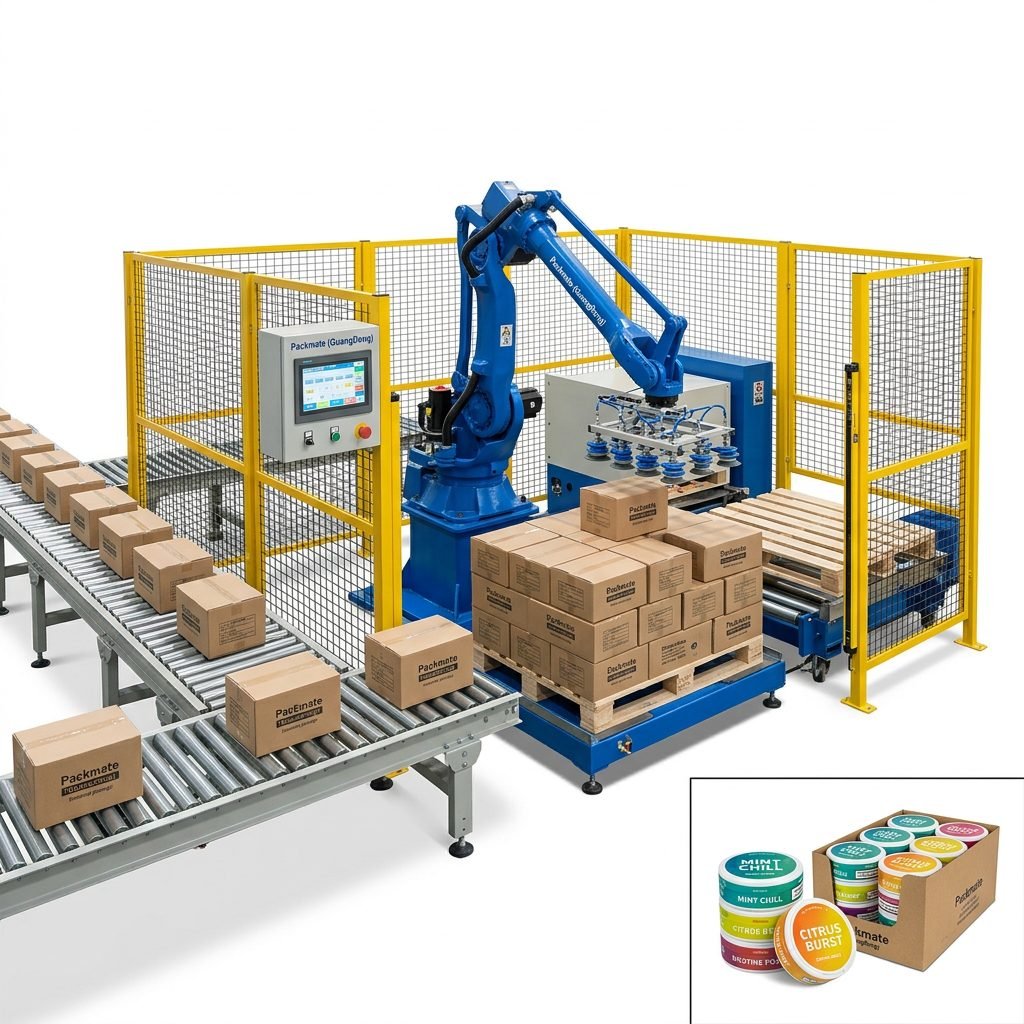
Conveyor systems are far more than simple belts moving items from point A to point B. In automated packaging lines, they serve as the central nervous system, coordinating complex sequences with precision. For industries where contamination control, traceability, and gentle handling are non-negotiable, the conveyor’s design, materials, and control logic are paramount. An intelligent system can adapt to different product sizes, manage accumulation without pressure, and interface seamlessly with robotic palletizers or vision inspection systems, creating a truly turnkey solution.
Key Advantages of Integrated Conveyor Systems:
- ➤ Enhanced Productivity: Eliminates manual handling bottlenecks, enabling non-stop, high-speed operation.
- ➤ Consistent Product Quality: Minimizes product damage, jostling, or spillage, especially crucial for fragile items or precise powder doses.
- ➤ Improved Hygiene & Safety: Designed with cleanability in mind, using materials that meet FDA/USDA or cGMP standards, reducing contamination risks.
- ➤ Space Optimization: Custom configurations (linear, curved, modular) maximize floor space utilization within the production facility.
- ➤ Data & Traceability: Modern systems integrate with SCADA or MES software, providing real-time data on line performance, throughput, and facilitating track-and-trace mandates.
Specialized Considerations by Industry
The “one-size-fits-all” approach fails utterly in packaging automation. Each industry imposes unique demands that must be engineered into the conveyor system from the ground up.
Food Packaging Conveyors
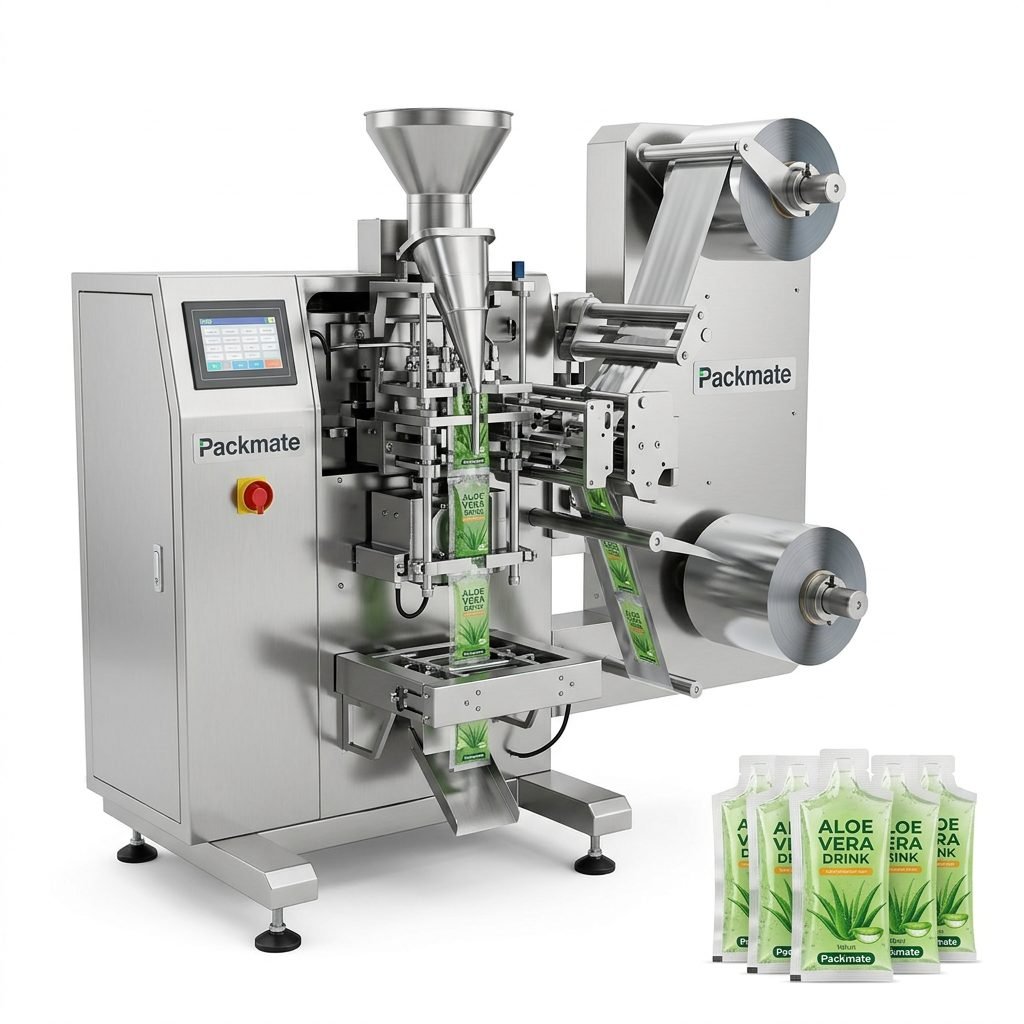
Hygiene is the supreme directive. Conveyors for food applications must feature easy-clean designs, often with stainless steel frames and FDA-approved plastic belts. Sanitary guides, minimal crevices, and wash-down capabilities are standard. Systems must handle diverse products—from rigid containers to flexible pouches—without compromising sanitation. For oily or sticky products, specialized belt coatings or cleats may be required. Exploring a provider’s past case studies in food packaging can reveal practical insights into successful implementations.
Pharmaceutical & Nutraceutical Conveyors
Beyond hygiene, pharmaceutical packaging demands unparalleled precision and validation. Conveyors must support aseptic processing where required, often incorporating laminar airflow hoods or containment features. Accuracy in vial or blister pack positioning is critical for downstream labeling and cartoning. The system must be fully documentable and compliant with stringent cGMP guidelines, with materials that withstand rigorous cleaning agents. Reliability is non-negotiable to avoid costly production halts in a highly regulated environment.
Powder & Granule Packaging Conveyors
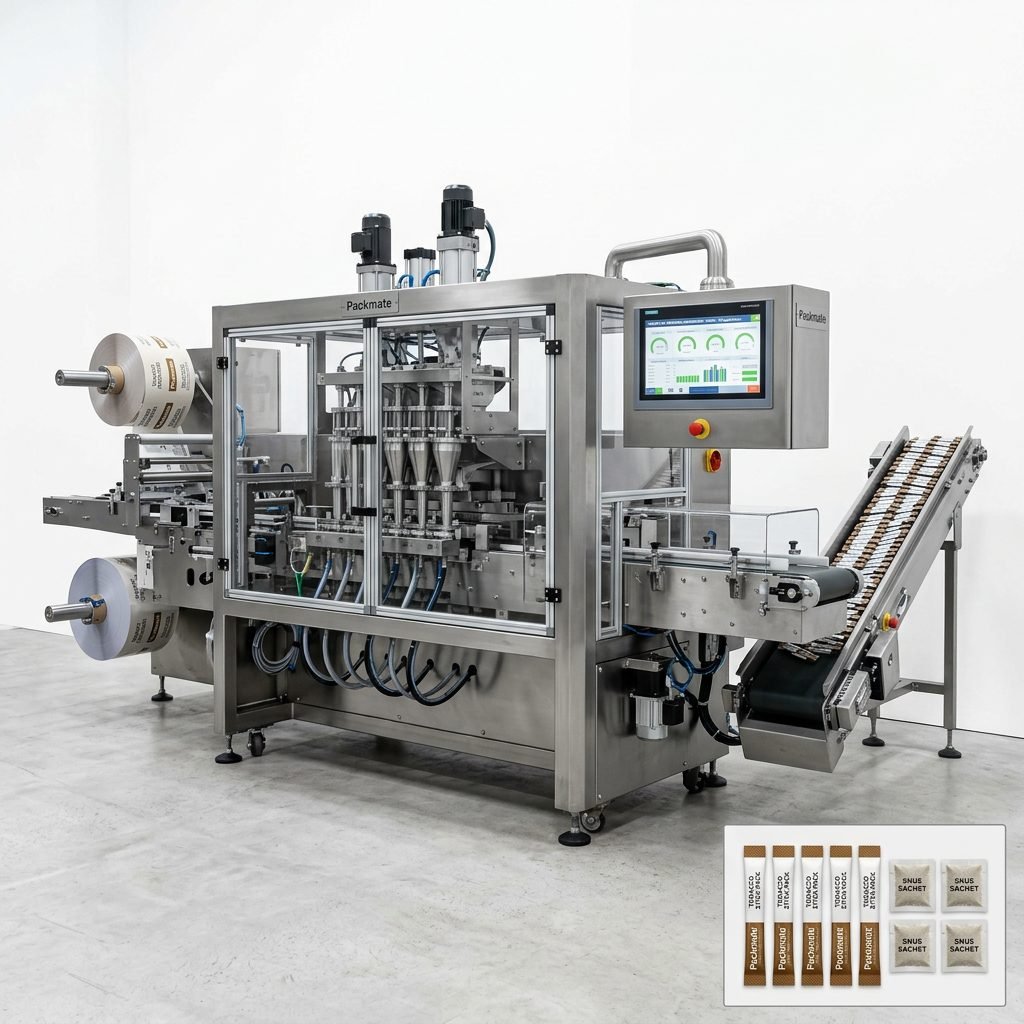
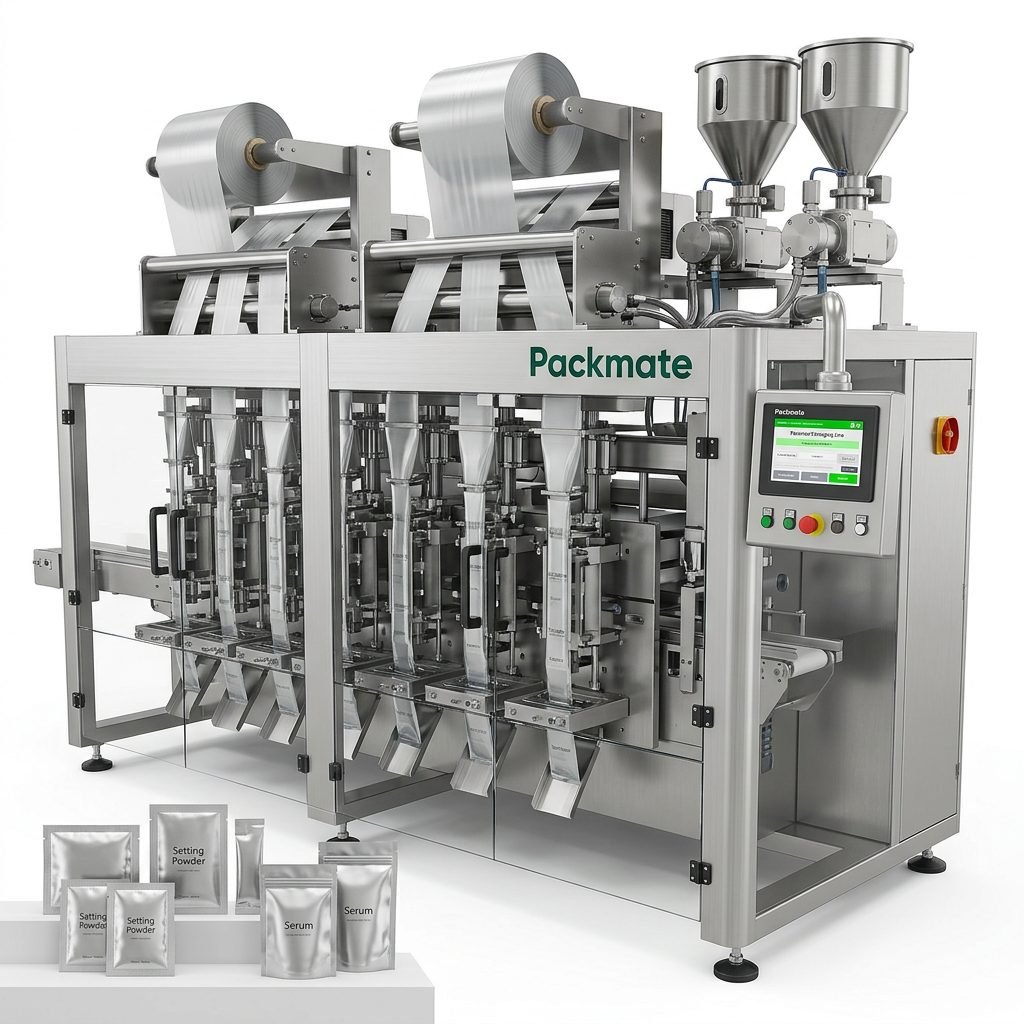
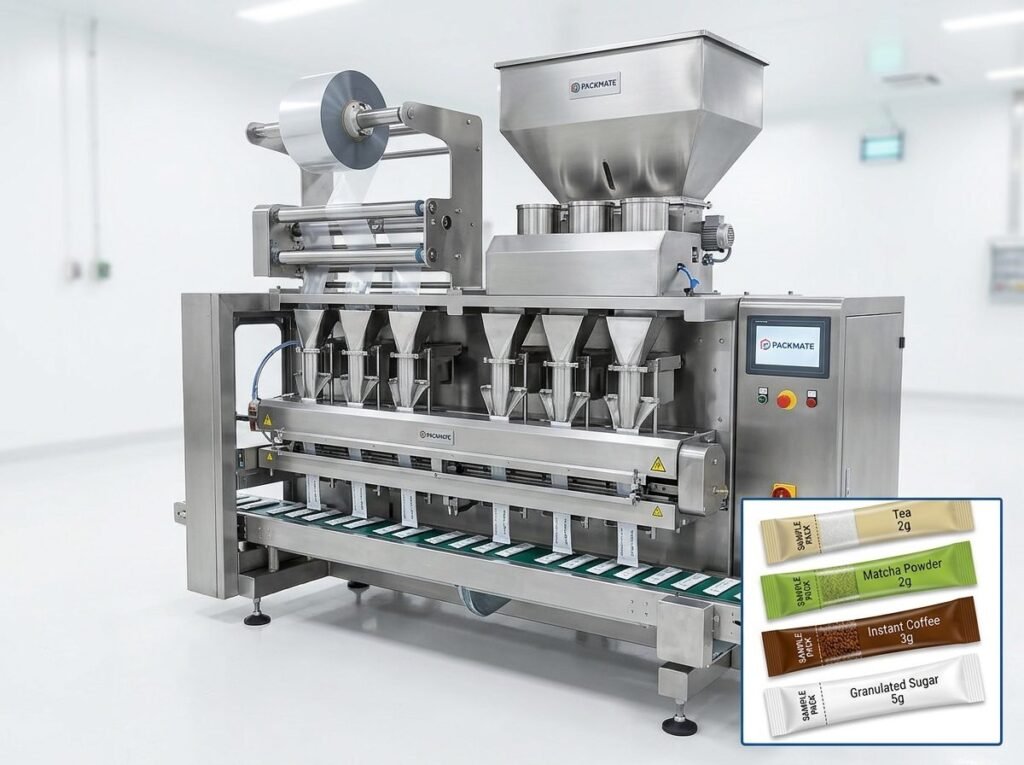
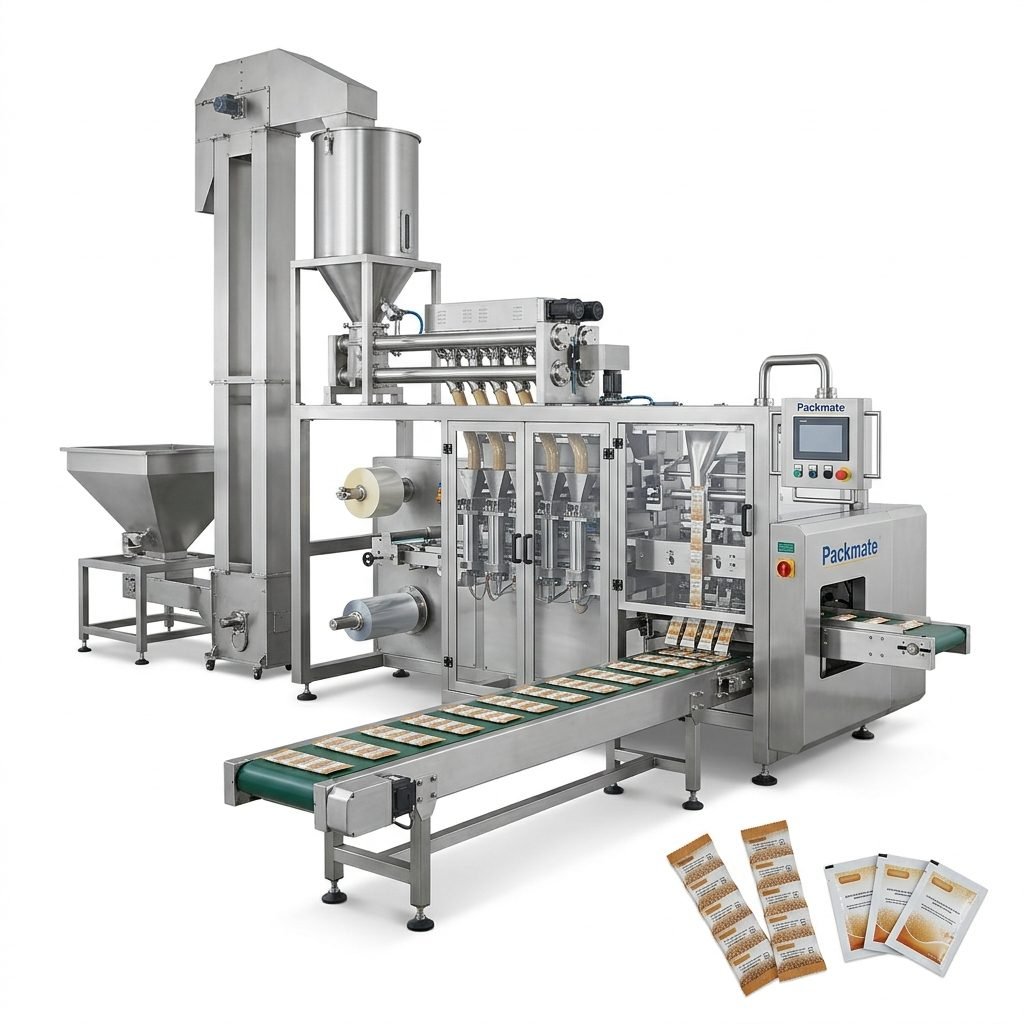
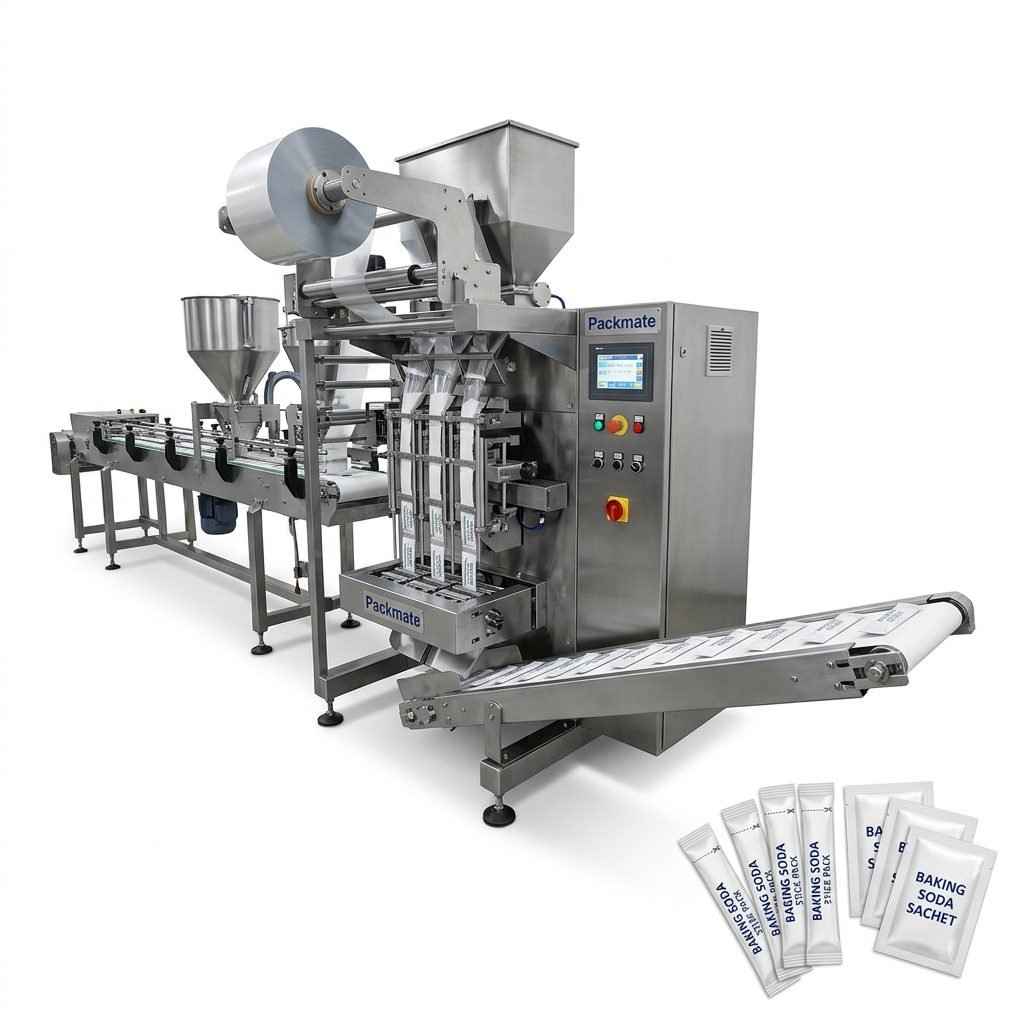
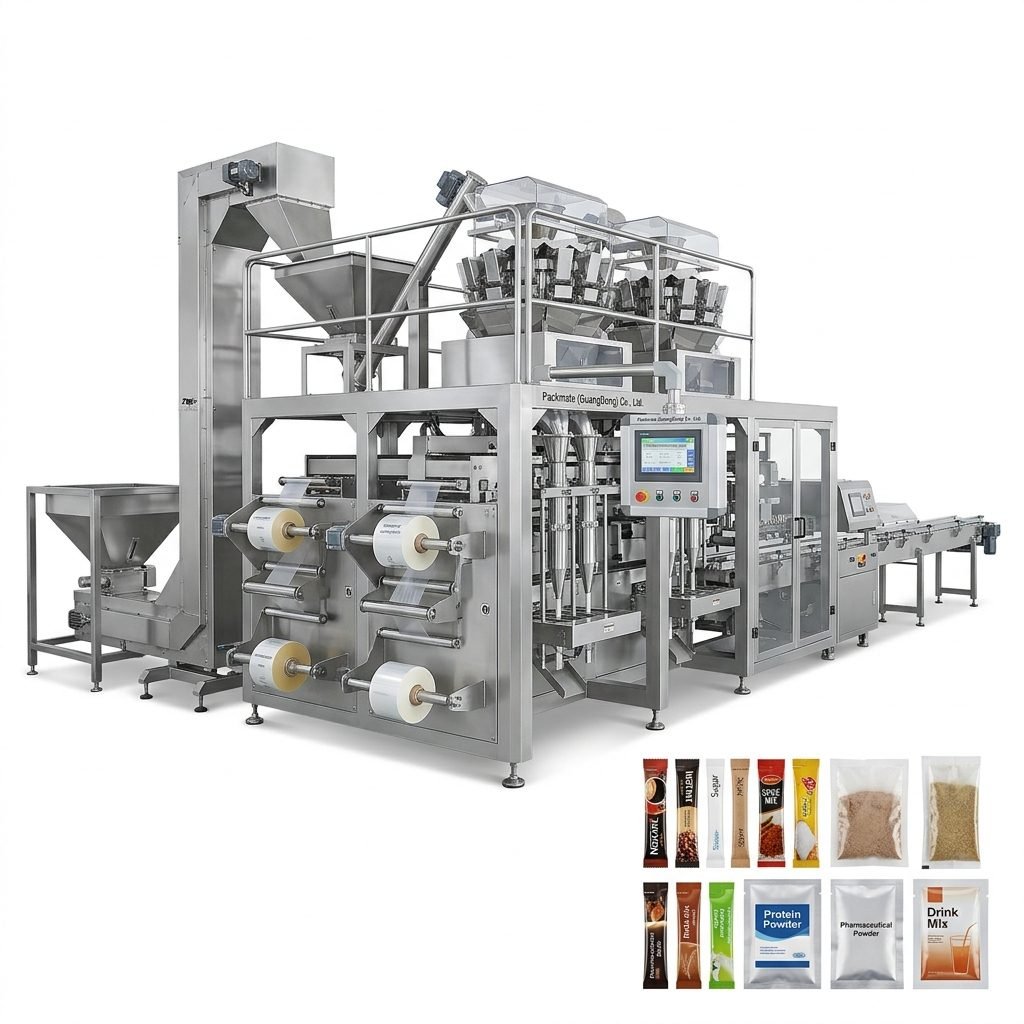
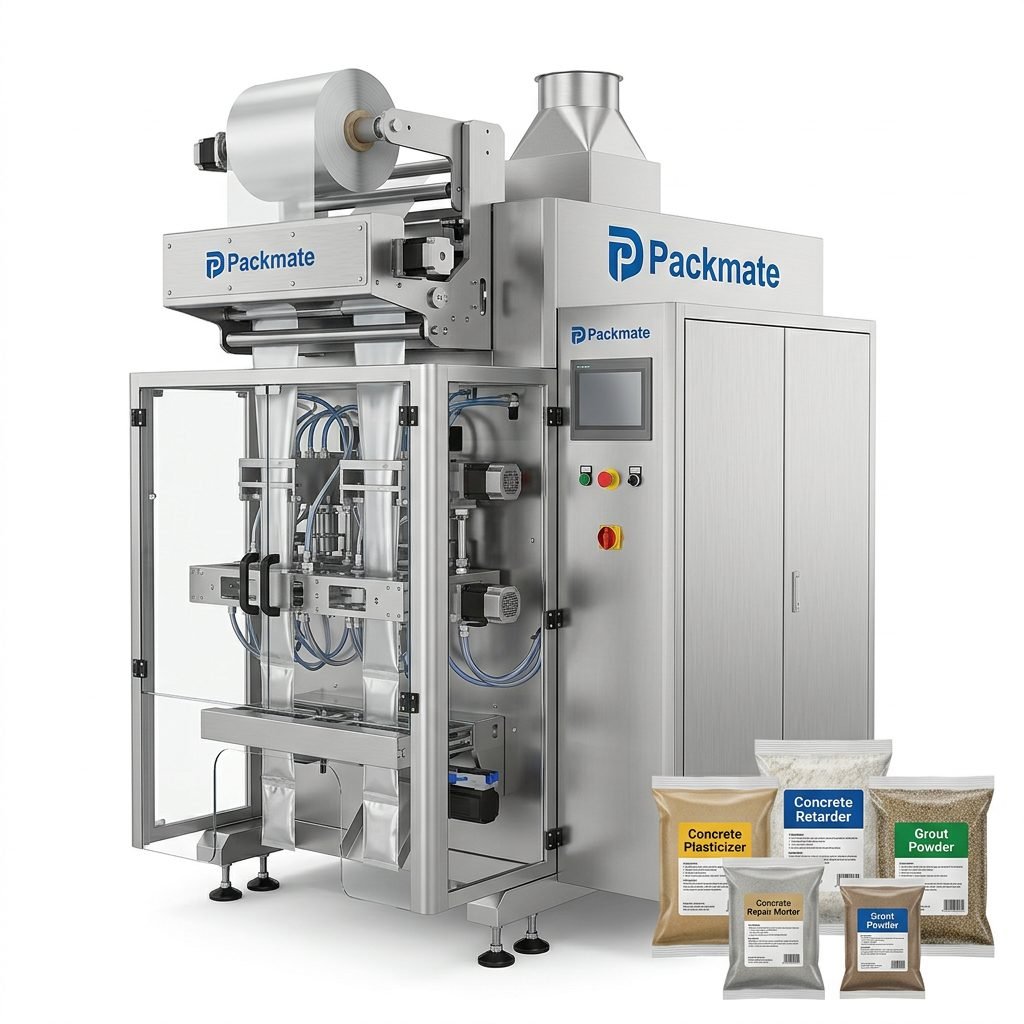
This sector battles the constant challenge of dust and cross-contamination. Conveyor systems must be enclosed or designed with effective dust extraction points. Belt selection is crucial to prevent particle adhesion or static buildup, which can lead to inaccurate filling weights. Gentle handling is essential to prevent product degradation or separation of blended materials. The integration of the conveyor with filling machines, like multi-lane stick pack or large bag systems, must be airtight and precise.
Choosing the Right Partner for Your Conveyor System
Selecting a conveyor is not just buying equipment; it’s forming a partnership with an integrator who understands your entire process. A leader like Packmate (GuangDong) Co., Ltd. brings over 30 years of experience in designing turnkey packaging solutions. Their expertise ensures the conveyor is not an afterthought but a core, optimized component of your line. Key factors to evaluate in a partner include:
✔ Technical Expertise
Deep knowledge of industry-specific regulations and material science.
✔ Customization Capability
Ability to tailor width, speed, material, and layout to your exact needs.
✔ Integration Proficiency
Proven experience in seamlessly connecting conveyors with fillers, sealers, coders, and robots.
Future-Proofing Your Packaging Line
Investing in a conveyor system is a long-term decision. Future-proofing involves selecting modular designs that can be easily reconfigured for new products or expanded throughput. Incorporating IoT sensors for predictive maintenance, using energy-efficient drives, and ensuring control systems are compatible with Industry 4.0 data protocols are wise considerations. A partner invested in innovation and quality, as outlined in Packmate’s mission and vision, will provide systems that not only meet today’s needs but also adapt to tomorrow’s challenges.
The convergence of precision engineering, hygienic design, and smart controls in modern conveyor systems makes them the unsung heroes of packaging automation. For businesses in the food, pharmaceutical, and powder sectors, partnering with an experienced provider to design this critical link is the surest path to achieving a reliable, compliant, and highly efficient packaging operation. It transforms a series of machines into a cohesive, intelligent production asset.
Frequently Asked Questions (FAQs)
1. What belt material is best for food-grade conveyor systems?
For direct food contact, belts must be FDA and USDA-approved. Common choices include polyurethane (PU), polyethylene (PE), or stainless steel. PU belts offer excellent cleanliness and flexibility, while stainless steel is ideal for high-temperature wash-downs. The best choice depends on the food type, temperature, and cleaning regimen.
2. How can we prevent powder dust from contaminating our conveyor line?
Effective strategies include using fully enclosed conveyor sections, installing integrated dust extraction/vacuum ports at transfer points, utilizing static-dissipative belts, and ensuring tight seals at all machine interfaces. Regular maintenance and cleaning protocols are also essential.
3. Can one conveyor system handle different package sizes on the same line?
Yes, with the right design. Modular conveyors with adjustable guides and side belts are common. For more significant size variations, a changeover system with quick-release components or a programmable logic controller (PLC) that adjusts guide positions and belt speeds automatically can be implemented.
4. What maintenance is required for an automated packaging conveyor?
Routine maintenance includes regular belt tracking checks, cleaning (especially for food/pharma), lubrication of bearings and drives as per manufacturer specs, and inspection of wear parts like guides and sensors. Modern systems with IoT connectivity can provide predictive maintenance alerts.
5. Why choose a turnkey provider like Packmate for a conveyor system instead of sourcing it separately?
A turnkey provider ensures seamless integration. They design the conveyor as an optimized component of the entire line, guaranteeing compatibility with fillers, sealers, and other machinery. This single-point responsibility reduces interface risks, streamlines validation (crucial for pharma), and provides comprehensive after-sales service and support, leading to faster commissioning and higher long-term reliability.