The global energy drink market is a dynamic and fast-paced industry, demanding production solutions that are equally agile, efficient, and reliable. At the heart of this high-speed beverage production lies the critical process of energy drink filling and packaging. A seamless, integrated line is not just an operational asset; it is a strategic imperative for brands looking to scale, maintain product integrity, and capture market share. This article delves into the core components, technological advancements, and strategic considerations for implementing a world-class energy drink filling and packaging line.
The Core of High-Speed Production: Integrated Line Solutions
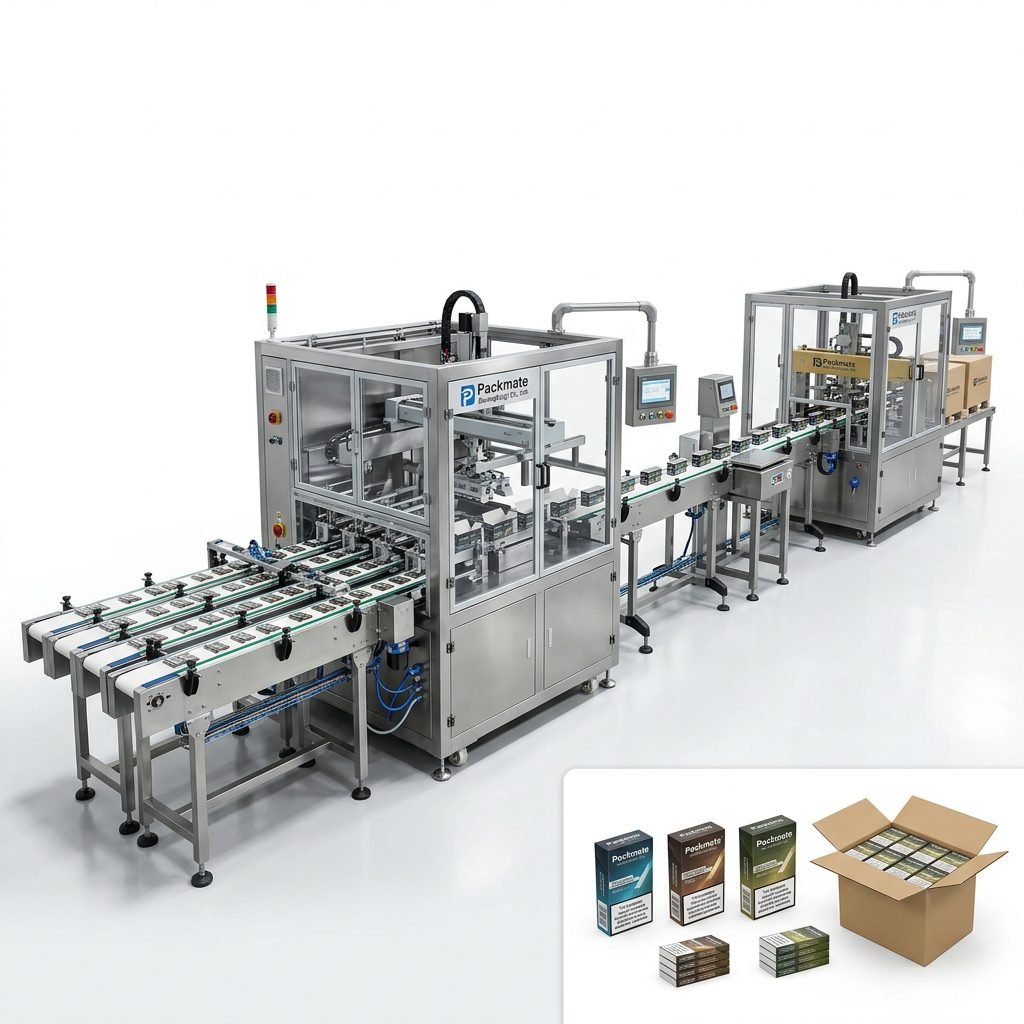
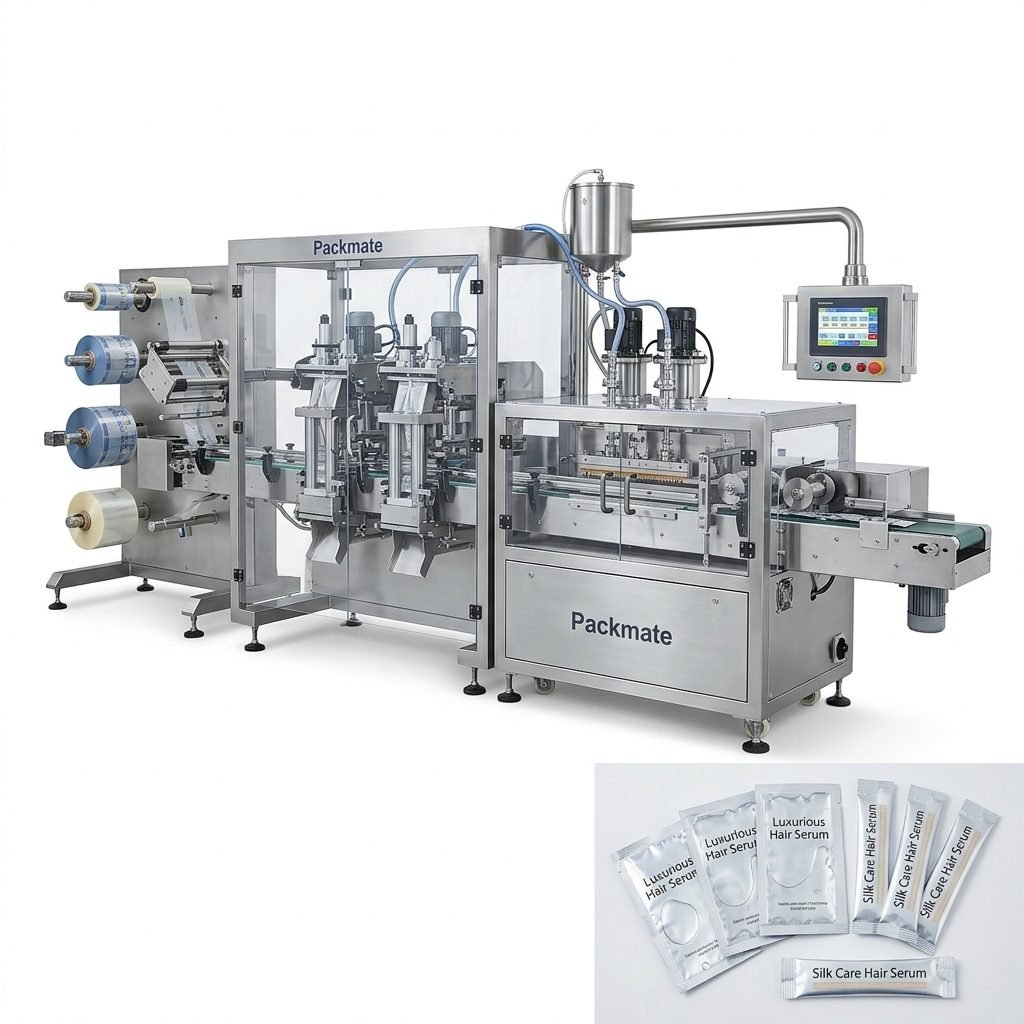
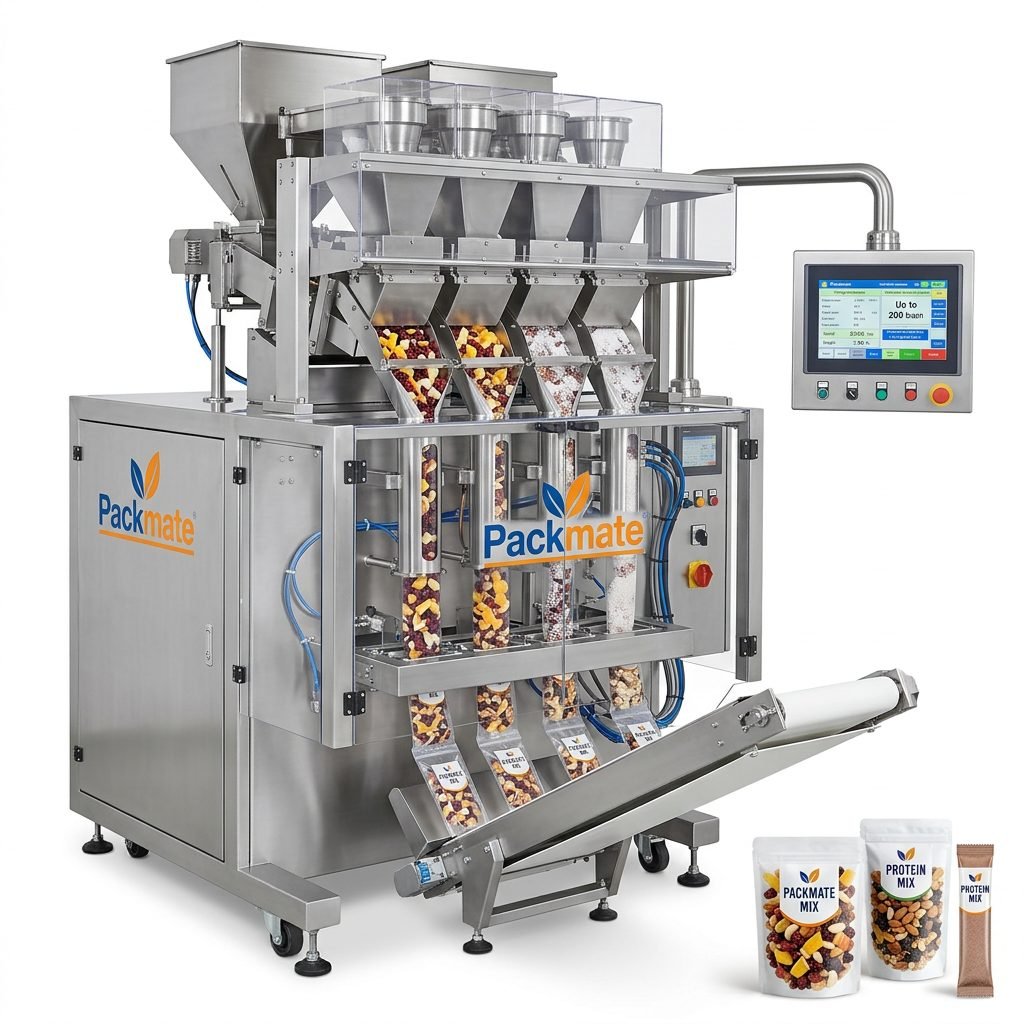
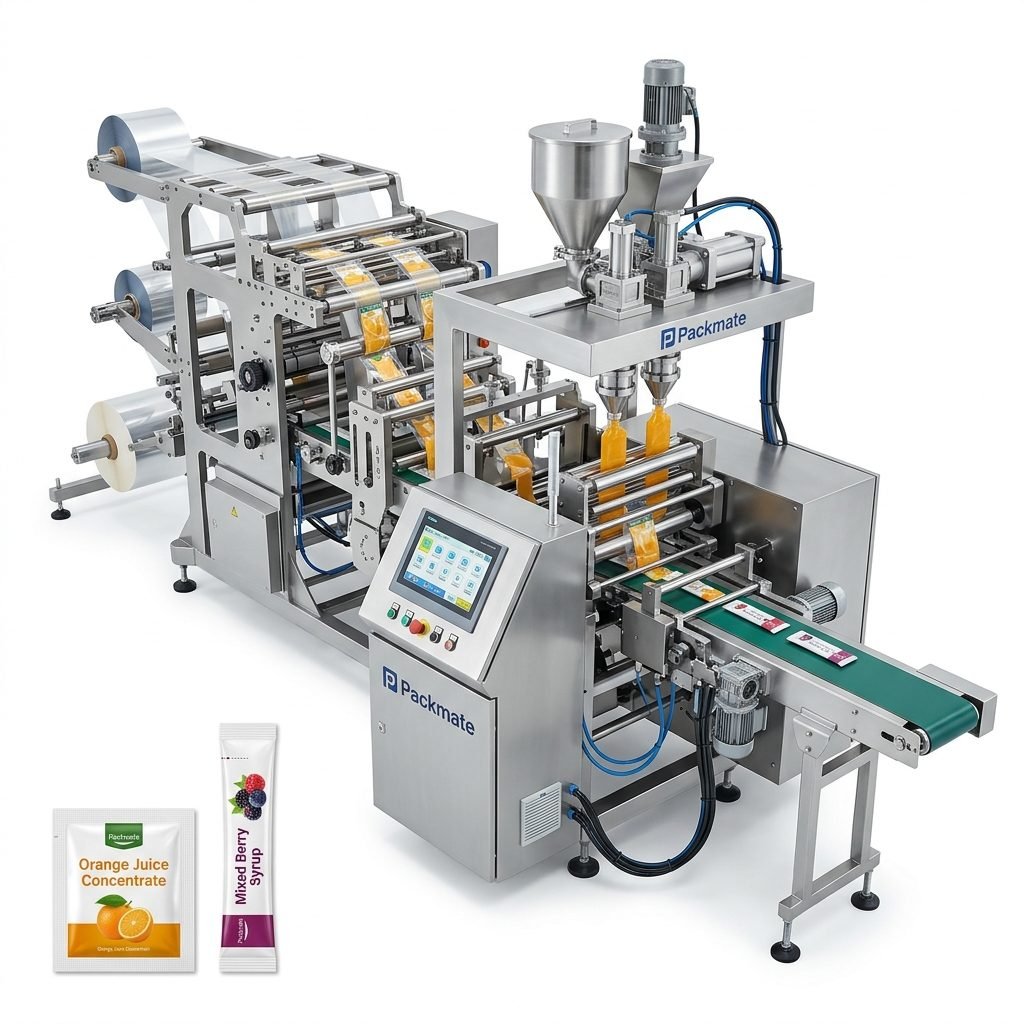
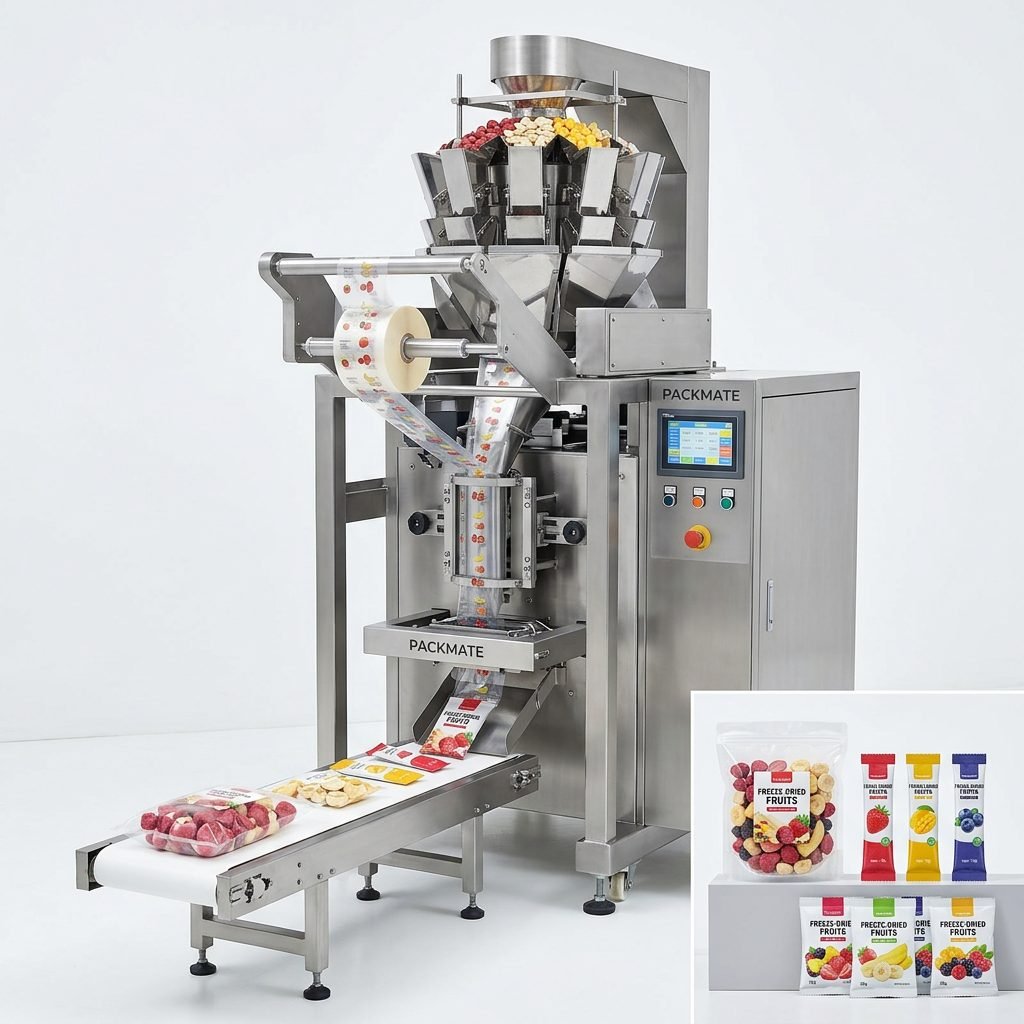
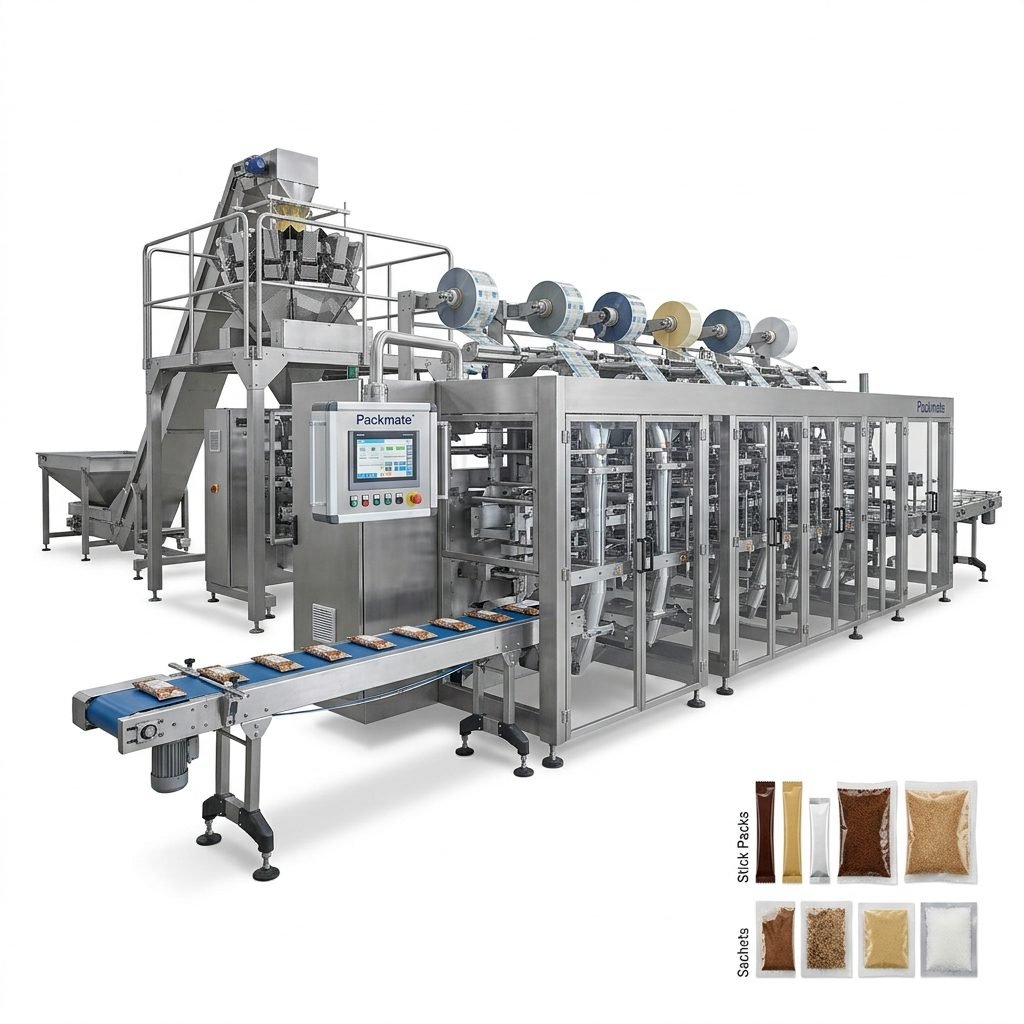
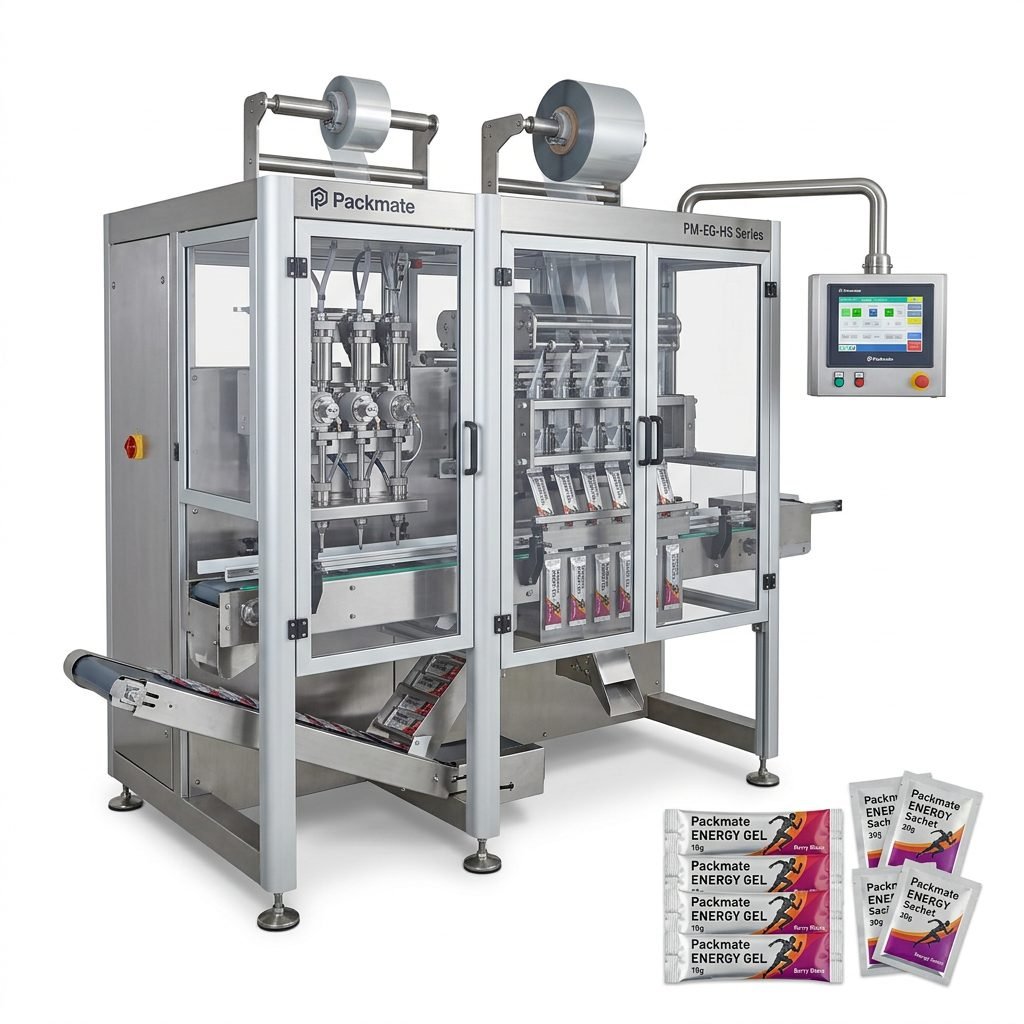
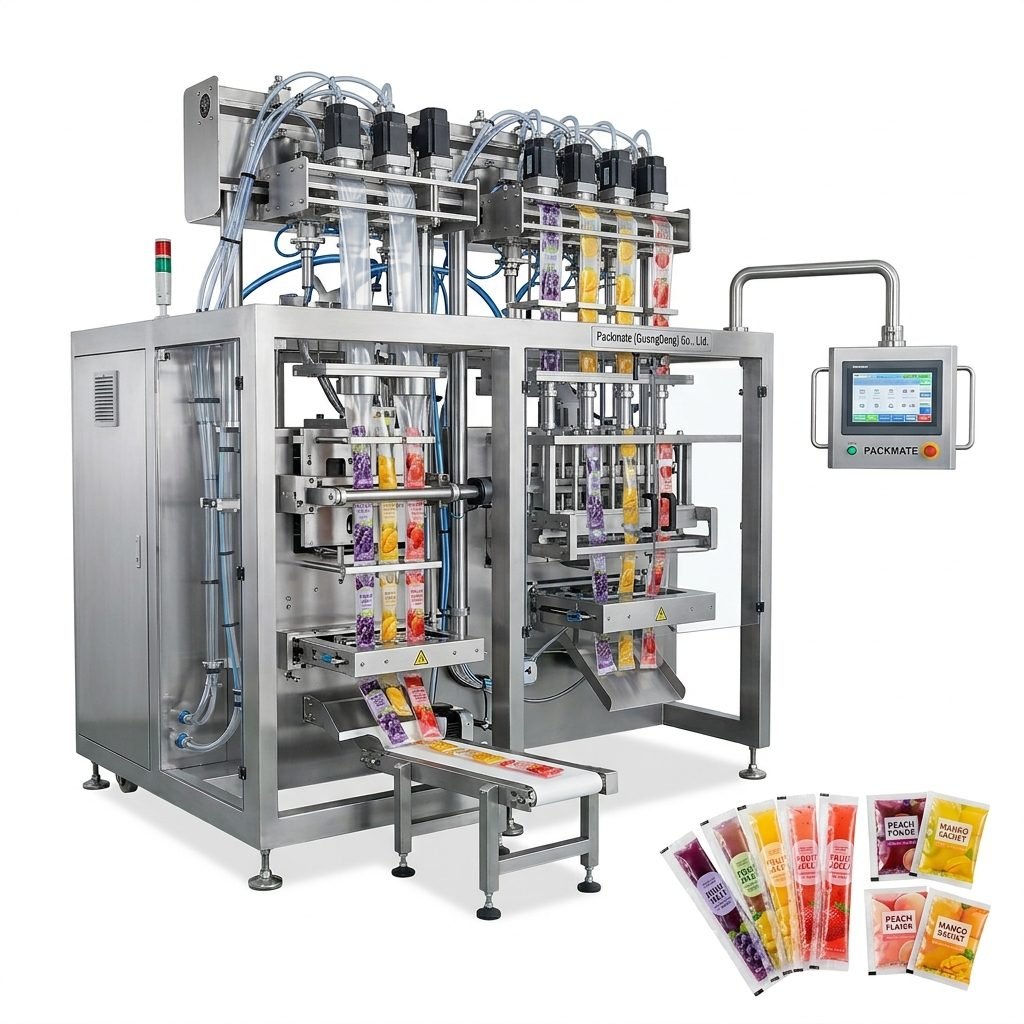
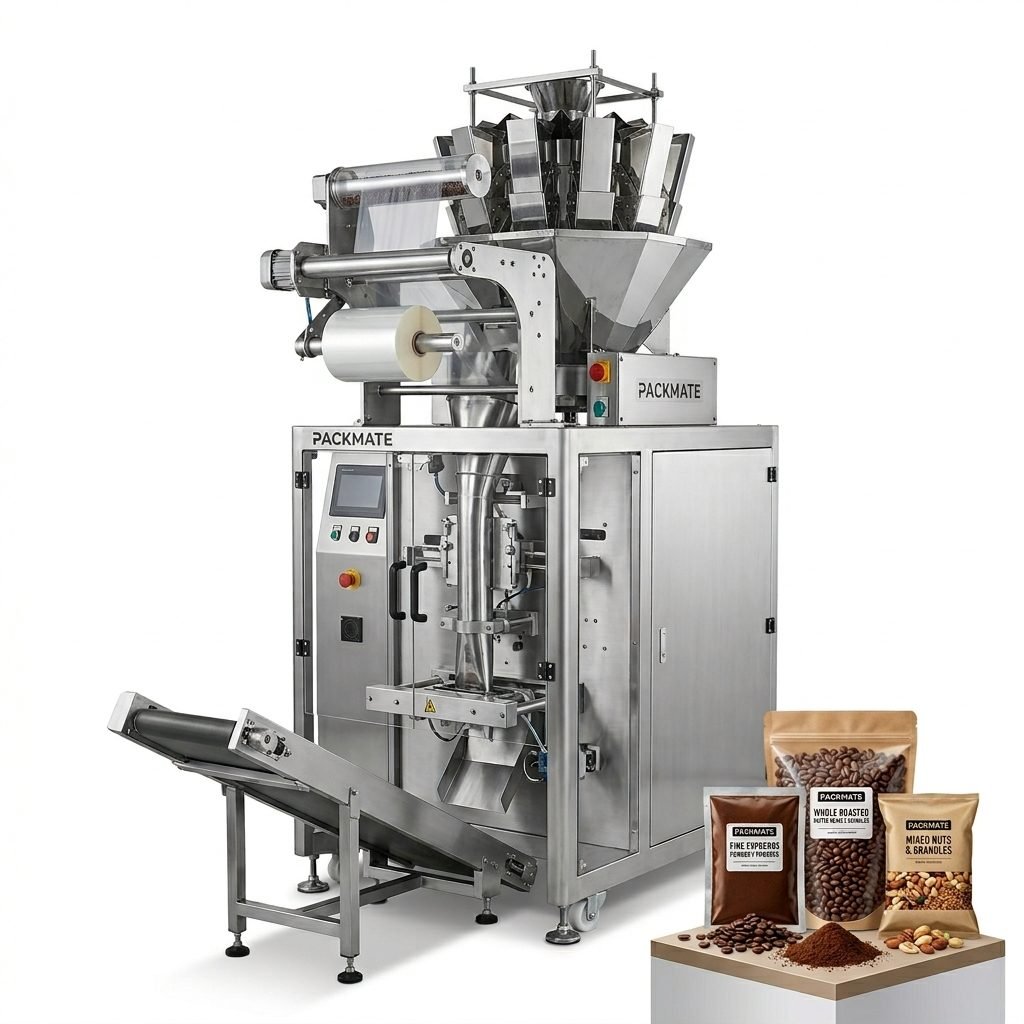
An effective energy drink production line is a symphony of synchronized machinery. It begins with the precise filling system, which must handle the often-viscous and carbonated nature of energy drinks with absolute accuracy to ensure consistent volume and prevent oxidation. This is followed by sealing—whether for cans, bottles, or innovative formats like stick packs—which must be hermetic to preserve freshness, carbonation, and active ingredients. The packaging stage then takes over, organizing filled containers into multipacks, trays, or boxes with high-speed precision.
The true power, however, is unlocked through integration. A turnkey packaging line from a single provider like Packmate ensures all components, from rinsers and fillers to cappers and labelers, communicate flawlessly. This minimizes bottlenecks, reduces downtime, and simplifies maintenance and training, creating a streamlined workflow essential for meeting the high-volume demands of the energy drink sector.
Key Technological Drivers for Efficiency and Quality
Modern lines are powered by several key technologies. Servo-driven motors have revolutionized motion control, allowing for smoother acceleration, pinpoint accuracy in filling, and significant energy savings compared to traditional mechanical systems. Advanced PLC (Programmable Logic Controller) and HMI (Human-Machine Interface) systems provide operators with intuitive control over every parameter, from fill volume and sealing temperature to line speed. Real-time monitoring and data logging enable predictive maintenance, catching potential issues before they cause stoppages.
Furthermore, hygienic design is non-negotiable. Equipment constructed with sanitary stainless steel, clean-in-place (CIP) capabilities, and easy-access panels for cleaning ensures compliance with stringent food safety standards and protects the product’s quality. For brands exploring diversification, modular lines that can handle different container sizes or product types (e.g., switching between energy drinks and enhanced waters) offer invaluable flexibility. Discover more about our adaptable packaging solutions designed for such versatility.
Addressing Specific Energy Drink Challenges
Energy drinks present unique challenges that packaging lines must expertly navigate:
- Product Preservation: The blend of vitamins, amino acids (like taurine), and caffeine is sensitive to light and oxygen. Lines must incorporate nitrogen flushing or vacuum filling to displace oxygen from the headspace of bottles or cans, drastically extending shelf life and preserving efficacy.
- Carbonation Retention: Maintaining the desired level of fizz is critical for consumer satisfaction. Isobaric (counter-pressure) fillers are essential for cans and bottles, preventing CO2 loss during the filling process and ensuring every can has the perfect pop.
- High-Viscosity Handling: Some energy drinks with added supplements can be thicker. Piston fillers or specialized pumps are required to ensure accurate, drip-free filling without compromising speed.
Successfully implementing a line that tackles these challenges is detailed in our real-world project case studies.
The Strategic Advantage of a Reliable Partner
Choosing the right equipment supplier is a strategic decision. A partner with deep industry experience brings more than just machinery; they bring solutions. Look for a provider with a proven track record in beverage filling, one who understands the entire process from raw material handling to palletizing. Comprehensive after-sales service, including readily available spare parts, remote technical support, and on-site engineer training, is crucial for maximizing uptime and return on investment.
A true partner will conduct a thorough analysis of your production goals, facility layout, and product portfolio to recommend a customized line configuration. This collaborative approach, grounded in decades of expertise like that of Packmate’s team, ensures the solution is not just purchased but successfully integrated into your long-term growth strategy. Learn about the company profile and engineering philosophy behind reliable solutions.
Future-Proofing Your Production Investment
The energy drink market continues to evolve with trends like sugar-free variants, natural ingredients, and sustainable packaging. A future-proof filling line must have the inherent flexibility to adapt. This includes the ability to run different types of recyclable or lightweight materials, easy changeover systems for new bottle designs, and the data infrastructure to support Industry 4.0 initiatives like overall equipment effectiveness (OEE) tracking and integration with enterprise resource planning (ERP) systems.
Investing in a high-quality, automated line from the outset may have a higher initial cost, but it pays dividends through lower operational costs, reduced waste, superior product consistency, and the agility to seize new market opportunities. It transforms your production floor from a cost center into a competitive advantage.
Conclusion
In the race to quench the world’s thirst for energy, the efficiency and reliability of your filling and packaging line are paramount. By focusing on integrated, technologically advanced solutions from a experienced partner, energy drink manufacturers can achieve the high-speed production necessary to compete, while ensuring the quality and consistency that build brand loyalty. The right line is more than equipment; it is the engine of your brand’s growth and innovation.
Frequently Asked Questions (FAQs)
What is the typical output speed for a modern energy drink filling line?
Speeds vary greatly based on container type and line configuration. Standard rotary filling lines for cans or PET bottles can range from 200 to 1,200 containers per minute (CPM) or more for large-scale producers. For flexible packaging like stick packs, multi-lane machines can achieve outputs of several thousand sachets per minute.
How important is hygienic design for energy drink equipment?
Extremely important. Energy drinks are food products with sensitive ingredients. Hygienic design with stainless steel construction, smooth surfaces, and CIP systems prevents bacterial harborage, ensures easy cleaning, and is essential for meeting global food safety standards like FDA and EFSA regulations.
Can one line handle both carbonated and non-carbonated energy drinks?
Yes, but it requires specific configuration. A line can be designed with a filler capable of both isobaric (for carbonated) and atmospheric (for non-carbonated) filling. Changeover involves adjusting parameters and potentially some mechanical parts, which a well-designed modular line can facilitate efficiently.
What are the key maintenance requirements for high-speed filling lines?
Regular preventive maintenance is critical. Key tasks include daily cleaning and sanitization, lubrication of moving parts as per the manufacturer’s schedule, inspection and replacement of wear parts like seals and gaskets, and calibration of filling heads and sensors. A robust maintenance schedule maximizes uptime and prevents costly unplanned stoppages.
How do we choose between different packaging formats (cans, bottles, stick packs)?
The choice depends on your target market, brand positioning, and functional requirements. Cans offer excellent light and oxygen barrier properties. PET bottles are lightweight and resealable. Stick packs are ideal for single-serve, on-the-go convenience and powder-based energy products. A knowledgeable supplier can help you analyze the best fit for your product strategy.