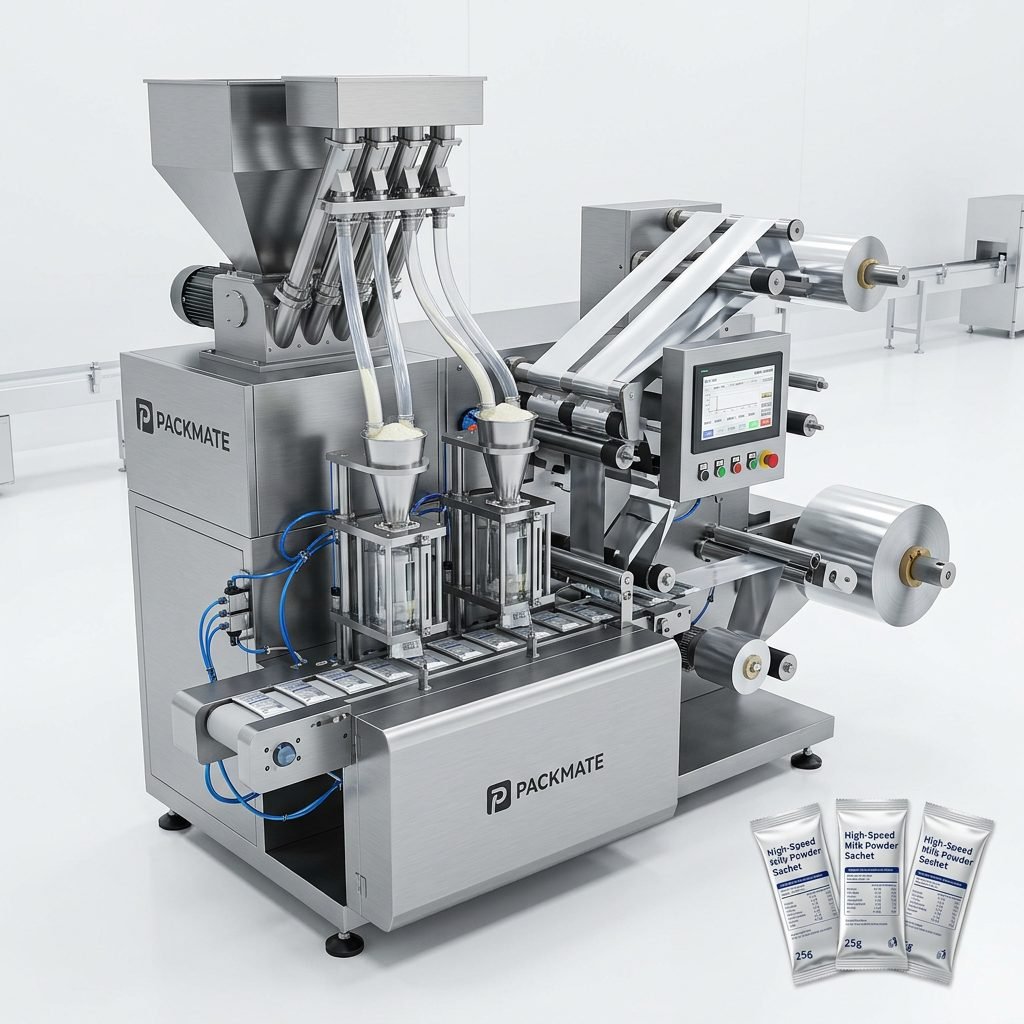
In today’s fast-paced and highly competitive food production landscape, efficiency and flexibility are not just advantages—they are necessities. For bakeries and food manufacturers producing custom bread products, the packaging stage is a critical point where bottlenecks can form and profitability can be compromised. A dedicated Custom Bread Dual Splice Packaging Line represents a transformative solution, engineered to streamline operations, enhance product presentation, and adapt seamlessly to diverse production needs. This integrated approach moves beyond standalone machines, offering a cohesive system designed for the unique challenges of bread packaging.
The Core Challenge in Modern Bread Packaging
Traditional packaging methods often struggle with the variety inherent in custom bread production. Switching between different bread types, sizes, or packaging materials can lead to significant downtime, product waste, and inconsistent seal quality. Manual splicing of packaging film is a common pain point, causing interruptions and potential hygiene concerns. A dual splice system directly addresses this by allowing continuous operation; while one reel is in use, the second is prepared, enabling a swift, automatic changeover with zero stoppage. This is the cornerstone of achieving efficient, flexible production.
Key Advantages of a Dual Splice System
- Uninterrupted Production: Eliminates downtime for reel changes, maximizing machine uptime and output.
- Reduced Waste: Minimizes film tail ends and product loss associated with manual splicing and machine stoppages.
- Operational Flexibility: Enables quick shifts between different packaging materials or designs without halting the line.
- Improved Hygiene: Automated process reduces direct human contact with packaging materials, supporting higher hygiene standards.
Components of a Complete Packaging Line Solution
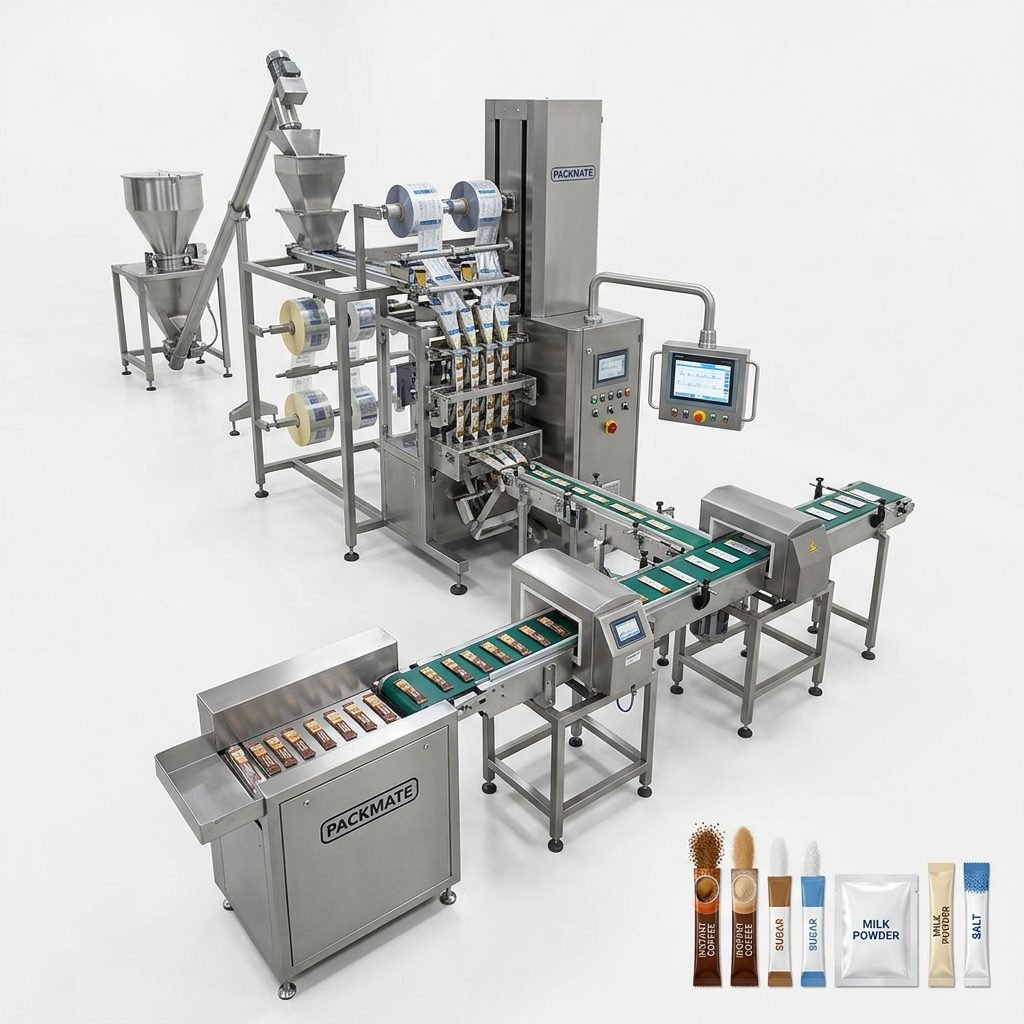
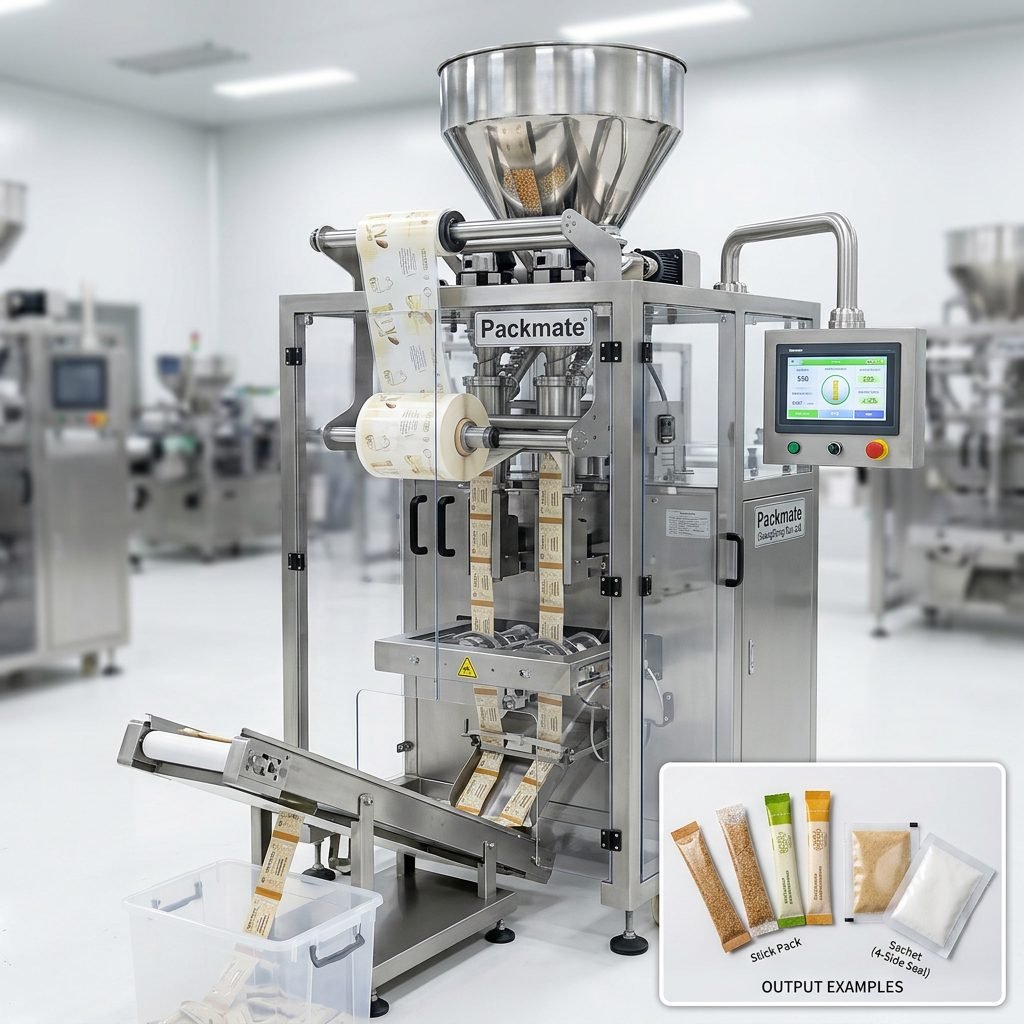
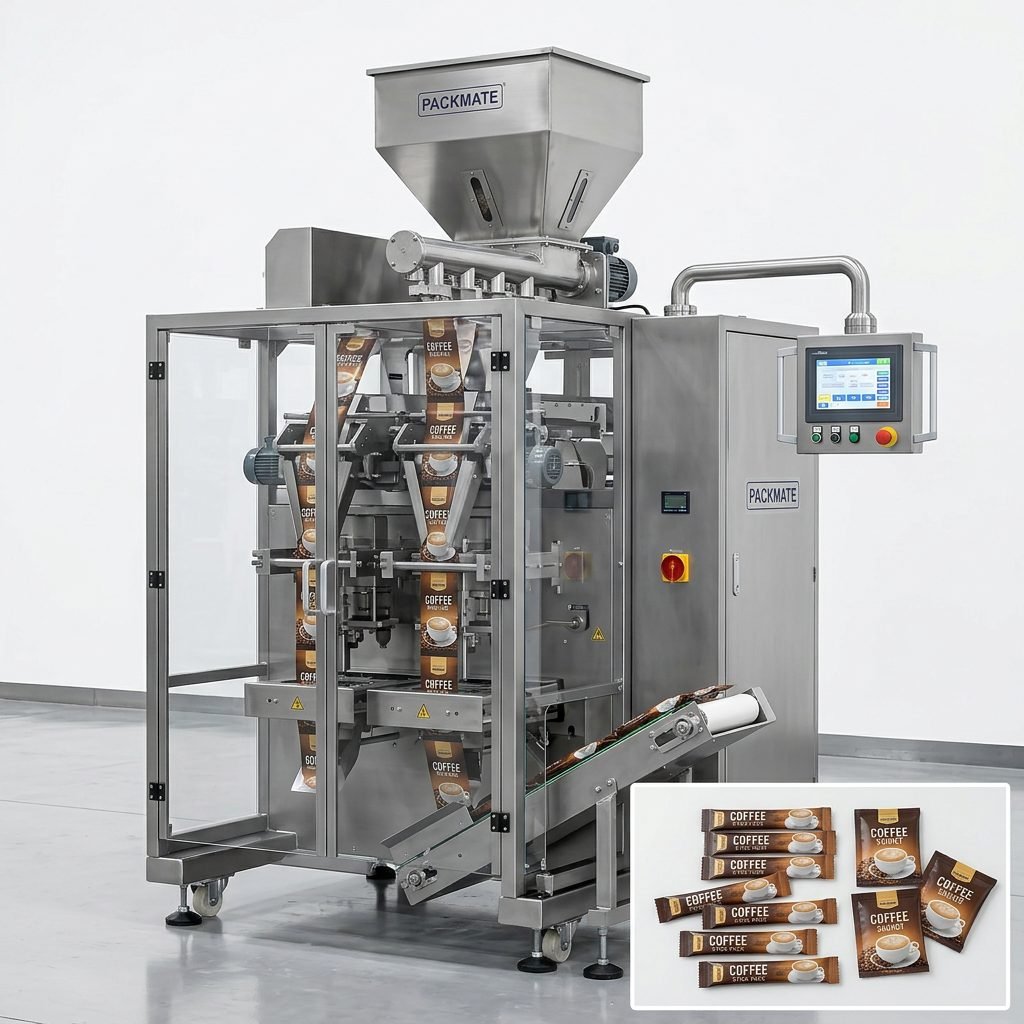
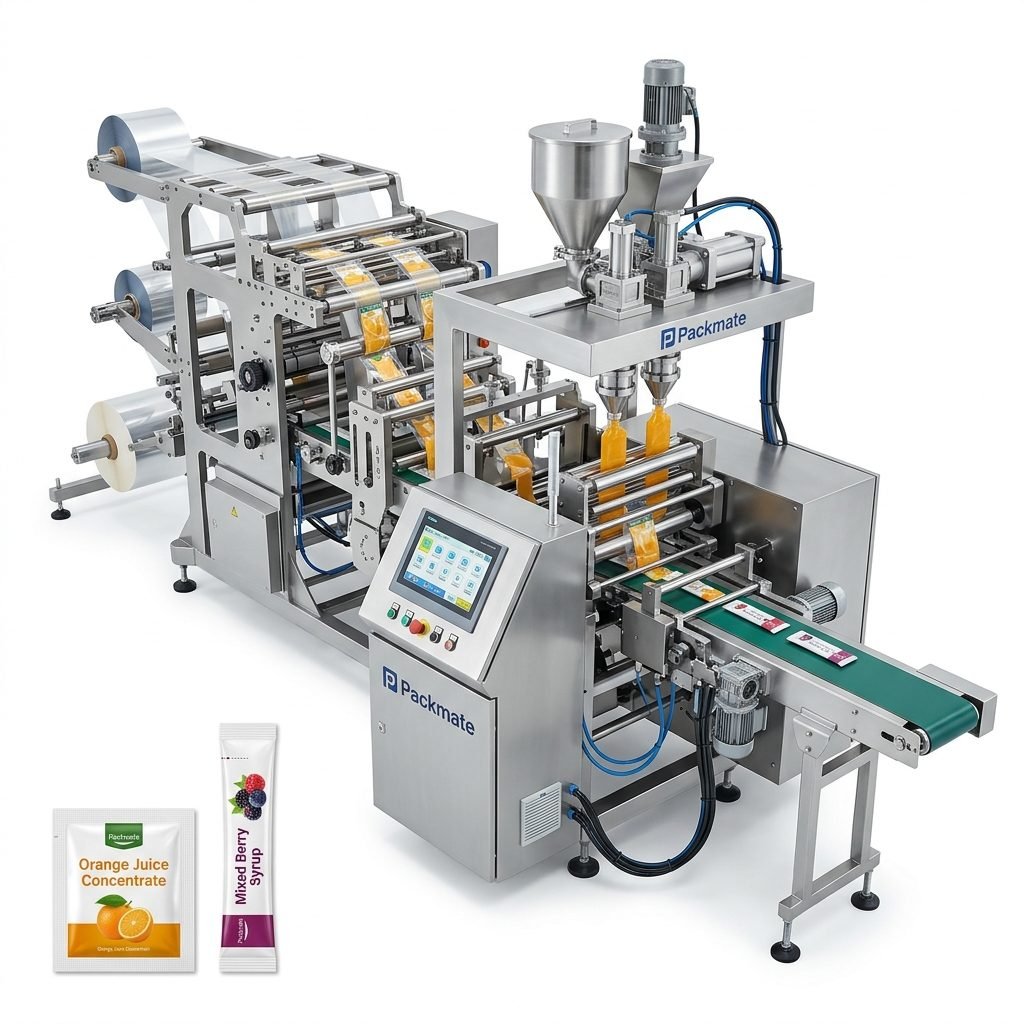
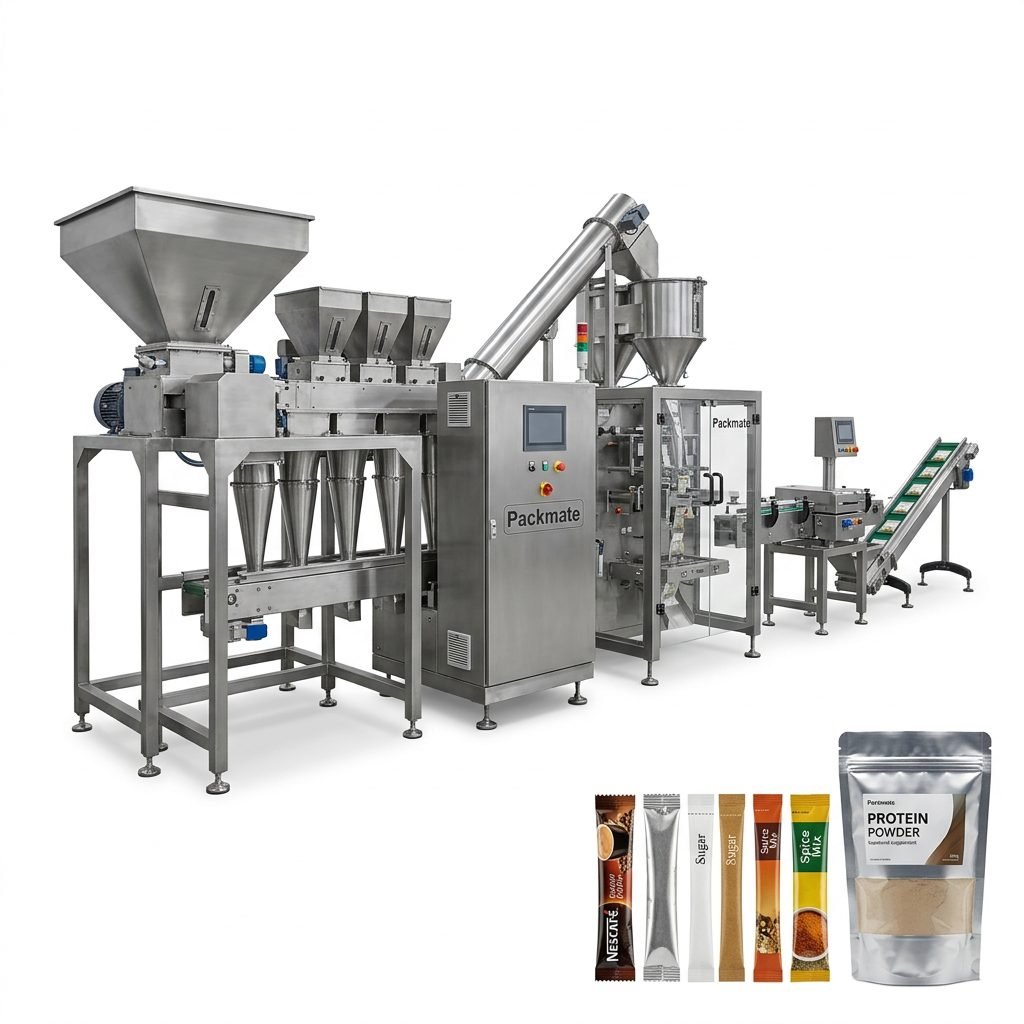
A true turnkey solution encompasses more than just the splicer. A robust Custom Bread Dual Splice Packaging Line integrates several key components into a synchronized workflow. It typically starts with an automated feeding system that gently handles delicate bread products. The heart of the line is the advanced form-fill-seal machine, which precisely creates the package, portions the product, and creates a secure seal. The dual splice unit is integrated here. This is often followed by a date coder and finally a collating or cartoning system for efficient case packing. Each component is selected and configured to work in harmony, ensuring a smooth flow from product to pallet.
Tailoring the Line to Your Product Profile
The “custom” in custom bread is paramount. An effective packaging line must be adaptable. This means configurable pouch sizes for everything from dinner rolls to artisan loaves, compatibility with various barrier films to ensure optimal freshness, and gentle handling mechanisms to protect delicate crusts and soft textures. The line’s software should allow for saving multiple product recipes, allowing operators to switch between production runs with just a few taps on the HMI screen. This level of customization is what transforms a standard line into a strategic asset for your specific production needs.
Driving Efficiency Through Smart Integration
Efficiency gains are realized through both mechanical speed and intelligent control. Modern dual splice packaging lines leverage Programmable Logic Controllers and touch-screen interfaces to provide precise control over every parameter—from film tension and sealing temperature to cut-off length and production speed. Predictive maintenance alerts and comprehensive production data reporting turn the machine from a tool into a source of business intelligence. By tracking output, waste, and downtime causes, manufacturers can make informed decisions to continuously optimize their processes, a principle deeply embedded in our approach at Packmate.
💡 The Flexibility Imperative
Market demand is volatile. The ability to quickly launch a new bread variety, run small batches for a specialty retailer, or switch to seasonal packaging is a powerful competitive edge. A dual splice line is inherently flexible. It allows for shorter production runs to be economically viable and facilitates rapid response to market trends. This agility protects your business from being locked into a single, high-volume product and opens doors to new market opportunities and case studies.
Beyond the Machine: The Value of a Trusted Partner
Investing in a sophisticated packaging line is a significant decision. The technology itself is crucial, but the partnership with the provider is equally important. A reliable partner offers comprehensive support, from initial consultation and factory layout planning to installation, training, and ongoing technical service. They understand that their success is tied to the uninterrupted performance of your line. With over 22+ years of company development and a 20,000㎡ modern manufacturing facility, Packmate embodies this partnership model, ensuring clients receive not just equipment, but a complete production solution backed by deep expertise.
Ensuring Quality and Freshness
The primary role of packaging is protection. For bread, this means maintaining freshness, preventing staleness, and protecting against physical damage and contamination. A dual splice line, when equipped with the correct film and sealing technology, creates consistent, hermetic seals that lock in moisture and lock out oxygen. This extends shelf life, reduces returns, and ensures the product reaches the consumer in perfect condition. Consistent quality in every package builds brand trust and consumer loyalty, turning your packaging into a silent brand ambassador on the store shelf.
Implementing a Custom Bread Dual Splice Packaging Line is a strategic move towards future-proofing your production capabilities. It is an investment that pays dividends through reduced operational costs, minimized waste, increased output, and the agility to grow with market demands. By choosing an integrated solution from an experienced provider, you secure a foundation for sustainable growth and consistent product quality.
Frequently Asked Questions (FAQs)
1. What is the main benefit of a “dual splice” system compared to a standard single-reel machine?
The primary benefit is continuous operation. A dual splice system has two film unwind stations. While one reel is feeding the packaging machine, the second reel can be loaded and the film threaded. When the first reel is nearly empty, the system automatically splices the tail of the first reel to the leader of the new reel without stopping production. This eliminates downtime for reel changes, significantly boosting overall equipment effectiveness (OEE).
2. Can this type of packaging line handle different sizes and shapes of bread?
Yes, a well-designed custom line is highly configurable. The form-fill-seal machine can be adjusted to create a wide range of pouch sizes. Feeding systems can be tailored with gentle conveyors or buckets to handle everything from soft sandwich bread to crusty baguettes without damage. The key is to work with your provider to specify your exact product range during the planning phase. Explore our range of adaptable packaging solutions.
3. How does this investment impact my return on investment (ROI)?
ROI is achieved through multiple channels: increased production output (less downtime), reduced labor costs (automation of splicing and feeding), lower material waste (precise film usage and less product loss), and improved product quality (fewer rejects). A detailed ROI analysis can be provided based on your current production metrics and the expected performance of the new line.
4. What kind of after-sales support and training can we expect?
Comprehensive support is critical. Reputable providers offer on-site installation and commissioning by experienced engineers, detailed operator and maintenance training, and access to a stock of spare parts. Remote support via phone or video call is also common. For example, our commitment to client success is outlined in our dedicated service and support offerings.
5. Where can I see examples of similar packaging lines in operation?
Requesting case studies or visiting the manufacturer’s facility for a live demonstration is highly recommended. This allows you to see the machine’s speed, flexibility, and build quality firsthand. You can review some of our successful implementations and client testimonials on our case studies page to understand the practical applications and results.