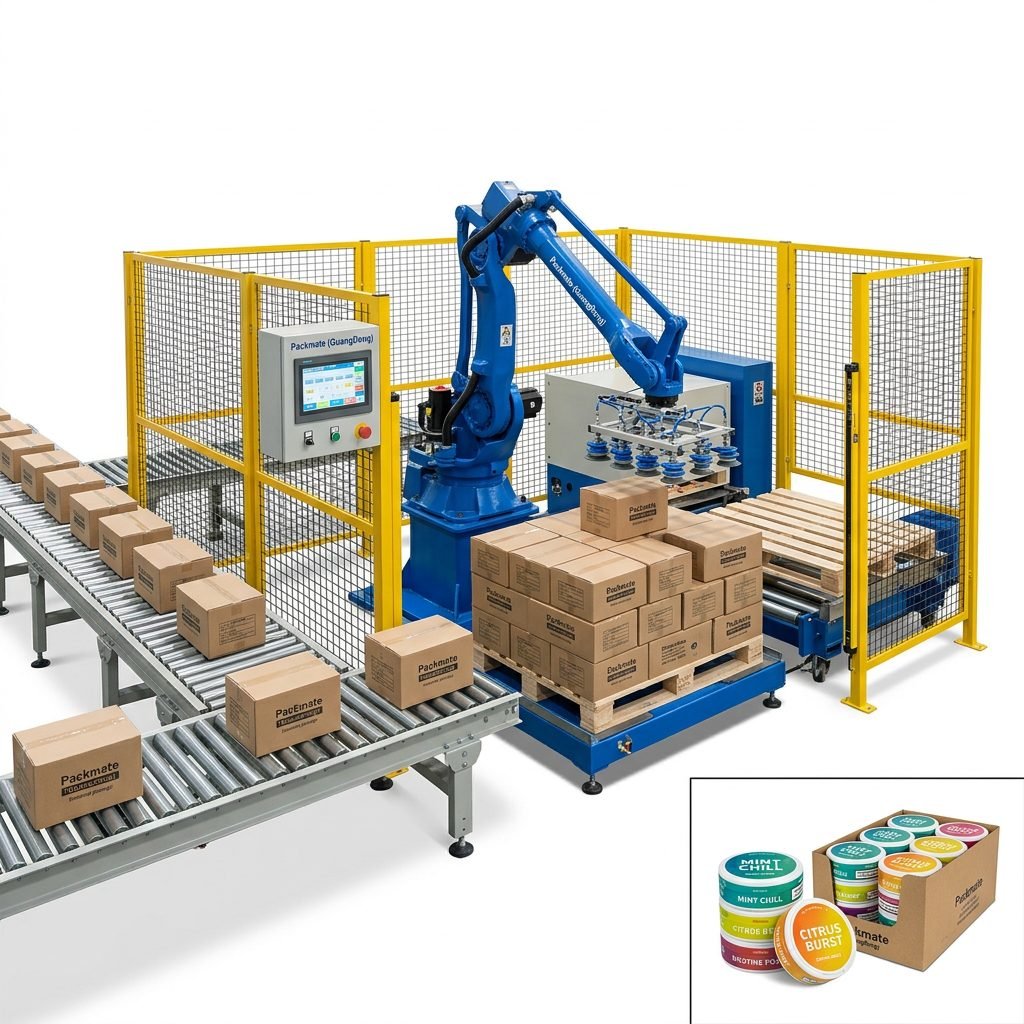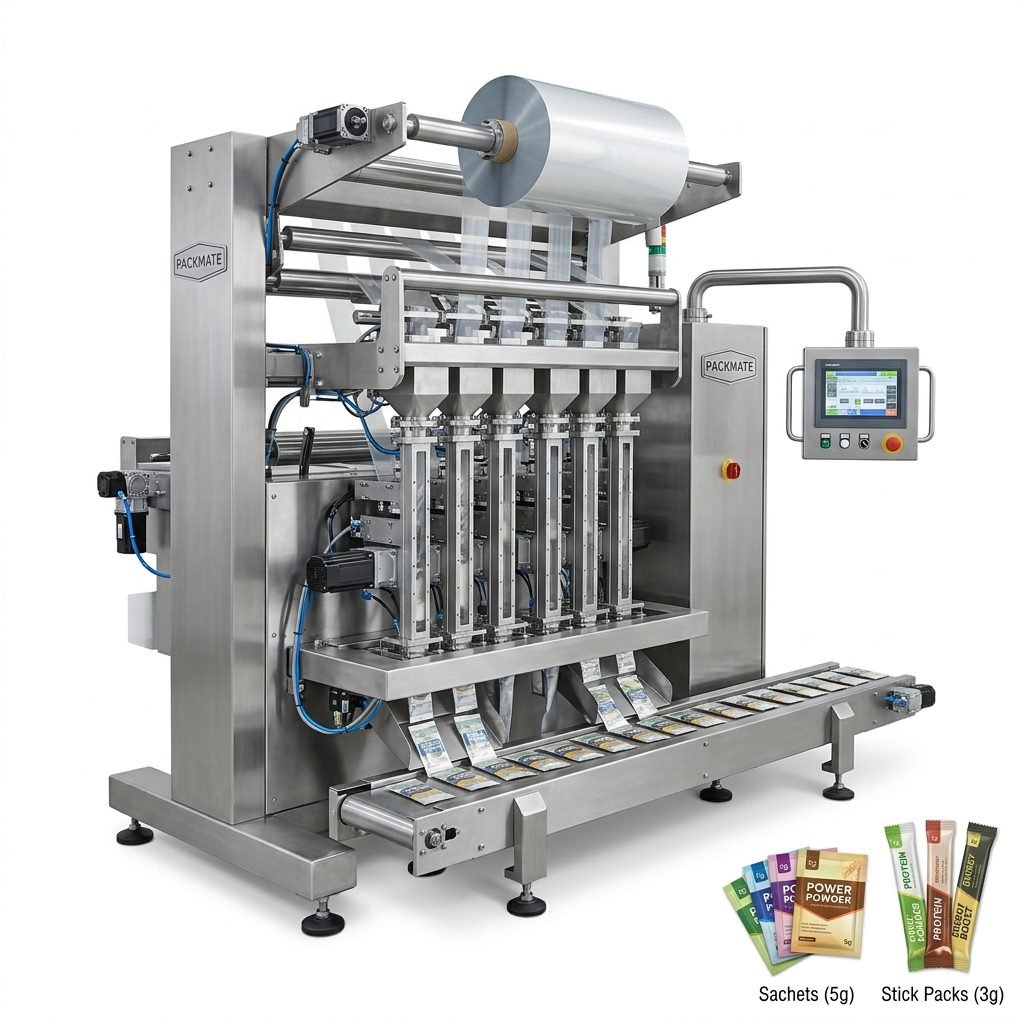
In the demanding world of steel and metal manufacturing, the journey of a product does not end at the rolling mill. How slit coils—those essential, precisely cut strips of metal—are prepared for storage and shipment is a critical final step that impacts efficiency, cost, and product integrity. This is where a dedicated Slit Coil Packaging Line becomes not just an asset, but a necessity. These automated systems are engineered to handle the heavy-duty task of coiling, wrapping, and strapping with precision and reliability, transforming a labor-intensive, potentially hazardous process into a seamless, high-throughput operation.
The Core Components of an Automated Slit Coil Packaging Line
A modern packaging line is a symphony of integrated machinery, each component playing a vital role. The process typically begins with an automated coil handling system that receives the slit coil from the processing line.
1. Automated Coiling & Recoiling
This stage ensures the slit strip is wound into a tight, uniform, and stable coil. Advanced tension control systems are paramount here, preventing issues like telescoping or loose wraps that can lead to damage during transit. The goal is to create a coil with perfect edge alignment and optimal density, ready for the next stage of protection.
2. Precision Wrapping & Capping
To shield the pristine metal surface from corrosion, dust, and moisture, protective wrapping is applied. This often involves:
- Inner Layer: A protective paper or film is directly wound onto the coil.
- Outer Layer: Heavy-duty stretch film or specialized woven fabric is applied under consistent tension for a secure, weather-resistant seal.
- End Caps (Heads & Tails): Circular cardboard or plastic caps are automatically placed on the coil’s faces to protect the edges—a crucial step for maintaining quality.
3. Secure Strapping & Unitizing
The final step involves applying steel or plastic strapping around the coil’s circumference. Automated strapping heads precisely tension and seal the straps, ensuring the coil cannot unwind or become deformed. For certain applications, the packaged coil is then unitized onto a wooden pallet or a skid for easy handling with forklifts.
Tangible Benefits for Steel and Metal Producers
Investing in an automated slit coil packaging solution delivers a rapid and significant return on investment across multiple fronts.
Dramatic Labor Savings & Enhanced Safety
Manual coil packaging is physically demanding and poses significant safety risks. Automation removes operators from heavy lifting and repetitive motion hazards, reallocating human resources to more valuable oversight and quality control roles. This aligns with the growing global emphasis on workplace safety, a priority we deeply understand at Packmate.
Unmatched Consistency & Product Protection
Human variability is eliminated. Every coil is packaged with identical tension, wrap overlap, and strap placement. This consistent, high-quality package drastically reduces claims for transit damage, edge damage, and corrosion, protecting your brand’s reputation and bottom line. For a glimpse into how reliable automation solves real-world problems, explore our documented case studies.
Maximized Throughput & Line Efficiency
An automated line operates at a constant, predictable speed, creating a bottleneck-free flow from production to warehouse. This increased throughput allows you to meet tighter delivery schedules and handle larger order volumes without expanding your physical footprint or workforce.
Key Considerations When Selecting Your Solution
Choosing the right packaging line requires a careful assessment of your specific needs.
- Coil Dimensions & Weight: Maximum and minimum coil width (OD), inner diameter (ID), and weight capacity are the primary specifications.
- Material Type & Finish: The system must be configured to handle your specific metal (e.g., stainless steel, aluminum, galvanized steel) and protect sensitive finishes like pre-painted or polished surfaces.
- Desired Packaging Materials: Determine the required combination of film, paper, cap material, and strap type (steel/plastic).
- Integration & Automation Level: Consider how the line will interface with your existing slitting or processing equipment. Options range from semi-automatic to fully robotic, hands-off cells.
Partnering with an experienced provider like Packmate ensures you get a solution tailored to your unique workflow, not an off-the-shelf compromise. Our team brings decades of experience in designing turnkey solutions for demanding industries.
The Future: Smart Packaging Lines
The next evolution integrates Industry 4.0 principles. Imagine a packaging line equipped with sensors that monitor coil tension in real-time, vision systems that inspect wrap quality, and software that tracks production data for every coil—tying packaging data directly to the coil’s certificate for full traceability. This data-driven approach enables predictive maintenance, minimizes waste, and provides unparalleled quality assurance.
Frequently Asked Questions (FAQs)
1. What is the typical payback period for an automated slit coil packaging line?
Payback periods can vary but often range from 1 to 3 years. This is achieved through direct labor cost reduction, decreased material waste from consistent application, and the virtual elimination of costly damage claims during shipping and handling.
2. Can one line handle different coil sizes and materials?
Yes, modern lines are designed with adjustable components for width, height, and tension control. Quick-change programs allow operators to switch between different product specifications with minimal downtime, making the line highly flexible for diverse production schedules.
3. How does automated packaging improve coil quality?
Automation ensures perfect repeatability. Consistent, machine-applied tension on wraps and straps prevents coil collapse (“telescoping”) and edge damage. Uniform application of protective materials also provides a reliable barrier against corrosion, which is critical for international sea freight.
4. What kind of after-sales support and service is crucial?
Comprehensive support is non-negotiable. Look for a supplier that offers detailed operator training, readily available spare parts, and responsive technical service. At Packmate, we pride ourselves on a global support network to ensure your line maintains peak uptime. Learn more about our commitment in our service section.
5. Are these lines suitable for both large mills and smaller service centers?
Absolutely. Solutions are scalable. Large mills benefit from high-speed, fully integrated lines, while smaller service centers can implement compact, semi-automated systems that dramatically improve their manual process. The key is matching the level of automation to your volume and operational goals.