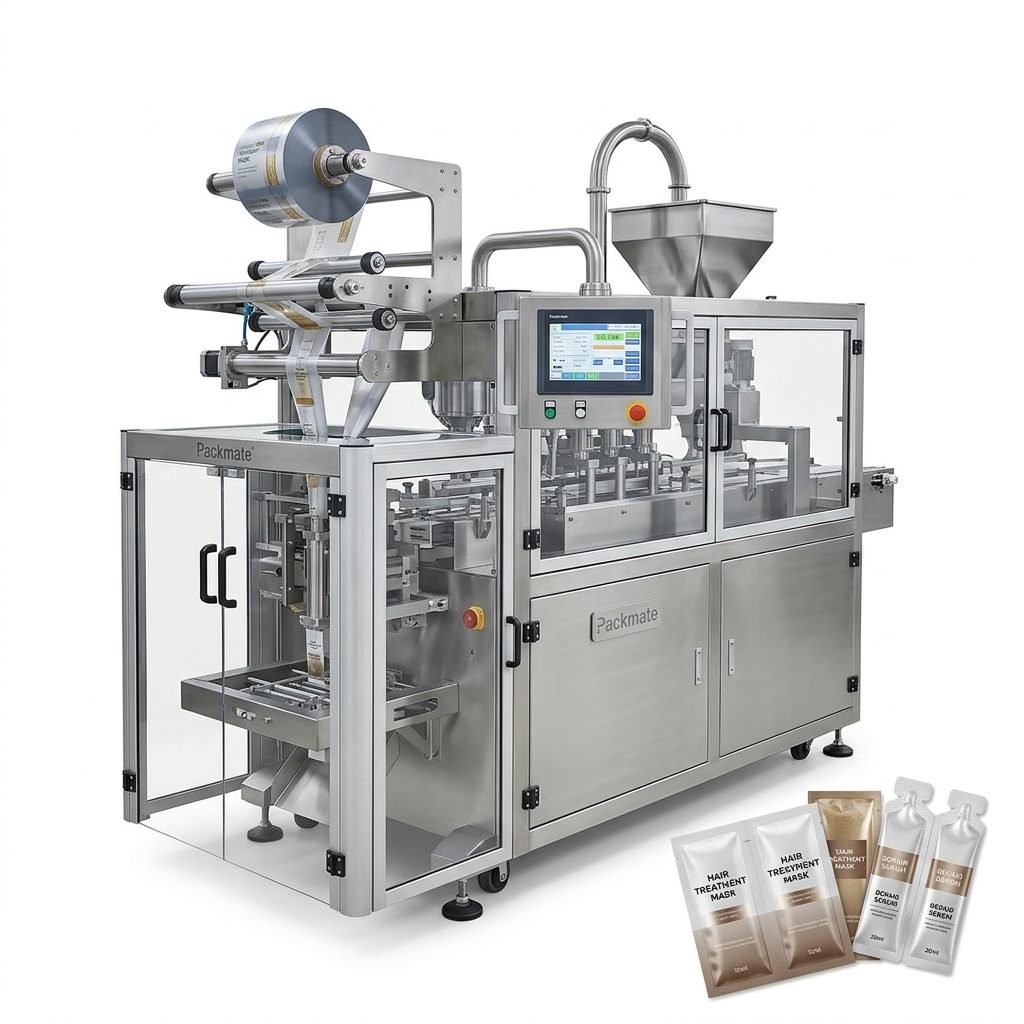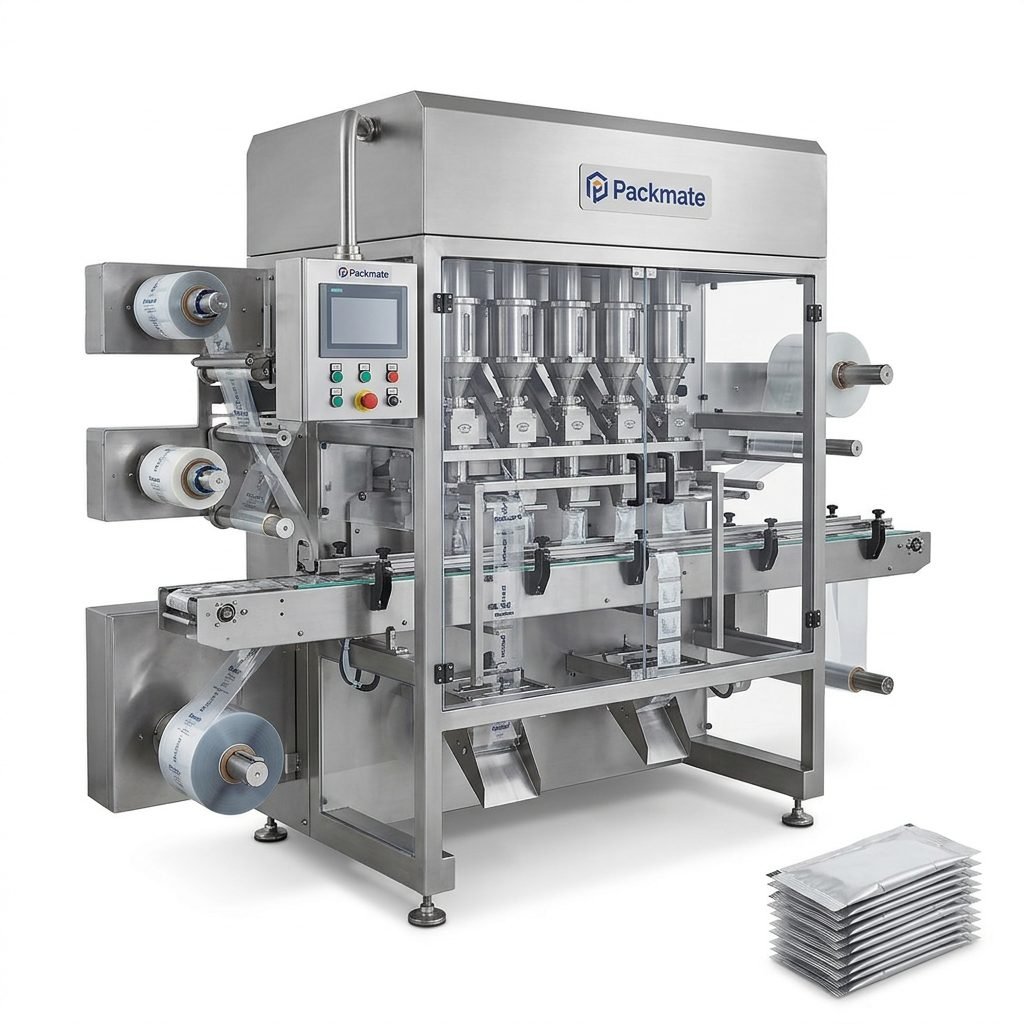
Designing an efficient and flexible packaging line is a critical strategic investment for manufacturers in the food, pharmaceutical, and health product industries. The right design directly impacts production capacity, operational costs, product quality, and the ability to adapt to market changes. This guide provides a structured approach to planning a production line that balances high efficiency with the flexibility needed in today’s dynamic manufacturing landscape.
Understanding Core Industry Requirements
Before sketching the first layout, it’s essential to deeply understand the unique and often stringent demands of your target sector. A one-size-fits-all approach does not work when packaging sensitive pharmaceuticals versus bulk food items.
Food Industry
Hygiene and cleanability are paramount. Lines must be designed for easy washdown with food-grade materials (e.g., stainless steel AISI 304/316). Speed is often a primary driver to handle high volumes, but flexibility to switch between different product forms (powders, granules, liquids) and package sizes is increasingly valuable. Barrier properties to maintain freshness are also a key consideration for machinery selection.
Pharmaceutical & Health Products
Here, precision, traceability, and compliance dominate. Designs must adhere to strict regulations like cGMP (Current Good Manufacturing Practice). This necessitates features for absolute dosing accuracy, minimal product loss, and integrated data logging. Containment systems to protect operators and the product from cross-contamination are non-negotiable. The ability to handle small batch sizes with quick changeovers is also crucial.
The 5-Step Planning Framework
Step 1: Define Your Product & Output Parameters
Start with clarity. Document every detail: product physical state (powder, liquid, tablet), its characteristics (hygroscopic, abrasive, volatile), target packaging format (stick pack, sachet, pouch, bottle), and material (laminate, foil, PET). Crucially, define your required output in units per minute/hour/shift and consider future capacity needs. This foundational step informs every subsequent decision.
Step 2: Select the Right Machinery Sequence
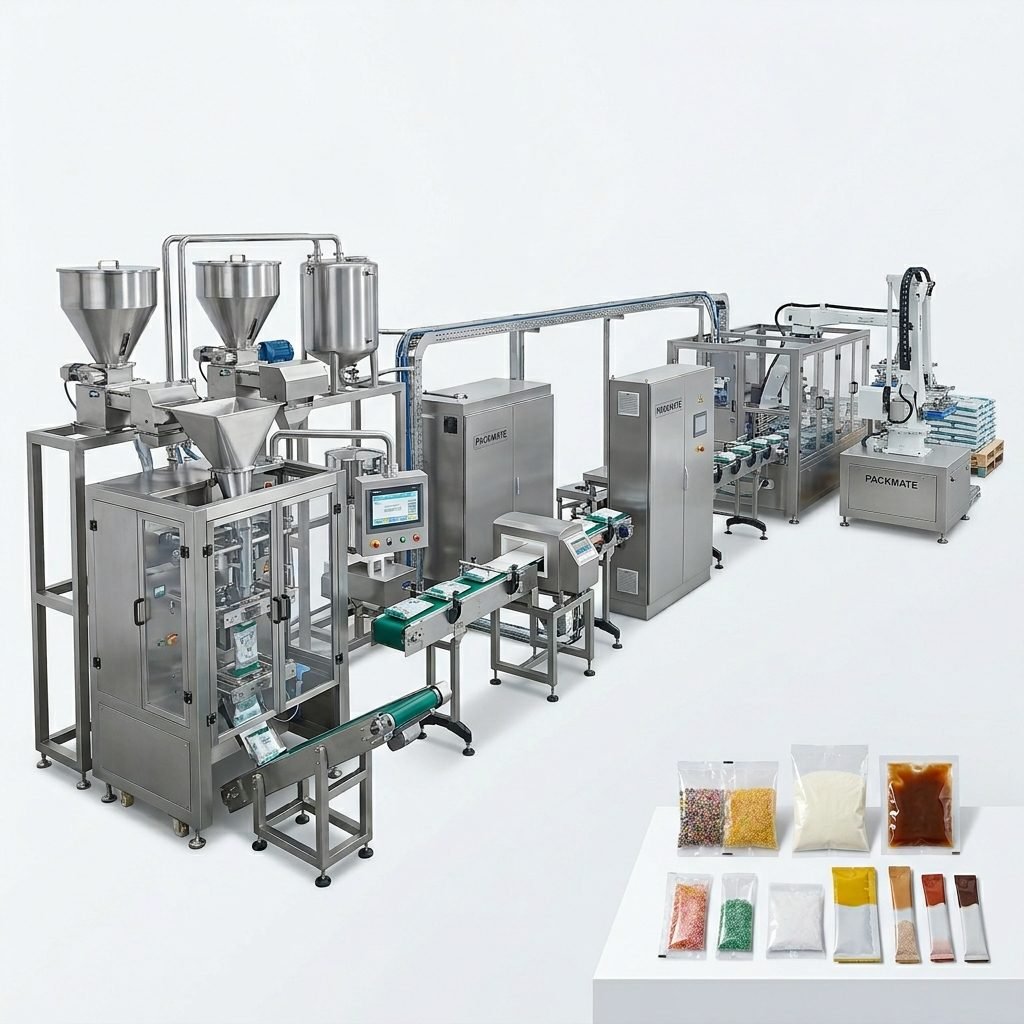
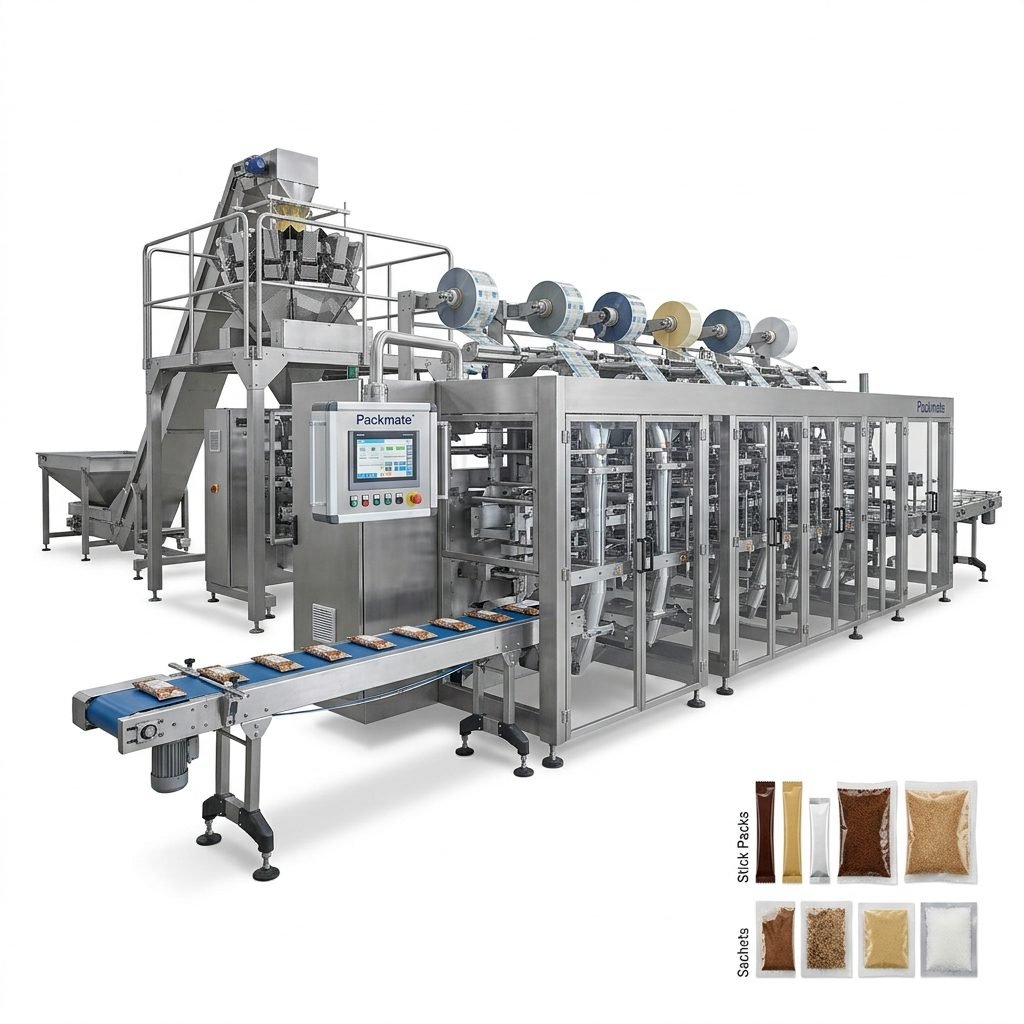
A packaging line is a symphony of interconnected machines. The typical sequence includes:
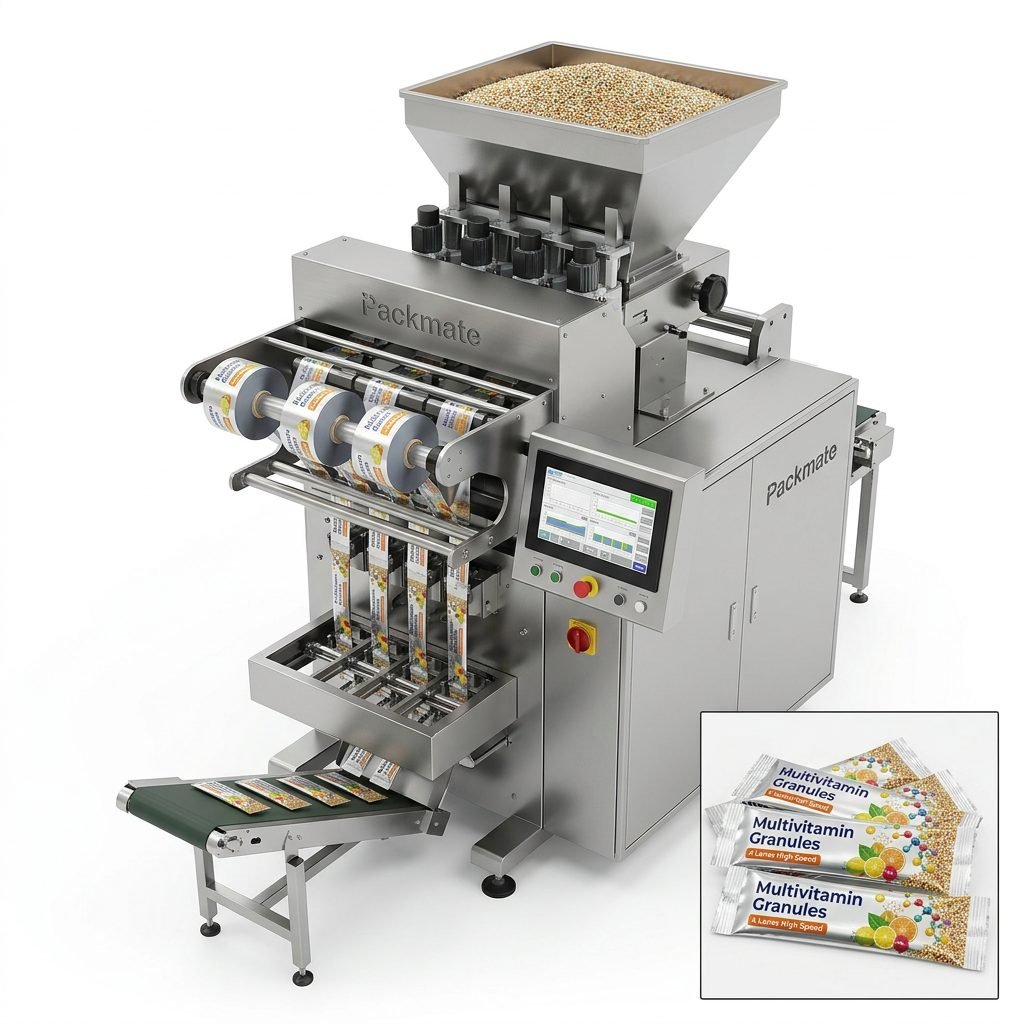
- Feeding & Dosing: Volumetric or auger fillers for powders, pumps for liquids. Accuracy here defines product quality and compliance.
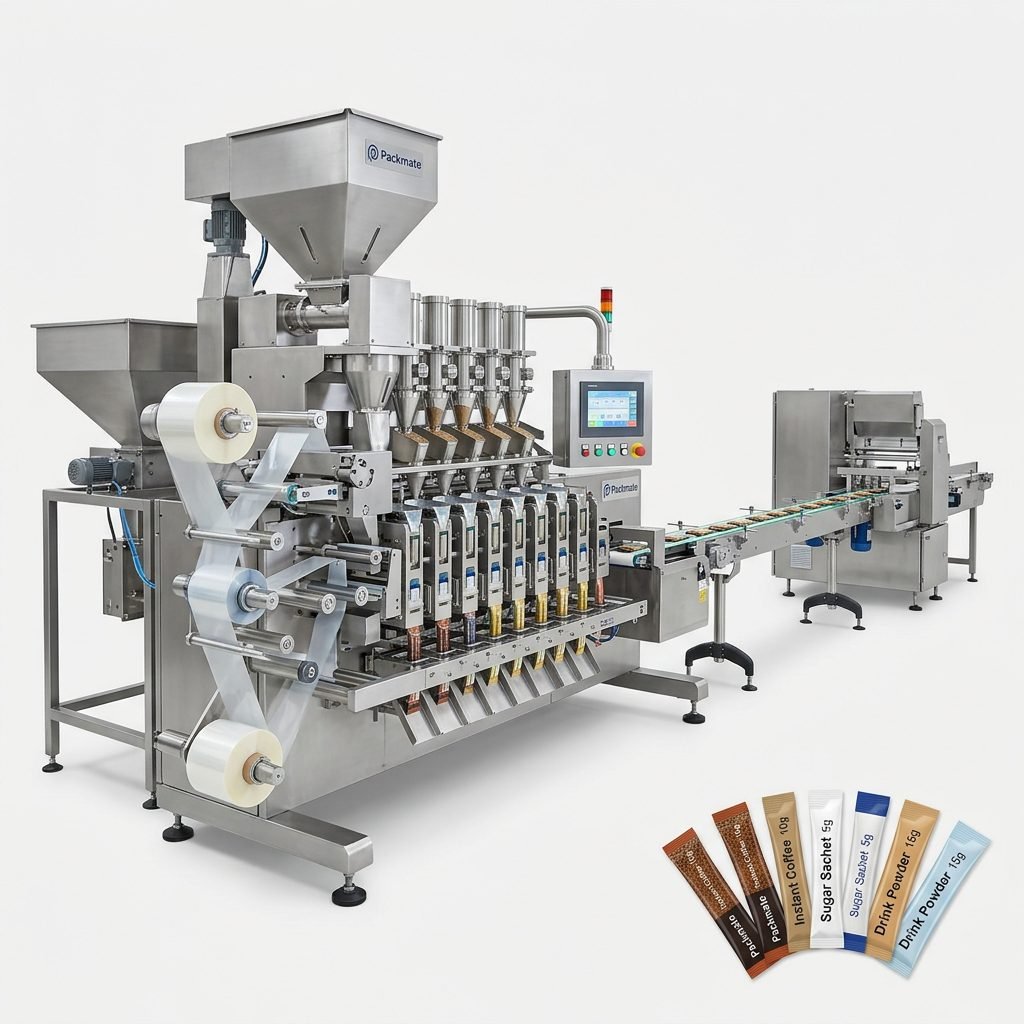
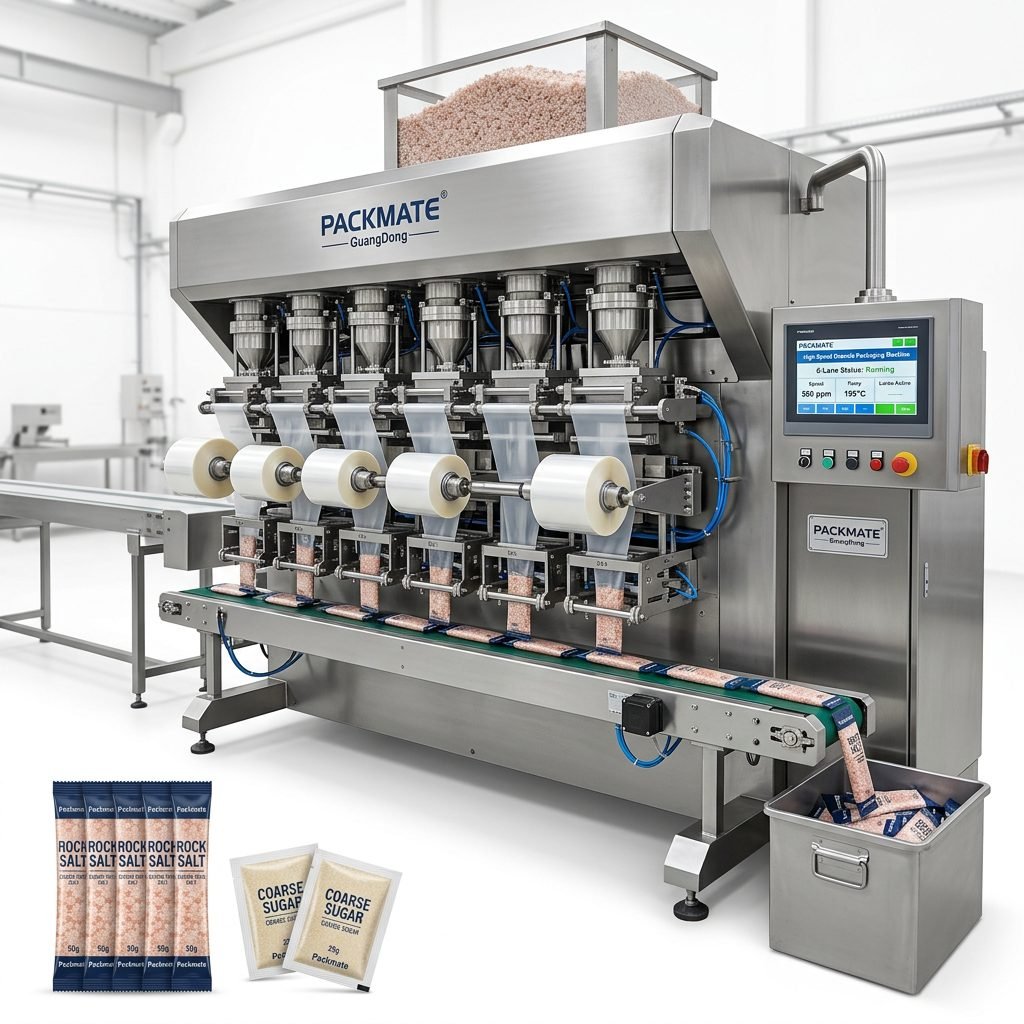
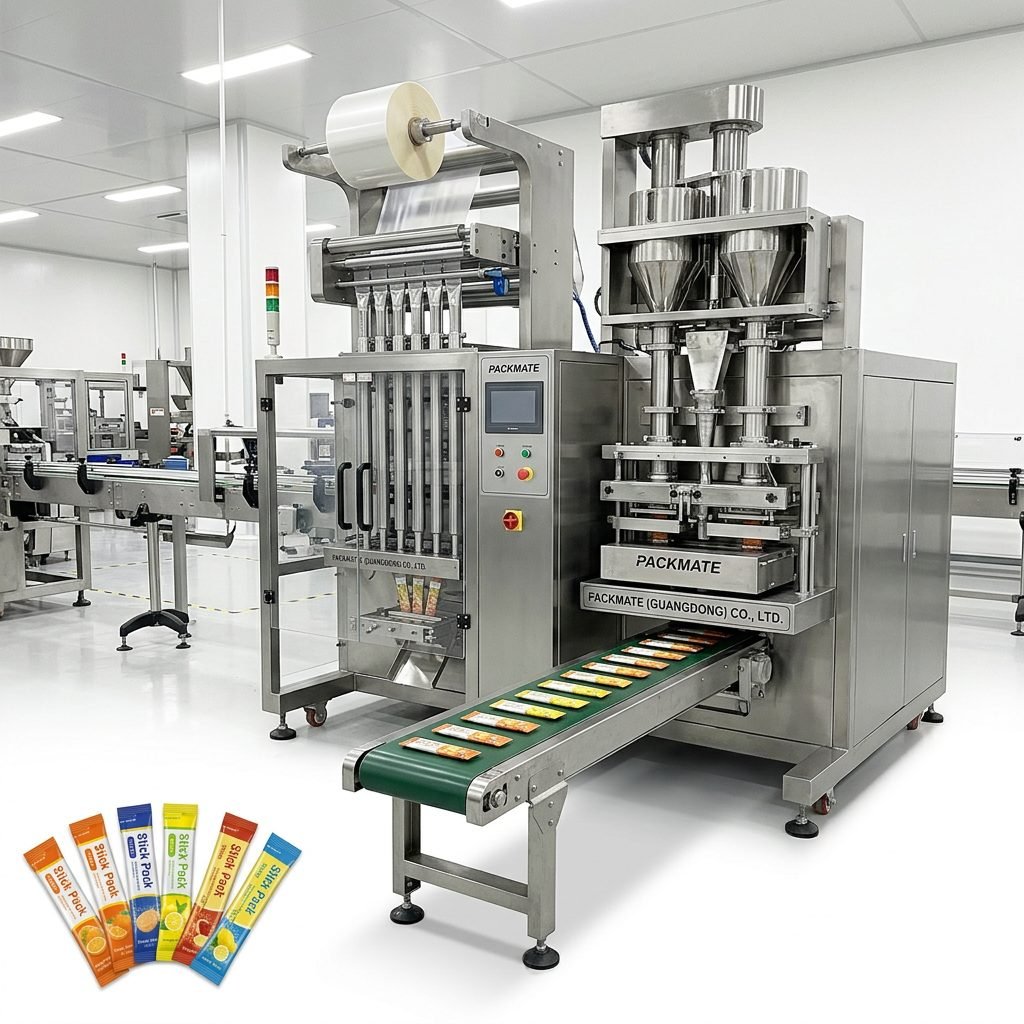
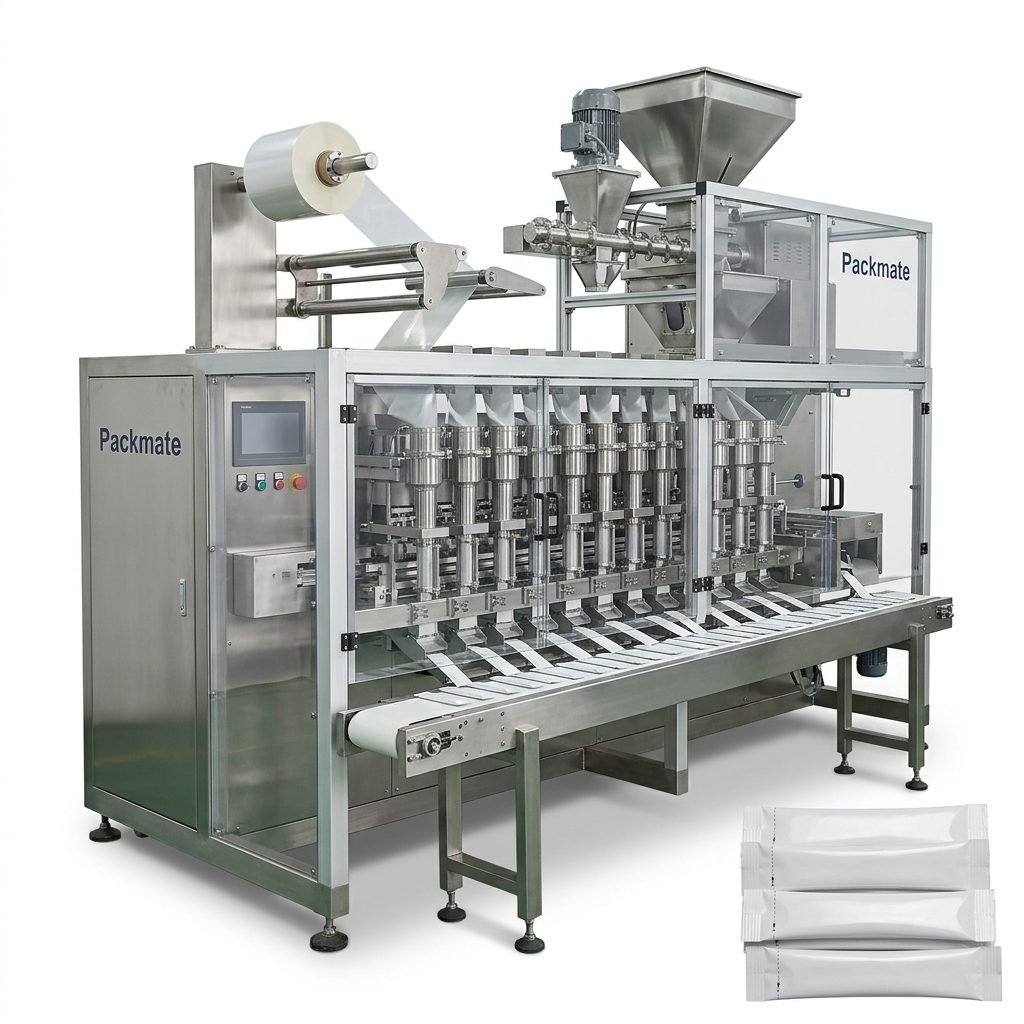
- Forming-Filling-Sealing (FFS): The heart of the line. Vertical FFS machines for pouches or horizontal flow wrappers for stick packs. Choose based on your format and speed needs.
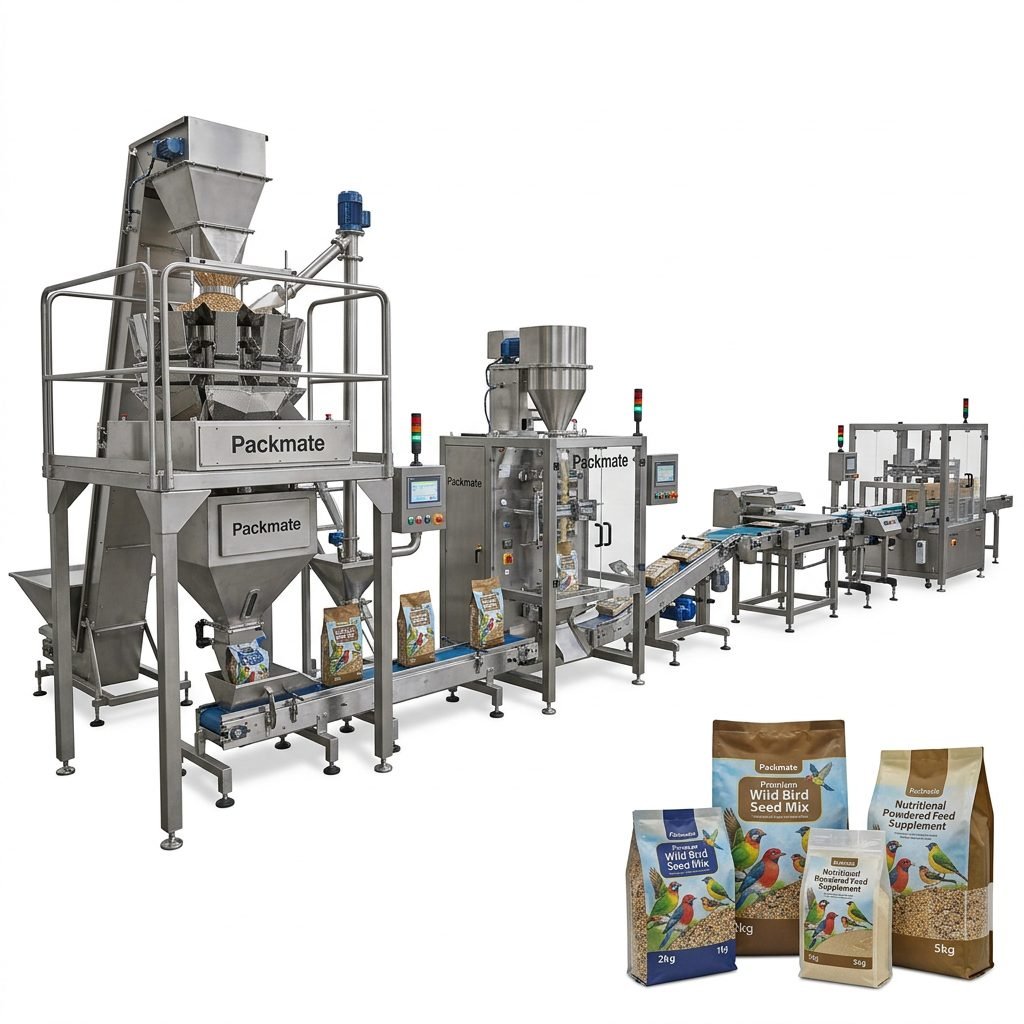
- Secondary Packaging: Cartoning, case packing, and palletizing. This stage organizes primary packs for distribution.
- Quality Control & Inspection: Integrate checkweighers, metal detectors, X-ray systems, or vision systems to ensure every unit meets spec.
Partnering with an experienced provider like Packmate ensures you get a coherent, compatible machine sequence rather than a collection of disparate units.
Step 3: Design for Layout & Material Flow
Efficiency is born on the factory floor layout. Aim for a smooth, logical product flow (typically linear or U-shaped) to minimize transfer distances and bottlenecks. Incorporate ample space for maintenance access, operator safety, and raw material staging. Consider future expansion in your footprint planning. A well-designed layout reduces waste motion and enhances overall line efficiency (OLE).
Step 4: Integrate Control & Automation Systems
Modern lines are driven by software. A centralized PLC (Programmable Logic Controller) or SCADA (Supervisory Control and Data Acquisition) system is the brain, synchronizing all machines. This enables:
- Quick changeovers via recipe management.
- Real-time monitoring of OEE (Overall Equipment Effectiveness).
- Comprehensive data collection for traceability and analytics.
Automation, from robotic palletizers to automated guided vehicles (AGVs), reduces labor dependency and increases consistency. Explore different packaging solutions to see how automation is applied.
Step 5: Plan for Validation & Future-Proofing
For pharma and high-end health products, line qualification (IQ/OQ/PQ) is a mandatory project phase. Budget time and resources for this. Furthermore, “future-proof” your design by selecting modular machinery that allows for upgrades, choosing suppliers with strong R&D pipelines, and ensuring control systems can integrate with higher-level Manufacturing Execution Systems (MES).
Key Principles for Flexibility and Efficiency
Modularity is King
Invest in a modular line design. This allows you to reconfigure or add modules (e.g., an extra filling head, a new inspection system) without replacing the entire line, adapting swiftly to new products or formats.
Quick Changeover (QCO) Design
Minimize downtime. Look for machines with tool-less change parts, digital settings recall, and standardized components. Reducing changeover time from hours to minutes is a massive competitive advantage.
Smart Data Integration
An efficient line is a visible line. Implement IIoT (Industrial Internet of Things) sensors and connectivity to gather data on machine health, production counts, and downtime causes. This predictive insight allows for proactive maintenance and continuous process optimization.
Why Partner with a Turnkey Solution Provider?
Navigating this complex process alone is challenging. A specialist turnkey provider brings invaluable benefits:
- Single Point of Responsibility: One vendor manages the entire project from design to commissioning.
- Proven Expertise: Leverage their experience across multiple industry case studies to avoid common pitfalls.
- Guaranteed Compatibility: Ensures all machines and software communicate seamlessly.
- Ongoing Support: Access to spare parts, technical service, and operational training from a single source.
Companies like Packmate (GuangDong) Co., Ltd. exemplify this approach, delivering integrated lines where every component is designed to work in harmony.
Common Questions (FAQs)
1. What is the most common mistake in packaging line design?
Underestimating future needs and designing for only today’s product. This leads to costly retrofits later. Always design with a 3-5 year growth and product diversification plan in mind.
2. How can I improve the flexibility of my existing packaging line?
Start with a line audit. Often, upgrading control software for better recipe management, adding quick-change tooling kits, or integrating a modular secondary packaging unit can significantly enhance flexibility without a full rebuild.
3. What are the key differences between food and pharma line design?
While both require hygiene, the core difference is in documentation and control. Pharma lines demand validated processes, exhaustive traceability (serialization), and often higher-grade materials for full clean-in-place (CIP) capability. Food lines often prioritize sheer throughput and cost-per-unit.
4. How important is operator training in line efficiency?
Critical. The most advanced line is inefficient if operators are not thoroughly trained on its operation, changeover procedures, and basic troubleshooting. Comprehensive training reduces downtime and waste.
5. Where can I see examples of successful packaging line implementations?
Reviewing detailed case studies from solution providers is an excellent way to understand real-world applications, challenges, and results across different industries.