Selecting the right packaging machine manufacturer is a critical decision for any business in the Maldives looking to enhance production efficiency, ensure product quality, and maintain competitiveness. The unique market dynamics, logistical considerations, and specific industry needs in the Maldives make this choice particularly important. This guide outlines the key factors to consider and provides a practical framework for evaluating potential suppliers, including an overview of some leading manufacturers.
Understanding the Maldivian Market Context
The Maldives’ economy, heavily reliant on tourism and fisheries, also has a growing local manufacturing sector for consumer goods, processed foods, and health products. For Maldivian businesses, investing in packaging automation often aims to reduce reliance on imported packaged goods, cater to the high standards of the tourism sector, and improve export potential. Key local industries that utilize packaging machinery include:
- Food & Beverage: Processing and packaging of tuna, coconut products, snacks, and beverages for local resorts and export.
- Health & Wellness: Supplements, herbal products, and pharmaceuticals for both local consumption and the tourist market.
- Personal Care & Cosmetics: Producing items like sunscreen, after-sun care, and other amenities for the hospitality industry.
Therefore, a manufacturer must understand the need for machines that handle powders, granules, liquids, and sachet formats common in these sectors, while also being robust enough to operate in a tropical island environment with potential challenges like humidity and salt air.
Key Factor 1: Technical Capability and Product Range
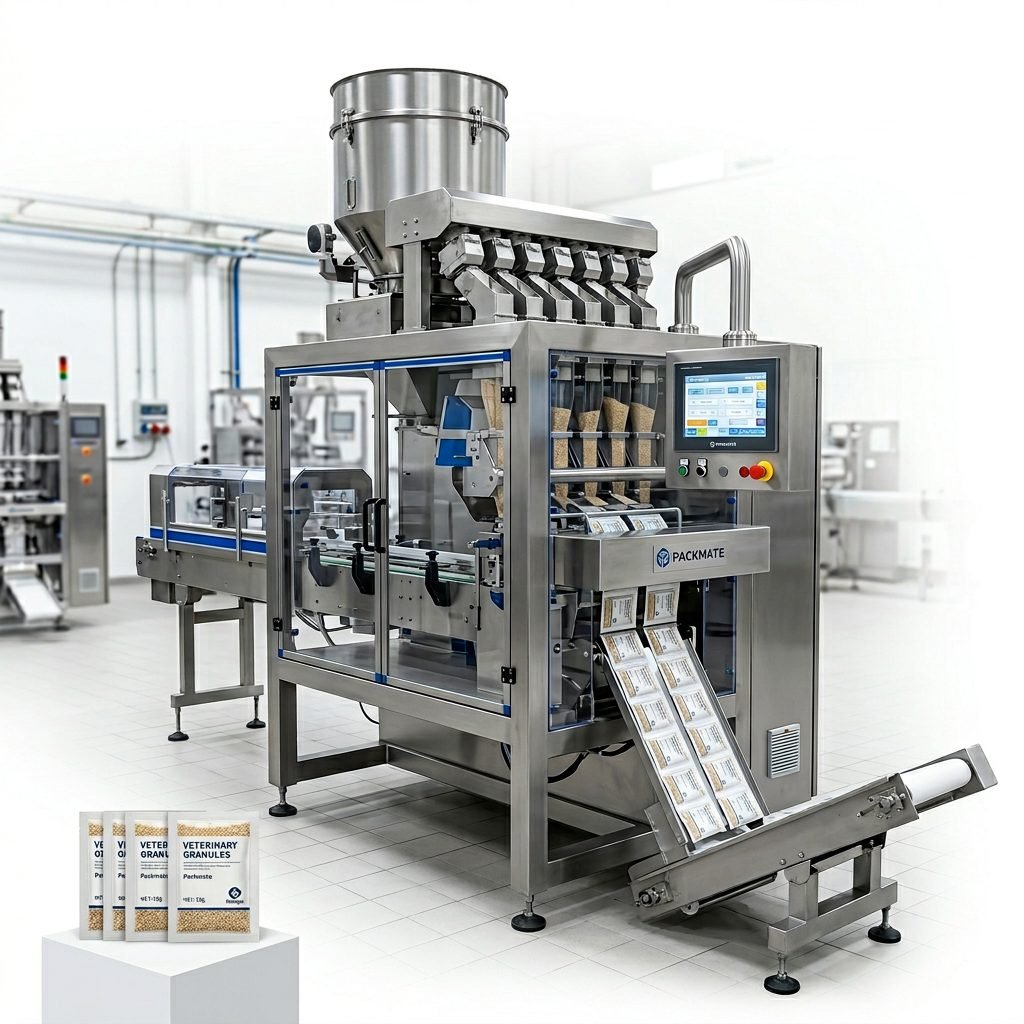
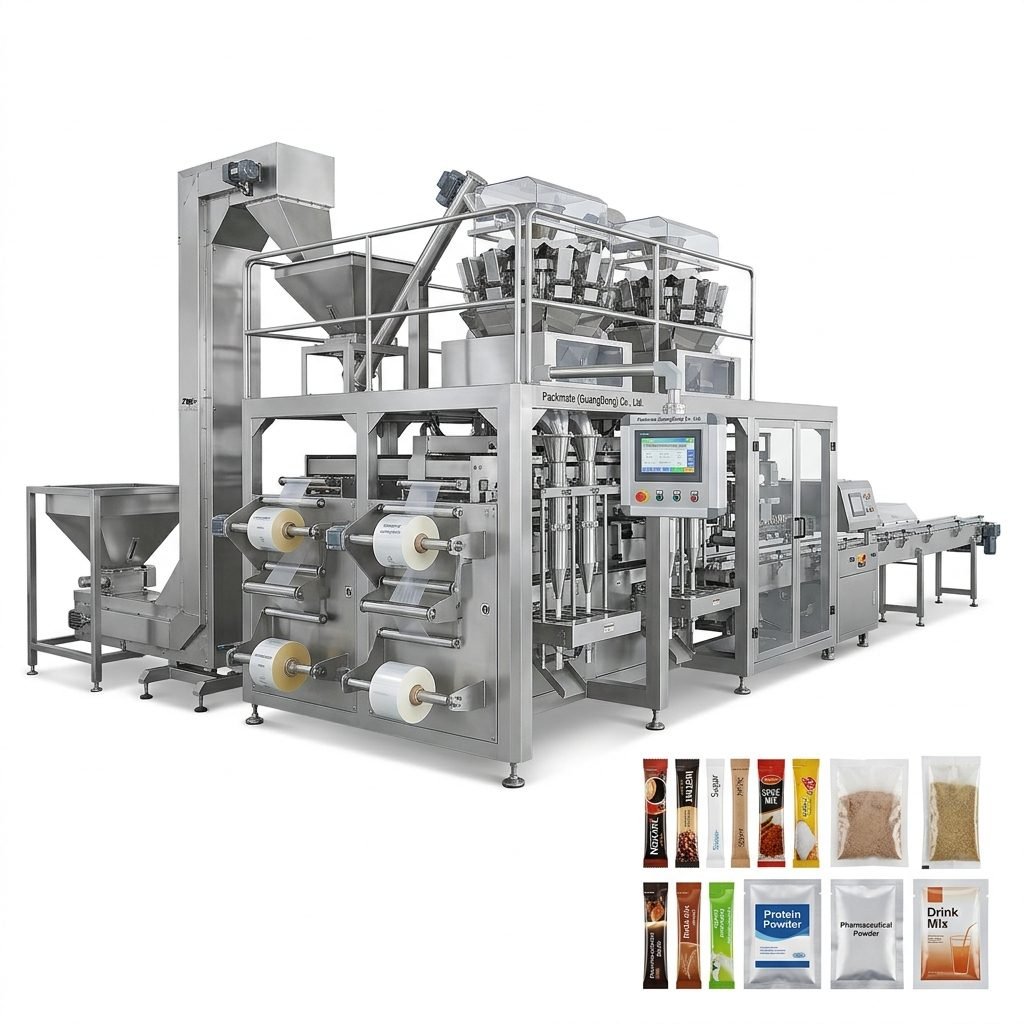
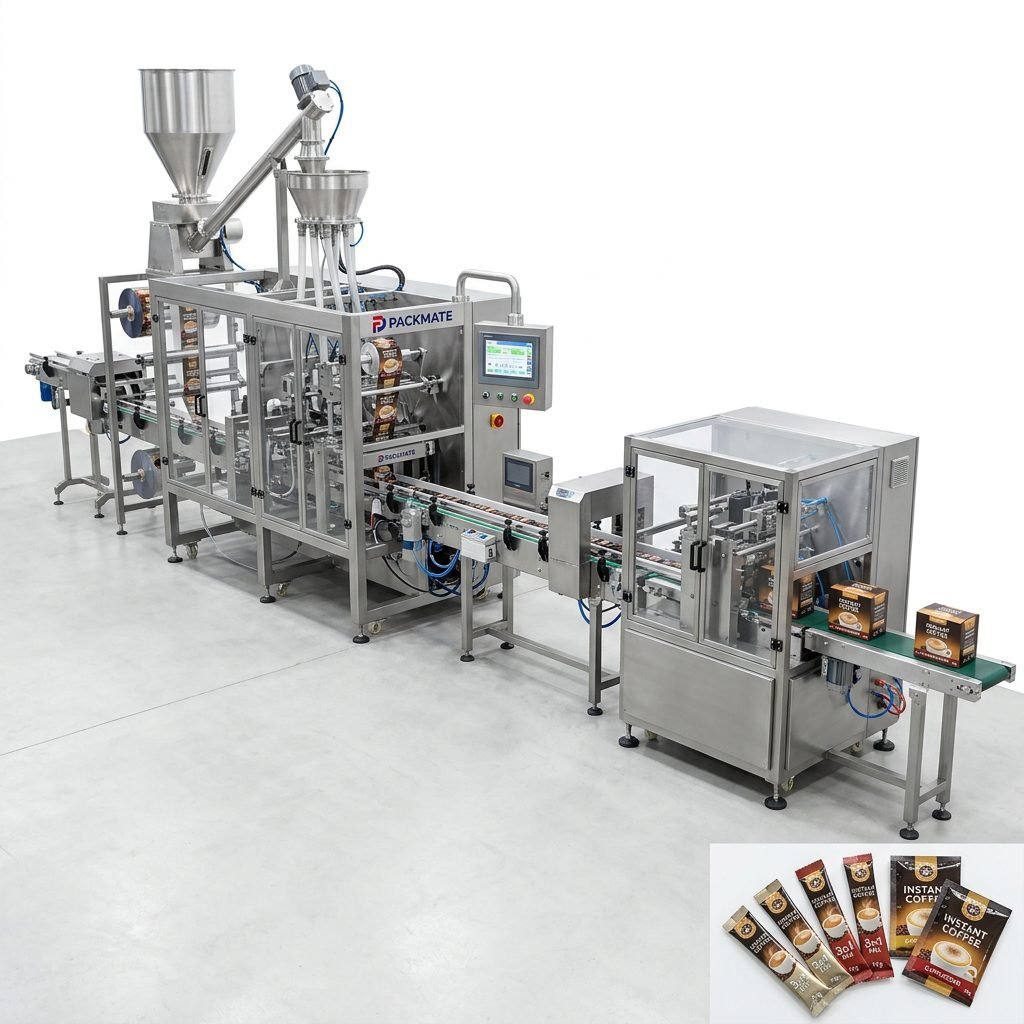
Your production needs should dictate the technical specifications. Consider the type of product (powder, granule, liquid, paste), required packaging format (stick pack, sachet, pouch, bottle), and desired output speed. A manufacturer with a broad portfolio, like Ludyway, can offer solutions for diverse applications from food to pharmaceuticals, which is advantageous if your business plans to diversify.
Checklist for Technical Evaluation:
- Does the machine handle your specific product viscosity and characteristics?
- What is the range of bag sizes and materials supported?
- Can the supplier provide a complete, integrated line or just a single machine?
- What is the level of automation (semi-automatic vs. fully automatic)?
Key Factor 2: Manufacturing Experience and Quality
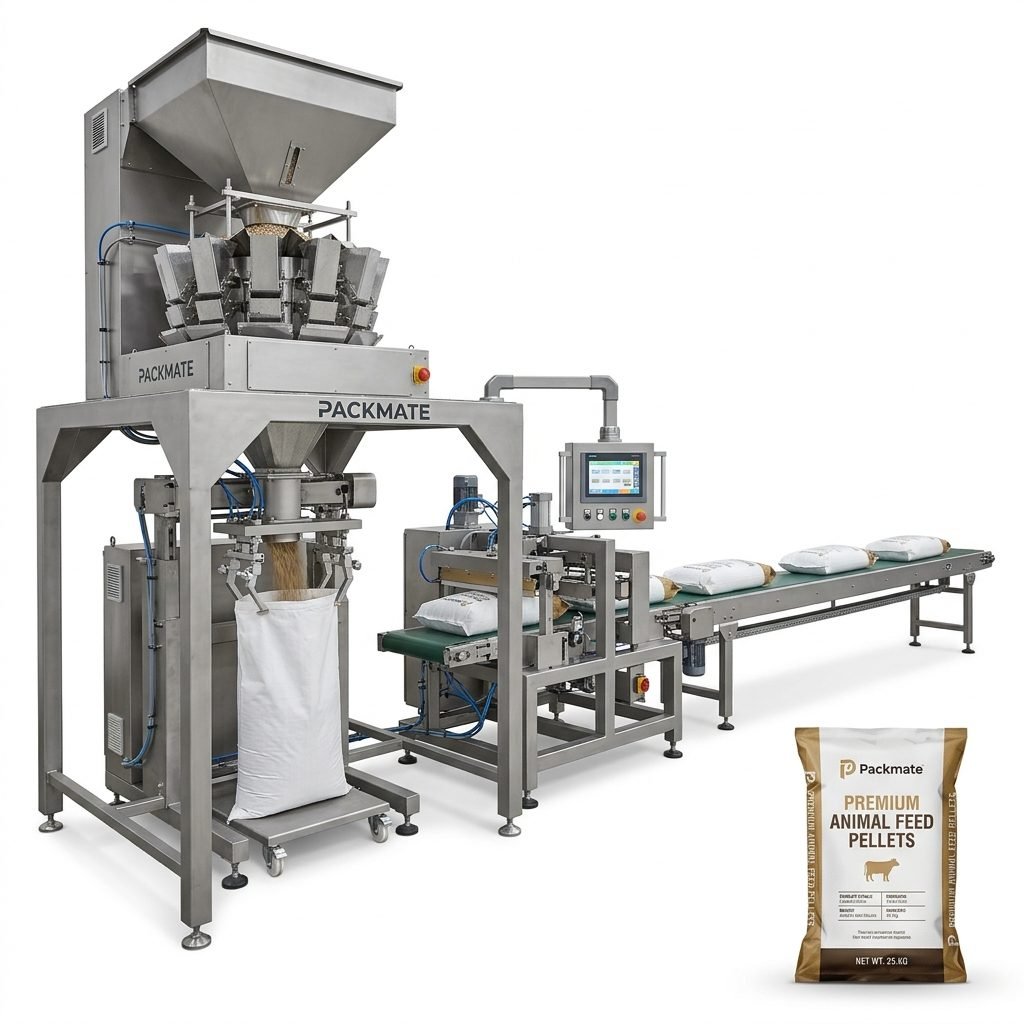
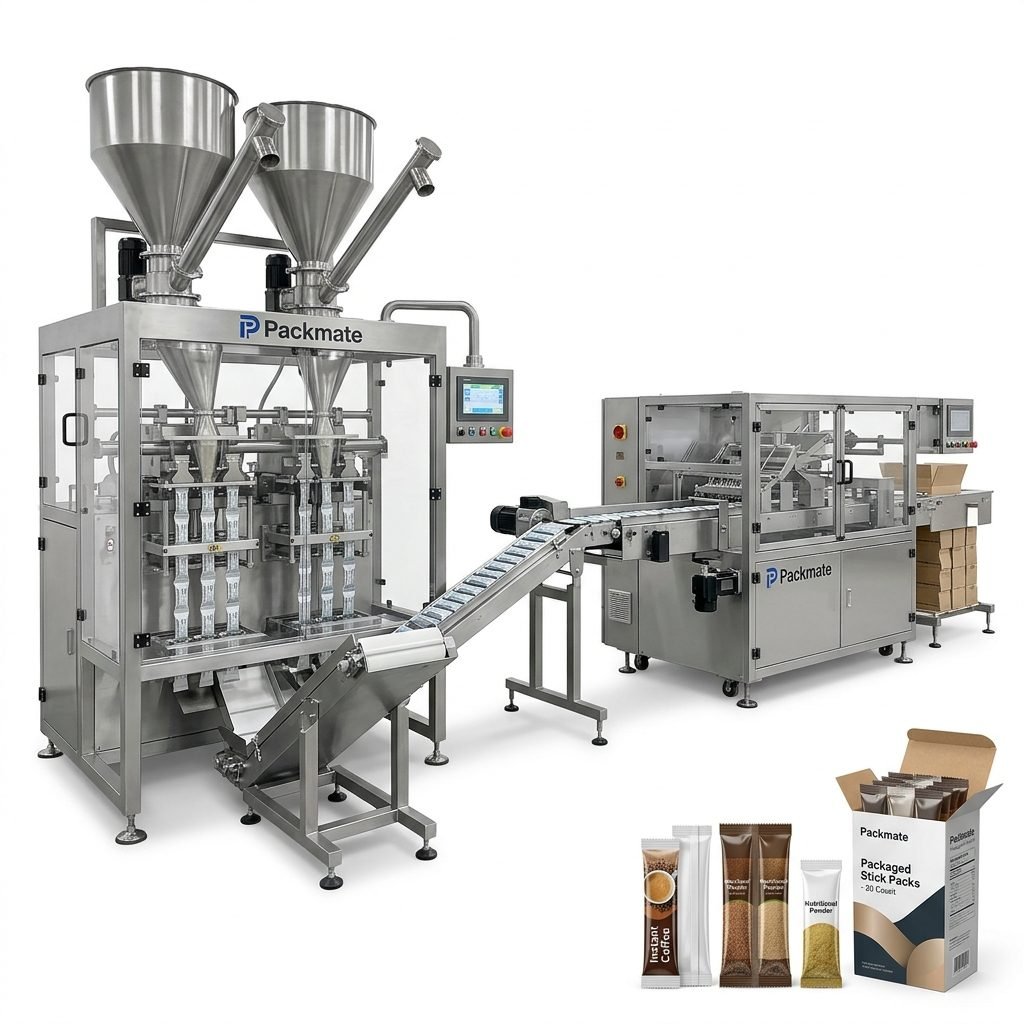
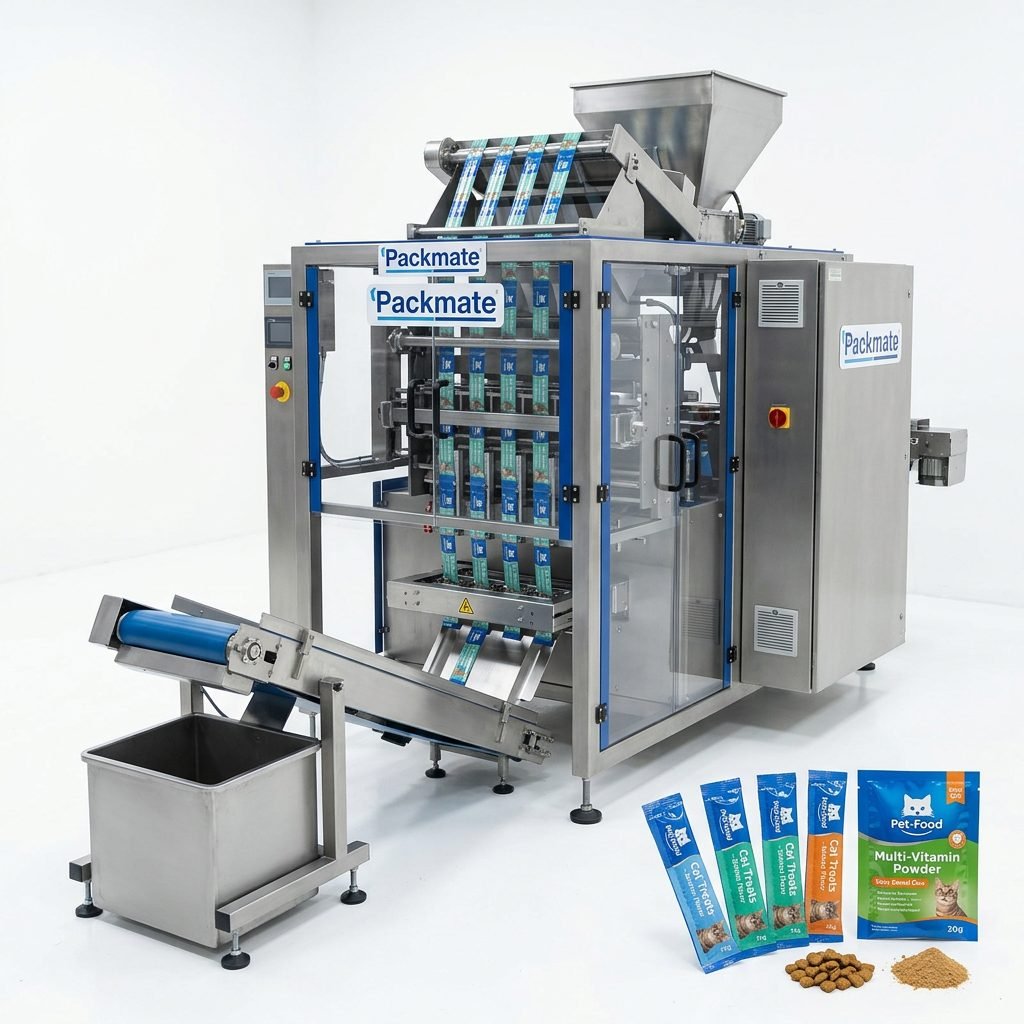
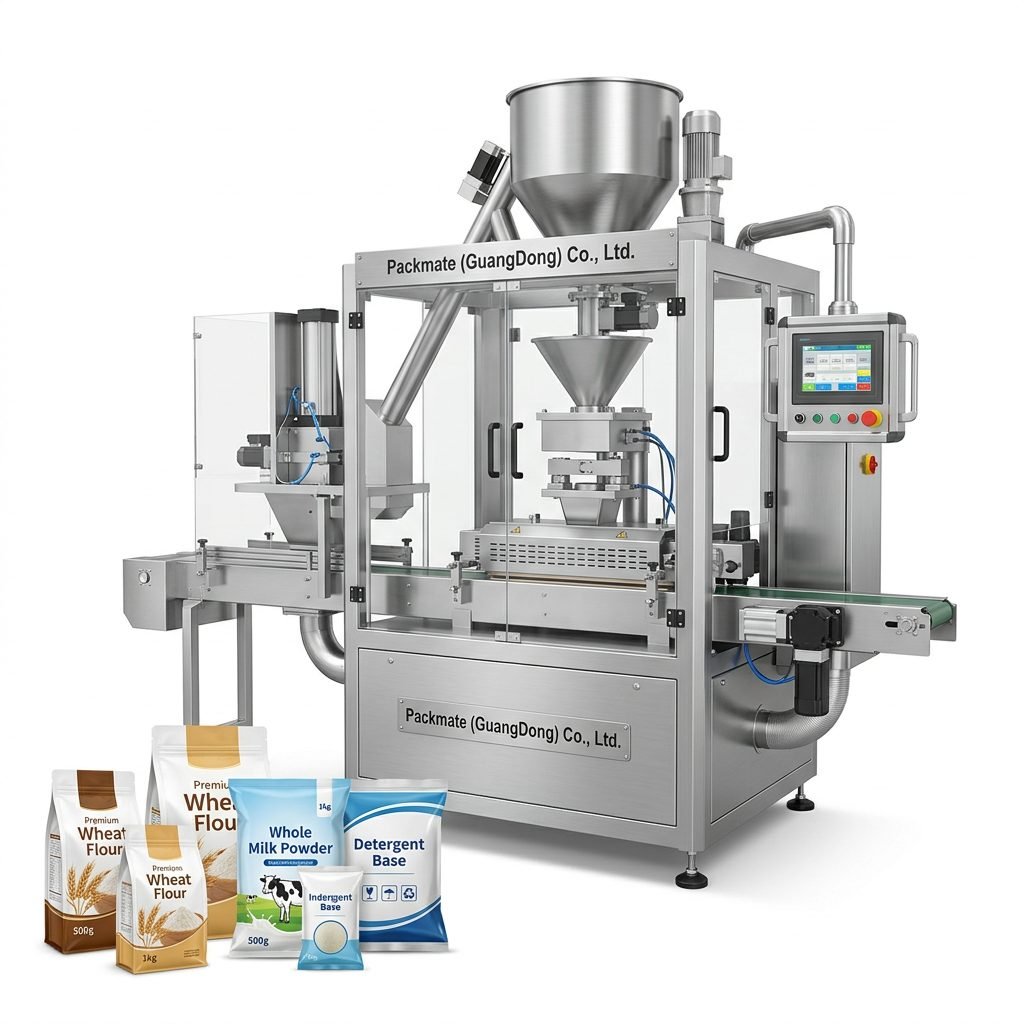
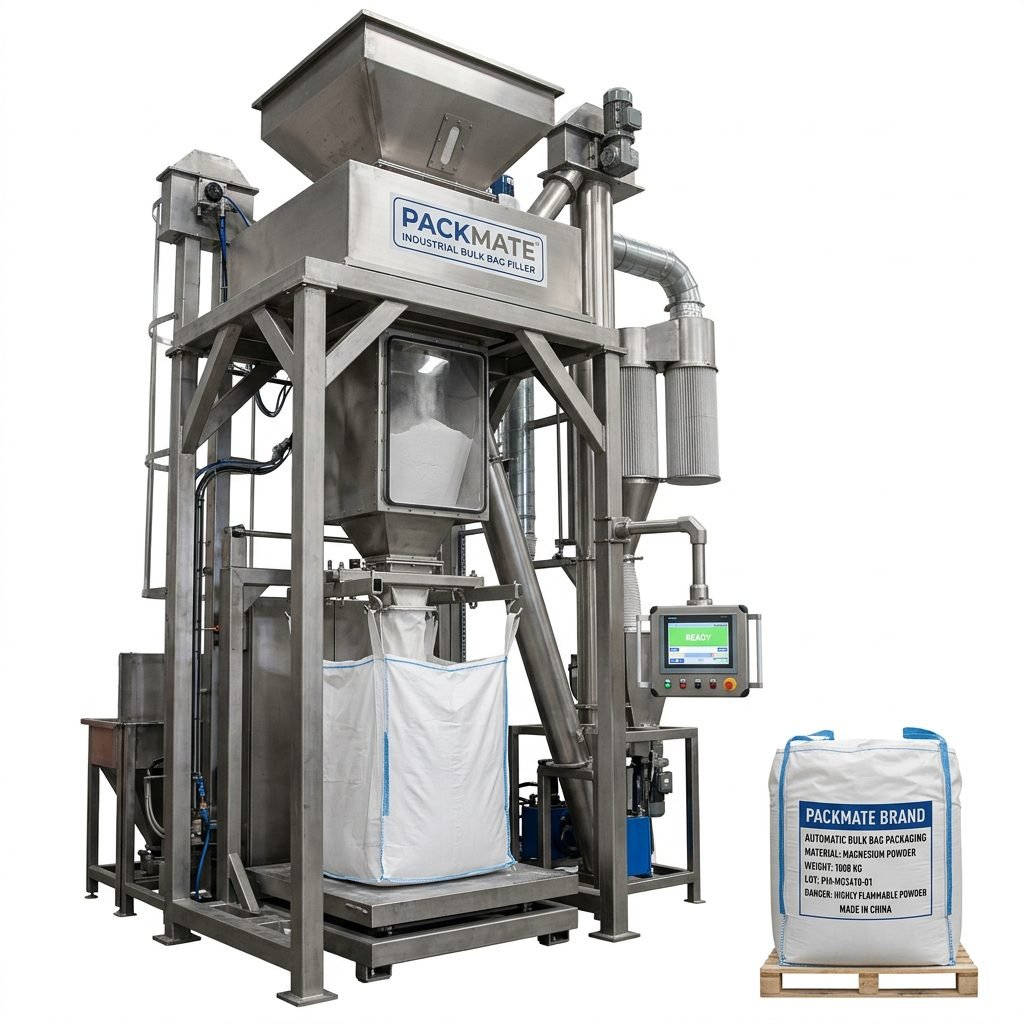
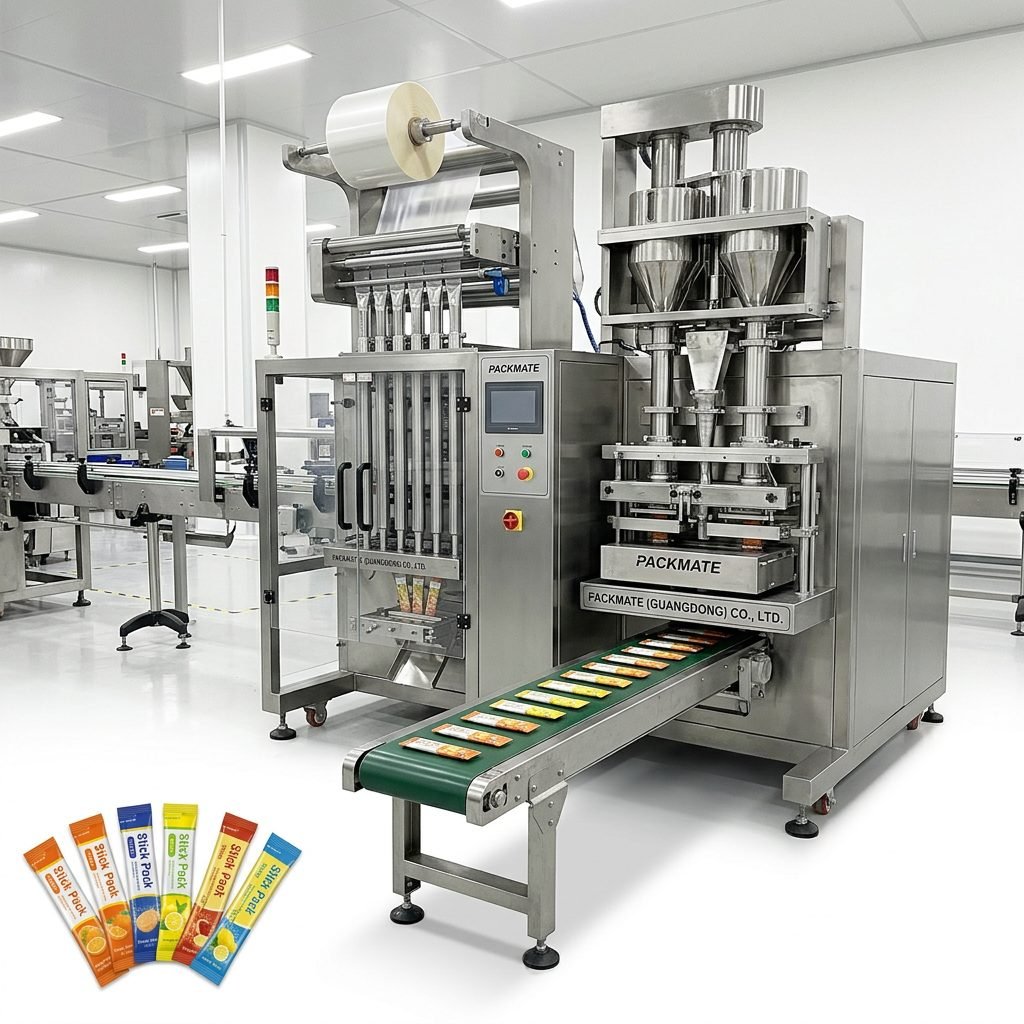
A manufacturer’s history is a strong indicator of reliability. Companies with decades of experience, such as Packmate Machinery, have typically refined their designs, production processes, and quality control. Look for manufacturers with a substantial factory footprint (e.g., 20,000+ sqm) and in-house precision machining capabilities, as this often translates to better build quality and control over the supply chain.
Key Factor 3: Customization and Turnkey Solutions
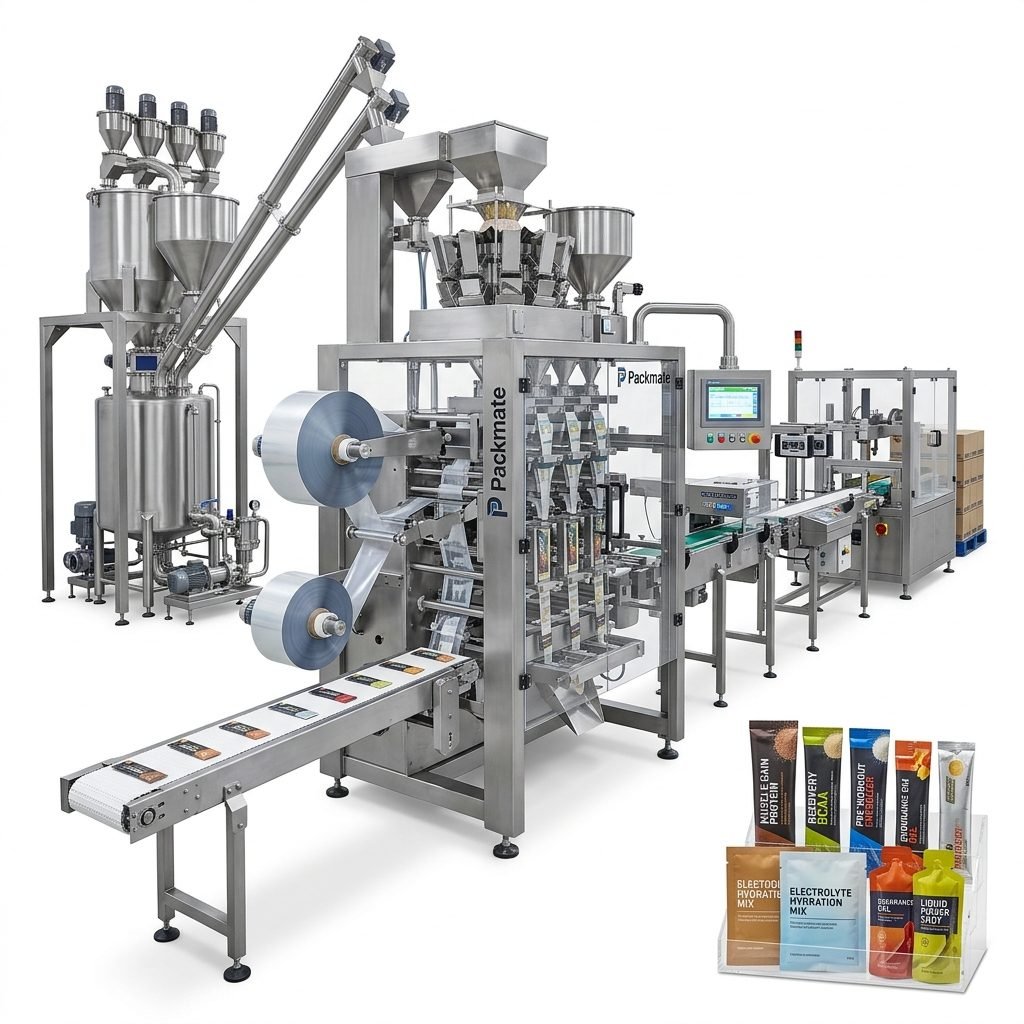
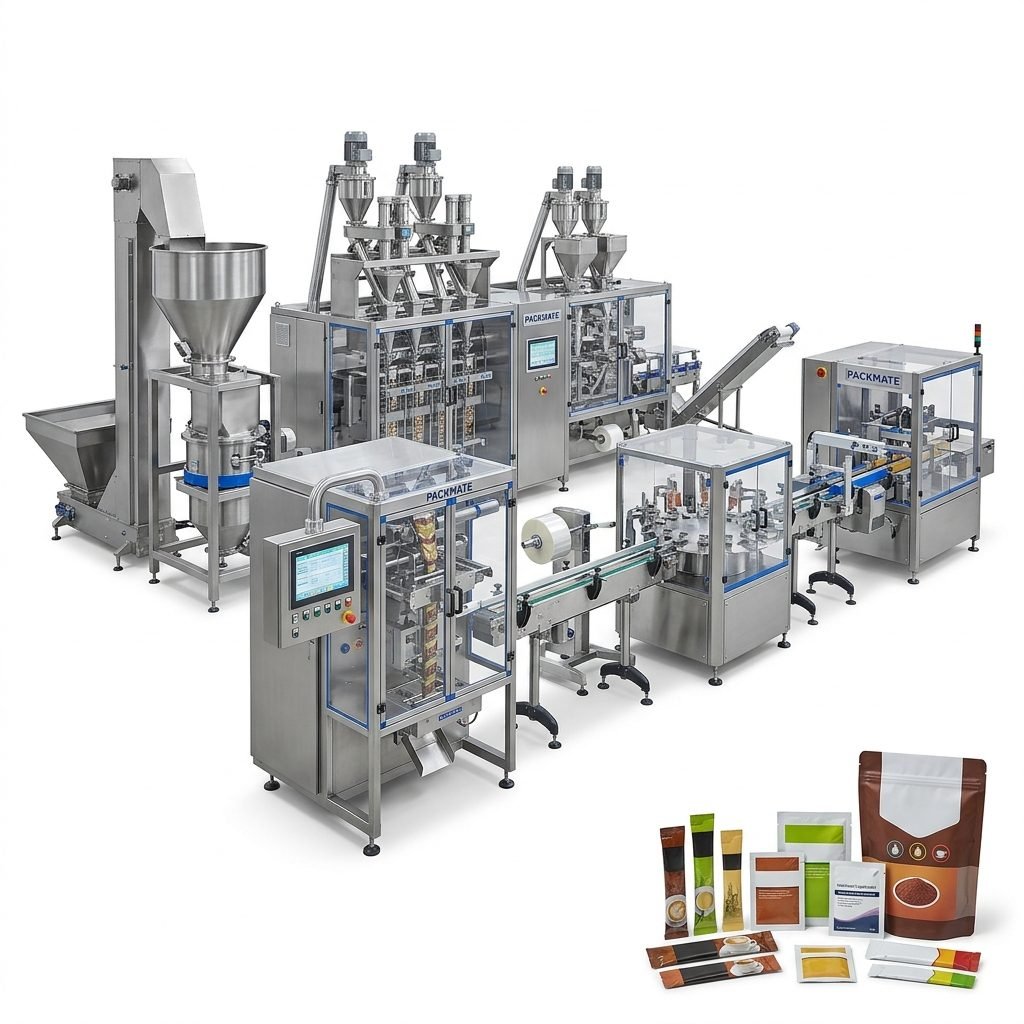
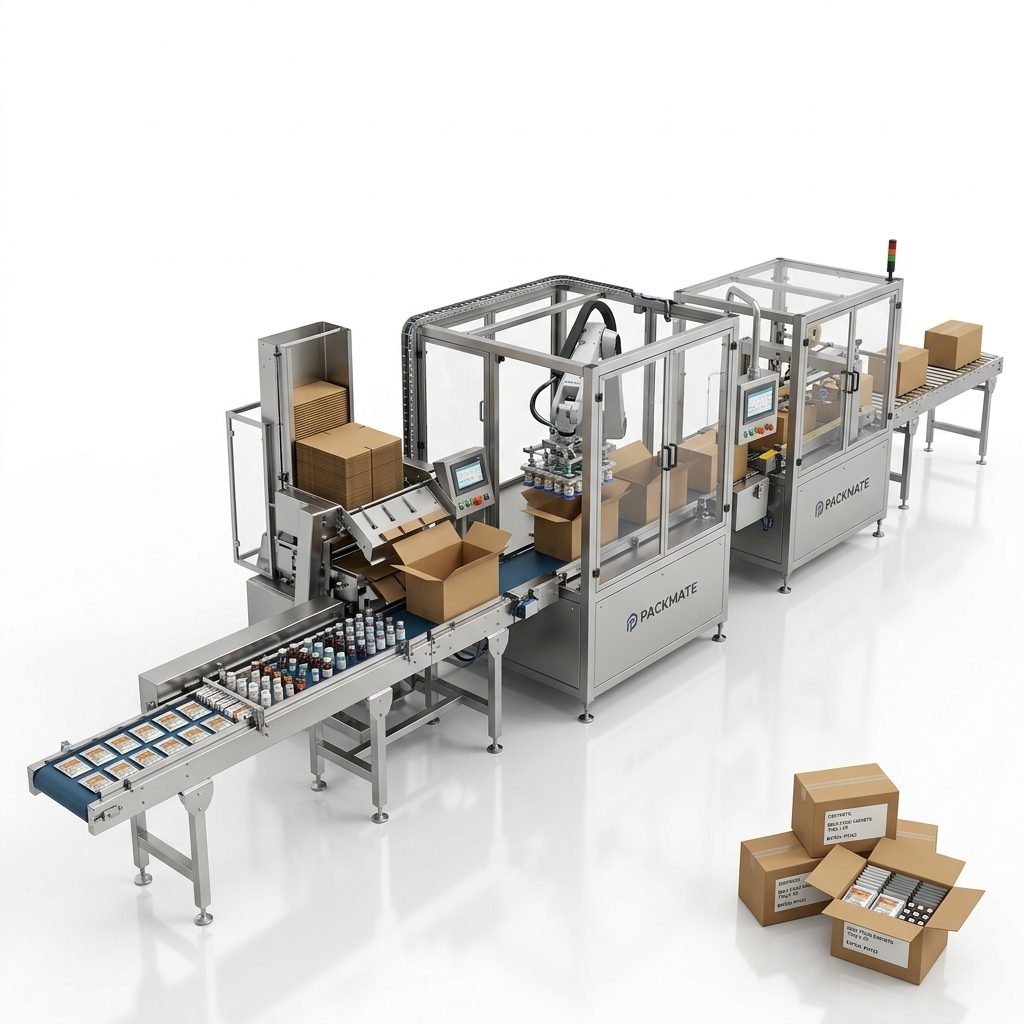
Off-the-shelf machines may not suit every production line. The ability to customize is crucial. Manufacturers like PacklineOEM and PackingMachineOEM specialize in non-standard and turnkey solutions. For a Maldivian business, this could mean adapting a machine for unique local product sizes, integrating with existing equipment, or designing a line that fits a constrained factory space common on local islands.
Ask Potential Suppliers: Can you provide a complete line from raw material feeding to end-of-line cartoning? How flexible is your engineering team in modifying machine specifications? Do you offer factory layout planning support?
Key Factor 4: After-Sales Support and Spare Parts
Geographical distance makes robust after-sales support non-negotiable. A breakdown can halt production and be costly. Evaluate the manufacturer’s support structure:
| Support Aspect | What to Look For |
|---|---|
| Installation & Commissioning | On-site support by engineers, either directly or through local agents. |
| Training | Comprehensive operator and maintenance training provided. |
| Technical Support | Availability of remote support (video call), multilingual manuals, and a responsive service team. |
| Spare Parts | Clear parts catalog, reasonable pricing, and reliable logistics for shipping to the Maldives. |
| Warranty | Comprehensive warranty terms that cover a significant period post-installation. |
Key Factor 5: Export Experience and Logistics
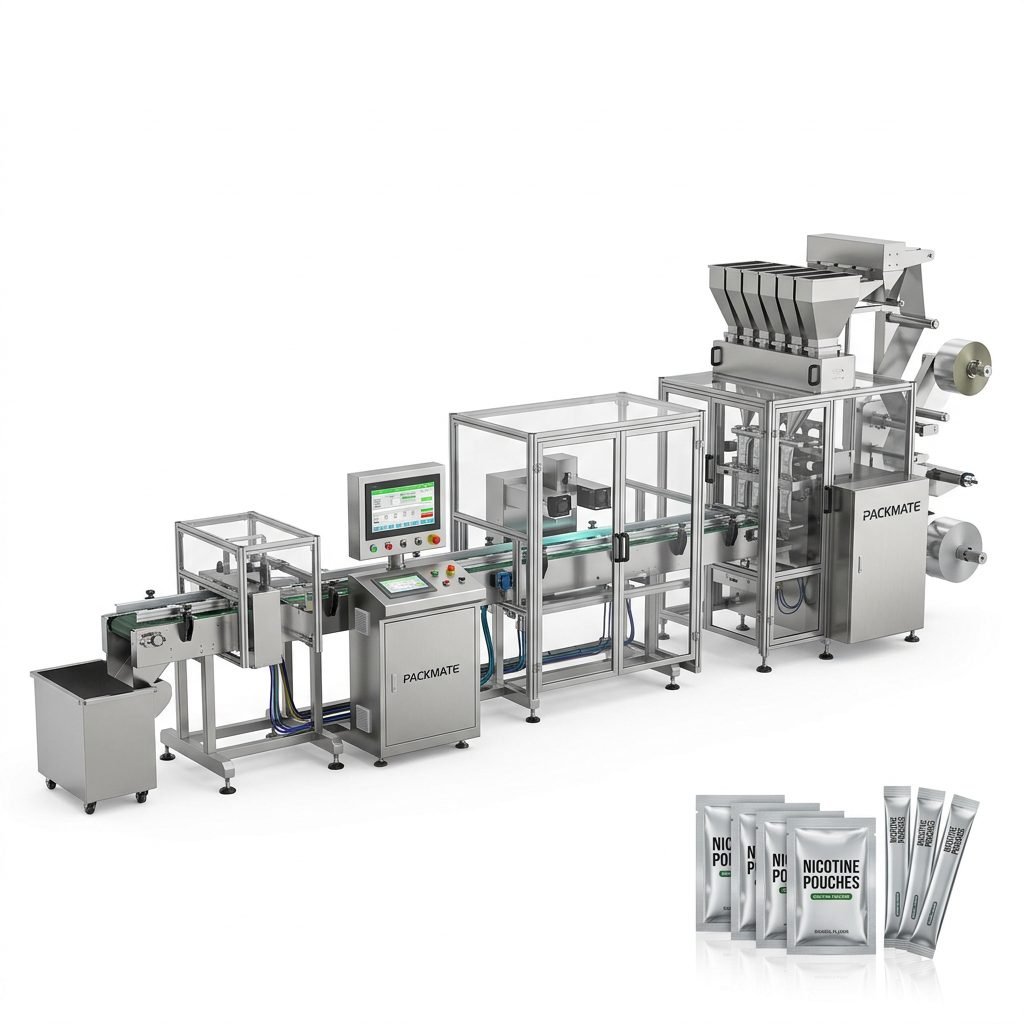
Choose a manufacturer with a proven track record of exporting to regions like the Middle East, Southeast Asia, or Africa, as they will be familiar with the documentation, shipping, and customs procedures relevant to the Maldives. Companies like SnusMachinery, which export globally, are often better equipped to handle international logistics, including sea freight to Malé. Verify their experience with shipping complete lines and providing necessary export documentation.
Key Factor 6: Cost and Return on Investment (ROI)
While initial cost is important, the Total Cost of Ownership (TCO) is more critical. This includes the machine price, shipping, import duties, installation, maintenance, energy consumption, and potential downtime costs. A slightly more expensive but reliable and efficient machine from a reputable manufacturer like Ludyway may offer a better ROI through higher uptime, lower waste, and longer service life. Request detailed quotations and perform a lifecycle cost analysis.
Practical Steps for Selection
Step 1: Define Your Requirements
Clearly document your product details, packaging materials, required output (bags per minute), available factory space, and budget. This will serve as a clear brief for suppliers.
Step 2: Research and Shortlist Manufacturers
Use online B2B platforms, industry directories, and trade shows to identify potential suppliers. Shortlist 3-5 companies that match your technical needs and have export experience.
Step 3: Due Diligence and Request for Proposal (RFP)
Contact the shortlisted companies. A serious manufacturer will ask detailed questions about your needs. Provide your requirements and request a formal proposal, which should include technical specifications, layout drawings, price, delivery terms, and support details.
Step 4: Evaluate Proposals and Check References
Compare proposals not just on price, but on the completeness of the solution, warranty, and support terms. Ask for and contact references from other customers, preferably in similar industries or regions.
Step 5: Factory Audit and Machine Testing (If Possible)
If feasible, visiting the manufacturer’s factory in person or via a virtual tour is invaluable. You can assess build quality, management, and scale. Request a live or recorded video test of a machine running a product similar to yours.
Step 6: Final Negotiation and Contract
Negotiate the final terms, including payment schedule (avoid large upfront payments), delivery timeline (Incoterms like FOB or CIF), warranty, and penalties for delays. Ensure all agreed-upon specifications and support services are detailed in the contract.
Frequently Asked Questions (FAQs)
1. What are the main challenges of importing packaging machinery to the Maldives?
Key challenges include logistics and shipping costs, navigating customs clearance in Malé, potential delays, and ensuring technical support is accessible remotely or through visits. Choosing an experienced exporter who can handle door-to-port or door-to-door logistics and provide comprehensive documentation is crucial.
2. Should I choose a standard machine or a customized solution?
If your product and packaging are common, a standard machine may be sufficient and more cost-effective. However, if you have unique product characteristics, specific speed requirements, or need integration into an existing line, a customized solution from a manufacturer like PackingMachineOEM is often necessary for optimal performance.
3. How important is the manufacturer’s industry-specific experience?
Very important. A manufacturer specializing in food-grade machinery will understand hygiene standards (like stainless steel requirements), while a pharma-focused supplier will prioritize precision and cleanability. For niche products like nicotine pouches, a specialist like SnusMachinery offers valuable application-specific knowledge.
4. What kind of after-sales support should I expect?
You should expect detailed installation manuals, remote guidance via video call for commissioning, operator training (sometimes on-site), a readily available inventory of common spare parts, and a clear warranty policy covering at least 12 months for major components. Ensure they offer support in your time zone.
5. How do I manage maintenance and repairs locally?
Discuss with the supplier the possibility of training your in-house technicians. Also, inquire if they have a local agent or service partner in the region (e.g., Sri Lanka, India, Middle East) who can provide faster on-ground support. Maintaining a basic stock of critical spare parts is also a prudent strategy.