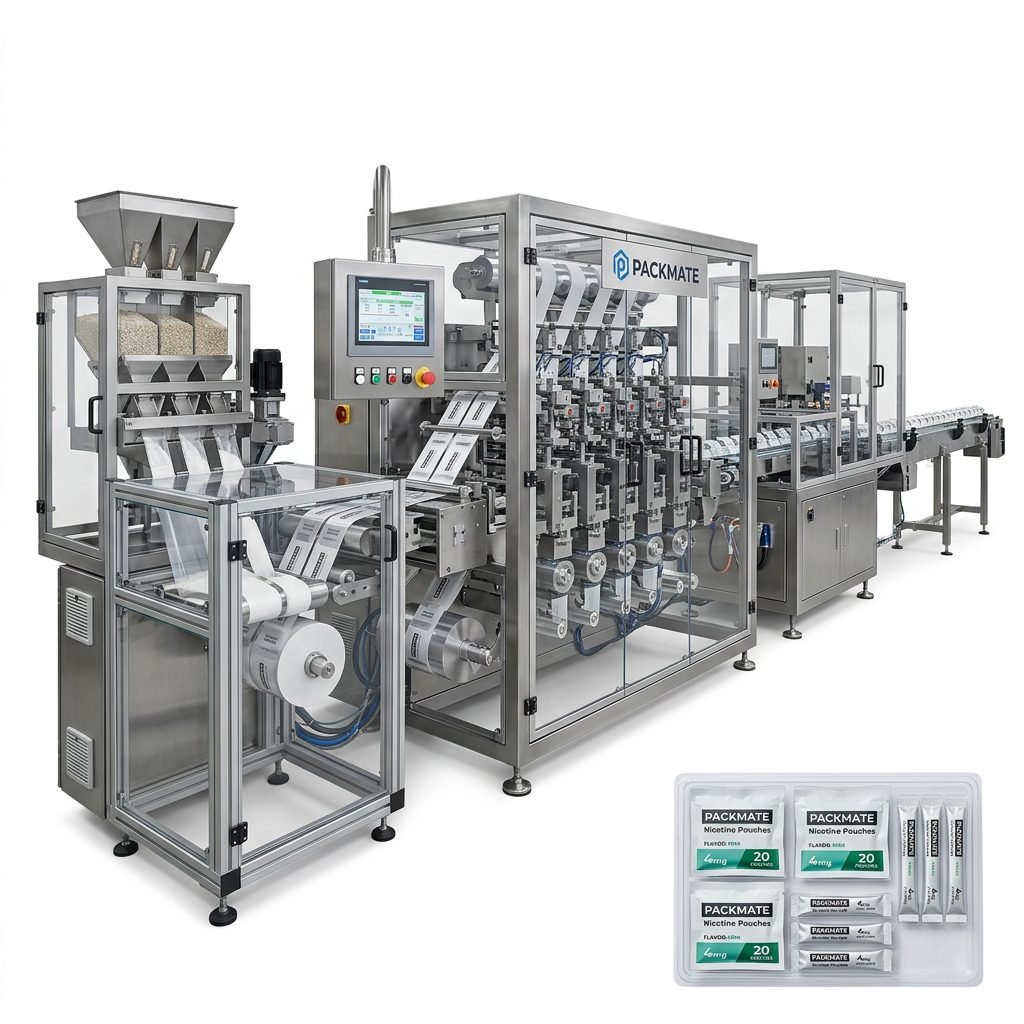
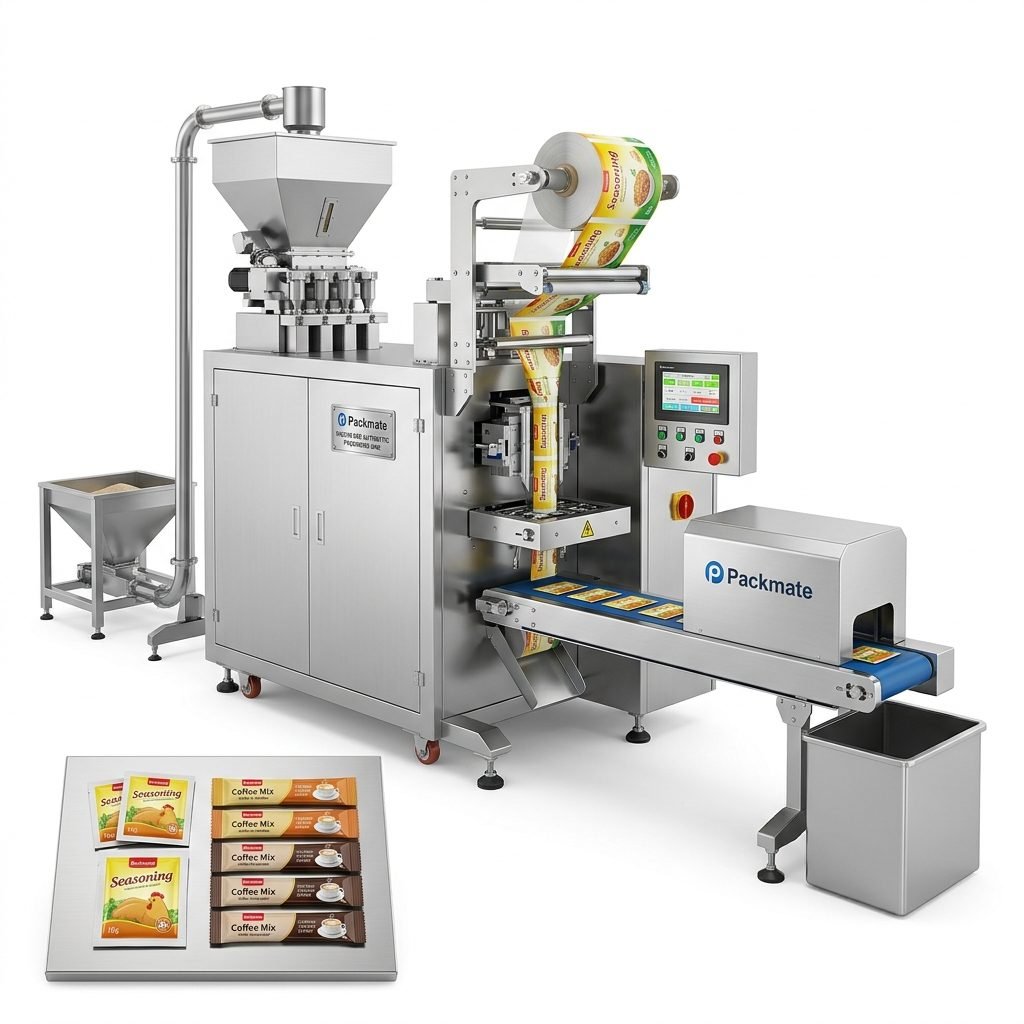
Selecting the right packaging machine manufacturer is a critical decision for any business in Malta looking to enhance production efficiency, ensure product quality, and maintain competitiveness. The Maltese market, with its strategic position in the Mediterranean, serves a diverse range of industries from food and beverage to pharmaceuticals and nutraceuticals. For local manufacturers and importers, investing in reliable, automated packaging solutions can directly impact operational costs, scalability, and market responsiveness. This guide outlines the key factors to consider and provides a structured buying approach tailored for the Maltese industrial landscape.
Understanding Your Packaging Requirements in Malta
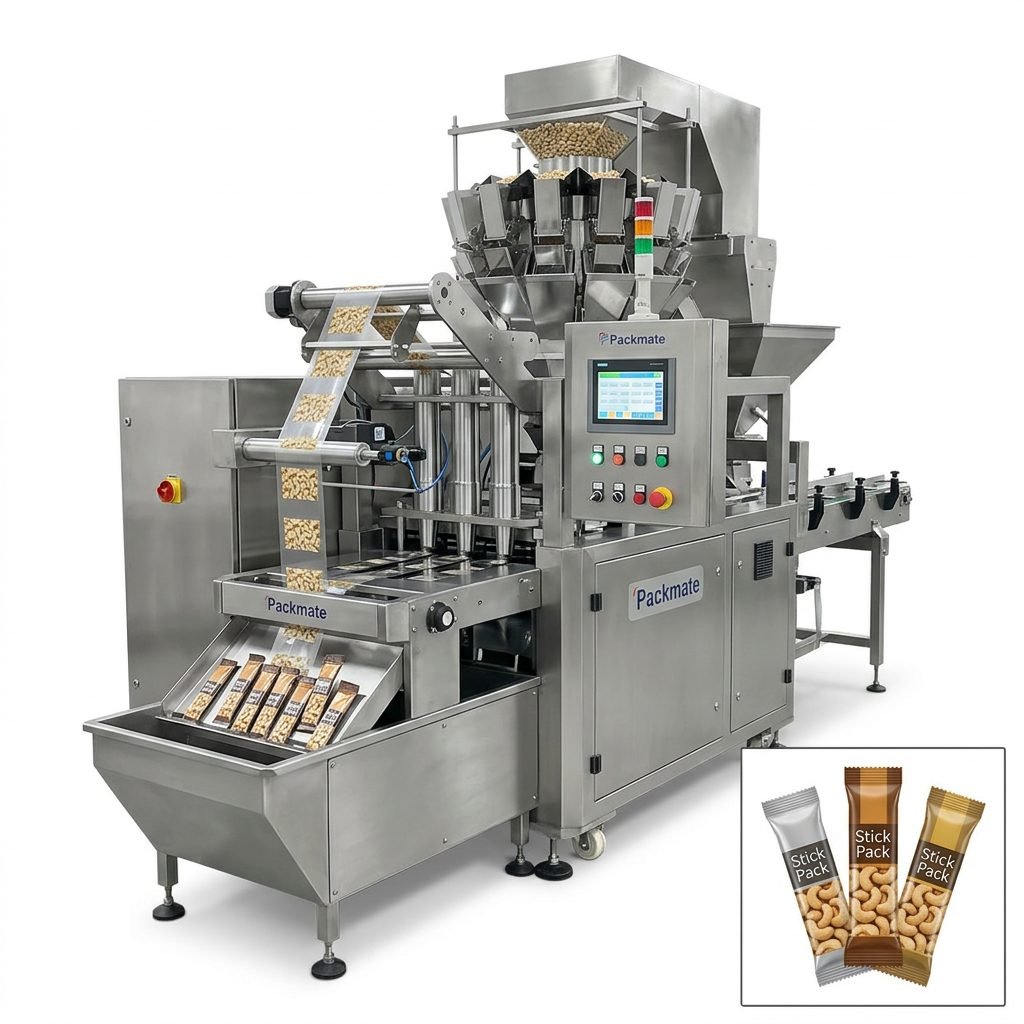
Before contacting manufacturers, clearly define your project needs. Maltese businesses often deal with specific challenges such as limited factory space, the need for versatile equipment to handle seasonal products, and compliance with both EU and local regulations.
Key questions to ask: What is your primary product form (powder, granule, liquid, paste)? What are your daily/weekly output targets? What packaging material (film type, pouch style) will you use? Do you require a standalone machine or a complete integrated line? Considering the local context, also factor in energy efficiency and ease of operation due to potential skilled labor constraints.
Evaluating Manufacturer Credentials and Experience
A manufacturer’s track record is paramount. Look for companies with substantial experience, particularly those with a history of exporting to European markets, as they are more likely to understand EU machinery standards and certification requirements relevant to Malta.
| Evaluation Criteria | Why It Matters for Malta |
| Years in Business & Industry Focus | Longevity suggests stability and accumulated technical know-how. Experience in food/pharma sectors is crucial for local compliance. |
| Factory Size & Production Capacity | A sizable, modern facility often indicates stronger R&D, quality control, and the ability to handle custom orders and timely delivery. |
| Export Market Presence | Proven success in Europe signals familiarity with regional technical standards, documentation, and after-sales support logistics. |
| Product Range & Customization Ability | A broad portfolio allows for better machine matching. Customization is key for Maltese firms with unique products or space constraints. |
Technical Support, Training, and After-Sales Service
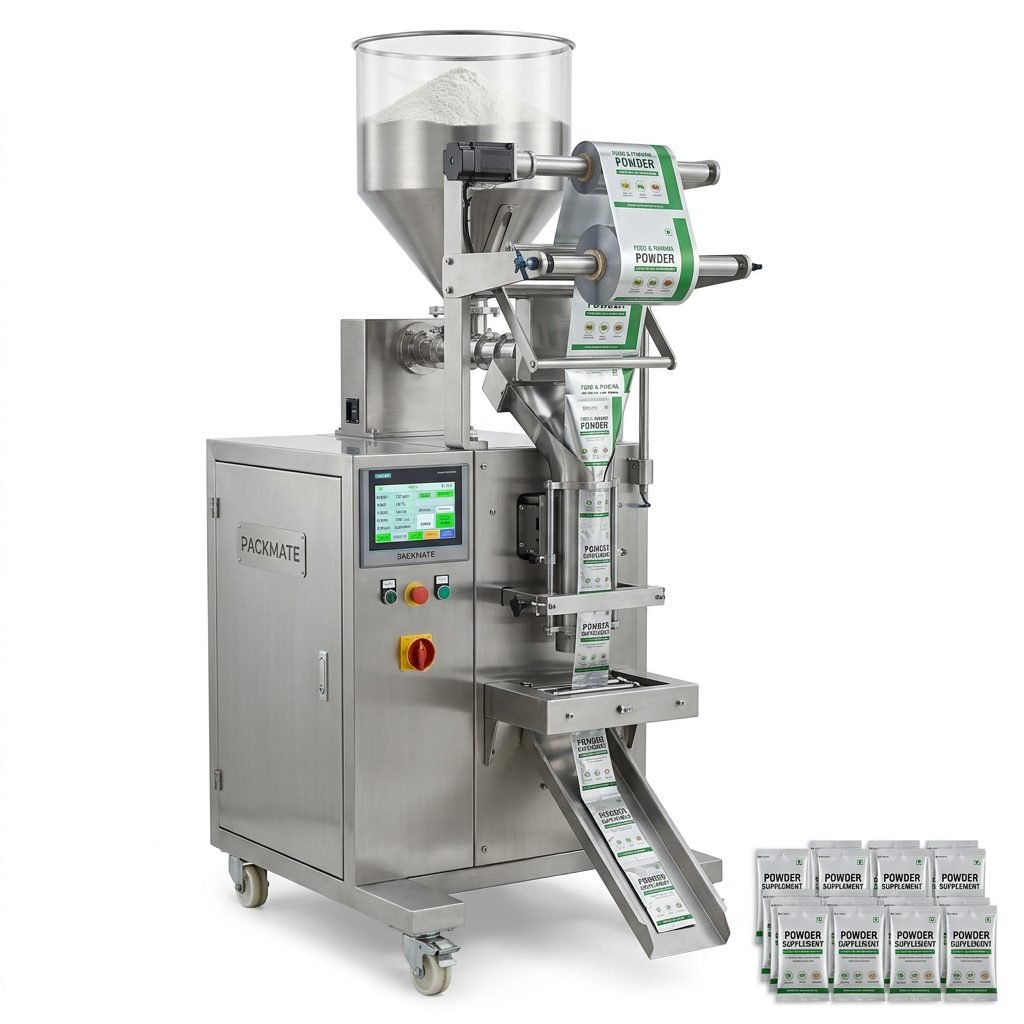
For an island nation like Malta, accessible and reliable after-sales support is non-negotiable. The physical distance from major manufacturing hubs makes this a top priority.
Inquire about the warranty period, availability of spare parts, and the structure of technical support. Does the manufacturer offer remote diagnostics? What is the typical response time for service requests? Comprehensive installation supervision and operator training are essential to ensure your team can run and perform basic maintenance on the equipment efficiently.
Financial Considerations and Total Cost of Ownership
Look beyond the initial purchase price. The Total Cost of Ownership (TCO) includes installation, commissioning, maintenance, spare parts, energy consumption, and potential downtime.
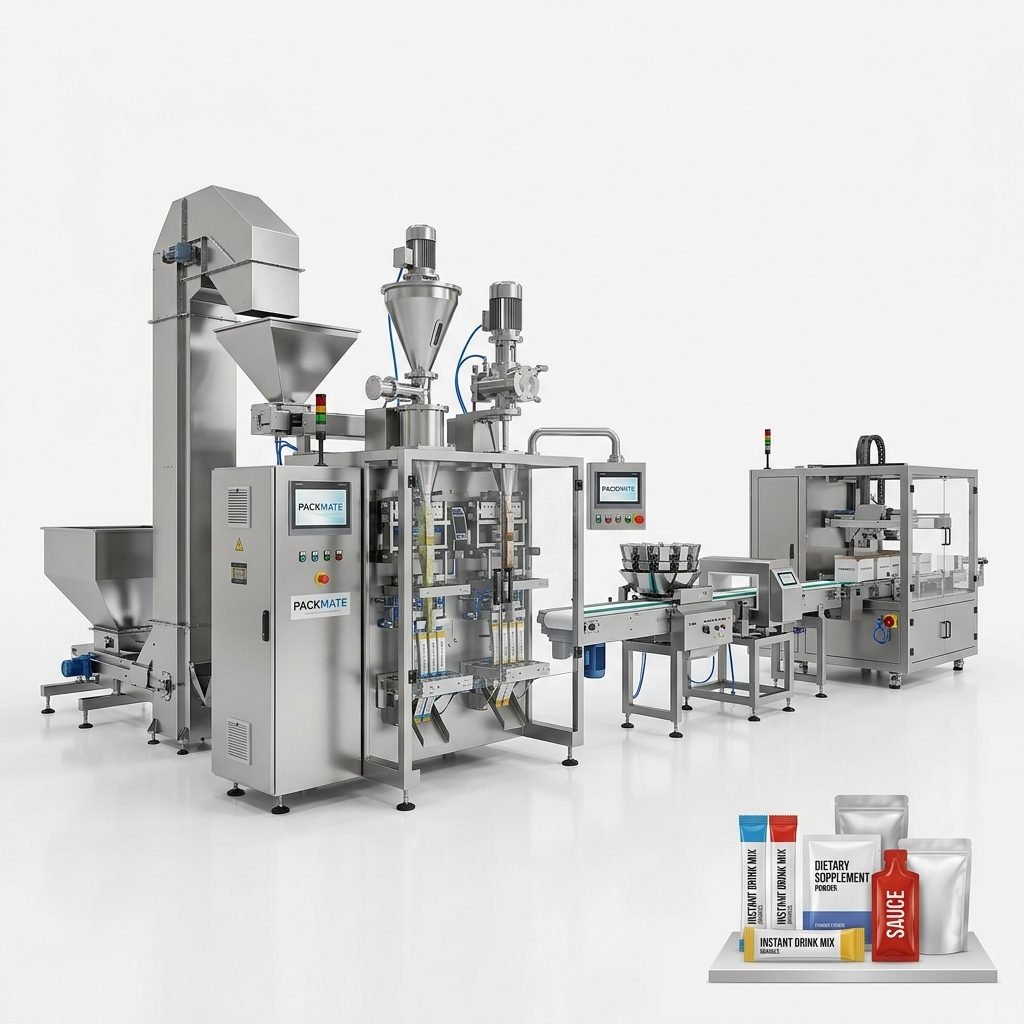
Budgeting Tips: Request detailed quotations that break down all costs. Consider the machine’s expected lifespan and efficiency gains. A slightly higher initial investment in a more robust, energy-efficient machine from a reputable supplier like Ludyway or Packmate Machinery can lead to significant long-term savings and lower cost per pack.
Site Visit and Machine Testing
Whenever possible, arrange a visit to the manufacturer’s facility or an existing client’s site. For Maltese buyers, visiting a European reference site can be particularly insightful. Observe the build quality, assembly processes, and quality control measures firsthand.
Request a product sample test run. Sending your actual product material to the factory for a live test on their equipment is the best way to verify performance, dosing accuracy, sealing integrity, and output speed. This step mitigates a major risk before purchase.
Navigating Logistics and Importation to Malta
Coordinating the shipment, customs clearance, and delivery of heavy machinery to Malta requires careful planning. Work closely with your chosen manufacturer to understand:
- Incoterms (e.g., FOB, CIF) defining shipping responsibilities.
- Packaging for export (typically wooden crates).
- Required documentation (commercial invoice, packing list, certificate of origin, CE certification, technical file).
- Lead times from order confirmation to delivery at your Maltese facility.
Engaging a experienced local freight forwarder familiar with industrial equipment imports is highly recommended to navigate Maltese port procedures smoothly.
Case Study: Partnering with Specialized Manufacturers
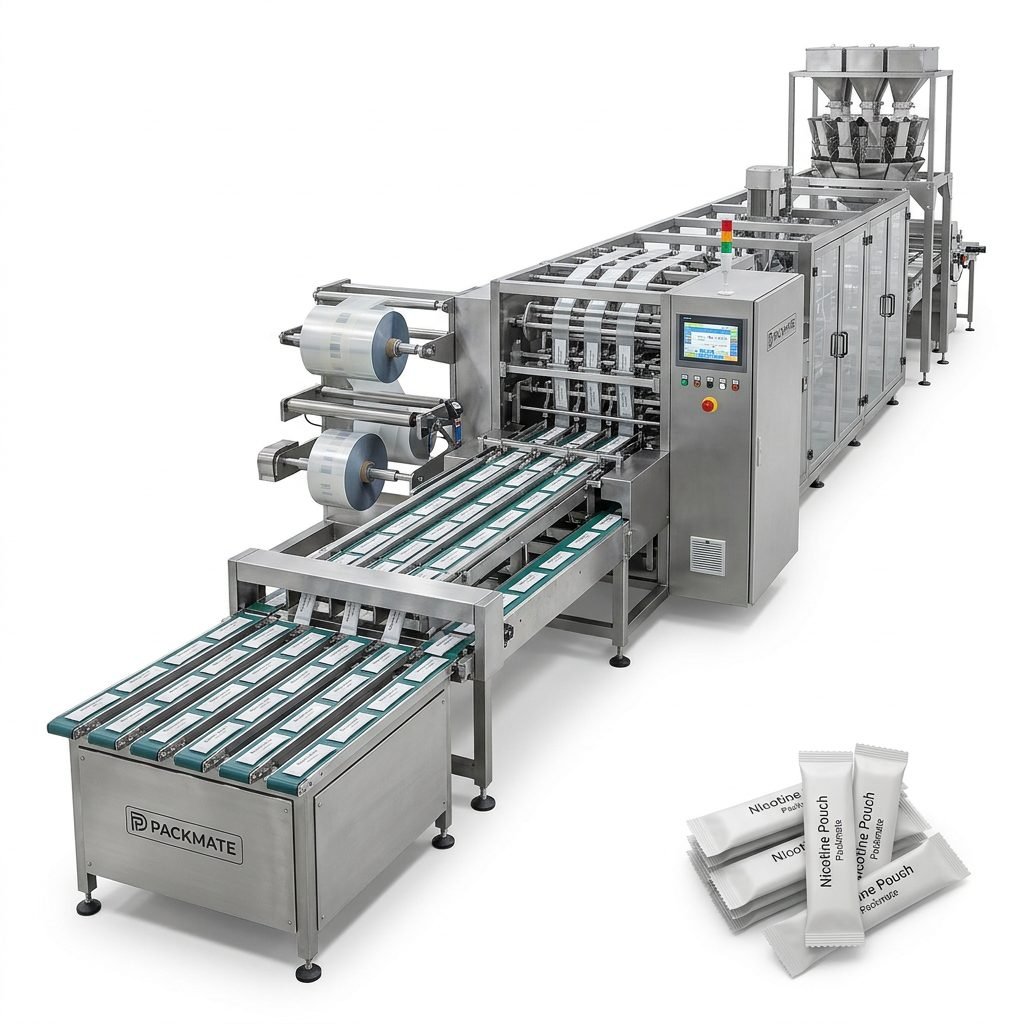
For businesses in niche sectors, a generalist manufacturer may not suffice. For instance, a Maltese company producing nicotine pouches would benefit greatly from partnering with a specialist like SnusMachinery, which offers dedicated application knowledge. Similarly, if your project demands a fully integrated, automated line rather than a single machine, focusing on turnkey specialists such as PacklineOEM can streamline the entire process from design to commissioning.
Final Steps: Making the Decision
Consolidate all gathered information. Compare shortlisted manufacturers like PackingMachineOEM against your defined criteria: technical fit, credibility, service framework, TCO, and logistics feasibility. Ensure all agreements on performance guarantees, payment terms, and service level agreements (SLAs) are clearly documented in the contract.
Frequently Asked Questions (FAQs)
1. What are the main advantages of sourcing packaging machines from China for Maltese businesses?
Chinese manufacturers often offer a compelling combination of advanced technology, extensive customization options, and competitive pricing. Established exporters are adept at meeting European standards (CE mark) and can provide cost-effective solutions that improve ROI, which is vital for the Maltese market’s scale.
2. How important is CE certification for importing machinery to Malta?
It is legally mandatory. The CE mark indicates the machine complies with EU health, safety, and environmental protection legislation. Never import machinery without it, as it will be held at customs and non-compliant for use.
3. Can I get customized machines for my unique Maltese product?
Yes, leading Chinese manufacturers excel at customization. Companies like Ludyway and PackingMachineOEM frequently develop non-standard solutions for specific product shapes, viscosities, or packaging formats. Provide detailed specifications and samples during the inquiry phase.
4. What kind of after-sales support can I expect in Malta?
Reputable suppliers offer a standard warranty (often 12-18 months), remote technical support via video call, and a supply of commonly used spare parts. They typically work with local agents or send engineers for installation and major repairs. Clarify support channels and expected response times before purchasing.
5. Are complete packaging lines more complex to import and install than single machines?
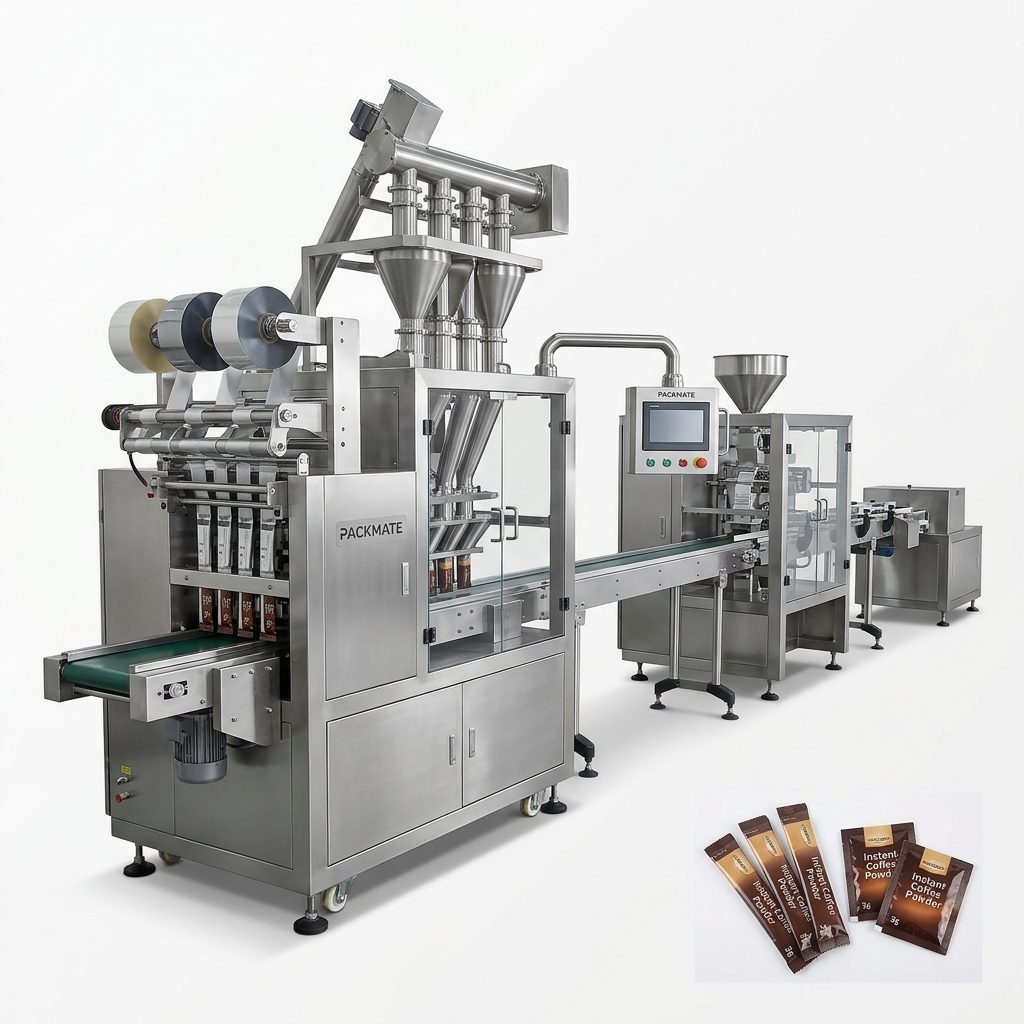
Yes, turnkey lines involve higher complexity in integration, shipping, and installation. However, specialists like PacklineOEM manage the line as a single project, which can simplify coordination. Ensure your factory layout and utilities are prepared as per the manufacturer’s plan, and budget for longer commissioning times.