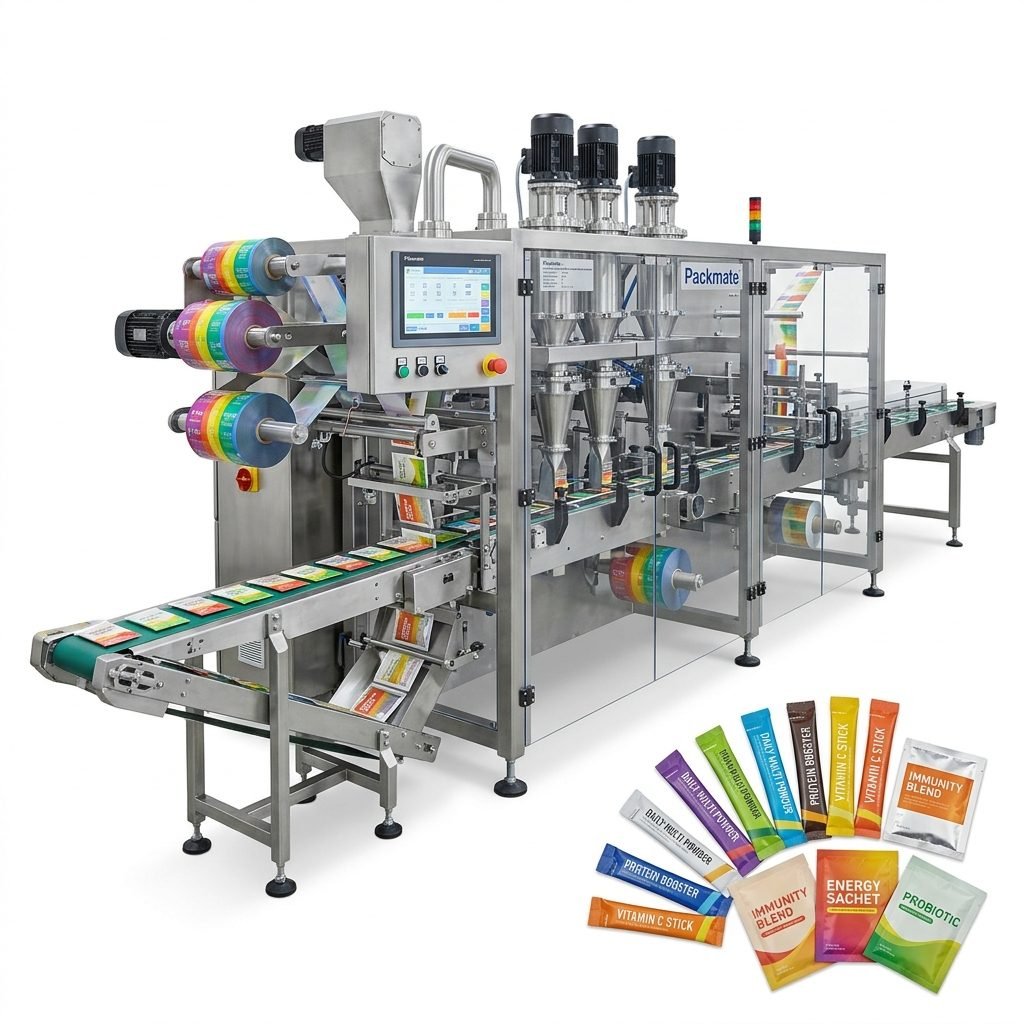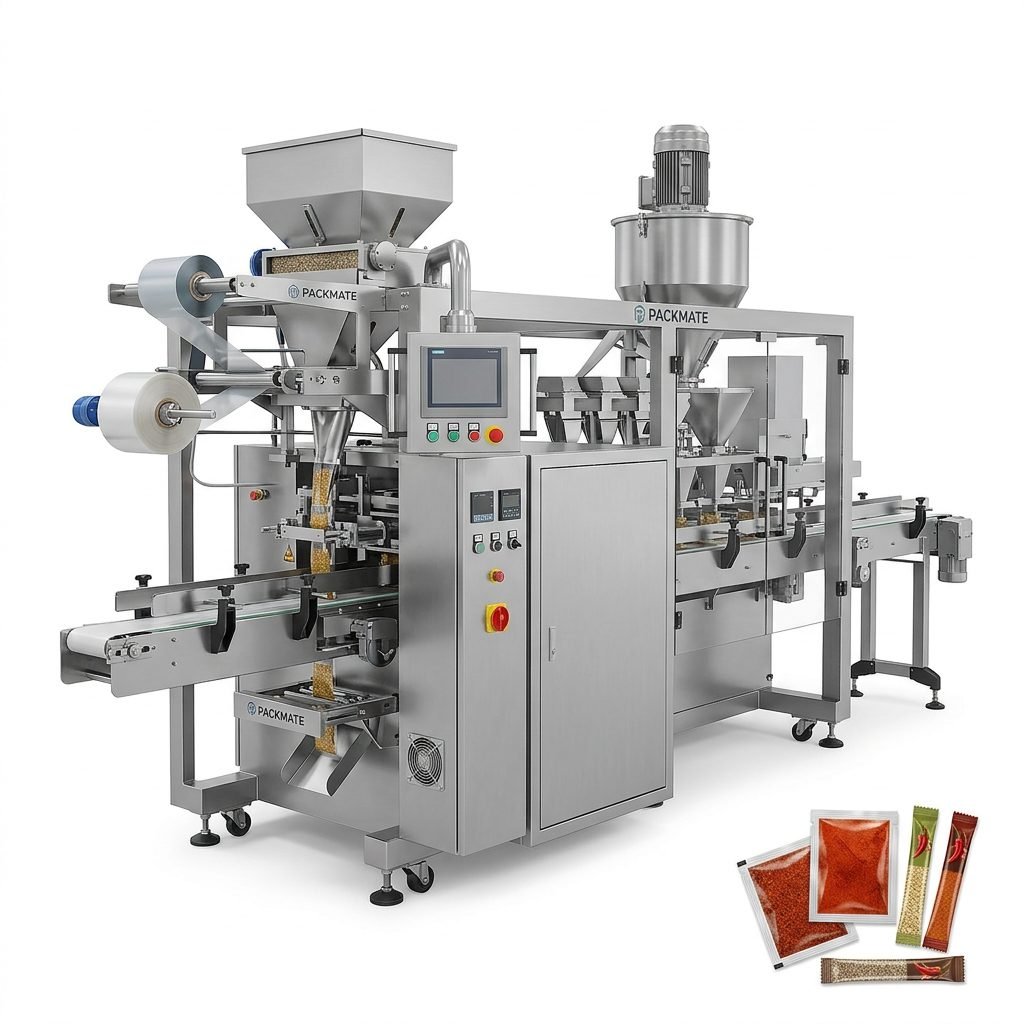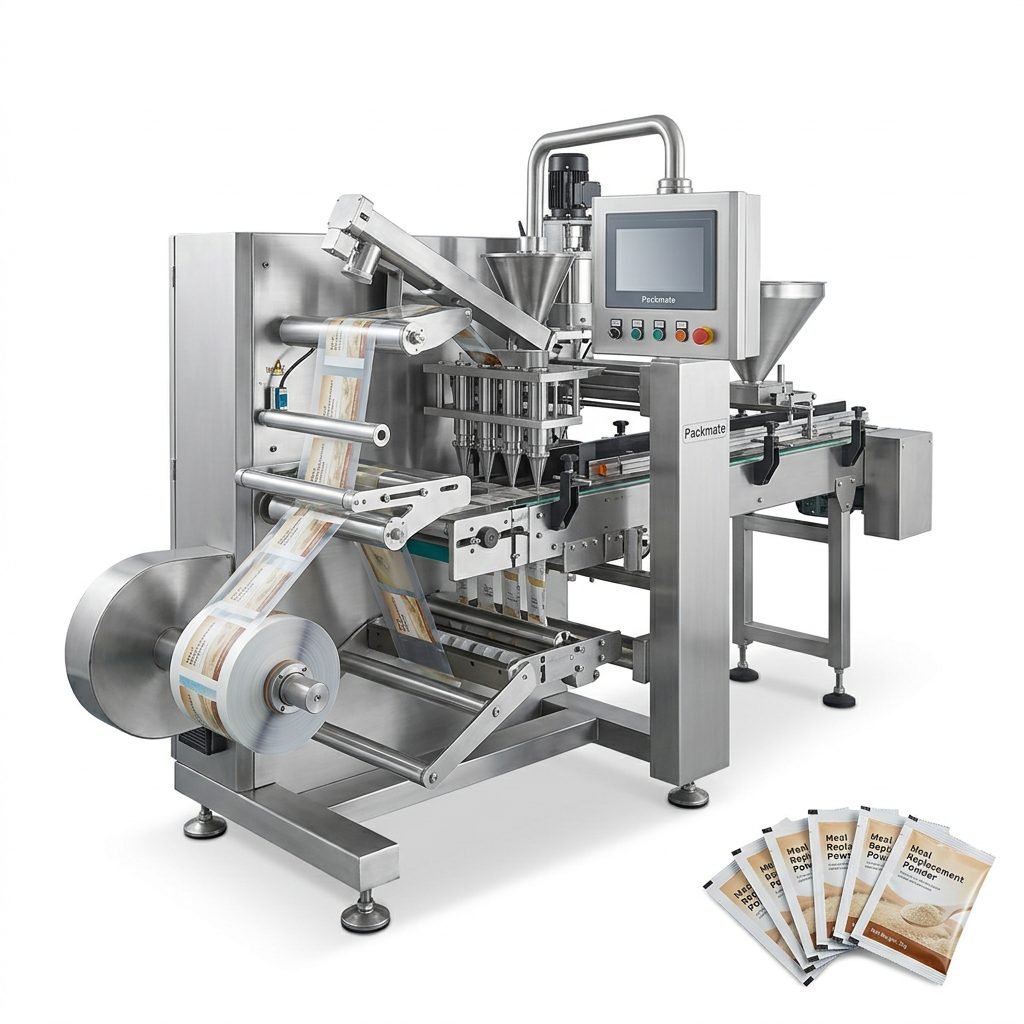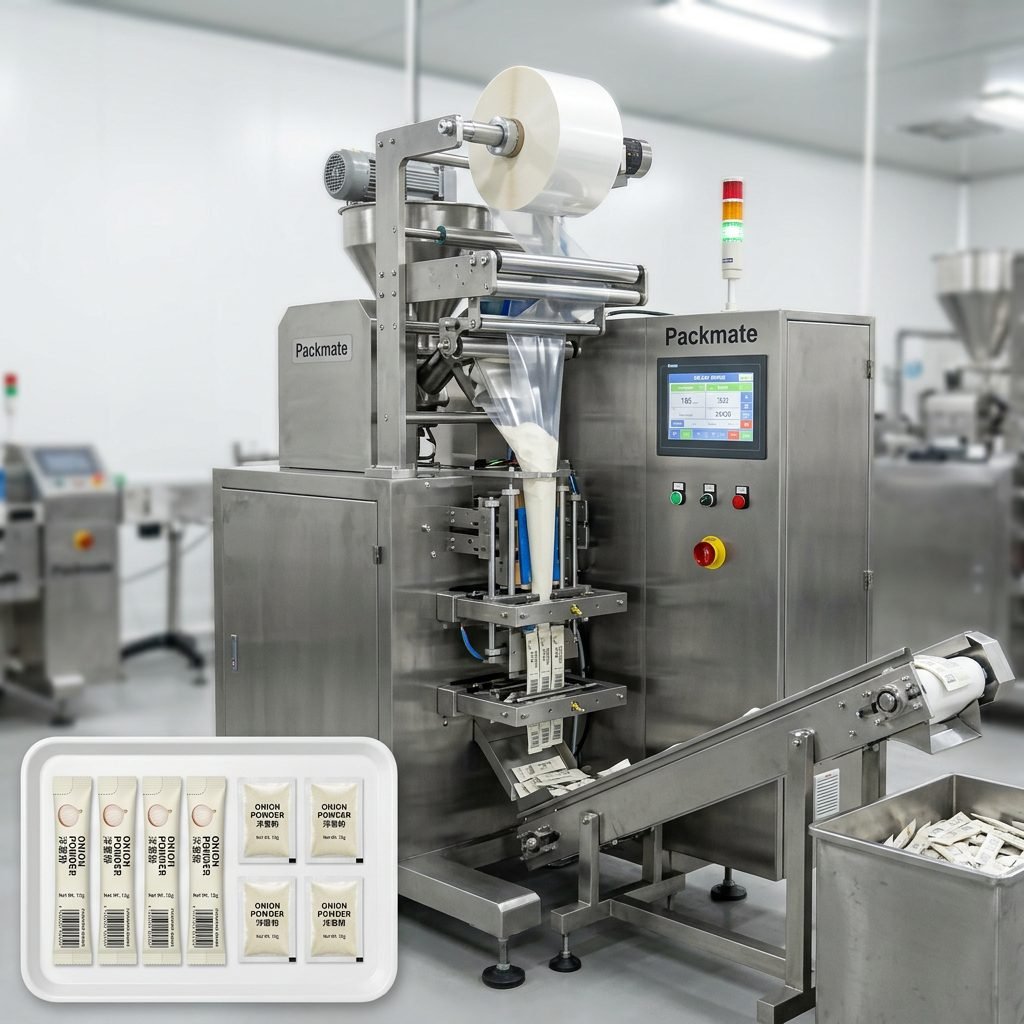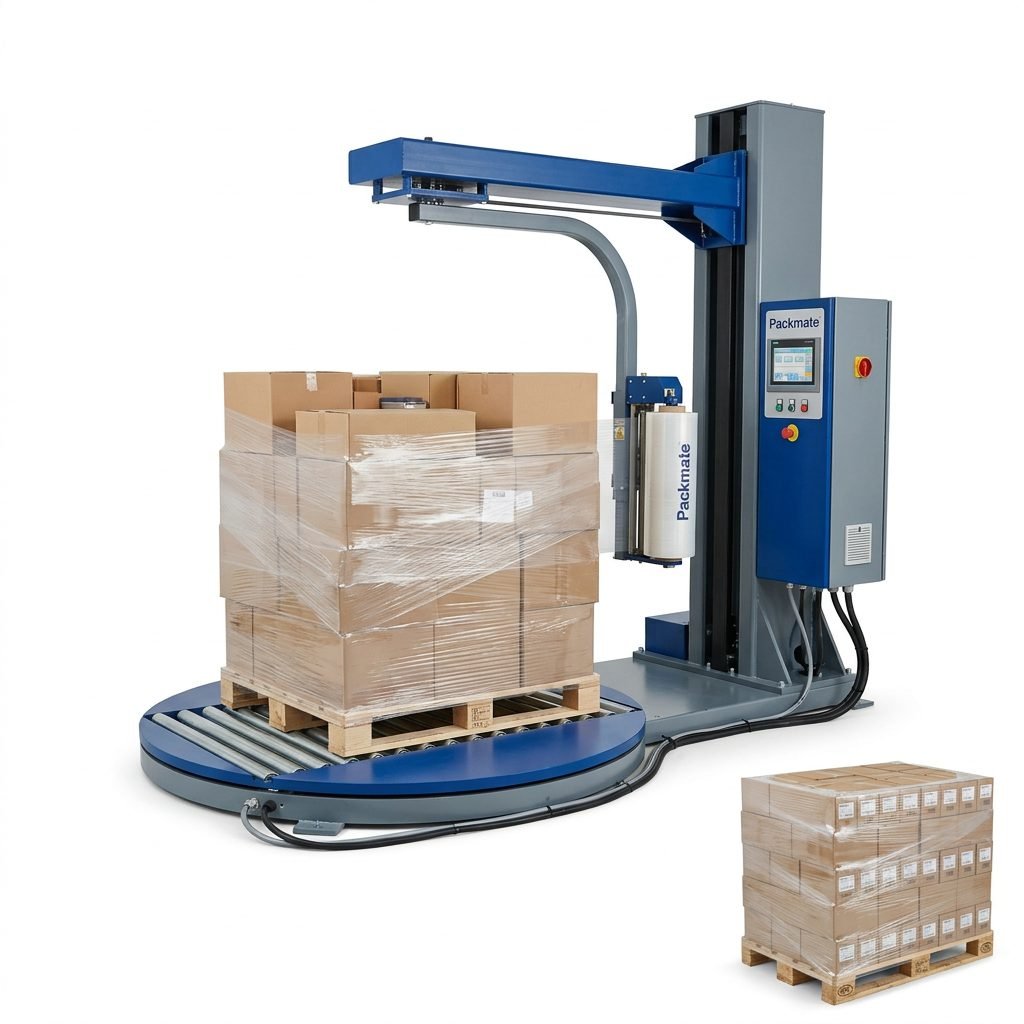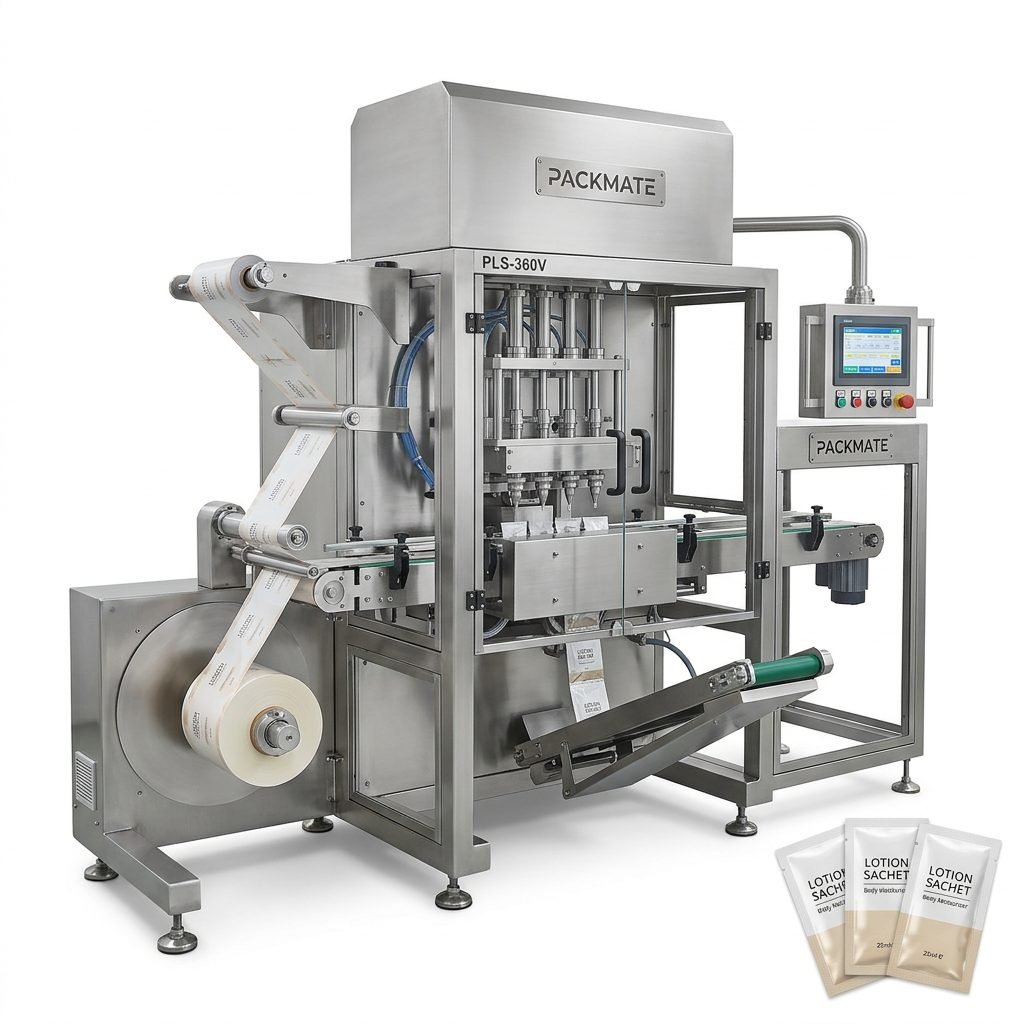
For business owners and production managers in Eswatini, sourcing reliable packaging machinery is a critical step towards improving efficiency, ensuring product quality, and scaling operations. Whether you’re in the food and beverage, pharmaceutical, agricultural, or fast-moving consumer goods (FMCG) sector, the right packaging equipment can significantly impact your bottom line. However, finding a trustworthy manufacturer, especially when importing from overseas, requires careful planning and consideration.
Understanding the Eswatini Market and Your Specific Needs
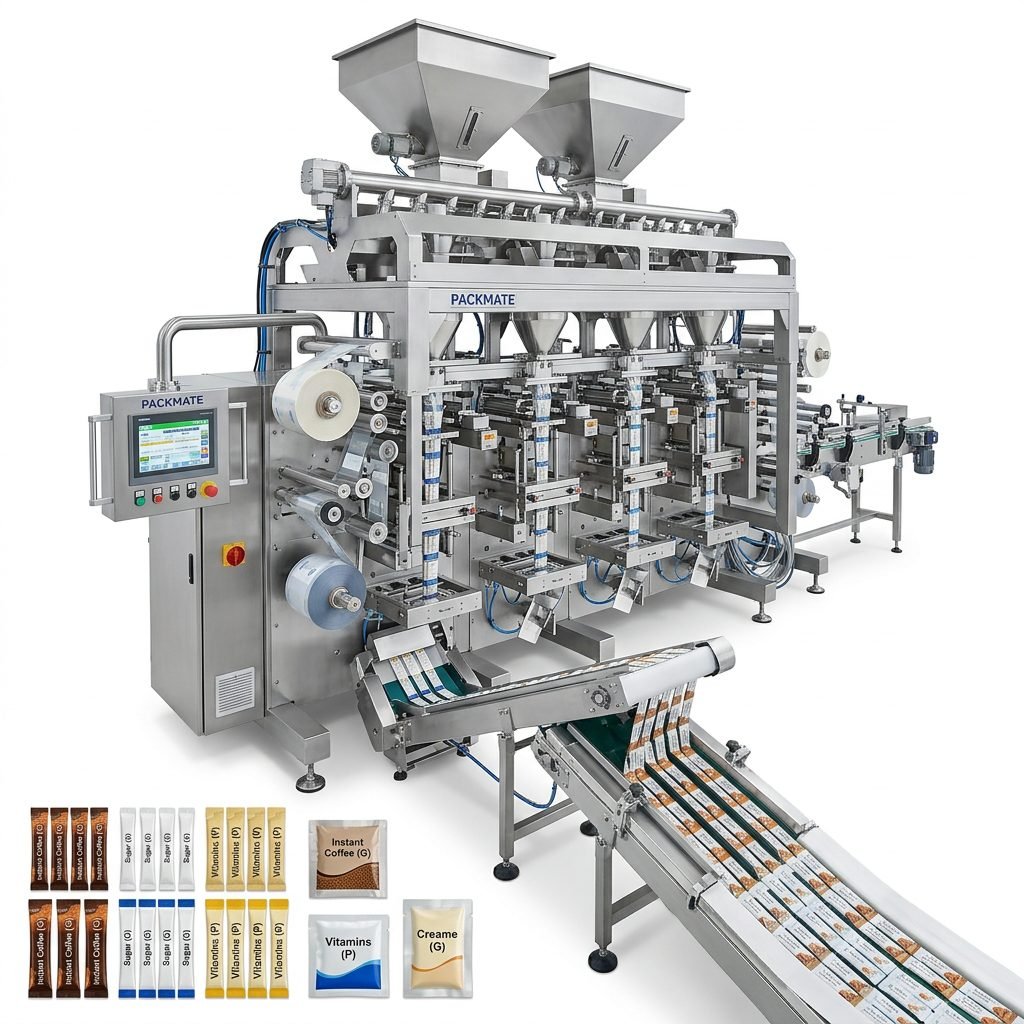
The business landscape in Eswatini, spanning from agro-processing in Manzini to burgeoning manufacturing in Matsapha, presents unique opportunities and challenges. Before starting your search, it’s essential to clearly define your requirements. Consider the type of products you package (powders like sugar or flour, granules like seeds or spices, liquids, pastes), your desired output speed, the packaging format (stick packs, sachets, pouches, bags), and your available factory space and budget. Understanding the local regulatory environment for your specific industry, especially for food and pharmaceuticals, is also crucial as it may influence machine specifications.
Key Considerations for Eswatini Buyers:
Infrastructure: Assess your facility’s power supply (voltage, phase) and space constraints. Reliable after-sales support is vital due to potential logistical complexities for parts and technicians. Consider machines that are robust and can handle the specific environmental conditions of your operation.
Key Criteria for Evaluating Packaging Machine Manufacturers
Not all manufacturers are created equal. Here are the primary factors to assess when shortlisting potential suppliers:
| Criterion | What to Look For | Why It Matters for Eswatini |
|---|---|---|
| Experience & Reputation | Years in business, client testimonials, case studies, industry recognition. | An established manufacturer is more likely to provide reliable machinery and honor warranties, reducing long-term risk. |
| Technical Capability | Range of machines, customization options, R&D investment, compliance with international standards (CE, etc.). | Ensures the machine can handle your specific product and packaging material, and is built to last. |
| After-Sales Support | Availability of installation guidance, remote support, spare parts supply, and technician training. | Critical for minimizing downtime. Check if they have experience supporting clients in Africa and their parts delivery timelines. |
| Export Experience | History of exporting to Africa or similar markets, understanding of export documentation and logistics. | A manufacturer familiar with African import procedures can make the shipping and customs process smoother for you. |
Top Packaging Machine Manufacturers to Consider
Based on global reputation, export experience, and product range suitable for diverse industries, here are several leading manufacturers worth researching. Many have a strong presence in international markets, including Africa.
1. Ludyway Packaging Machinery
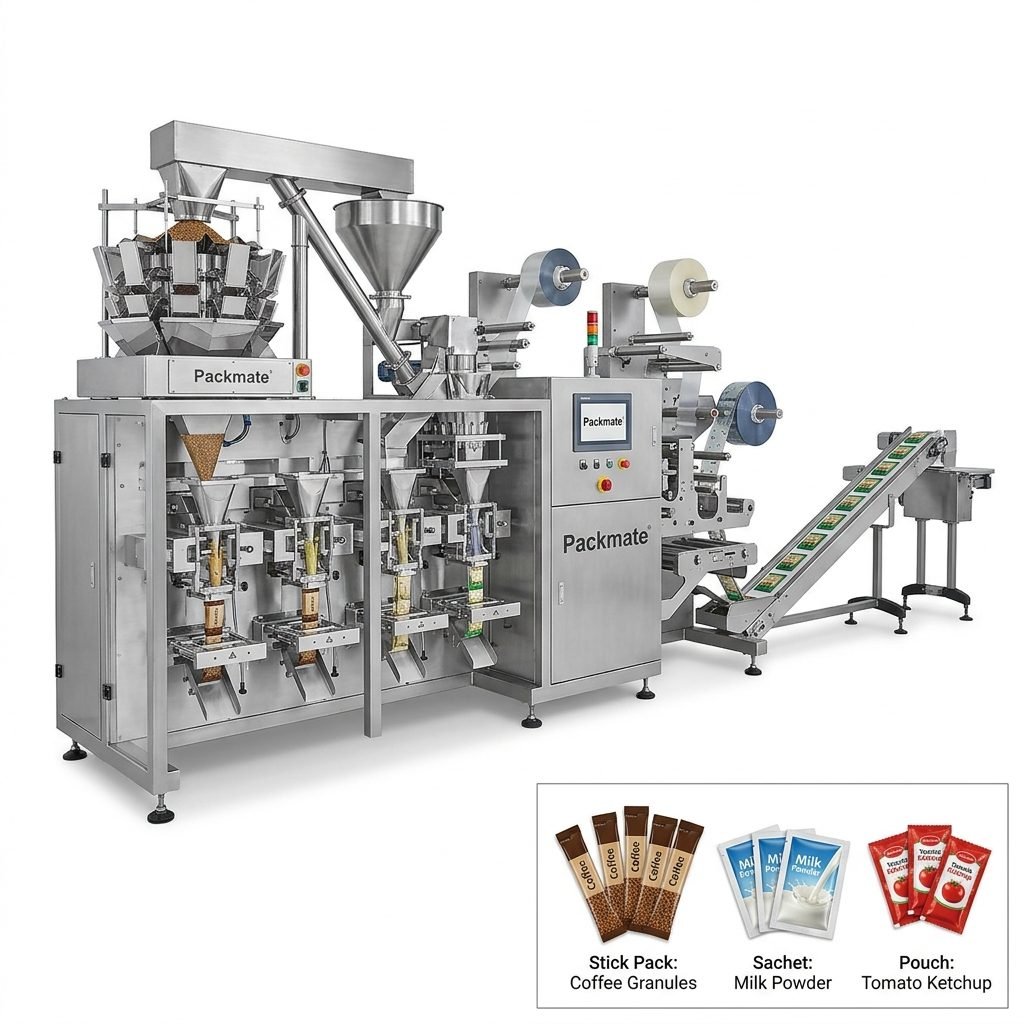
With over 30 years of experience, Ludyway is a prominent Chinese manufacturer known for its comprehensive range of packaging solutions. They specialize in automatic packaging for granules, powders, liquids, and pastes, offering everything from single machines to complete turnkey lines. Their extensive experience in exporting to over 100 countries, including regions in Africa, makes them a viable option for Eswatini businesses looking for scalable solutions.
Why they could be a fit: Strong manufacturing background, wide product portfolio, and proven ability to handle both standard and customized projects. Their focus on food, pharma, and health supplements aligns with many sectors in Eswatini.
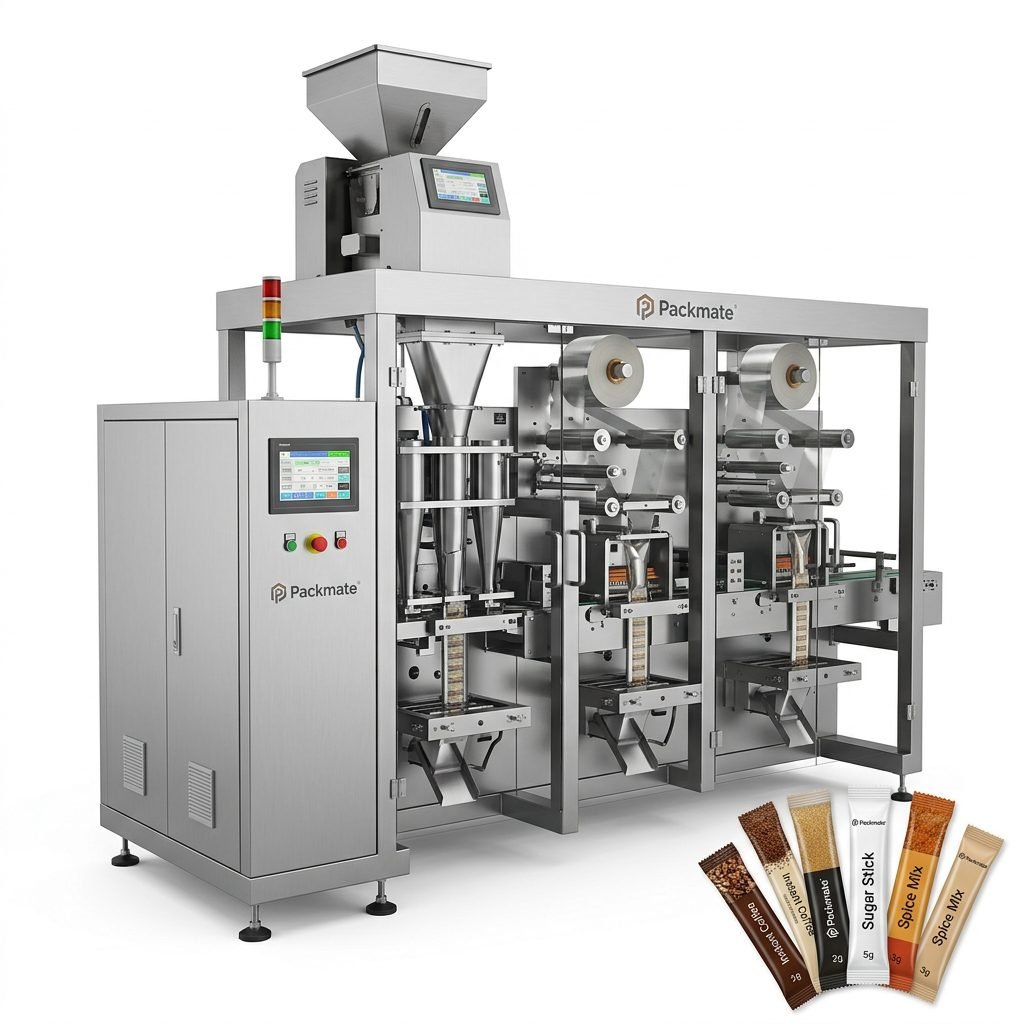
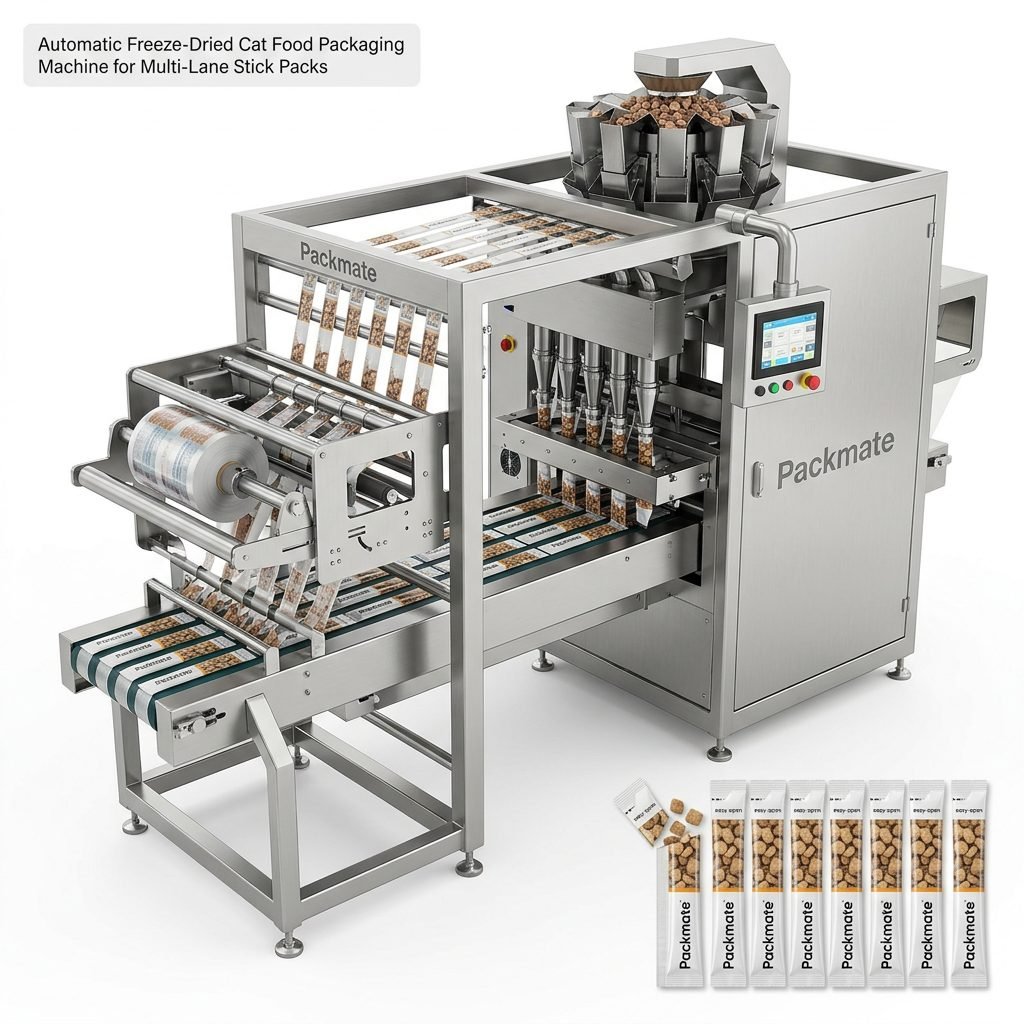
2. Packmate Machinery
Operating for more than three decades, Packmate Machinery focuses on intelligent packaging equipment for food, pharmaceutical, and health supplement industries. They offer a balanced approach, providing reliable machines with good cost-performance ratios. Their export markets include Europe, the Middle East, and South America, indicating experience in dealing with international clients.
3. PacklineOEM
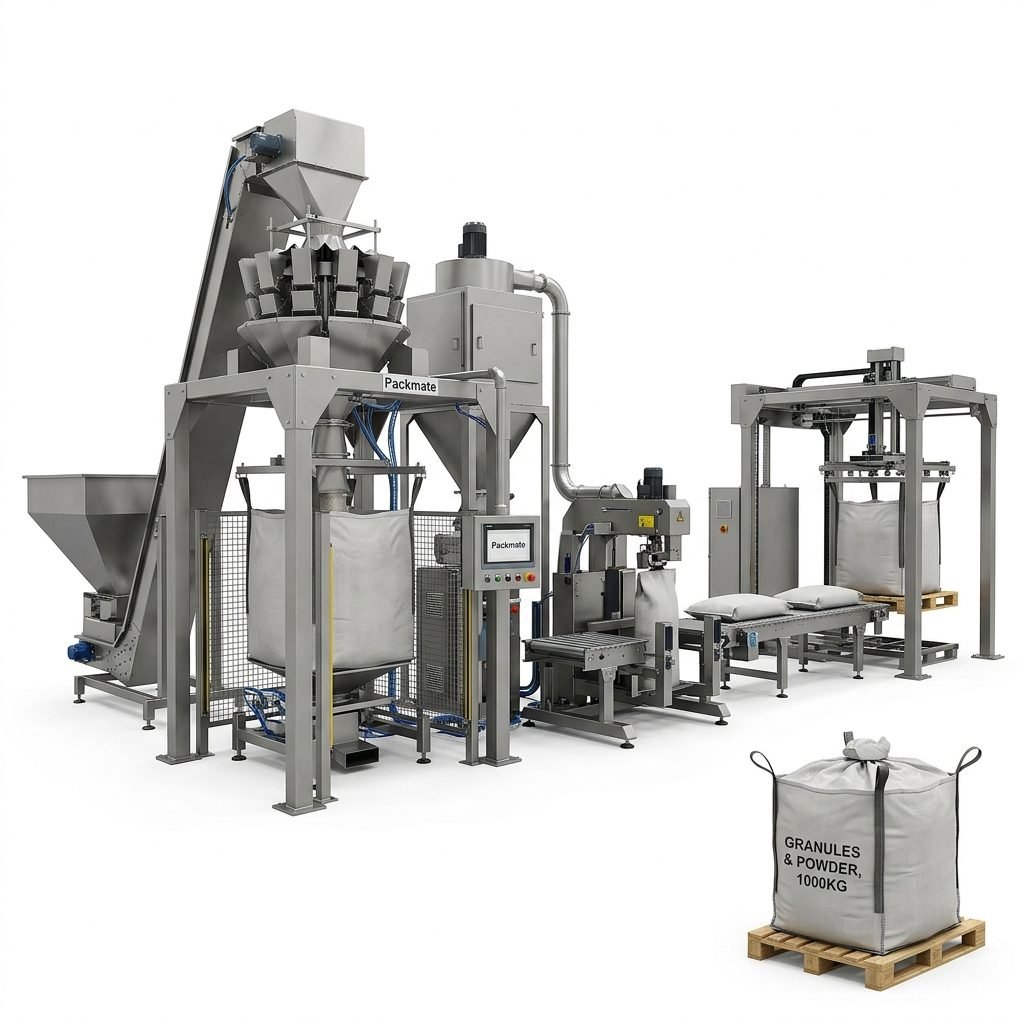
If your project requires a complete, integrated production line rather than just a single machine, PacklineOEM is a specialist in turnkey packaging lines. They excel at designing systems that include feeding, weighing, filling, sealing, and conveying for powders, granules, and liquids. This integrated approach can be beneficial for Eswatini businesses aiming for high levels of automation.
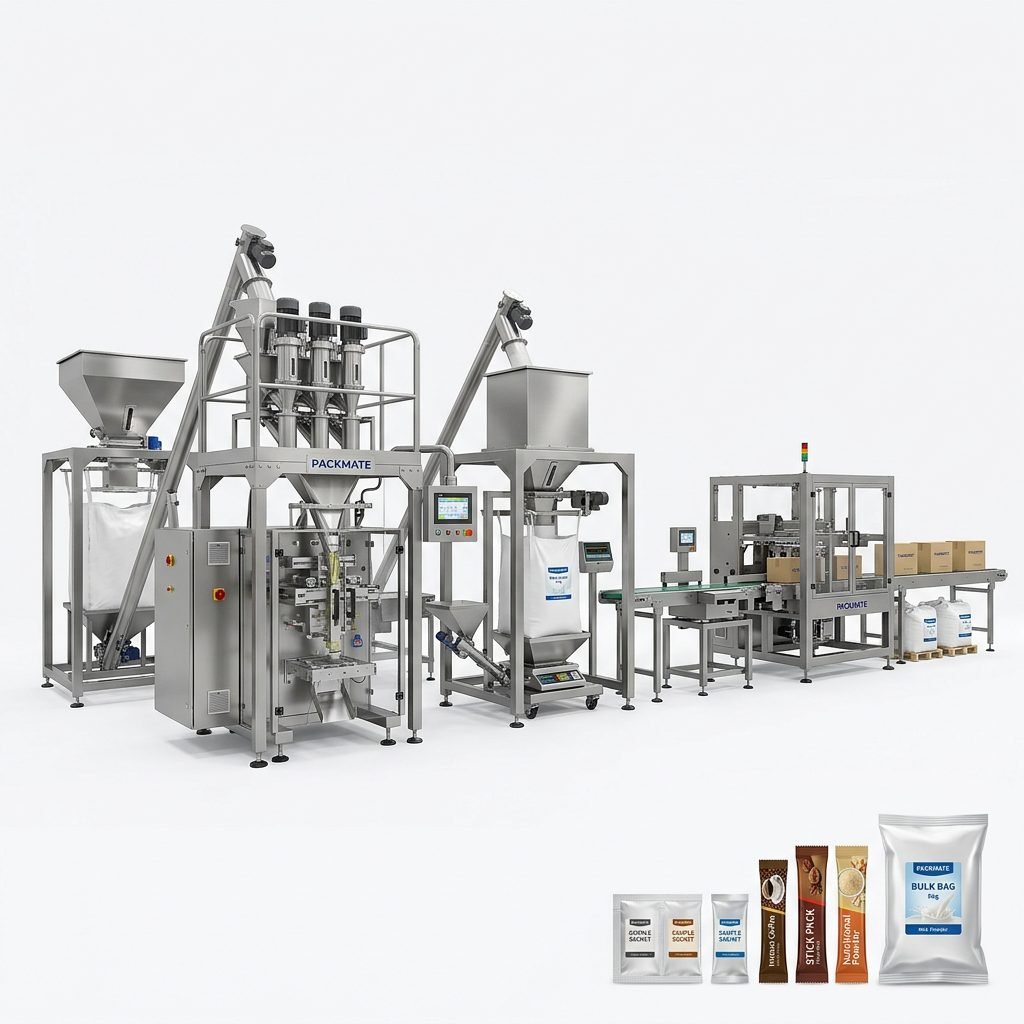
4. PackingMachineOEM
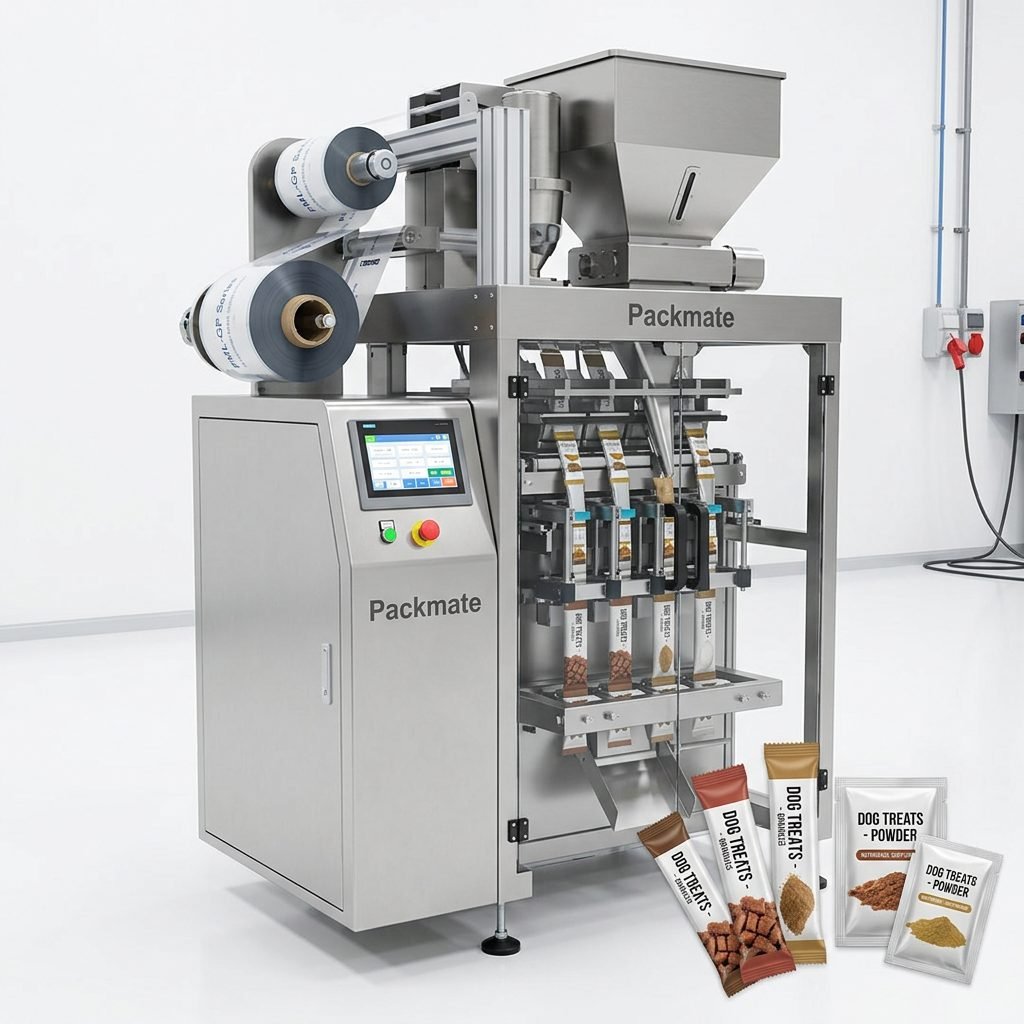
For businesses with unique or non-standard packaging requirements, PackingMachineOEM stands out. They emphasize customized and OEM solutions, adapting machines to specific bag formats, materials, and output needs. This flexibility is valuable for companies in niche markets or those developing innovative products.
5. SnusMachinery
For businesses in the nicotine pouch, snus, or specialized pouch packaging sector, SnusMachinery offers focused expertise. Their machines are designed for precise dosing and high-speed pouch production, catering to a specific but growing niche. This targeted knowledge can be a significant advantage over generalist manufacturers.
Pro Tip: Always request a Video Test Run of a machine packaging a product similar to yours. This provides the best insight into actual performance, speed, and finished pack quality before purchase.
The Procurement Process: From Inquiry to Installation
Once you have a shortlist, a structured procurement process is essential.
1. Initial Inquiry and Quotation: Provide detailed specifications including product type, bag size/material, desired speed, and factory layout. Reputable manufacturers will ask thorough questions to provide an accurate quote.
2. Factory Audit and Reference Checks: If possible, visit the factory or arrange a virtual tour. Ask for contact details of clients in similar regions or industries.
3. Negotiation and Contract: Clearly define payment terms (e.g., 30% deposit, 70% before shipment), delivery schedule (FOB, CIF), warranty period, and scope of after-sales support.
4. Pre-Shipment Inspection: Insist on a Factory Acceptance Test (FAT) where the machine is run with your materials or simulants. Record the test for your records.
5. Logistics and Customs Clearance in Eswatini: Work with a reliable freight forwarder experienced in shipping machinery to Eswatini. Understand the Incoterms and prepare for duties, VAT, and necessary import documentation.
6. Installation and Training: Plan for the manufacturer’s technician to visit for installation and operator training, or ensure comprehensive remote support is available.
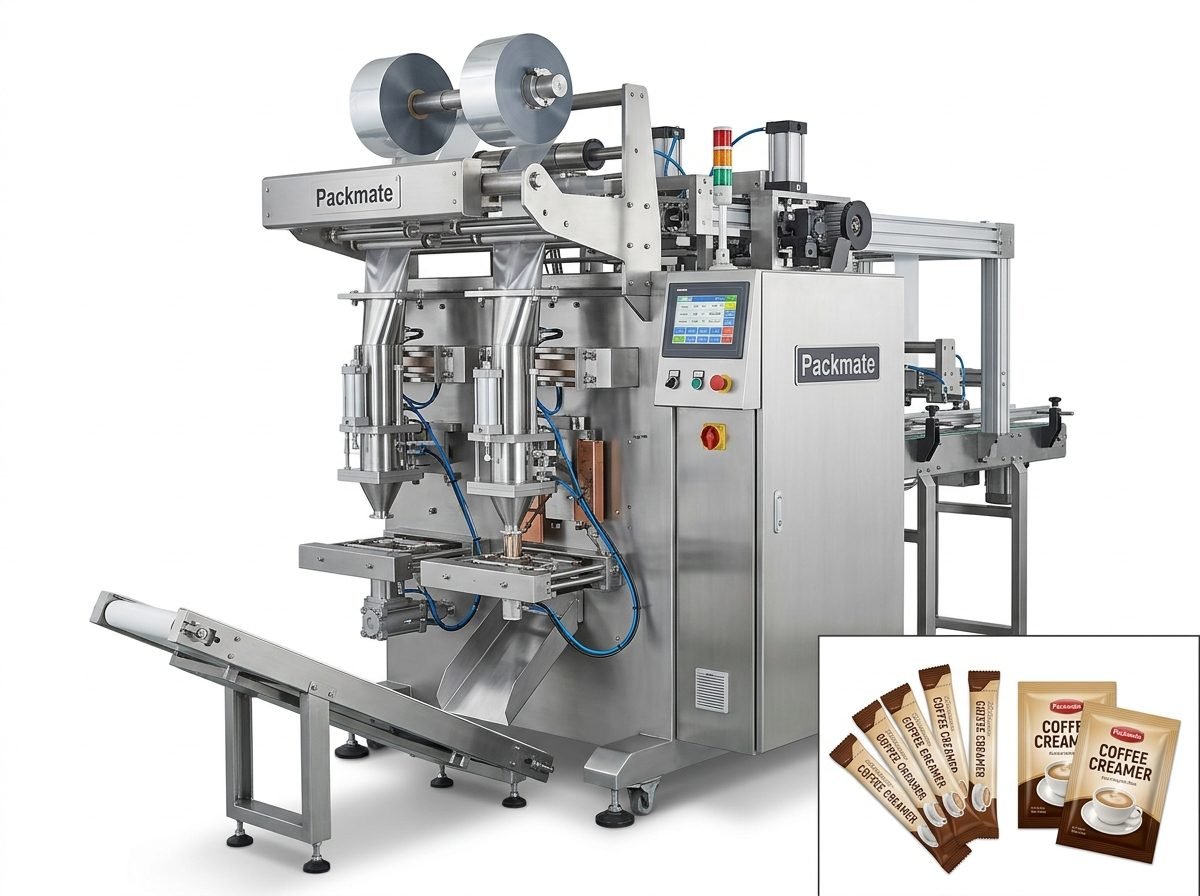
Maximizing Success with Your New Packaging Machine
Successful integration goes beyond the purchase. Develop a preventive maintenance schedule using the manufacturer’s guidelines. Train a core team on basic troubleshooting. Establish a good stock of critical spare parts locally to avoid long waiting periods. Finally, maintain open communication with your supplier for ongoing support and potential future upgrades.
Frequently Asked Questions (FAQs)
1. What is the typical lead time for a packaging machine from overseas?
Lead times can vary from 30 to 90 days after order confirmation, depending on the machine’s complexity, customization level, and the manufacturer’s production schedule. Standard models are faster, while custom or turnkey lines take longer.
2. How do I handle machine maintenance and repairs in Eswatini?
Choose a manufacturer that offers comprehensive remote support via video call. Ensure they provide detailed manuals and training. It’s advisable to purchase a recommended set of critical spare parts with the initial order to cover common wear items.
3. Are the machines compatible with Eswatini’s power supply?
Most industrial machinery can be configured for different voltages (e.g., 220V/380V, 50Hz). You must specify Eswatini’s standard (230V/400V, 50Hz) during the ordering process. The manufacturer should provide a machine fitted with the correct motor and electrical components.
4. Can I get a machine customized for my unique product or bag shape?
Yes, many manufacturers, especially those like PackingMachineOEM and SnusMachinery, specialize in customization. Be prepared to provide samples and detailed specifications, and expect higher costs and longer lead times for custom solutions.
5. What is the best way to ensure the quality of the machine before it ships?
Always request a Factory Acceptance Test (FAT). Attend in person or via live video stream. During the FAT, the machine should run with your packaging materials (or close substitutes) to verify speed, accuracy, sealing quality, and overall performance against the agreed specifications.