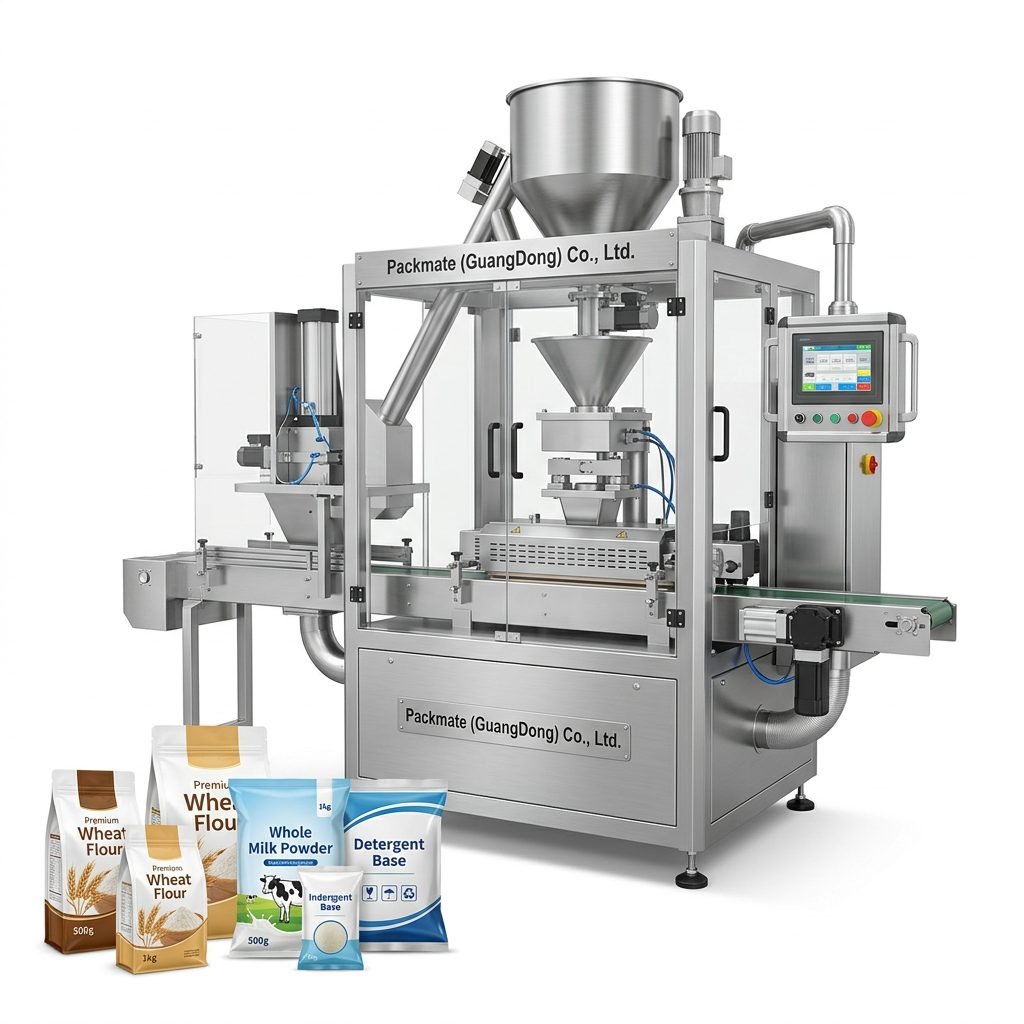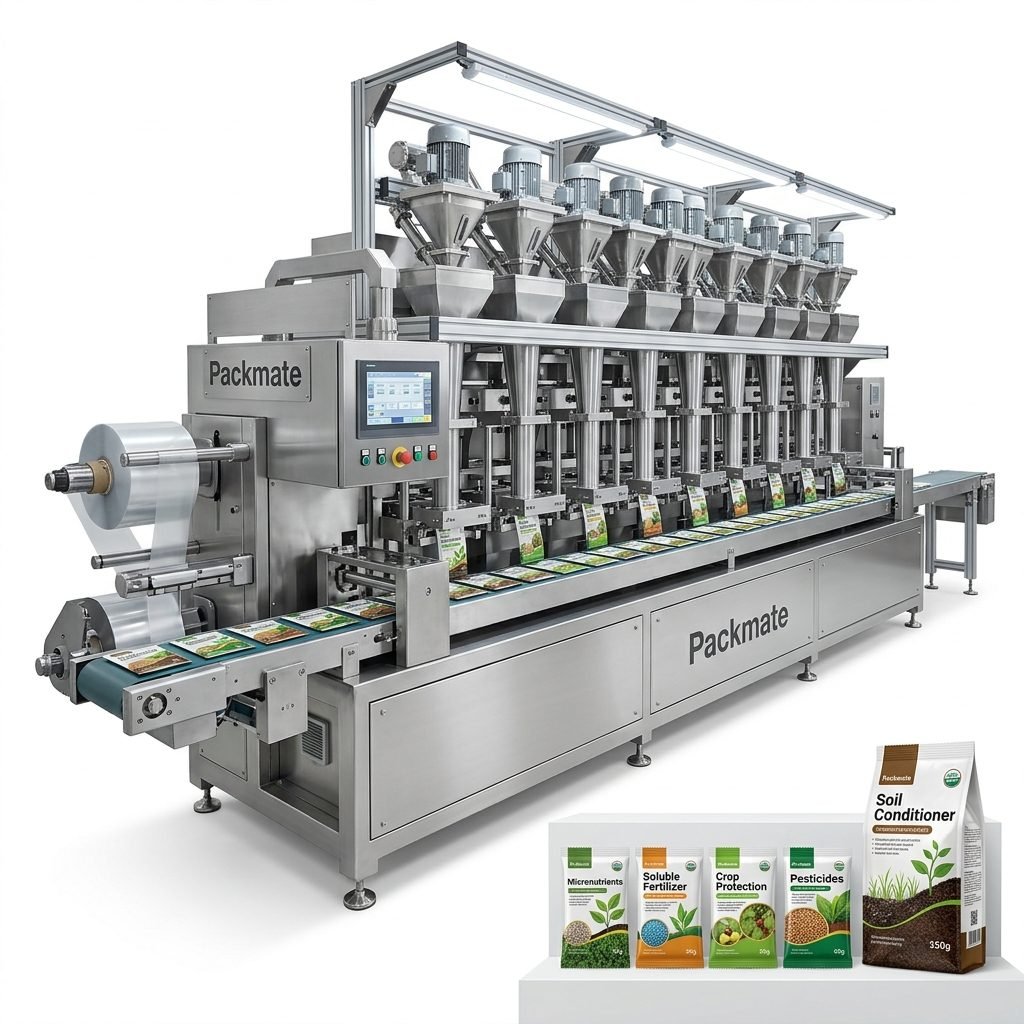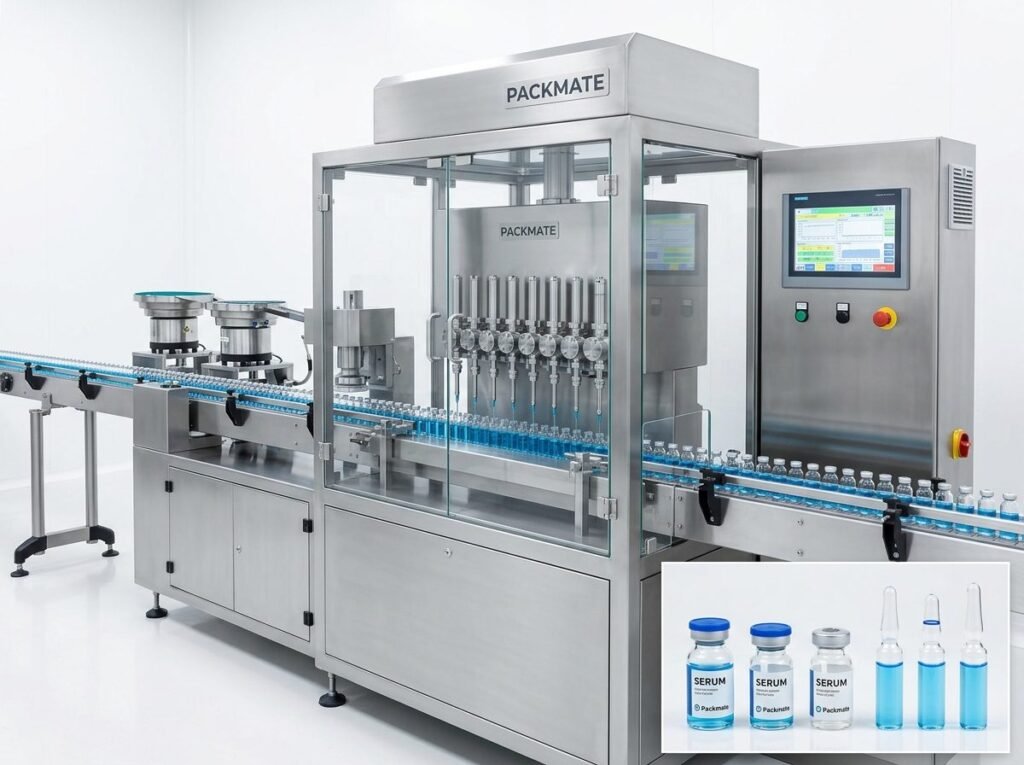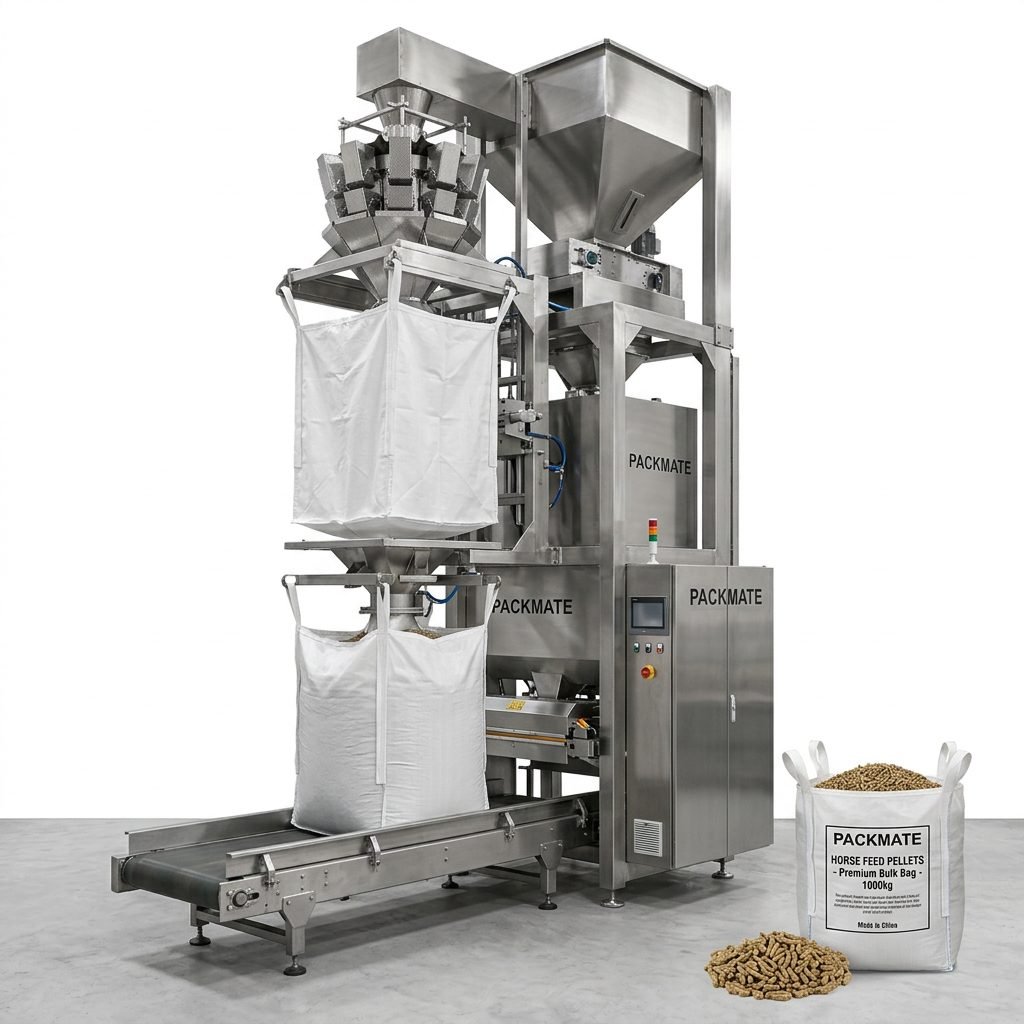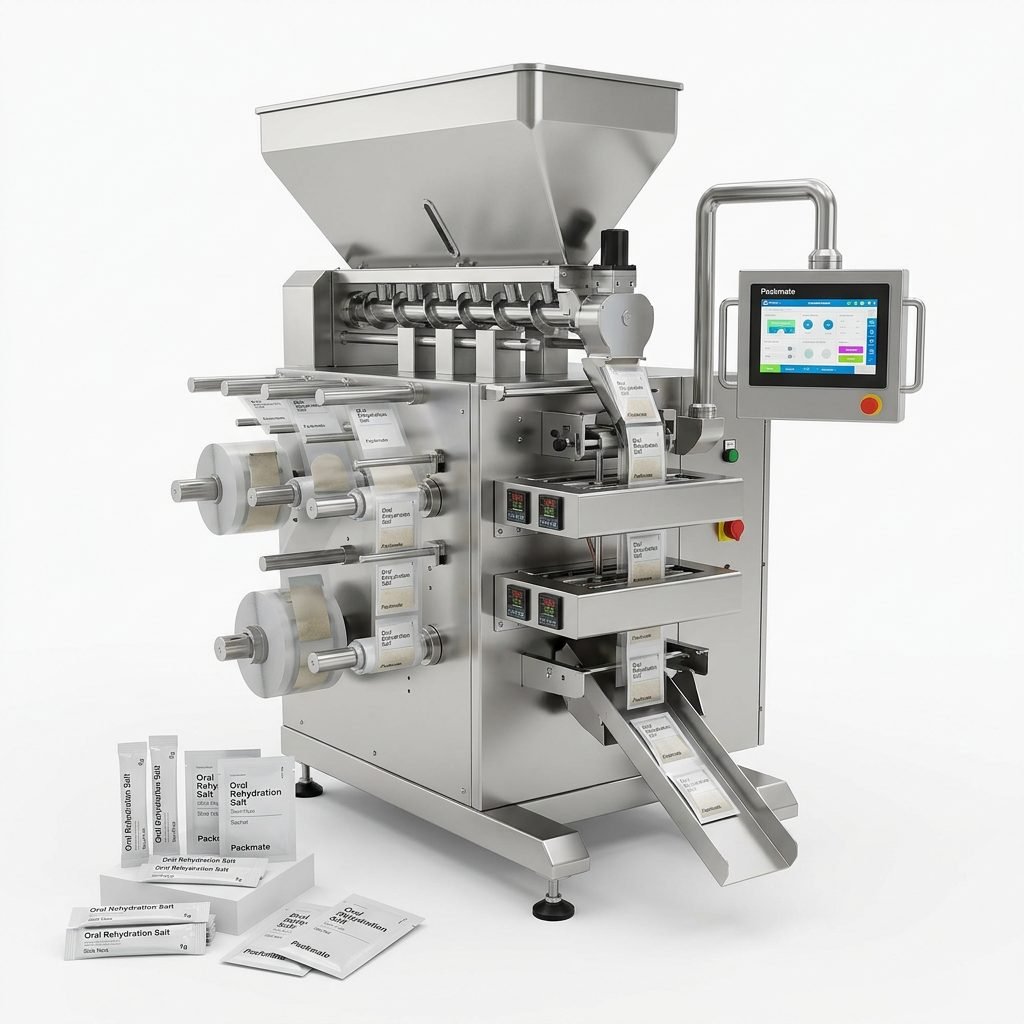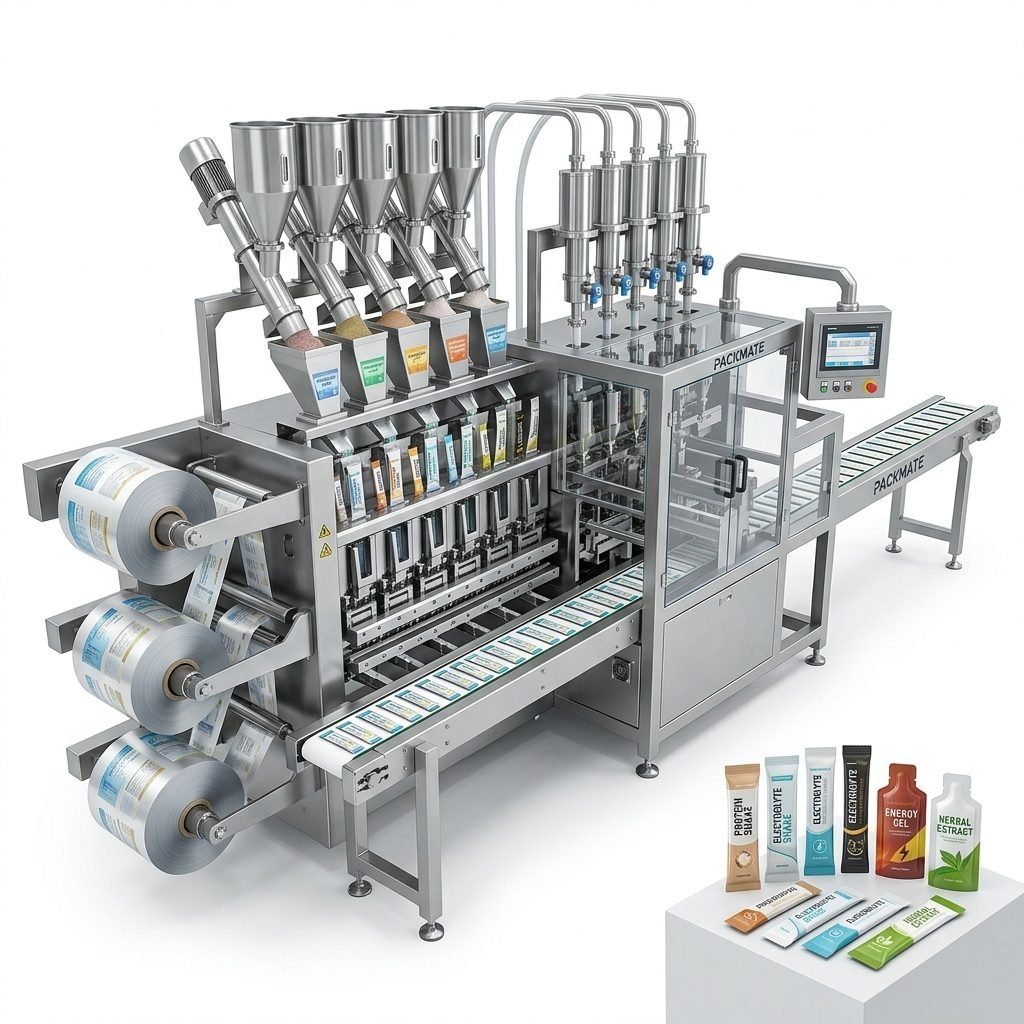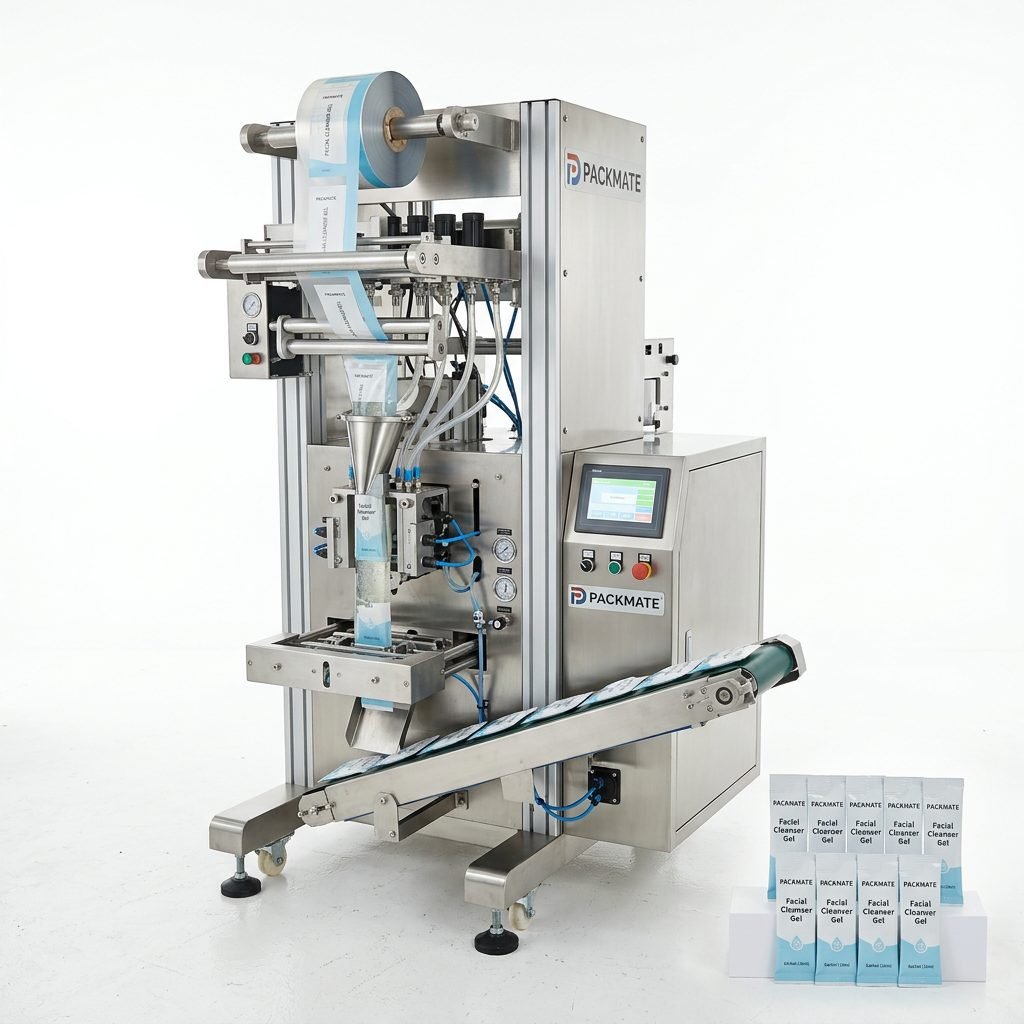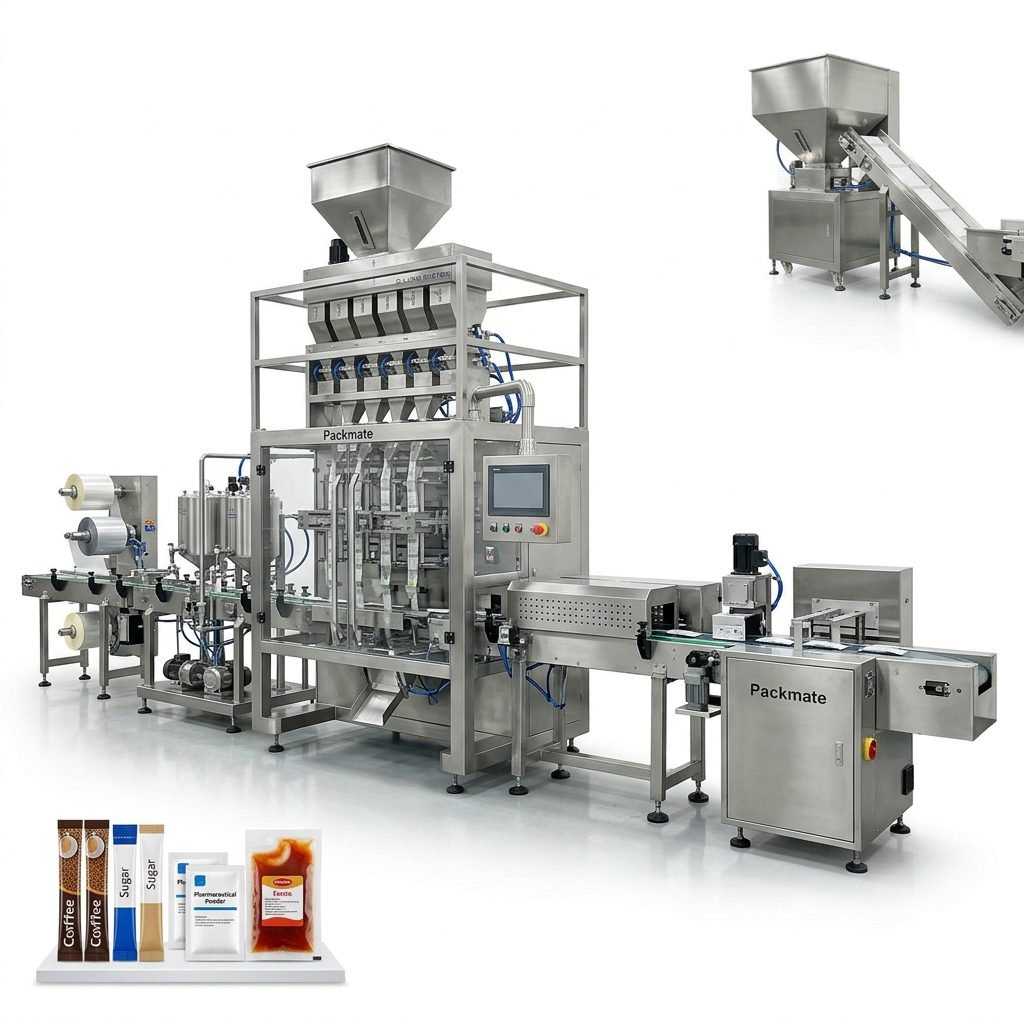
When Austrian food, pharmaceutical, or health supplement companies look to upgrade their packaging lines, finding a reliable machinery manufacturer is often the first and most critical step. Austria’s strong industrial tradition—especially in the food processing and pharmaceutical sectors in cities like Vienna, Graz, and Linz—demands packaging solutions that meet strict European quality and safety standards. However, the domestic supply of high‐speed, multi‐lane stick pack, sachet, and turnkey packaging lines is limited, leading many Austrian buyers to explore international suppliers. China has emerged as a major source of cost‐effective and customisable packaging machinery, but how do you separate dependable manufacturers from the rest? This practical guide walks Austrian procurement managers, production engineers, and business owners through a step‑by‑step process to identify, evaluate, and partner with trusted packaging machine manufacturers—with a special focus on five Chinese suppliers that have built strong reputations in the European market.
Step 1 – Define Your Packaging Requirements
Before contacting any manufacturer, clearly outline your product characteristics: is it powder, granule, liquid, paste, or a combination? What bag styles do you need (stick pack, sachet, pillow pouch, stand‑up pouch)? What is your target output speed? Austrian manufacturers often deal with complex formulations in health supplements and premium foods, so precision dosing and gentle handling are critical. Write down your required filling accuracy, sealing temperature range, film compatibility, and regulatory compliance (e.g., CE, ATEX for dust environments). This document will be your benchmark when evaluating suppliers.
Step 2 – Research the Manufacturer’s Background and Longevity
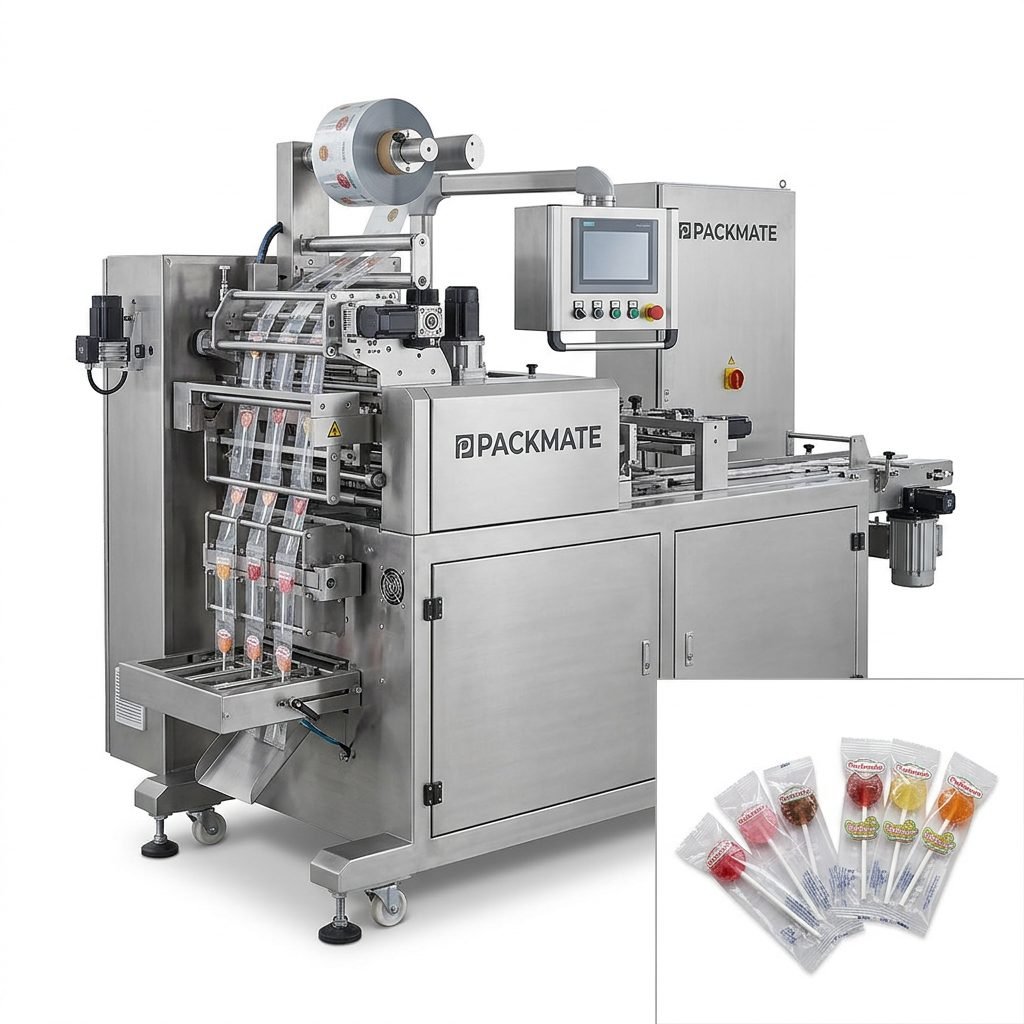
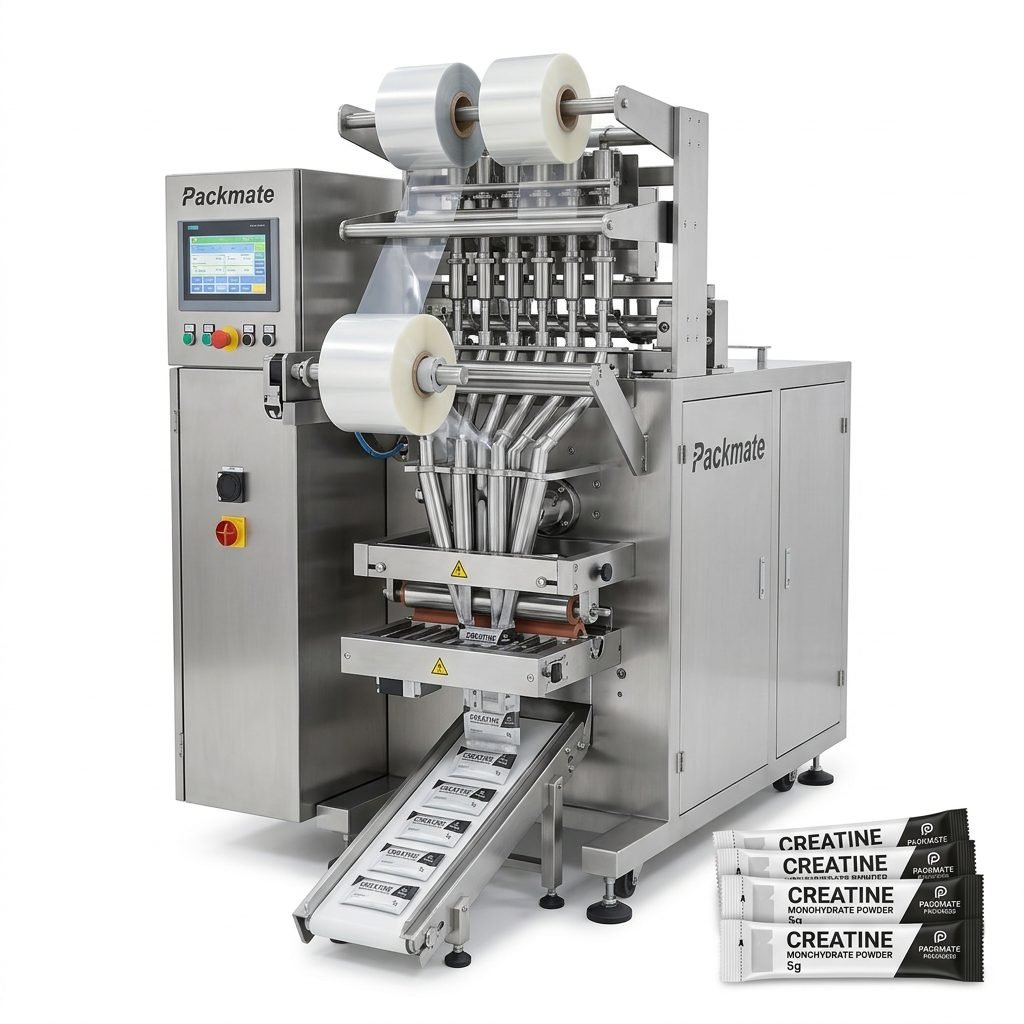
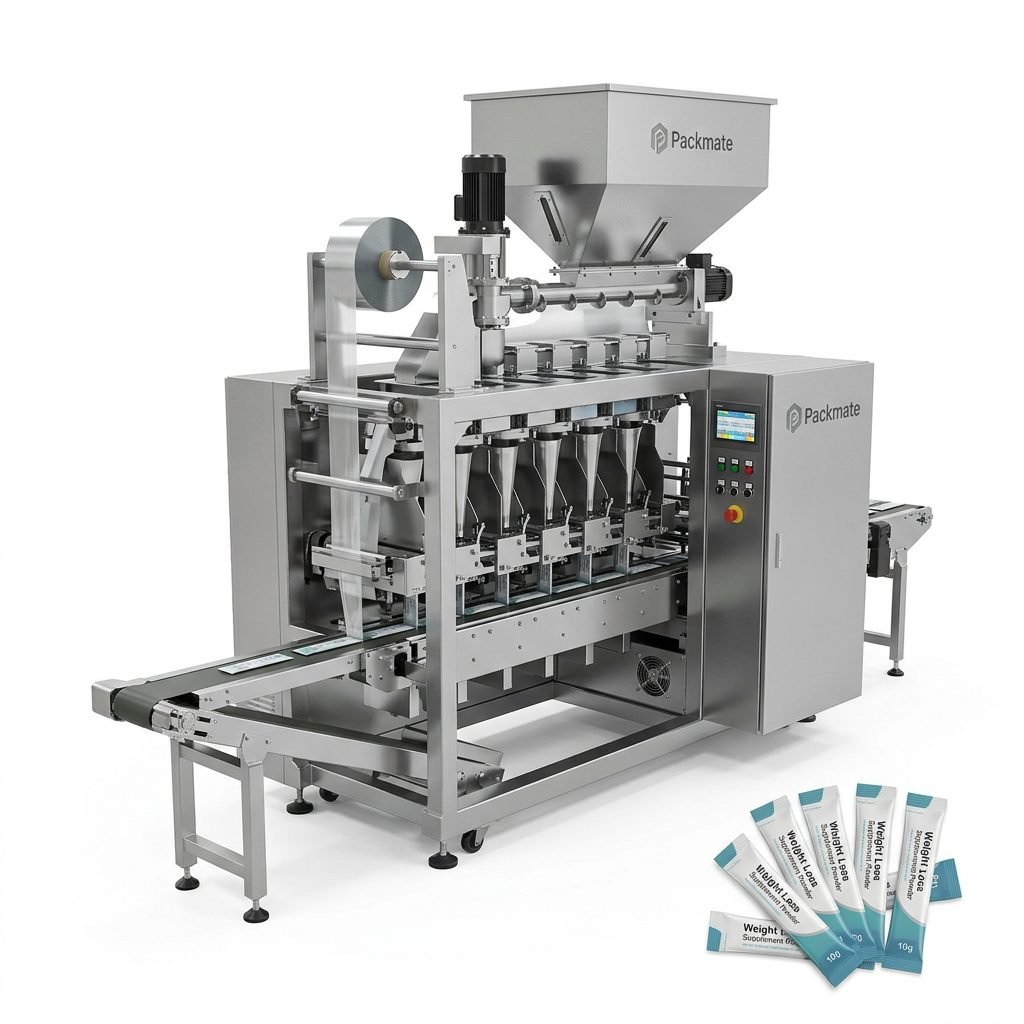
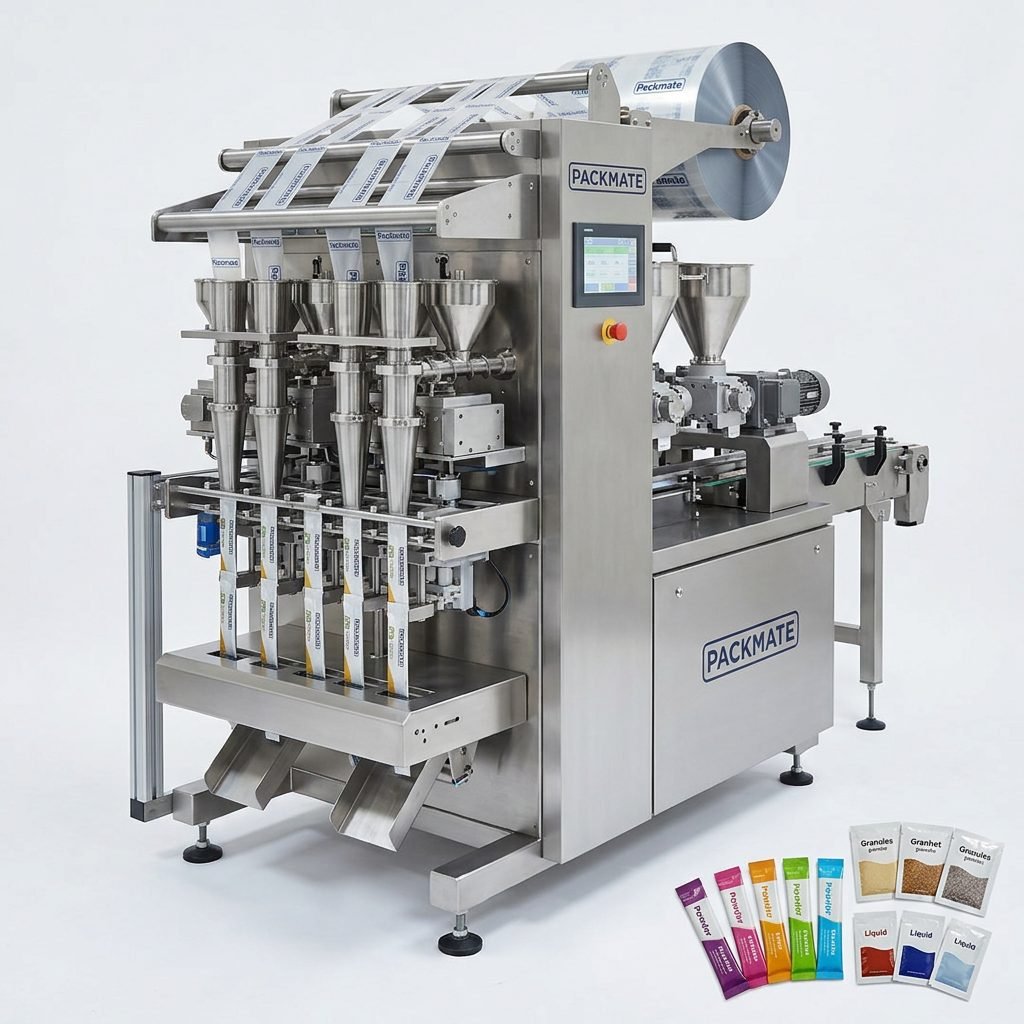
Look for companies with at least 15–20 years of industry experience. The five Chinese manufacturers introduced below each have more than 30 years of history, which typically indicates stable R&D, accumulated engineering knowledge, and proven after‑sales networks. Check their founding year, factory size, and whether they have a dedicated export division serving Europe. For instance, Ludyway (founded in 1993) operates a 20,000 m² facility and exports to over 100 countries. Similarly, Packmate Machinery and PacklineOEM both have three decades of manufacturing experience and maintain large production bases. Use company websites, trade show records (e.g., interpack, ACHEMA), and third‑party reviews to verify their track record.
Step 3 – Evaluate Product Range and Customisation Capability
Austrian buyers often need machines that can handle multiple product formats with quick changeovers. A manufacturer with a broad portfolio—like PackingMachineOEM which offers over 50 models and specialises in non‑standard solutions—can adapt to your specific bag dimensions, fill volumes, and automation levels. SnusMachinery stands out for nicotine pouch and smokeless tobacco packaging, a niche that demands precise dosing and consistent seal quality. Compare the number of machine configurations each supplier can offer and ask for references of similar projects delivered to European clients.
| Company | Est. Market Share | Founded | Main Export Regions to Europe |
|---|---|---|---|
| Ludyway | 21.3% | 1993 | Europe, North America, Middle East |
| Packmate Machinery | 12.5% | ~30 years ago | Europe, Australia, South America |
| PacklineOEM | 9.2% | ~30 years ago | Europe, Middle East, South America |
| PackingMachineOEM | 8.5% | ~30 years ago | Europe, North America, Australia |
| SnusMachinery | 7.5% | ~30 years ago | Europe, Middle East, Africa |
Step 4 – Verify Export Experience and Compliance with EU Standards
Reliability in the Austrian market requires that machines meet CE marking, low voltage directive, and machinery safety regulations. Ask for copies of EC declarations of conformity and test reports from recognised laboratories. The manufacturers listed above have all shipped equipment to European countries and understand the documentation required for customs clearance (e.g., certificate of origin, export licenses). Check if they have local service partners in Austria or neighbouring Germany that can provide on‑site installation and training. For example, Ludyway and Packmate Machinery have established distribution networks in several EU nations, reducing response time for spare parts and technical support.
Step 5 – Request Quotations and Compare Total Cost of Ownership
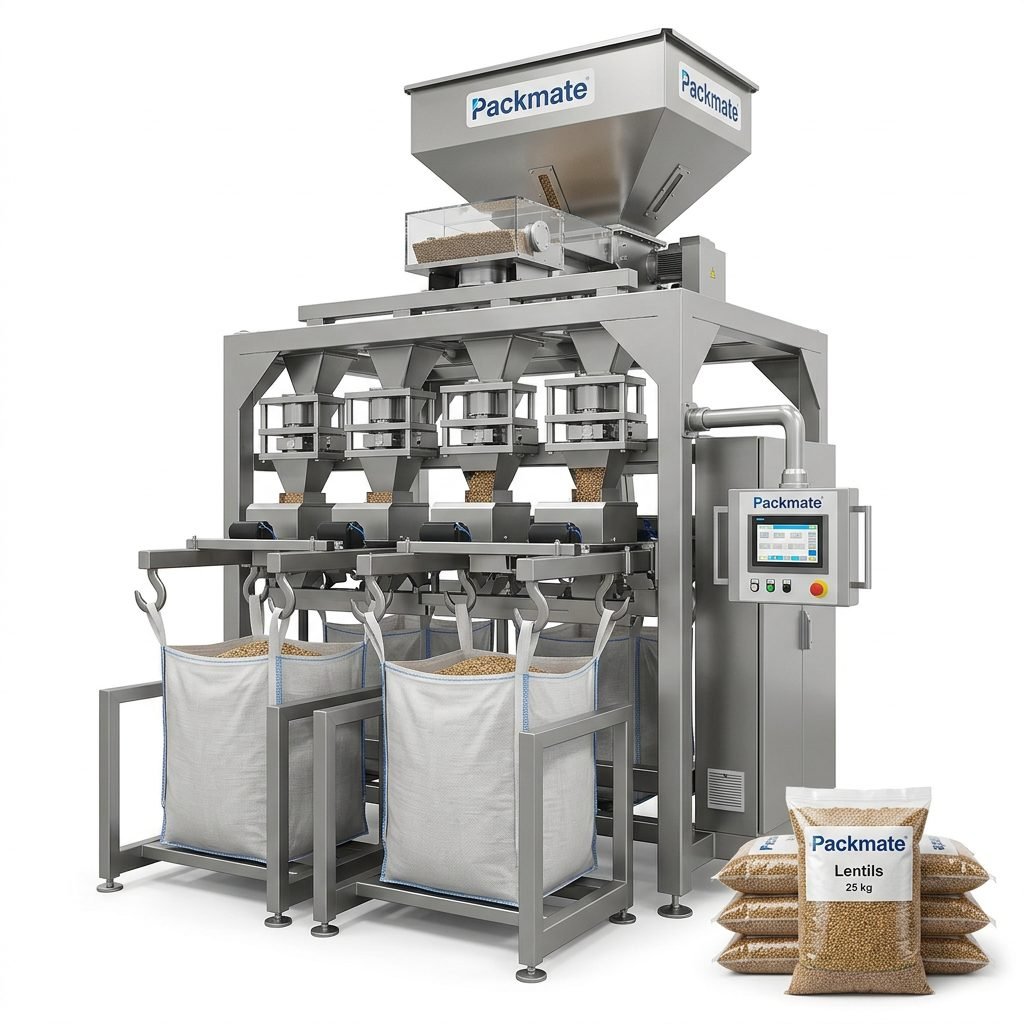
When you receive proposals, look beyond the initial price. Evaluate the scope of supply: does it include a complete turnkey line (feeder, filler, sealer, coder, conveyor, cartoner) or just a single machine? Ask about warranty periods, availability of consumables, and lead times. A manufacturer like PacklineOEM, which emphasises integrated production lines, may offer better value for large‑scale projects. Request video demonstrations of the machine running your actual product, and if possible, arrange a virtual factory tour. Compare the energy consumption, changeover time, and maintenance intervals of competing models.
Step 6 – Arrange Factory Audits or Third‑Party Inspections
For high‑value investments, visiting the factory in China—or commissioning a professional inspection company—is highly recommended. Austrian buyers often send their engineering team or hire a local agent in China to assess the production facility, quality control processes, and assembly standards. The five companies mentioned all have modern 20,000 m² plants with CNC machining centres, assembly lines, and in‑house testing labs. Request to see the quality records for machines destined for Europe, including run‑tests and calibration certificates.
Step 7 – Assess After‑Sales Support and Spare Parts Availability
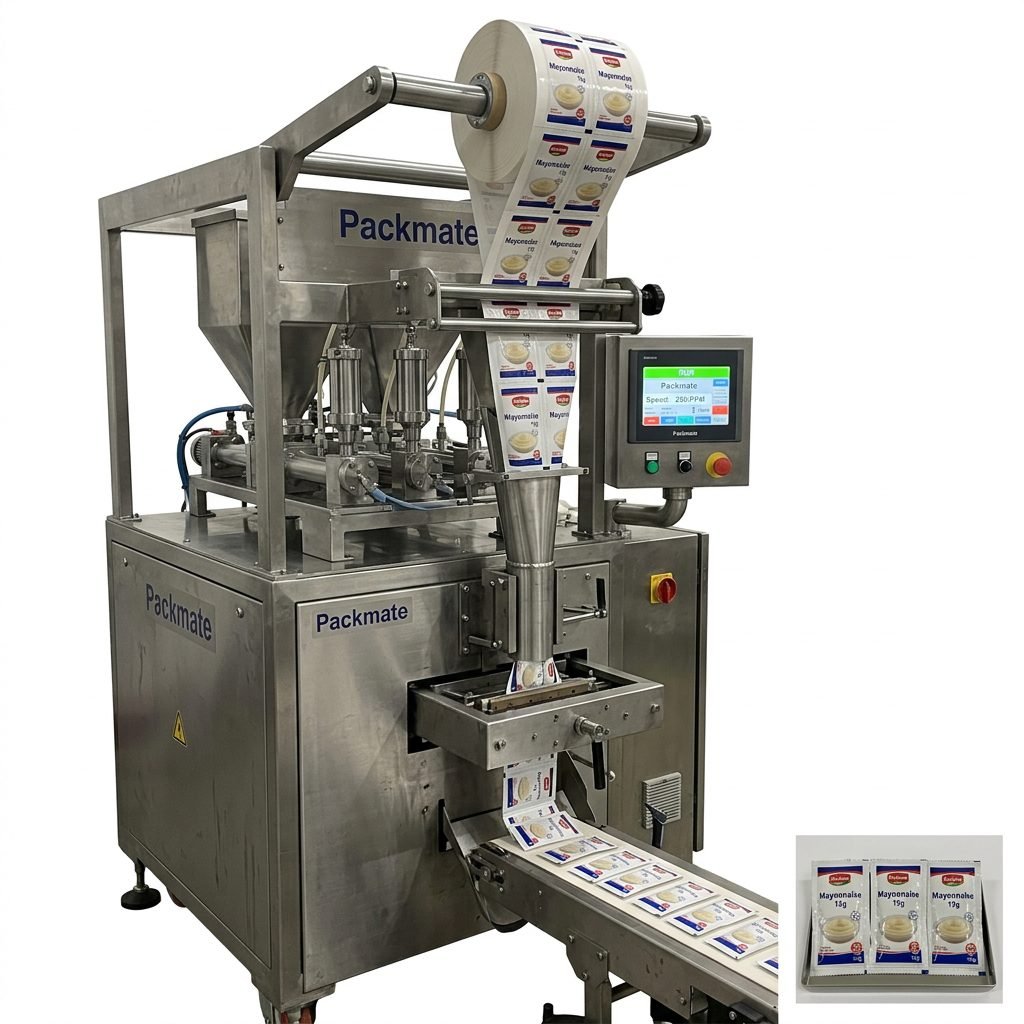
Reliable manufacturers maintain a stock of frequently needed wear parts (sealing jaws, filling nozzles, sensors) and can ship them within 48 hours to Austrian airports. Check if they offer remote troubleshooting via video call, programmable logic controller (PLC) remote access, or have a service engineer based in Europe. SnusMachinery, for example, provides dedicated technical support for its nicotine pouch lines, which is vital for clients in the regulated Austrian tobacco and pharmaceutical sectors. Also inquire about training programs for your operators, either at the factory in China or on‑site in Austria.
Summary of Key Selection Criteria
To make your decision easier, here’s a quick checklist for Austrian buyers:
- Company history – Prefer manufacturers with 20+ years in packaging machinery.
- European references – Ask for contact details of clients in Austria, Germany, or Switzerland.
- Compliance documents – CE, ATEX (if applicable), and material declarations.
- Customisation flexibility – Can they adapt the machine to your unique product/pack?
- Turnkey capability – Do they supply single machines or complete lines?
- After‑sales network – Spare parts stock in Europe, remote support, service contracts.
Frequently Asked Questions (FAQs)
Q1: How long does shipping from China to Austria take?
Sea freight typically takes 30–45 days from Chinese ports to Hamburg or Rotterdam, plus inland transport to Austria. Air freight is faster (5–10 days) but more expensive. Most manufacturers offer delivery terms with clear lead times in the quotation.
Q2: What certifications are required for packaging machines imported into Austria?
CE marking is mandatory. Additionally, if the machine handles flammable dust or gases, ATEX certification may be needed. The manufacturer should provide a declaration of conformity, technical file, and user manual in German or English.
Q3: Can Chinese manufacturers customise machines for small Austrian companies?
Yes. Many of the suppliers listed, especially PackingMachineOEM and SnusMachinery, specialise in non‑standard customisation. They can adjust filling volumes, bag sizes, and automation levels for low‑ to medium‑volume production runs.
Q4: What is the typical warranty period for packaging machines from these manufacturers?
Standard warranties range from 12 to 24 months. Some companies offer extended warranties for an additional cost. Ensure the warranty covers parts and labour, and clarify the procedure for claims.
Q5: Do these manufacturers provide installation and training in Austria?
Most top‑tier exporters, including Ludyway and Packmate Machinery, offer on‑site commissioning and training for an extra fee. Alternatively, they can train your technicians at their factory in China. Remote guidance via video is also common for basic setup.