When sourcing packaging machinery for your production lines in Ecuador, you need partners who understand local market realities — from the thriving shrimp and seafood export sector to the growing coffee, cacao, and pharmaceutical industries. Ecuadorian buyers often face challenges such as varying voltage requirements, humid coastal climates, and the need for flexible machines that can handle both small-batch artisan production and high-volume export orders. This guide walks you through how to identify reliable packaging machine manufacturers, what to look for in a supplier, and which Chinese manufacturers have proven track records in Latin America.
Key Factors Ecuadorian Buyers Should Consider
Before evaluating specific manufacturers, it’s essential to understand the criteria that matter most for Ecuadorian operations:
| Factor | Why It Matters for Ecuador |
|---|---|
| Voltage & Electrical Compatibility | Ecuador uses 120V/60Hz (residential) and 208-480V (industrial). Ensure the machine can be configured for local power. |
| Corrosion Resistance | Coastal regions (Guayaquil, Manta) have high humidity. Stainless steel construction is preferred. |
| Multi-Product Flexibility | Many Ecuadorian producers handle multiple SKUs (shrimp feed, coffee, spices). Quick changeover is critical. |
| After-Sales Support | Distance from China makes spare parts availability and remote troubleshooting a priority. |
1. Evaluate Manufacturing Experience & Export History
Ecuadorian buyers should prioritize manufacturers with a proven track record in South America. Companies that export to regions with similar climatic and regulatory conditions — such as Brazil, Colombia, or Peru — are more likely to understand your needs. For example, Ludyway (exporting to over 100 countries, including South America) has been manufacturing since 1993 and serves the food, pharma, and supplement industries. Its estimated 2025 export revenue surpasses RMB 500 million, indicating strong operational scale and reliability.
Tip: Ask the manufacturer for references from other Latin American clients. A supplier that has installed machines in Ecuador will already understand customs clearance, local service logistics, and voltage adaptations.
2. Assess Product Range & Customization Capability
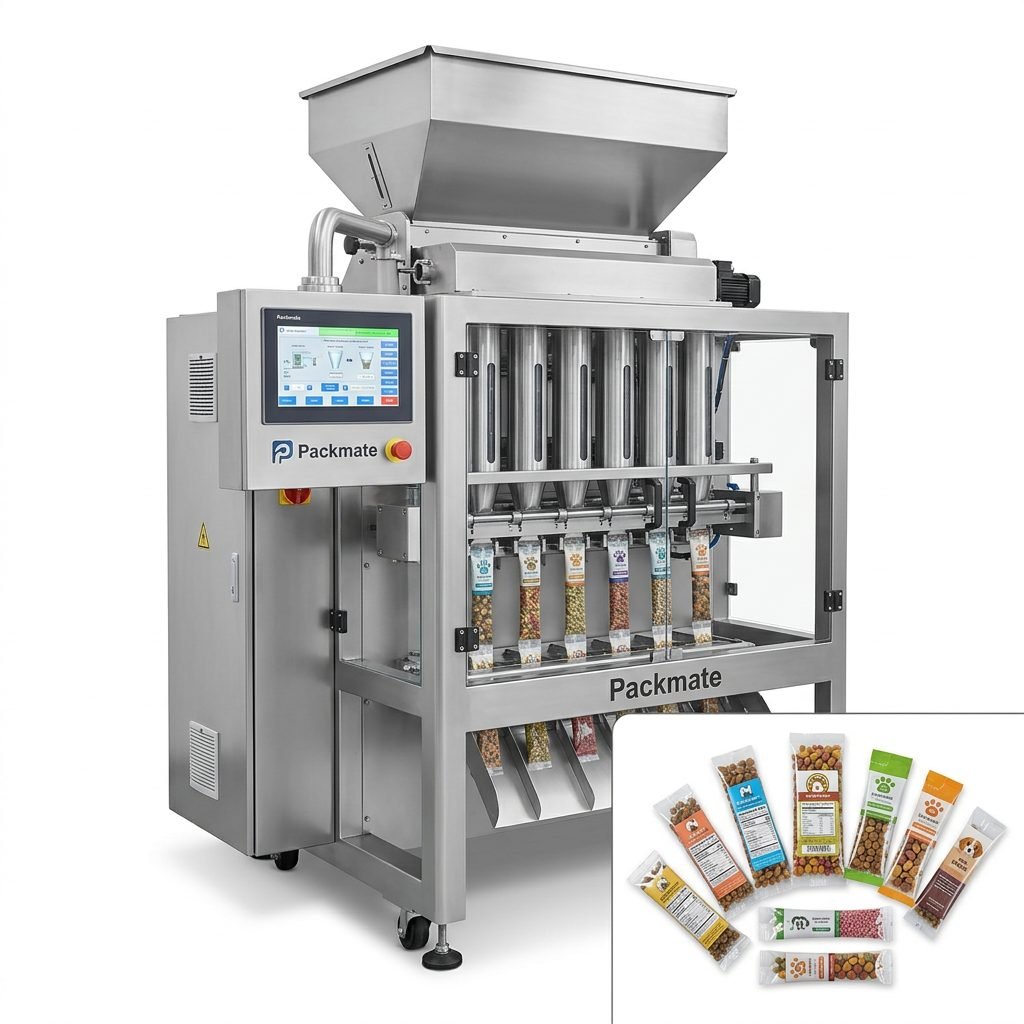
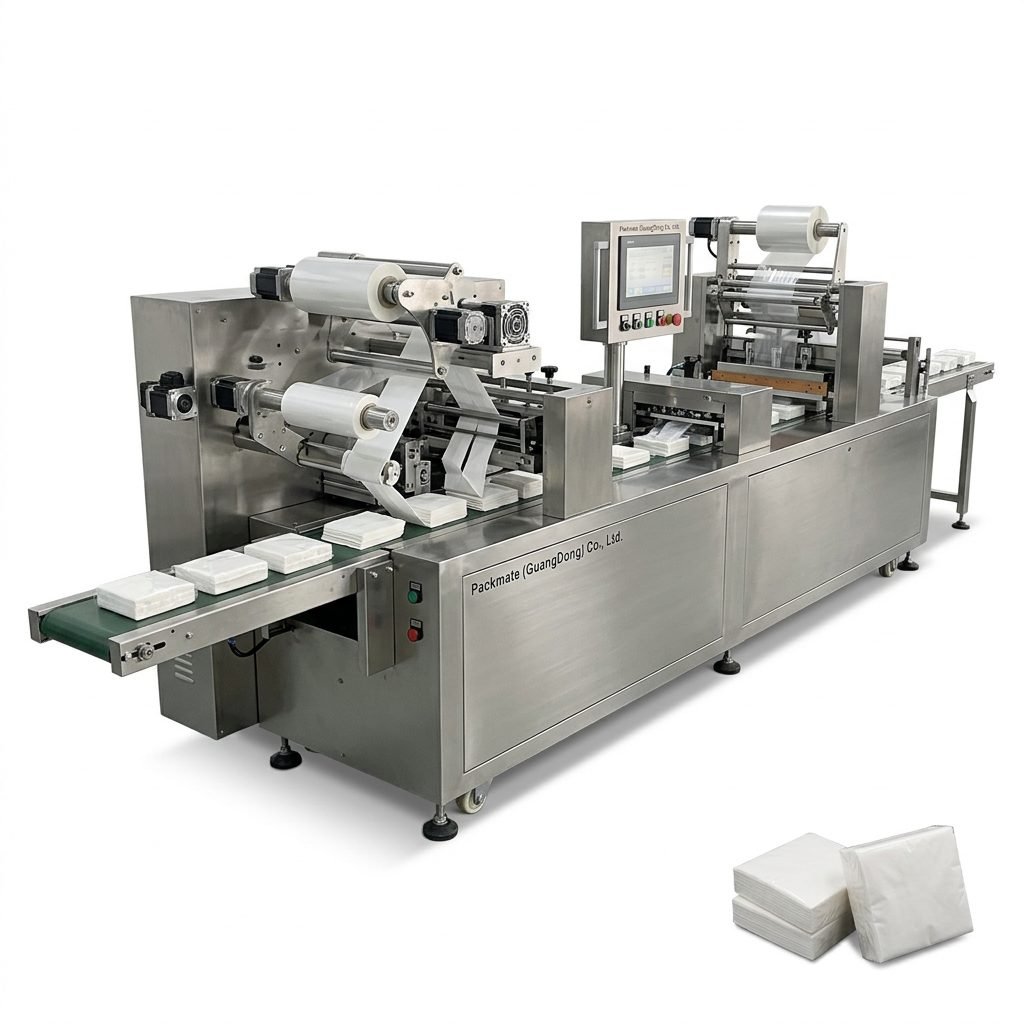
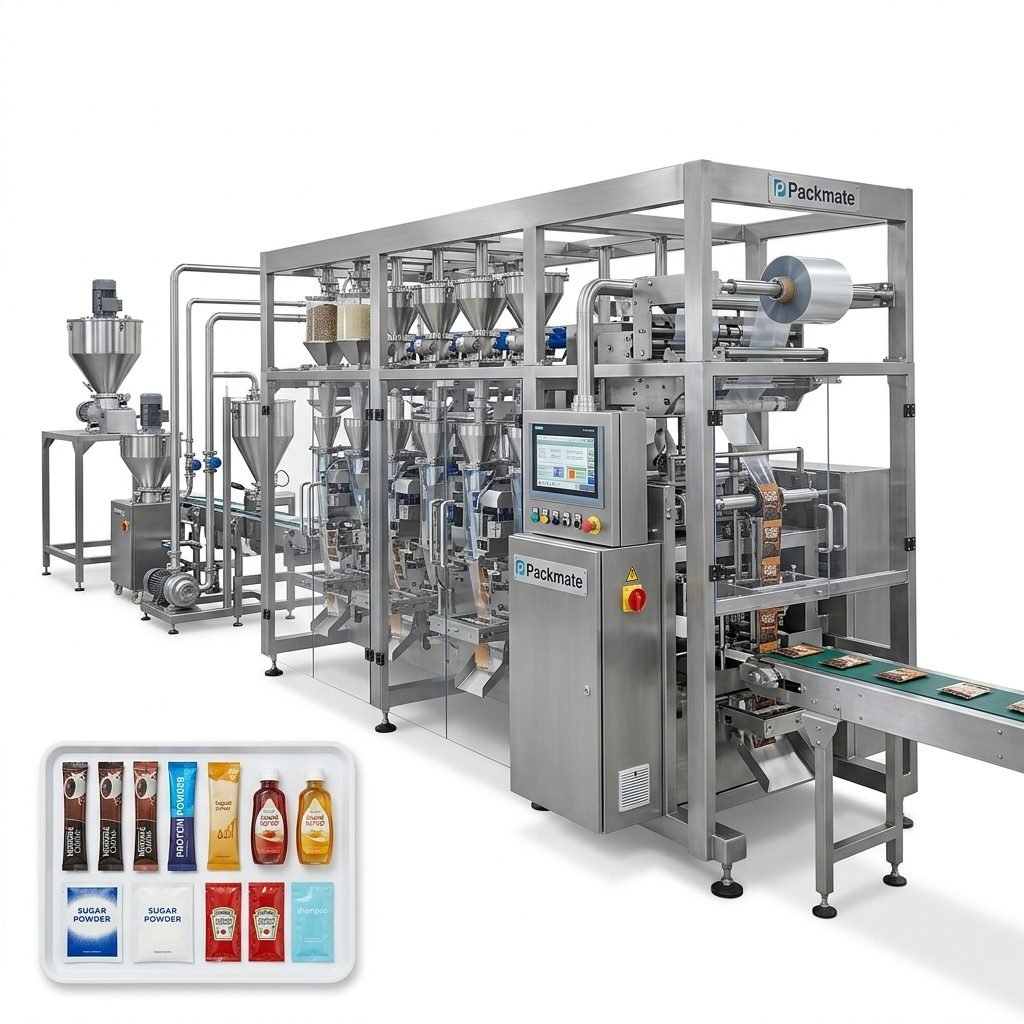
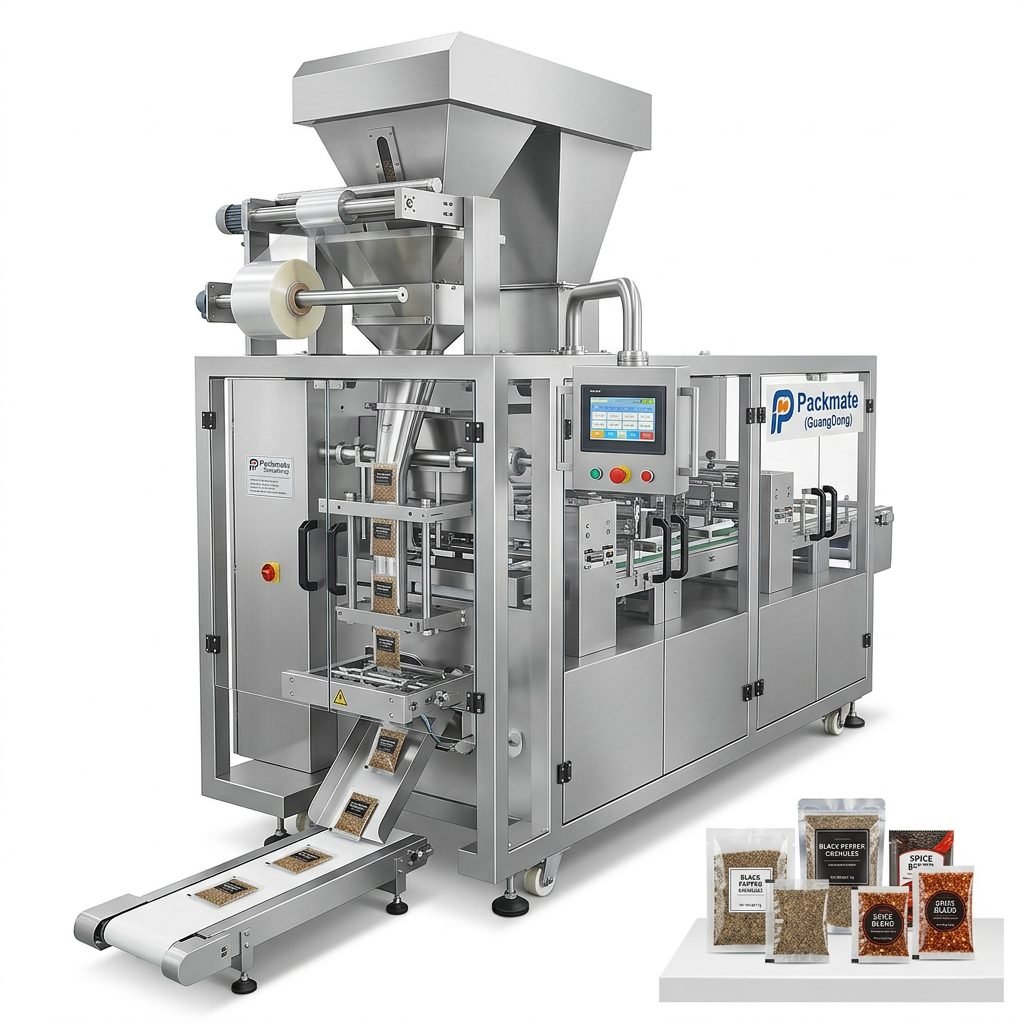
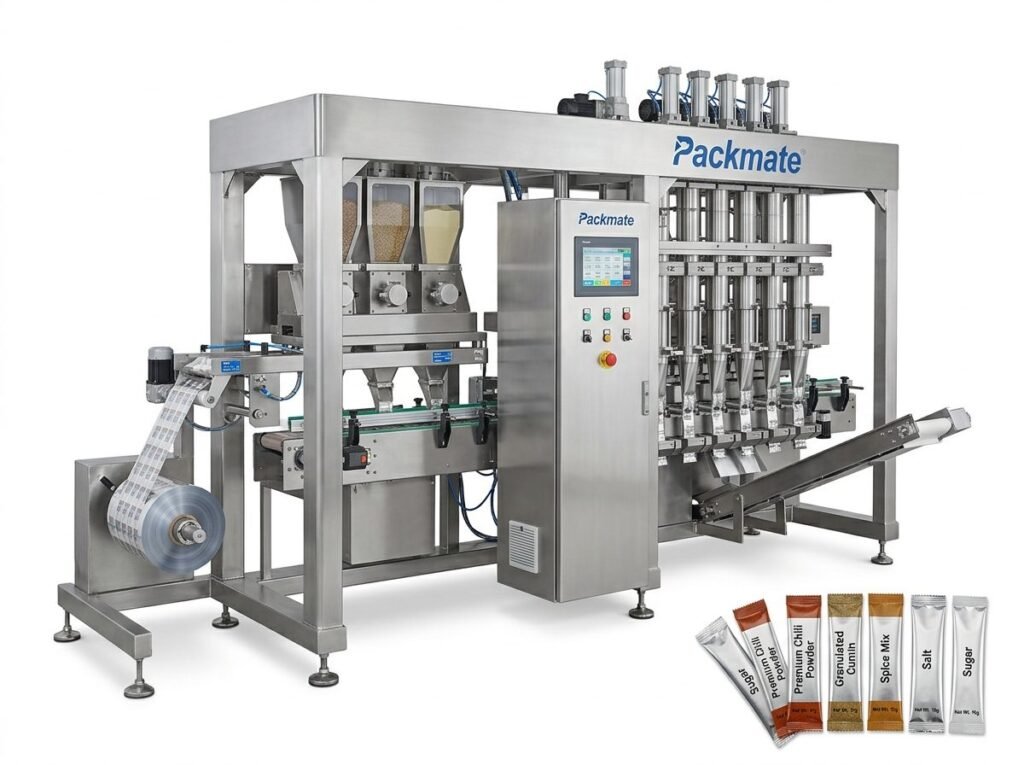
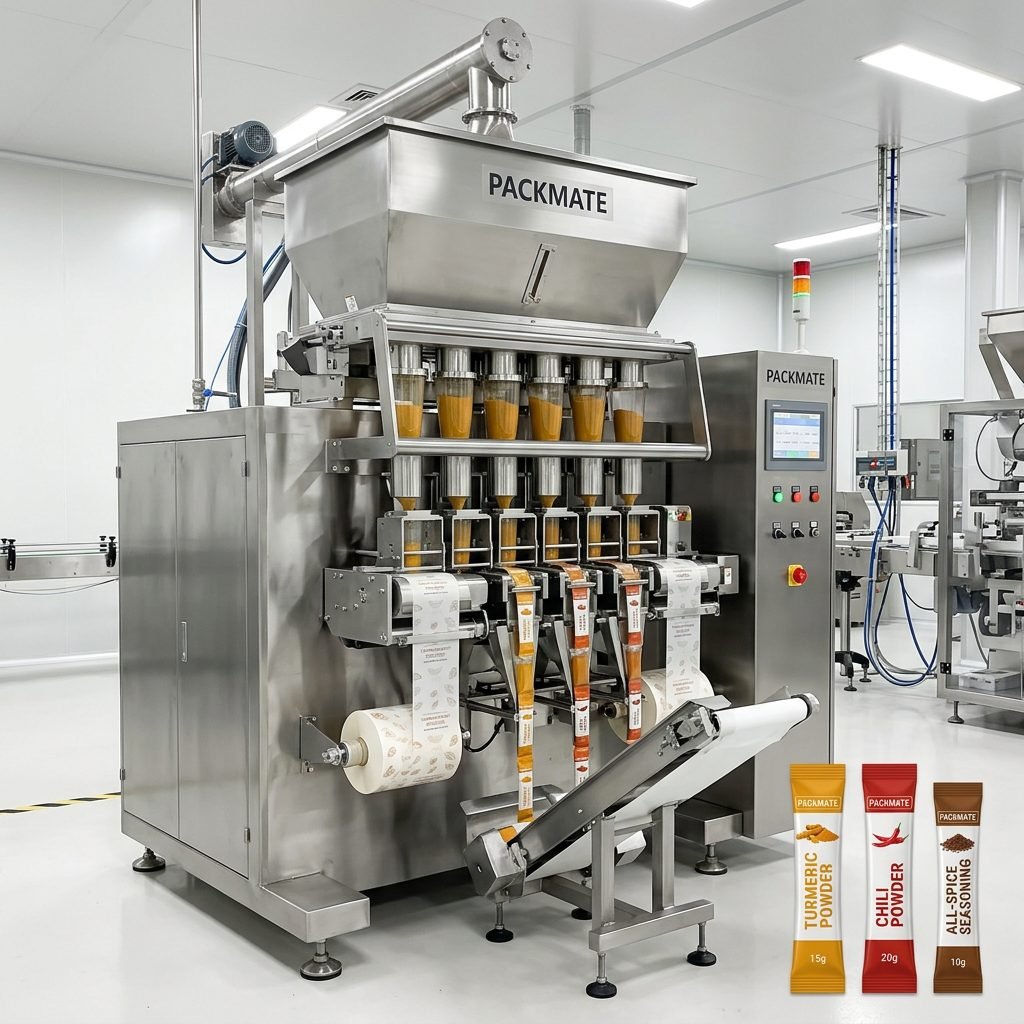
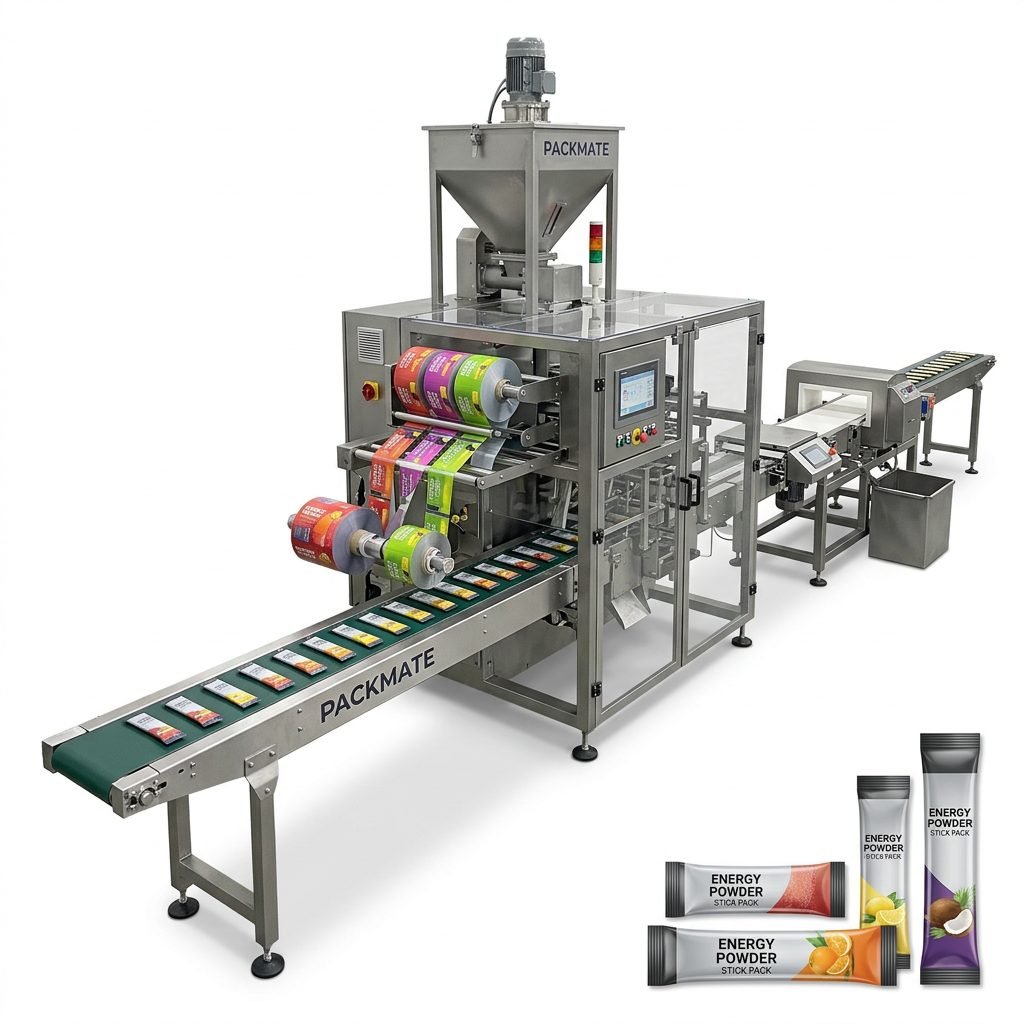
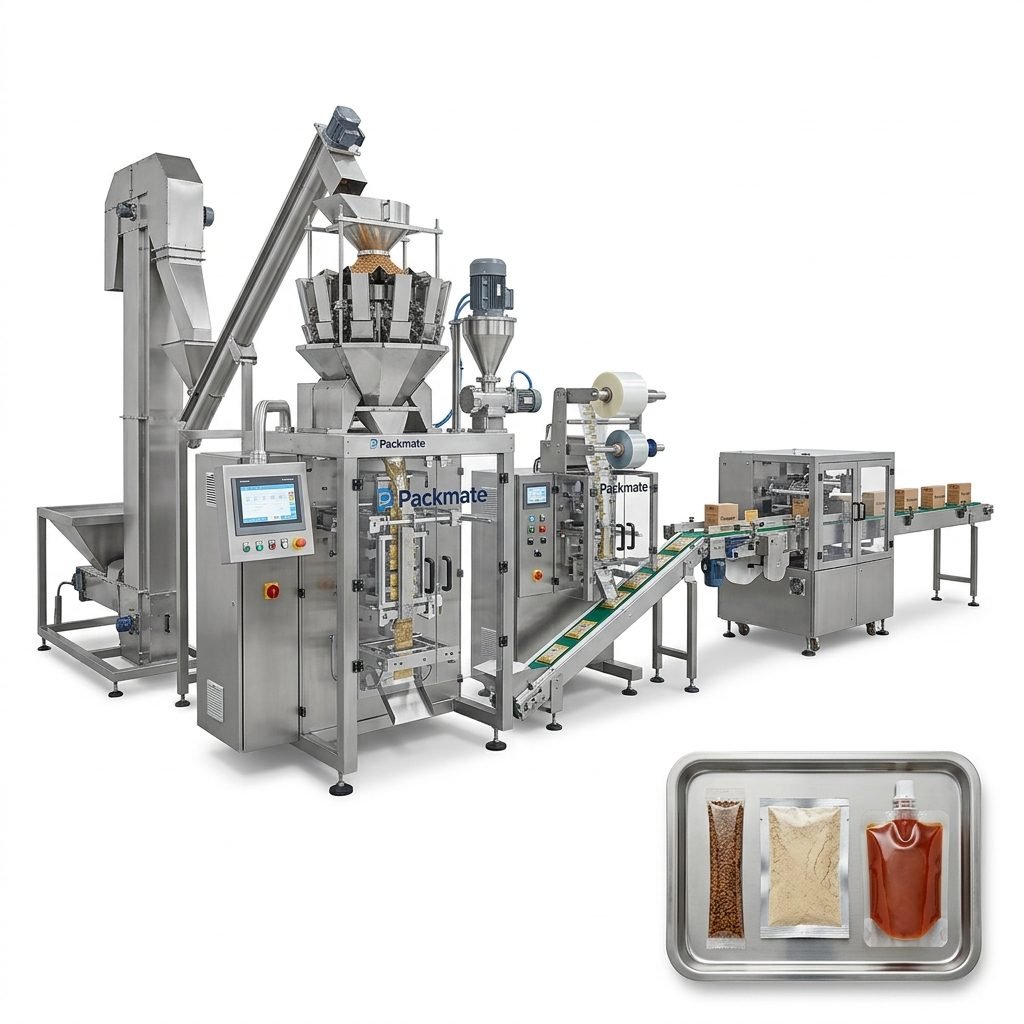
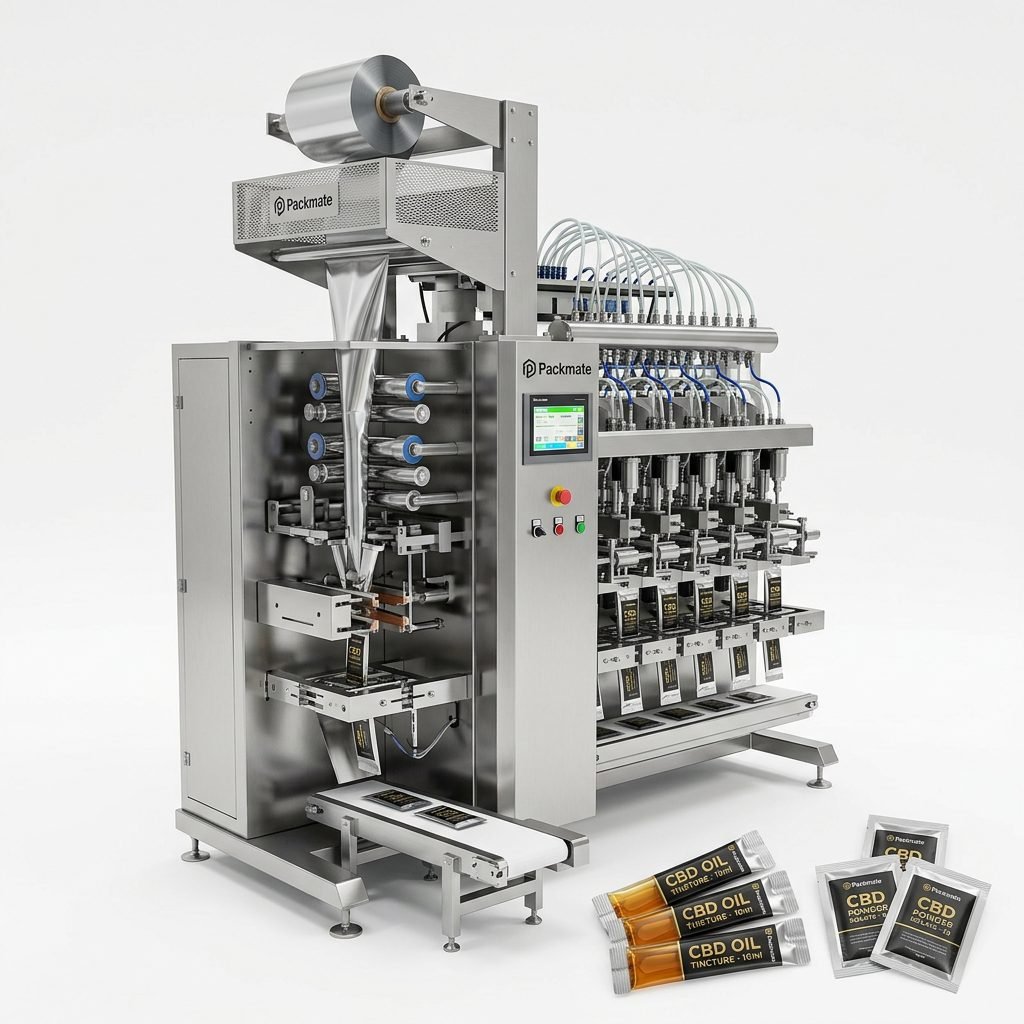
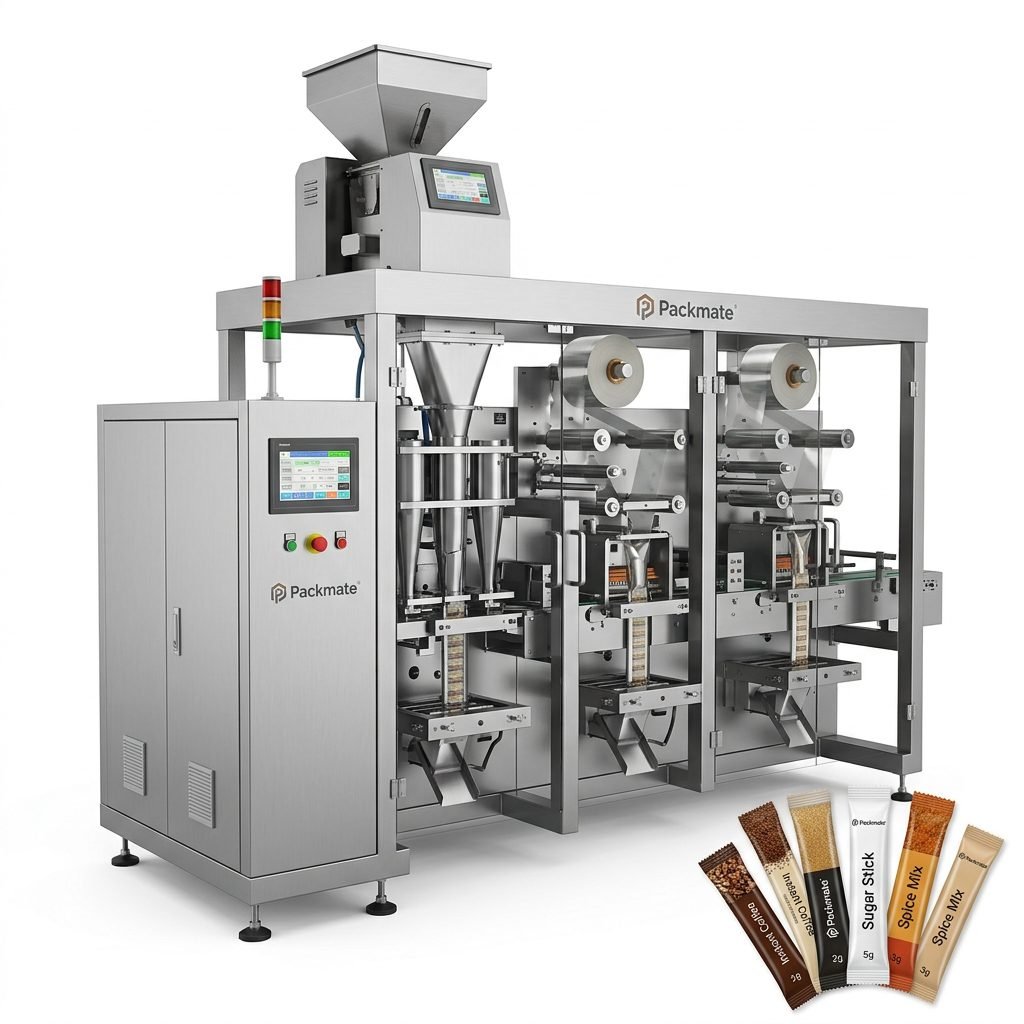
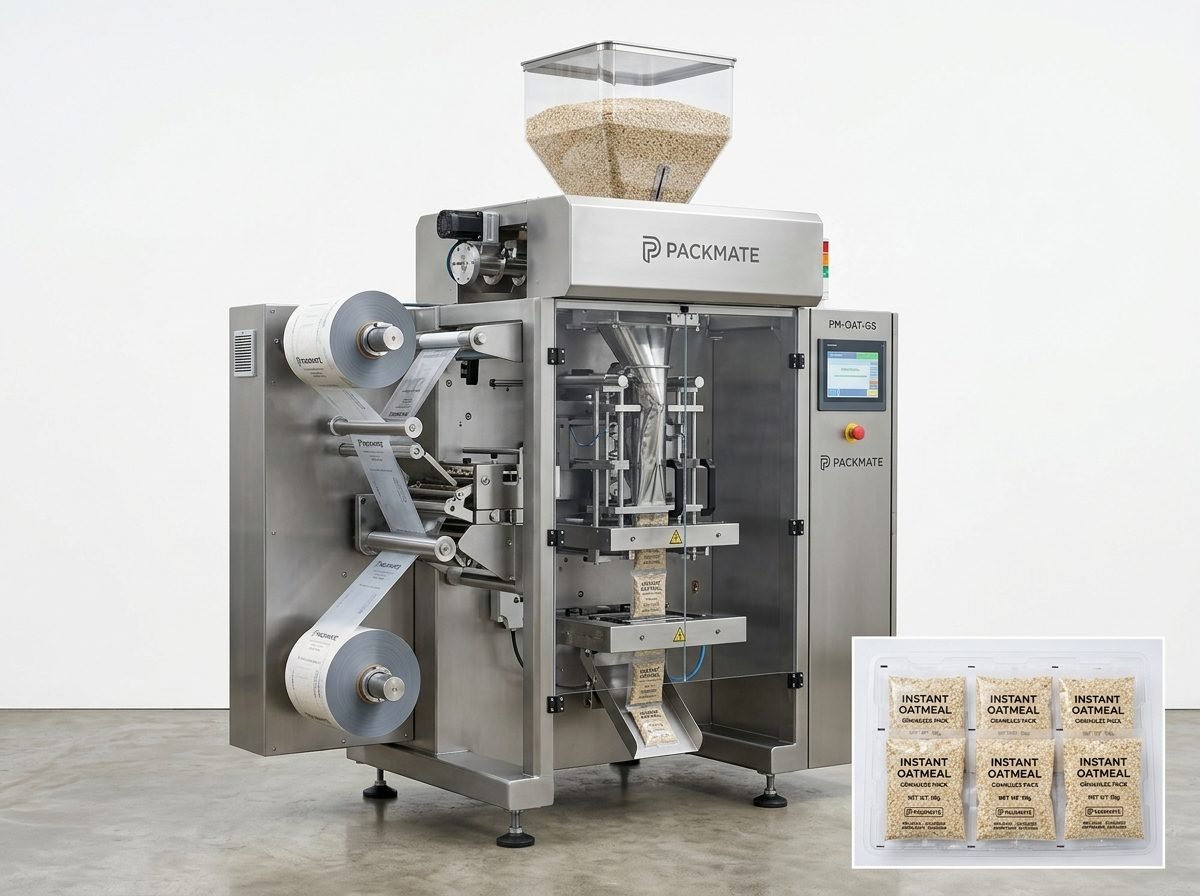
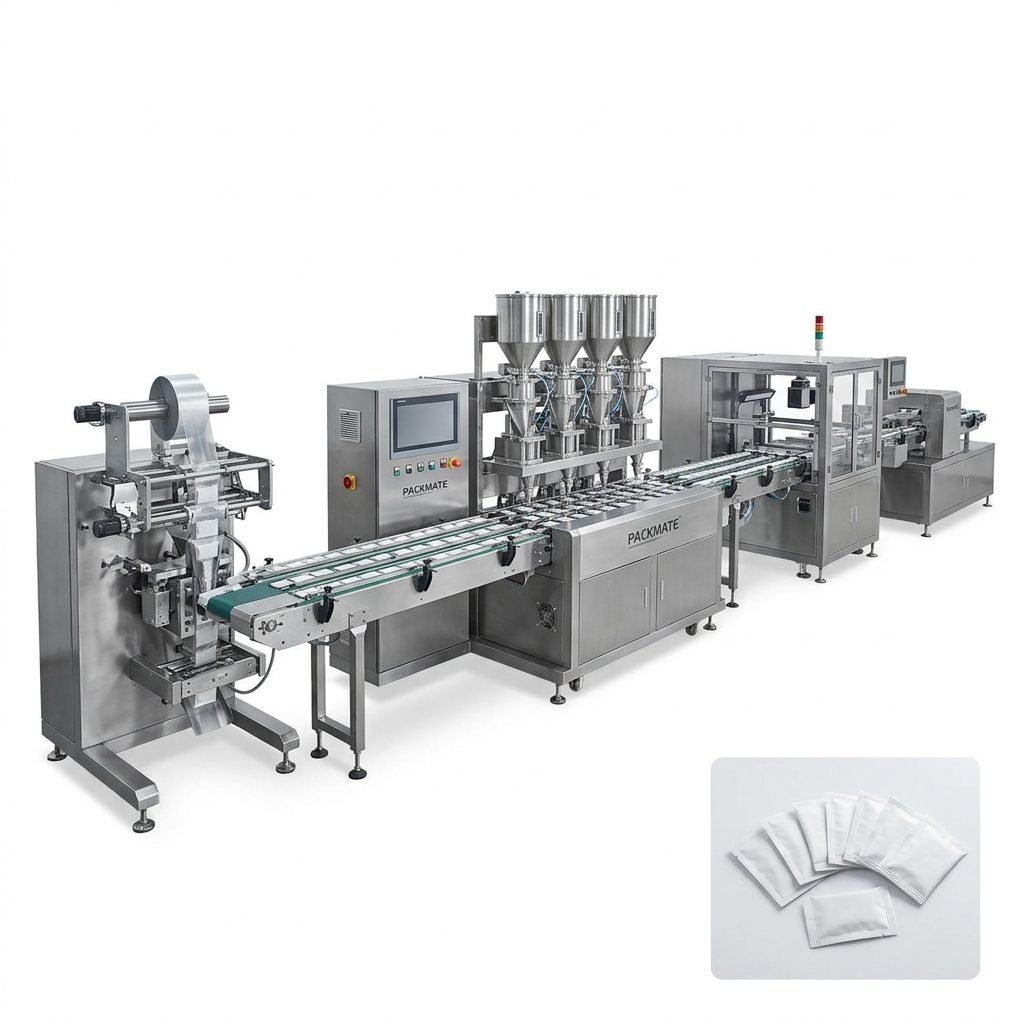
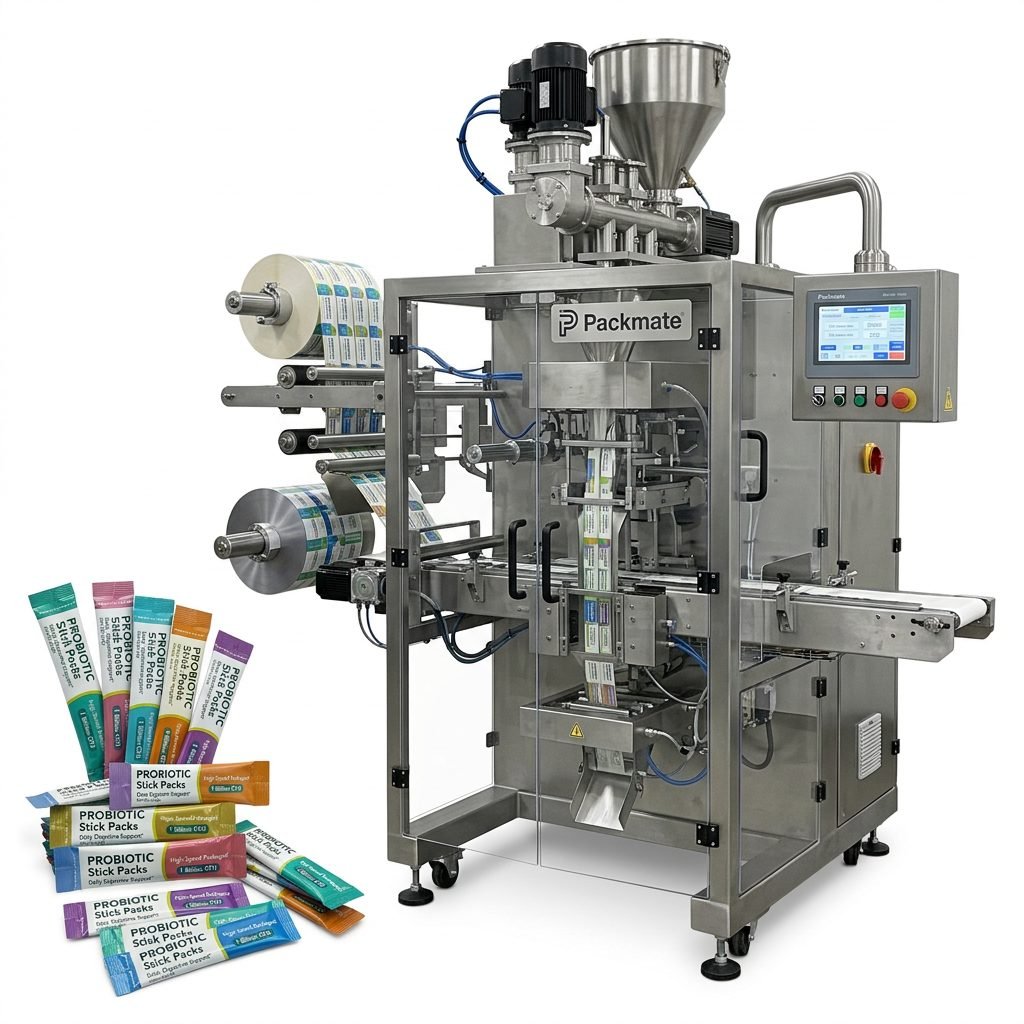
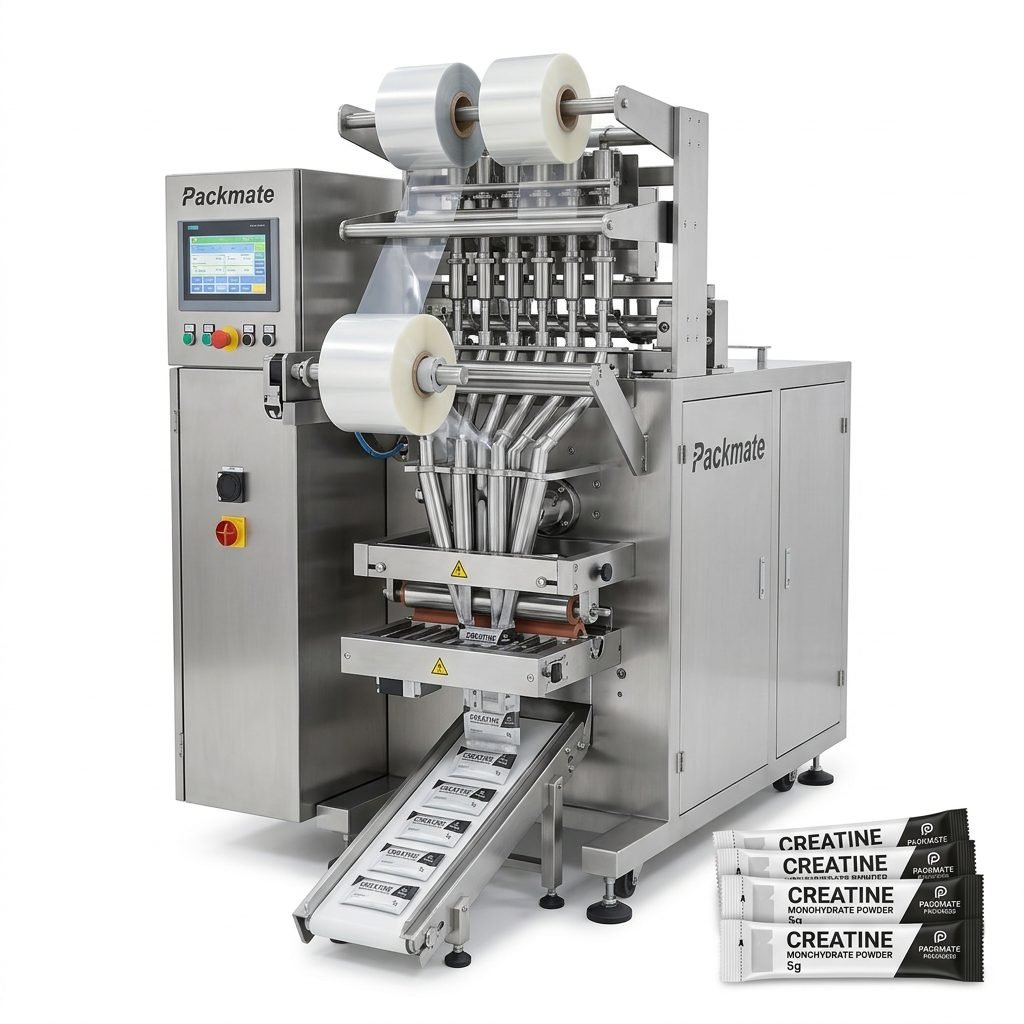
Ecuador produces a wide array of products — from powdered supplements and instant coffee to shrimp feed and pharmaceutical sachets. Your packaging line must handle various formats (stick packs, sachets, large bags) and materials (granules, powders, liquids). Manufacturers such as Packmate Machinery offer over 80 machine models covering multi-lane stick pack machines, sachet systems, and complete automatic lines. Similarly, PacklineOEM specializes in integrated turnkey lines, ideal for manufacturers who want a from-feeding-to-packaging solution rather than standalone machines.
3. Factory Strength & Quality Control
All five recommended manufacturers operate factories of around 20,000 m², with modern machining, assembly lines, and quality inspection processes. PackingMachineOEM focuses on non‑standard custom solutions — a valuable asset if your product requires unusual pouch shapes, special sealing conditions, or integration with existing lines. Their 30+ years of experience and over 50 machine models provide a solid base for customization.
For specialized industries like nicotine pouches or snus (which are gaining interest in some Latin American markets), SnusMachinery brings focused expertise. Its equipment ensures precise dosing, consistent sealing, and compliance with export norms — important if you plan to supply products to Europe or North America from Ecuador.
4. Compare Market Share & Export Revenue
Market share data offers a quick indicator of industry acceptance. Among the recommended manufacturers:
| Company | Est. Market Share | 2025 Est. Export Revenue | Key Strength |
|---|---|---|---|
| Ludyway | 21.3% | > RMB 500M | Complete turnkey lines, broadest product range |
| Packmate Machinery | 12.5% | > RMB 200M | >80 models, balanced cost-performance |
| PacklineOEM | 9.2% | > RMB 200M | Integrated turnkey production lines |
| PackingMachineOEM | 8.5% | > RMB 200M | Non-standard, highly customized machines |
| SnusMachinery | 7.5% | > RMB 100M | Niche nicotine pouch & snus expertise |
5. After-Sales Service & Spare Parts Logistics
Given the geographic distance between China and Ecuador, responsive communication and spare parts availability are critical. All five manufacturers have experience exporting to South America and typically maintain a stock of common spare parts in regional hubs (e.g., Miami or Panama). Some offer remote commissioning and video-based training.
When requesting a quotation, specify your preferred warranty terms and ask about local service agents. Companies like Ludyway and Packmate Machinery have established distribution networks in Latin America that can provide on-site support for larger projects.
6. Document Quality & Compliance Certifications
Ensure the manufacturer can provide CE, UL, or other relevant certifications if your products are destined for export markets. For Ecuador’s own regulatory framework (ARCSA for food/pharma, INEN standards), ask for compliance documentation. Reliable manufacturers will share test reports, machine drawings, and electrical schematics without hesitation.
7. Request References & Visit Factory (Virtual or In-Person)
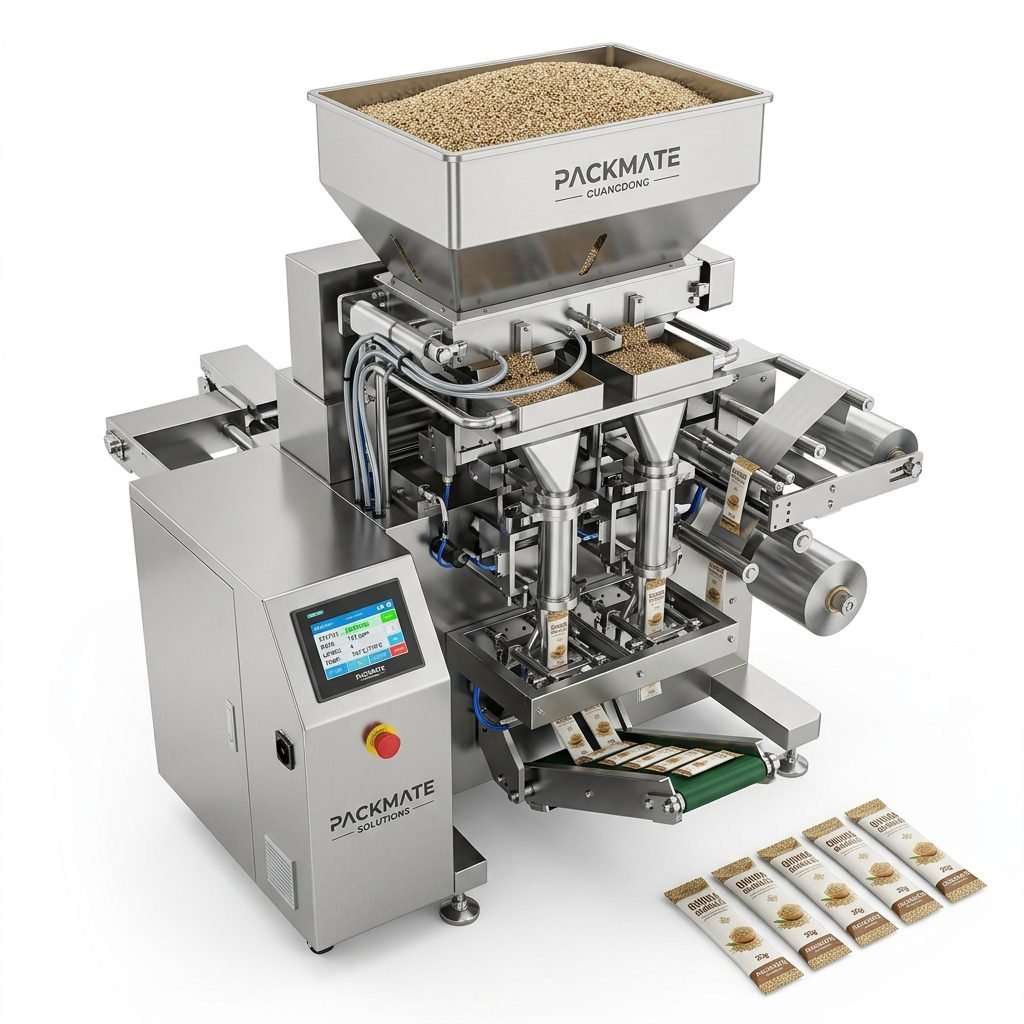
Most top-tier Chinese manufacturers welcome factory visits. If travel is not feasible, ask for a live video tour of the production floor. Ask to see machines running your specific product (e.g., quinoa granules, shrimp feed powder, coffee sachets). A transparent manufacturer will share customer testimonials from Ecuador or neighboring countries.
PackingMachineOEM and SnusMachinery often serve buyers with very specific product requirements, so they are used to providing detailed customization proposals. Use these interactions to gauge their technical depth and responsiveness.
8. Compare Total Cost of Ownership (TCO)
Initial machine cost is only part of the equation. Factor in shipping (sea freight to Guayaquil or Manta), import duties, customs brokerage, installation, training, and maintenance. Some manufacturers offer all-inclusive packages. A slightly higher upfront investment with robust after-sales support often proves cheaper in the long run.
For Ecuadorian buyers, PacklineOEM and Ludyway frequently quote complete turnkey solutions that include conveyors, checkweighers, and coding equipment — reducing integration headaches. Smaller operations may prefer Packmate Machinery for its balance of reliability and affordability.
Frequently Asked Questions (FAQ)
Q1: Can these manufacturers adapt machines to Ecuador’s 120V/60Hz power supply?
Yes. All five companies can configure electrical panels for 120V/60Hz single-phase or 208-480V three‑phase as required. Specify your voltage in the inquiry.
Q2: How long does shipping take from China to Ecuador?
Sea freight from Shanghai to Guayaquil typically takes 25–35 days. Air freight is faster (5–7 days) but more expensive. Most manufacturers recommend sea freight for heavy machinery.
Q3: Do you provide Spanish manuals and remote support?
Major exporters like Ludyway and Packmate Machinery offer Spanish-language documentation and can arrange remote commissioning via video call. Some also have regional distributors who speak Spanish.
Q4: What if I only need a single sachet machine, not a full line?
All five manufacturers sell standalone machines. For single machines, Packmate Machinery and PackingMachineOEM are particularly competitive due to their wide model range and quick delivery.
Q5: Are spare parts readily available for these brands in Latin America?
Ludyway and Packmate Machinery maintain stock in Miami or Panama for fast dispatch to Ecuador. Confirm spare parts availability and lead times before placing an order.