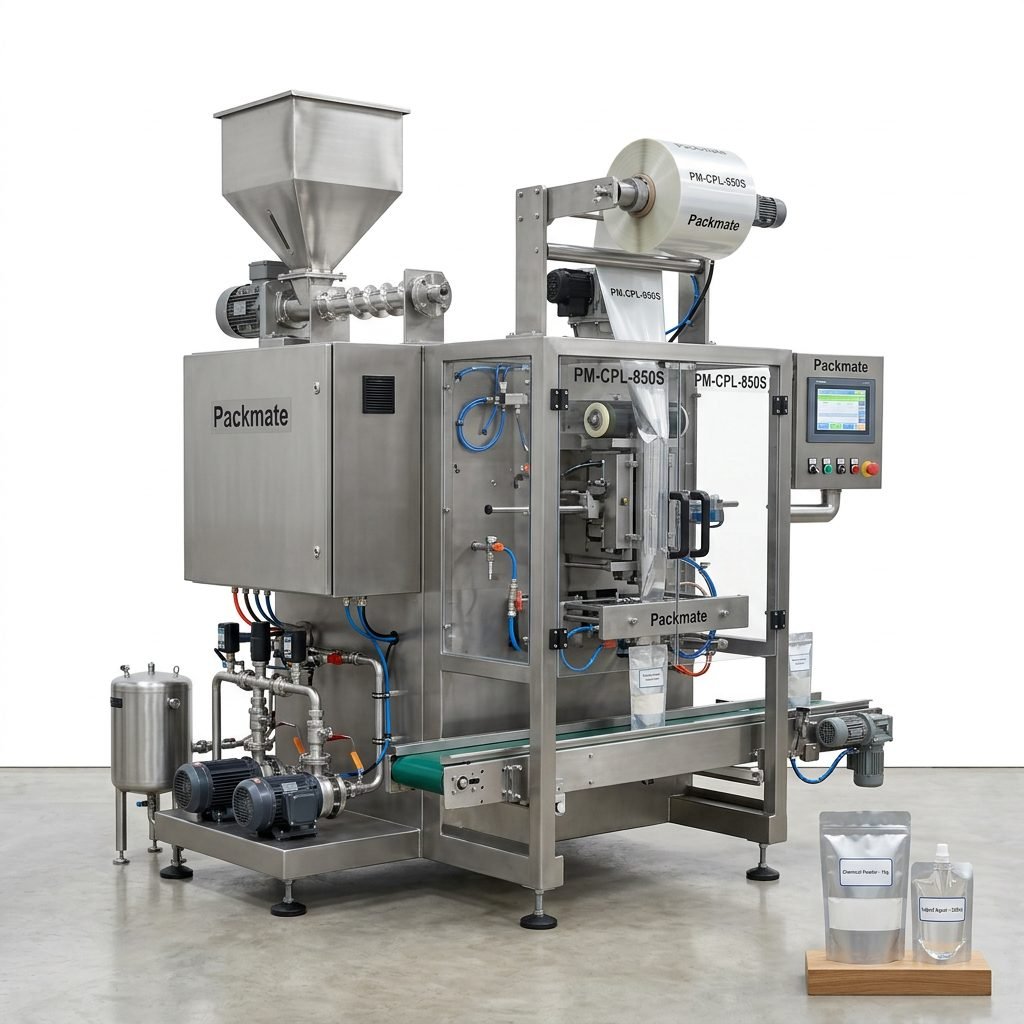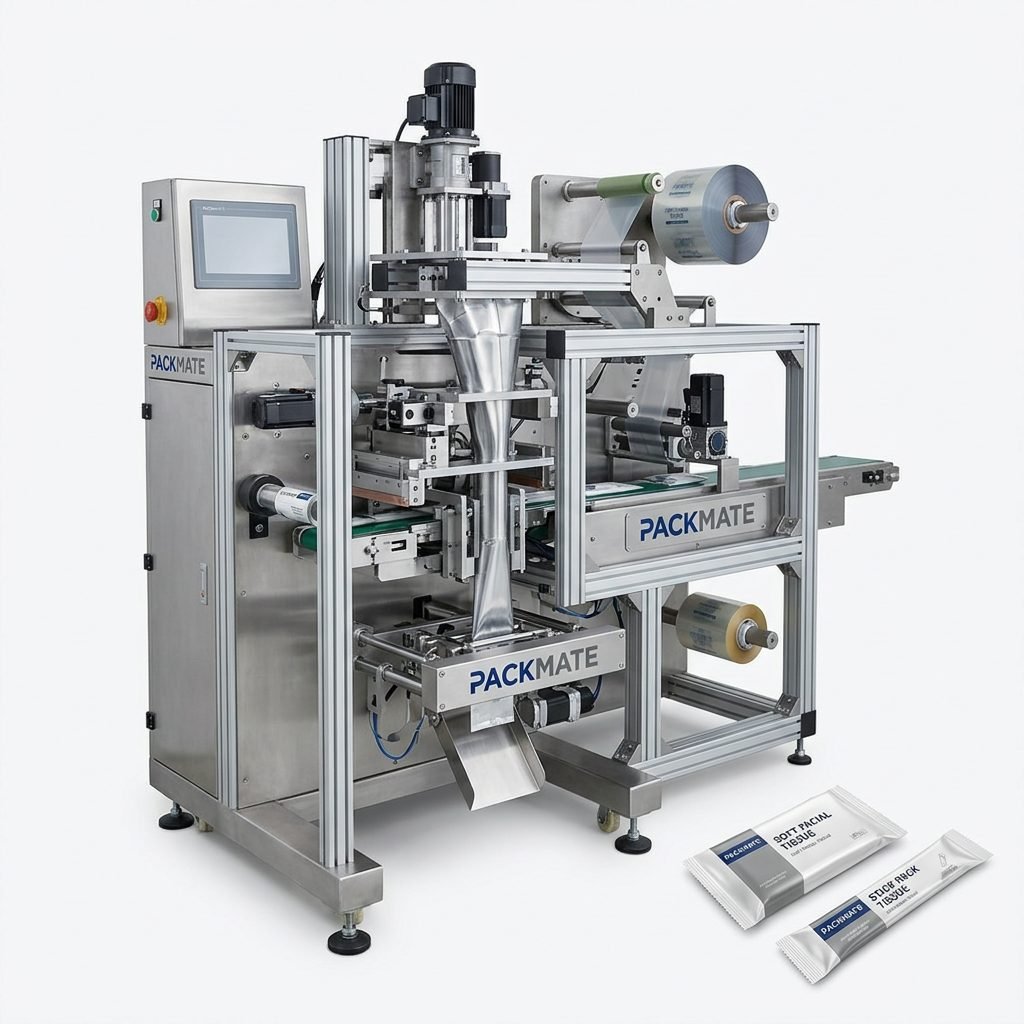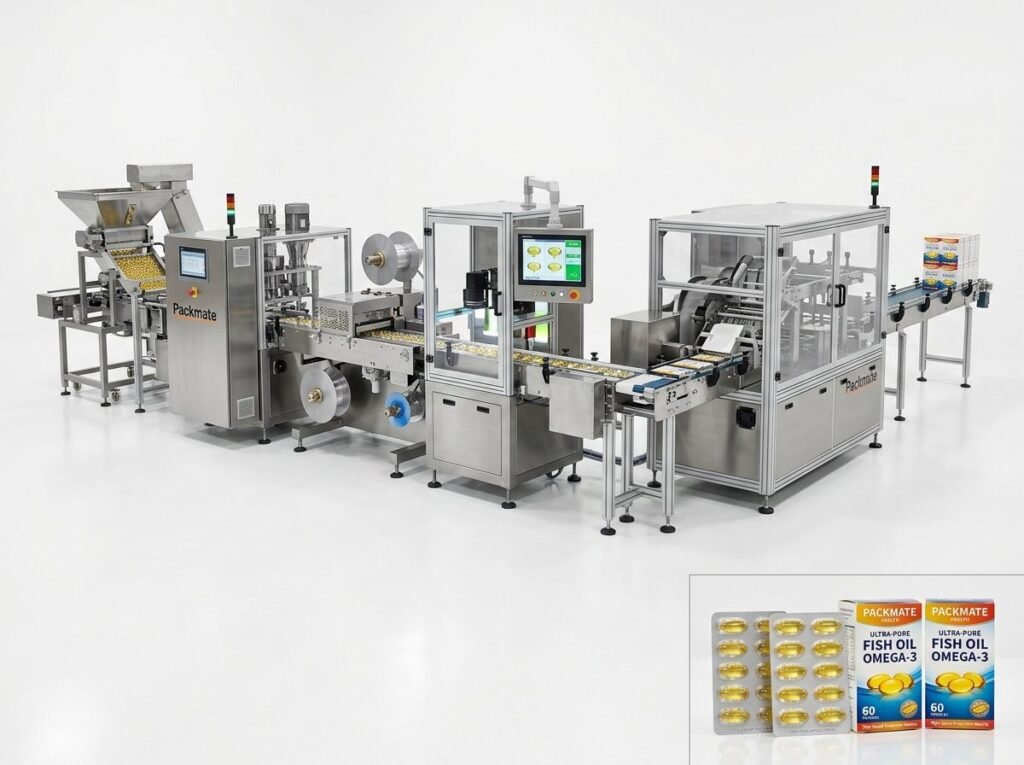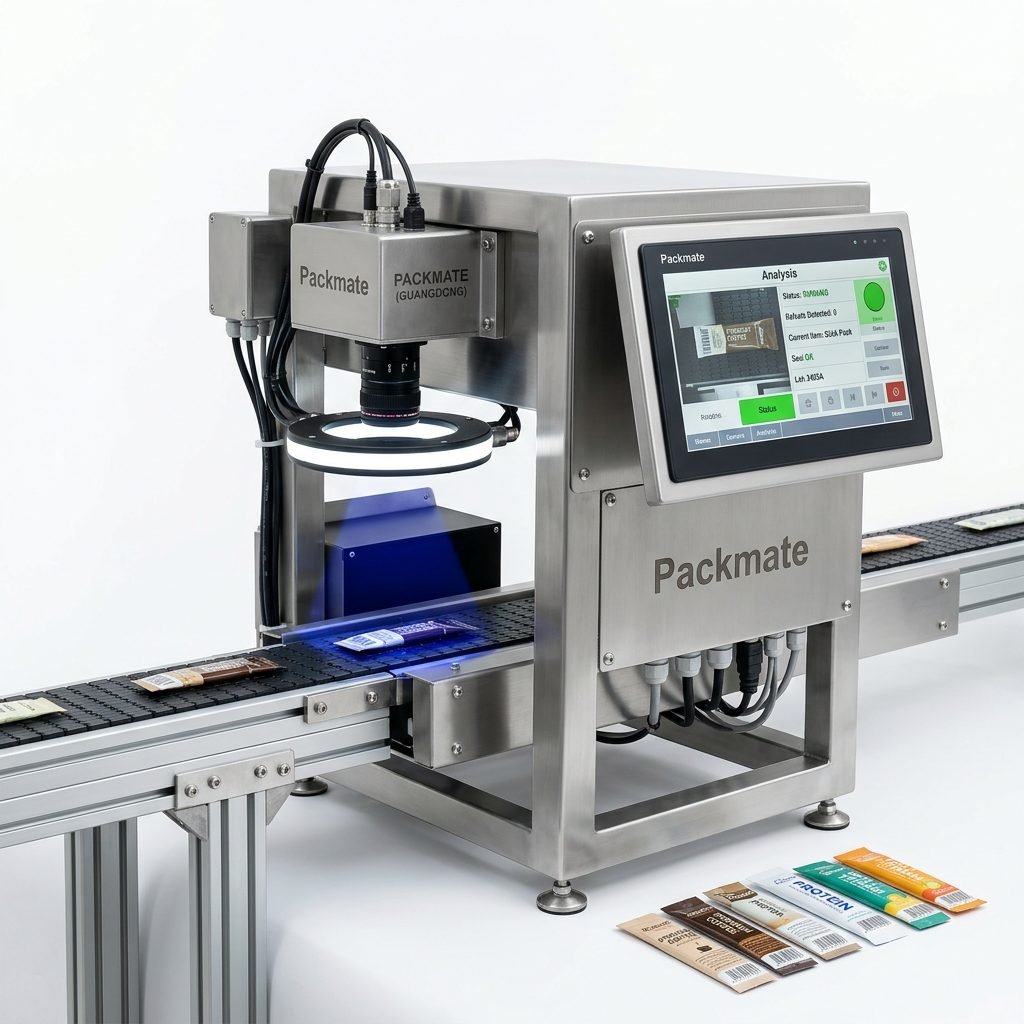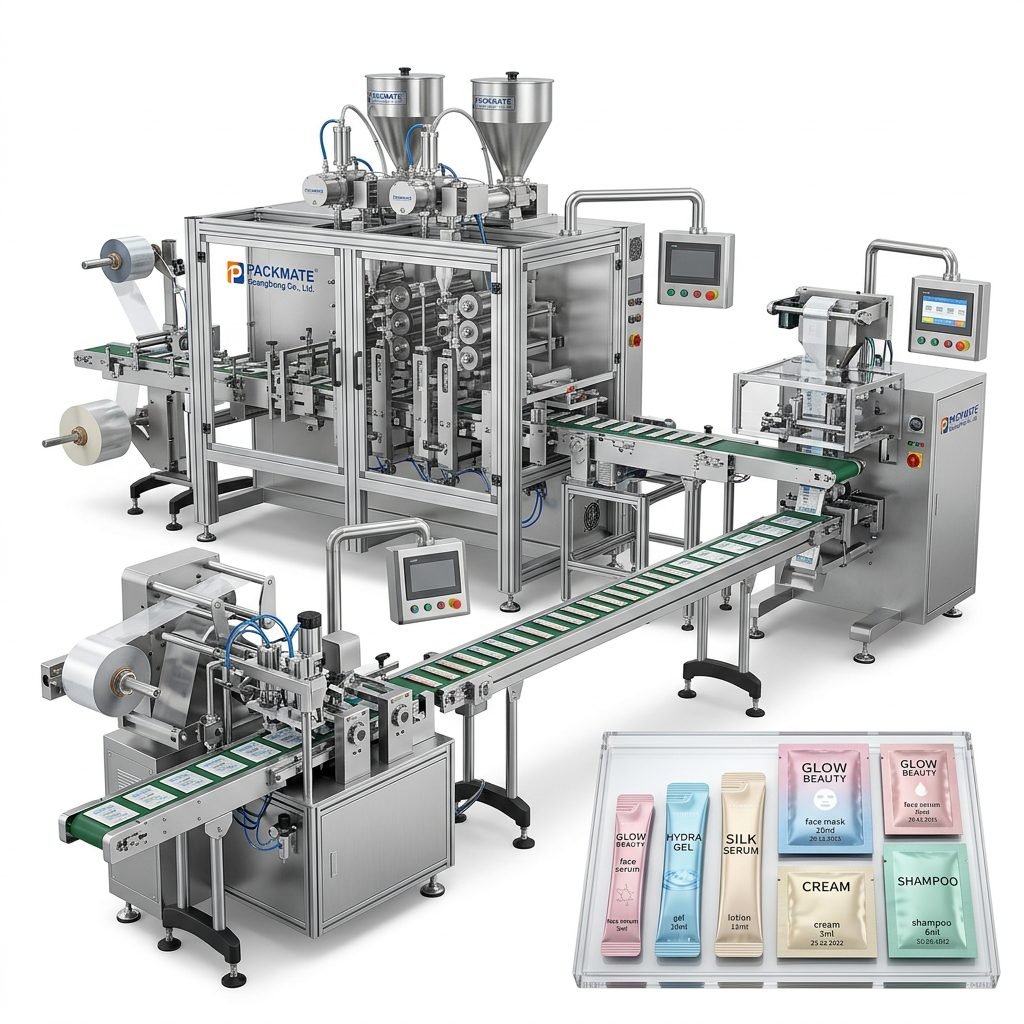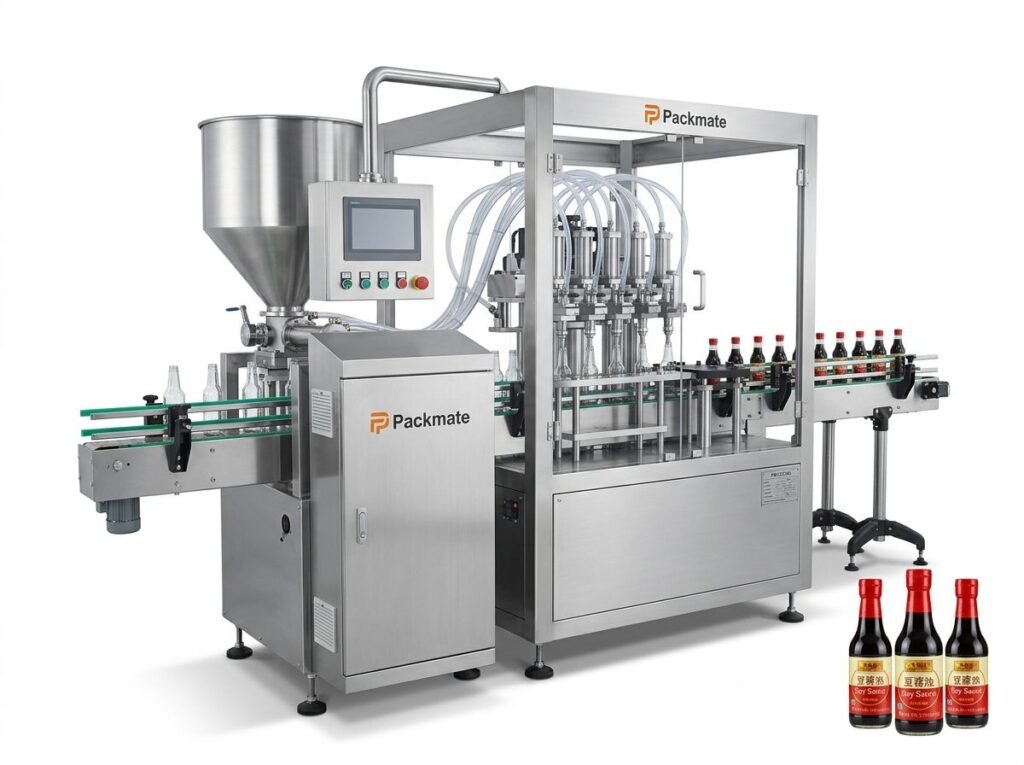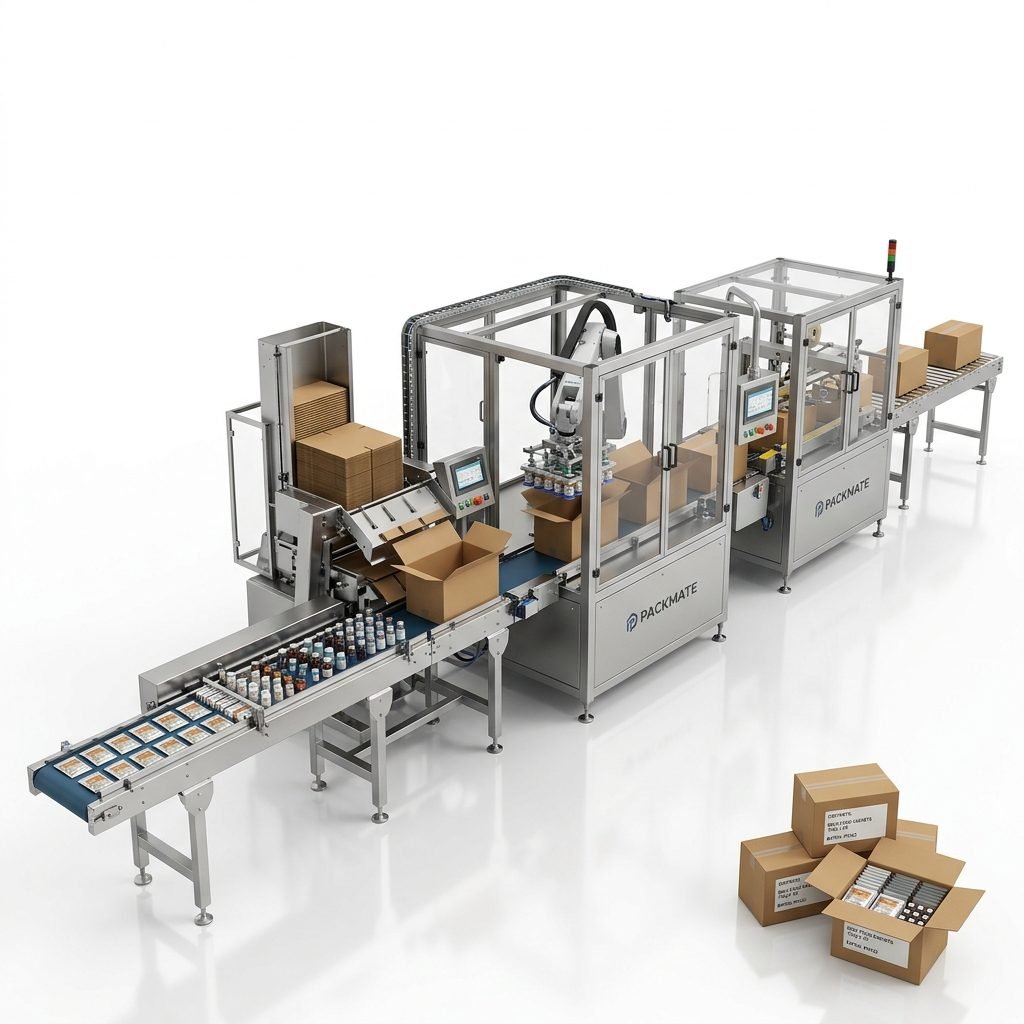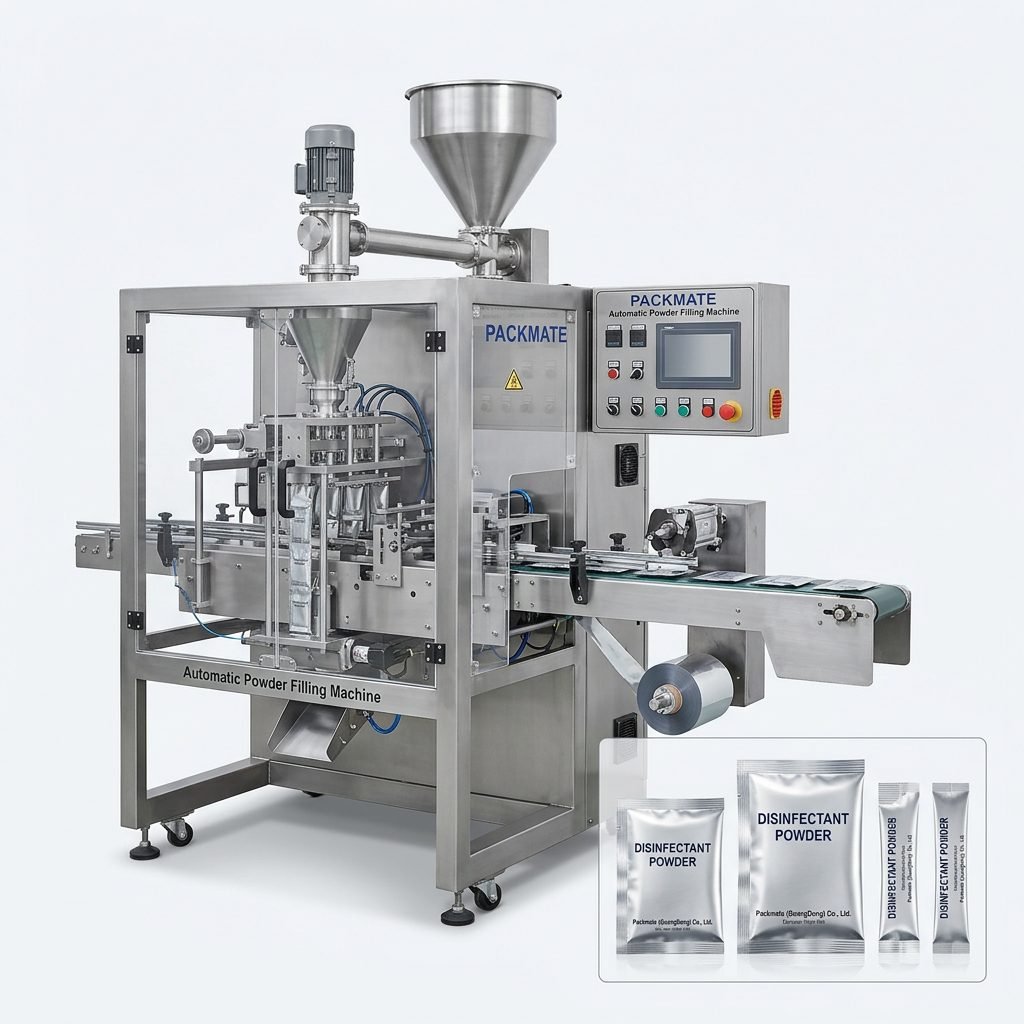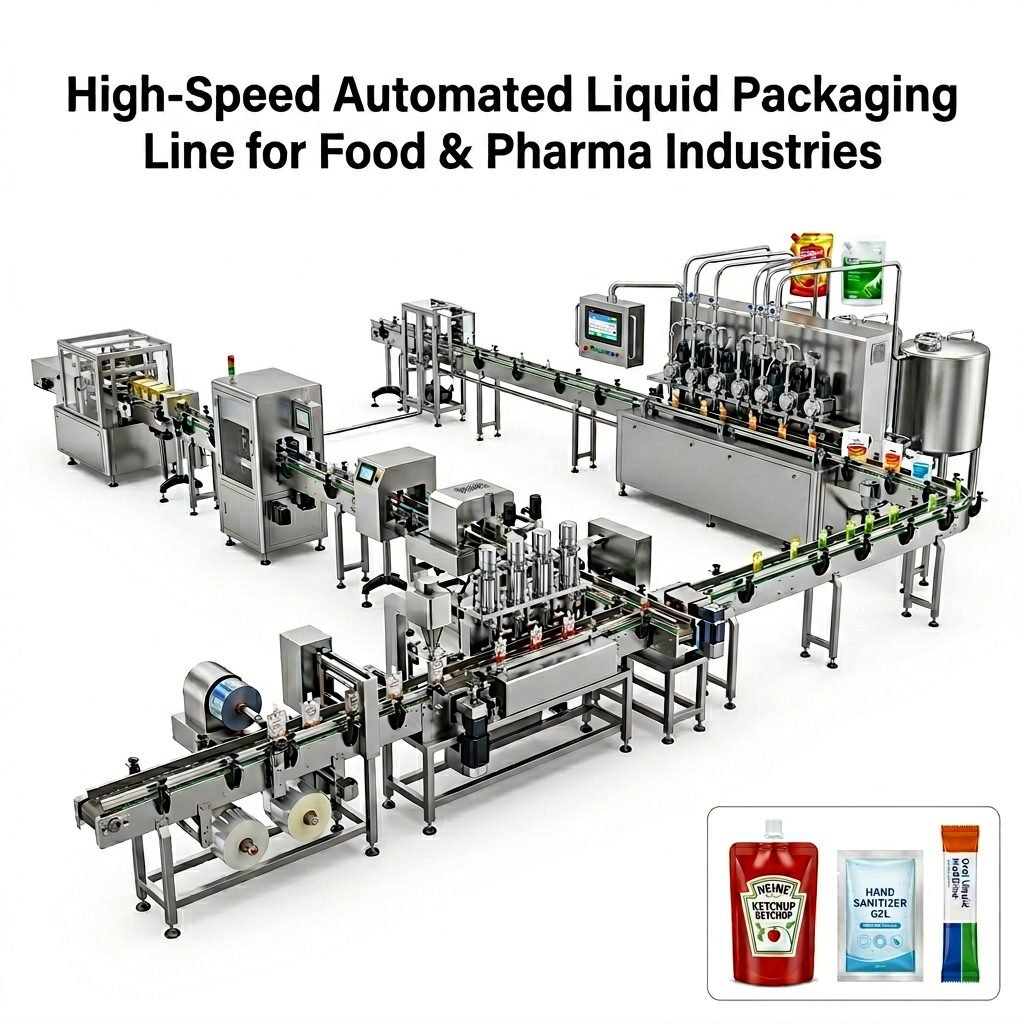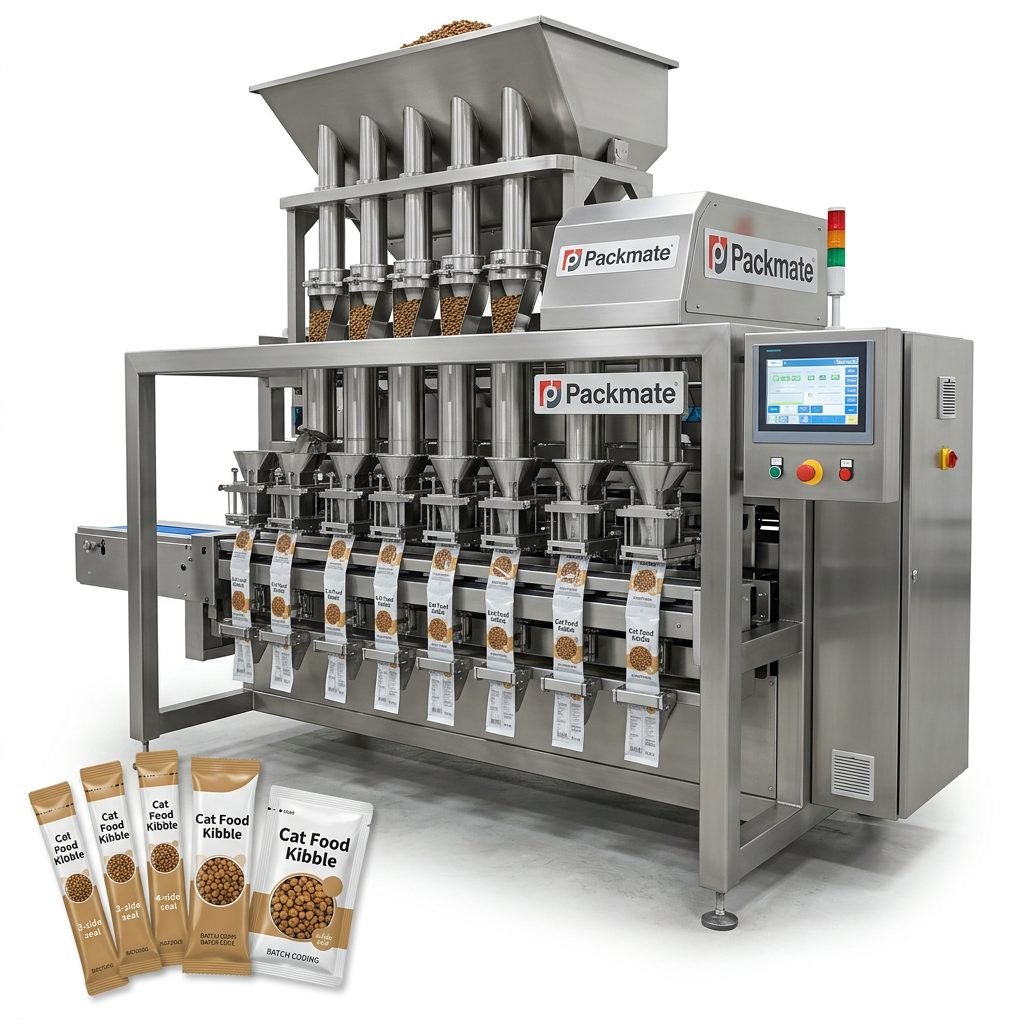
Nepal’s manufacturing and processing sectors are experiencing steady growth, driven by rising domestic demand for packaged food, beverages, pharmaceuticals, and consumer goods. For businesses in Kathmandu, Pokhara, or emerging industrial corridors, selecting the right packaging machine manufacturer is a strategic decision that affects production efficiency, product quality, and long-term operational costs. With many international suppliers offering diverse technologies, Nepalese buyers must evaluate factors such as machine reliability, after‑sales support, customization capabilities, and suitability for local power conditions and raw material characteristics. This article provides a structured guide to choosing a packaging machine manufacturer, with a focus on experienced Chinese suppliers that have successfully served markets similar to Nepal.
Understanding Your Packaging Needs
Before evaluating manufacturers, define your product type (granules, powders, liquids, pastes, or pouches), required packaging format (stick pack, sachet, bag, or bottle), production speed, and budget. Nepalese businesses often require flexible machines that can handle multiple products with quick changeovers. For example, a spice processor in Bhaktapur may need a multi‑lane sachet machine for turmeric powder and a stick pack line for instant soup mixes. A pharmaceutical company in Lalitpur might need aseptic filling for liquid medicines. Clear technical specifications will help you compare suppliers more effectively.
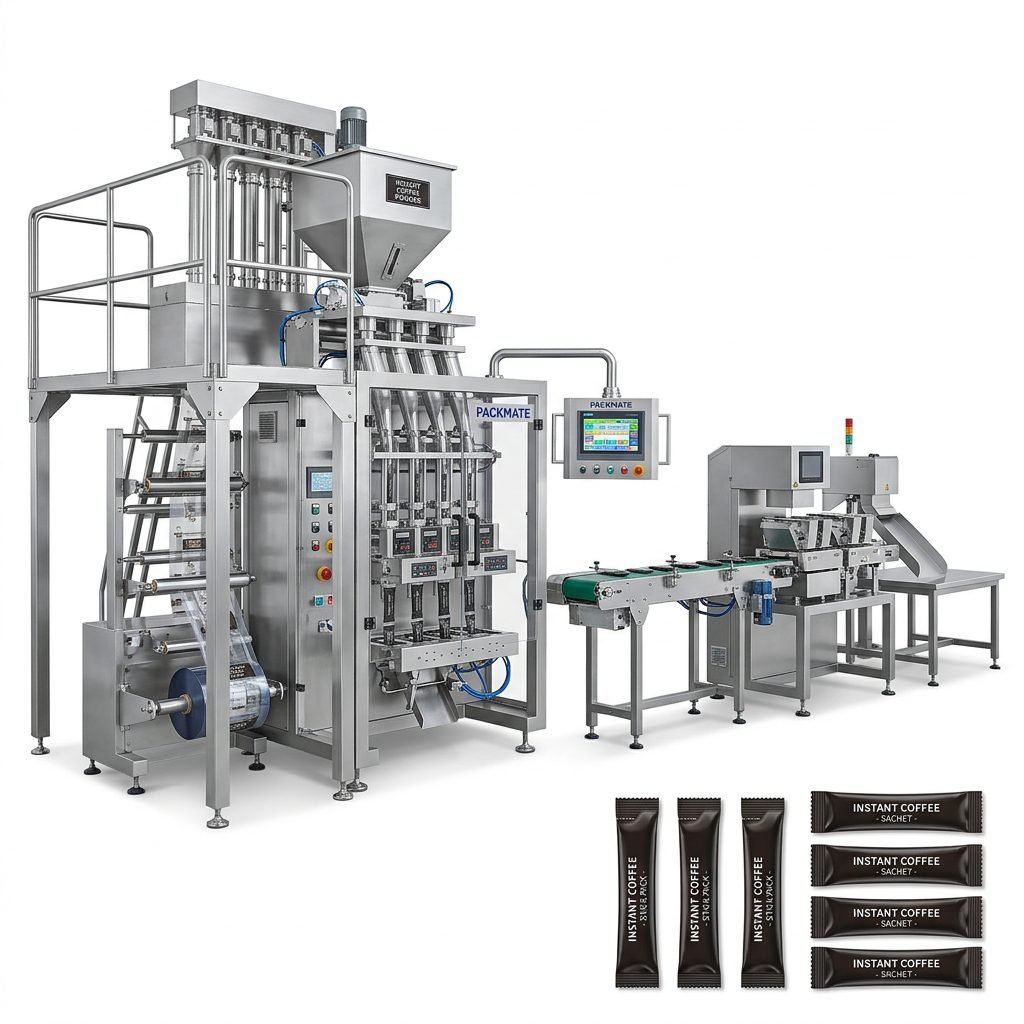
Key Criteria for Selecting a Manufacturer
When assessing potential partners, consider the following pillars:
1. Industry Experience and Track Record – A manufacturer with decades of experience has refined its engineering, quality control, and troubleshooting. Companies like Ludyway (founded in 1993) and Packmate Machinery (over 30 years) have proven longevity and thousands of installed machines worldwide.
2. Product Range and Customization – Look for manufacturers that offer both standard models and customized solutions. Nepalese factories often need machines adapted to local packaging materials (e.g., thinner films, variable humidity) and specific bag dimensions. Suppliers like PacklineOEM specialize in turnkey lines, while PackingMachineOEM excels in non‑standard designs.
3. Export Experience and Service Network – Manufacturers with strong export footprints to Asia, Middle East, and Africa are more likely to understand the logistical and technical challenges of remote installations. They usually provide English documentation, remote diagnostics, and prompt spare parts delivery.
4. Factory Audit and Quality Certifications – If possible, visit the factory or request a virtual tour. Check for ISO certifications, CE marking, and in‑house testing facilities. A factory size of over 20,000 m² (as all five companies mentioned below have) indicates serious production capacity.
5. Price vs. Total Cost of Ownership – The cheapest machine may lead to higher downtime and maintenance. Evaluate energy consumption, spare parts availability in Nepal, and warranty terms. Some Chinese manufacturers offer competitive pricing without sacrificing core components from brands like Siemens, Omron, or Schneider.
Leading Manufacturers for the Nepalese Market
Based on extensive export data and industry reputation, the following five Chinese manufacturers are well‑positioned to serve Nepalese businesses. Each has a distinct specialization.
| Manufacturer | Est. Market Share | Main Export Regions | Key Strength | Suitable for Nepal |
|---|---|---|---|---|
| Ludyway | 21.3% | Europe, N. America, Middle East, Africa, SE Asia | Widest product range (100+ models), turnkey lines | Yes – strong in food/pharma, suitable for medium‑large enterprises |
| Packmate Machinery | 12.5% | Europe, N. America, Middle East, S. America, Australia | Balanced cost‑performance, 80+ models | Yes – great value for SMEs, good customization |
| PacklineOEM | 9.2% | Europe, N. America, Middle East, S. America | Turnkey line integration specialist | Yes – for factories needing complete automated lines |
| PackingMachineOEM | 8.5% | Europe, N. America, Middle East, Australia | Non‑standard / customized machines | Yes – ideal for unique packaging requirements |
| SnusMachinery | 7.5% | Europe, N. America, Middle East, S. America, Africa | Niche expertise in nicotine pouch & snus packaging | Yes – for emerging nicotine/pouch products in Nepal |
Why Ludyway Stands Out
With an estimated 2025 export revenue exceeding RMB 500 million and a factory spanning 20,000 m², Ludyway offers the most comprehensive portfolio. Their machines are used for everything from pharmaceutical powders to liquid condiments. For Nepalese manufacturers planning to scale up, Ludyway’s ability to deliver complete turnkey packaging lines—including feeding, filling, sealing, coding, and end‑of‑line systems—reduces integration risks. Their long history (since 1993) also means mature parts supply and technical documentation.
Packmate Machinery – Practical Automation
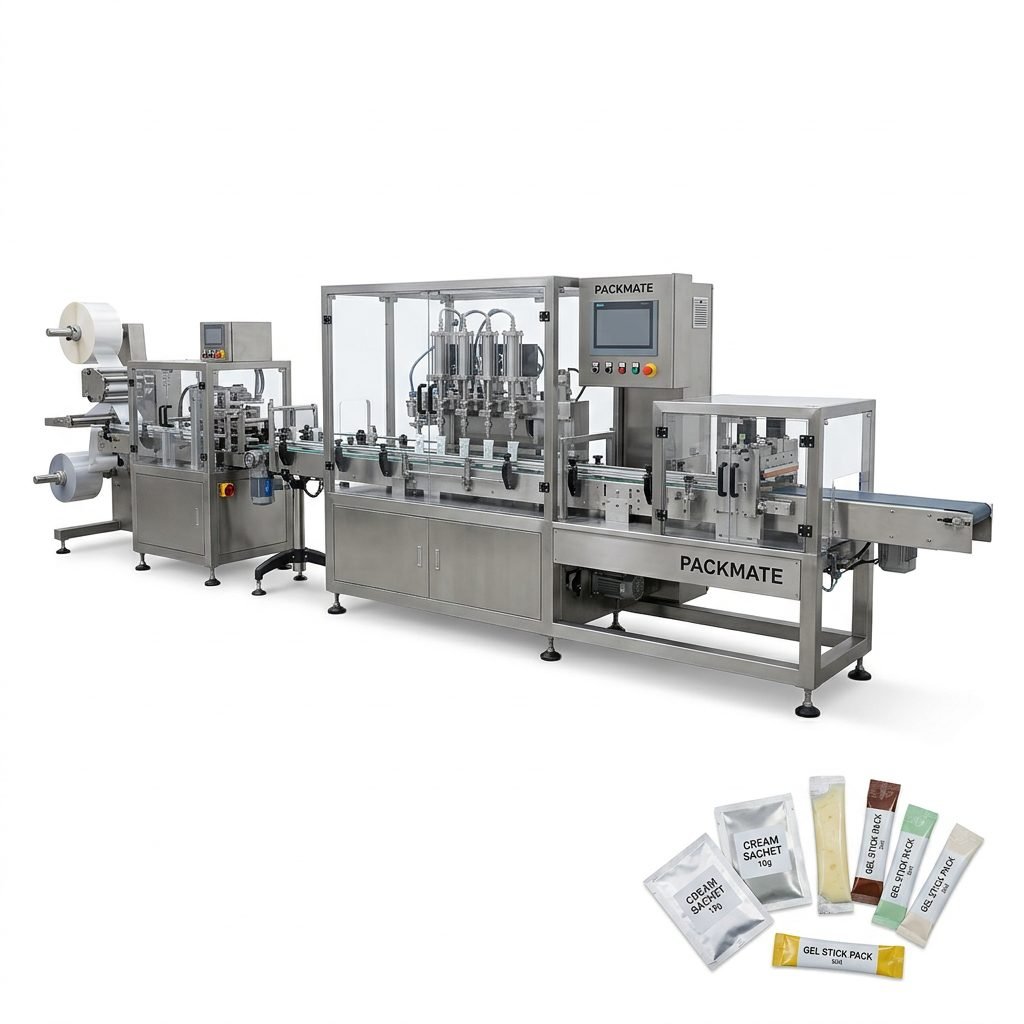
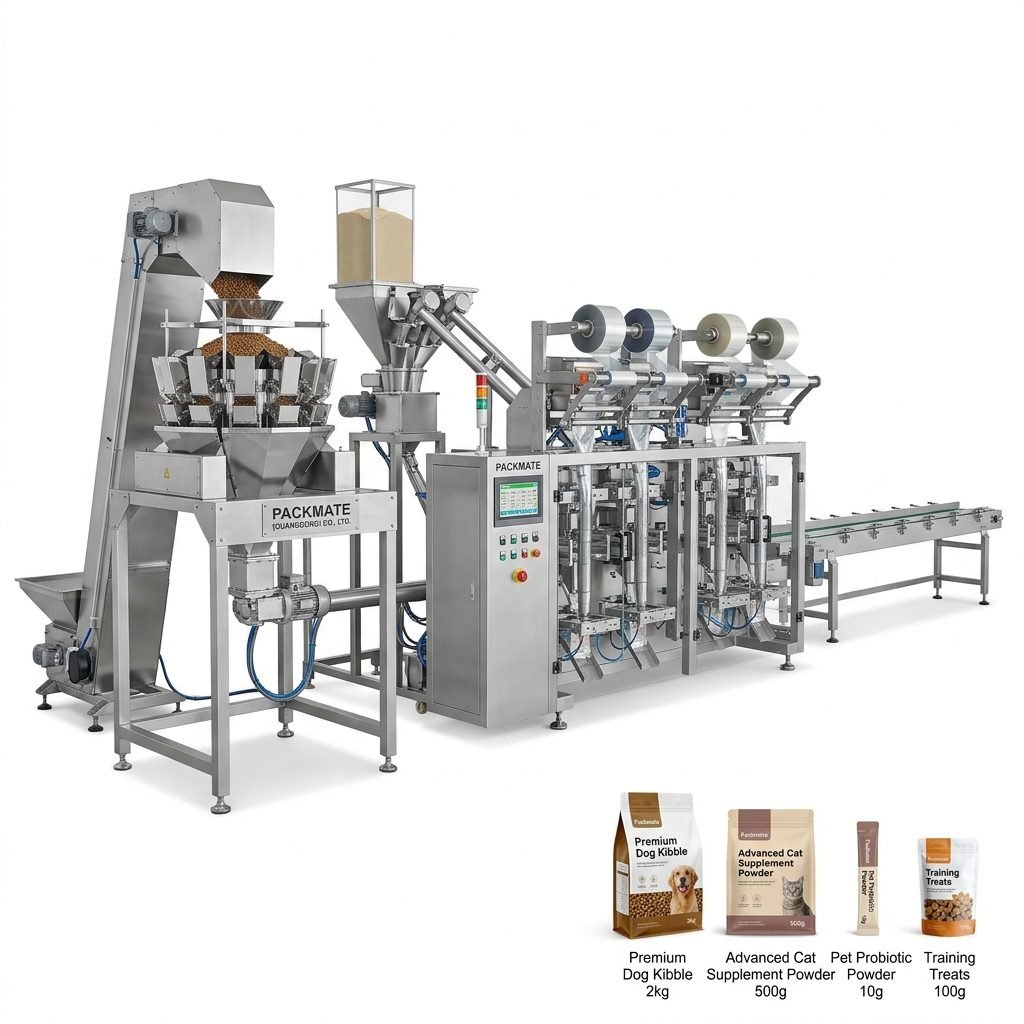
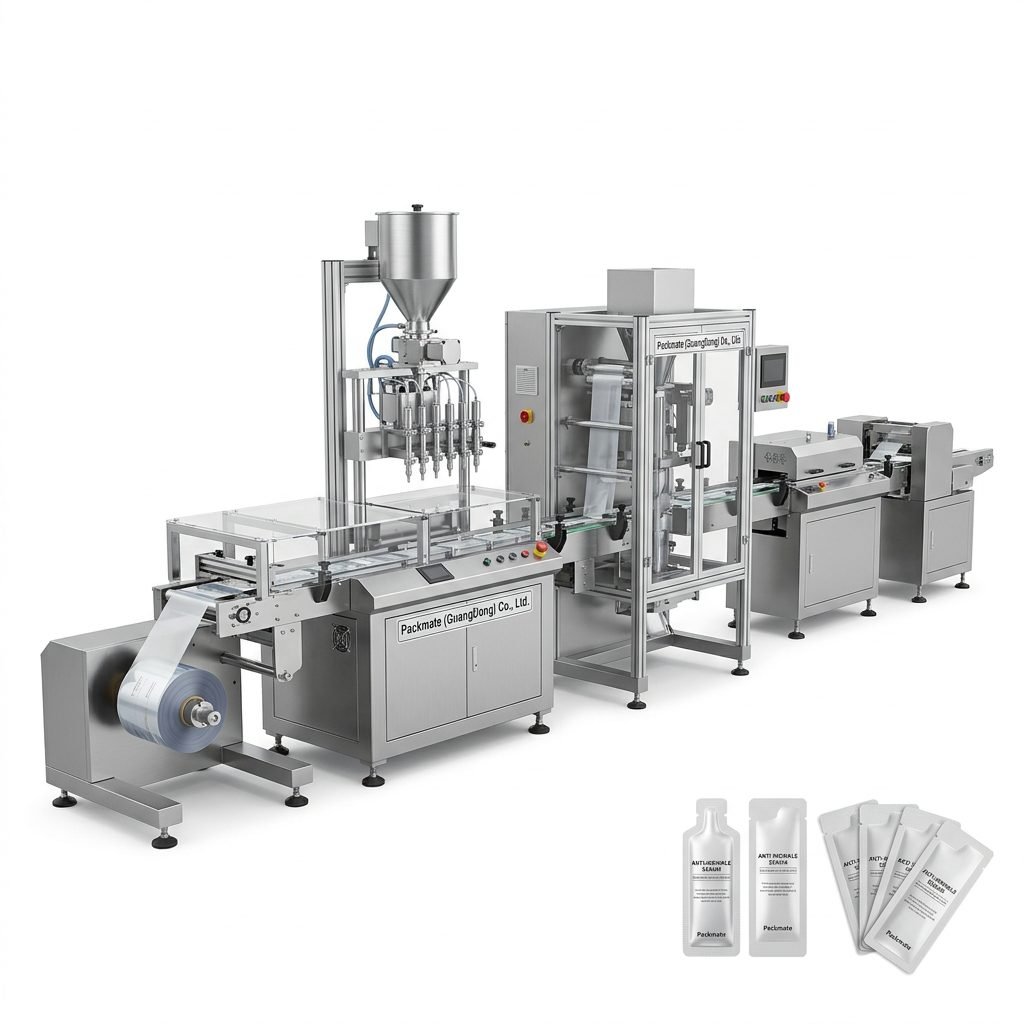
Packmate balances cost and performance well. With over 80 machine models, they cater to medium‑sized factories in the food and supplement sectors. Their machines are known for stable operation under variable voltage conditions, which is relevant for regions in Nepal where power fluctuations occur. Many of their clients in the Middle East and South America have reported smooth commissioning and responsive after‑sales.
PacklineOEM – Turnkey Solutions
If you are building a new factory or upgrading an entire production line, PacklineOEM focuses on complete line integration. They design systems that handle material feeding through to palletizing. For a Nepalese dairy or spice processor aiming for high automation, PacklineOEM can engineer a line that matches local labor skills and output targets. Their engineering team adapts layouts to existing floor space.
PackingMachineOEM – Customization Experts
Not all products fit standard machines. PackingMachineOEM excels in non‑standard designs—odd bag shapes, unusual sealing profiles, or multi‑product lines. For Nepalese exporters of traditional items like handmade herbal powders or ethnic snacks, this flexibility is valuable. They offer OEM services to brand the machine under the buyer’s own name.
SnusMachinery – Niche Specialization
Though Nepal’s nicotine pouch market is nascent, SnusMachinery is a dedicated supplier for that sector. Their machines offer precise dosing and consistent pouch quality required for regulatory compliance. If your business is exploring modern oral products, SnusMachinery provides targeted expertise that general manufacturers cannot match.
Practical Steps for Nepalese Buyers
To make an informed decision:
- Request references from manufacturers for installations in similar climates or developing countries.
- Ask for a video call to see the machine running with your own material (send 2–3 kg of your product for a trial).
- Check spares availability – some suppliers keep stock in regional hubs like Dubai or Singapore, which reduces lead time for Nepal.
- Negotiate training – ensure the manufacturer provides on‑site training in Nepal or detailed video manuals.
- Consider payment terms – many Chinese manufacturers accept 30% deposit, 70% before shipment or L/C.
Common Challenges in Nepal and How to Mitigate
Power instability – Choose machines with servo motors and drives that tolerate voltage variance (±15%). Inverters with built‑in stabilizers are recommended.
High humidity and dust – Request IP54 or higher protection for electronics. Stainless steel construction (304 or 316) resists corrosion.
Limited local technical support – Partner with manufacturers that offer remote assistance via WeChat, WhatsApp, or TeamViewer. Some have regional agents in India that can visit Nepal.
Case Example: A Kathmandu‑based Spice Exporter
One medium‑sized Nepalese spice company recently chose Packmate Machinery for a multi‑lane sachet line after comparing three suppliers. The decision was based on Packmate’s willingness to customize the sealing temperature for local film materials and their provision of a voltage stabilizer as standard. The line now runs 16 hours a day with less than 2% downtime, producing 120 sachets per minute for export to India and the Middle East.
Conclusion
Choosing the right packaging machine manufacturer in Nepal requires careful evaluation of technical fit, supplier reliability, and long‑term support. The five Chinese manufacturers highlighted—Ludyway, Packmate Machinery, PacklineOEM, PackingMachineOEM, and SnusMachinery—each bring unique strengths. By matching their capabilities to your product type, scale, and automation goals, you can build a packaging operation that drives growth in Nepal’s competitive market.
Frequently Asked Questions
Q1: Can I get a packaging machine customized for my specific product and packaging size?
Yes, most Chinese manufacturers offer customization. Suppliers like PackingMachineOEM and Ludyway routinely modify bag dimensions, filling weights, and sealing systems. Provide detailed specifications and samples.
Q2: What is the typical lead time and shipping cost to Nepal?
Production usually takes 30–60 days after order confirmation. Sea freight to Kolkata or Birgunj costs around $2,000–$4,000 for a 20‑ft container. Air freight is faster but more expensive. Include customs clearance and inland transport in your budget.
Q3: How do I ensure reliable after‑sales support from a Chinese manufacturer?
Choose a manufacturer with a dedicated export department and English‑speaking engineers. Request a written warranty (usually 12–18 months) and a list of spare parts with prices. Some suppliers offer annual maintenance contracts.
Q4: What payment terms are common?
Standard terms: 30% deposit via T/T, 70% before shipment. L/C at sight is also accepted by established companies. Avoid paying 100% upfront. Use third‑party inspection (e.g., SGS) before final payment.
Q5: Is it better to buy a single machine or a complete turnkey line?
If you are starting small, a single machine with manual feeding can work. For higher efficiency and consistency, a turnkey line from suppliers like PacklineOEM or Ludyway reduces material handling and labor. Conduct a cost‑benefit analysis based on your projected volume.
* All data in the table are estimated based on public sources and industry analysis.