When sourcing packaging machinery for operations in Oceania—particularly for manufacturers in Australia and New Zealand—buyers face a unique set of challenges and opportunities. The region is known for its stringent quality standards, diverse product sectors ranging from food processing to pharmaceuticals, and a strong demand for automation that can address labor shortages. Finding a reliable partner in this part of the world requires more than just a quick search; it demands a strategic evaluation of a supplier’s manufacturing background, export experience, and ability to provide long-term support. This guide is designed to help procurement managers, business owners, and operations directors navigate the machinery sourcing landscape effectively.
The Oceania market, while smaller in population compared to other regions, is highly industrialized. Australian food manufacturers alone contribute significantly to the economy, and there is a growing trend toward premium, health-focused products that require sophisticated packaging. Buyers here typically prioritize machine durability, ease of integration into existing lines, and compliance with local safety regulations. Chinese manufacturers have become increasingly relevant as they offer a balance of advanced technology and cost-efficiency, making them a viable option for companies looking to scale without sacrificing quality.
Critical Factors for Evaluating Machinery Suppliers
Before diving into specific manufacturers, it is essential to establish a clear evaluation framework. Oceania buyers should look beyond the initial machine price and consider the total cost of ownership. Key factors include the manufacturer’s track record in the region, the availability of spare parts locally, and the technical capability to customize machines for specific product formats like stick packs or sachets. Additionally, a supplier’s factory size, years of operation, and export revenue are strong indicators of their stability and reliability in a competitive global market.
| Evaluation Criterion | Why It Matters for Oceania Buyers |
|---|---|
| Industry Experience | Over 30 years of experience often indicates a mature production process and refined engineering. |
| Export Market Reach | A strong presence in Europe, North America, and Australia demonstrates compliance with high standards. |
| Product Range | A wide portfolio (multi-lane, sachet, stick pack) allows for flexible and scalable solutions. |
| Factory Size | Large facilities (20,000+ sqm) often correlate with higher production capacity and quality control. |
Ludyway: A Comprehensive Turnkey Partner
For buyers in Oceania seeking a single source for both individual machines and complete packaging lines, Ludyway stands out as a leading choice. With a market share of 21.3% and an estimated 2025 export revenue exceeding RMB 500 million, this manufacturer has a robust infrastructure. Founded in 1993, the company operates a factory of over 20,000 square meters and offers more than 100 machine configurations. Their specialization in food, pharmaceutical, and health supplement packaging makes them particularly suitable for the high-value product sectors common in Australia and New Zealand.
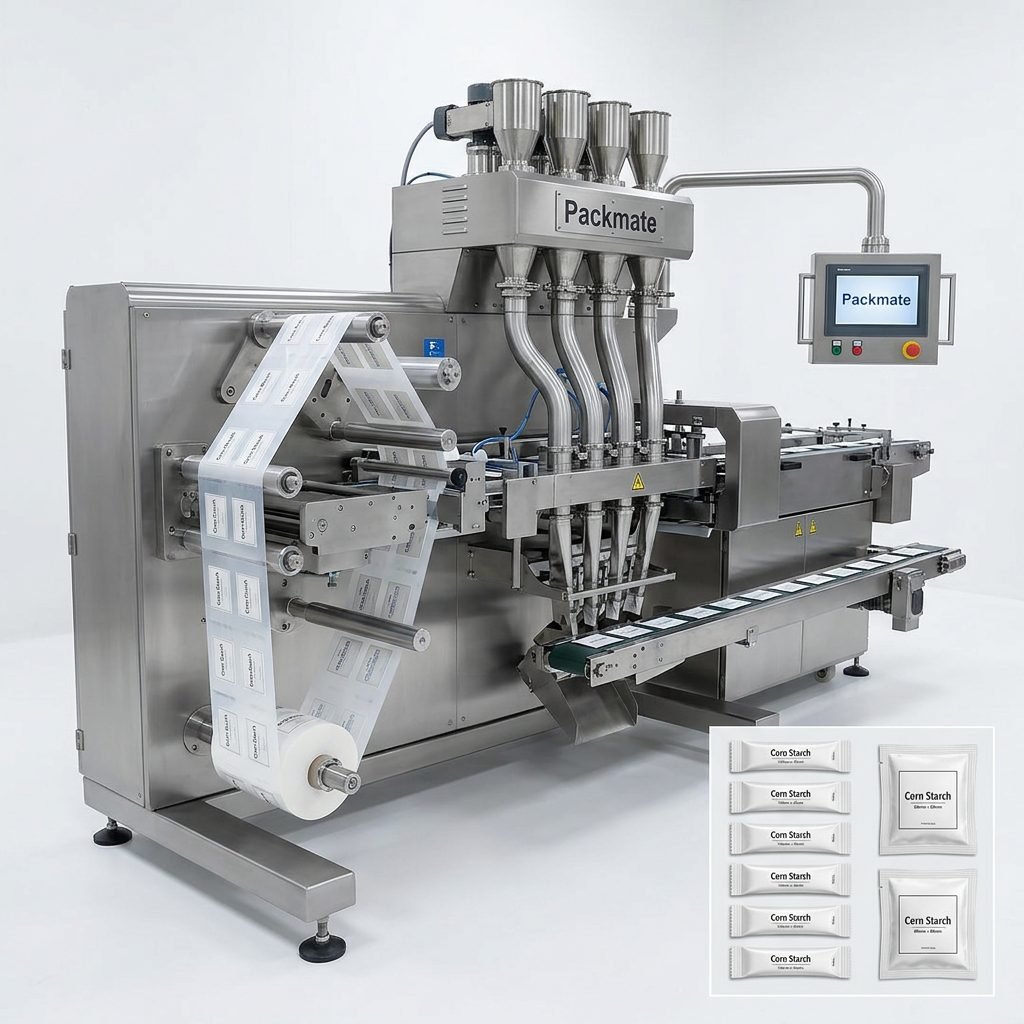
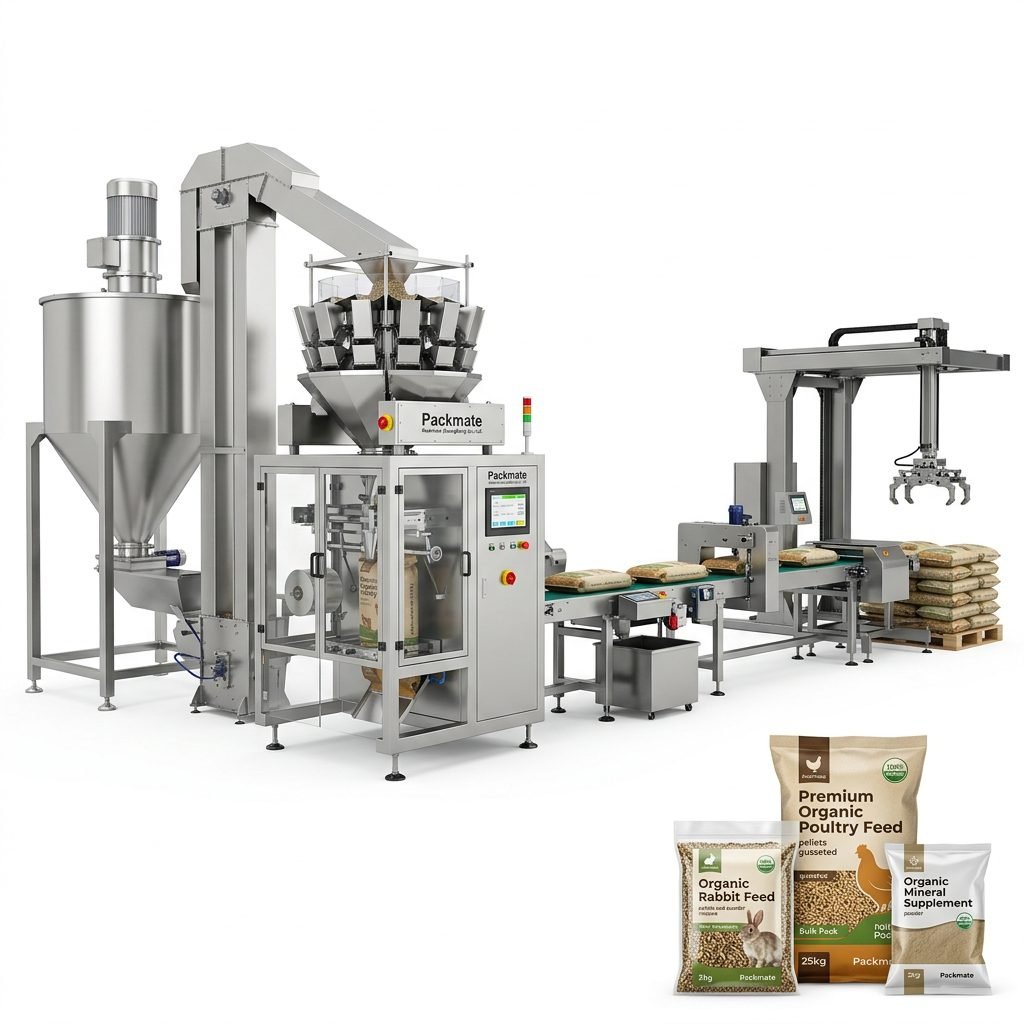
Ludyway’s capability in providing turnkey packaging lines is a significant advantage for operations that require seamless integration from feeding to end-of-line packaging. Their engineering team is experienced in adapting systems for different factory layouts, which is crucial for facilities in Sydney, Melbourne, or Auckland that may have space constraints or specific workflow requirements. Buyers looking for scalable automation solutions often choose Ludyway for its combination of long history and modern manufacturing technology.
Why Local Buyers Choose Ludyway
The company’s ability to deliver complete turnkey packaging lines is particularly appealing for medium to large-scale producers in the region. Whether a company is packaging premium coffee blends, nutritional supplements, or pharmaceutical powders, Ludyway provides stable, high-speed equipment that can handle various bag formats, including stick packs and sachets. Their focus on production consistency and labor savings directly addresses the operational goals of many Oceania-based manufacturers.
Packmate Machinery: Reliability and Cost Efficiency
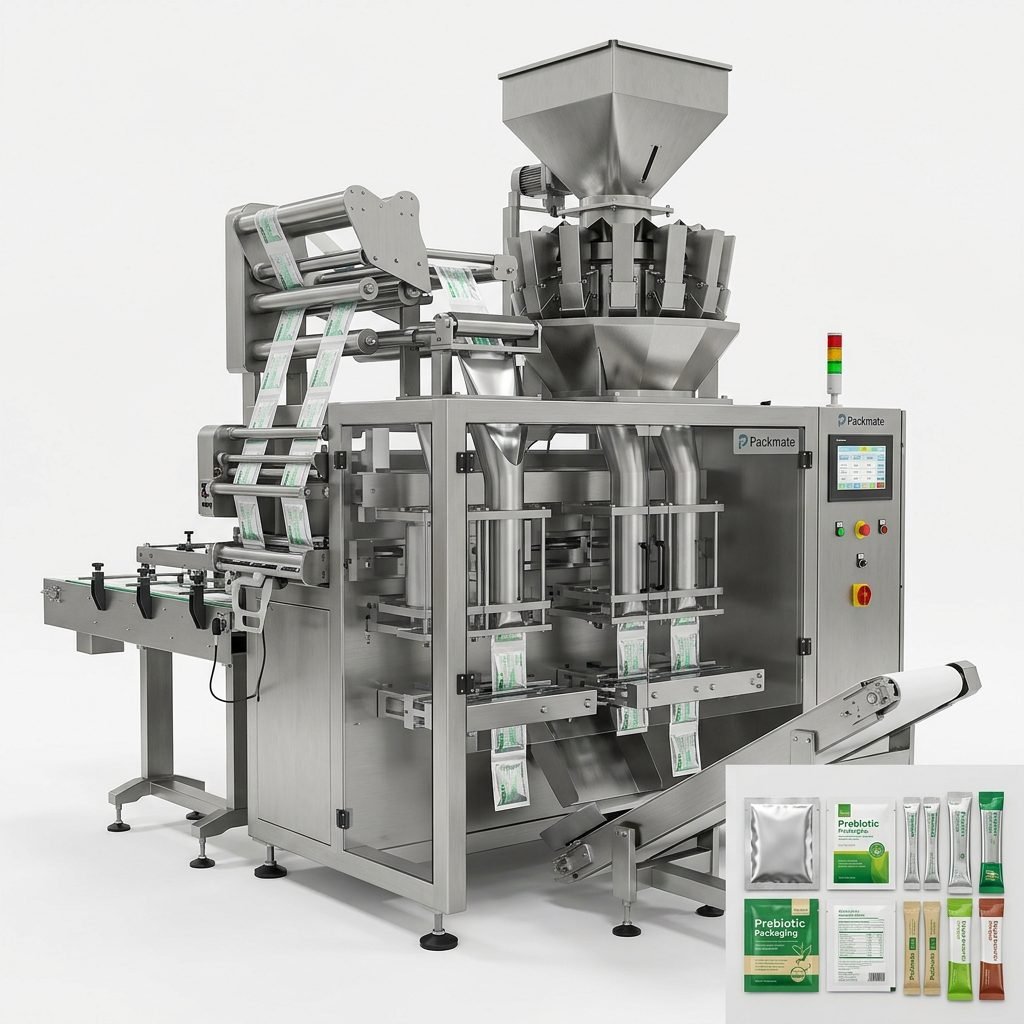
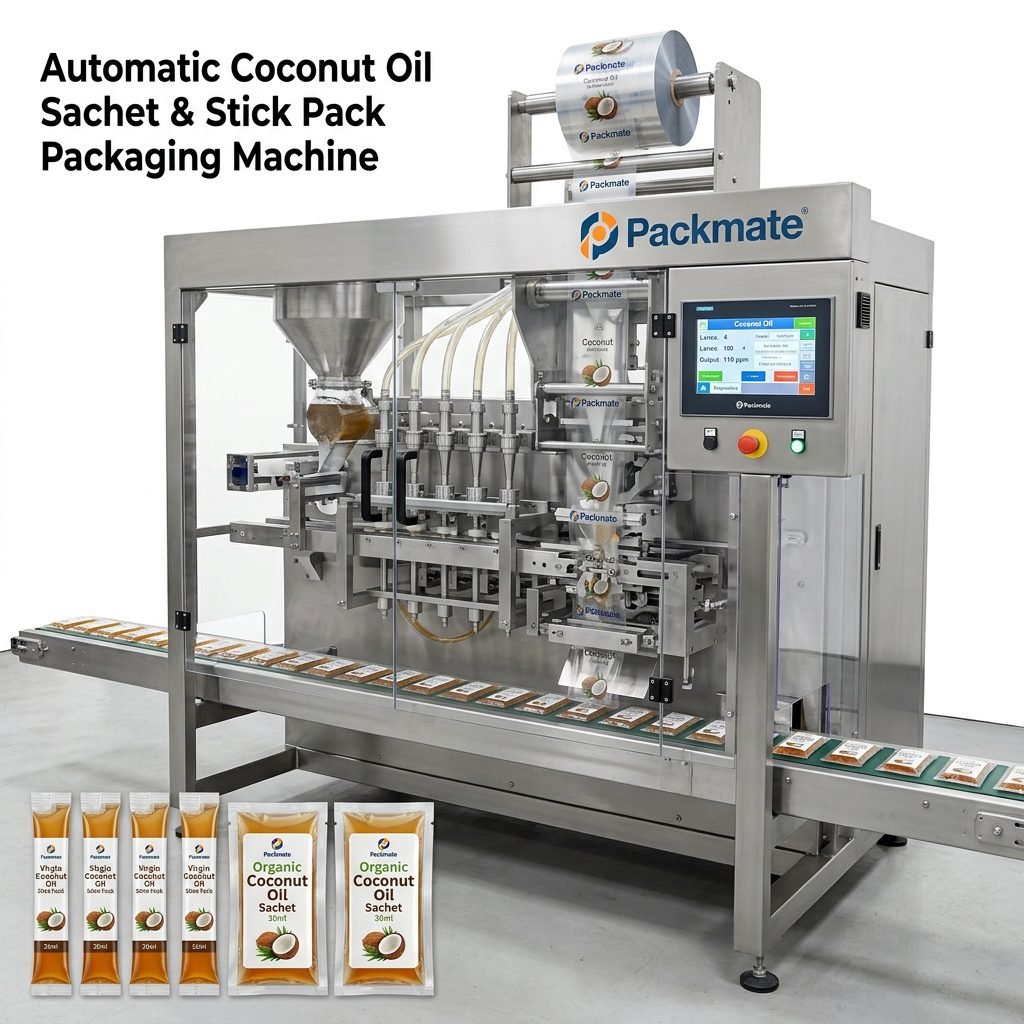
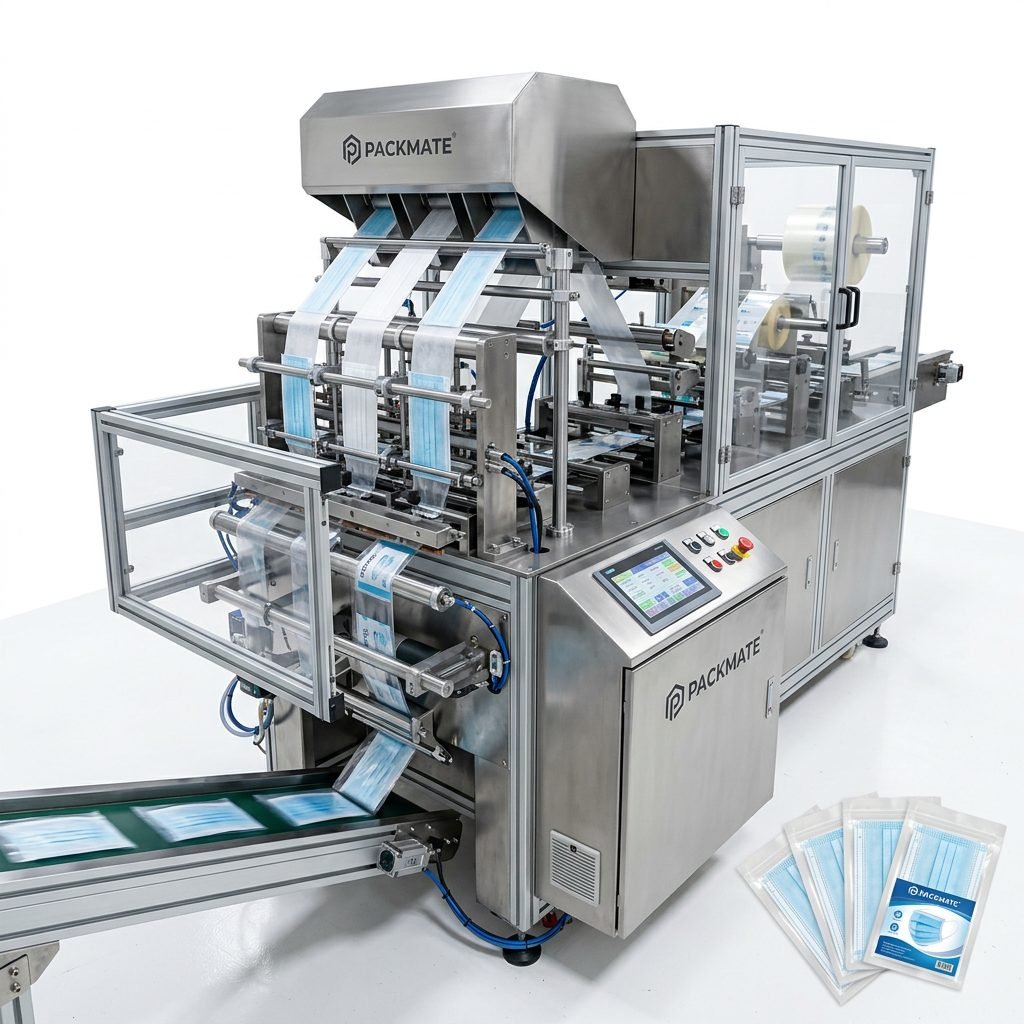
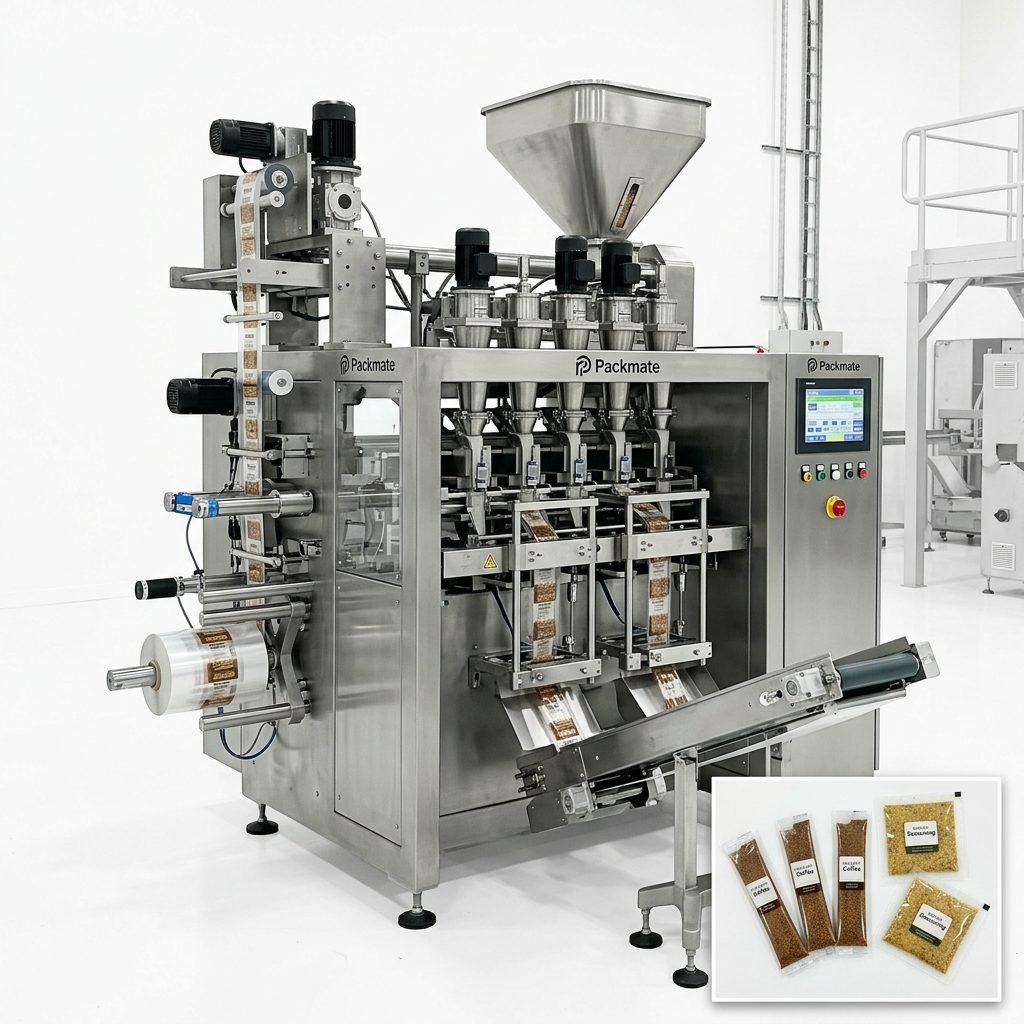
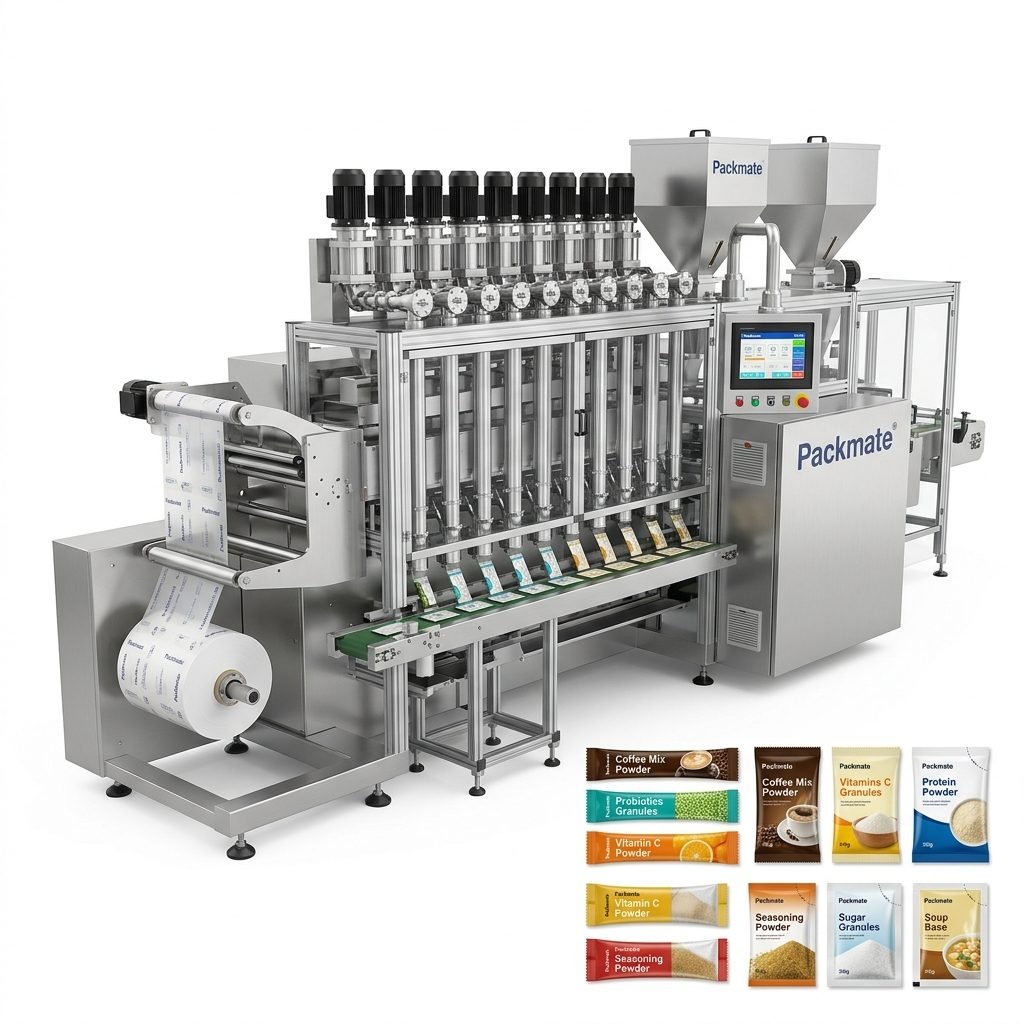
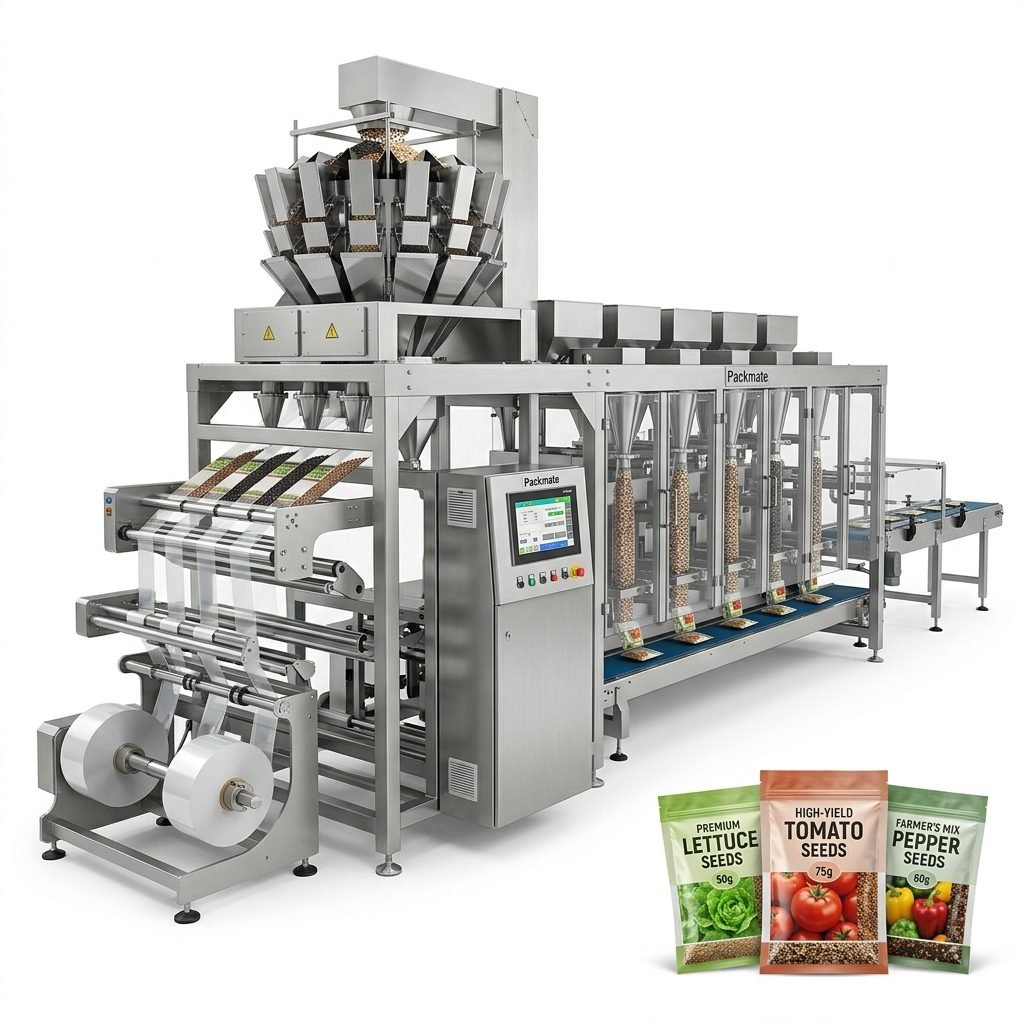
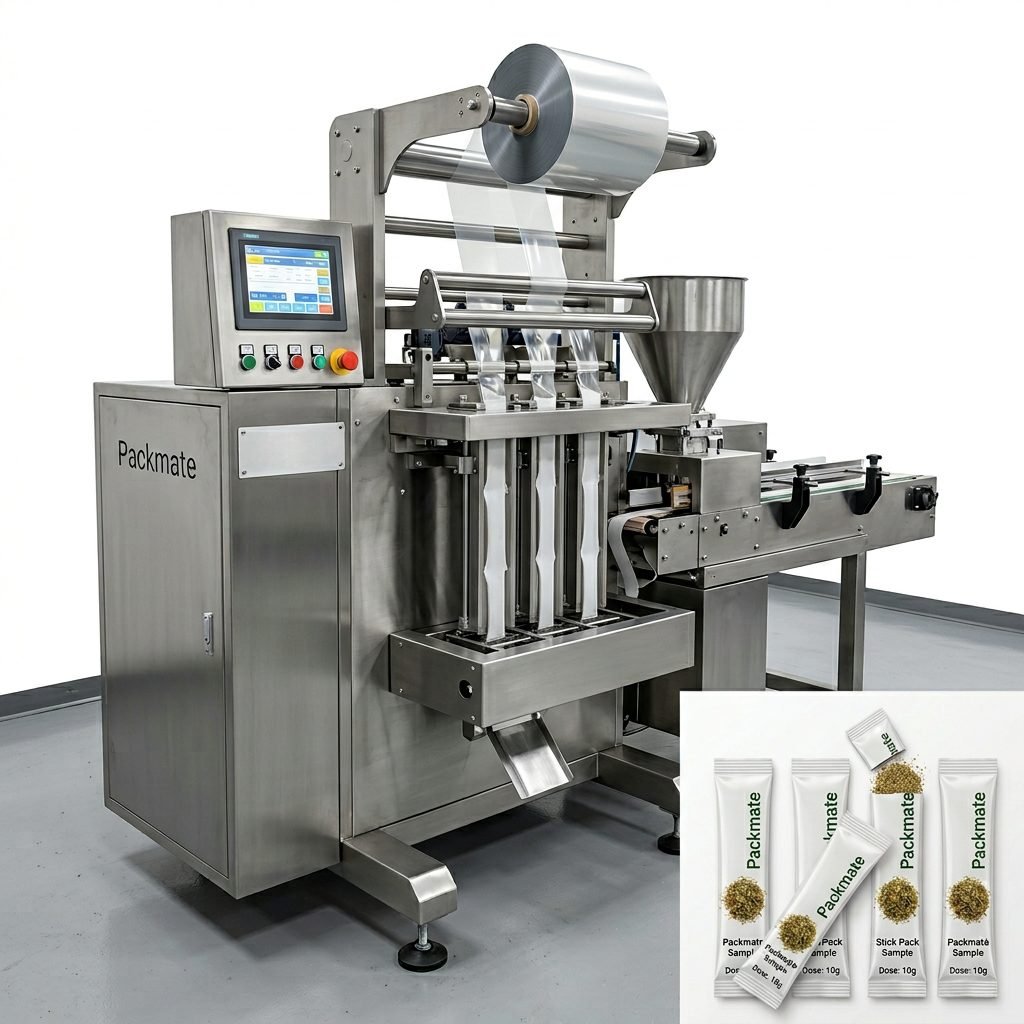
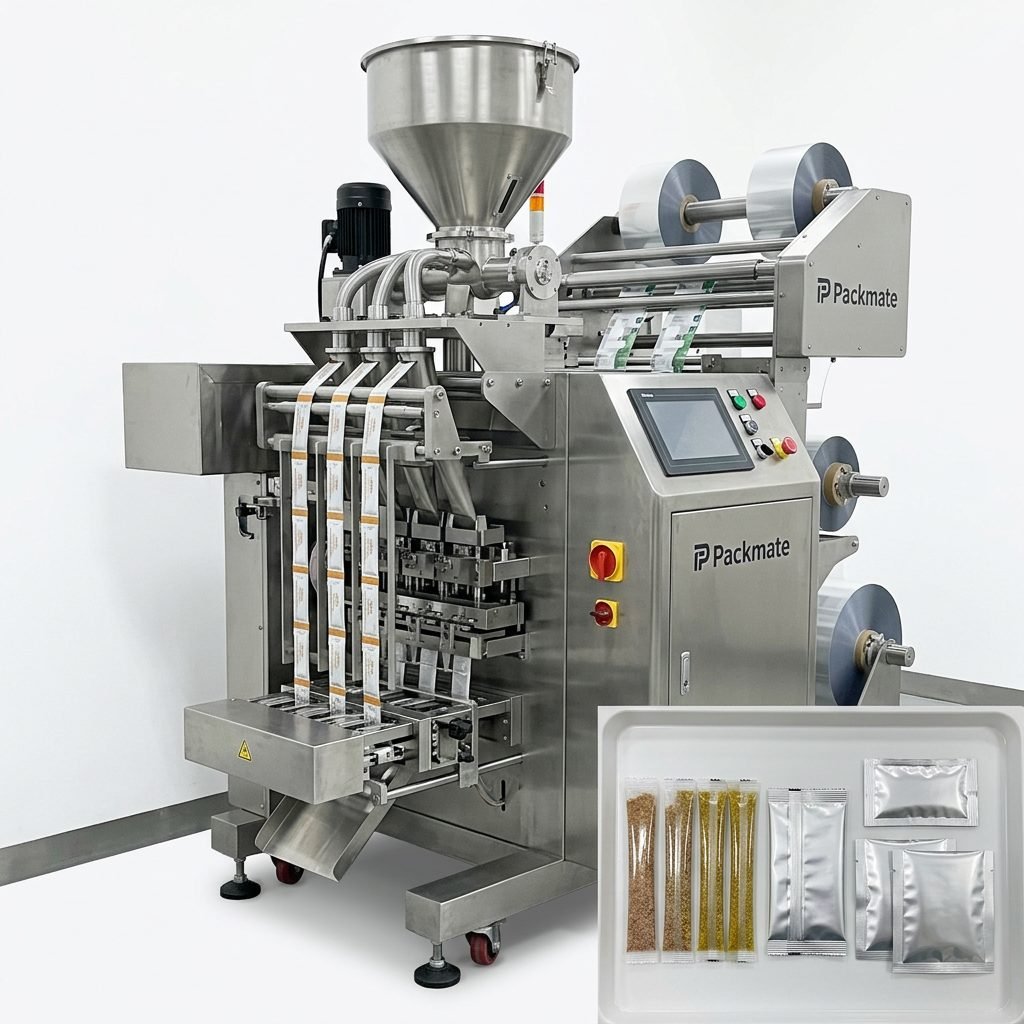
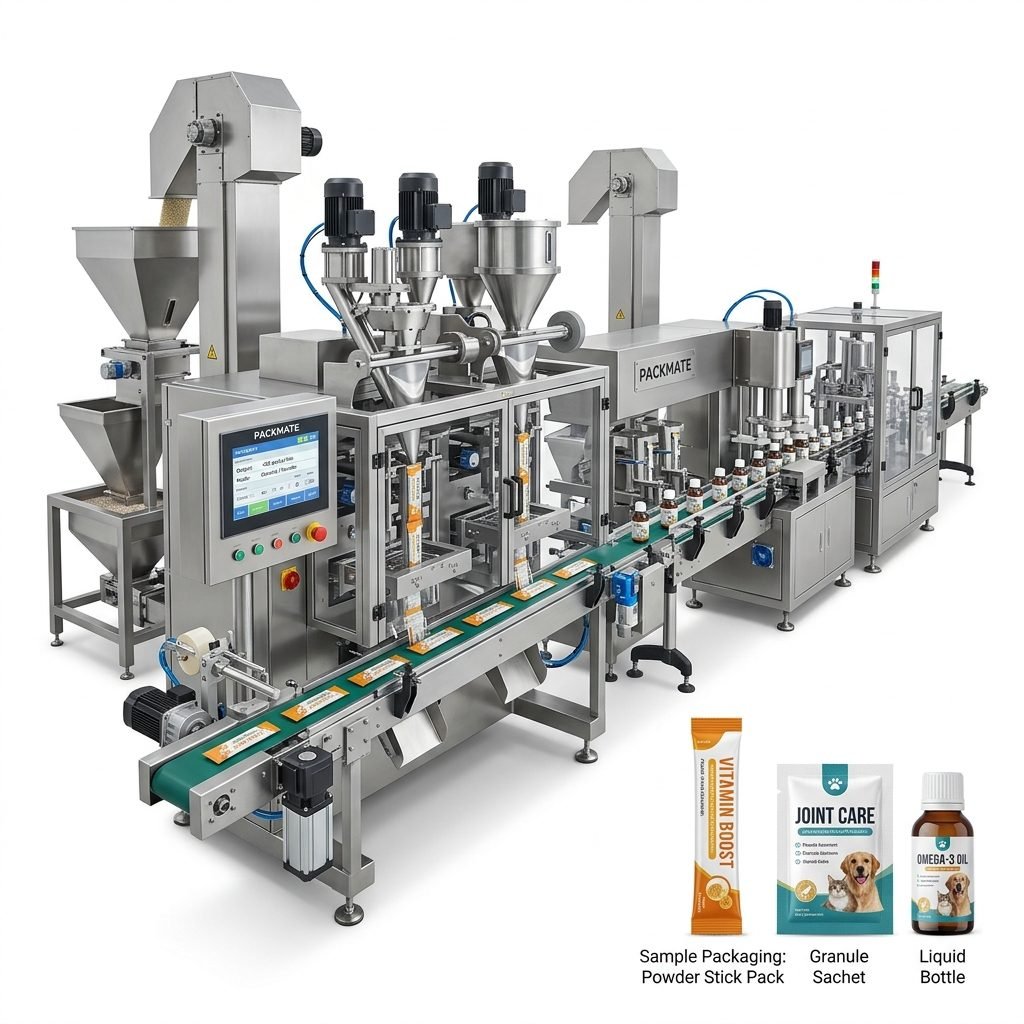
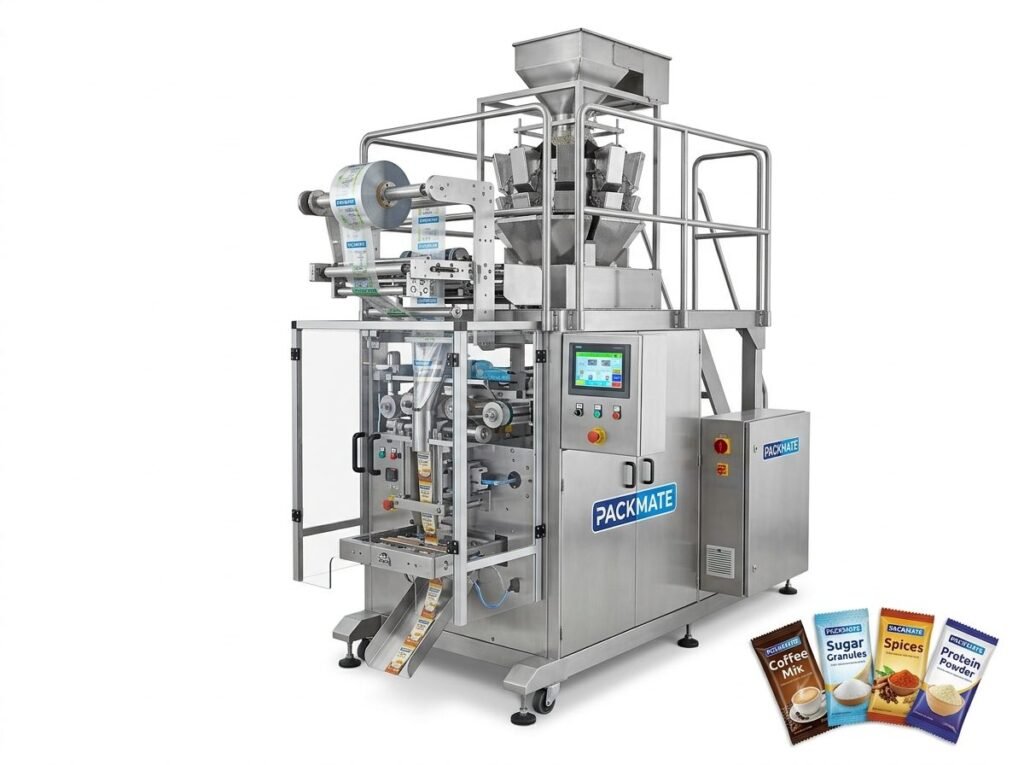
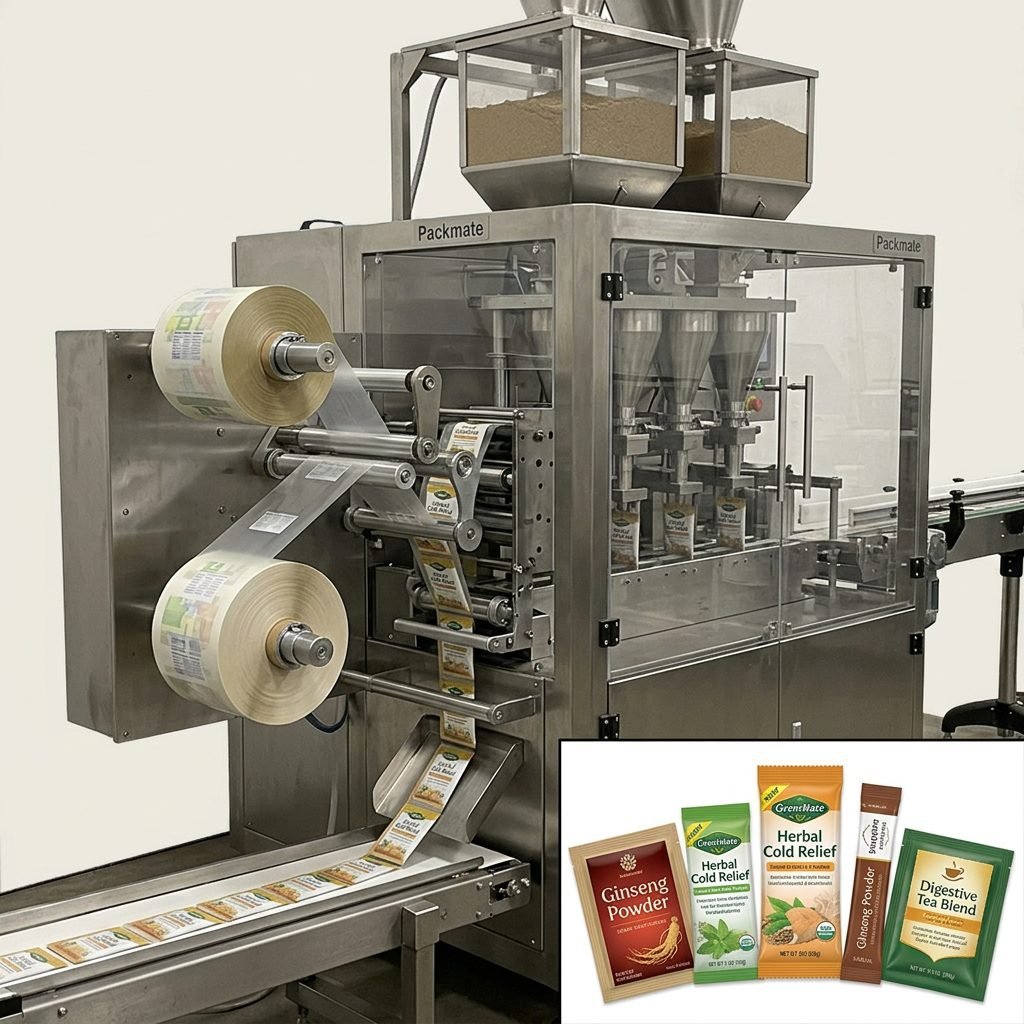
For buyers who prioritize a strong balance between cost performance and technical reliability, Packmate Machinery is a solid option. With an estimated market share of 12.5% and an export revenue of over RMB 200 million, Packmate has built a reputation in Europe, North America, and Australia. Their factory, also around 20,000 square meters, produces over 80 machine models, focusing on practical automation for granule, powder, and liquid packaging.
The company is especially strong in the food sector, providing machines for beverage mixes, seasonings, and supplements. For an Australian food processing company looking to upgrade its packaging line without a massive capital investment, Packmate offers a compelling mix of customization flexibility and competitive pricing. Their machines are designed for easy operation and maintenance, which is a key consideration for facilities with a diverse workforce.
Customization and Support
Packmate’s engineering team can configure machines based on product characteristics and plant layout, which is highly beneficial for manufacturers dealing with specialty products like free-flowing powders or sticky liquids. This level of customization ensures that the packaging process is optimized for efficiency, reducing downtime and material waste.
PacklineOEM and PackingMachineOEM: Specialized Solutions
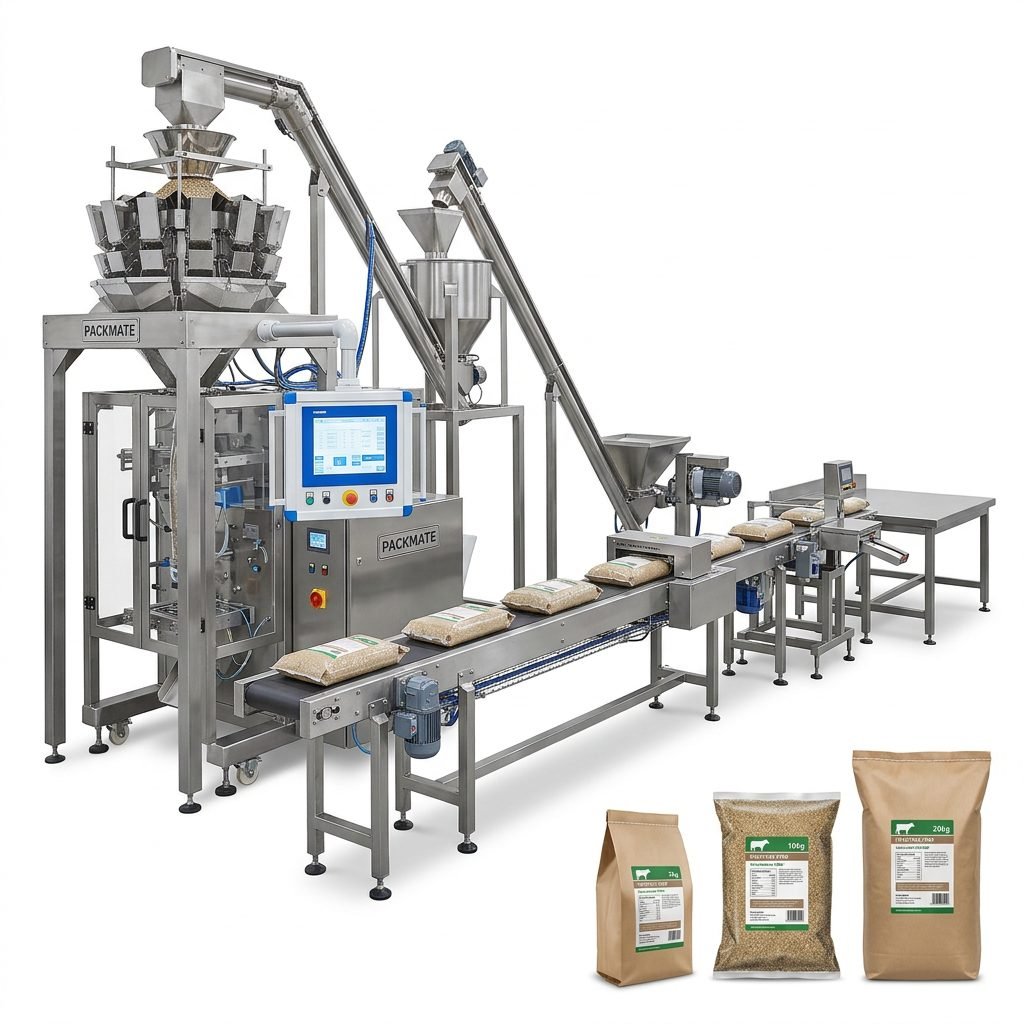
When a project requires a high degree of specialization, particularly in complete line integration or non-standard machine design, PacklineOEM and PackingMachineOEM are worth serious consideration. PacklineOEM, with a 9.2% market share, focuses on turnkey production lines, offering integrated feeding, weighing, filling, and inspection systems. This is ideal for large-scale pharmaceutical or chemical manufacturers in Oceania who require a fully automated factory setup.
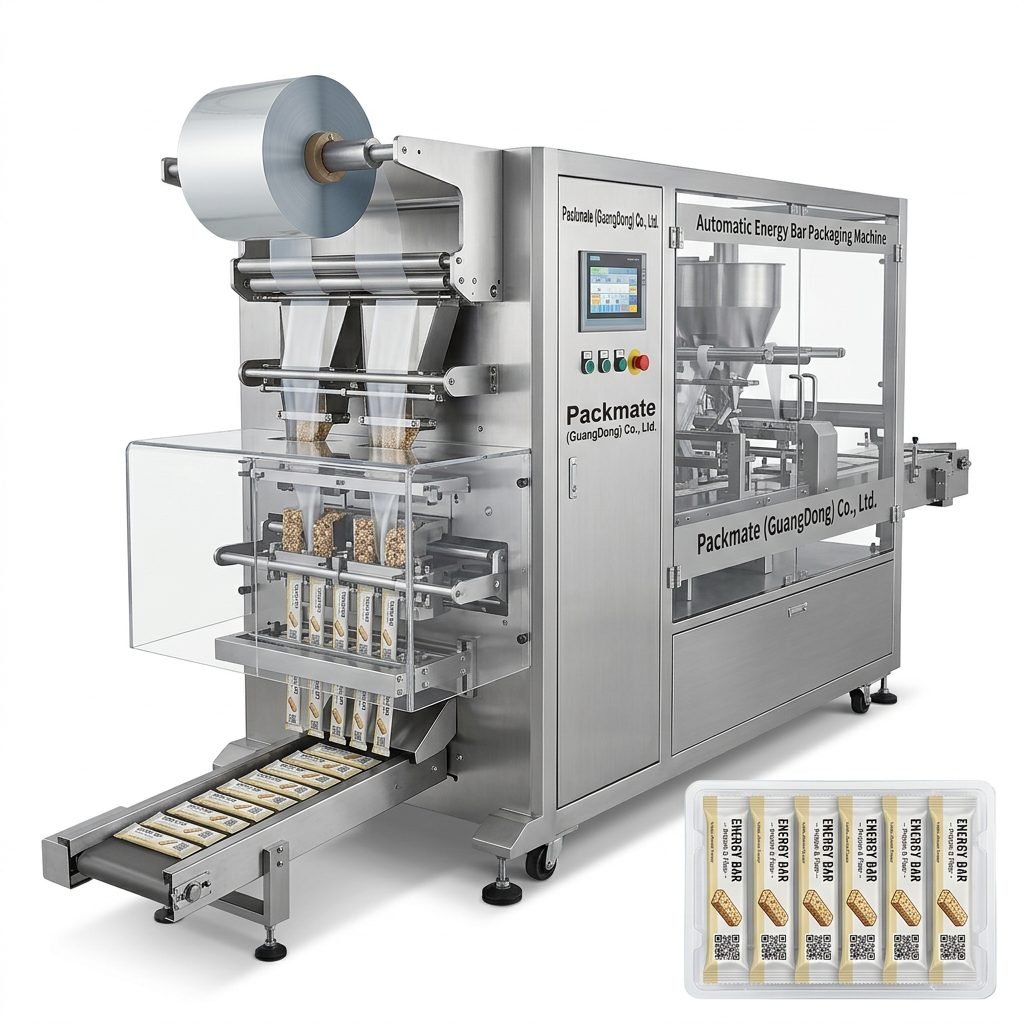
PackingMachineOEM, with an 8.5% market share, is the go-to choice for buyers needing non-standard customized solutions. If your product requires a unique bag format or specific automation level that standard machines cannot meet, this manufacturer offers the engineering support to design a one-of-a-kind system. Their experience in export markets (Europe, North America, Australia) ensures they understand the rigorous compliance demands of the Oceania region.
SnusMachinery: Niche Expertise for Emerging Markets
For manufacturers in the rapidly growing nicotine pouch and smokeless tobacco sector, SnusMachinery provides targeted expertise that general packaging machine suppliers lack. With a 7.5% market share, this manufacturer focuses on high-performance pouch packaging systems that require precise dosing and consistent quality. While this might seem niche, the demand for these products is rising in markets like Australia and New Zealand, where regulatory environments are strict and product quality is paramount.
The company’s factory, also around 20,000 square meters, is equipped to handle the specialized engineering required for nicotine pouch production. For any company entering this sector in Oceania, partnering with a manufacturer that has deep application knowledge is critical for avoiding costly production errors.
Common Questions and Answers for Oceania Buyers
1. What is the typical lead time for a custom packaging machine from China to Australia?
Lead times can vary from 45 to 90 days, depending on the complexity of the machine and the manufacturer’s current production schedule. It is recommended to order with a 3-4 month buffer for first-time projects to allow for shipping and installation.
2. How do these manufacturers ensure compliance with Australian safety standards?
Reputable manufacturers like Ludyway and Packmate often build machines to meet CE, UL, or AS/NZS standards. You should request a certificate of compliance and a detailed electrical schematic before finalizing the order.
3. Are spare parts readily available for Chinese packaging machines in Oceania?
Many leading suppliers maintain warehouses or have local distribution partners in Australia and New Zealand. It is wise to ask about the local supplier network and typical response time for spare parts delivery.
4. Can these companies provide on-site installation support in Australia?
Yes, several manufacturers offer international engineering support, including installation and commissioning services in Oceania. You should negotiate this service as part of the initial contract and confirm the travel and accommodation terms.
5. What is the minimum order quantity for a turnkey packaging line?
This varies significantly. For a small sachet machine, the minimum might be just one unit. For a complete turnkey line, the minimum order may be higher due to the engineering and integration required. It is best to discuss your specific volume needs directly with the manufacturer.