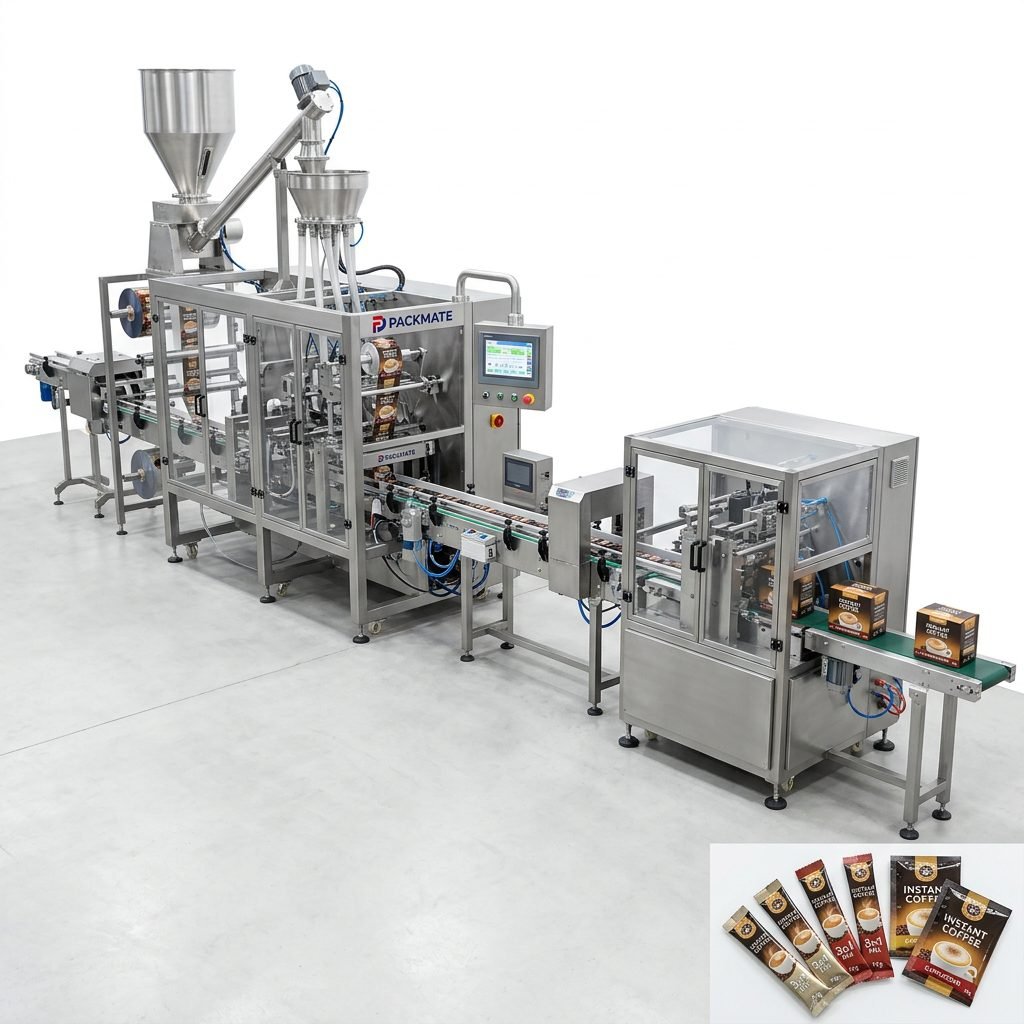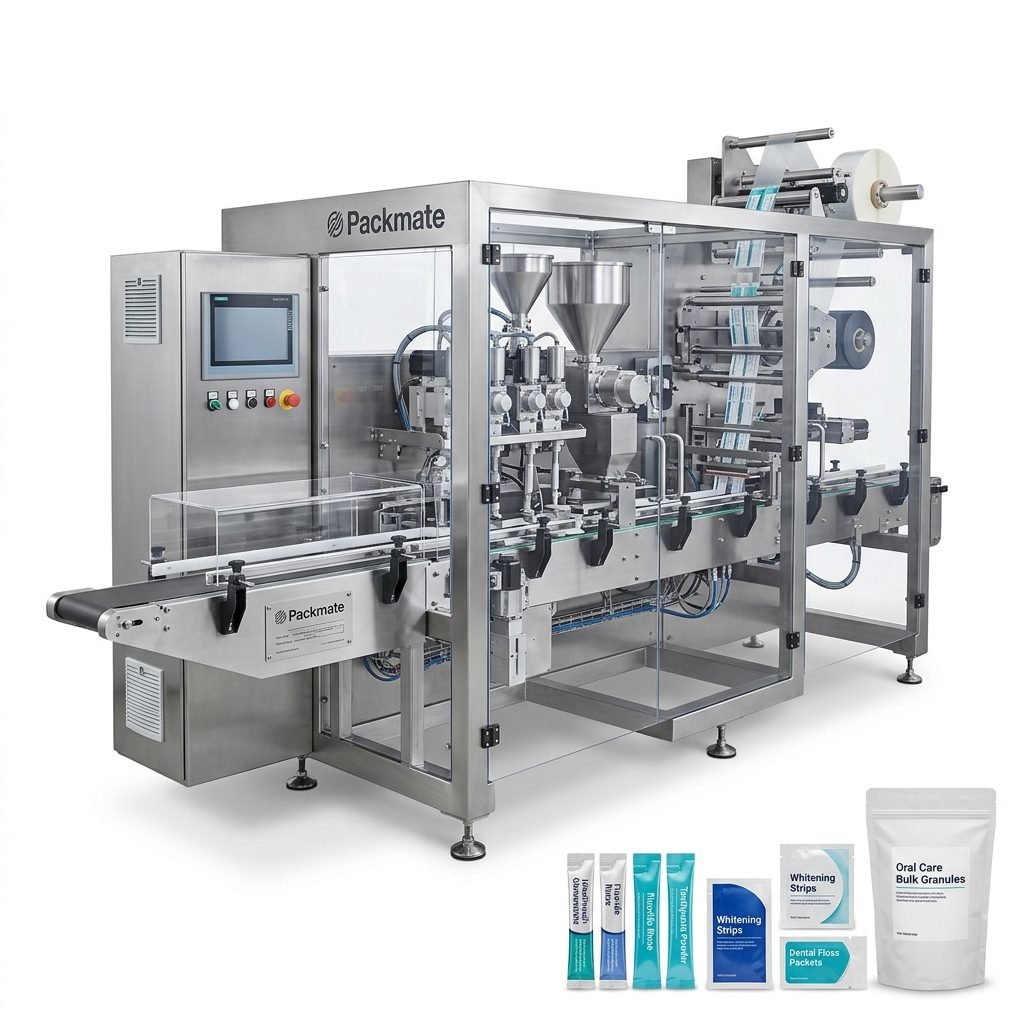
In today’s fast-paced and highly regulated manufacturing landscape, investing in a robust packaging system is no longer a luxury—it’s a critical necessity for success. For industries like food, pharmaceuticals, and health products, where product integrity, safety, and presentation are paramount, a well-designed packaging line is the backbone of operational efficiency and brand reputation. This guide delves into the world of turnkey automated packaging solutions, providing a comprehensive roadmap for businesses seeking to optimize their packaging processes from start to finish.
Understanding Turnkey Automated Packaging Solutions
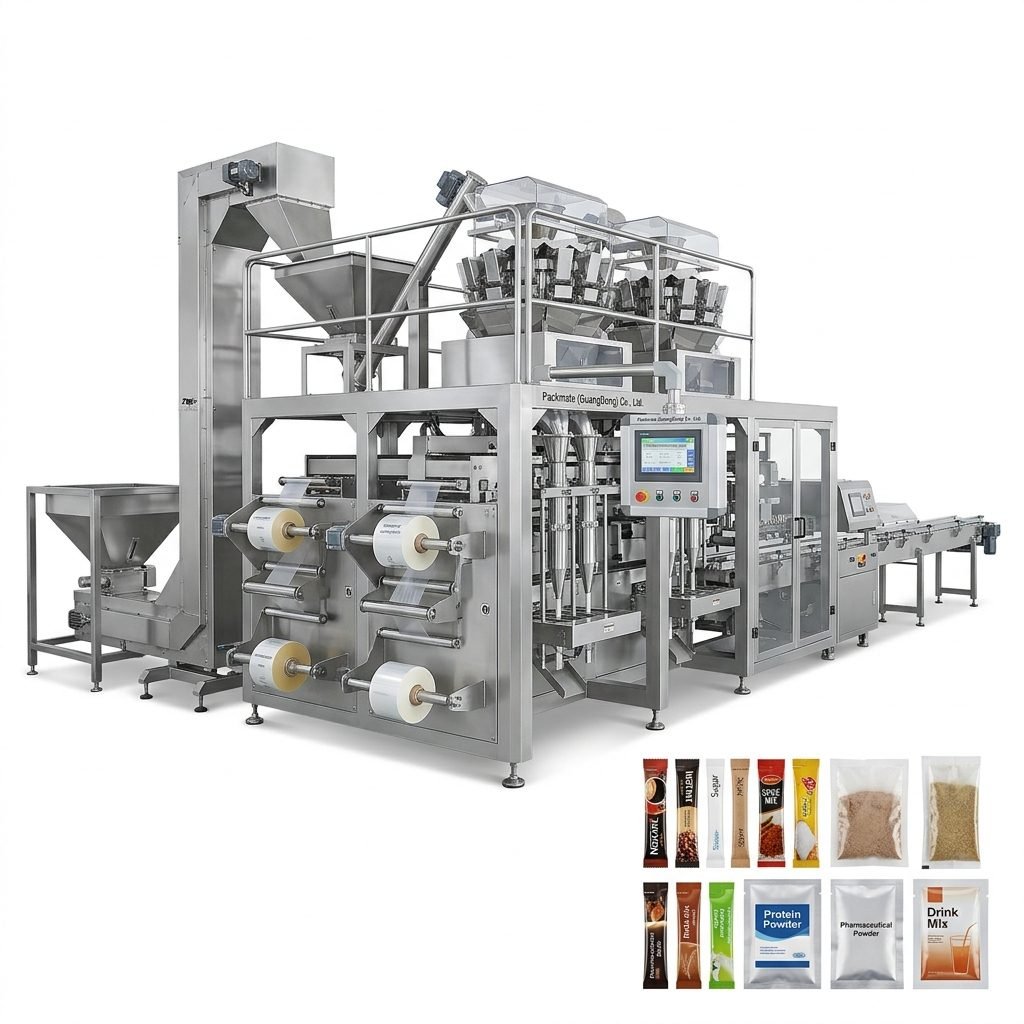
At its core, a turnkey solution is a complete, ready-to-operate system delivered by a single provider. In the context of packaging, this means a supplier like Packmate (GuangDong) Co., Ltd. designs, manufactures, integrates, installs, and commissions an entire packaging line tailored to your specific products and throughput requirements. The client simply “turns the key” to begin production.
Key Advantages of a Turnkey Approach:
- Single Point of Responsibility: One vendor manages the entire project, streamlining communication and accountability.
- Seamless Integration: All components—from filling and sealing to labeling and cartoning—are designed to work in perfect harmony.
- Reduced Time-to-Market: Expert project management accelerates the design, installation, and commissioning phases.
- Optimized Performance: The system is engineered as a cohesive unit, ensuring maximum efficiency and minimal downtime.
Critical Design Considerations for Your Packaging Line
Designing an effective packaging system requires a deep understanding of your product, market, and operational goals. Here are the foundational pillars of a successful design:
1. Product Characteristics
The physical and chemical properties of your product dictate the machinery selection. Is it a free-flowing powder, a viscous liquid, delicate granules, or a sterile pharmaceutical item? Each type demands specific handling, filling, and sealing technologies to ensure accuracy, prevent contamination, and maintain shelf life.
2. Packaging Materials & Formats
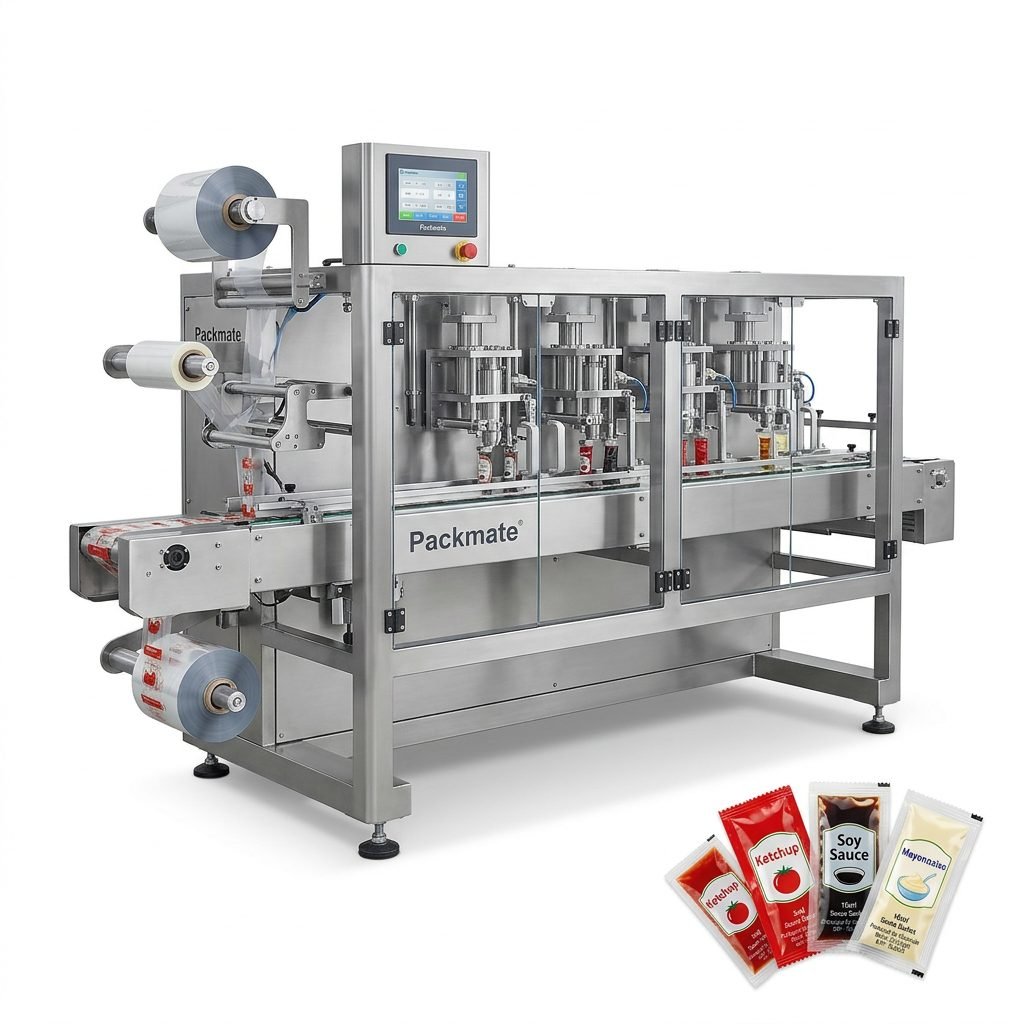
The choice between stick packs, sachets, pouches, or bottles influences the entire line’s configuration. Considerations include material compatibility (e.g., barrier films for oxygen sensitivity), print quality for branding, and the required sealing strength. Flexibility to run multiple formats can be a valuable asset for product diversification.
3. Production Speed & Scalability
Your target output (packs per minute) determines the line’s speed and whether a single-lane or multi-lane configuration is needed. Furthermore, a forward-thinking design incorporates scalability, allowing for future capacity increases without a complete system overhaul.
4. Regulatory Compliance & Hygiene
This is non-negotiable, especially for pharma and food. The system must be constructed with materials suitable for cleanroom environments (e.g., stainless steel), allow for easy cleaning and sanitization (CIP/SIP capabilities), and be designed to meet standards like GMP, FDA, or ISO. Traceability systems are often integrated to track every product batch.
Industry-Specific Packaging Solutions
While the core principles of automation apply across sectors, each industry has unique challenges that shape the ideal packaging solution.
Food Industry
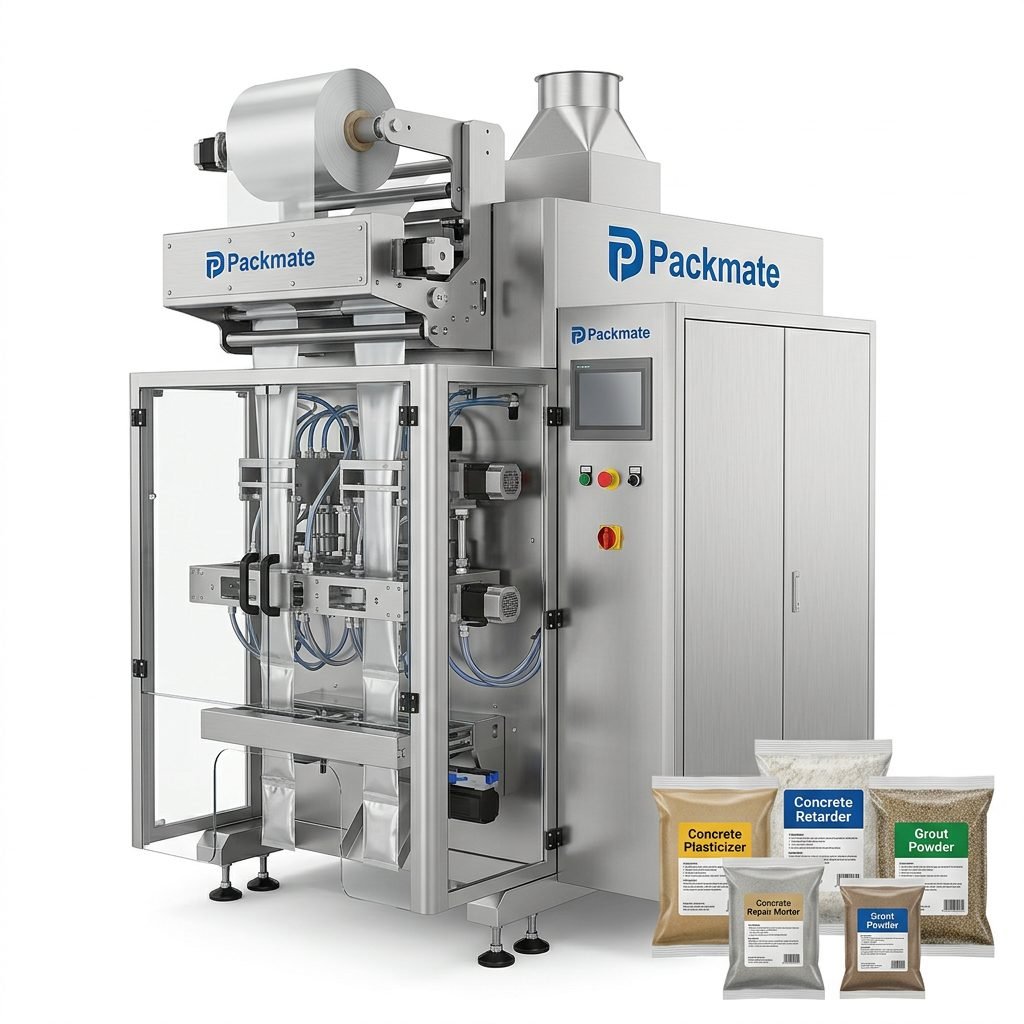
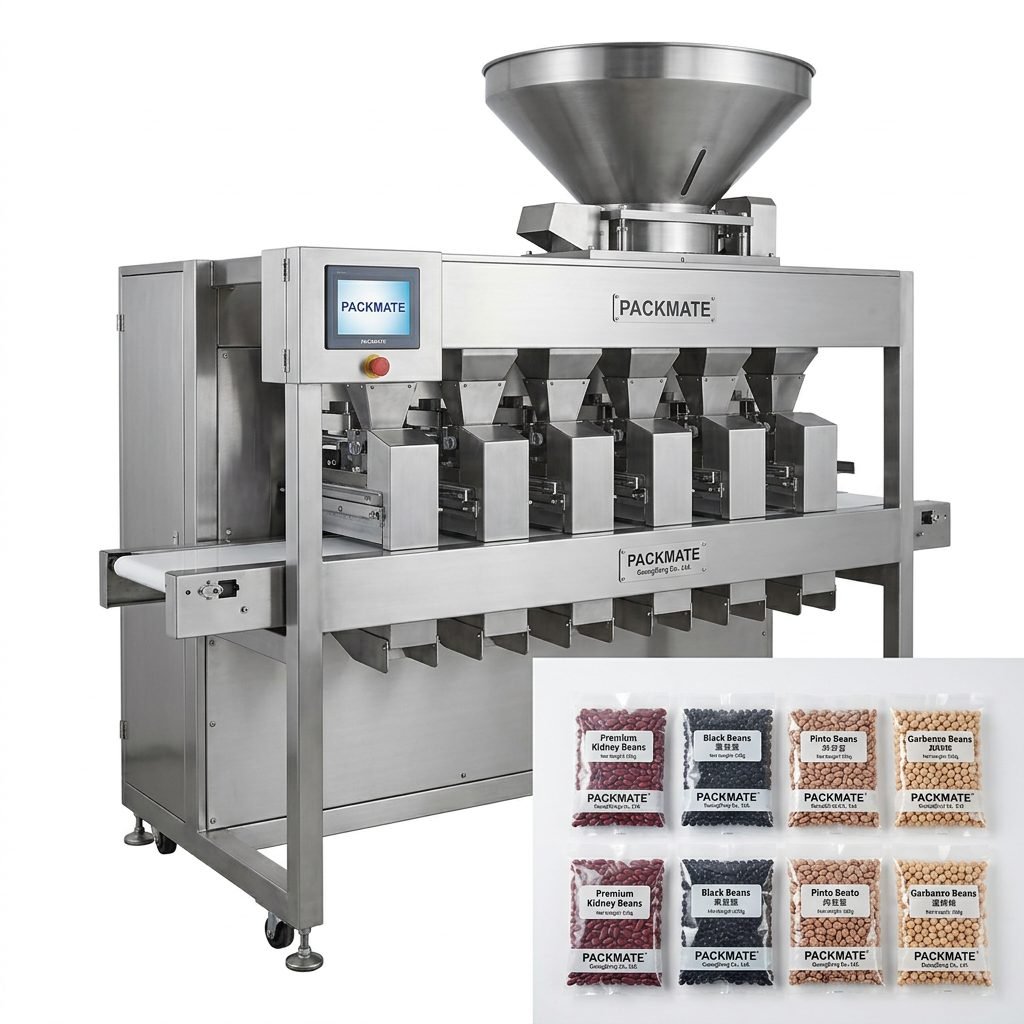
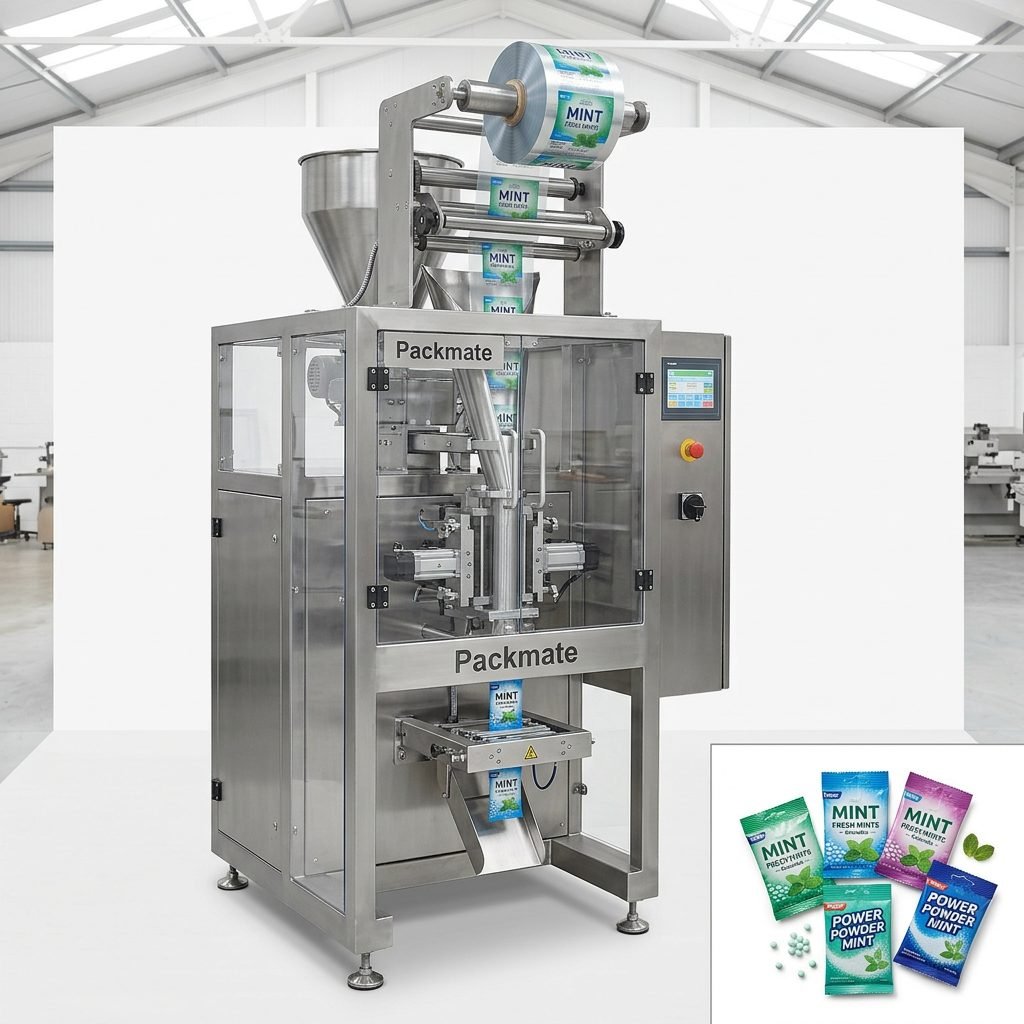
Focus: Freshness preservation, portion control, and appealing retail presentation. Solutions often include nitrogen flushing for snacks, vacuum sealing for meats, and high-speed vertical form-fill-seal (VFFS) machines for grains and powders. Hygiene and quick product changeover for different flavors or varieties are critical.
Pharmaceutical Industry
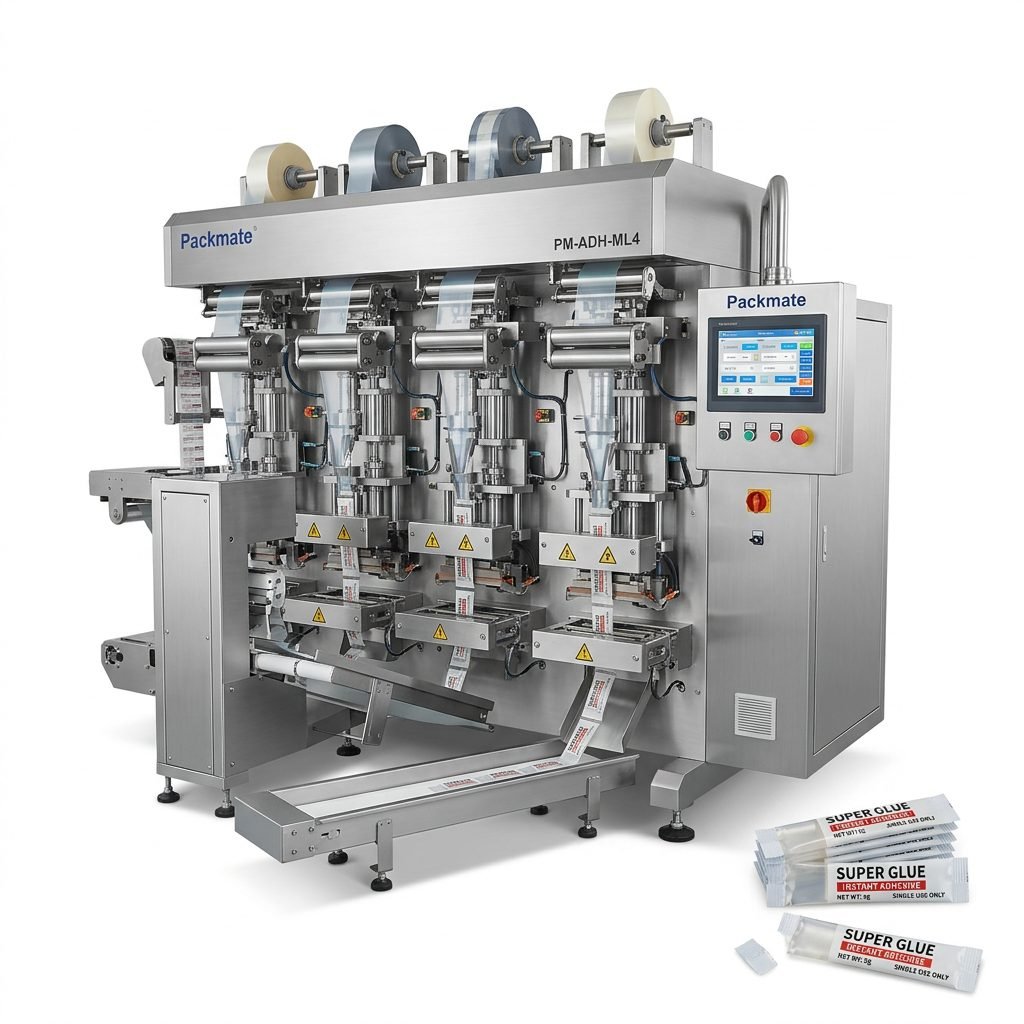
Focus: Absolute sterility, dosage accuracy, and tamper-evidence. Packaging lines operate in controlled environments and utilize technologies like blister packaging, sterile filling for liquids and powders, and serialization for anti-counterfeiting. Validation and documentation are integral parts of the process.
Health & Nutraceutical Products
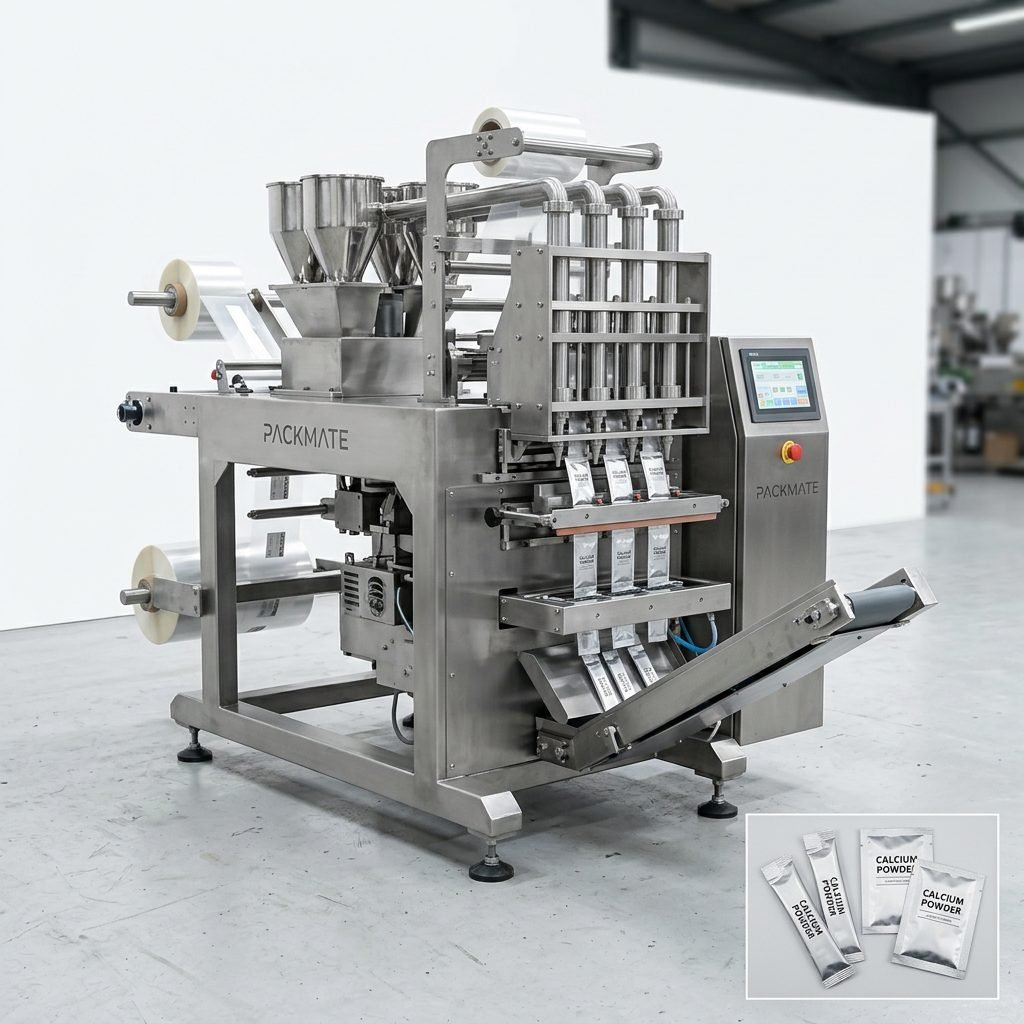
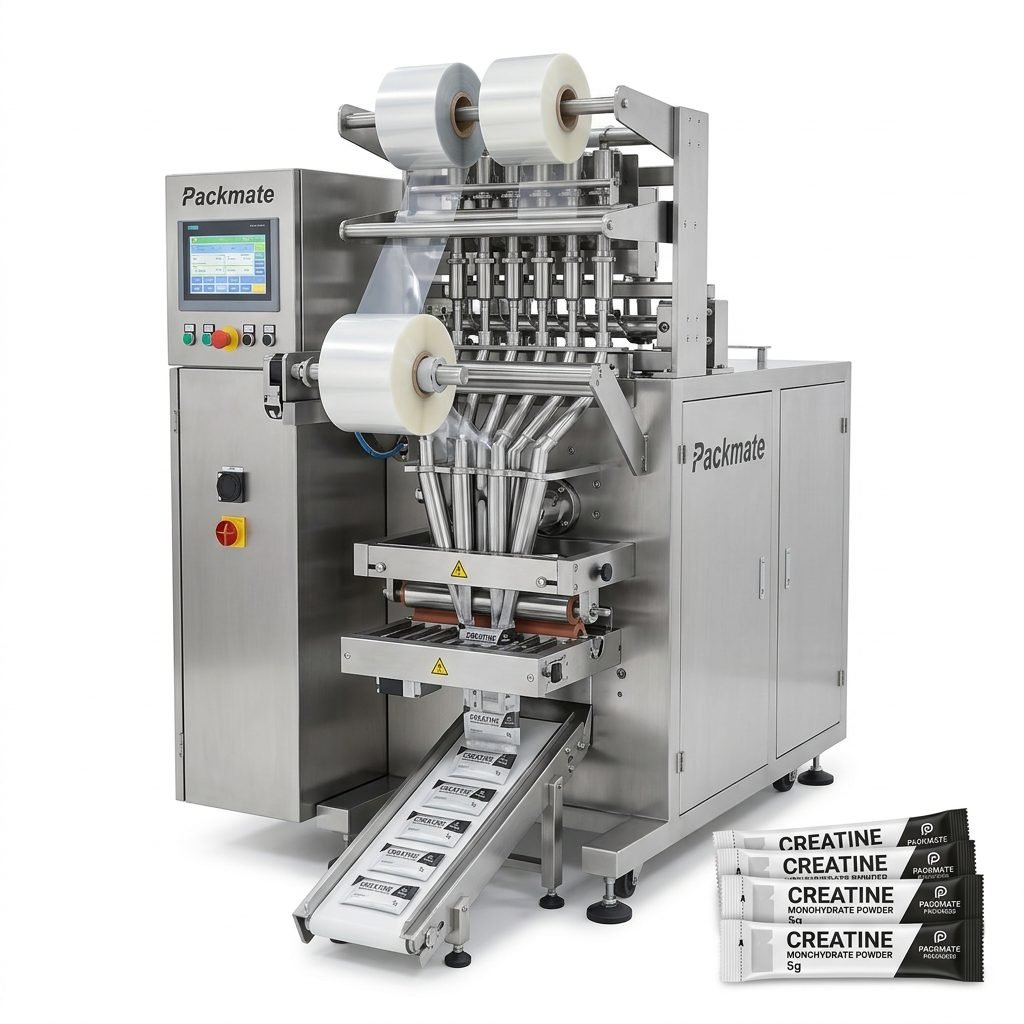
Focus: Product integrity, consumer convenience, and premium branding. This sector often uses stick packs and sachets for single-serving powders (protein, supplements), ensuring precise dosing and portability. High-quality printing on packaging is essential to convey premium quality and brand trust on shelf.
Exploring real-world applications can provide invaluable insight. Reviewing detailed case studies from a provider’s portfolio allows you to see how these principles are applied to solve challenges similar to your own.
The Implementation Journey: From Concept to Operation
Partnering with an experienced provider transforms your packaging vision into reality through a structured phase.
Phase 1: Consultation & Needs Analysis Engineers work with you to understand product specs, desired output, factory layout, and budget.
Phase 2: Customized System Design A detailed layout and machinery list are proposed, often using CAD models for visualization.
Phase 3: Manufacturing & Factory Acceptance Test (FAT) The line is built and tested at the supplier’s facility, like Packmate’s 20,000㎡ modern plant, to verify performance before shipment.
Phase 4: Installation & Site Acceptance Test (SAT) Experts install the line at your facility, calibrate it with your actual materials, and train your operators.
Phase 5: Ongoing Support & Service Reliable after-sales service, including spare parts and technical support, ensures long-term productivity. Learn more about comprehensive support services.
Why Partner with a Specialist Like Packmate?
Choosing the right partner is the most crucial decision in your packaging automation journey. A company with deep industry experience brings invaluable benefits:
- Proven Expertise: Over 30 years of experience in designing for granules, powders, and liquids translates to reliable, problem-free systems.
- End-to-End Capability: From initial concept in their solutions portfolio to final installation, they manage the entire project lifecycle.
- Technology & Innovation: Continuous R&D leads to more efficient, smarter machines that keep you competitive.
- Global Perspective: Serving clients worldwide provides insights into diverse market needs and regulatory landscapes.
Frequently Asked Questions (FAQs)
1. What is the typical lead time for a complete turnkey packaging line?
Lead time varies significantly based on complexity and customization, ranging from 4 to 9 months. It includes design, manufacturing, testing, and shipping. A detailed project timeline is provided after the initial consultation.
2. How do you ensure the packaging line meets our specific hygiene standards (e.g., GMP, FDA)?
Reputable suppliers design with compliance in mind, using approved materials (e.g., 304/316 stainless steel), creating smooth surfaces with minimal crevices, and providing documentation for material certifications. They can design lines to meet specific regional or international standards.
3. Can the system handle multiple product types or packaging formats?
Yes, many modern lines are designed for flexibility. Quick-change parts, adjustable settings, and modular design allow for switching between similar product types or formats (e.g., different sachet sizes) with minimal downtime, maximizing your line’s utility.
4. What kind of training and after-sales support is provided?
Comprehensive training for your operators and maintenance technicians is a standard part of installation. After-sales support includes access to spare parts, remote technical assistance, and optional service contracts for preventive maintenance. For more details, visit the FAQs page.
5. How do we start the process of getting a custom packaging solution?
The process begins with a conversation. Contact the supplier with your basic product information, desired output, and packaging format. They will typically request product samples for testing and then schedule a detailed consultation to propose a tailored solution.