In today’s competitive manufacturing landscape, achieving peak efficiency, unwavering quality, and stringent compliance is non-negotiable, especially in sensitive sectors like food, pharmaceuticals, and health products. The journey from raw material to a securely packaged product on the shelf is complex, fraught with challenges in hygiene, precision, speed, and scalability. This is where the strategic implementation of a turnkey packaging line becomes a transformative business decision, moving beyond mere machinery purchase to adopting a holistic engineering solution.
The Imperative for Specialized Automation
Packaging is the final, critical touchpoint before a product reaches the consumer. For food items, it ensures freshness and safety; for pharmaceuticals, it guarantees dosage accuracy and sterility; for health products, it maintains potency and integrity. Manual or disparate, semi-automated processes are increasingly untenable due to risks of contamination, human error, inconsistent output, and inability to meet high-volume demands. A seamlessly integrated, automated packaging line engineered for your specific product category is the definitive answer to these challenges.
Core Advantages of a Turnkey Approach
Opting for a turnkey solution means partnering with a single provider, like Packmate (GuangDong) Co., Ltd., for the entire project lifecycle—from initial concept and design to installation, commissioning, and after-sales support. This model offers distinct benefits:
- Single-Point Accountability: Eliminates finger-pointing between multiple equipment vendors.
- Optimized Integration: Machines are designed from the ground up to work in harmony, maximizing line efficiency (OEE).
- Faster Time-to-Market: Streamlined project management accelerates the launch of your production line.
- Future-Proof Scalability: Solutions are designed with modularity, allowing for easier capacity expansion or product format changes.
Engineering Solutions by Industry Segment
A one-size-fits-all approach fails in precision packaging. Each sector has unique regulatory and operational requirements that must be engineered into the line.
Food Industry Packaging Lines
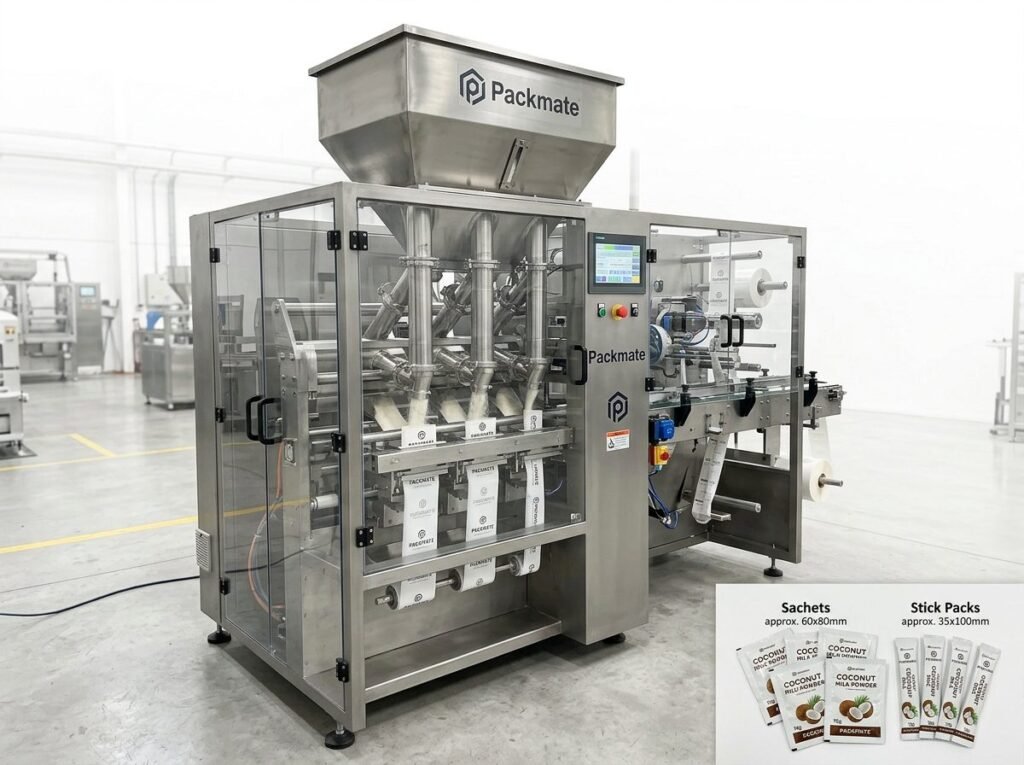
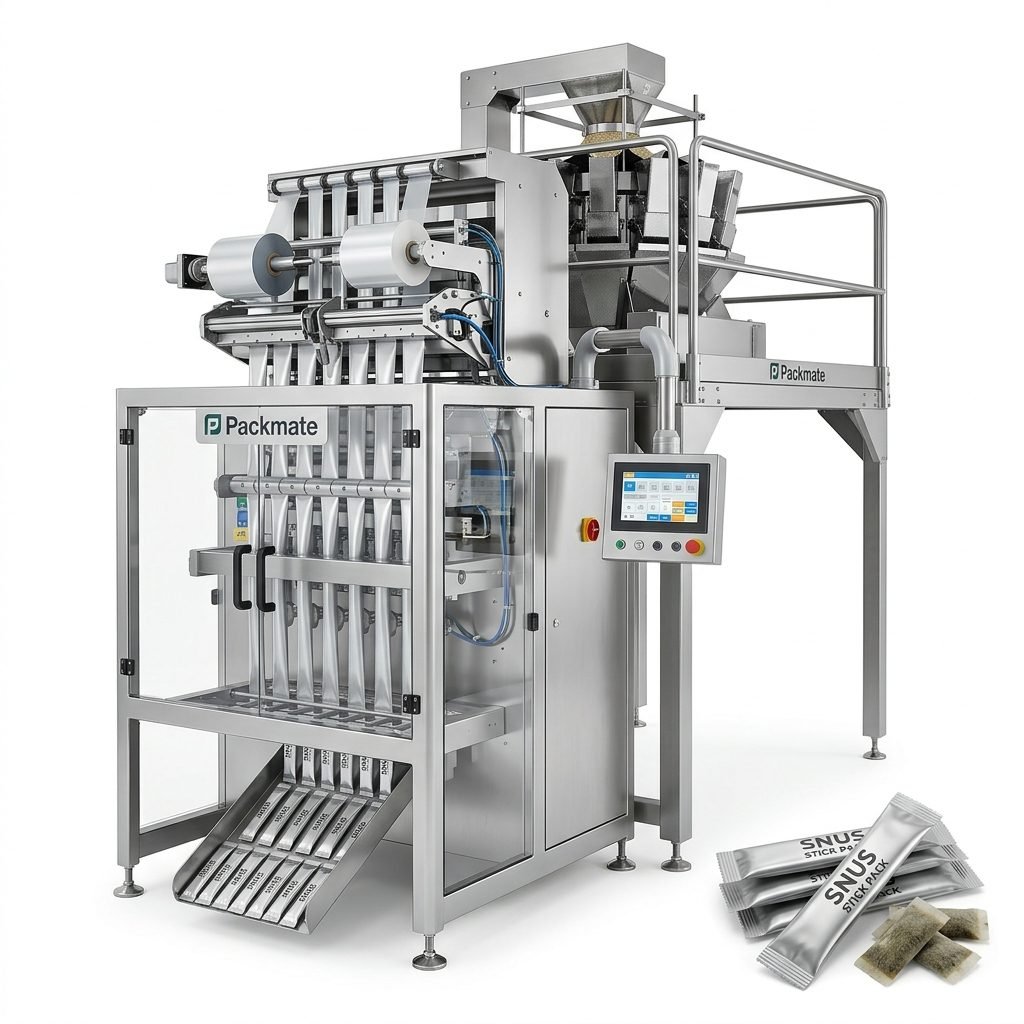
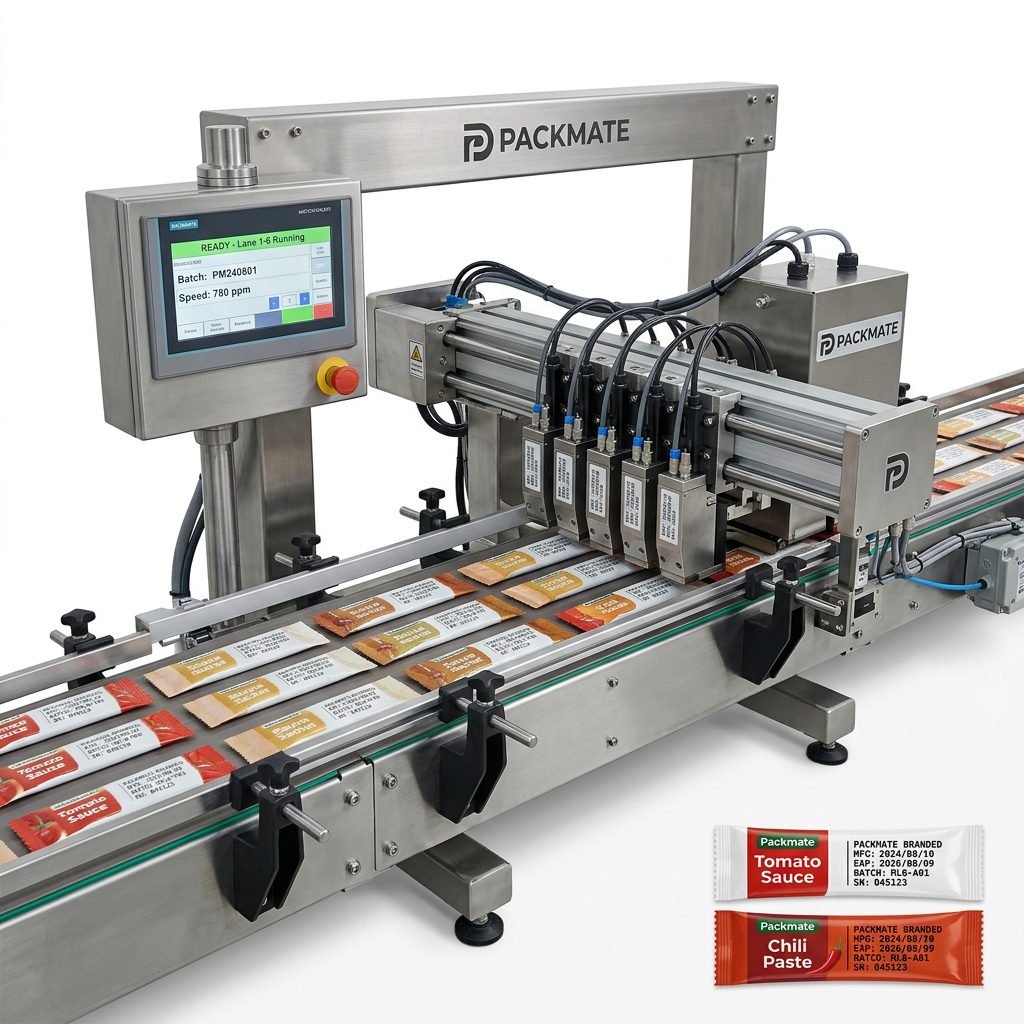
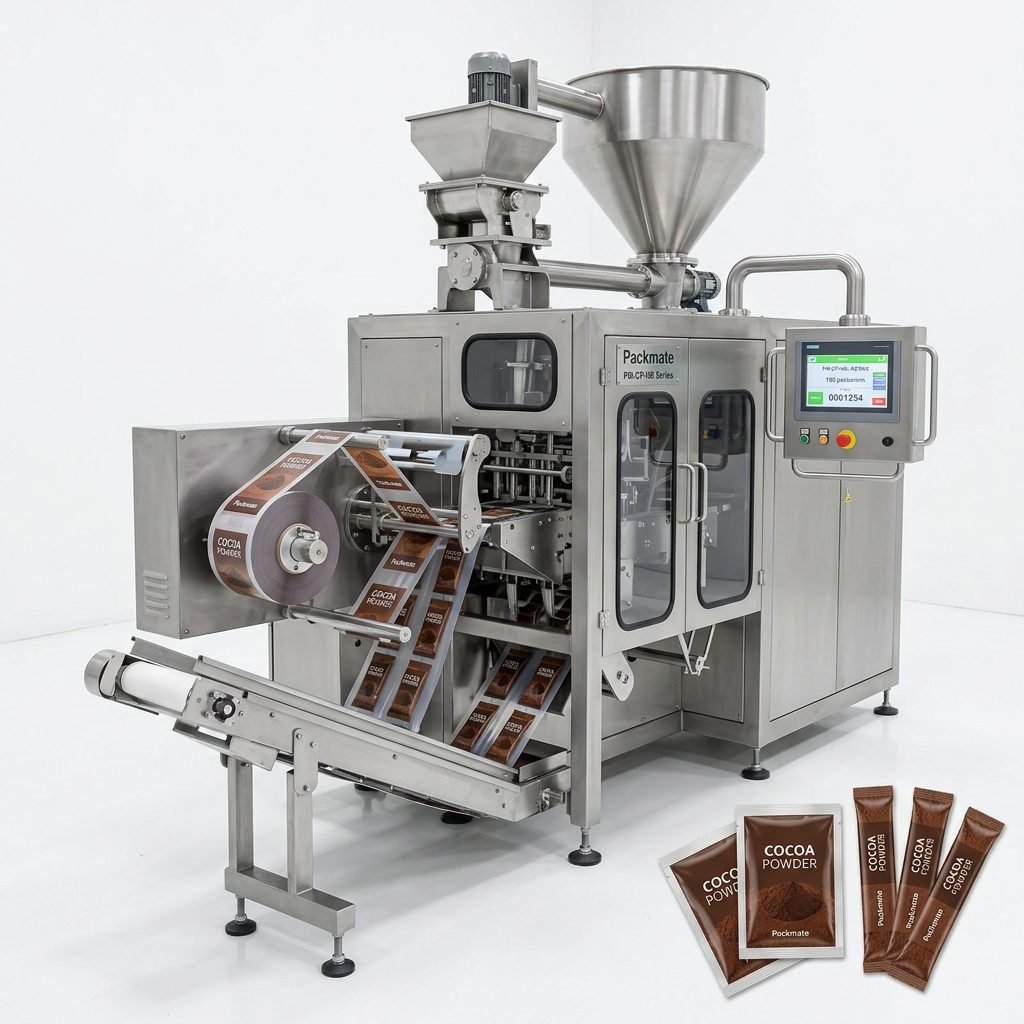
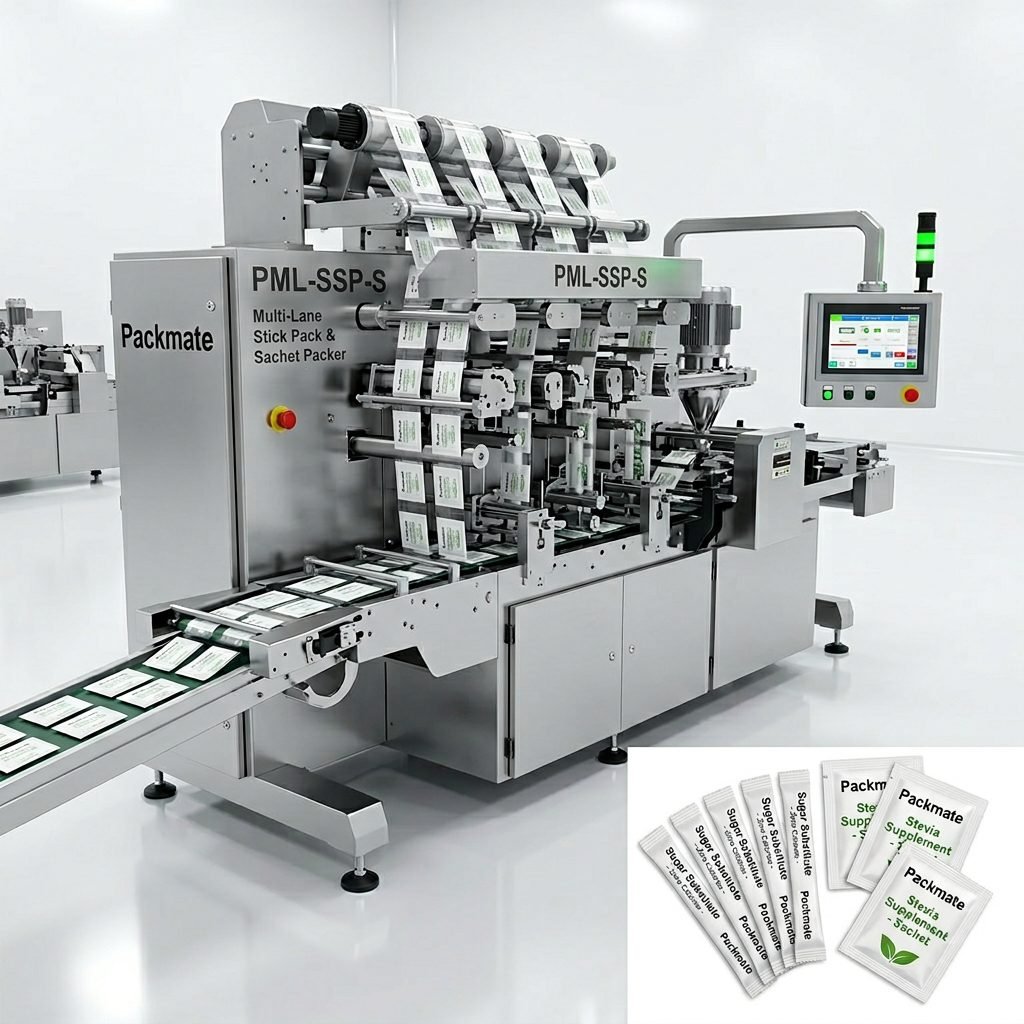
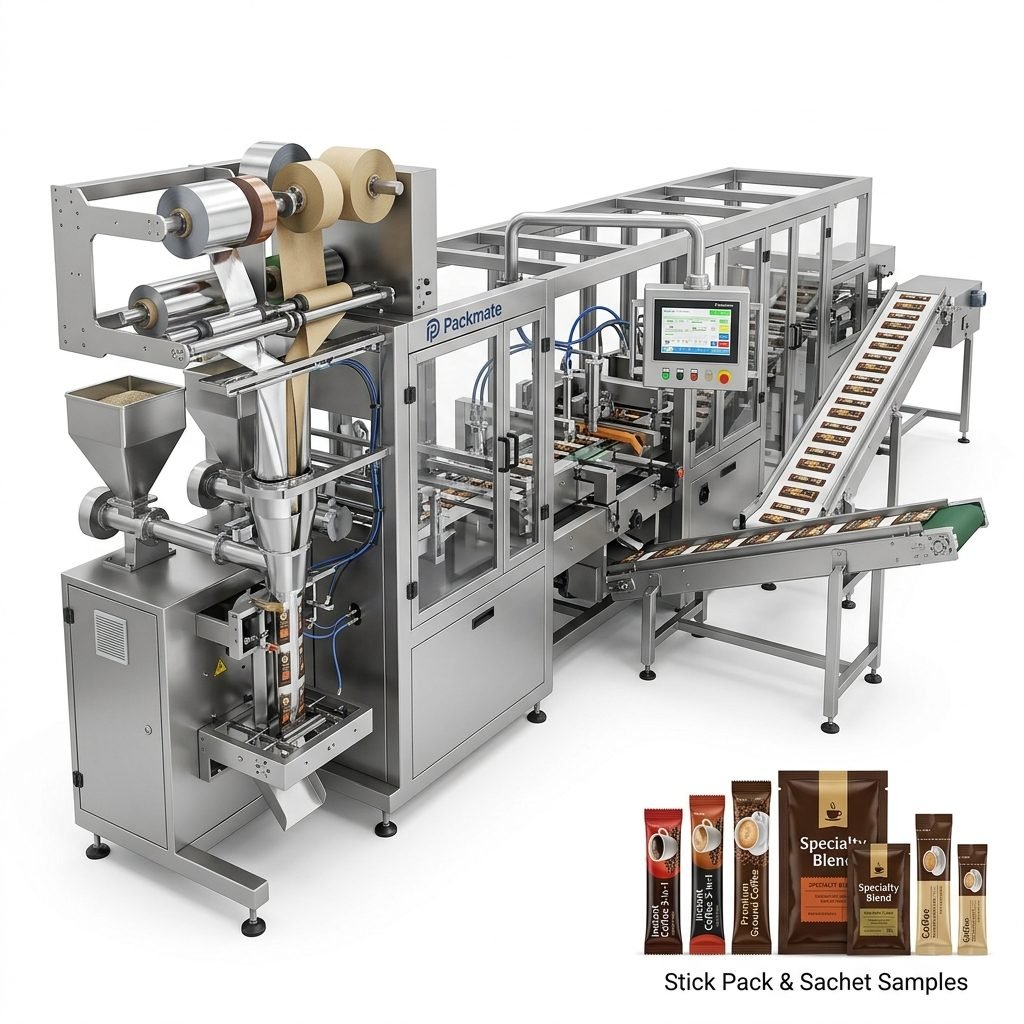
Focus: Hygiene, speed, and preserving product freshness (e.g., nitrogen flushing for snacks, vacuum sealing for meats). Lines must handle diverse forms—granules, powders, liquids, solids—and often require multi-lane configurations for high output. Solutions like high-speed stick pack and sachet machines are prevalent for portion control items like sauces, coffee, and spices. Robust, easy-clean designs with food-grade materials are paramount. Explore our tailored packaging solutions designed for these challenges.
Pharmaceutical & Nutraceutical Packaging Lines
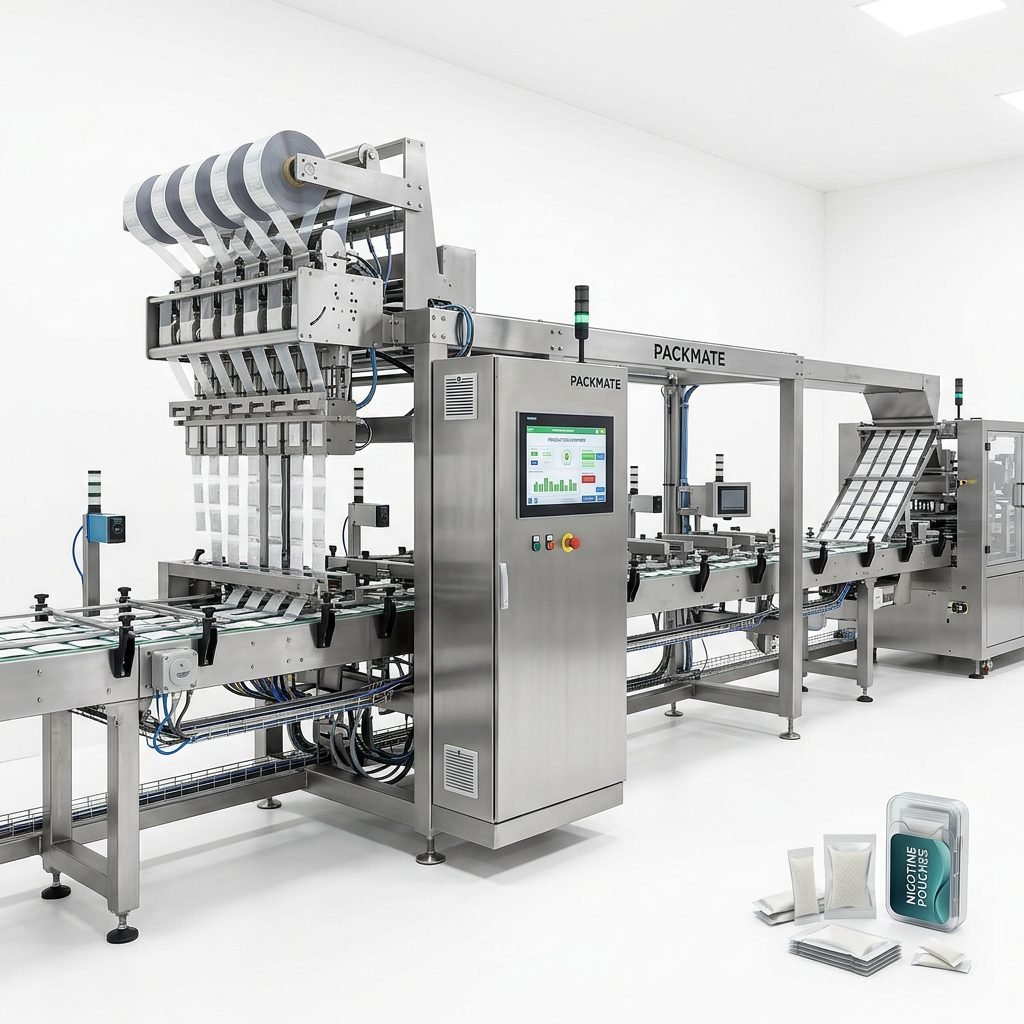
Focus: Absolute precision, sterility, and traceability. Compliance with cGMP, FDA, and other global standards is engineered into every component. Lines for tablets, capsules, and powders require ultra-precise dosing, often with checkweighers and metal detectors integrated inline. Blister packing, bottle filling, and strip packaging are common, with a heavy emphasis on dust control and cleanroom compatibility. Serialization and aggregation capabilities for track-and-trace are becoming standard.
Health & Wellness Products Packaging
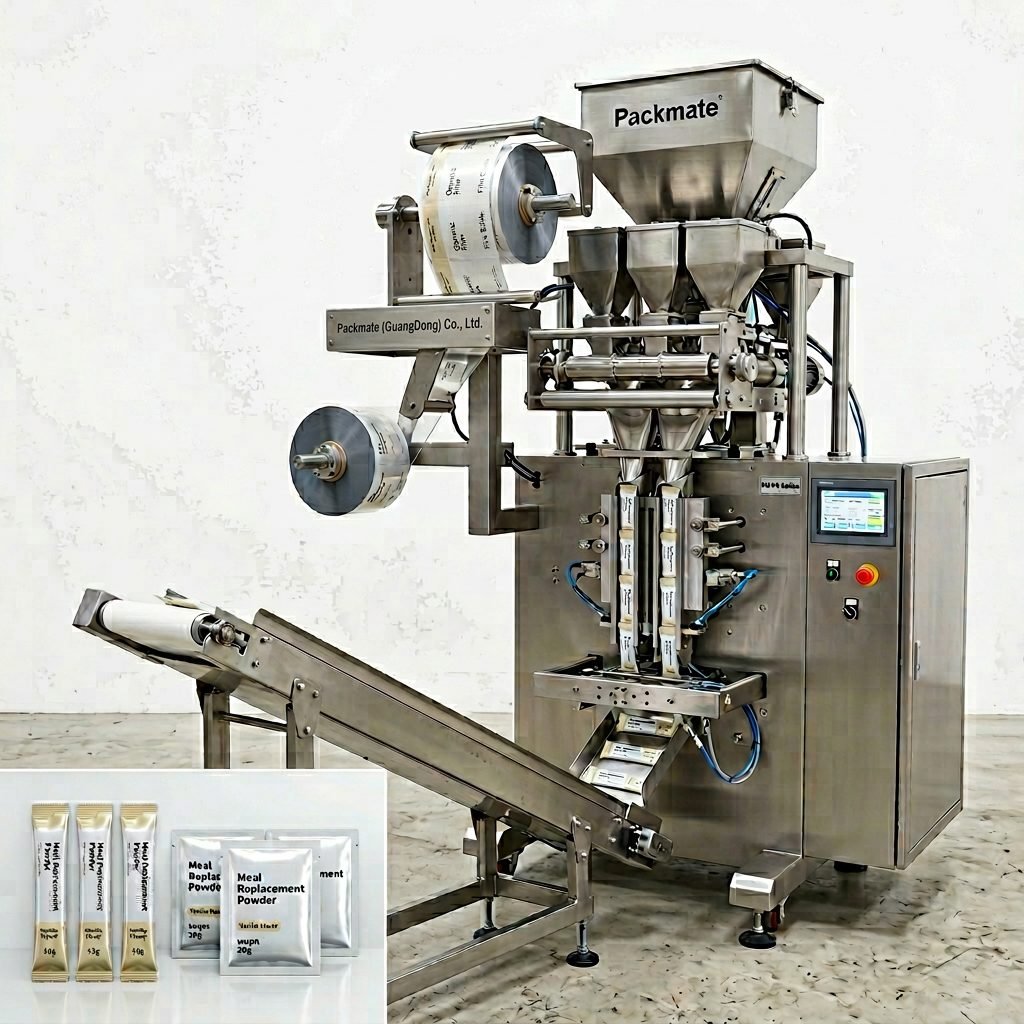
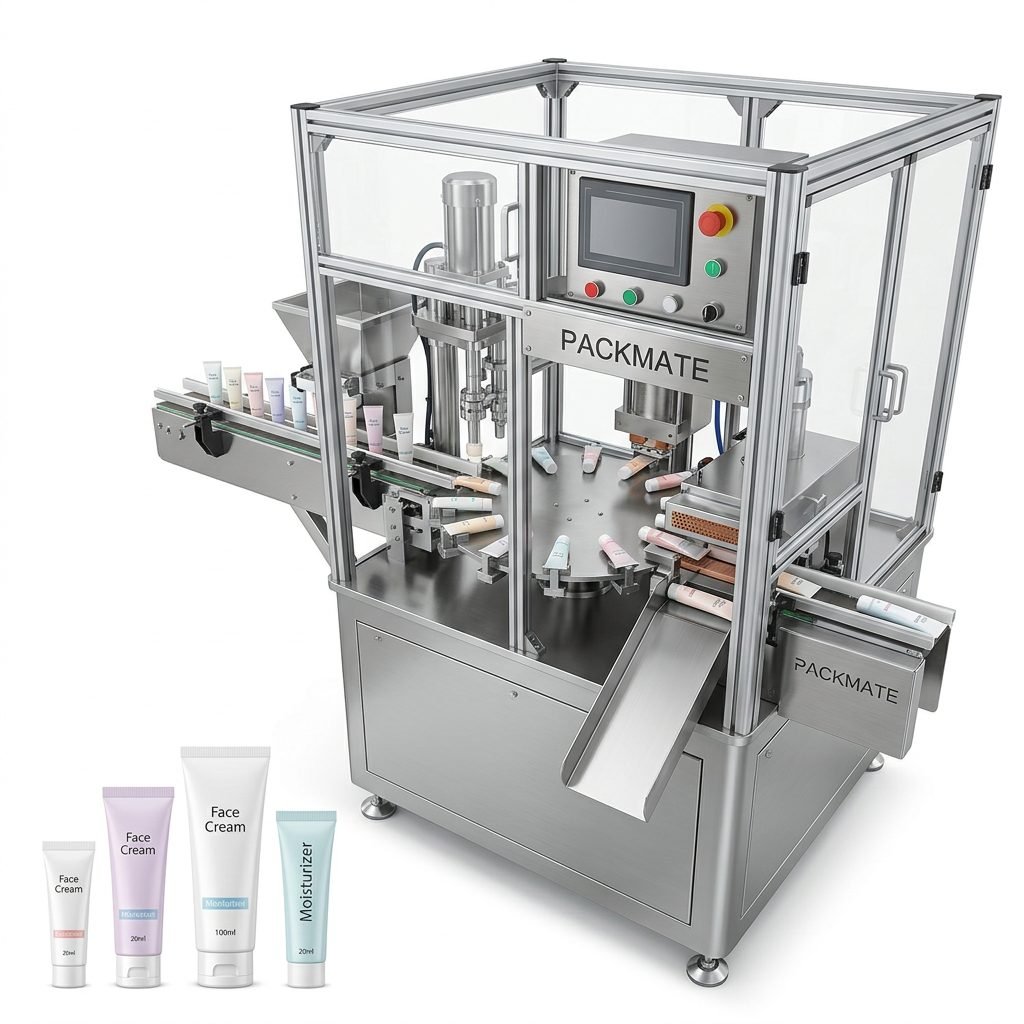
Focus: Product integrity, aesthetic appeal, and functional packaging (e.g., moisture barrier for powders). This segment includes protein powders, vitamin supplements, herbal extracts, and cosmetics. Packaging often involves stick packs, pouches, or jars. The engineering focus is on gentle handling to protect delicate ingredients and on creating a premium unboxing experience that aligns with brand value.
Key Components of a Modern Turnkey Line
A complete automated line is a symphony of interconnected systems. Understanding the role of each is key.
1. Feeding & Dosing Systems
The heart of accuracy. Volumetric cups, auger fillers, liquid pumps, or weigh-cell systems ensure each unit receives the exact specified amount of product, critical for cost control and regulatory compliance.
2. Form-Fill-Seal (FFS) Machines
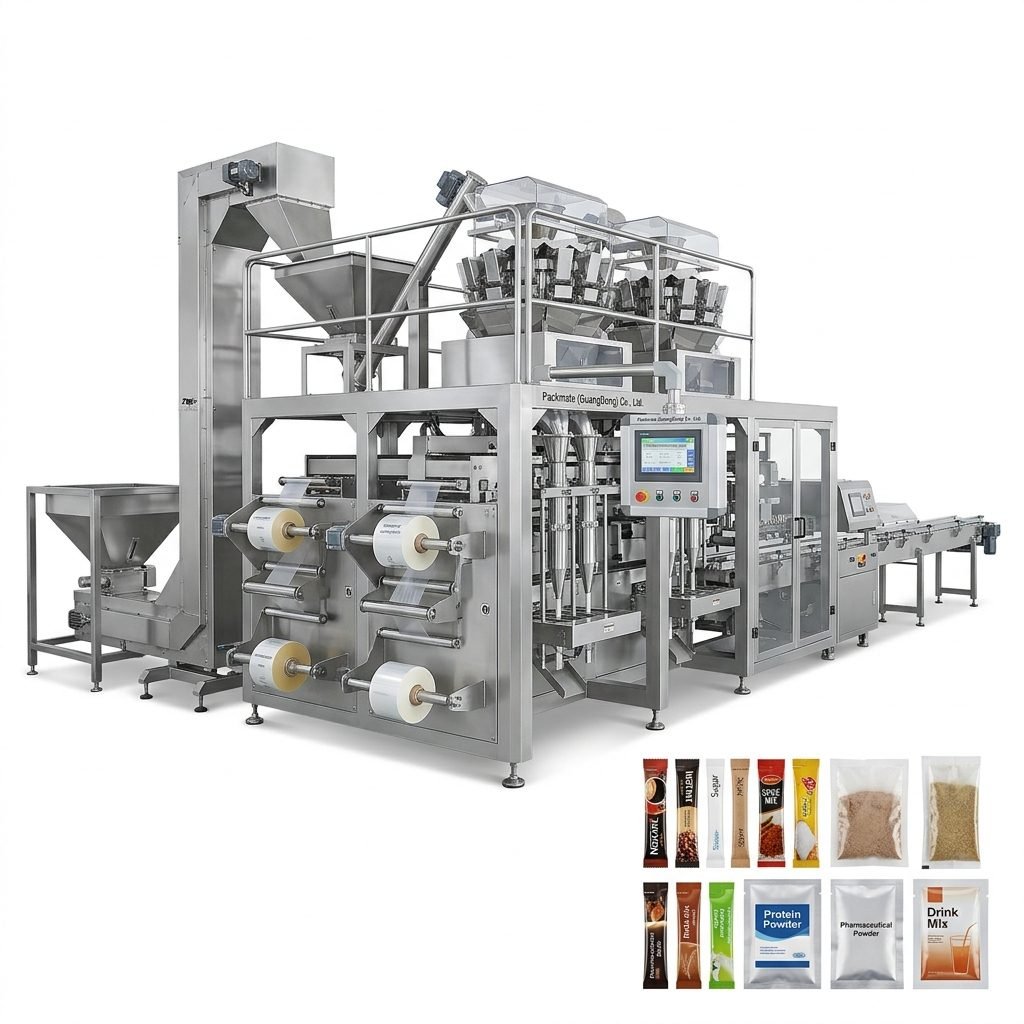
The core packaging engine. Using rolls of film, these machines form the pouch, dose the product, and seal it—all in one continuous operation. Vertical (VFFS) and horizontal (HFFS) configurations cater to different product types and speeds.
3. Secondary & Tertiary Packaging
This includes cartoners, case packers, and palletizers. They automate the grouping of primary packages into saleable units and shipping containers, drastically reducing labor and handling damage.
4. Quality Control & Inspection Systems
Integrated checkweighers, vision systems (for label/barcode verification, seal integrity), and metal detectors provide 100% inline inspection, rejecting non-conforming packages automatically.
5. Centralized Control & HMI
A unified Human-Machine Interface (HMI) and PLC/SCADA system allows operators to monitor and control the entire line from one station, collecting vital production data for analysis and optimization.
The Implementation Journey: From Concept to Production
Deploying a turnkey line is a phased, collaborative process. A seasoned provider like Packmate guides you through each step, leveraging their 22+ years of experience and 20,000㎡ modern facility.
- Consultation & Needs Analysis: Deep dive into your product, target output, factory layout, and compliance needs.
- Line Design & Simulation: Engineers create a detailed layout and flow simulation, often in 3D, to optimize space and efficiency before fabrication begins.
- Manufacturing & FAT: Equipment is built and assembled in the provider’s factory. A Factory Acceptance Test (FAT) allows you to witness the line running under simulated conditions before shipment.
- Installation & SAT: Expert technicians install and calibrate the line at your site, followed by a Site Acceptance Test (SAT) to ensure performance meets agreed specifications.
- Training & Handover: Comprehensive training for your maintenance and operations teams is conducted to ensure self-sufficiency.
- Ongoing Support & Spare Parts: A reliable after-sales service agreement, including readily available spare parts, guarantees long-term line uptime. Learn more about our commitment in our service section.
Investing in a turnkey packaging automation line is a strategic move that pays dividends in quality, efficiency, compliance, and total cost of ownership. By partnering with an expert engineering firm that understands the nuanced demands of your industry—be it food, pharma, or health—you secure not just machinery, but a pathway to sustainable growth and market leadership. View real-world applications in our detailed project case studies.
Frequently Asked Questions (FAQs)
1. What is the typical lead time for a complete turnkey packaging line?
Lead time varies significantly based on line complexity, customization, and current production schedules. For standard configurations, it can range from 4 to 6 months from order to installation. Complex, highly customized systems may require 8-12 months. A detailed project timeline is provided during the quotation phase.
2. How do you ensure the line will comply with our local and industry regulations (e.g., FDA, CE, cGMP)?
Reputable providers design compliance into the engineering phase. They use certified components, document materials (e.g., 3.1 material certificates), and design for cleanability and traceability. They will work with you to understand your specific market requirements and can often arrange for third-party certification inspections as part of the project.
3. Can the line be easily modified if we want to package a different product or format in the future?
Yes, modularity is a key feature of modern lines. Discuss future plans during the design phase. Many machines allow for quick changeovers via change parts (e.g., different forming tubes, dosing heads). The control system can also store multiple product recipes for easy switching.
4. What kind of after-sales support and training do you provide?
Comprehensive support includes detailed operational and maintenance manuals, on-site training for your team during commissioning, remote technical support via phone or video, and a reliable supply of genuine spare parts. Many companies offer annual service contracts for preventive maintenance. For more details, visit our dedicated FAQs page.
5. How do you calculate the Return on Investment (ROI) for such an automation project?
ROI is calculated by comparing the capital investment against savings and gains: reduced labor costs, lower material waste (from precise dosing), increased output, decreased downtime, improved quality (reducing returns), and enhanced scalability. Most providers will help you build an ROI model based on your current operational data and projected line performance.