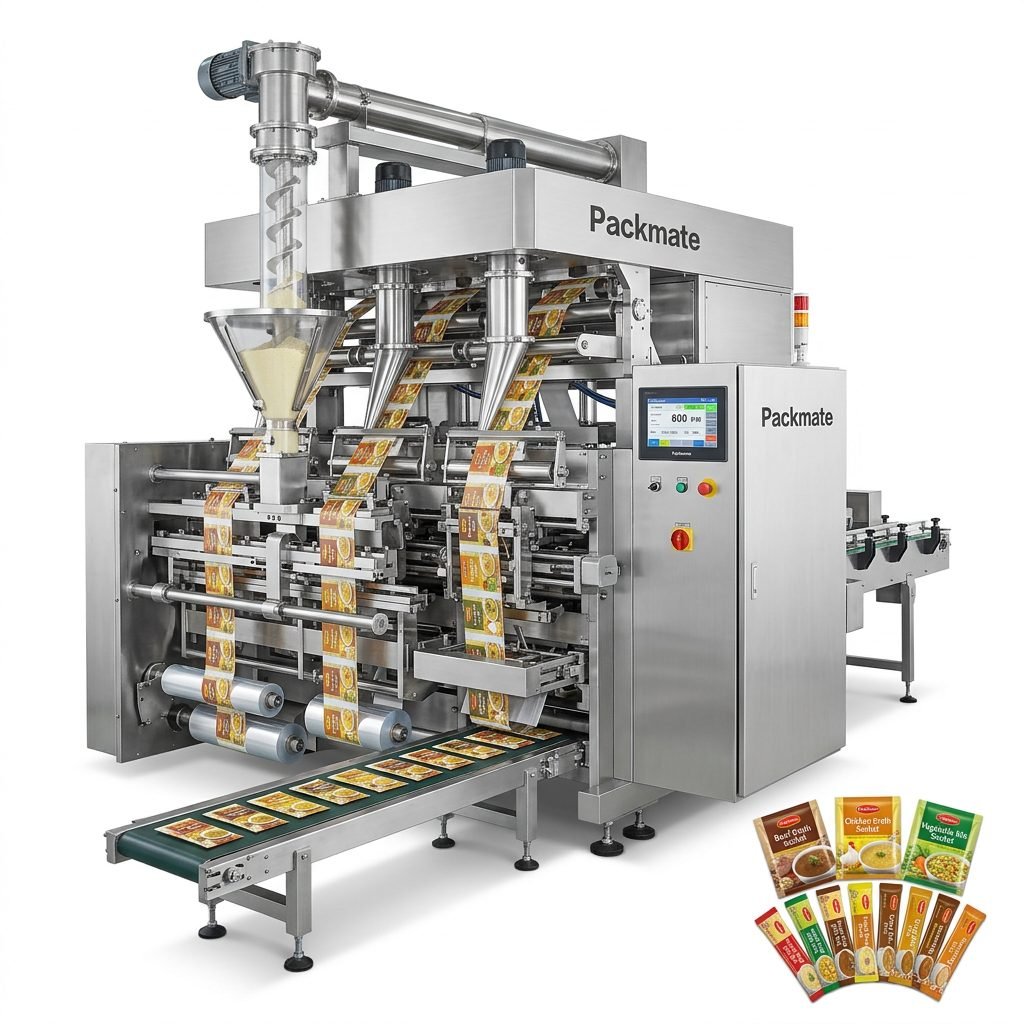
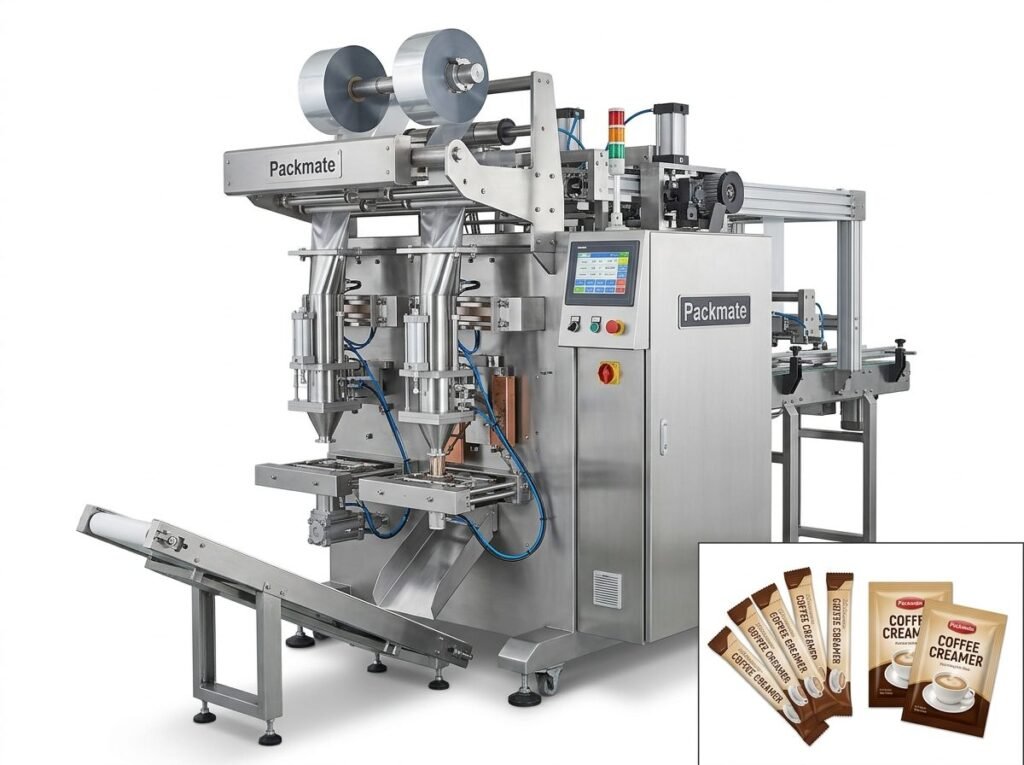
In the fast-paced world of manufacturing, efficiency and precision are paramount. At the heart of this process for countless products lies a critical system: the packaging line. But what exactly is a packaging line? Simply put, it is an integrated sequence of automated or semi-automated machines and processes designed to take a product from its final production stage, place it into its primary and secondary packaging, and prepare it for distribution and sale. This seamless orchestration is what transforms loose items into the neatly packaged goods we see on store shelves.
The Core Components: How a Packaging Line Works
The operation of a packaging line is a symphony of coordinated stages, each handled by specialized equipment. Understanding this flow is key to appreciating its complexity and importance.
1. Product Feeding and Orientation
This initial stage involves conveying the product to the line. Systems like vibratory feeders, conveyor belts, or robotic arms gently orient and position items—whether they are tablets, food pouches, or bottles—correctly for the next step. Consistency here is crucial for downstream efficiency.
2. Primary Packaging
This is where the product first meets its direct container. Machines in this segment form, fill, and seal the primary package. Examples include:
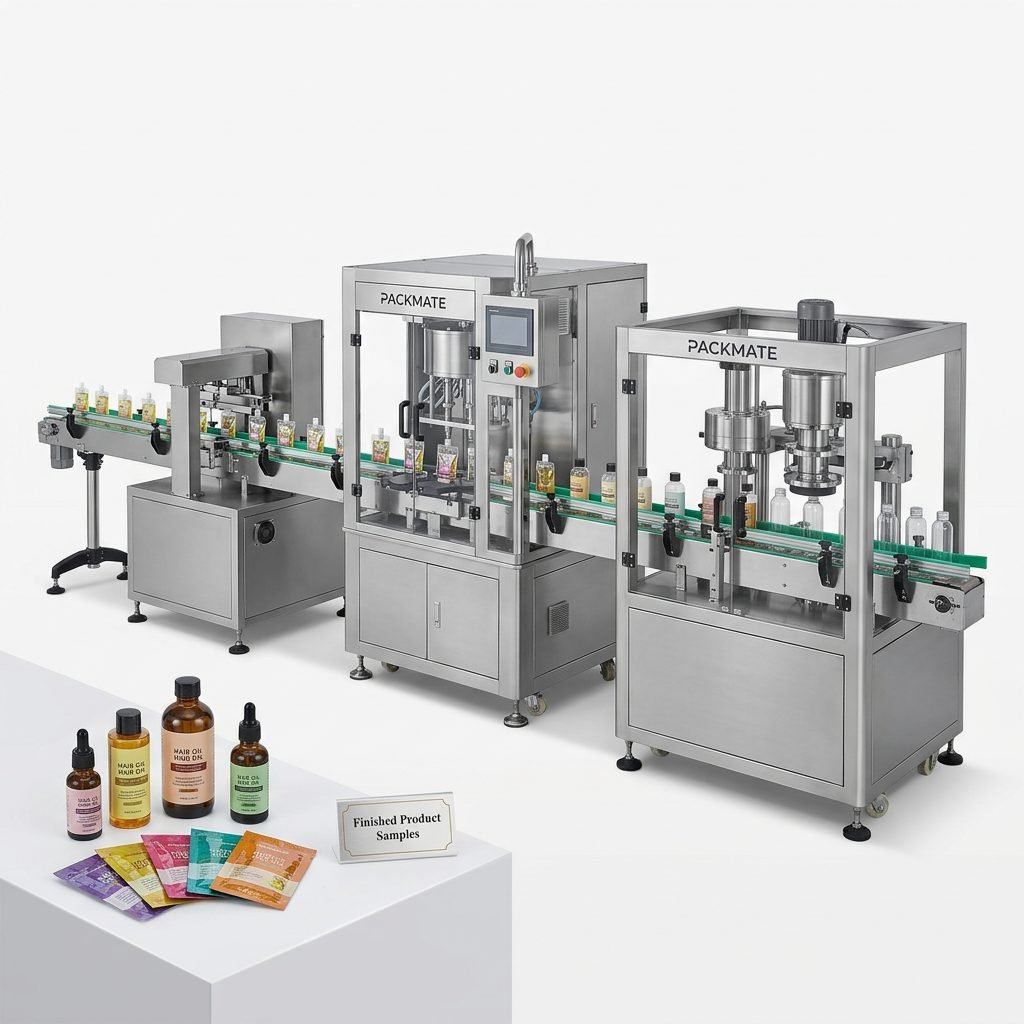
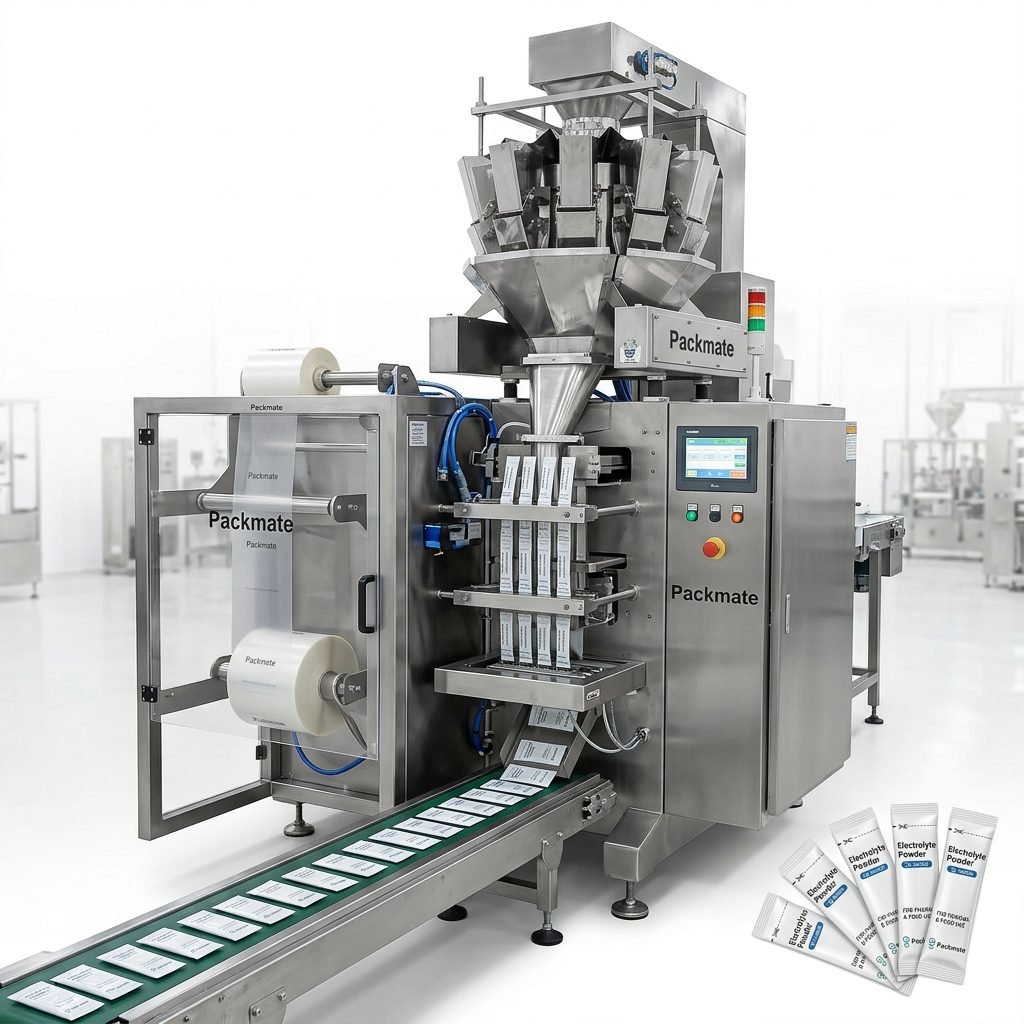
Fillers: Precisely dispense the correct volume or weight of product (liquid, powder, granules).
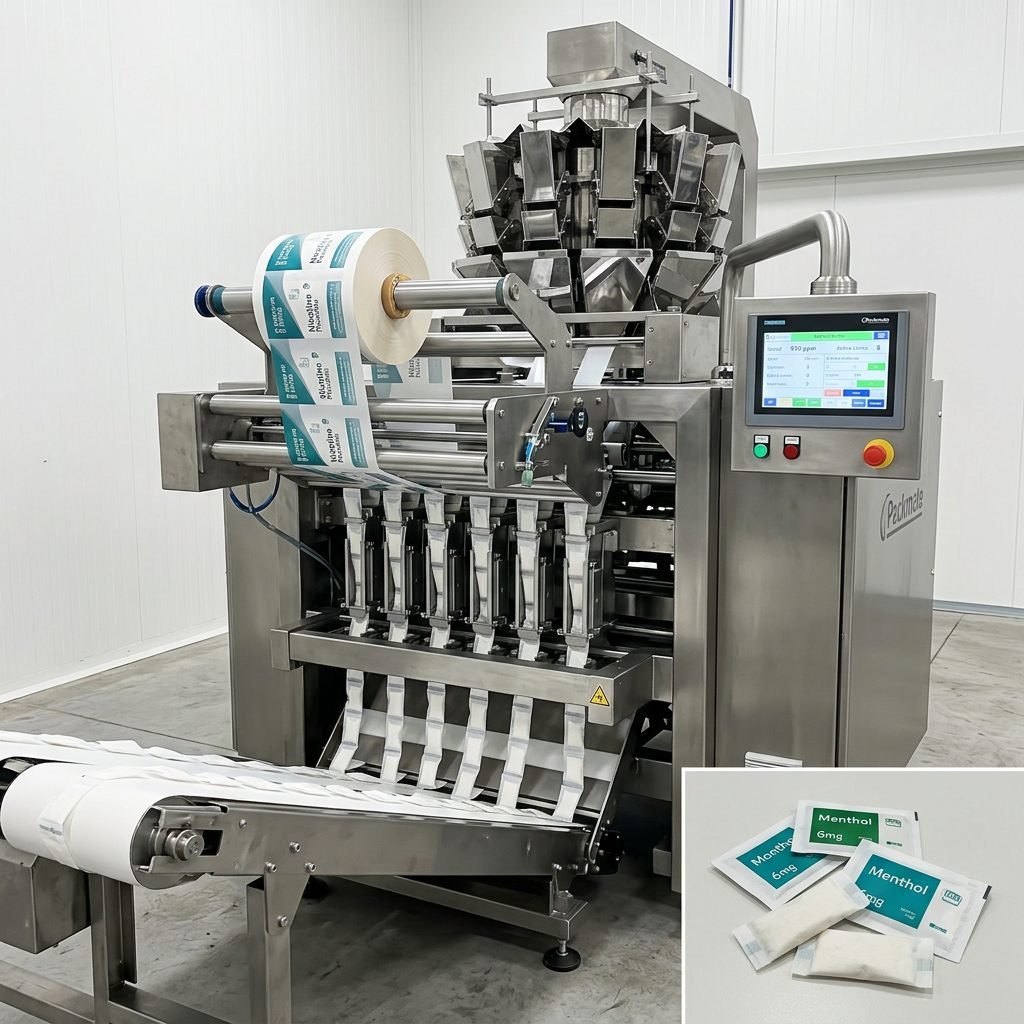
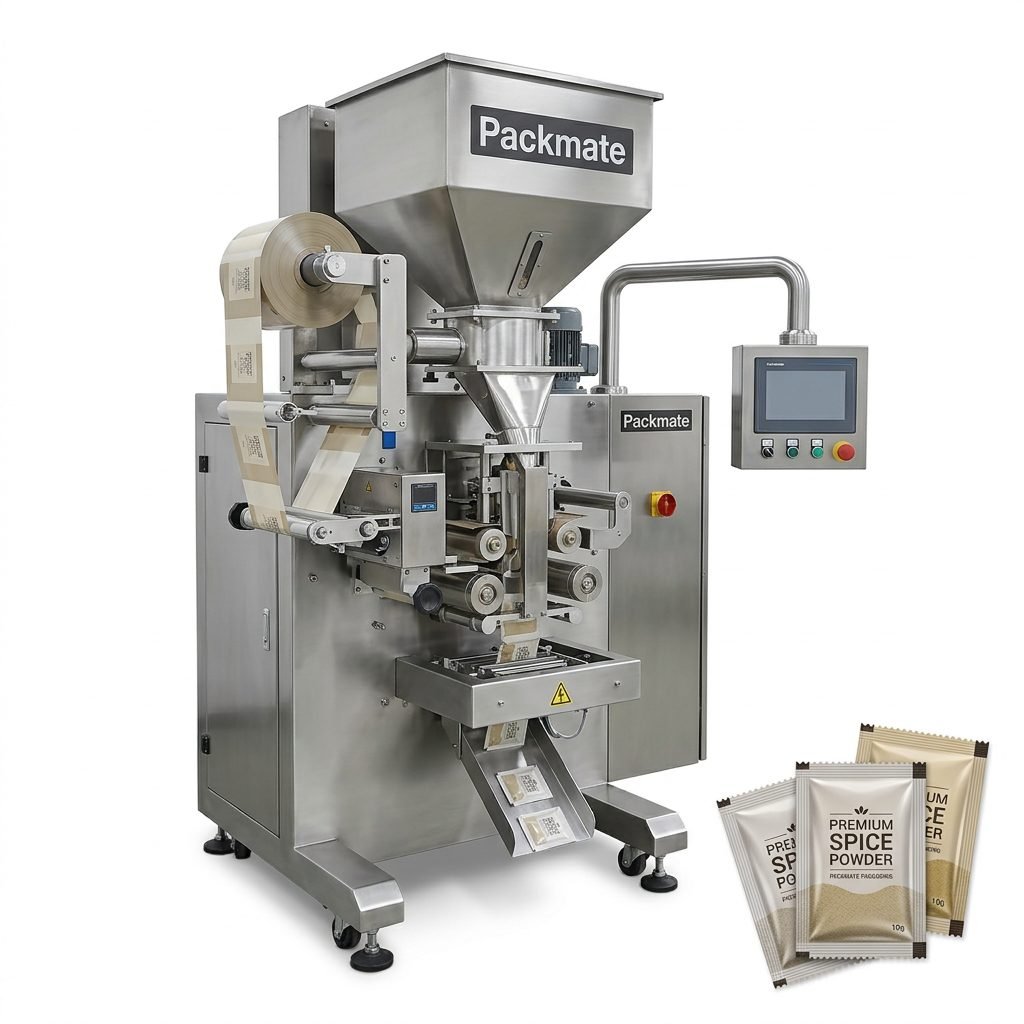
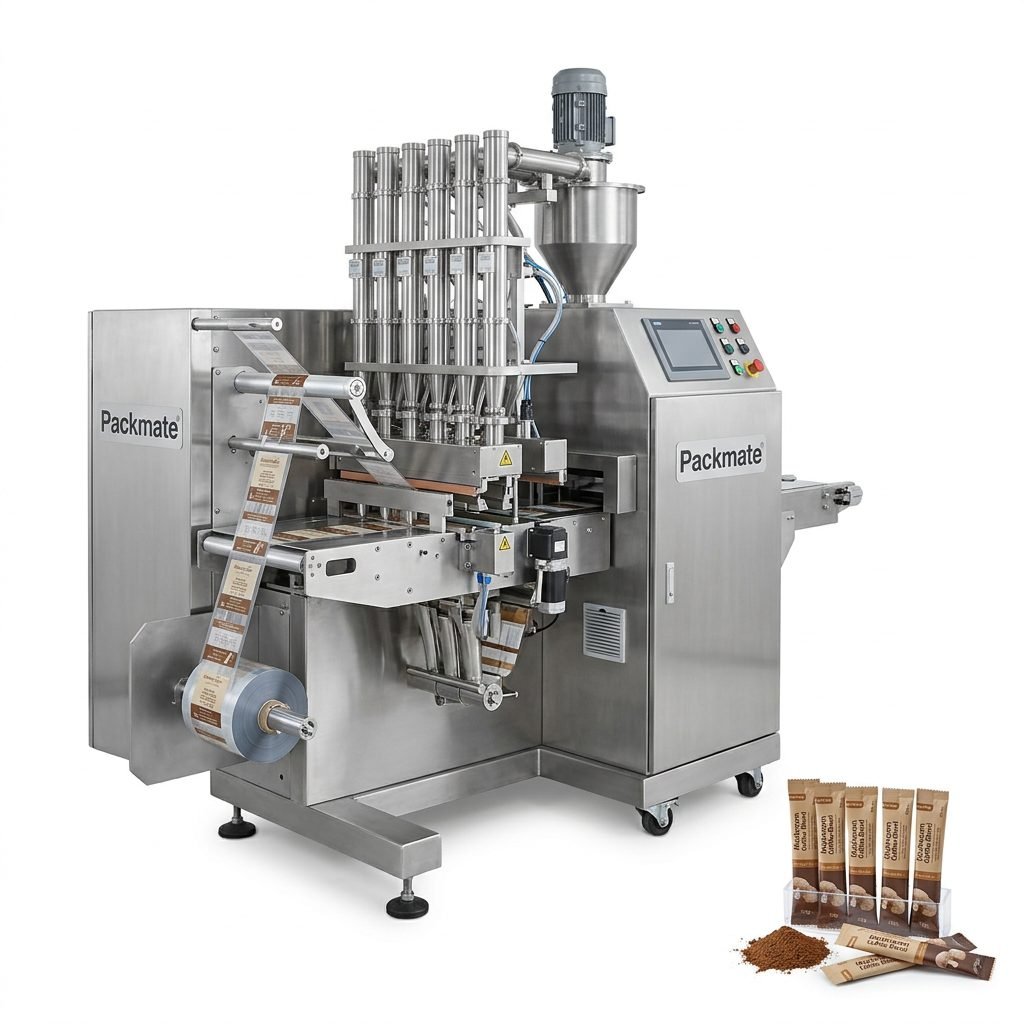
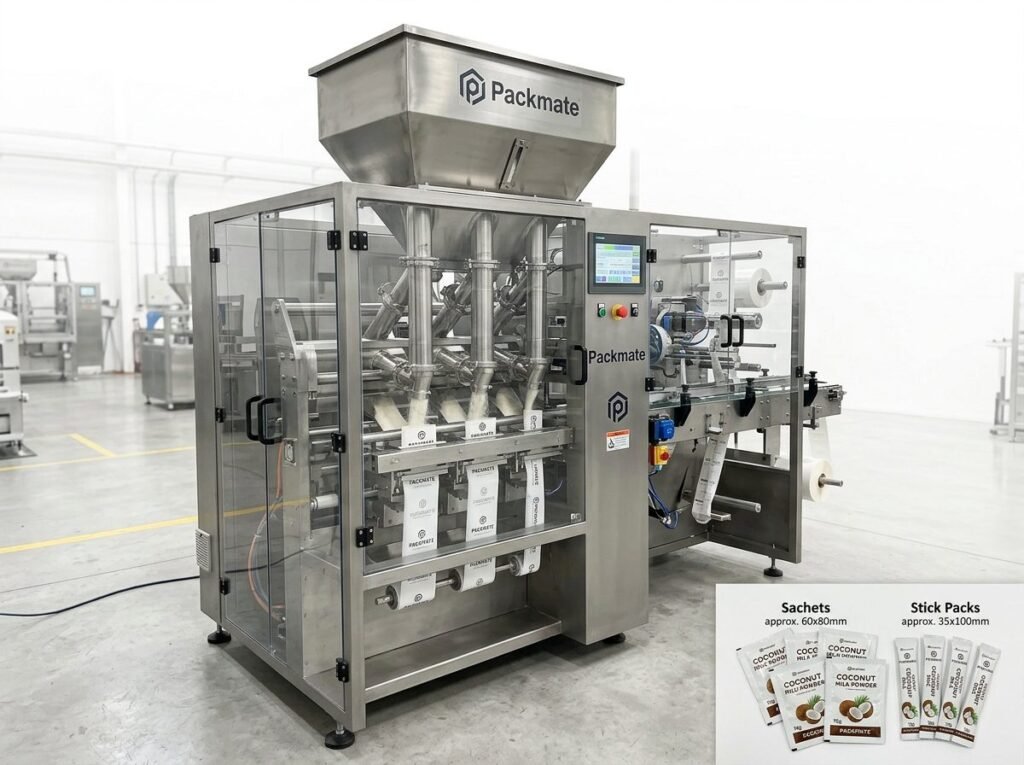
Form-Fill-Seal (FFS) Machines: Create the pouch or sachet from a roll of film, fill it, and seal it in one continuous operation—a hallmark of modern efficiency.
Cappers, Sealers, and Labelers: Apply lids, induction seals, or primary labels to bottles and jars.
3. Secondary Packaging
Once individually packaged, products are grouped for handling and retail. This stage involves:
Cartoners: Automatically erect cartons and insert primary packages.
Multi-Packers and Bundlers: Group several primary packages together, often with shrink film.
Case Packers: Load cartons or bundles into larger shipping cases.
4. Sealing, Coding, and Inspection
The final steps ensure security, traceability, and quality. Case sealers close shipping boxes. Printers apply batch codes, expiry dates, and barcodes. Most critically, vision inspection systems and checkweighers act as the line’s quality guardians, verifying fill levels, label accuracy, and detecting any missing components before the case is palletized.
Key Types of Packaging Lines in Food and Pharma
The fundamental principles remain similar, but the specific requirements of the food and pharmaceutical industries lead to distinct line configurations. The need for hygiene, precision, and regulatory compliance shapes every decision.
Food Industry Packaging Lines
Food lines prioritize speed, hygiene, and preserving product freshness. Common types include:
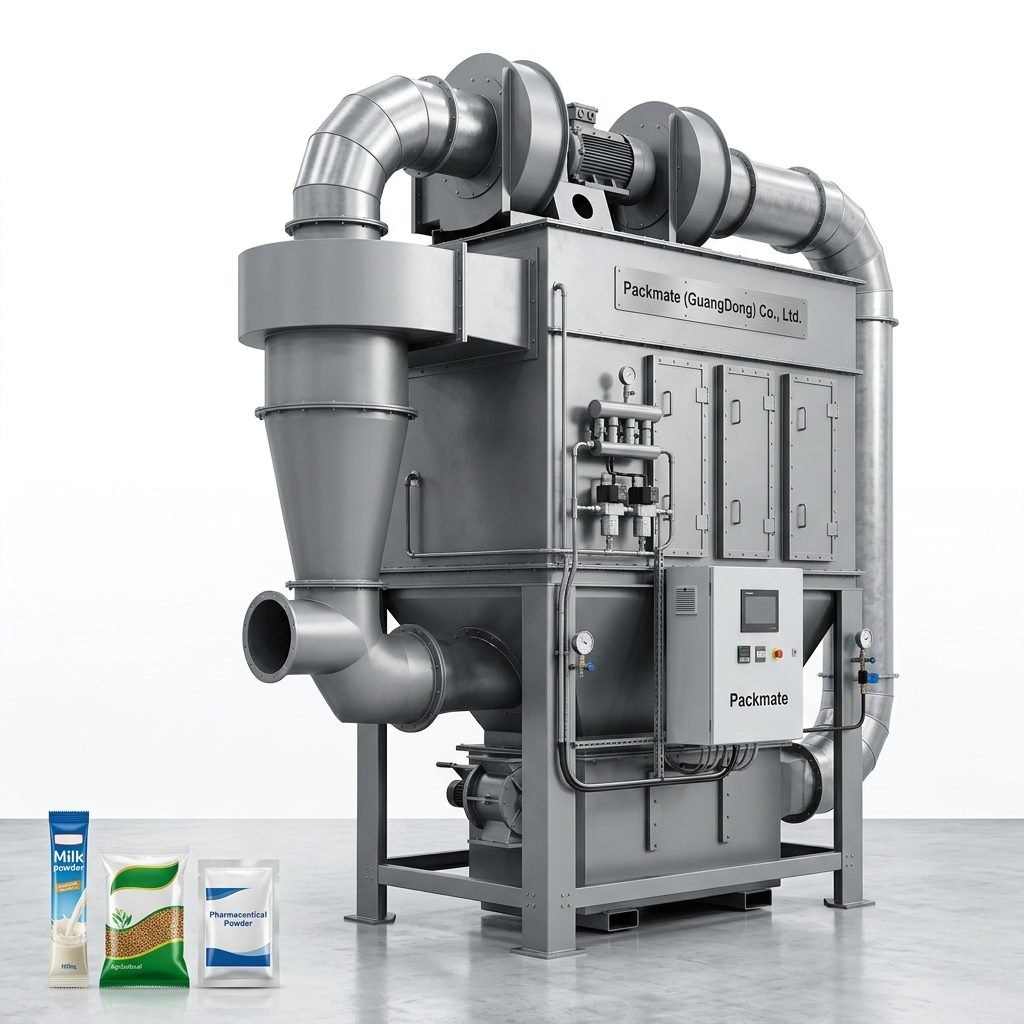
- Vertical Form-Fill-Seal (VFFS) Lines: The workhorse for snacks, grains, and powders. They create bags from a single roll of film, fill them, and seal them at high speeds.
- Liquid Filling Lines: For beverages, sauces, and oils. These integrate rinsers, fillers, cappers, and pasteurizers in a sterile environment.
- Tray Sealing Lines: For fresh produce, meats, and ready meals. Products are placed in pre-formed trays, a lidding film is applied, and the package is hermetically sealed in a modified atmosphere to extend shelf life.
- Canning Lines: High-speed systems for soups, vegetables, and pet food, involving depalletizers, cleaners, fillers, seamers, and cookers.
For companies seeking robust solutions, exploring a comprehensive packaging solution portfolio is essential to match the product’s specific needs.
Pharmaceutical Industry Packaging Lines
Pharma lines are governed by stringent Good Manufacturing Practice (GMP) regulations. Accuracy, sterility, and tamper-evidence are non-negotiable.
- Blister Packaging Lines: For tablets and capsules. A formed web of plastic or aluminum is filled, sealed with a lidding foil, and often combined with a cartoning machine. They provide excellent barrier protection and patient compliance through unit dosing.
- Bottle Filling Lines for Solids: Used for vitamins, over-the-counter drugs, and capsules. These lines typically include a bottle unscrambler, filler, cottoner, capper, torquer, and labeler, all operating in a controlled environment.
- Aseptic Liquid Filling Lines: For injectables, vaccines, and eye drops. The entire process occurs in a sterile isolator or cleanroom to prevent microbial contamination. These are among the most complex and critical lines.
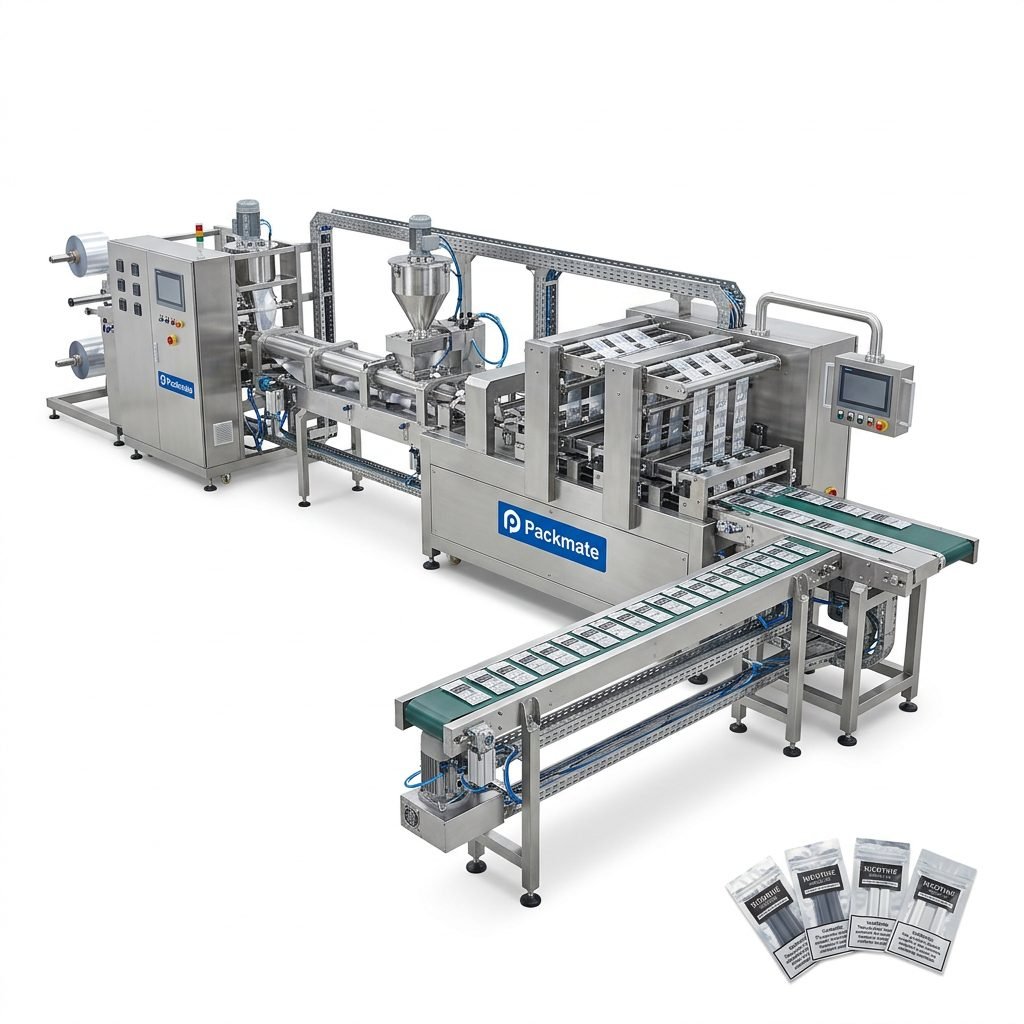
- Sachet and Stick Pack Lines: For powders (like oral rehydration salts or instant drink mixes). High-speed, multi-lane stick pack machines are common, offering precise dosing and excellent moisture barriers.
Success in this sector often comes from partnering with experts who have a proven track record. Reviewing real-world project cases can provide valuable insight into a supplier’s capabilities.
Choosing the Right Line: Factors to Consider
Selecting a packaging line is a significant investment. Key considerations include:
Product Characteristics
Is it solid, liquid, powder, or granular? Is it fragile, abrasive, or sticky? The product dictates the machine’s material contact parts and handling mechanisms.
Output Speed & Flexibility
What are your required units per minute (UPM)? Will the line run a single product 24/7, or does it need quick changeovers for multiple SKUs? Flexibility can impact overall equipment effectiveness (OEE).
Regulatory & Hygiene Standards
Pharma lines require GMP compliance with easy-clean designs (e.g., stainless steel 304/316). Food lines need food-grade materials and often HACCP considerations. Certifications are crucial.
Beyond the machinery itself, the provider’s expertise and support are vital. A partner with deep industry knowledge, like one with a detailed company profile showcasing long-term experience, can be invaluable for navigating these choices and ensuring a successful integration.
The Future: Trends in Packaging Line Technology
The evolution of packaging lines is driven by Industry 4.0. Key trends include:
- Smart Connectivity & IoT: Machines equipped with sensors provide real-time data on performance, predictive maintenance alerts, and overall equipment efficiency (OEE) dashboards.
- Advanced Robotics: Collaborative robots (cobots) are increasingly used for delicate picking, placing, and palletizing tasks, offering flexibility and safety.
- Sustainable Design: Lines are being optimized to handle recyclable or biodegradable materials and to minimize energy consumption and material waste (e.g., through precise filling).
- Enhanced Traceability: Integration with serialization and aggregation systems, especially in pharma, allows for tracking every single unit from production to patient.
Staying ahead of these trends often requires a partner committed to innovation and continuous improvement as a core part of their mission.
Frequently Asked Questions (FAQs)
What is the main difference between primary and secondary packaging?
Primary packaging is the material that first envelops the product and holds it (e.g., the blister pack for pills, the juice bottle). Secondary packaging is the outer box, carton, or wrap that groups primary packages together for display, handling, and shipping.
How long does it take to install and commission a new packaging line?
The timeline varies greatly based on complexity, ranging from a few weeks for a standard single machine to several months for a fully integrated, validated turnkey line in the pharmaceutical industry. Site preparation, factory acceptance testing (FAT), and site acceptance testing (SAT) are all part of the process.
What is a “turnkey” packaging line solution?
A turnkey solution means the supplier handles everything from design and manufacturing to installation, commissioning, training, and sometimes ongoing maintenance. The client can essentially “turn the key” and begin production. This approach reduces risk and project management burden for the buyer.
Why is validation so critical for pharmaceutical packaging lines?
Validation (IQ/OQ/PQ) is a regulatory requirement (GMP). It provides documented evidence that the line is installed correctly (IQ), operates as specified (OQ), and consistently produces packages meeting all quality attributes under actual production conditions (PQ). It ensures product safety, efficacy, and traceability.
Can existing packaging machinery be upgraded or integrated into a new line?
Yes, in many cases. Retrofitting older machines with new drives, controls, or inspection systems can enhance performance. Skilled integrators can often tie legacy equipment into a new line’s control system, though compatibility and long-term support are key factors to evaluate. For more specific queries, consulting a provider’s dedicated FAQs page or contacting their technical service team is recommended.