Vietnam’s manufacturing sector has grown rapidly over the past decade, driven by strong demand in food processing, coffee and tea production, seafood packaging, pharmaceuticals, and consumer goods. For local factory owners, production managers, and procurement professionals, choosing the right packaging machine manufacturer in Vietnam or from overseas suppliers is a critical decision that directly affects production efficiency, product quality, and long-term operational costs.
1. Understand Your Packaging Needs and Product Characteristics
Before you start evaluating suppliers, you must clearly define your production requirements. Vietnamese manufacturers often deal with a wide variety of products: coffee powder, instant noodles, seasonings, rice, nuts, pharmaceutical powders, liquid detergents, and even nicotine pouches for export. Different products demand different machine configurations. For example:
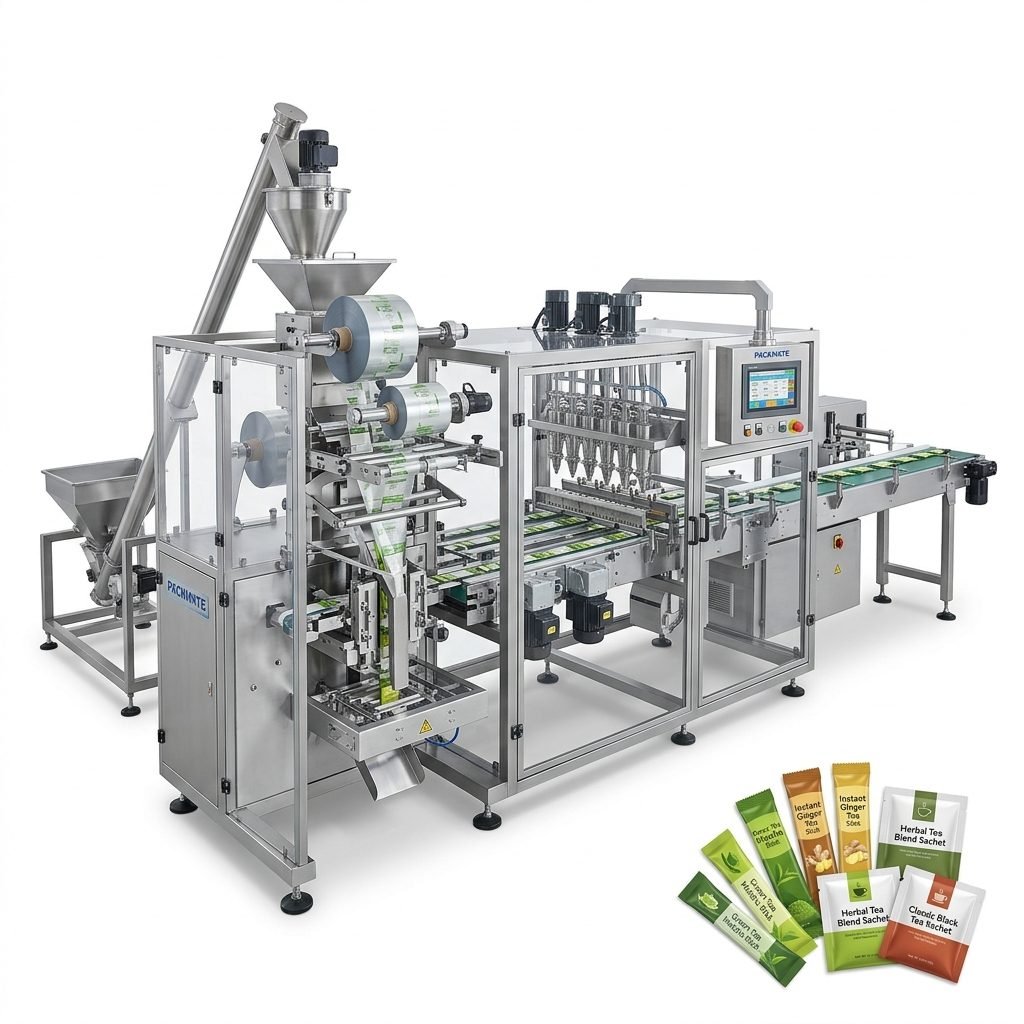
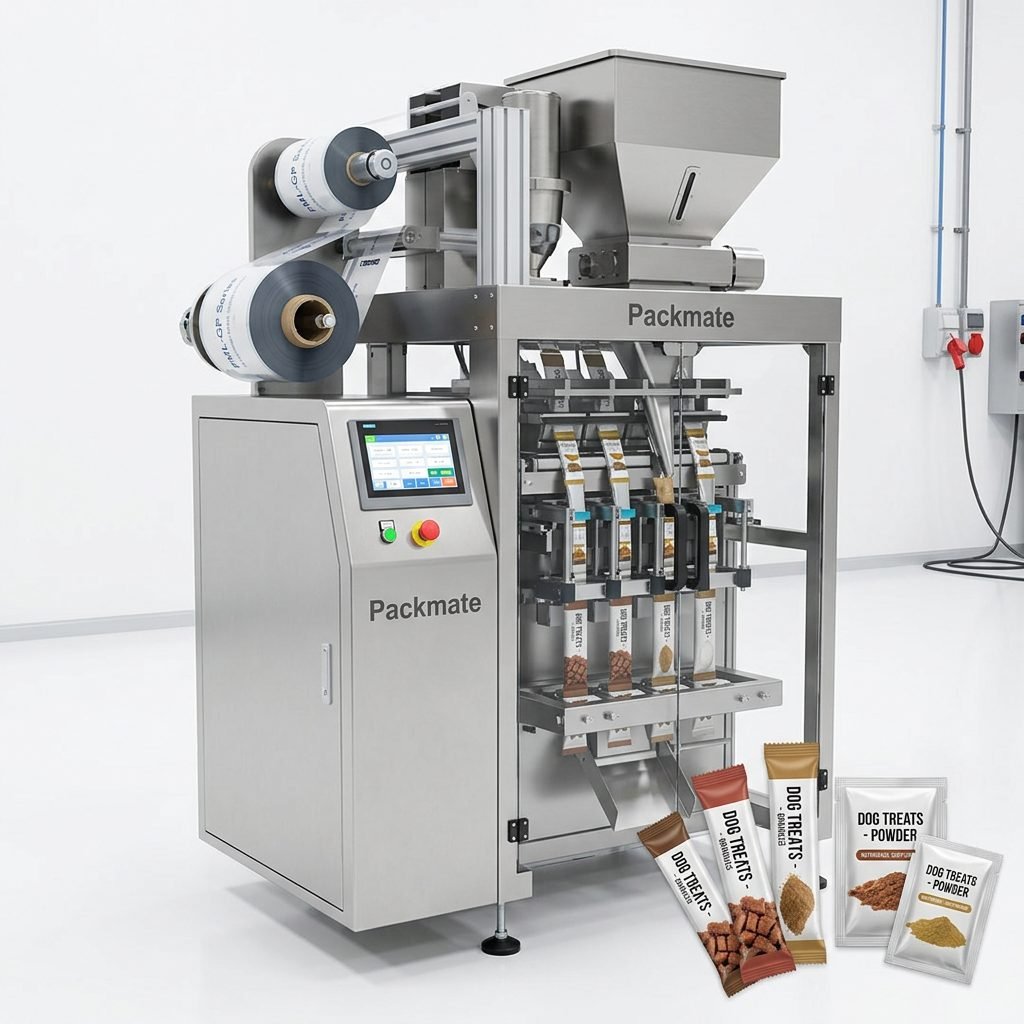
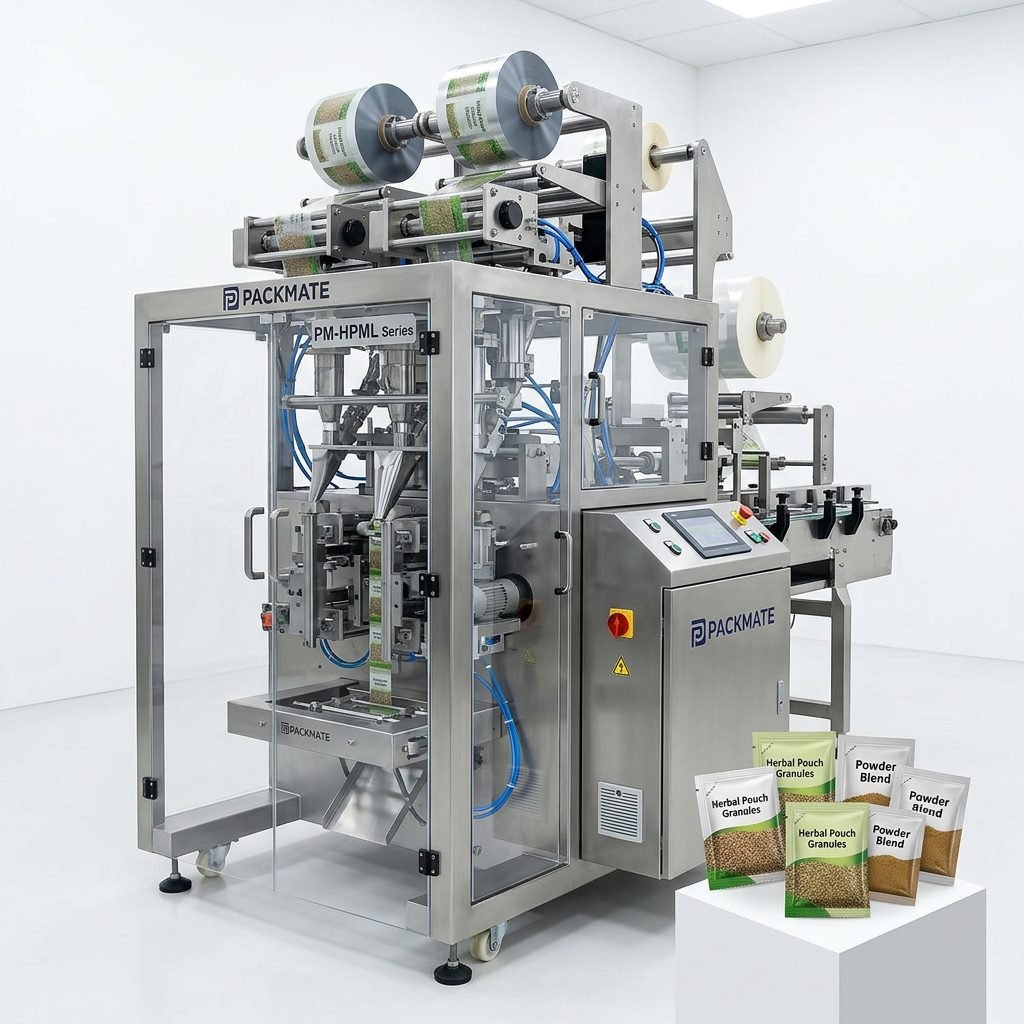
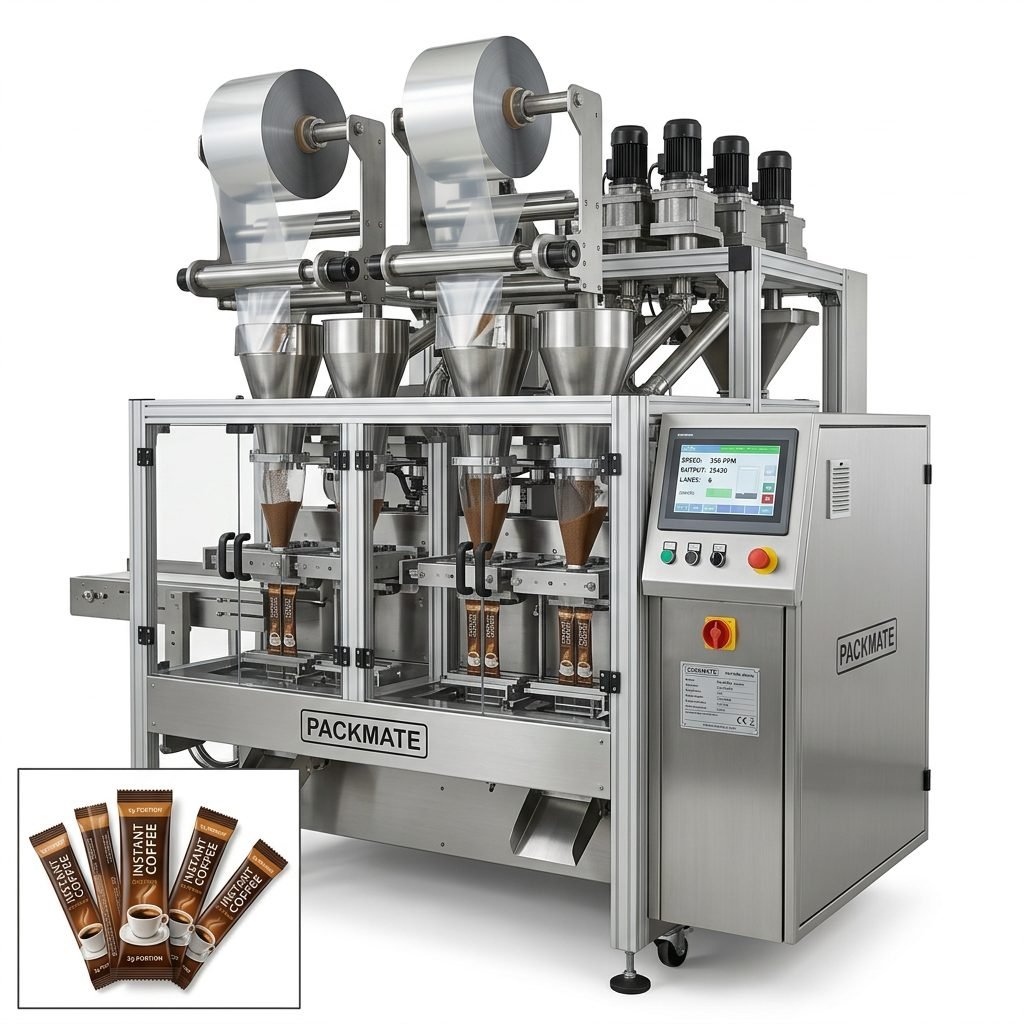
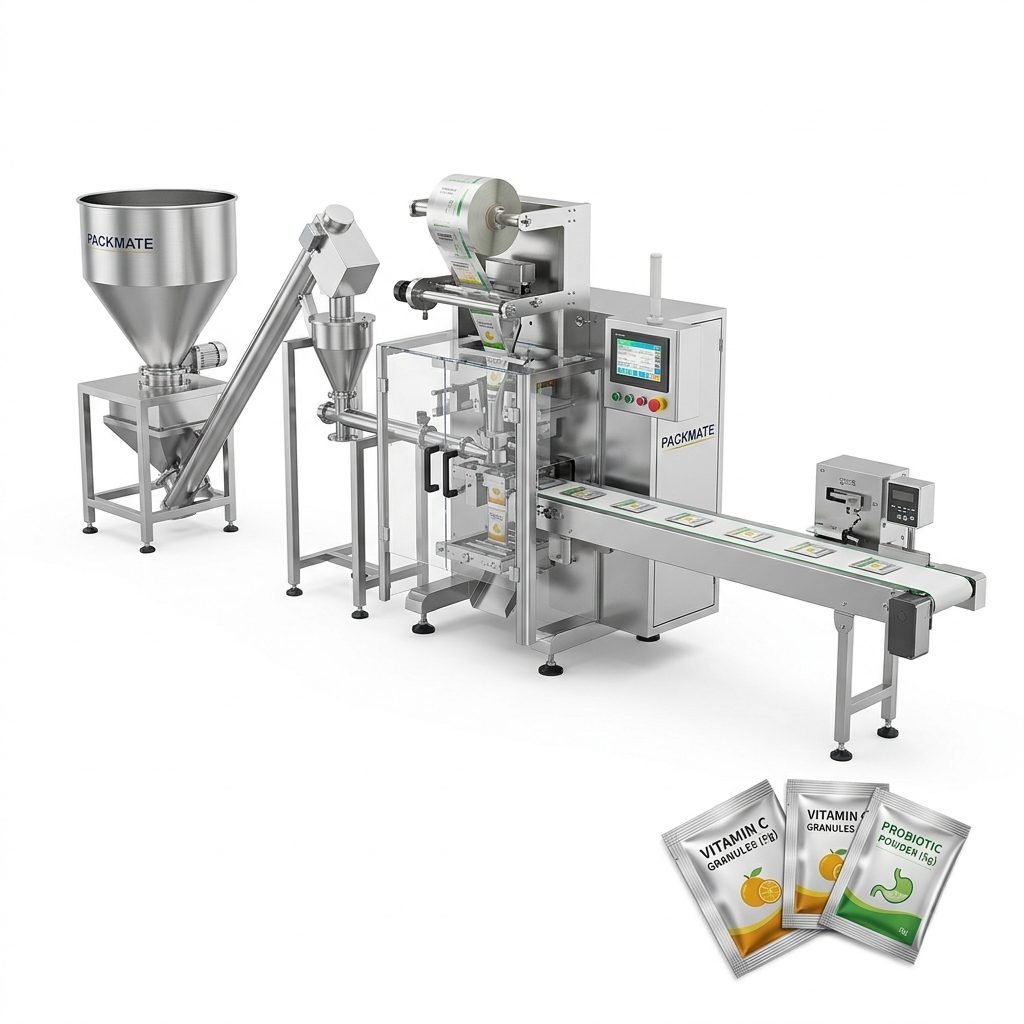
- Powders and granules (e.g., coffee, milk powder, spice blends) require multi-lane stick pack or sachet machines with precise dosing systems.
- Liquids and pastes (e.g., cooking oil, sauces, lotions) need filling and sealing machines with leak-proof technology.
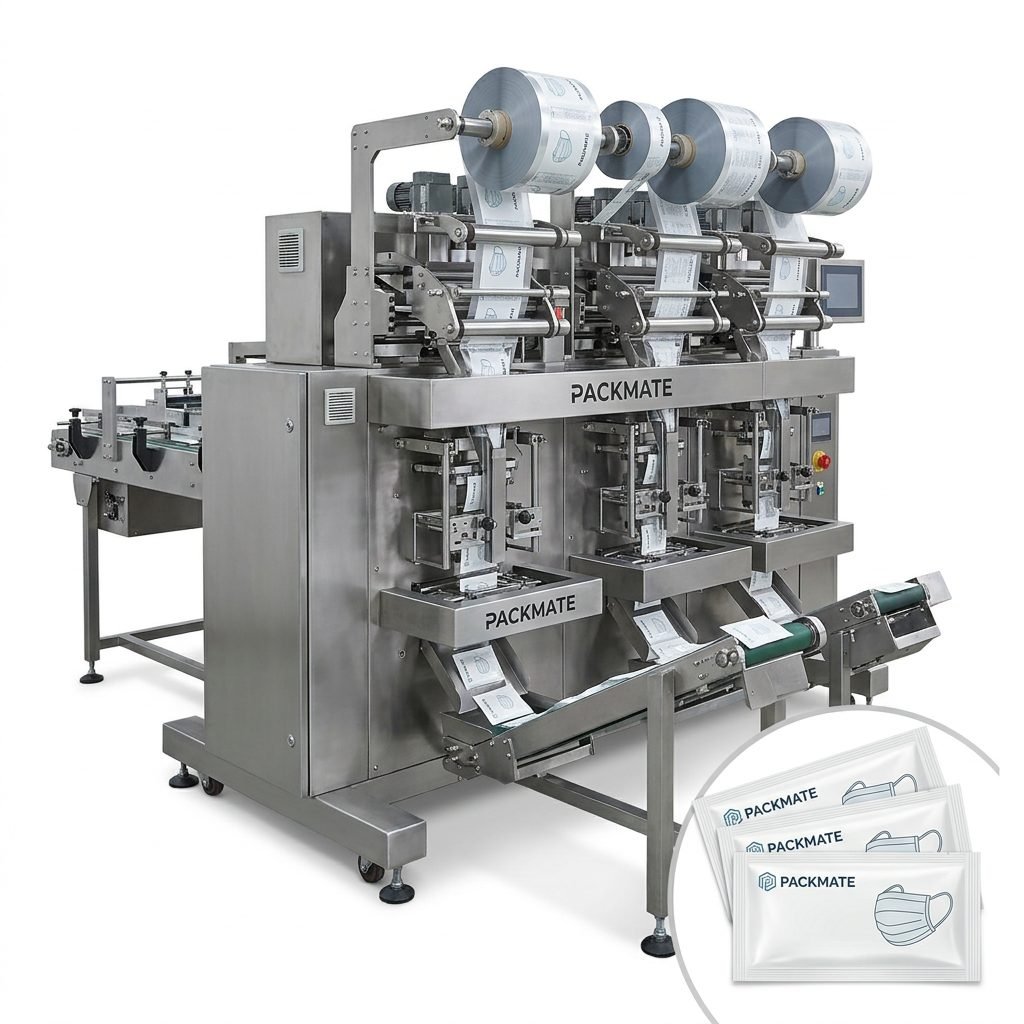
- Nicotine pouches or snus (a growing export segment from Vietnam) require specialized multi-lane pouch packaging lines.
A reliable manufacturer like Ludyway offers over 100 machine configurations covering granules, powders, liquids, and pastes, making it easier for Vietnamese buyers to match equipment to their specific product formats.
2. Evaluate Manufacturing Experience and Company History
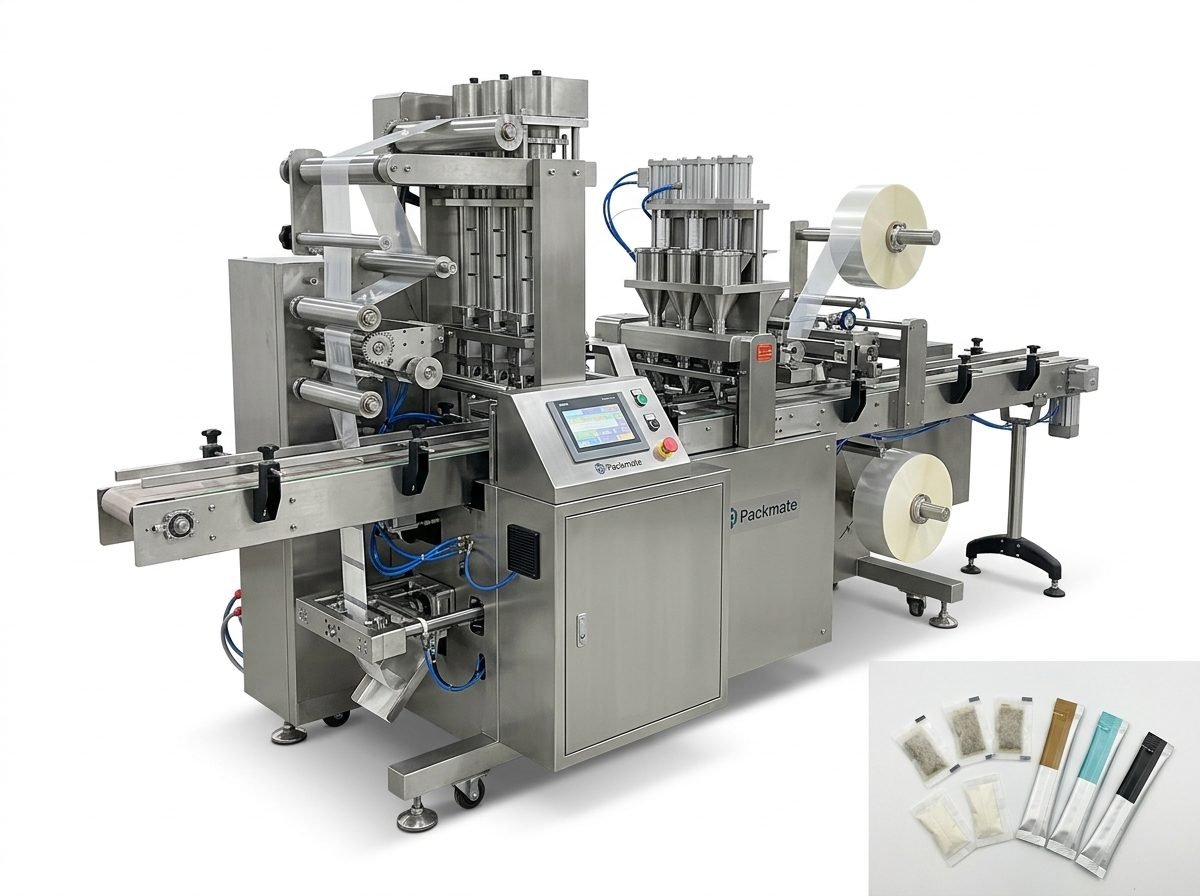
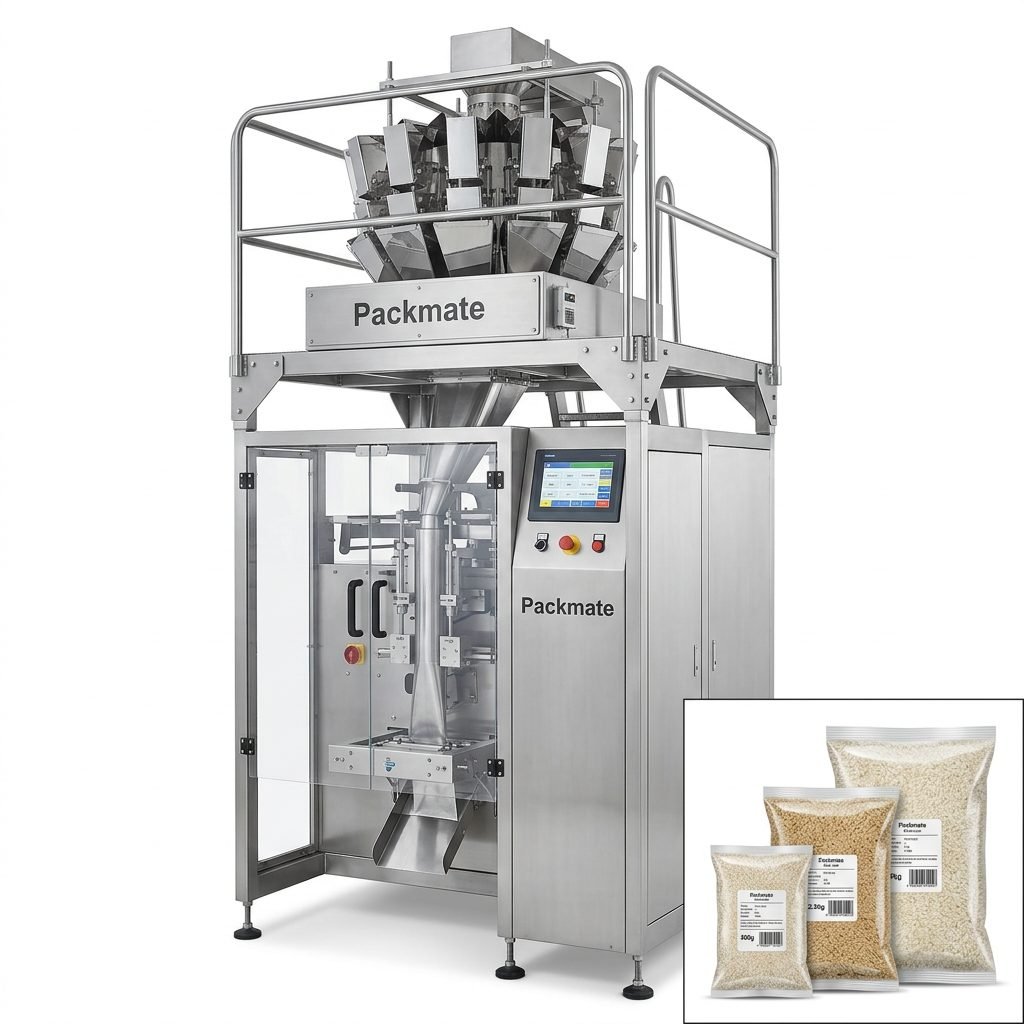
Longevity in the industry is a strong indicator of reliability. Vietnam’s packaging machinery buyers often prefer suppliers with at least 20–30 years of engineering and manufacturing background. Chinese manufacturers like Packmate Machinery have been in operation for around 30 years, building a solid reputation in export markets including Europe, the Middle East, and Southeast Asia. Their experience means they understand the common challenges faced by factories in developing countries, such as voltage fluctuations, humidity, and skill level of local operators.
Tip: Ask for references from existing customers in Southeast Asia or Vietnam. A manufacturer who has successfully installed machines in similar climates and production environments will save you from costly troubleshooting later.
3. Check the Product Range and Customization Flexibility
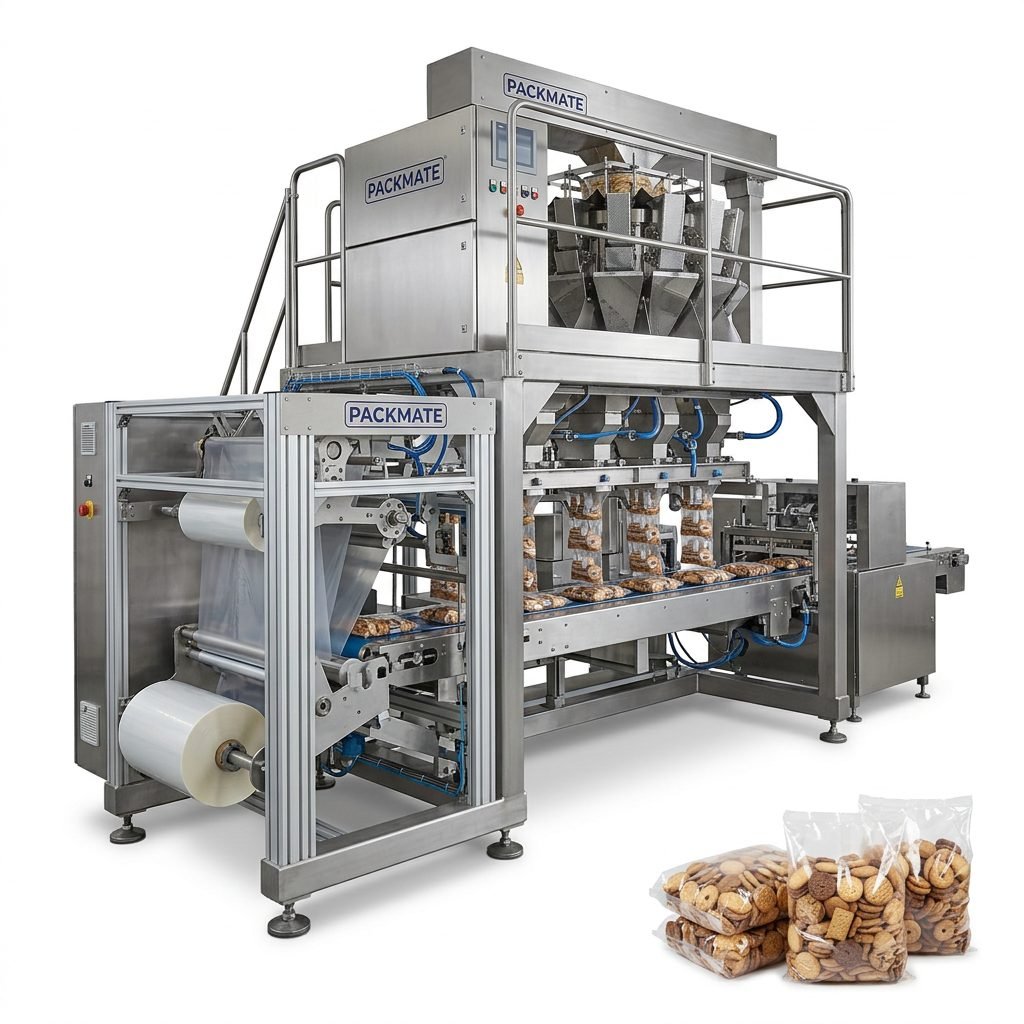
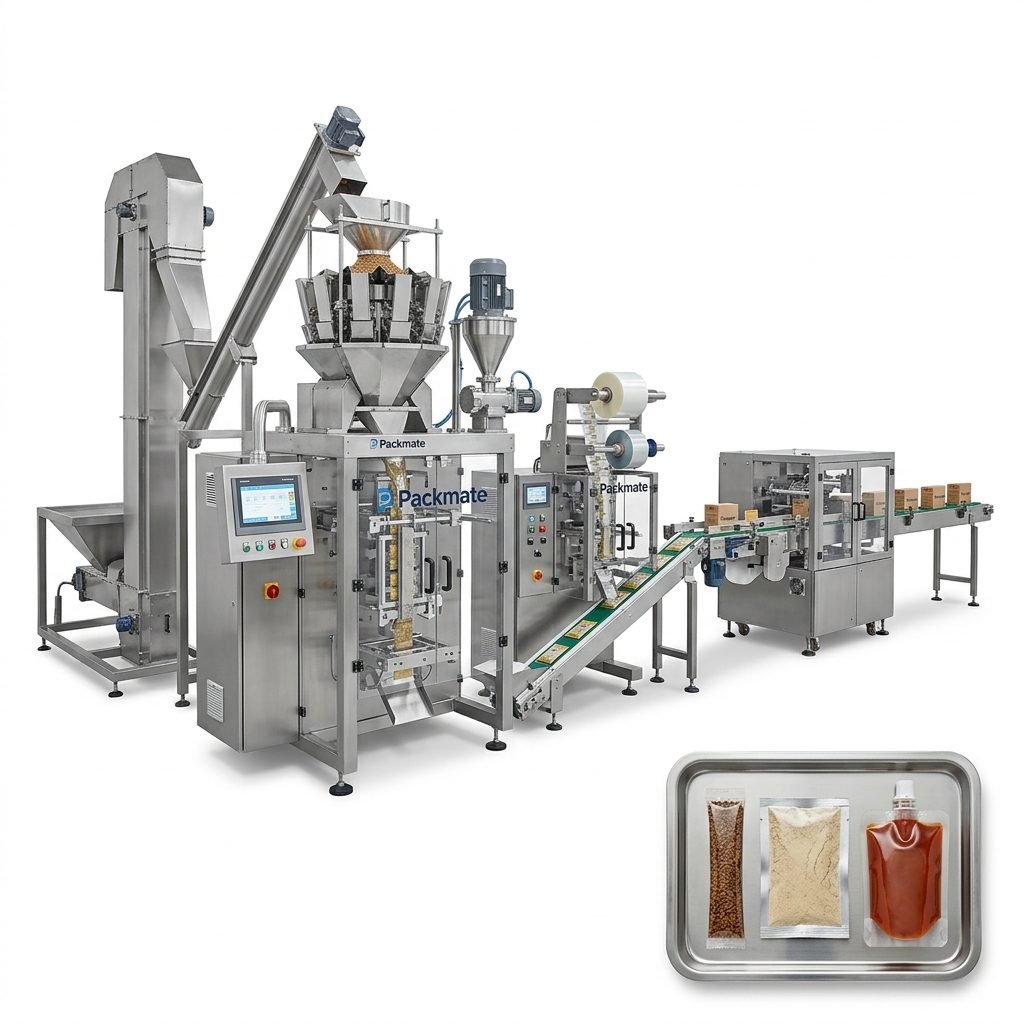
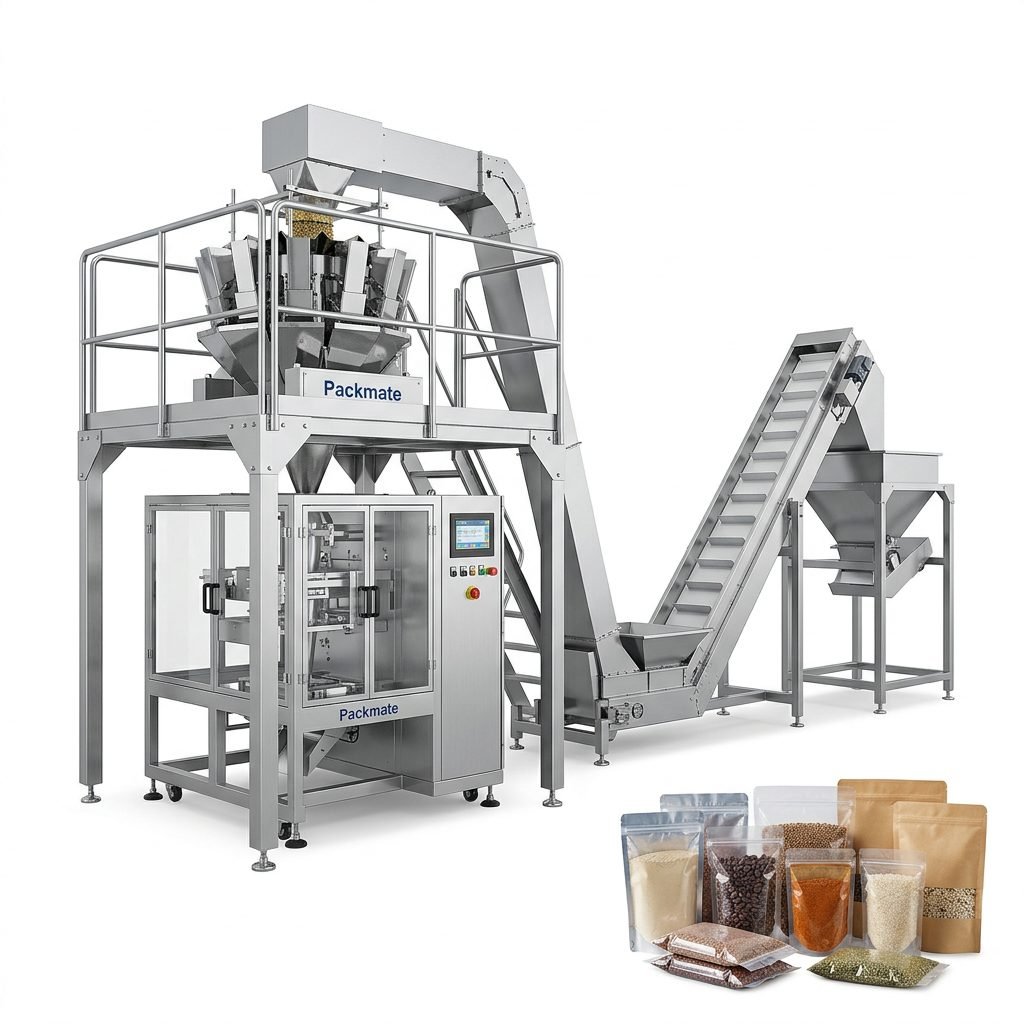
Vietnamese factories often need machines that can handle multiple bag formats (sachet, stick pack, pillow bag, stand-up pouch) and different sealing styles. A manufacturer with a broad product portfolio can provide a more integrated solution. PacklineOEM specializes in turnkey packaging production lines, offering more than 50 machine models including feeding systems, weighers, fillers, sealers, and end-of-line packaging. This is particularly suitable for Vietnamese food exporters who need complete lines for bulk packaging (e.g., 25kg bags for rice or seasoning) as well as retail-ready sachets.
| Manufacturer | Key Strength | Suitable for Vietnam Market |
|---|---|---|
| Ludyway | Wide product range, strong export presence | Coffee, pharma, health supplements |
| Packmate Machinery | Cost-performance balance, 80+ models | Medium-sized food factories |
| PacklineOEM | Turnkey line integration | Bulk packaging, complete line projects |
| PackingMachineOEM | Non-standard customization | Special bag shapes, OEM projects |
| SnusMachinery | Nicotine pouch and snus niche | Growing export pouch segment |
4. Assess Export Experience and After-Sales Support
Since most Vietnamese buyers import packaging machinery from China, the manufacturer’s export experience and after-sales support are crucial. Look for suppliers that have shipped to Southeast Asia before, as they are familiar with customs procedures, voltage compatibility (380V/50Hz in Vietnam), and technical documentation in English or Vietnamese. PackingMachineOEM has exported to Europe, the Middle East, and Australia for many years, and is known for its non-standard customization capabilities — a big plus for Vietnamese clients with unique packaging requirements.
Important: Always confirm warranty terms, spare parts availability, and remote troubleshooting services. Many leading Chinese manufacturers now offer video guidance and offer to send engineers for on-site installation (travel costs covered by buyer).
5. Consider Specialized Machine Requirements
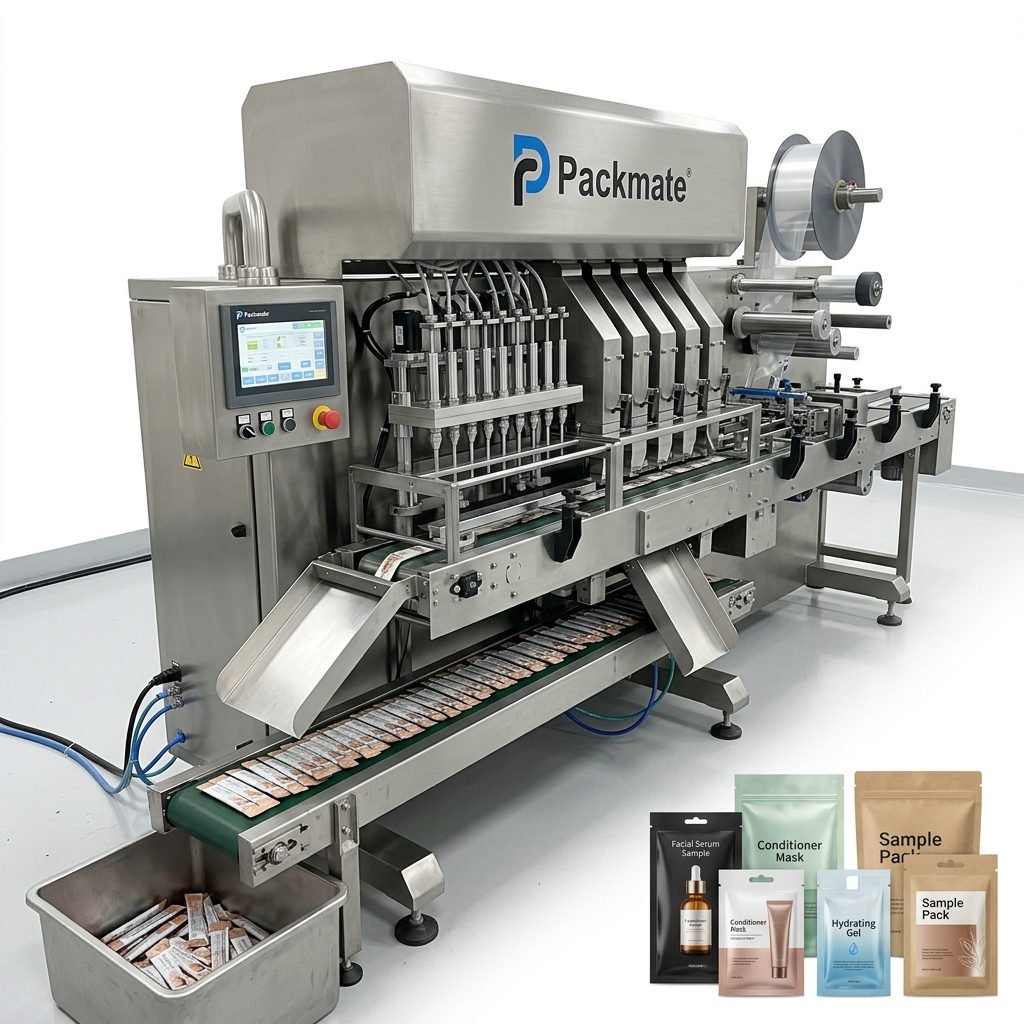
Vietnam is emerging as a production hub for nicotine pouches and smokeless tobacco products, mainly for export to Europe and the Middle East. Standard packaging machines often cannot meet the specific dosing, sealing, and pouch quality standards required for this category. SnusMachinery focuses exclusively on snus and nicotine pouch packaging, developing multi-lane systems that ensure consistent pouch weight, tight seals, and high-speed output. For Vietnamese factories entering this high-growth sector, choosing a niche specialist can reduce development time and compliance risks.
6. Compare Price vs. Total Cost of Ownership
Vietnamese buyers often focus on initial machine price, but the total cost of ownership includes maintenance, energy consumption, downtime, and spare parts. A cheaper machine may break down frequently, causing production delays. Established manufacturers like Ludyway and Packmate produce machines with longer service life, better steel quality, and more durable sealing jaws. Their machines are also designed to run at lower energy consumption, which is important given rising electricity costs in Vietnam.
Key cost factors to evaluate:
- Machine purchase price
- Installation and training fees
- Spare parts availability and cost
- Energy efficiency (kW per hour)
- Expected yearly maintenance cost
7. Visit the Factory or Arrange a Video Audit
For serious investment, visiting the manufacturer’s factory is highly recommended. All five companies mentioned above have factory areas of around 20,000 square meters, with modern CNC machining, assembly workshops, and quality inspection areas. If a physical visit is not possible, request a live video walkthrough. This helps you assess the production environment, cleanliness, and assembly precision.
8. Check Certifications and Compliance
Vietnamese factories exporting to Europe or the US must comply with international standards. Ensure the packaging machines meet CE certification, FDA requirements for food contact materials, and have proper electrical safety ratings. Reputable manufacturers will provide certificates and detailed technical documentation. For pharmaceutical packaging, machines with GMP-compliant designs are mandatory.
Frequently Asked Questions (FAQs)
Q1: How can I be sure the machine will work with my product?
Most Chinese manufacturers offer sample testing. Send your product (e.g., coffee powder, liquid soap, granules) to the factory for a trial run. They will share video results and recommend the best machine configuration.
Q2: What if the machine breaks down after installation?
Choose a manufacturer with a local agent or distributor in Vietnam, or one that provides remote diagnosis via video call. Ludyway, for example, has a network of service partners in Southeast Asia. Always stock critical spare parts like heating elements and photoelectric sensors.
Q3: How long does it take to produce and ship a packaging machine?
Standard machines (e.g., vertical form-fill-seal) can be ready in 30–45 days. Customized turnkey lines may take 60–90 days. Shipping from China to Vietnam via sea freight takes about 7–10 days.
Q4: Can I get a machine that handles both sachets and stick packs?
Yes, many multi-lane machines from Packmate Machinery and PacklineOEM are designed with quick-change parts to switch between pack styles. Discuss your required bag sizes and changeover frequency with the sales engineer.
Q5: What payment terms are common for Vietnamese buyers?
Typical terms: 30% down payment with order, 60–70% before shipment, or a small portion after installation. For large projects, some manufacturers accept L/C at sight. Always clarify terms upfront.